Why Cruises No Longer Interest Me (And What I Choose Instead)
There was a time when the idea of a cruise felt genuinely exciting. A single suitcase, a floating hotel, a new port every morning. It sounded effortless. But over the past few years, something shifted. The more I paid attention to what cruises actually deliver, and what they quietly cost, the harder it became to justify booking one. Here is why I stepped away from cruise travel entirely, and what fills that gap now.
The Environmental Math Stopped Adding Up
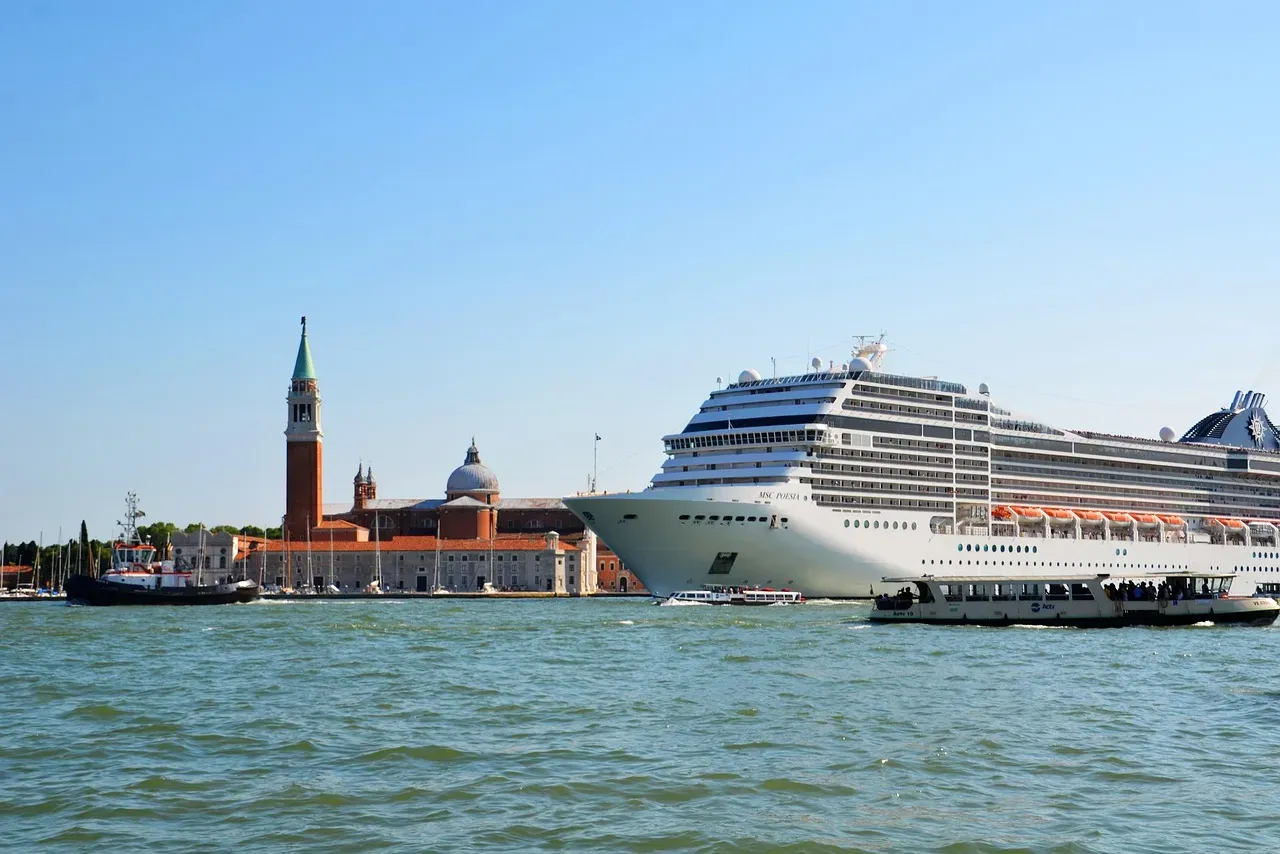
A medium-sized cruise ship spews greenhouse gas emissions equivalent to those of 12,000 cars. That number alone is striking enough, but the picture gets more complicated when you look at the full picture. Even the most efficient cruise ships today emit more CO2 per passenger kilometer than a passenger jet, with the world’s largest and most efficient vessels clocking around 250 grams of CO2 per passenger kilometer.
Cruise ships emit large amounts of sulfur oxides (SOx), contributing to air pollution and acid rain. In 2022, Europe’s 218 cruise ships emitted as much SOx as 1 billion cars. Although cruise ships make up only 1 percent of the global fleet, they account for 6 percent of black carbon emissions, releasing the highest amount of black carbon per ship of any vessel. That is not a minor footnote. That is a structural problem baked into the industry’s core model.
Sewage, Solid Waste, and the Ocean They Sail Through
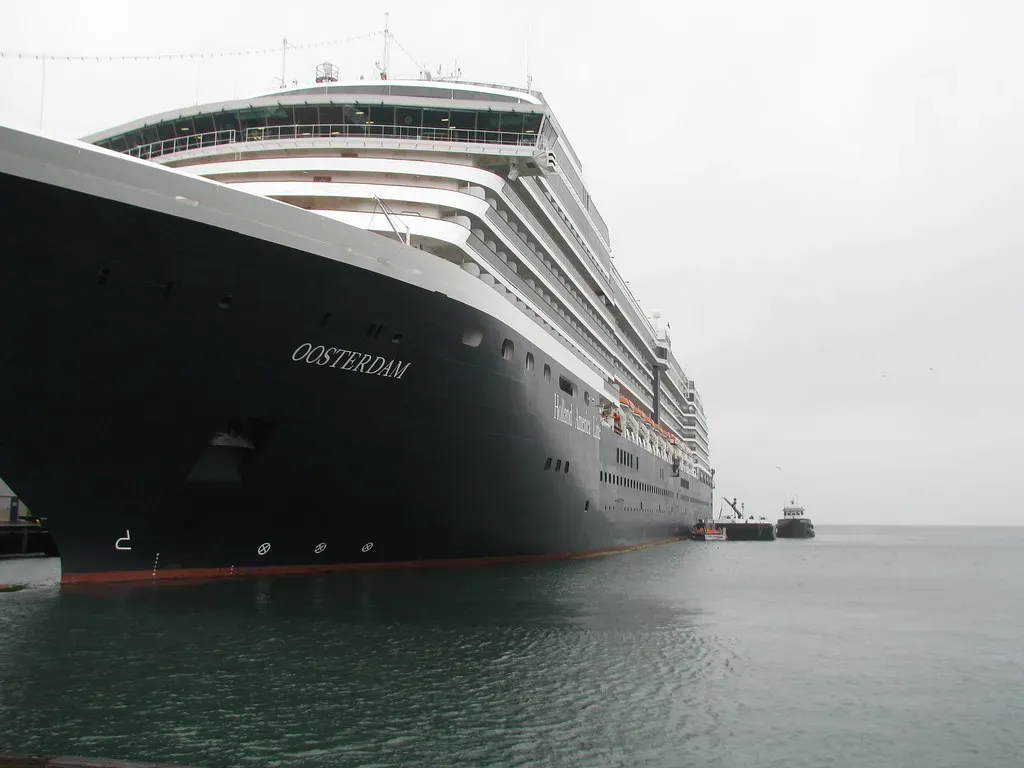
The US Environmental Protection Agency estimates that a 3,000-person cruise ship generates 176,400 gallons of sewage per week, adding up to over one billion gallons of sewage a year for the industry as a whole, the equivalent of 1,515 Olympic-sized swimming pools. Most people assume this is treated responsibly. It often is not. Most vessels are equipped with a treatment plant that removes pollutants from the sewage before discharging it into the sea, however pollutants such as heavy metals, nutrients, and non-biodegradable organic chemicals may remain even after secondary treatment.
Other than water, air, and noise pollution, solid waste generated on cruise ships, such as plastic, paper, wood, cardboard, food waste, cans, and glass, is also deeply problematic. It is estimated that about 50 tons of solid waste are generated during a one-week cruise, and that some 24 percent of the solid waste generated by vessels worldwide comes from cruise ships. Scientists estimate that the cruise industry discharges approximately 1.5 gigatons of toxic exhaust gas scrubber wastewater annually. These are not accidents. They are operational outputs of an industry running at scale.
The Greenwashing Problem Is Real and Documented
The 2024 Cruise Ship Report Card from Friends of the Earth takes a continued hard look at the cruise industry to see if clean cruising is possible, and in most cases the answer is still a resounding no. Many cruise lines point to liquefied natural gas as a cleaner alternative, but the science tells a more complicated story. Once hailed as a solution due to its ability to cut CO2 emissions by roughly a quarter, LNG is now known to release unburned methane during combustion, and as the UN has previously asserted, methane has 80 times more global warming potential than carbon dioxide over a 20-year period.
The Dutch Advertising Board ruled that adverts for MSC Cruises, the world’s fourth-largest cruise line, claiming that LNG is a sustainable alternative to existing marine fuel and that the company is on track to meet the 2050 net zero target, were untrue and misleading. Many cruise ships have installed exhaust gas scrubbers to reduce smokestack emissions and comply with cleaner fuel rules, however while scrubbers reduce some air pollution, most discharge contaminated, toxic wastewater, effectively trading one dirty pollution source for another. The pattern is frustratingly consistent across the industry.
Ports Are Fighting Back, and They Are Right To
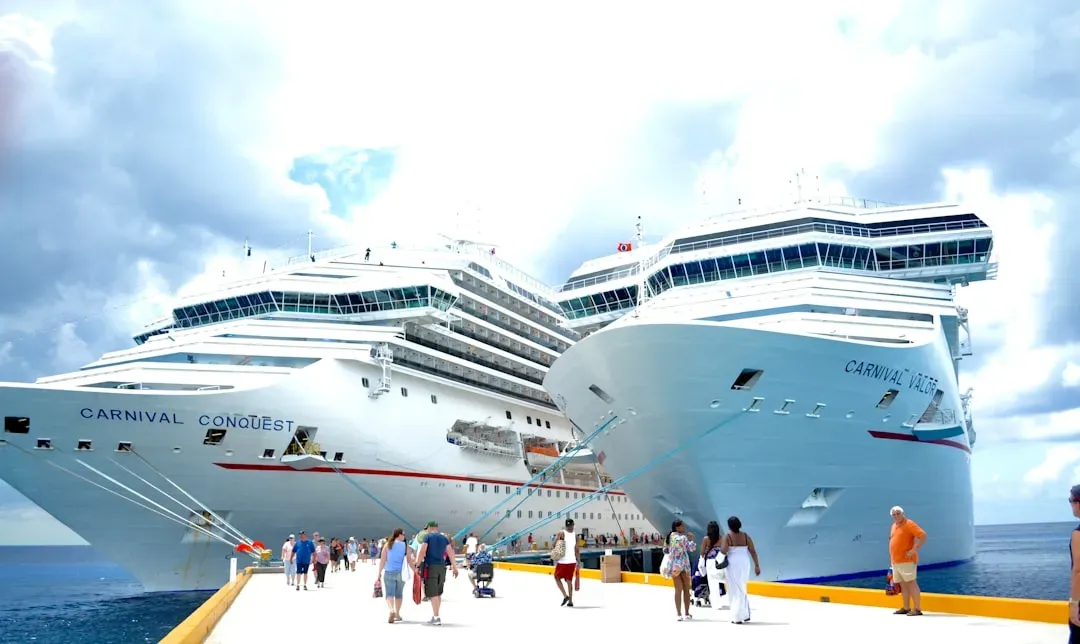
In recent years, many iconic destinations have had to implement drastic measures to limit the number of tourists arriving by cruise ship. Venice, one of the most famous cities in the world, has banned large passenger ships from docking in its port due to environmental concerns and the saturation of its historic center. The results in Venice were immediate and instructive. Venice significantly improved after banning large cruise ships, resulting in an 80 percent fall in sulfur oxide emissions.
In July 2025, the city of Barcelona announced a significant change to its cruise tourism policy. Two of its cruise terminals at the Moll Adossat port will be permanently closed by October 2026, reducing the city’s cruise traffic by nearly half. Cannes, famous for its film festival, will ban ships carrying over 3,000 passengers starting in January 2026, aiming to reduce pollution and manage crowds. The Dutch city of Amsterdam plans to limit cruise ships in its harbour to just 100 in 2026, down from 190 currently, before banning them entirely by 2035. These are not fringe environmental gestures. These are formal policy decisions made by major cities that have seen enough.
The Experience Itself Has Become Hollow
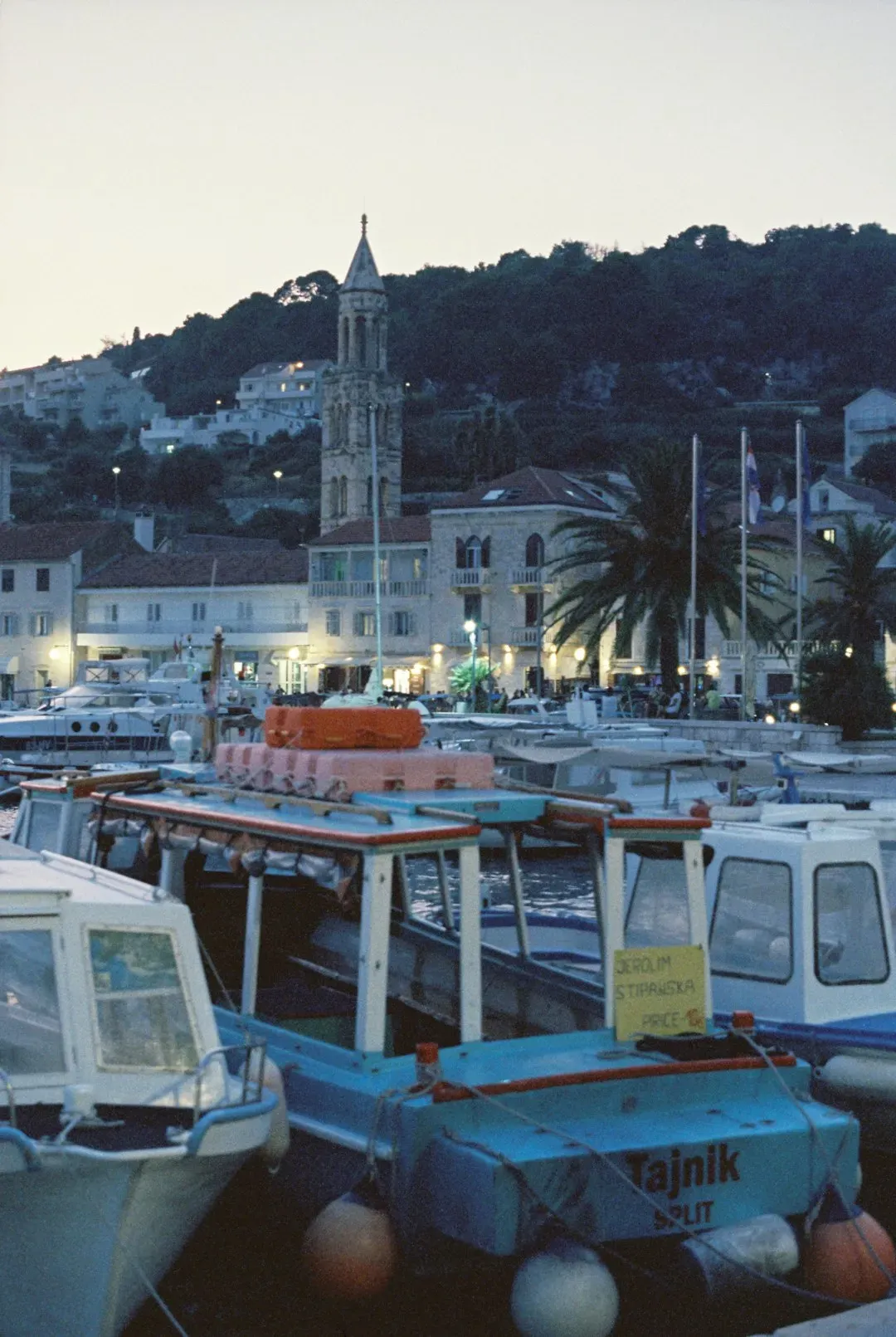
Each vessel can bring thousands of passengers to a city for just a few hours, concentrating large crowds in tourist-heavy areas. While local economies may see limited financial benefit from these short visits, the environmental and social costs are significant. In Barcelona, studies have shown that cruise passengers spend less per day compared to overnight visitors. You arrive in a place you have never been, spend ninety minutes circling the famous square with two thousand other people, and leave having experienced almost nothing real about it. That pattern repeats at every port.
Rather than travelling at any cost, consumers are slowing down and travelling more meaningfully, even if that means they travel less often. Slow travel is being woven into more mass travel options, empowering people to travel better. According to a recent survey, over 70 percent of travelers are moving away from fast-paced sightseeing and toward more restorative, meaningful escapes. Nearly half confessed they have come home from past trips feeling more exhausted than refreshed, and now 77 percent say they intentionally plan slower vacations. Those numbers reflect exactly how I started feeling after a few cruise itineraries.
What I Choose Instead
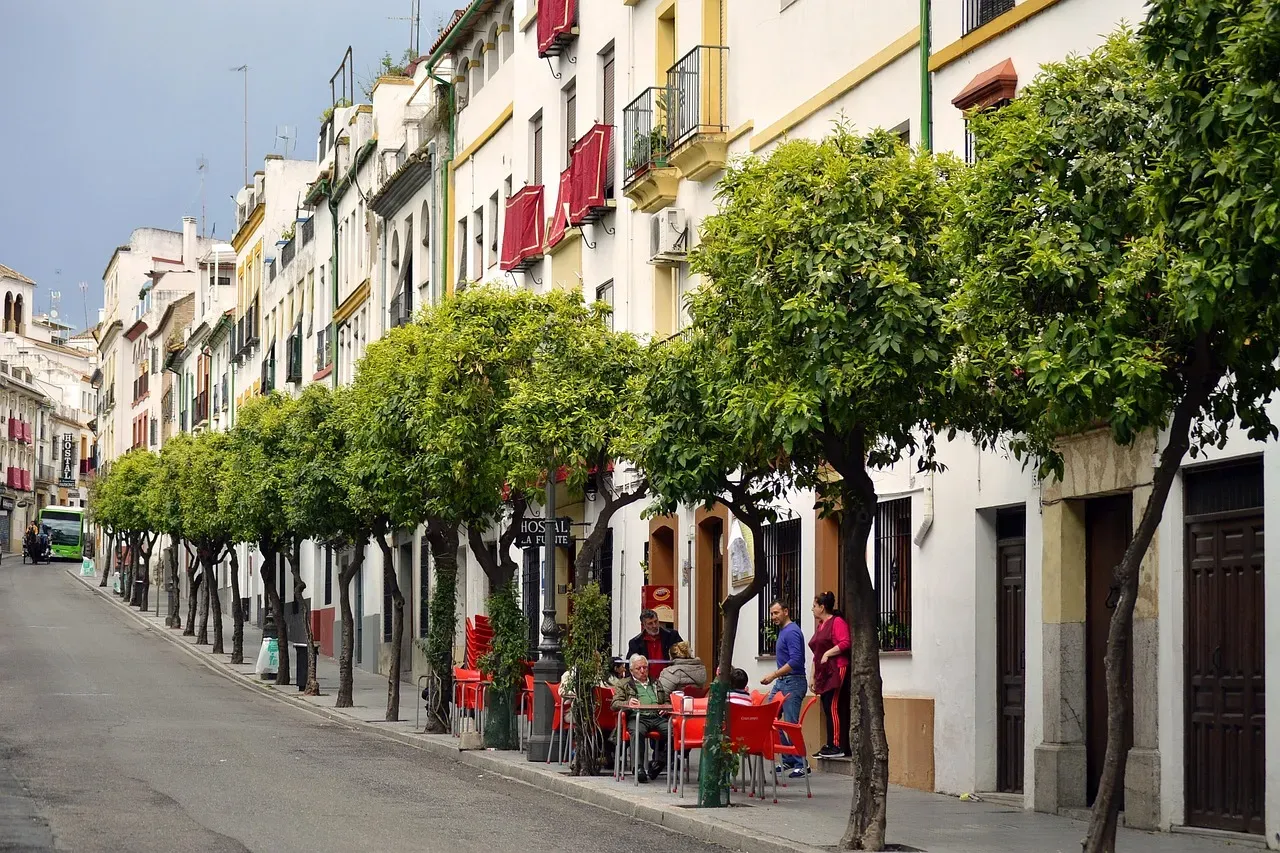
Overtourism in 2024 has led to a shift toward “destination dupes,” where travelers opt for lesser-known alternatives to overcrowded hotspots. For example, Puglia and Sicily are becoming popular substitutes for Cinque Terre and Rome, while Norfolk offers a quieter alternative to Cornwall. These destinations provide similar charm with fewer crowds, making them ideal for those seeking a more relaxed experience. That shift is exactly where I landed. Choosing one region, staying for two or three weeks, hiring local guides, eating at restaurants that do not have photographs on the menu.
The luxury travel trends of 2025 reflect a deeper desire for meaningful, immersive, and mindful experiences. Whether planning a private tour of Europe, a multi-generational adventure, or a serene calmcation, these trends offer genuine inspiration for the next journey. Rather than travelling at any cost, consumers are slowing down and travelling more meaningfully, even if that means they travel less often. Slow travel is being woven into more mass travel options, empowering consumers to travel better. Choosing depth over breadth, staying in locally owned accommodation, and contributing actual spending to the communities visited, those are the choices that have made travel feel worthwhile again.