7 Travel Trends That Are Quietly Reshaping Vacations
Vacations used to follow a familiar script. Book a flight, pick a hotel, see the famous sights, come home. That model still works for plenty of people, but the way a growing number of travelers are actually planning and experiencing their trips has been shifting in ways that don’t always make the front page. The changes are less dramatic than a new airline or a viral destination, and that’s exactly what makes them worth paying attention to.
From the way people use technology to decide where to go, to how long they stay and what they actually do when they get there, the texture of modern travel is changing. These aren’t passing fads. They’re being confirmed by survey data, booking behavior, and shifts that major hospitality companies are actively designing around right now in 2026.
1. Slow Travel Is Becoming the Default, Not the Exception

As life accelerates, slow travel – immersing oneself into a destination for an extended time as a local to fully experience the culture – is gaining popularity. Rather than rushing between cities and checking off landmarks, more travelers are staying in one place long enough to actually feel part of it. Revenge travel is now a thing of the past. Rather than travelling at any cost, consumers are slowing down and travelling more meaningfully, even if that means they travel less often.
Already a popular form of travel in Europe, surveys show that slow tourism is emerging as a major trend for U.S. travelers, with nearly seven in ten American travelers saying they would try to incorporate this travel style into their trip in some way. The economics make sense too. Growing costs in major tourist destinations mean travelers may not get the value they want from their travel funds, and slow travel, with leisurely paced transportation, underrated towns or cities, and authentic exploration, can provide more meaningful immersion over a whirlwind trip to Rome or Paris.
2. Secondary Cities Are Pulling Travelers Away from the Obvious Spots

To better experience local culture, avoid contributing to overtourism, and potentially save a few dollars, travelers are increasingly avoiding peak seasons and heavily visited destinations. This is fueling real interest in places that have always been worth visiting but rarely got the tourist traffic. That shift is fueling the rise of so-called “secondary cities,” which sit outside major tourist hubs and offer more immersive experiences.
Indonesia rolled out its “Tourism 5.0” strategy, which aims to develop five “super priority” secondary destinations designed to shift tourism beyond Bali. Japan, too, is leaning into regional campaigns to steer visitors away from Tokyo and other major city centers. The trend shows up in the booking data as well. Skyscanner highlights Limon in Costa Rica with searches up nearly three times over, and Jaipur, India up by more than double, as trending spots gaining fast-growing interest.
3. Wellness Has Moved from a Hotel Amenity to the Whole Point

Wellness travel has evolved from spa packages to science-backed longevity programs and mental health-focused trips. It’s no longer about having a gym in the hotel or a yoga class on Tuesday morning. Travelers are now actively choosing destinations, and even entire vacations, because of specific wellness outcomes they want to achieve. According to the International Luxury Travel Market, more than nine in ten luxury travelers now actively look for wellness programs when booking a trip.
The wellness tourism market has grown strongly in recent years. It is projected to grow from roughly $975 billion in 2025 to over a trillion dollars in 2026 at a compound annual growth rate of nearly ten percent. The demand isn’t limited to high-end travelers either. Wellness tourism is growing twice as fast as traditional tourism, and roughly one in five travelers now prioritizes wellness experiences. Offerings range from Ayurvedic retreats in India to silent retreats in Canada and desert wellness resorts near Joshua Tree in California.
4. AI Is Taking Over the Logistics of Trip Planning
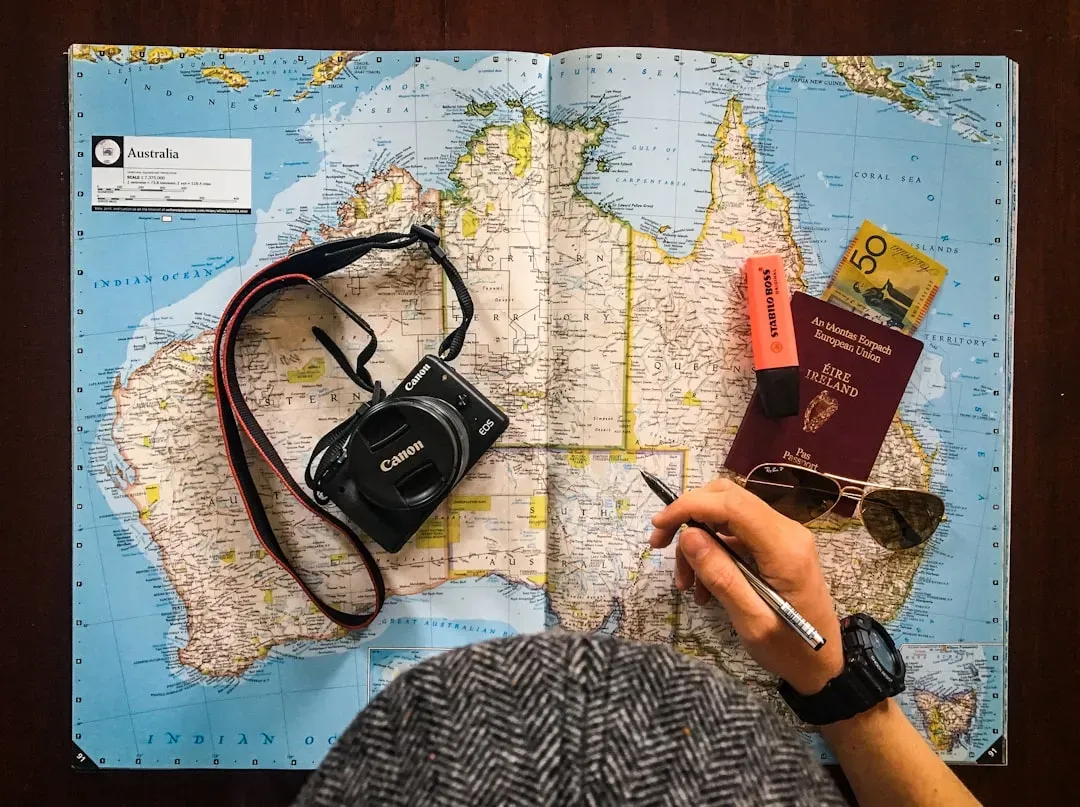
In 2025, artificial intelligence has become a trusted travel companion for millions of people. From planning the perfect itinerary to finding hotel deals and even translating signs on the street, AI-powered tools are transforming how we travel. The adoption numbers are striking given how recently most of these tools launched. Roughly nine in ten travelers are now aware that AI can help plan or book travel, though only about four in ten have actively used it for trip planning so far.
Among those who have adopted AI for planning, travelers are no longer just using it for inspiration or research – they are acting on its guidance. Decision-making is moving from browsing and comparing to delegating and confirming. Hotels are adapting on their end as well. Hotels are adopting AI to tailor guest experiences. Marriott is automating room assignments and prioritizing complimentary upgrades for loyal guests, while Hyatt is testing an AI-powered search tool that helps travelers find properties by amenities or price.
5. Multigenerational Travel Is Having a Genuine Moment

According to a U.S. Family Travel Survey, nearly three quarters of participants have already taken multigenerational vacations in the last three years, and more than half now say they will travel with their family next year. Younger people are cleverly using family trips to share costs, split responsibilities, and actually spend quality time together. It’s less about obligation and more about genuine preference, and the planning is getting more collaborative as a result.
According to the American Express Global Travel Trends Report, more than half of Millennial and Gen Z parents planned to take their extended family on vacation, with most aiming to spend quality time together. The survey also found that more than two thirds of younger parents involve their children in vacation planning, compared with just over half of Gen X and Baby Boomer parents. Multi-generational travel is also booming, with families making up for lost time by planning larger trips that cater to all ages.
6. Event-Led Travel Is Reshaping How People Pick a Destination

In 2026, the destination is wherever the action is. From stadium anthems to championship chants, travelers are building their itineraries around moments that make headlines. The concert or the festival isn’t something tacked onto a trip anymore – it’s the reason the whole trip exists. Roughly nine in ten Gen Z and Millennial travelers say they plan to travel for a major event in 2026, whether it’s a concert, festival, or global sports showdown. Music leads with about four in ten hitting the road for live shows, followed by sports, cultural festivals, and unique performances in unexpected places.
The scale of event-driven travel in 2026 is also being shaped by genuinely large moments on the calendar. International inbound travel is projected to resume growth in 2026, driven by U.S. hosted events such as the FIFA World Cup and America’s 250th Anniversary celebrations. What’s notable is that this isn’t just a Gen Z phenomenon. The habit of anchoring a trip around a specific event is spreading across age groups, and the travel industry is actively designing packages and itineraries to meet that demand.
7. Travelers Are Letting the Accommodation Choose the Destination
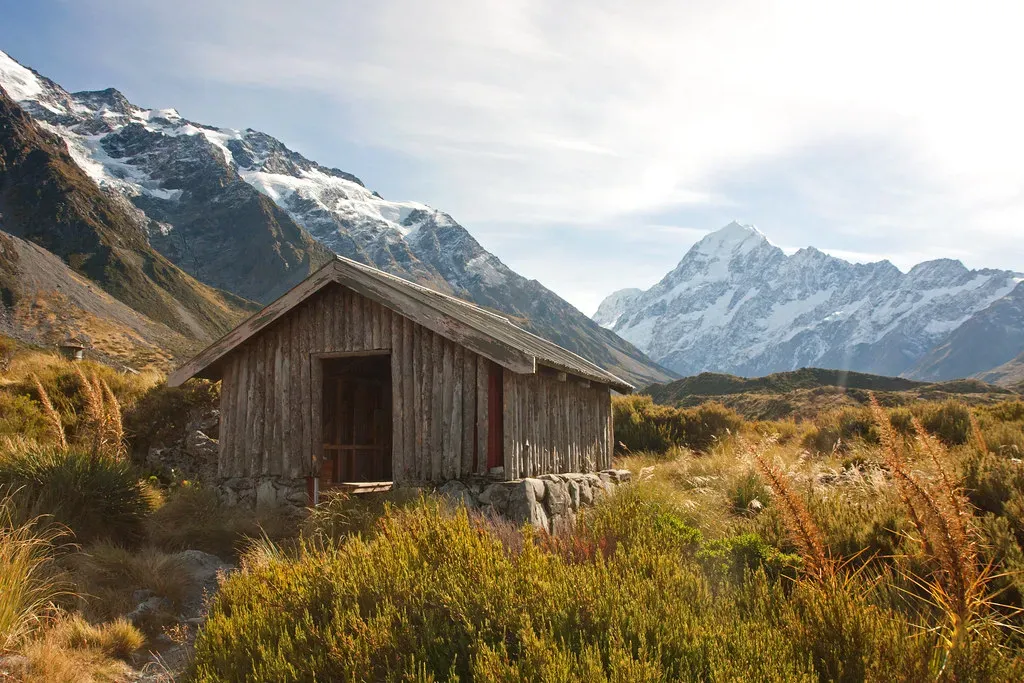
Travelers are increasingly choosing destinations based purely on the accommodation itself. More than half of travelers have picked where to go based solely on where they’d stay. This is partially a comeback of the classic resort vacation model, but with a modern twist – people want unique, memorable properties that set the tone for their entire trip. The property is no longer just a place to sleep between activities. It’s become the activity itself.
A large majority of travelers are considering mountain escapes for summer or fall 2026, drawn by peace and quiet, clean air and cooler weather, and beautiful remote accommodations. Hotel bookings using Skyscanner’s “room with a mountain view” filter are up more than double globally. Travelers are increasingly choosing stays that immerse them in nature and allow them to fully disconnect, with yurts, pods, shepherd’s huts, and cabins tucked among trees or set beside quiet lakes becoming the preferred way to unwind. That shift toward the stay as the centerpiece is one of the quieter but most consequential changes in how vacations are being imagined and sold right now.
What connects most of these trends is something simple: people are thinking harder about what they actually want from time away. The days of the default itinerary – famous city, famous sights, crowded hotel – aren’t over, but they’re increasingly sharing space with a much more deliberate kind of travel, one where the purpose matters as much as the destination.