8 Common Cooking Mistakes That Change Everything
Most people who cook at home consider themselves reasonably competent. They follow recipes, they taste as they go, and they’re proud of the meals they put on the table. Yet a surprising number of dishes fall flat not because of missing talent or bad ingredients, but because of small, habitual errors that happen quietly every time.
These aren’t catastrophic blunders. They’re the kind of mistakes that are easy to overlook precisely because they’ve become routine. Understanding them doesn’t require culinary school. It just requires a closer look at what’s actually happening inside the pan.
1. Overcrowding the Pan
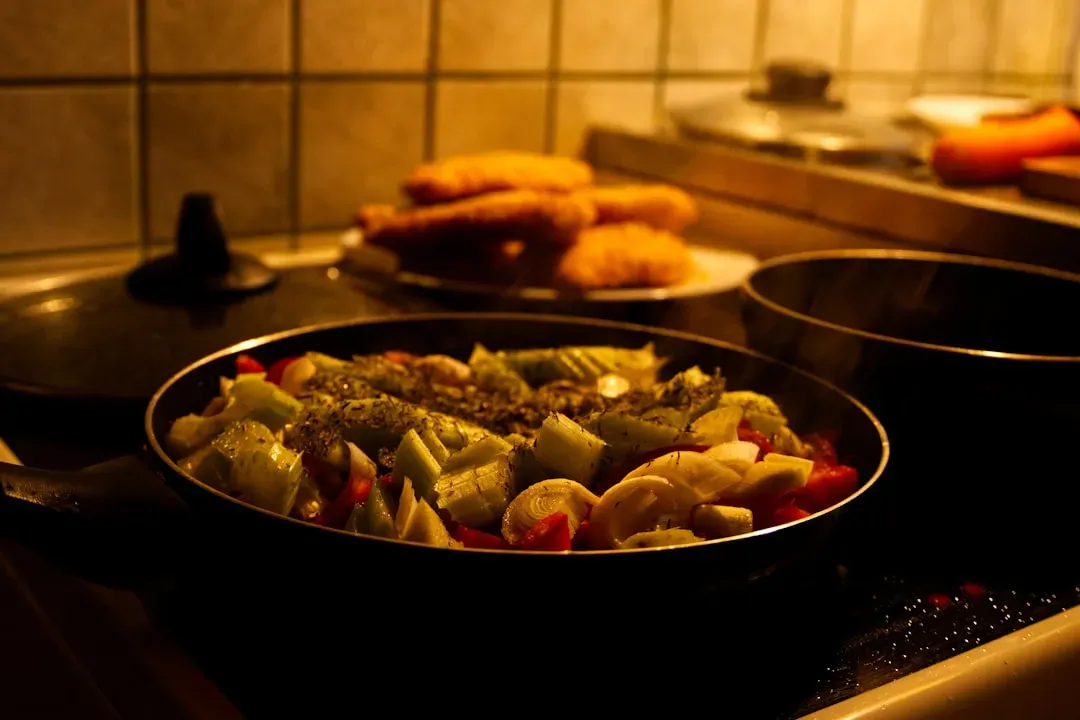
One of the most overlooked kitchen mistakes is overcrowding pans. When you cram too many ingredients into a single pan, you disrupt heat circulation. Instead of achieving a golden-brown crust or crispy texture, your food ends up steaming in its own moisture. This is especially painful with proteins, where the goal is a proper sear.
Whenever you’re cooking meat, once it heats up, it will start releasing moisture from within. If the pan is at a high temperature, the water will quickly evaporate, and your meat will start browning within the first few minutes. In a process known as the Maillard reaction, amino acids react with sugars under high temperatures to produce the brown coloring common to deliciously cooked meats. The goal is a good sear, and you won’t get this when your pan is overcrowded. Cooking in batches takes more time but delivers dramatically better results.
2. Skipping the Preheat
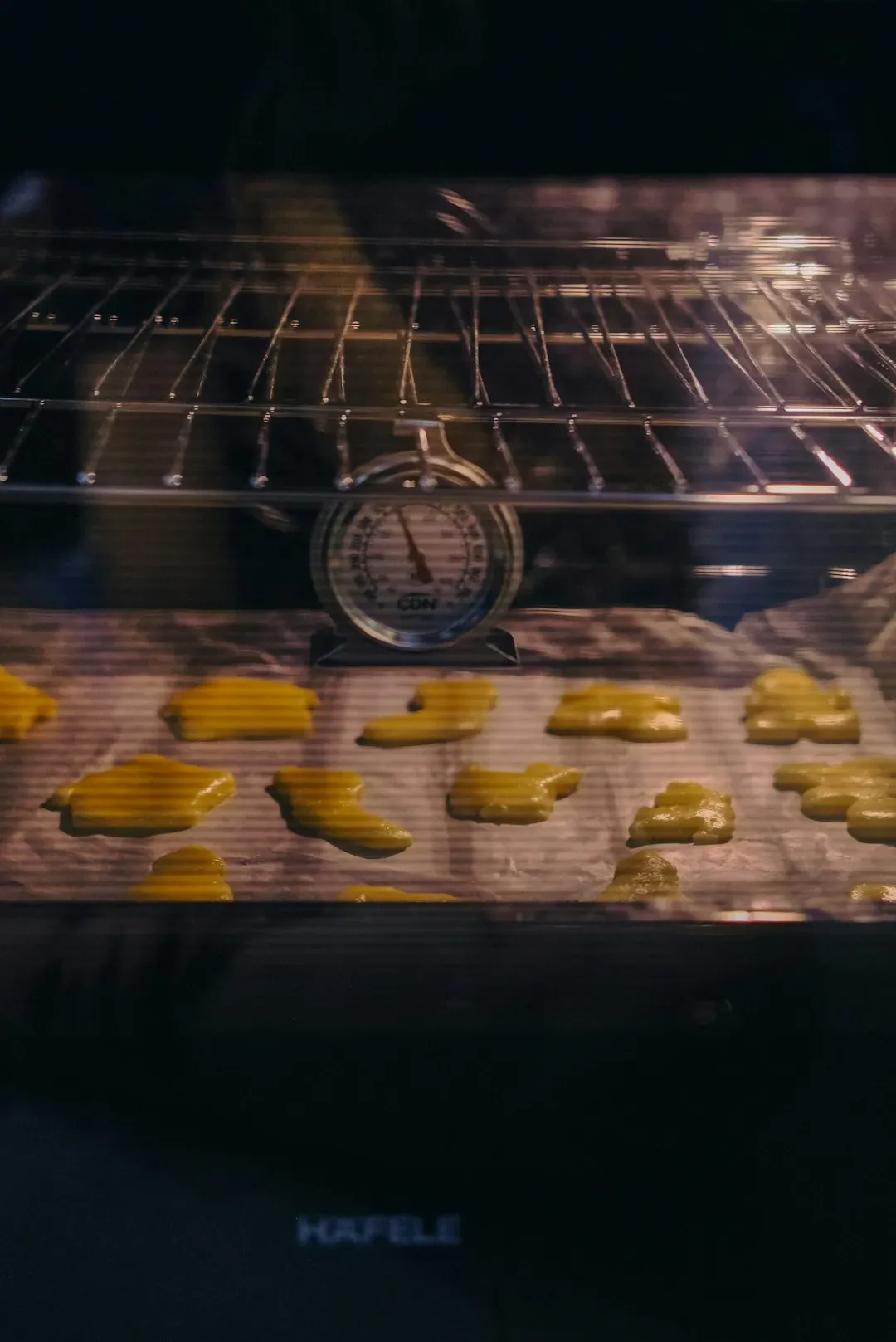
Skipping preheating is a common mistake that can ruin your cooking efforts. Preheating ensures that your oven reaches the correct temperature before you start cooking, which is crucial for consistent results. Without it, food cooks unevenly and may not develop its intended texture or flavor. The same logic applies to a stovetop pan, not just the oven.
Starting with a cold pan causes food to cook unevenly, and it can also lead to sticking, especially with proteins like chicken or fish. Always preheat your pan before adding oil or food. A properly heated pan ensures even cooking and prevents sticking. It’s a small step that costs roughly two minutes and saves the entire dish.
3. Not Resting Meat After Cooking
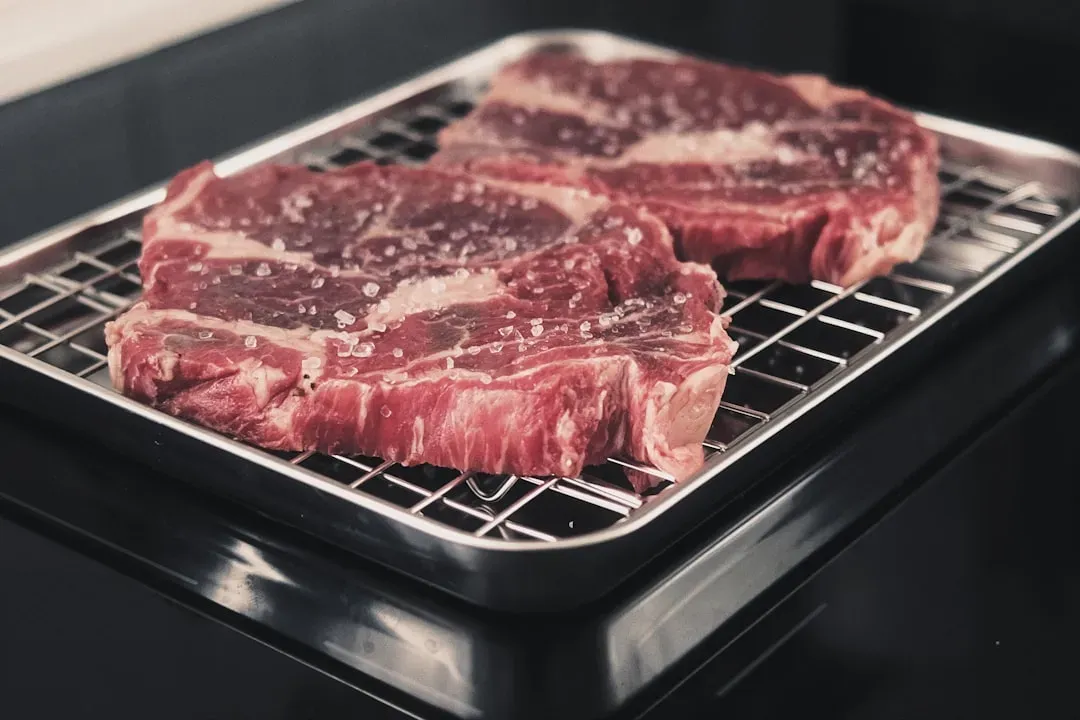
Cutting into meat as soon as it’s off the heat causes the juices to run out, leaving your meat dry and less flavorful. Letting it rest allows the juices to redistribute throughout the meat, keeping it juicy and tender. This applies to everything from a weeknight chicken breast to a weekend roast.
The science behind it is worth understanding. Thermal mapping reveals that meat continues to cook significantly after leaving the heat source. This carryover cooking is driven by conduction from the hotter outer layers to the cooler core. A thick roast can rise noticeably in temperature during this rest; even a steak can climb several degrees. In other words, resting meat prevents the final stage of moisture loss. Skipping that rest costs you more than you’d expect.
4. Boiling Vegetables Instead of Steaming Them
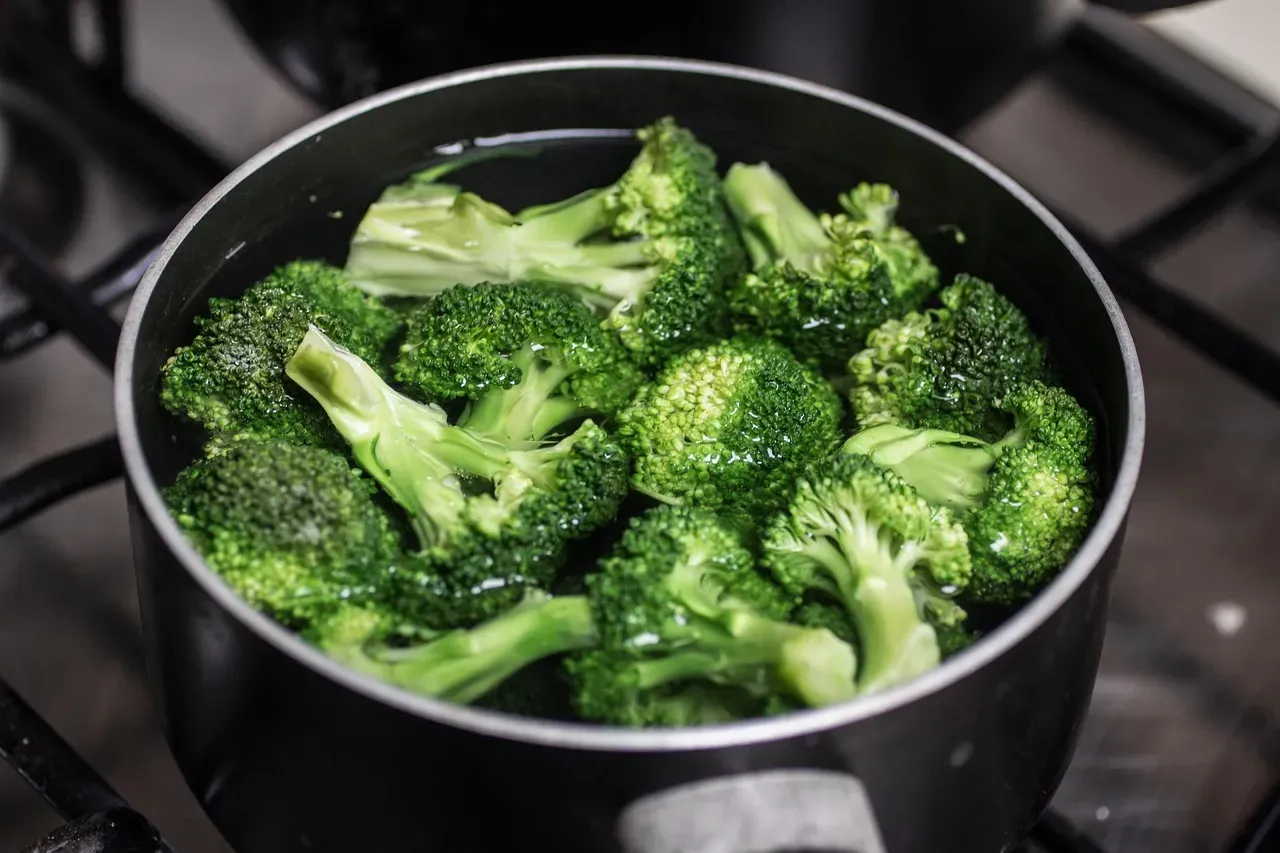
Vegetables are generally a great source of vitamin C, but a large amount is lost when they’re cooked in water. Most people know vegetables can lose nutrients when overcooked, but fewer realize just how much the cooking method itself matters, even when the cook time is identical.
Boiling vegetables leads to the most substantial reduction in ascorbic acid content, with spinach experiencing the greatest decline. In contrast, microwaving had the mildest effect on ascorbic acid, preserving over 90 percent of the initial content. Steaming is one of the best cooking methods for preserving nutrients, including water-soluble vitamins, which are sensitive to heat and water. The water the vegetables boil in isn’t just cooking them – it’s draining them.
5. Using the Wrong Oil for the Heat Level
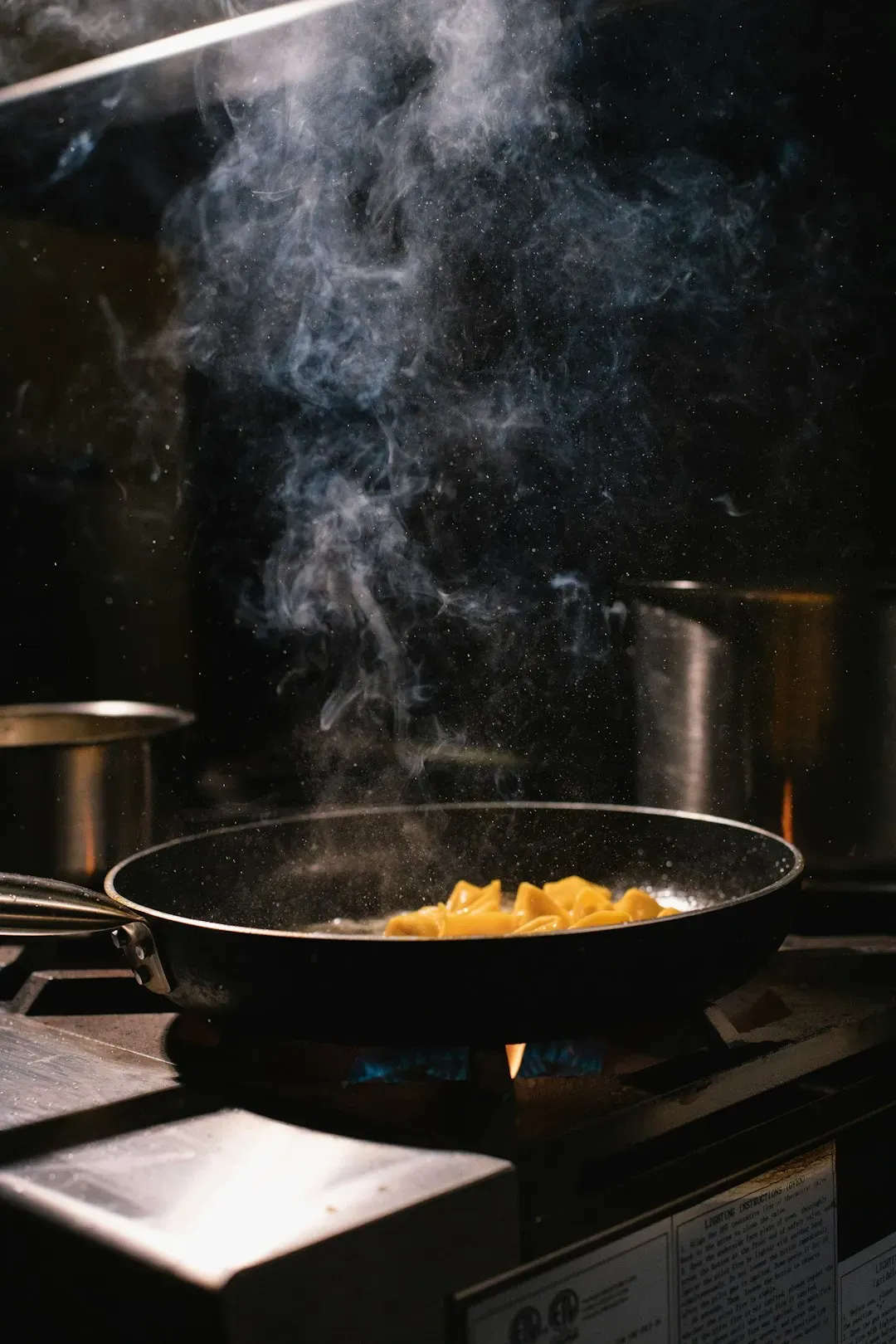
Oils have different smoke points, which is the temperature at which they begin to burn. This matters far more than most home cooks realize. Using a delicate oil over high heat doesn’t just affect flavor – it can actually become harmful.
Certain oils, like coconut oil and olive oil, contain nutritional compounds that can be instantly destroyed when heated to high temperatures above their smoke points. Not to mention that the preparation process will produce toxic fumes and free radicals. For general cooking at home, including roasting, frying, and sautéing, experts recommend using a neutral oil like sunflower or grapeseed. For flavoring cold sauces and drizzling over prepared food, extra virgin olive oil preserves both flavor and nutrition best.
6. Under-Seasoning at the Wrong Stage
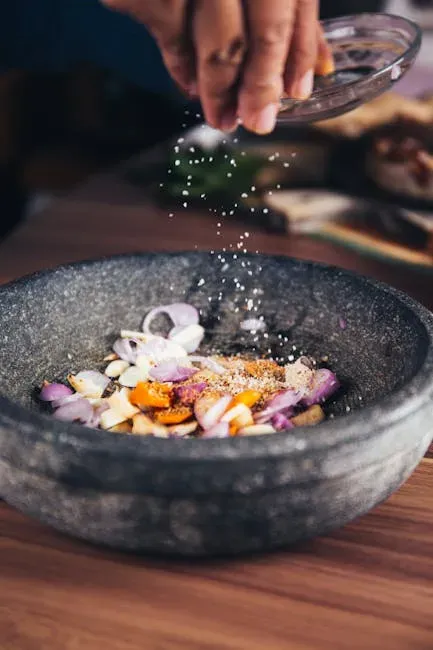
For meats, salt them at least 30 minutes before cooking to allow it to absorb and tenderize. Taste as you go and adjust seasonings gradually during cooking rather than adding everything at once. For herbs and spices, consider their potency and timing. Fresh herbs like parsley or basil are best added at the end of cooking for brightness, while dried spices benefit from being toasted lightly in oil at the beginning to release their full aroma.
Not tasting your food as you cook can lead to under-seasoned or over-seasoned dishes. Since ingredients develop flavors over time, adjustments may be needed to balance the taste. Seasoning isn’t something you do once at the start and forget. It’s an ongoing conversation with the dish as it cooks.
7. Cutting Into Food at the Wrong Size
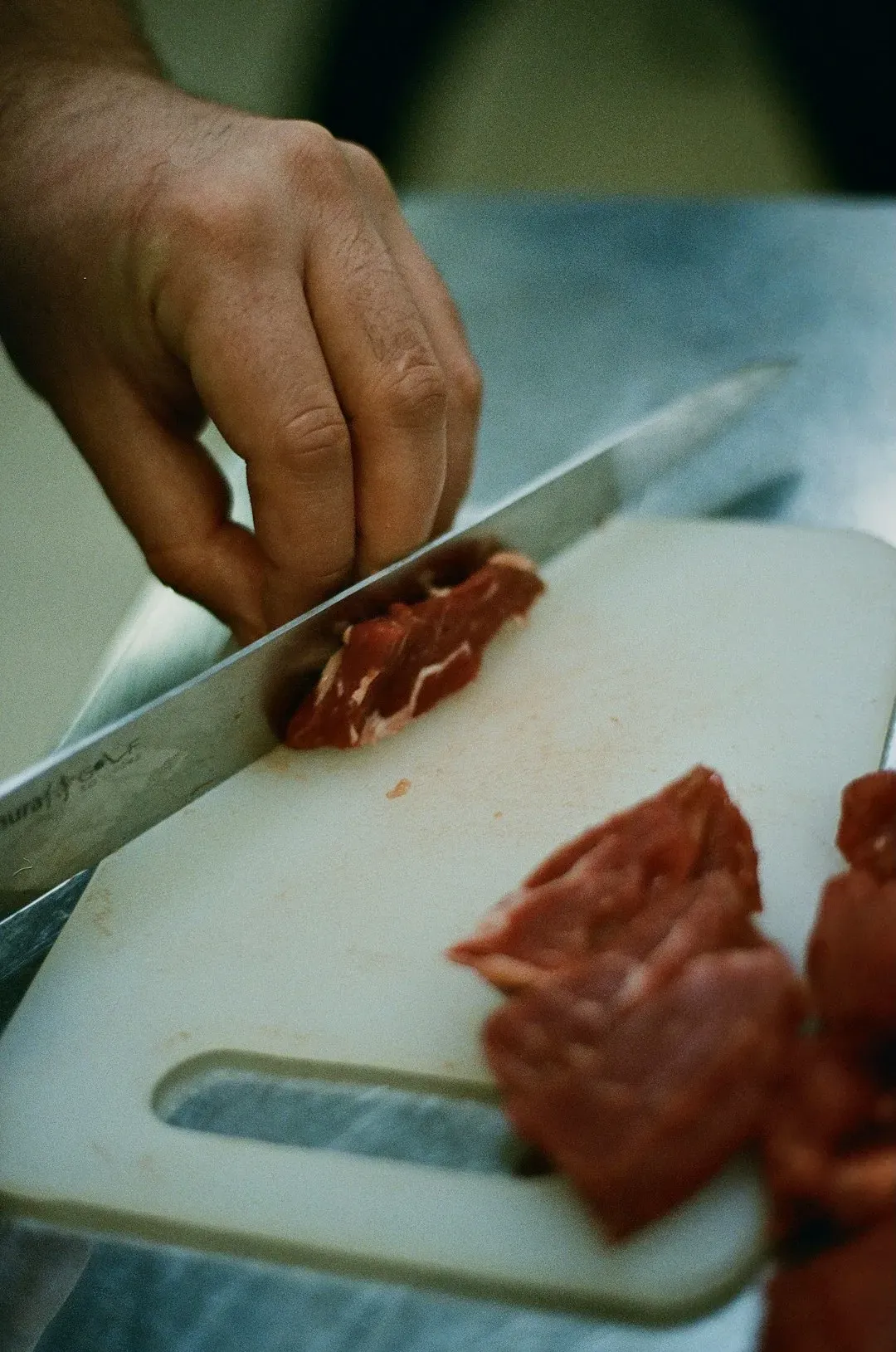
Knife work sounds like a skill reserved for professionals, but inconsistent cuts have a very practical consequence: uneven cooking. When pieces vary widely in size, smaller ones finish well before larger ones. The result is a pan where some pieces are perfectly done and others are either undercooked or already dry.
Improper knife cuts affect cooking times and presentation. Small mistakes in measurement or timing can change how food tastes and even its safety. One small mistake, like a wrong decimal in a recipe, can cause big problems. For example, taking steak out of the pan just a few degrees too early can make it undercooked. Uniform cuts aren’t just about aesthetics – they’re about control over the final result.
8. Washing Raw Chicken Before Cooking
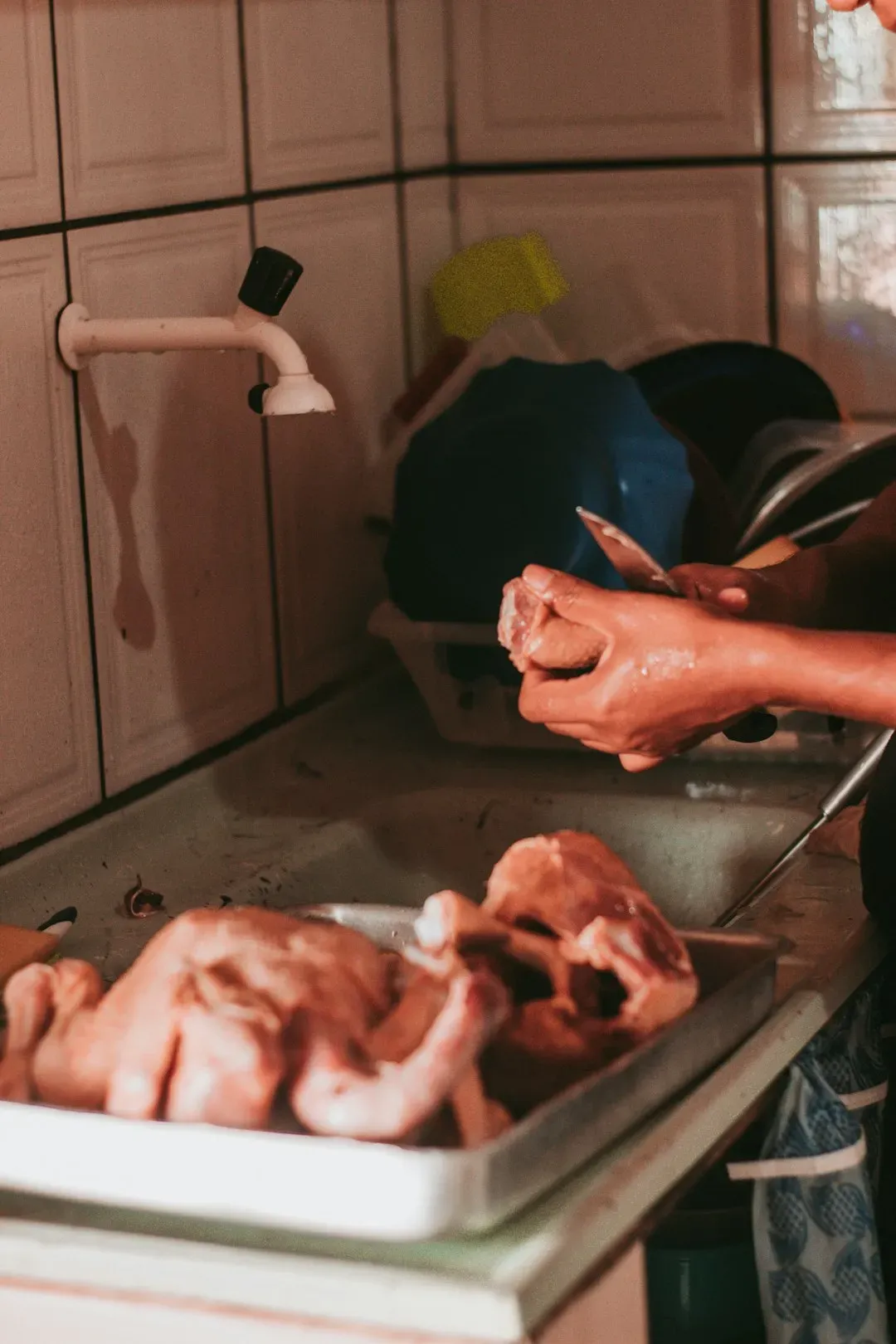
This one surprises people, because it genuinely feels like the right thing to do. Rinsing raw chicken under the tap seems hygienic. In reality, it’s one of the more reliable ways to spread bacteria around the kitchen.
When raw chicken is placed under running water, some of the bacteria that could be on the surface ends up in the sink, where dishes are washed, and it can splatter as much as two feet around, contaminating surfaces with dangerous salmonella or other harmful bacteria. Raw poultry is ready-to-cook so it doesn’t need to be washed before cooking, and according to the CDC, raw chicken can be contaminated with bacteria such as Campylobacter, Salmonella, or Clostridium perfringens, so skipping the wash actually protects you and others from becoming sick. The heat of cooking handles what the rinse never could.
The interesting thing about all eight of these mistakes is that none of them require a major overhaul of how you cook. They’re small adjustments – a bit more patience here, a different oil there, a thermometer instead of guesswork. Cooking well has less to do with natural talent than with understanding why things work the way they do. Once that clicks, it’s hard to go back to the old habits.