The No-Go List: 9 Countries That Aren’t Very Welcoming to American Tourists
Traveling with an American passport used to feel like carrying a golden ticket. Doors opened, smiles followed, and the world rolled out a fairly generous welcome mat. Honestly, that’s still true in plenty of places. But the picture has shifted dramatically since 2024, and in some corners of the world, that shift has become a full-on reversal.
According to a Global Rescue Snap Survey of more than 1,400 current and former members conducted in March 2025, the vast majority of the world’s most experienced travelers expect U.S. tourists will be less welcome and perceived more negatively while traveling internationally. Seven out of ten surveyed said Americans will be perceived more negatively and feel less welcome abroad. Some of what’s driving this is political. Some of it is cultural. Some of it is the kind of slow-building resentment that finally boiled over. Let’s get into it.
1. France: The Chill Is Very Much Intentional
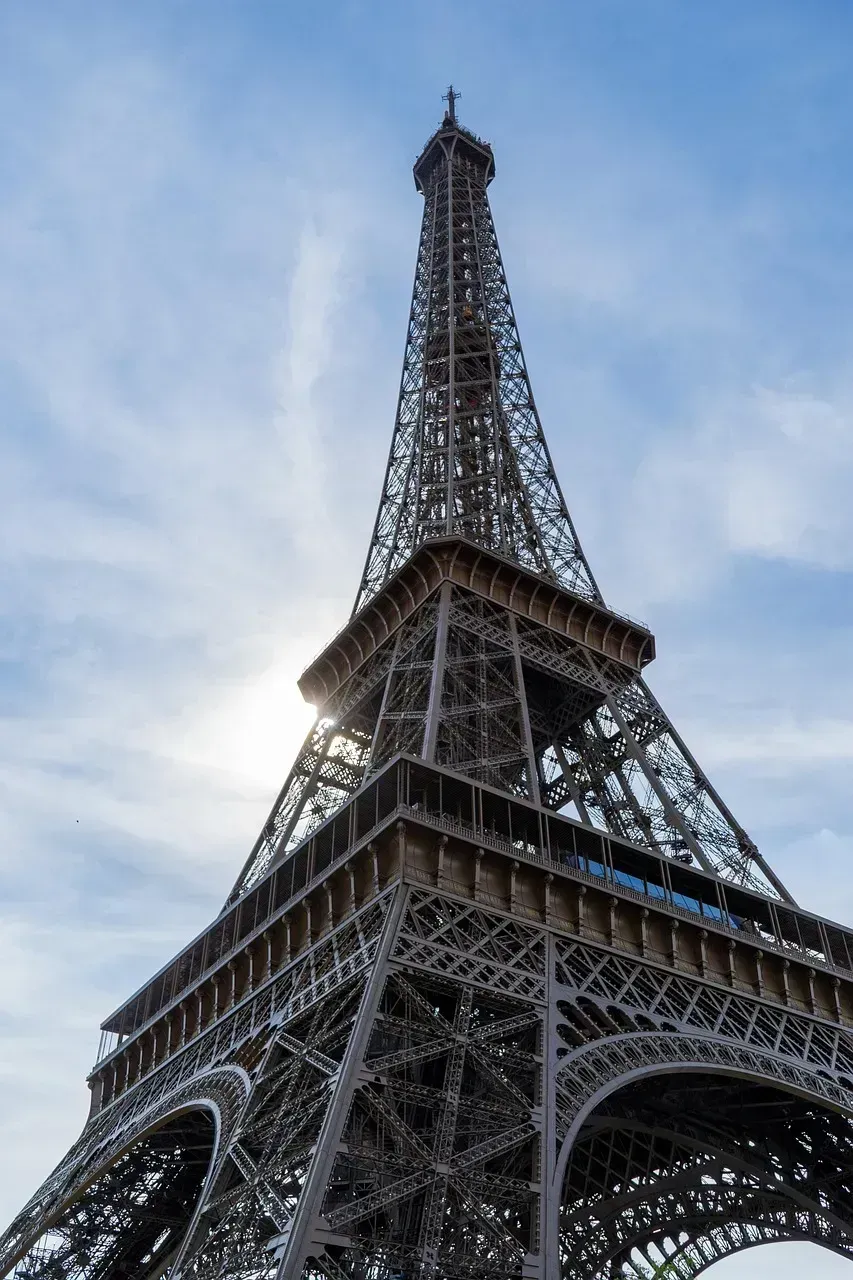
France has always had a reputation for being a little frosty with outsiders who don’t speak the language or bother with the basics of cultural respect. Most people just chalked it up to French personality. The numbers, though, tell a far more concrete story.
France leads the pack when Europeans call their own country unwelcoming to American visitors, with a 2025 Upgraded Points survey finding 15% of French respondents admitting Americans aren’t always wanted, fueled by perceptions of loudness and entitlement. No other European country came even close to that level of self-declared coolness toward U.S. visitors.
U.S. favorability in France plunged 33 points by early 2025, tied directly to trade disputes and political tensions. France’s disapproval rating for the United States currently sits at 67%, and this level of animosity can make it hard for Americans to feel welcomed in the country, regardless of how hard they try.
When asked which countries they thought viewed them least favorably, 47% of Americans picked France. Turns out they were completely right about that one.
2. Norway: Quiet Resentment, Loud Statistics
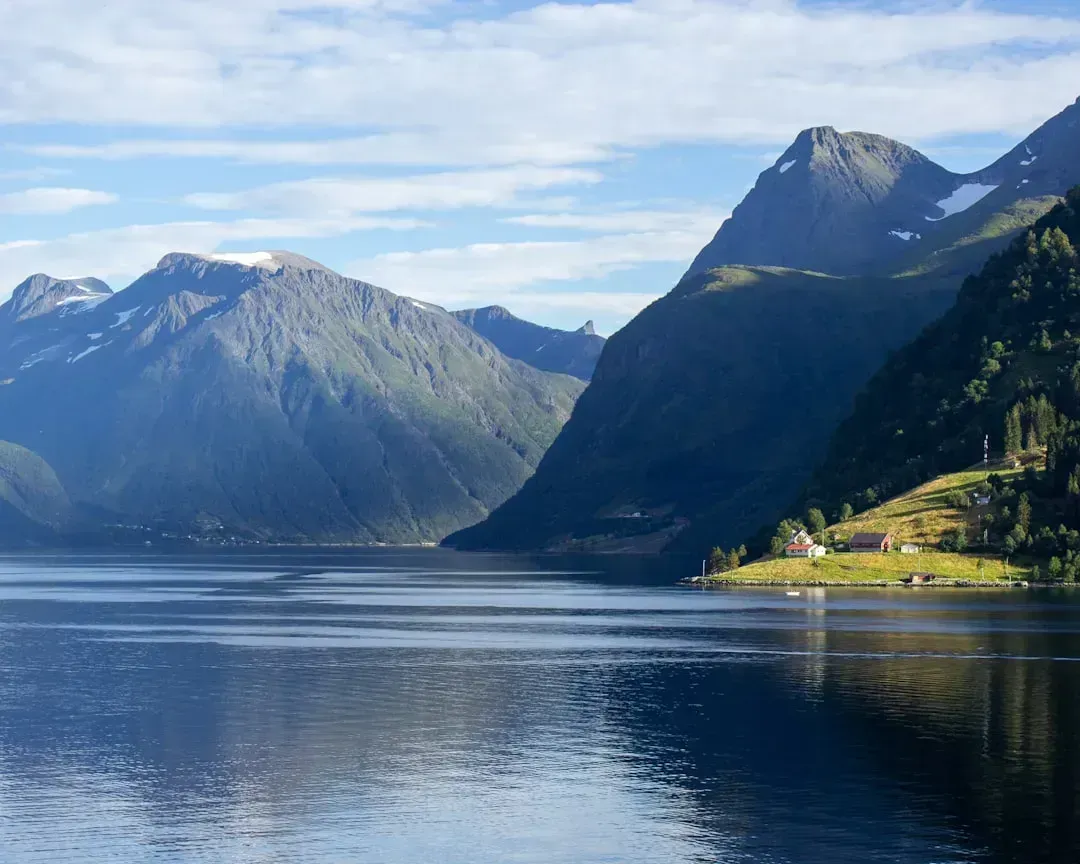
Norway doesn’t do dramatic. It’s calm, composed, and famously civil. Which is exactly why the data coming out of this Scandinavian nation carries so much weight. When even the Norwegians are sending a chilly signal, something real is happening.
Scandinavian countries stood out most in surveys about political impact on tourism. Norway topped the list at 44% saying the 2024 U.S. presidential election impacted how they view American travelers, followed by Estonia at 35%, Sweden at 31%, Denmark at 30%, and Finland at 29%.
Research by YouGov indicates that Norwegians generally are opposed to the idea of allowing tourists into Norway, with an exception for visitors from Denmark. Around 44% of Norwegians express support for Danish tourists. In contrast, Americans and Chinese are the least favored tourists among Norwegians, with opposition percentages reaching 77% and 73%, respectively.
Norway’s reserved nature clashes with boisterous styles. Imagine hiking through one of the most stunning silent landscapes on earth and having someone next to you delivering a play-by-play into their phone for their Instagram audience. Norwegians notice this. They just rarely say anything to your face.
3. Hungary: The Unexpected Friction Zone
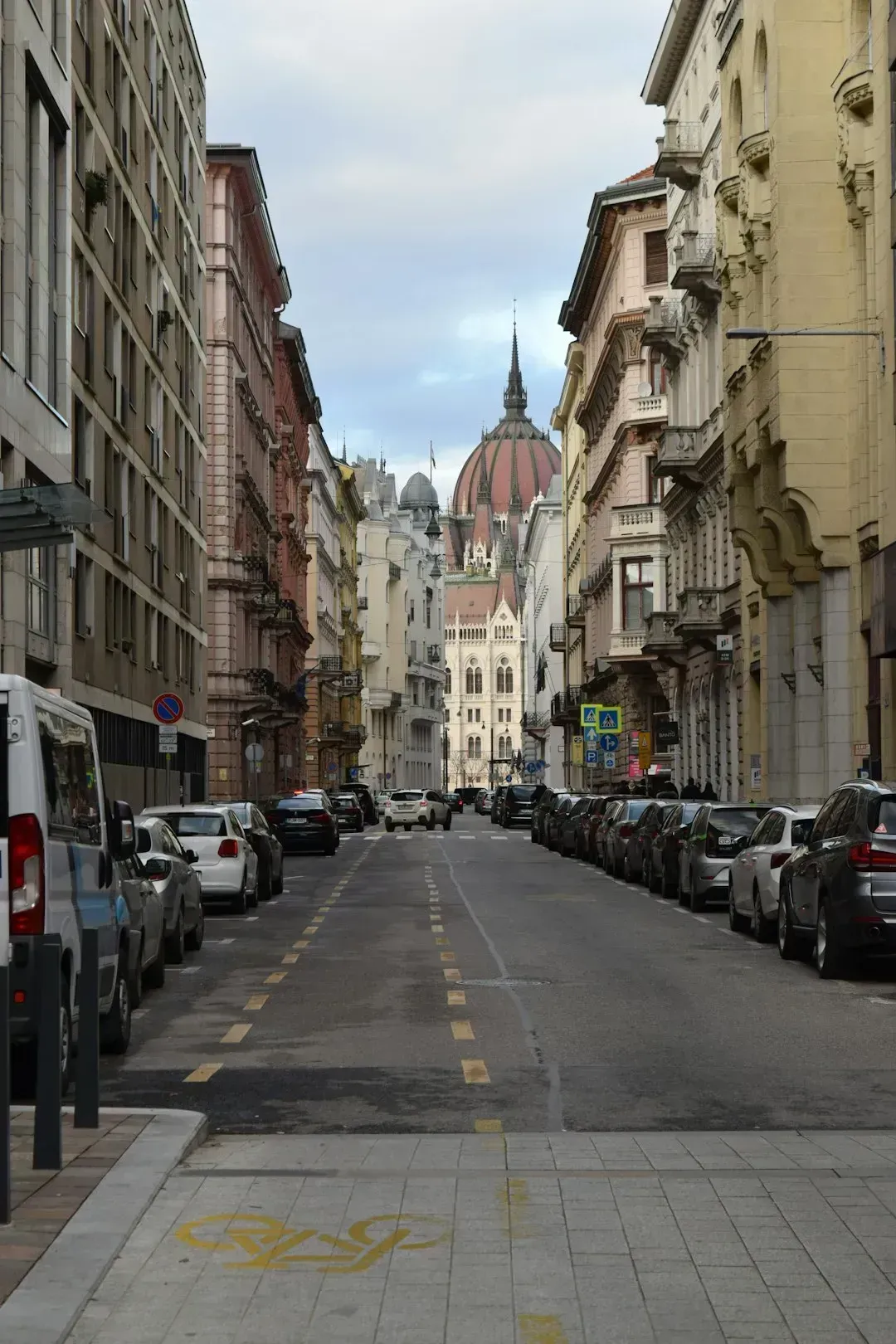
Most travelers wouldn’t think of Budapest as a hostile destination. The thermal baths are welcoming, the architecture is stunning, and the food scene is genuinely wonderful. So the data here comes as a real surprise to many people planning an Eastern European trip.
Other countries that view themselves as the least welcoming to Americans include Hungary at 8.7%. Hungary’s placement near the top of this particular category is genuinely surprising to many travelers who have never considered Budapest a hostile destination. The tension in Hungary is partly political and partly rooted in a broader Eastern European skepticism of loud Western tourism.
Budapest has become a popular party destination for international visitors, and that reputation generates real friction with locals who live in the historic neighborhoods being turned into nightlife corridors. It is the Venice problem in a different language.
Past U.S. policies during the pandemic and Trump era left unfavorable views lingering into 2026. Budapest’s political scene adds unease, making casual chats turn awkward fast. Travelers report cold shoulders in cafes, tied to broader anti-Western sentiments.
4. Denmark: Boycotts Beyond the Grocery Store
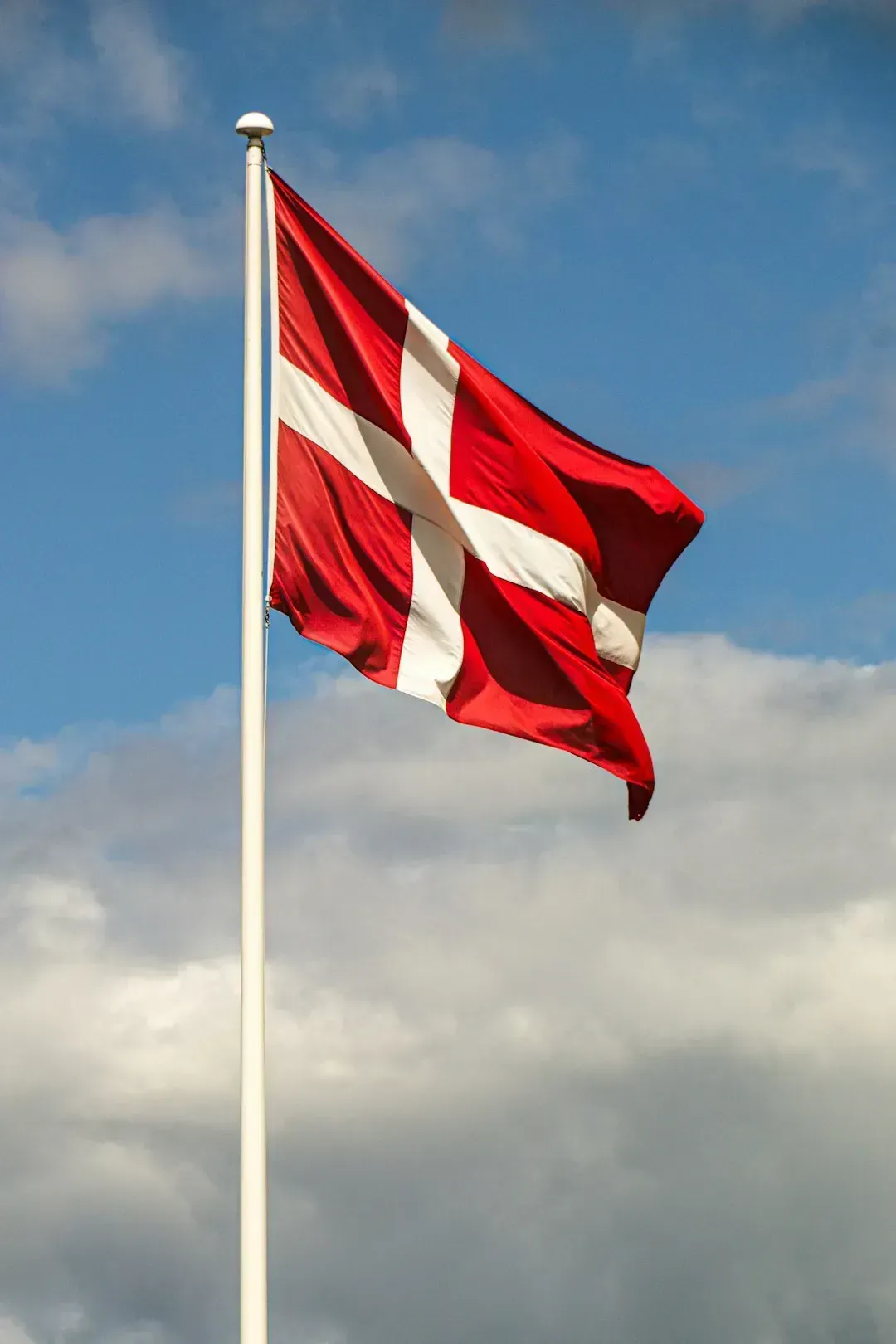
Denmark is one of those places that genuinely feels like it should be easy for Americans to visit. The country is English-friendly, modern, and open-minded in most respects. Yet the cultural and political winds have shifted here more than most people realize.
In Denmark, approximately half of consumers reported deliberately refraining from buying United States products since Trump’s inauguration. That kind of cultural hostility does not stay confined to grocery stores. It follows American visitors into coffee shops, restaurants, and conversations on the street.
Hungary at 8.7%, Norway at 8%, Denmark at 7.5%, and Spain at 6.9% rounded out the top five countries most likely to describe themselves as unwelcoming to American tourists, according to the same Upgraded Points survey. Denmark’s figure is more significant when you consider how warmly it used to welcome international visitors.
Nearly 40% in the Netherlands and about 38% in Portugal and Belgium said they have a negative view of American tourists. Denmark at 37% and Sweden at 36.9% weren’t far behind. These are not fringe opinions. They reflect a broad cultural reorientation.
5. Spain: Water Pistols and “Tourists Go Home” Banners

Spain is beautiful. Americans know it. Europeans know it. And that enormous popularity is precisely what has created one of the most visually striking anti-tourist movements in recent memory. This is not metaphorical pushback. People in Barcelona literally took to the streets with water pistols.
Spain welcomed close to 94 million international visitors in recent years, and the backlash from its own residents has been fierce, loud, and increasingly hard to ignore. Across 2024 and 2025, protests against overtourism drew international attention, especially in Barcelona and parts of the Balearics.
A Spanish mobility consulting firm reported that the availability of long-term rental property in the nation decreased by three percent in 2024, with rental prices reaching a new all-time high. Locals blame tourists directly for making their cities unaffordable to live in.
Americans, often perceived as the loudest and most entitled subset of the tourist crowd, found themselves grouped into that frustration by default. Spain lists among the top unwelcoming spots at close to 7% in survey results, amid 2024 to 2025 protests against mass tourism, with Americans getting lumped in for loud behavior and beach overcrowding.
6. Germany: A Tourism Freefall Like No Other
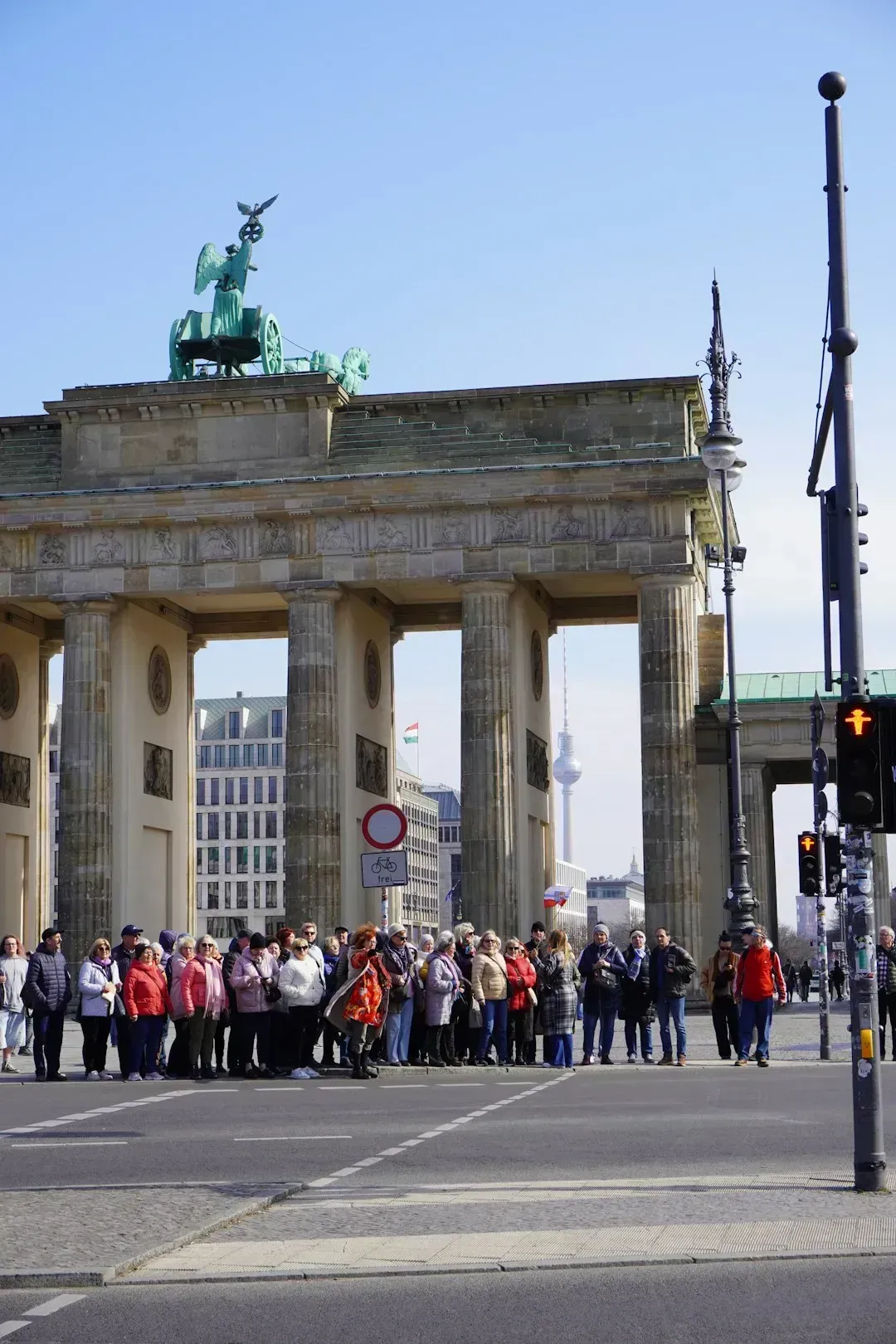
Germany and the United States share decades of deep historical connection. For a long time, that translated into genuine admiration on both sides. Berlin especially felt like a city where being American carried a kind of cultural cachet. That era appears to be closing fast.
Statistics from 2025 tell a sobering story. Germany ranks number one with a steep 61% drop in interest in visiting America, followed by Canada with a staggering 40% drop since the previous year. The direction of that friction flows both ways.
The WTTC also reported that the U.S. was the only country expected to experience a decrease in international visitor spending in 2025 among the 184 nations analyzed. Think about that for a moment. Out of 184 countries, America is the only one losing international tourism dollars.
German visitors to the U.S. are pulling back in historic numbers, and on the flip side, German locals are making it increasingly clear through cool interactions and political sentiment that American tourists arrive carrying heavy baggage. Isolationist U.S. tones spark reciprocal frost, per 2025 data. Berlin bars whisper complaints.
7. Canada: The Most Shocking Reversal of All

Here is where the story gets genuinely jaw-dropping. Canada. America’s closest neighbor. The country that shares the longest peaceful border in the world. The country whose citizens traditionally made up the single largest group of international visitors to the U.S. The relationship between these two nations has collapsed in a way that no one predicted.
Canadian tourists spent $20.5 billion USD in the United States in 2024, with 20.4 million Canadians visiting the country. In mid-February, an Angus Reid survey found that 48% of respondents had already cancelled or were seriously likely to cancel plans to travel to the U.S.
According to Statistics Canada, road travel from Canada to the U.S. fell by 38% in May 2025 compared to the same month in 2024. Air travel also saw a 24% decline. This marks the fifth straight month of year-over-year drops, raising red flags for American tourism operators who rely heavily on Canadian visitors.
Polling found that 91% of Canadians want Canada to rely less on the U.S. The boycott extends far beyond choosing a different vacation destination. It reflects a deep and emotional shift in how Canadians see their southern neighbor. The U.S. tourism industry is projecting a $5.7 billion loss in 2025 to 2026, driven by a sustained, politically motivated boycott by Canadian travelers following trade tensions and tariffs.
8. Iran: A Supervised Visit at Best

Iran sits in a completely different category from the European entries on this list. This isn’t about cultural resentment or overtourism protests. This is about hard restrictions, formal barriers, and a geopolitical climate that makes the word “tourism” feel like a generous description of what’s actually on offer.
Iran outright banned U.S. citizens from entering the country at one point. The ban has since been lifted, but travelers still need to go through several processes to be allowed to visit. Even once inside, American travelers cannot move freely. Tourists need to work with a government-approved guide at all times to acquire their visa number and spend any time within the country’s borders.
Twenty-one countries have Level 4 “Do Not Travel” advisories as of March 2026, including Russia, Iran, Syria, and Ukraine. Iran carries that designation, meaning the U.S. government strongly advises Americans not to go there at all. The stakes are not abstract.
Yemen, classified under Level 4 alongside Iran, poses a grave danger to travelers. Government services are limited, and the U.S. embassy is not present in Yemen, making consular support nearly impossible. Iran’s situation carries its own version of these risks, with limited consular access and a political atmosphere that has only grown more tense following recent U.S. military operations in the region.
9. North Korea: The Only Legally Enforced Ban
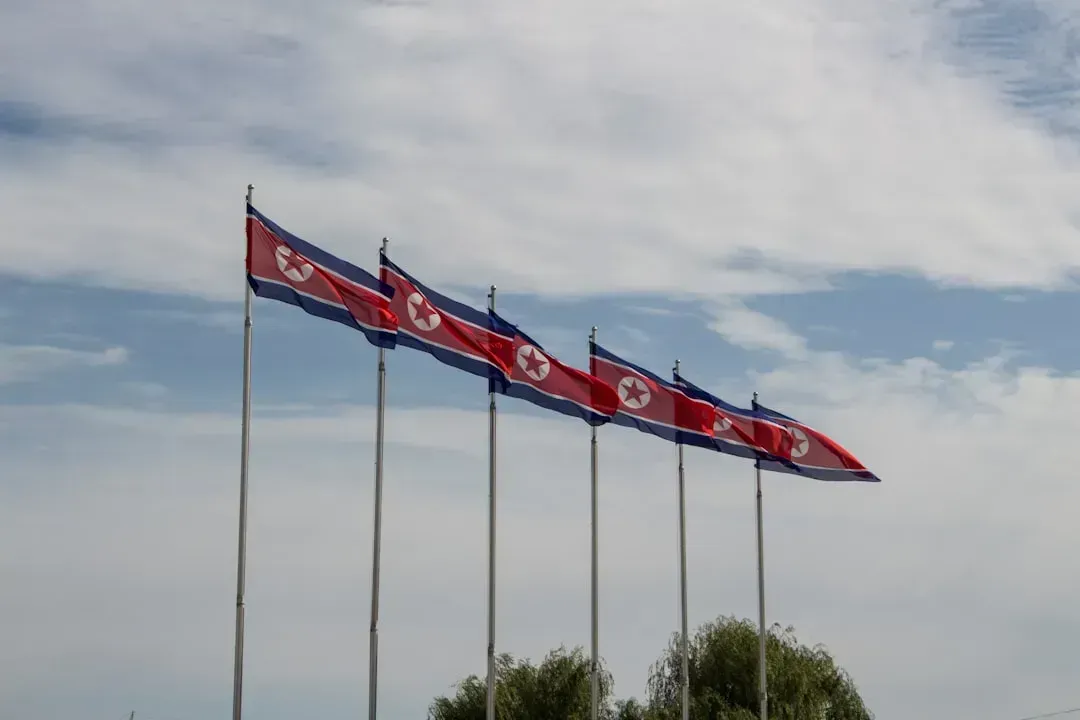
Every country on this list has some level of hostility toward American tourists. North Korea doesn’t just dislike American visitors. It is the only country in the world where it is actually illegal, under U.S. law, for American citizens to travel. That distinction matters enormously.
North Korea is the only country that legally bans American travel under U.S. law. The U.S. Department of State enacted the restriction in September 2017 after Otto Warmbier’s death. U.S. passports require special validation for North Korea, granted mainly to journalists and humanitarian workers.
The State Department’s advisory states: do not travel to North Korea due to the continuing serious risk of arrest, long-term detention, and the threat of wrongful detention of U.S. citizens. The warning language here is not routine caution. It is a genuine alarm.
The Government of North Korea has subjected U.S. citizens to arbitrary entry and exit bans, expulsions, arrests, and other actions. The U.S. government cannot guarantee your release. Think about that for a second. There is a country on this planet where your own government cannot promise to get you out if something goes wrong. That is not a travel inconvenience. That is a different kind of danger entirely.
The world is shifting, and how American travelers are perceived and received abroad is changing with it. Some of these places on the list are driven by political tension, others by cultural fatigue, and a couple by genuine legal danger. What they all share is a message that the American passport, once a symbol of easy passage, now requires a little more self-awareness than it used to. What do you think about it? Tell us in the comments.