Think Twice Before Ordering: 13 Restaurant Dishes Chefs Say Disappoint the Most
You sit down, the menu lands in your hands, and suddenly everything sounds incredible. The truffle pasta. The lobster roll. The “chef’s special.” It’s all so tempting. But here’s the thing: the people who actually work in professional kitchens often refuse to order the very dishes you’re eyeing.
Chefs have seen it all from behind the kitchen door. They know which dishes are pre-cooked, which ingredients are on the verge of going bad, and which plates are designed to look more impressive than they actually taste. Their advice, drawn from years of real experience, can save you serious money and real disappointment on your next night out. Let’s dive in.
1. Risotto: A Beautiful Lie on Most Menus
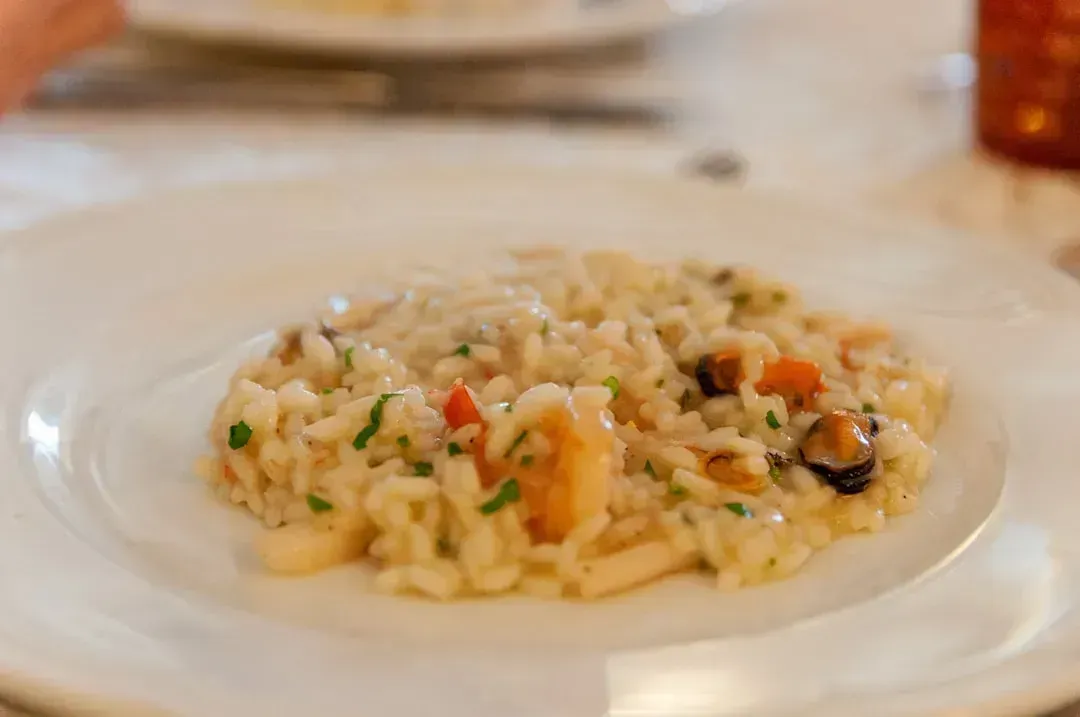
For Brian Motyka, executive chef of Longman & Eagle in Chicago, risotto is the number one dish he refuses to order at a restaurant. Most of the time, risottos are pre-cooked, heated up, finished with cream, and then overcooked well beyond the al dente texture you’re looking for. The dish is meant to be a careful, attentive labor of love. Think of it like a soufflé: it waits for nobody.
Risotto can take years to perfect, and many food experts believe it always tastes superior at home. It has to be eaten the moment it’s ready, and that timing is genuinely difficult for any kitchen to achieve when cooking for dozens of tables at once. Unless you’re at a restaurant that explicitly cooks it to order, honestly, skip it.
2. The Soup of the Day: Yesterday’s Problem, Today’s Special
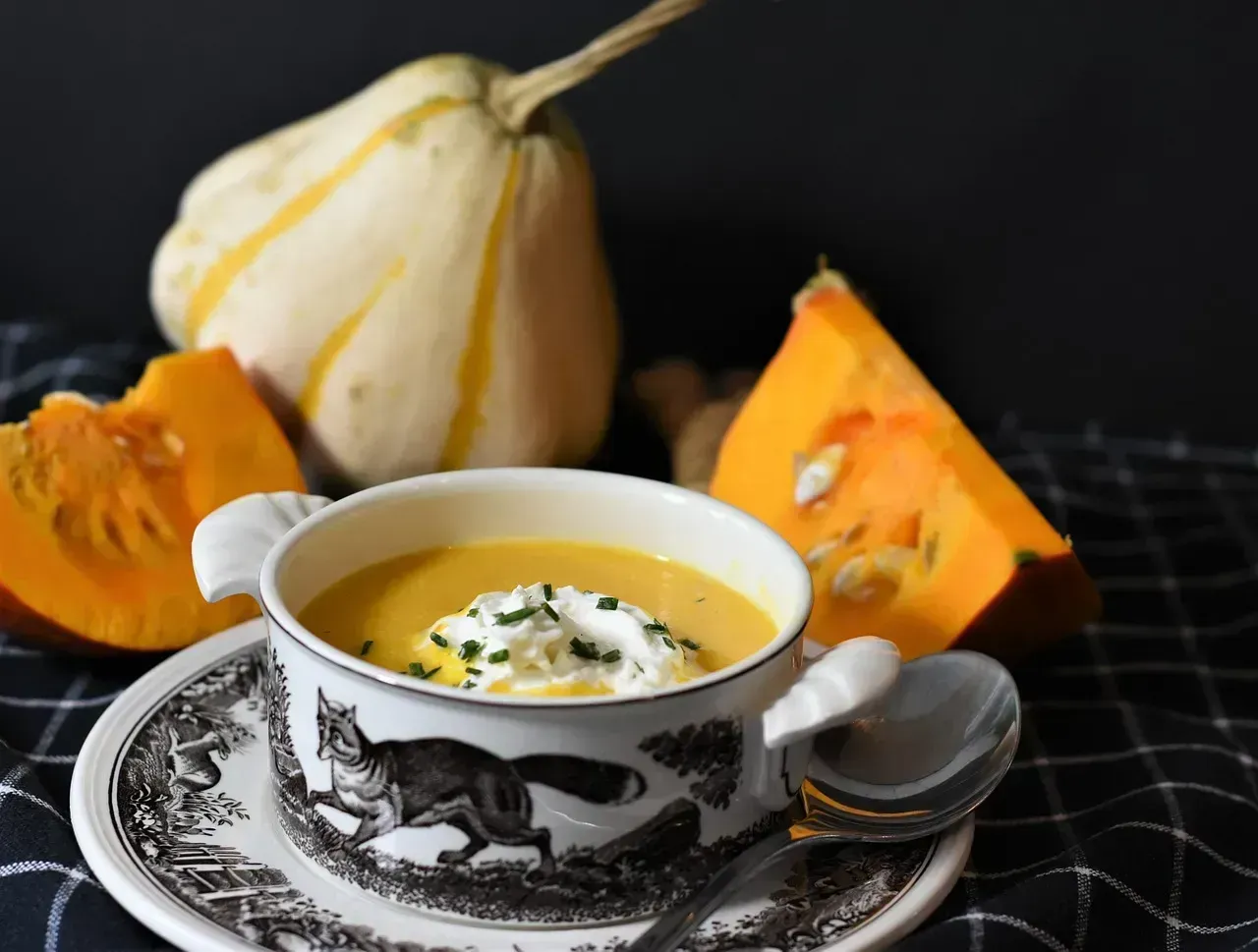
Chef Michael DeLone of Nunzio in Collingswood, New Jersey, puts it bluntly: ordering the “Soup of the Day” is code in the hospitality industry for the back of the house trying to get rid of its walk-in inventory from the weekend before vendor deliveries come in for the following week. That’s a polite way of saying you’re eating last week’s leftovers.
Gordon Ramsay is equally clear about avoiding soup in restaurants, pointing out it can be a clever way for chefs to use up old ingredients. Restaurants also have a tendency to serve the same soup of the day several days in a row. This is done to decrease food waste, but it can result in you paying a fairly expensive price for something that’s neither special nor fresh. You deserve better than that.
3. Fish on a Monday: Freshness Is Not Guaranteed
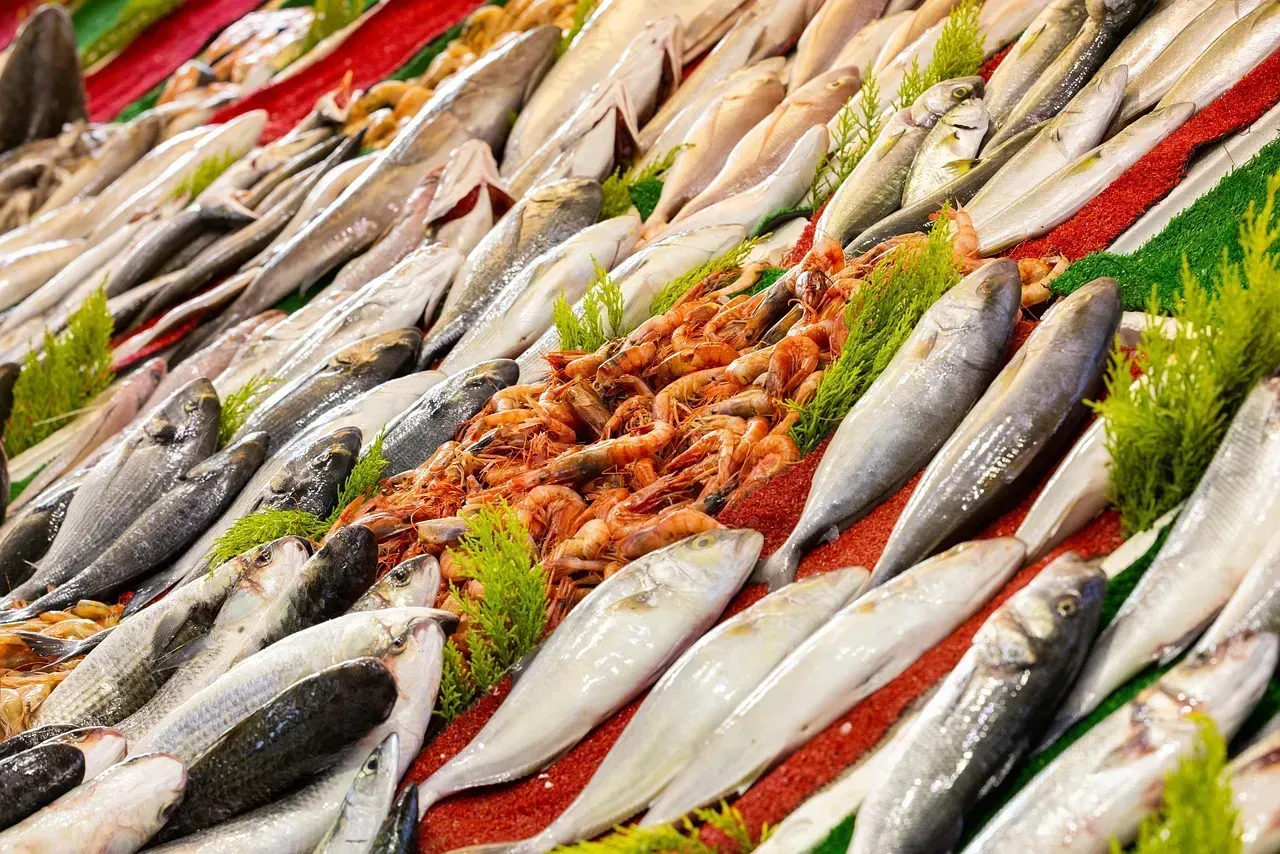
Many restaurants receive their seafood deliveries on Thursdays or Fridays, which means that Monday’s fish is already several days old. Fish sitting too long leads to a loss of freshness and a higher risk of foodborne illness. It sounds obvious once you know it, yet most diners never stop to think about it.
As Chef Felix Tai explained, in places like Hawaii, all fresh local fish comes from the auction and it’s closed on Sunday, meaning unless a Monday morning delivery was made, the fish in that special could be old and no longer superior. The rule applies far beyond Hawaii. If you’re unsure, just ask when the fish came in. A good restaurant won’t mind the question.
4. Mac and Cheese: Leave It to Your Grandmother
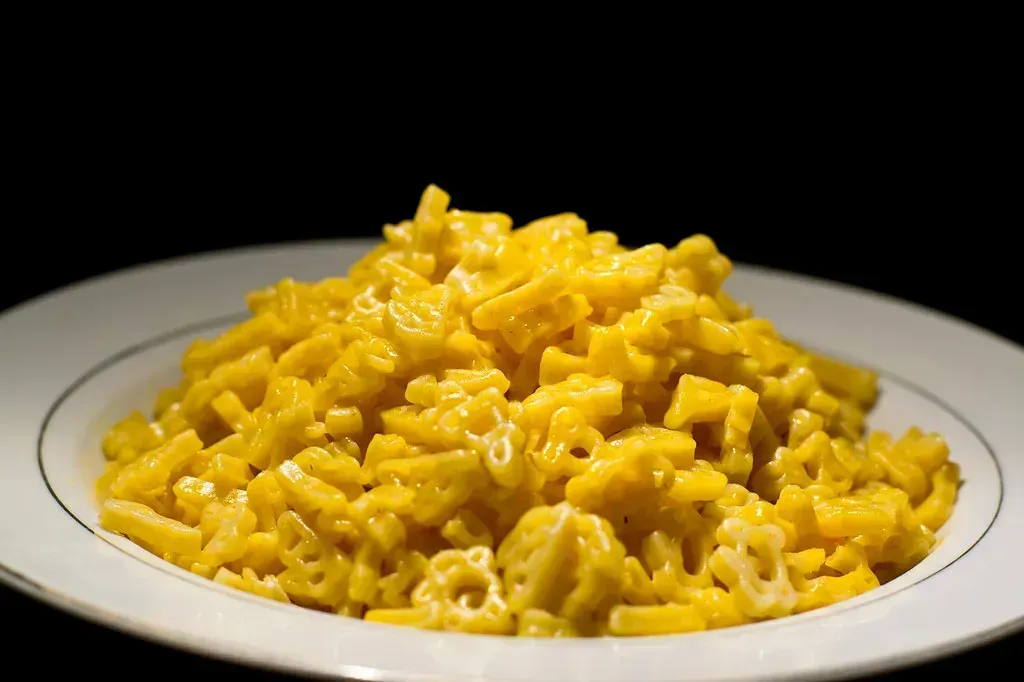
Celebrity chef Kai Chase says she never orders mac and cheese when dining out. It’s a shame, she says, because it’s her favorite when done right and homemade, with crispy edges, ooey-gooey melted cheeses, and a parmesan bread crumb buttered topping. However, macaroni and cheese at restaurants, even from soul food restaurants, tend to overcook the noodles and typically never have enough seasoning.
Chef de cuisine Yulissa Acosta of Hearth ’61 at Mountain Shadows resort in Paradise Valley, Arizona, agrees: mac and cheese of any sort is an entrée she will not order while eating out. Think about it. Mac and cheese is one of the easiest comfort foods to nail at home. Why pay restaurant prices for a version that’s almost always worse?
5. The House Salad: Wilted, Uninspired, Overpriced
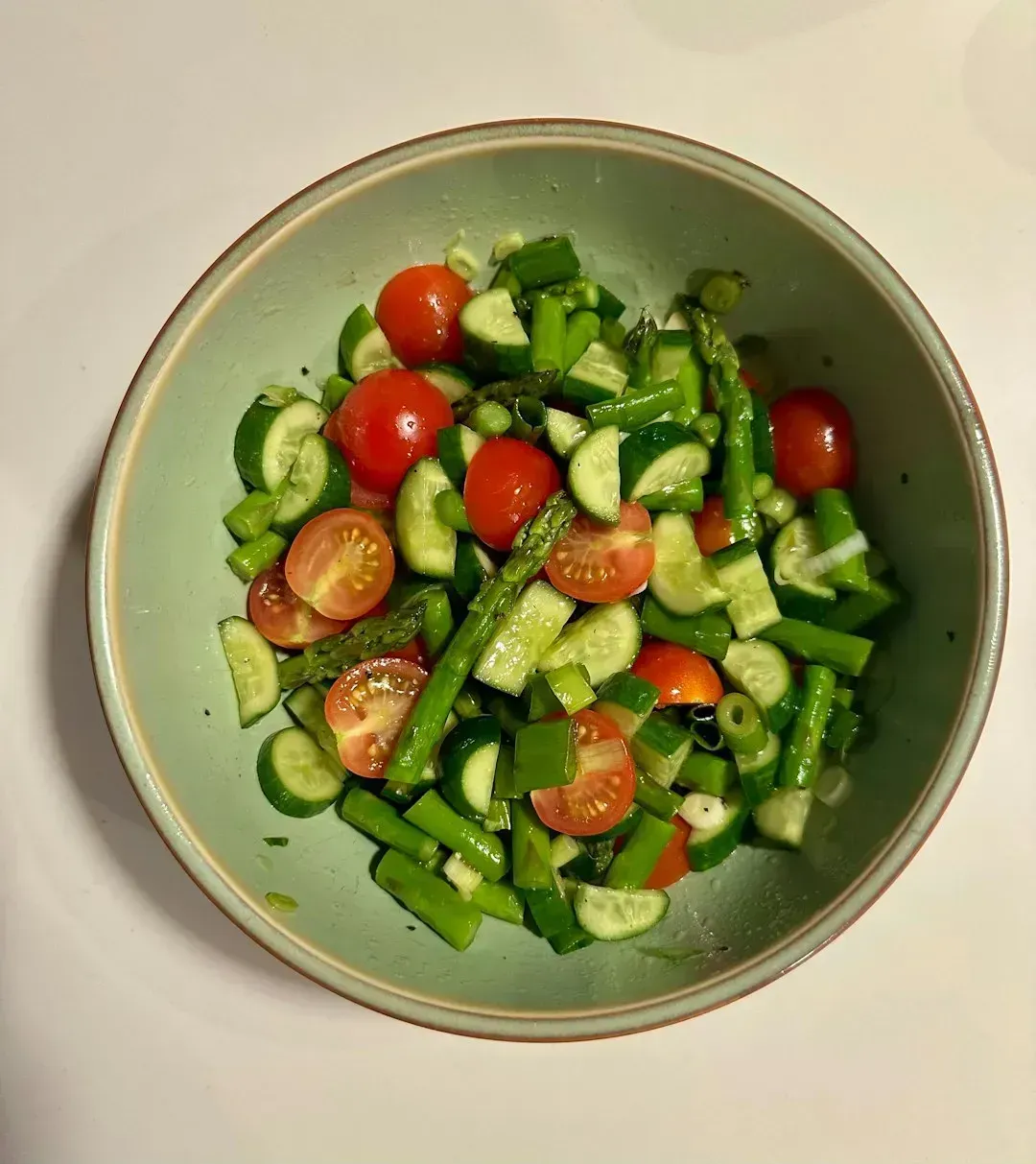
Top chefs say you should avoid the house salad at all costs. These dishes are usually made up of repurposed ingredients left over from the week that would otherwise be thrown out. House salads are also often disguised by a thick, heavy dressing to hide all the wilting components that are on the verge of being unsafe to eat.
Salads often come with a high price tag too. Some chefs have noted that when a restaurant is charging you $14 to $16 for a bowl of pre-cut, tasteless carrots and pre-cooked chicken from a bulk supplier, it’s just not worth it. Executive chef Kayson Chong of The Venue in Los Angeles says he tends to stay away from the house salad entirely, preferring something a chef created with seasonal products and interesting combinations rather than something you can find easily anywhere.
6. Cheap Steak: You Really Do Get What You Pay For
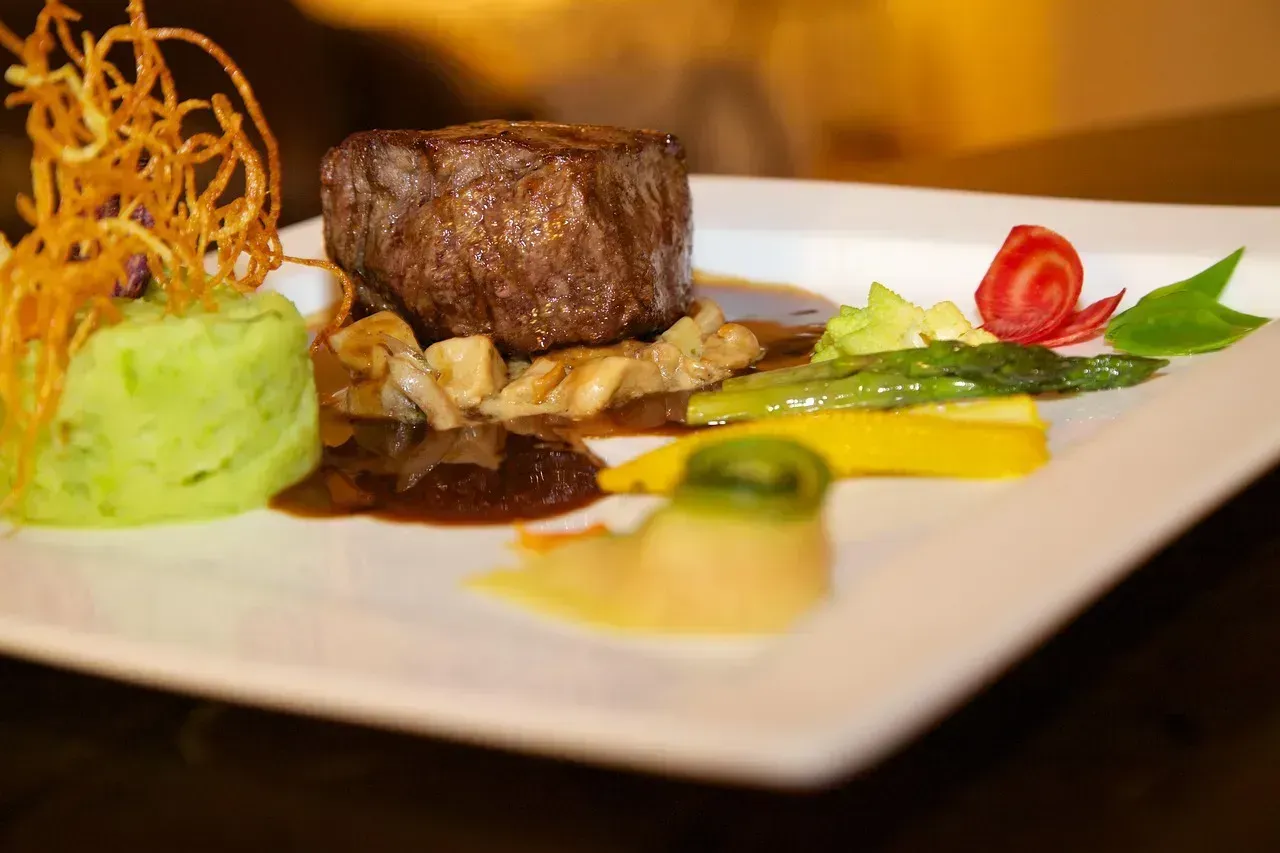
The executive chef of Hotel Valley Ho in Scottsdale says that when it comes to your entrée, cheap meat is to be avoided. Do not go for a $20 filet of beef. It’s always worthwhile to pay for great cuts of meat, and you really can taste the difference. According to Brian Hatfield, chef of Surveyor in Washington D.C., too much sauce is another red flag because a so-called “signature” coffee or pepper rub is most of the time trying to cover up lower quality beef.
Chefs also point out that cooking a steak well-done is something that kills its flavor and tenderness. Many places use lower-quality cuts specifically for well-done orders since the texture is already going to be ruined anyway. If you’re spending money on a steak, commit to a proper cut at a proper price. Otherwise, honestly, just order something else.
7. Truffle Oil Dishes: Synthetic Glamour in a Bottle
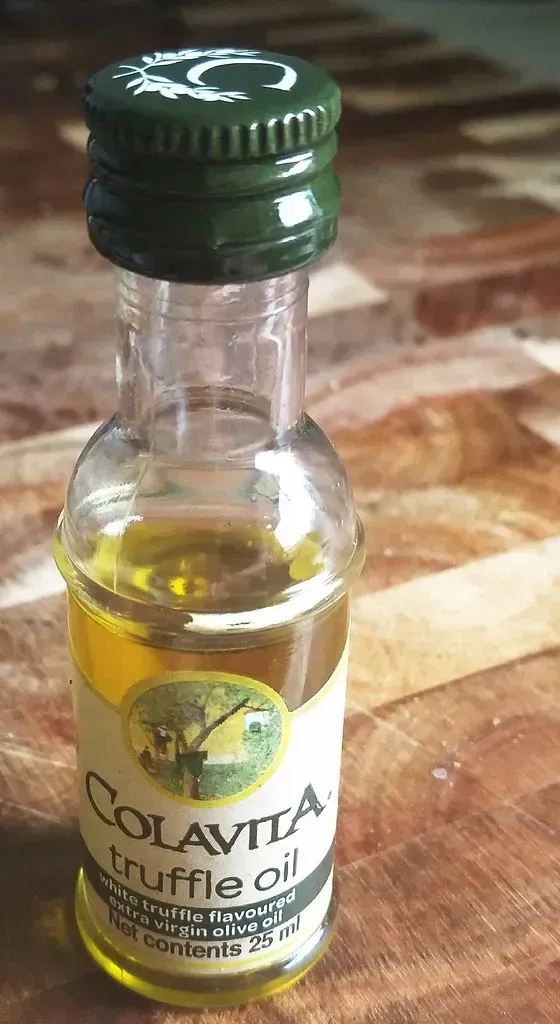
Most truffle oils are not made with any truffle at all. These products are either created to taste like truffle, which is why the flavor can often be overpowering, or they only contain a tiny quantity of the real thing. Order a dish topped with either of these concoctions and you’ll end up paying more for something that doesn’t taste anything like fresh truffle.
A study by Food Chemistry Journal revealed that over nearly all restaurant truffle oil is flavored with synthetic compounds rather than actual truffles. Despite costing just a few dollars per bottle wholesale, dishes drizzled with it can add $15 to $25 to the menu price, making it one of the most misleading luxury add-ons in restaurants. It smells like a perfume counter. Chefs know it. Now you do too.
8. Eggs Benedict: A Brunch Minefield
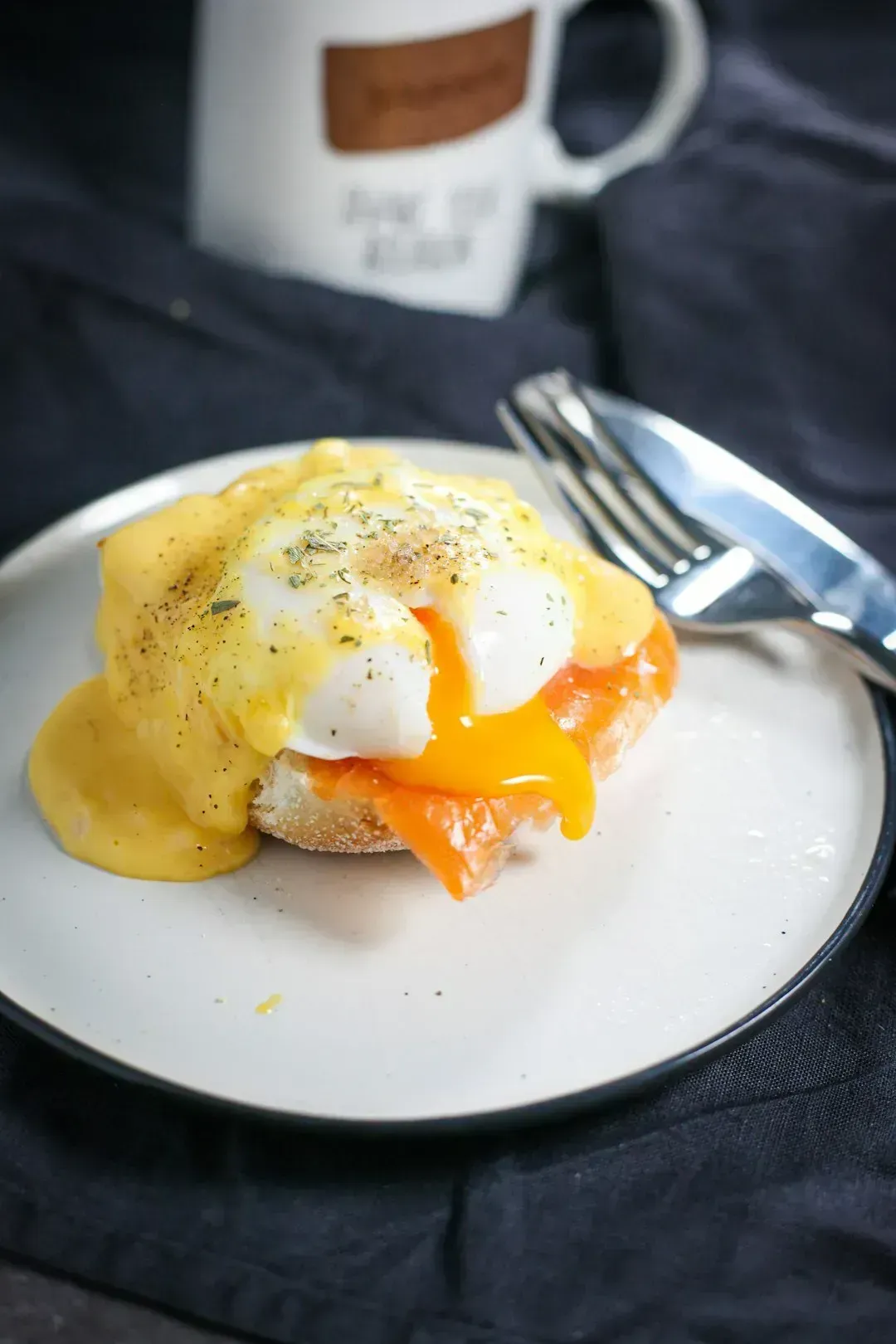
When dining out for brunch, it helps to know that eggs Benedict is one popular breakfast dish that chefs hate including on the menu. If the dish has been quietly removed from your favorite brunch spot, it’s probably because it’s a pain to make and serve in fast-paced kitchens. Chef Clifton Dickerson of the Auguste Escoffier School of Culinary Arts notes that while eggs Benedict is a good dish, the hollandaise sauce is temperamental.
Chefs almost universally warn against eggs Benedict in slammed brunch spots, putting it alongside other danger-zone orders like Sunday night seafood specials and truffle oil pastas. At brunch, many cooks say they’d rather order scrambled eggs or a frittata than poached eggs stacked on towers of hollandaise. The dish demands precision at scale, and that’s nearly impossible during a packed Saturday brunch rush.
9. The Margherita Pizza: Paying a Fortune for Dough and Basil
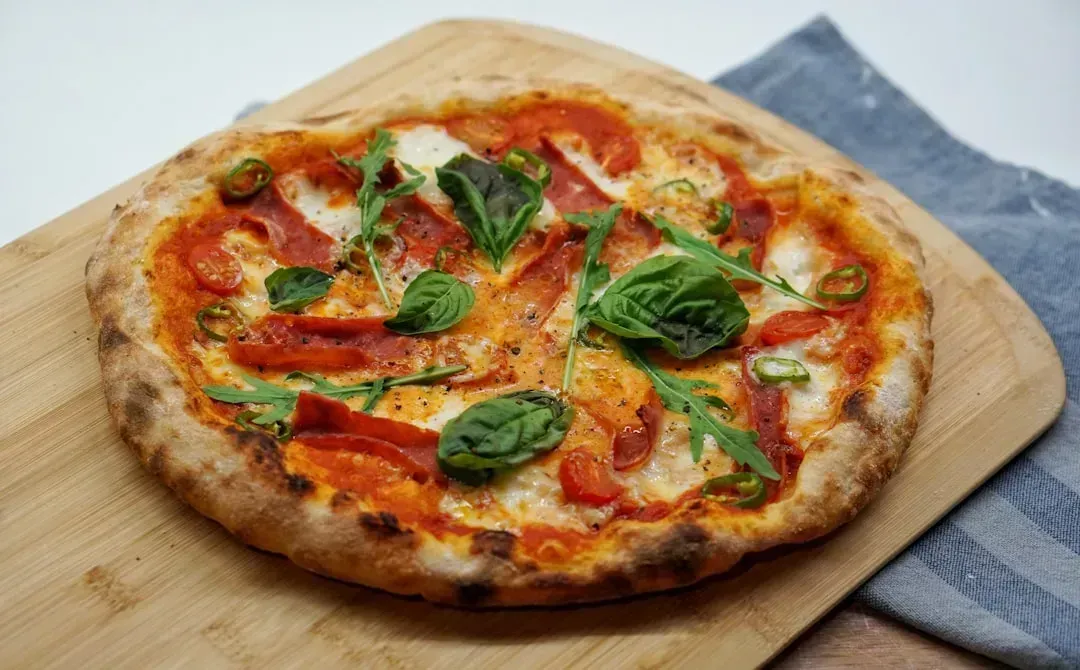
If you’re eating at a restaurant that may not be spending top dollar on its ingredients, you’re best to give the margherita pizza a miss for the sheer reason that you’re falling prey to an obscene mark-up. For chef Julia Helton, ordering the margherita is a huge error. Her argument is hard to disagree with.
It’s just dough, a little sauce, a few pieces of basil, and part of a log of mozzarella. You’re paying a minimum of $12 for a dish that costs roughly $1 to make. Helton points to her own experience as the executive chef in an Italian restaurant to make the case that even traditional eateries can serve up margheritas that aren’t worth it. If you’re at a truly great pizza place, fine. Everywhere else? Order something more interesting.
10. Restaurant Chicken: The Uninspired Default
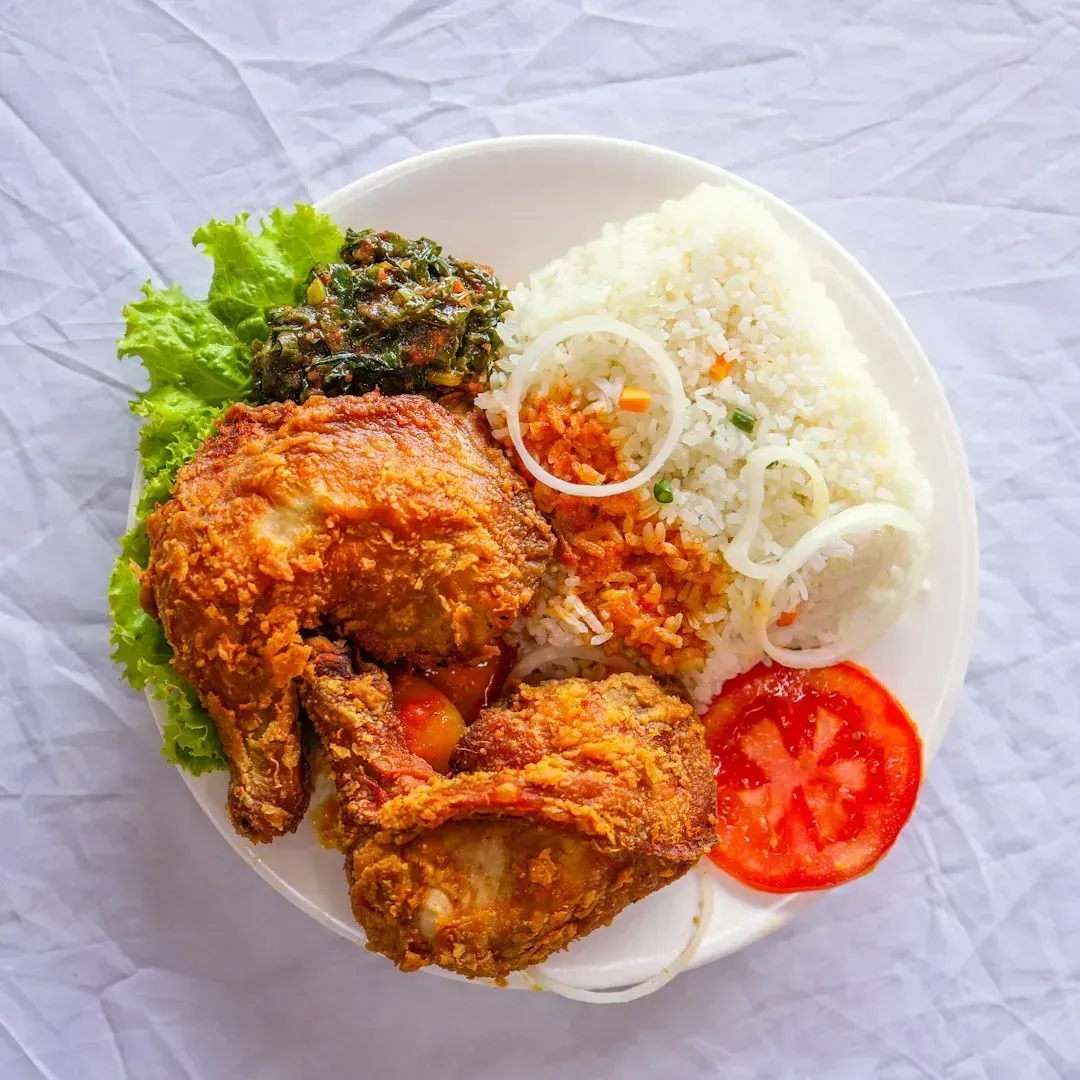
This isn’t a blanket rule, and sometimes you can end up with a chicken dish that really hits the spot. However, most of the time you’ll be given a plate of protein that’s dry, handled poorly, totally tasteless, and just plain boring. It’s the menu item that no one is truly excited to cook or excited to eat.
It really depends on how much you trust the restaurant you’re visiting, but it may be a good idea to skip chicken dishes. Chicken is delicious and nutritious, but it is very easy to overcook or undercook. When it is undercooked, it’s easier for people to become sick. At the very least, make sure the restaurant you’re at is actually known for its chicken. Otherwise, the risk simply isn’t worth it.
11. The Lobster Roll: Paying for the Idea of Luxury
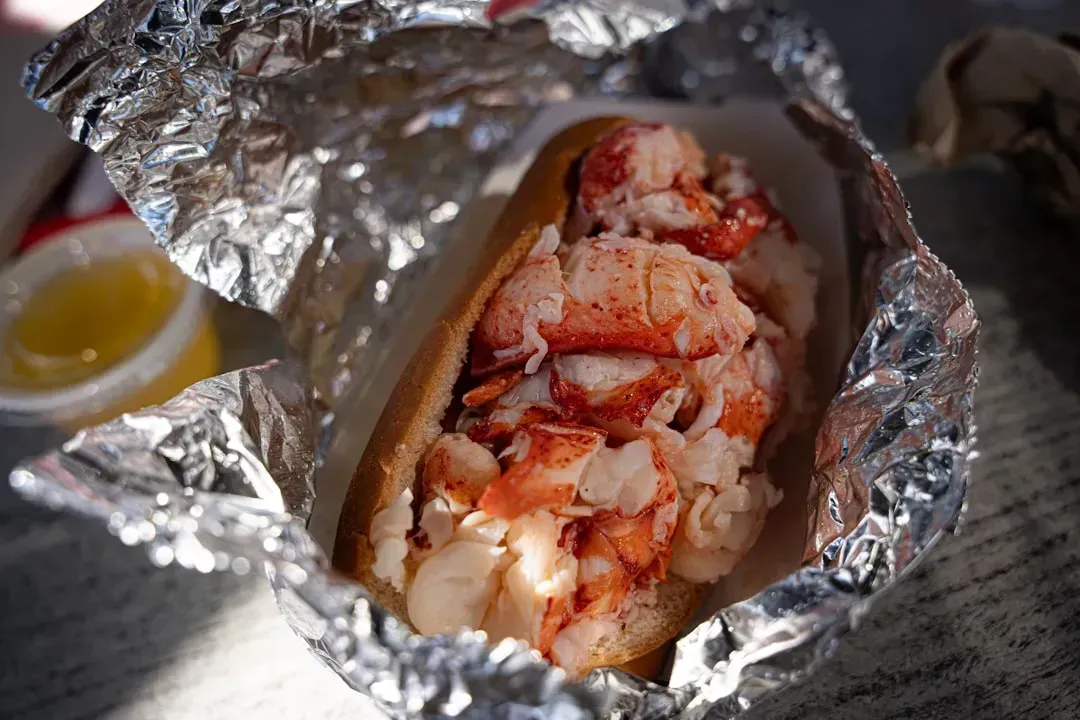
Chef Evan Hennessey, owner of Stages at One Washington in Dover, New Hampshire, puts it plainly: he likes lobster, but not enough to justify the cost of a $40 to $50 lobster roll. There’s no doubt lobsters are expensive to source, but the rest of the ingredients cost very little. He feels people have simply become used to paying higher prices without questioning them, noting that the market has been driven so high that people are willing to pay astronomical amounts without blinking.
Many restaurants use frozen or low-quality lobster rather than fresh, meaning you’re mostly paying for the idea of luxury rather than actual premium ingredients. It’s the restaurant equivalent of buying a designer item at an outlet mall. The label is there. The quality often isn’t.
12. The “Soup and Salad” Side Combo: Double Disappointment
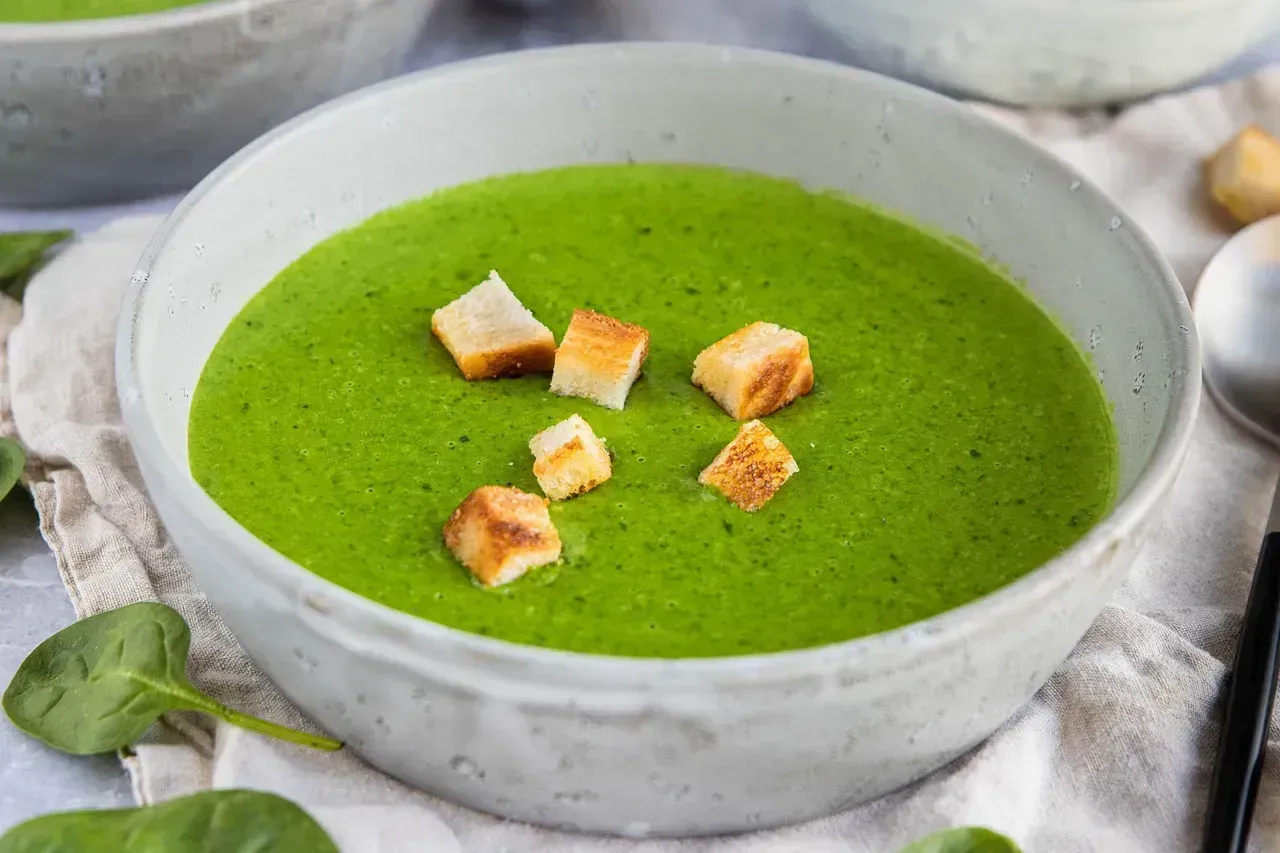
Many restaurants offer soup or salad as a side dish, but unless you’re at a specialized soup restaurant or a high-end establishment known for its homemade soups, you’ll probably want to skip it. Many restaurants use stale, less-than-fresh ingredients in soups to use up whatever is near the end of its shelf life. Even if you ask whether the soup was made fresh in-house, you may not get a clear or correct answer. If the soup of the day is the same as the day before, that’s a clear indication it is not super fresh.
There is so much potential in salads and when done right they can be one of the most delicious and satisfying meals you can order. However, so many restaurants neglect the salad and just turn out lettuce with onion and tomatoes. Pizza restaurants in particular seem to think of the salad as an afterthought. The soup-and-salad combo sounds like a sensible, light choice. In reality, it’s often the menu’s laziest corner.
13. Pre-Made Desserts Dressed Up as Homemade
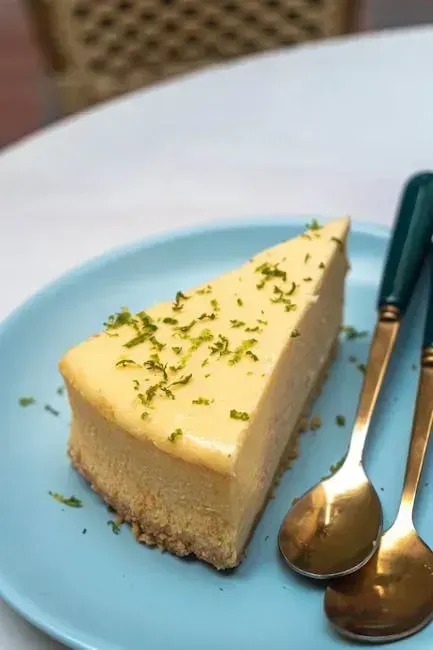
Countless chefs on Reddit have admitted that restaurants often buy their cheesecakes already made from the grocery store and then add sauces and syrups to dress them up before plating and charging around $7 a slice. While there’s nothing inherently wrong with serving pre-made desserts, the issue is the markup and presentation. Restaurants often rely on fancy plating and menu descriptions to imply something scratch-made, even when the dessert came frozen out of a box. If you’re paying a premium price, it’s worth asking whether you’re getting a truly homemade treat or just a dressed-up grocery store cheesecake with a restaurant-sized price tag.
The American Culinary Federation notes that many restaurants order frozen desserts from suppliers costing just $2 to $3 per slice, then sell them for $8 to $12 under labels like “chef’s special.” Unless a restaurant has an in-house pastry chef, there’s a strong chance that your dessert is reheated rather than handmade. It’s not that pre-made is always bad. It’s that you’re paying from-scratch prices for something that absolutely wasn’t.