8 European Cities Americans Are Skipping in 2026 Due to Rising Daily Costs
Something has quietly shifted in how Americans think about European travel. It is no longer just about dreaming of the Eiffel Tower or a gondola ride through Venice canals. Now, travelers are opening spreadsheets, doing the math, and, for many, walking away from the booking page entirely.
Rising costs and economic uncertainty are leading more Americans to cut back on international travel, with many weighing value and affordability more closely heading into 2026. The numbers are sobering. Americans exhibit a more cautious approach to international travel in 2026, with around six in ten never venturing abroad and nearly half of travelers reducing their trips this year due to rising costs and economic uncertainty. Honestly, it is hard to blame them. When a city trip starts to feel like a second mortgage, the romance fades fast. Here are the eight European cities that American travelers are increasingly skipping, and exactly why the daily costs have become the dealbreaker.
1. Amsterdam: The Tourist Tax Capital of Europe
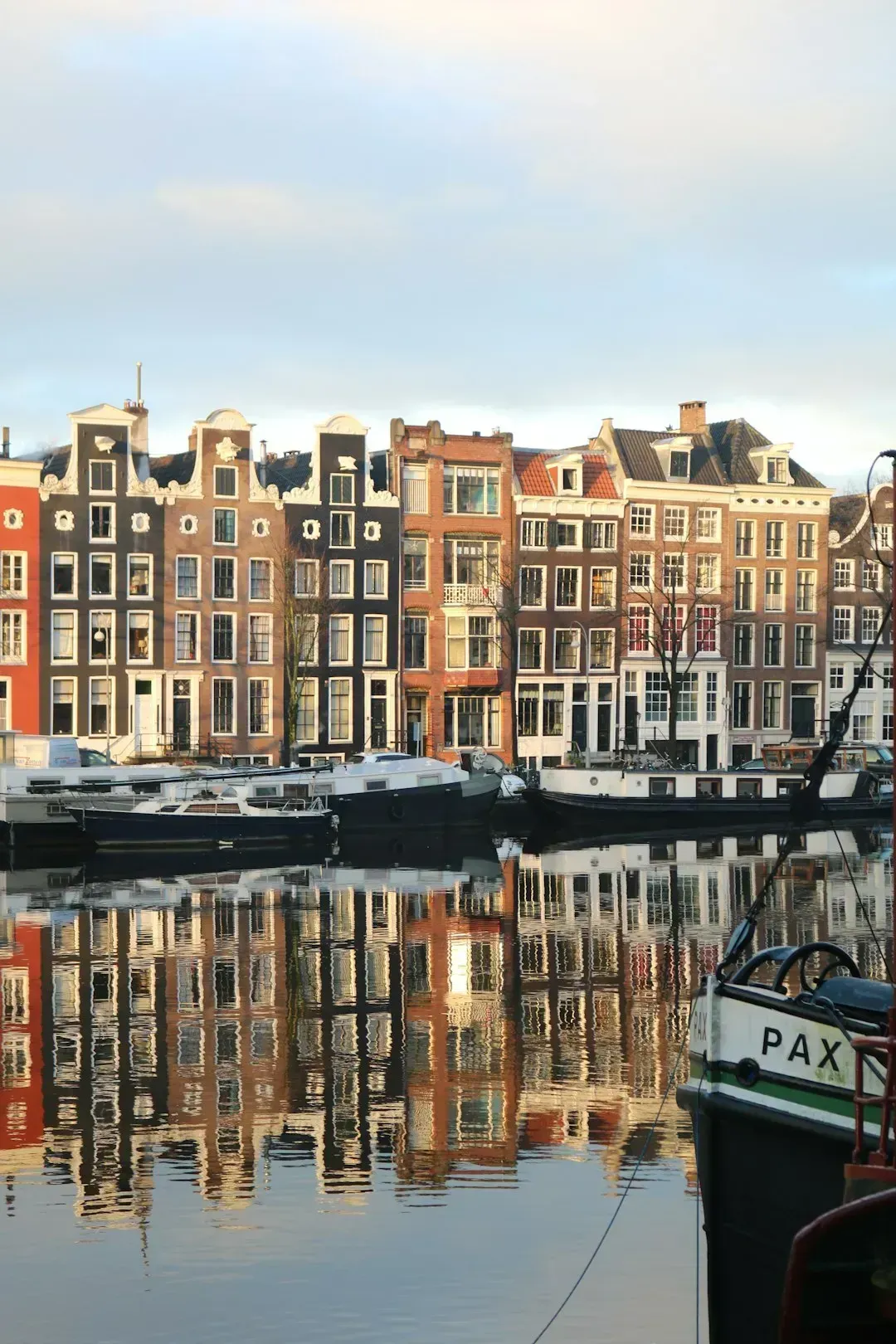
Let’s be real: Amsterdam has always been expensive. But in 2026, the Dutch capital has crossed into territory that makes even seasoned travelers wince. Amsterdam already charges a 12.5% accommodation tax, and in 2026 it added a €15 day tax for cruise passengers alongside a 21% VAT increase. That is a staggering combined hit on your wallet before you have even ordered your first stroopwafel.
Amsterdam faces a major jump due to a national VAT hike from 9% to 21%, boosting effective tourism taxes to roughly 33.5%, alongside the new cruise passenger fee. Think about that for a second. More than a third of your hotel bill is now just taxes. The total of hidden costs for a week for a family of four in Amsterdam reaches over $1,000. That figure does not include flights or the actual price of your room.
2. Paris: Beautiful, Beloved, and Brutally Pricey
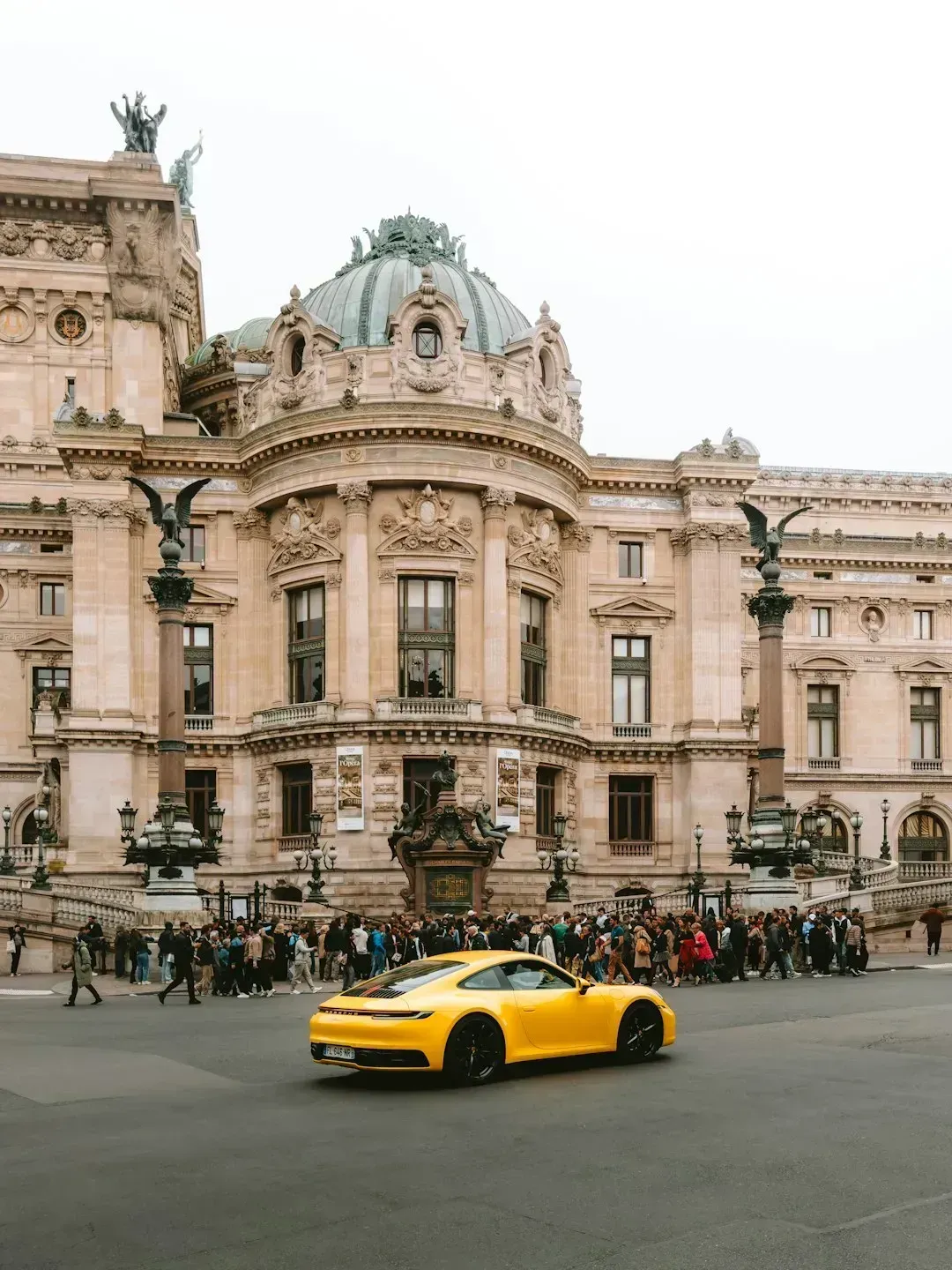
Paris remains one of the most iconic cities in the world, and its prices know it. Paris combines expensive meals with city taxes that climb depending on your hotel category. Regularly eating out makes tip charges build up quickly for a family, and Airbnb cleaning fees in Paris also tend to sit above the continental average, meaning even a short stay can come with higher hidden charges. The city has mastered the art of being aspirational and wallet-draining at the same time.
Paris’s famous Louvre is hiking its entry fee to €32 for non-EEA visitors. For a family of four, that is already well over a hundred dollars just to see the Mona Lisa through a crowd of tourists. The total of hidden costs for a week for a family of four in Paris alone reaches nearly $570. Add that to hotel rates and airfare, and Paris starts to feel less like a dream and more like a financial strategy.
3. Venice: Paying to Simply Walk In
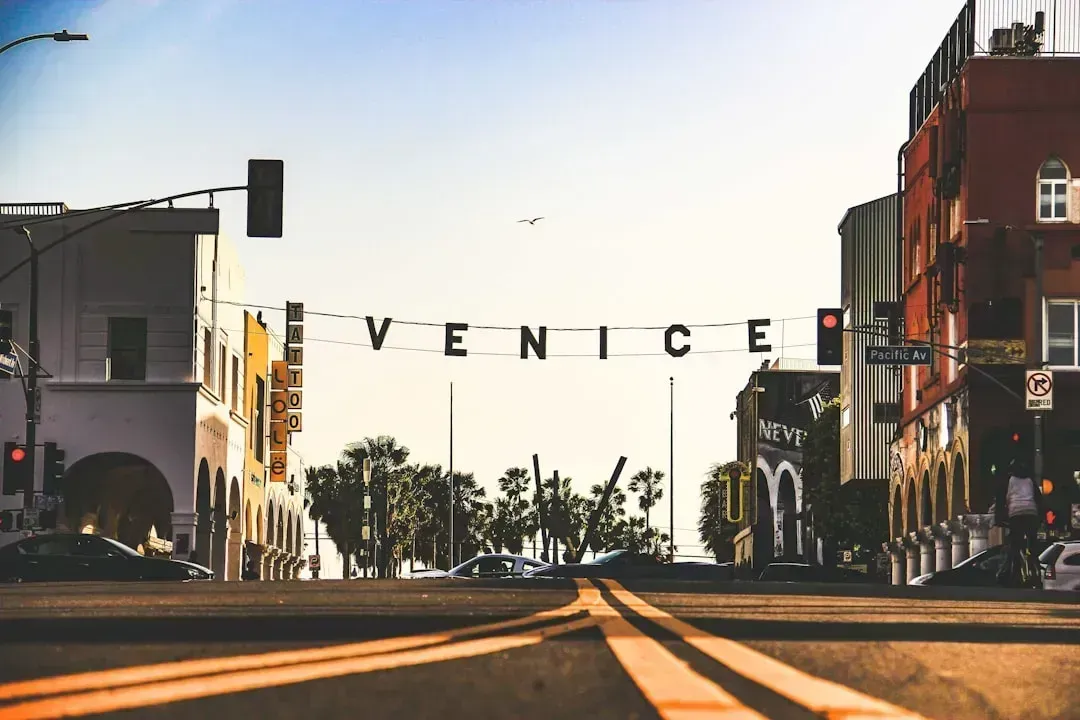
Venice is absolutely magical. I will not pretend otherwise. But the Floating City is now literally charging you for the privilege of arriving. Venice’s “access contribution” is charged on select days from April 18 to July 27, 2026, at €5 for advance bookings and €10 for last-minute entries. This fee, let it be clear, is separate from any overnight accommodation taxes visitors already pay.
Venice has extended its day-tripper levy to 60 selected dates between April and July 2026. Visitors who are not staying overnight must pre-book and pay a fee, and fines for non-payment range from €50 to €300. The penalties alone are eye-opening. Venice applies both a tourist tax and extra charges for short-term rentals, and meals in Venice often cost more than the European norm, partly due to the city’s popularity and limited space. Gondola rides, canalside dining, and those taxes stacked on top of each other make Venice a genuine budget buster in 2026.
4. Barcelona: A Tax That Keeps Growing
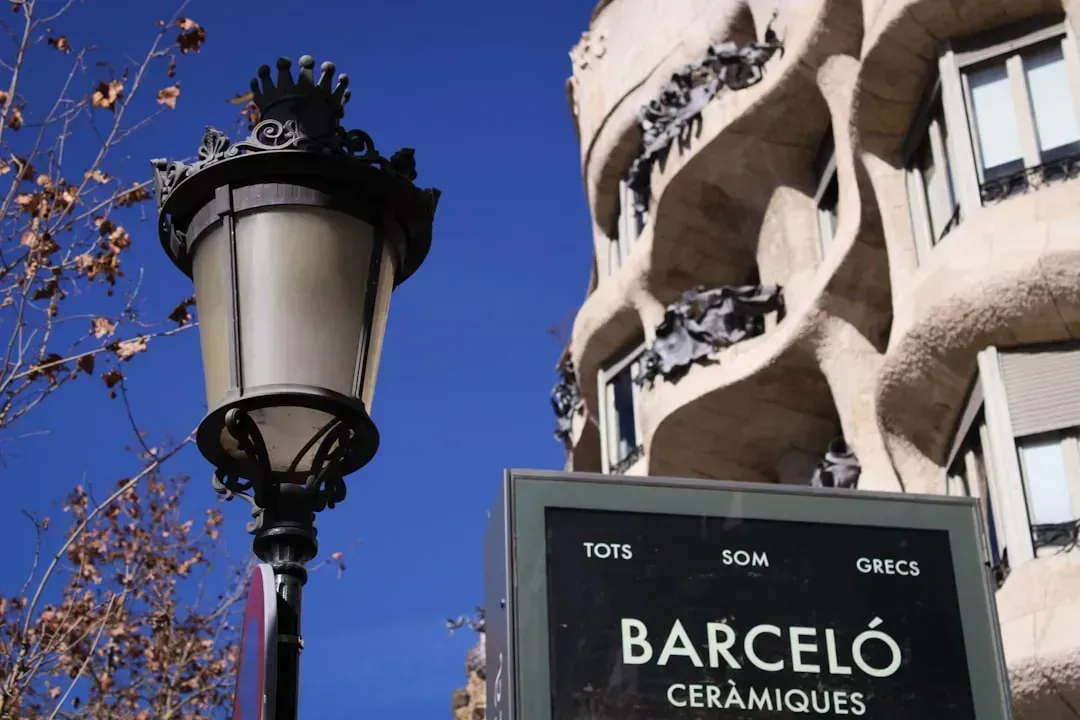
Barcelona is the kind of city that has everything: architecture, beaches, vibrant nightlife, extraordinary food. The problem is that the city itself seems increasingly committed to making visitors pay for every square meter of that experience. A municipal surcharge on the existing tourist tax increased from €4 to €5 per night starting in January 2026, with additional phased increases planned up to €8 by 2029. That is a doubling of the tax within just a few years.
Starting in July 2025, the municipal surcharge began rising by one euro each year, from €4 to €8. Combined with the regional tax, the total tourist tax could reach between €10 and €15 for stays in hotels and premium accommodations, giving Barcelona the highest tourist tax in Europe. With 32 million annual visitors, Barcelona officially aims to transition from mass tourism to “quality tourism,” targeting fewer but higher-spending visitors. That is a polite way of saying: if you are watching your budget, Barcelona is quietly nudging you out the door.
5. Zurich: Where Even the Basics Feel Like a Splurge
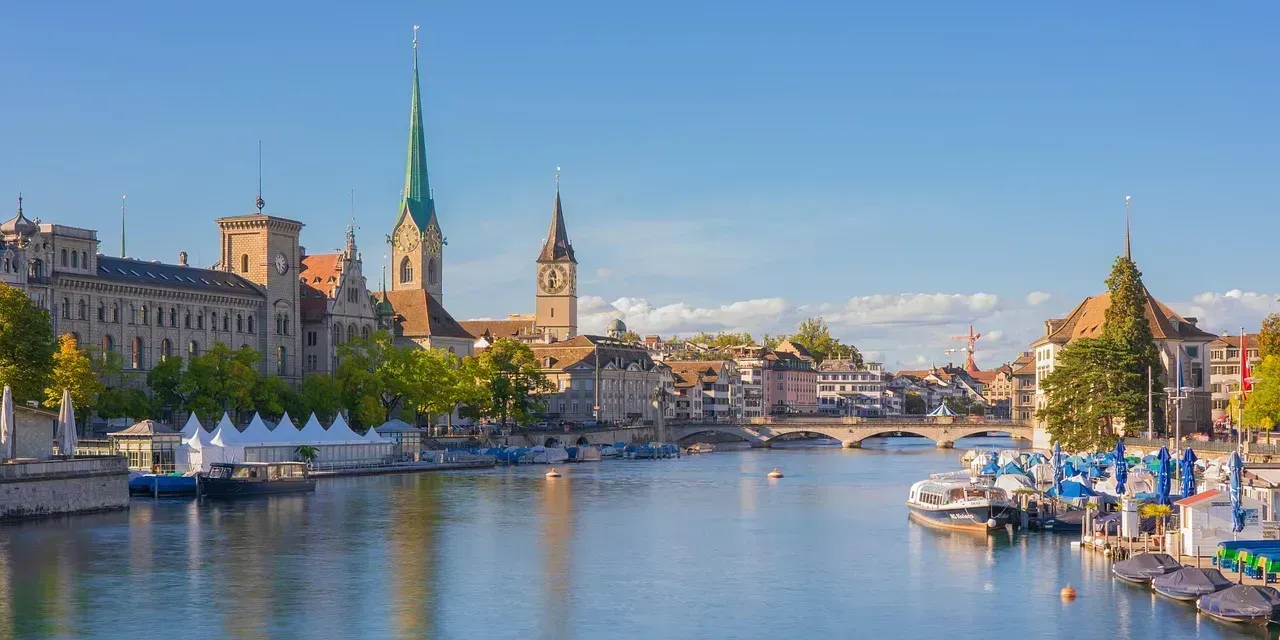
Zurich tops virtually every global cost-of-living index in 2026, and it is not even close. Zurich tops the European cost of living list, with an overall cost of living index score of 118.5, a groceries index of 115.4, and a restaurant score of 121. To put that in plain terms: nearly everything you buy in Zurich costs significantly more than in any other European city. A simple lunch that would run you $15 in Madrid could easily cost double here.
Switzerland is notoriously pricey, and Swiss cities actually occupy the top six spots in the entire European cost of living ranking, with Geneva, Basel, Lausanne, Lugano, and Bern closely following behind Zurich. Even the scenic train rides around Switzerland are rather costly. The famous Glacier Express will cost you about €200 full price for a ticket in high season. For Americans hoping to stretch their dollar, Zurich is not just expensive. It is a different financial universe.
6. Edinburgh: The New Tourist Levy City
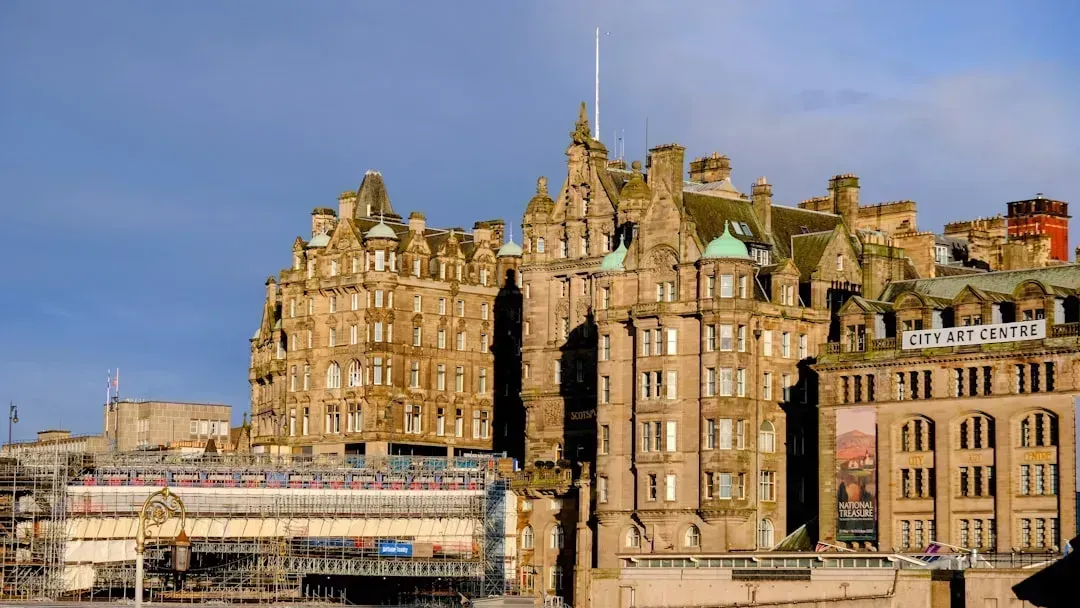
Scotland’s capital is staggeringly beautiful and historically rich, but Edinburgh is about to add a new line to your hotel bill. Edinburgh will launch its 5% visitor levy starting July 2026. While that percentage might sound modest in isolation, it piles on top of already elevated hotel rates and a dining scene that has crept upward year by year. Edinburgh is among the priciest cities for a short European trip. The Scottish capital blends history, culture, and festivals that draw millions every year, and hotel rates and dining costs drive up expenses, especially in summer.
Here is the thing: Edinburgh was not traditionally considered a punishingly expensive European destination. It earned its reputation on charm and accessibility. Hotel rates in major capitals like London and Edinburgh have risen sharply, reflecting higher energy costs, labor shortages, and persistent inflation in local economies. The combination of structural inflation and the new visitor levy is now pushing Edinburgh firmly into the “reconsider” category for budget-aware American travelers planning 2026 trips.
7. Santorini and Mykonos: Greece’s Island Price Shock

Greek islands have always had a premium image, but 2026 has added genuinely new financial barriers for American visitors arriving by cruise ship. For the period from June to September 2026, a fee of €20 will be levied on passengers disembarking at the ports of Mykonos and Santorini. That is not a small surcharge. For a couple arriving on a cruise, that is an extra €40 just to step off the boat. Greece is introducing cruise passenger disembarkation fees in several of its popular islands, including Santorini and Mykonos. A €20 fee applies during peak summer months, with reduced fees in shoulder and off-peak seasons. The fees are aimed at reducing overtourism and protecting the islands’ ecosystems.
Away from cruise ships, the on-island costs are no gentler. Accommodation in Santorini’s caldera-facing hotels regularly runs several hundred dollars per night, and dining in the most photographed spots commands a heavy premium. European countries including Greece are increasingly viewed by US travelers as offering worse value than a year ago. For many Americans, the Greek islands have moved from “bucket list” to “someday, maybe, if I save enough.”
8. London: Expensive by Default, More So in 2026

London has always been brutally honest about its costs: it does not hide them, it just expects you to deal with them. Hotel rates in London have risen sharply, reflecting higher energy costs, labor shortages, and persistent inflation in the local economy. Factor in the pound exchange rate for American visitors and the British capital becomes one of the most expensive city breaks a U.S. traveler can choose in all of Europe. Even the quintessential London experience of popping into a pub for a pint and a meal can leave you genuinely startled by the receipt.
Rising costs and economic uncertainty are leading more Americans to cut back on international travel, and European countries including the UK are increasingly viewed by US travelers as offering worse value than a year ago. If international prices rise further, roughly one in five respondents said they will reduce the number of trips, while another one in five will stop traveling abroad altogether in favor of domestic vacations. London, for all its undeniable magnetism, is increasingly the city Americans admire from afar rather than actually visit.
The broader picture here is one of a real and measurable shift. Fewer Americans considered Europe as their destination of choice, with only 37% of U.S. travelers intending to visit Europe in 2025, a drop from 45% in 2024 and the lowest level since 2021. The decline is driven primarily by cost concerns and a growing preference for domestic travel. The cities above are not failing at what they offer. They are simply becoming financially out of reach for a growing share of American travelers, and that gap is widening in 2026. What would you choose if the price tag were removed from the equation?