The Skip List: 12 Once-Hot Housing Markets Cooling Fast in 2026
Not long ago, these cities were the darlings of every real estate investor’s spreadsheet. They had bidding wars, double-digit price gains, and a constant flood of transplants chasing the dream. Fast forward to 2026, and a very different picture is emerging. Some of these markets are not just cooling – they are correcting in ways that are turning heads across the industry.
Nearly a quarter of the top 100 housing markets are expected to see actual price declines in 2026. That is not a rounding error. That is a structural shift. If you are thinking about buying or selling in any of these cities, this is the list you need to read first. Let’s dive in.
1. Cape Coral, Florida: The Steepest Fall From Grace

Let’s be real – Cape Coral had one of the most jaw-dropping pandemic-era runs in the country. Remote workers flooded in, prices shot skyward, and it felt like the party would never end. Well, it ended.
Homes around Cape Coral and Fort Myers in Florida are expected to see the nation’s largest price decline, with homes dropping by roughly ten percent, according to Realtor.com’s 2026 forecast. That is a stunning reversal for a market that was once considered unstoppable.
Rising mortgage rates, insurance costs, and climate-related risks are making buyers more cautious. This caution is pushing some owners to list their homes, increasing supply and consequently easing price pressure. When sellers outnumber buyers by this margin, prices have only one direction to go.
2. Austin, Texas: Tech Darling Turned Buyer’s Market
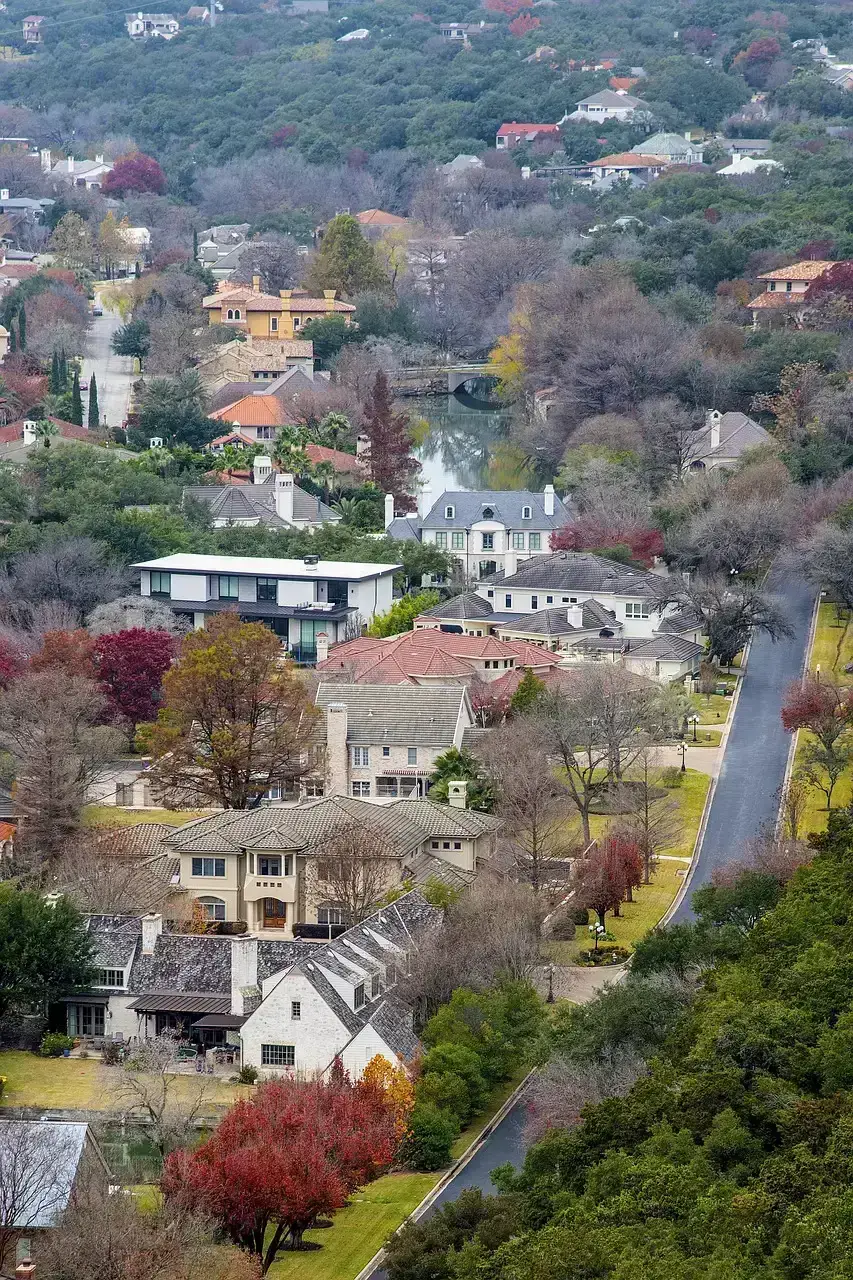
Austin was the poster child of the 2020 pandemic housing boom. Everyone, it seemed, was moving there. The city’s tech scene, warm weather, and no-income-tax allure made it irresistible. Then reality set in.
Home values in the Austin metro area have seen a dramatic 6.1 percent drop since 2024, according to a recent housing trends report. Austin’s housing market showed the sharpest shift toward buyers among Texas’ major metros, with more than half of active listings taking price cuts as of late 2025. The median list price dropped from over $525,000 a year earlier to $499,000.
The most likely 2026 scenario for Austin is continued modest price softening of one to three percent, followed by stabilization in the second half of the year. Zillow and other forecasters predict flat to slightly negative price movement through mid-2026. Buyers who were frozen out during the frenzy may finally have their moment.
3. Tampa, Florida: Insurance Costs Are Killing the Dream
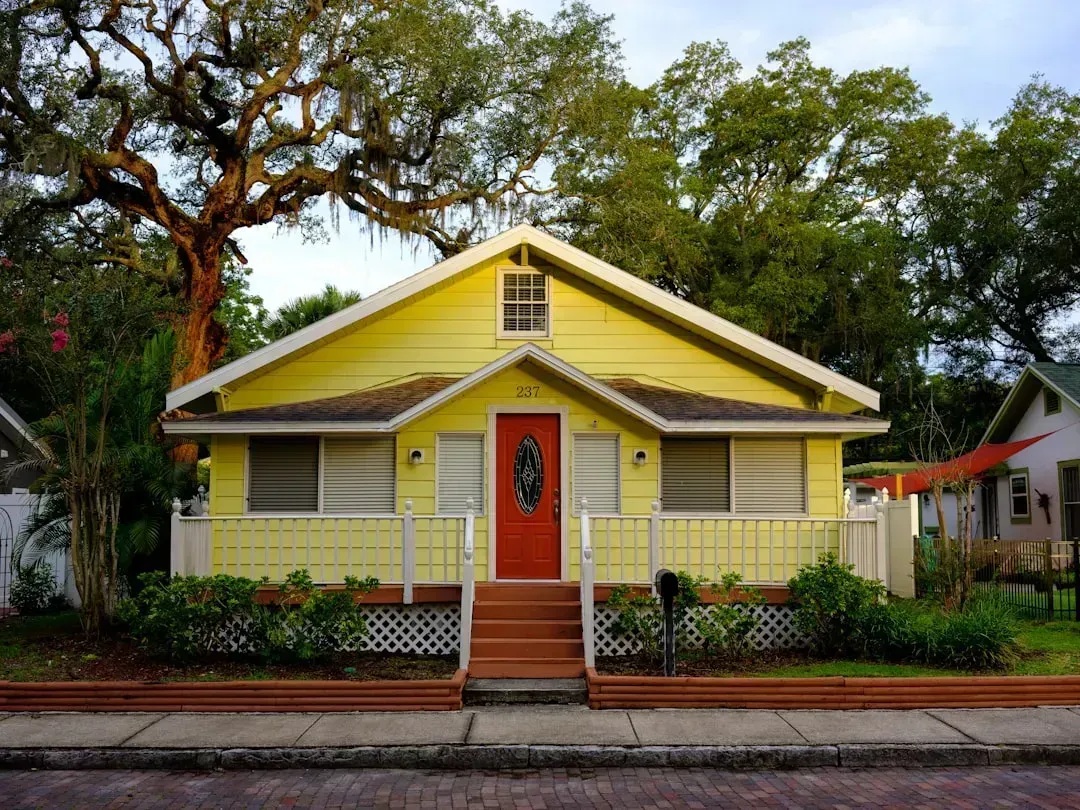
Tampa was, for a time, the quintessential Sun Belt success story. Affordable relative to coastal giants, warm, and growing fast. But the math started to break down badly when insurance premiums and HOA fees spiraled upward alongside already inflated home prices.
Austin and Tampa tied for the steepest home value drop in 2025 at 6.1 percent each, according to Zillow data from October of that year. That kind of symmetry speaks volumes about how similarly those two markets overheated and are now unwinding.
Statewide median listing prices in Florida were down six percent in the first half of 2025 compared to the same period in 2023. A big part of this dip is due to plummeting condo prices, largely a result of new safety legislation passed after the Surfside tragedy, which mandated more funding for building maintenance and inspections. This has led to significant increases in HOA special assessment fees, making condo ownership much more expensive.
4. Dallas, Texas: Too Much Supply, Too Fast
Dallas seemed bulletproof. A booming economy, massive corporate relocations, and population growth that was the envy of metros everywhere. Honestly, it still has strong fundamentals. But fundamentals do not always save a market from its own excess supply.
Dallas-Fort Worth’s housing prices fell roughly 5.7 percent from 2024 to 2025. The median price of a single-family home in North Texas fell from about $397,700 to $375,000 during that one-year span. That is a meaningful correction by any measure.
Denver and Dallas are again at or above pre-pandemic levels of inventory, and in Denver, nearly one-third of all listings offered price discounts, the highest rate among the top 50 metros. Dallas is tracking a remarkably similar pattern, with over half of active listings taking price cuts as sellers compete aggressively for a shrinking pool of buyers.
5. Phoenix, Arizona: The Sun Belt Hangover
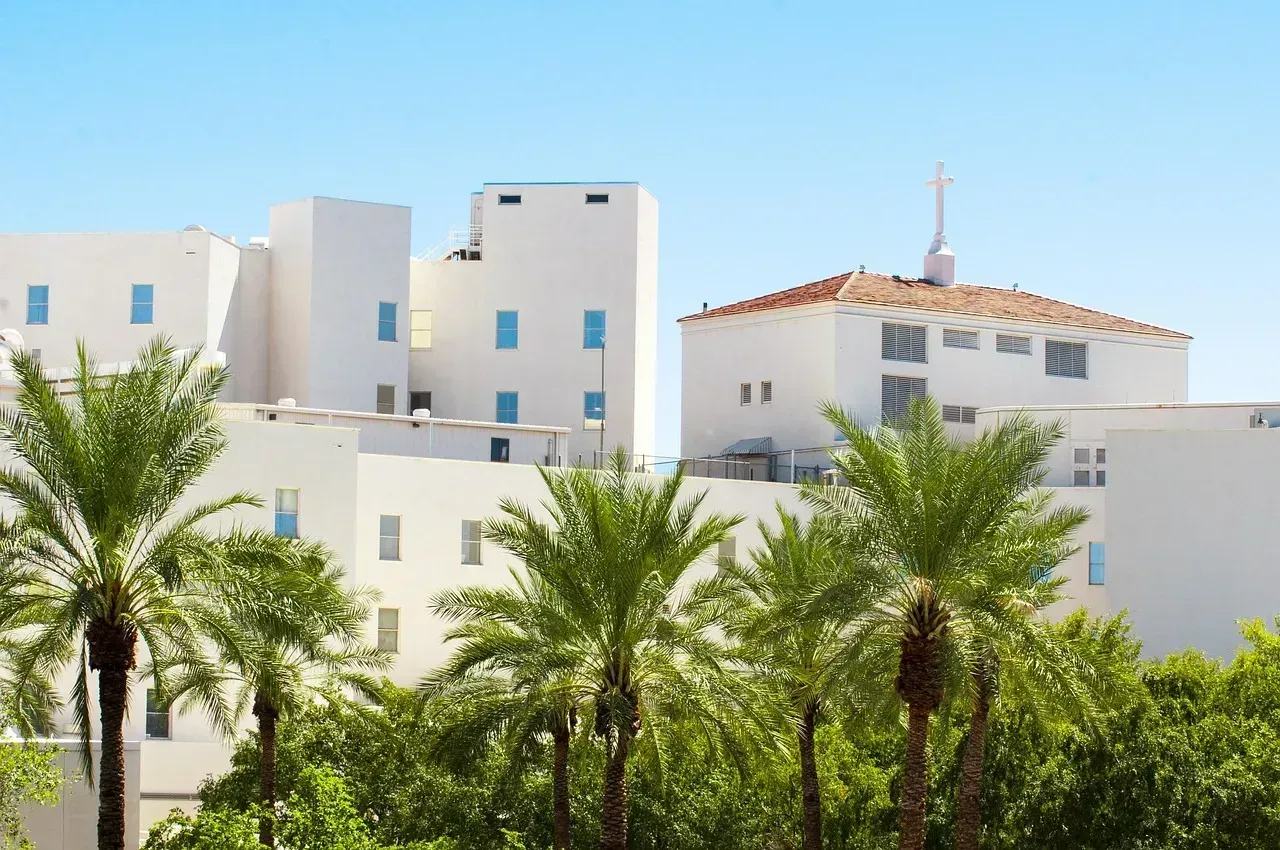
Phoenix was so hot during the 2020 pandemic that investors from across the country were buying homes sight unseen. It was almost surreal. Now, the hangover has arrived, and it is a tough one.
The markets that have been the most overheated are usually in the Sun Belt and Mountain West, and cities like Phoenix and Austin fit that profile precisely. Phoenix now faces stagnant inventory and low demand, according to Jules Garcia, a real estate agent at Coldwell Banker Warburg.
Realtor.com projects Phoenix to see home prices decline by roughly 2.3 percent in 2026. House prices are falling the most along the West Coast and Sun Belt, where there remains a glut of new homes following the pandemic-era construction boom. Phoenix is a textbook example of that dynamic playing out in real time.
6. North Port-Sarasota, Florida: The Second Florida Casualty
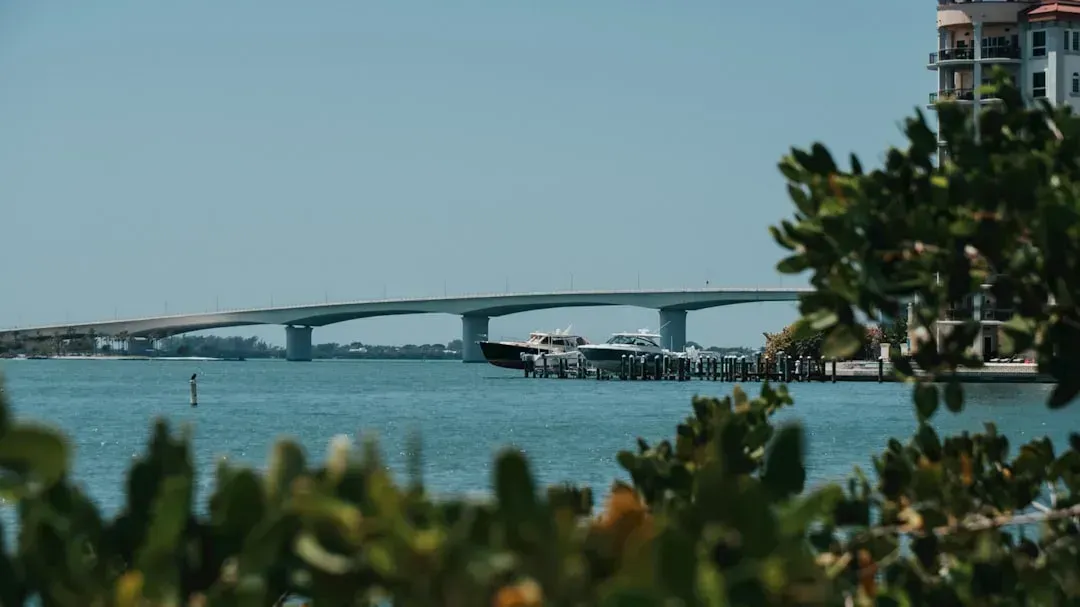
If Cape Coral is the headliner of Florida’s housing correction, North Port and Sarasota are a very close second act. This region attracted waves of retirees and remote workers who drove prices to genuinely unsustainable levels.
The North Port, Sarasota, and Bradenton region is projected to see a home price decline of roughly 8.9 percent, according to Realtor.com’s 2026 forecast. That makes it the second-worst performing major market in the entire country.
Two Florida metros, North Port, Bradenton, and Sarasota at number one and Cape Coral and Fort Myers at number two, had the worst year-over-year decreases in median home values nationwide, at 8.6 percent and 7.9 percent respectively. This is not a slow correction. This is a significant repricing of pandemic-era excess.
7. Sacramento, California: California’s Quiet Unraveling
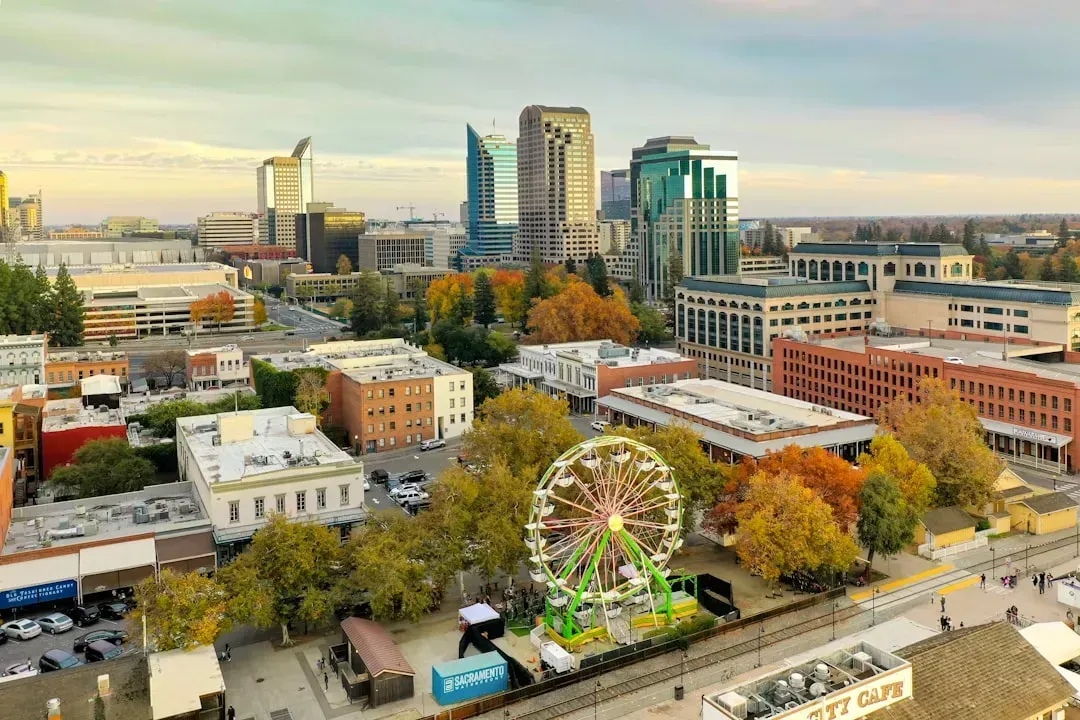
Sacramento flew under the radar for years as an affordable escape from San Francisco. Then it did not stay affordable for long. During the 2020 pandemic, Bay Area remote workers descended and turned it into yet another overpriced market. Now it is giving back those gains.
Stockton, in California’s Central Valley, is projected to see a 4.1 percent dip in 2026, the largest decrease in California and the third-largest nationwide. Sacramento itself is projected to see a 3.3 percent decrease.
Sacramento home prices were already down roughly 7.3 percent from their peak as of late 2025, according to Wolf Street’s analysis of housing data across 33 large metros. Stretched affordability is a key driver, with high prices and the persistent drag of high mortgage rates eating into buyer demand and leading to potential price softening.
8. Denver, Colorado: From Frenzy to a Slow Exhale
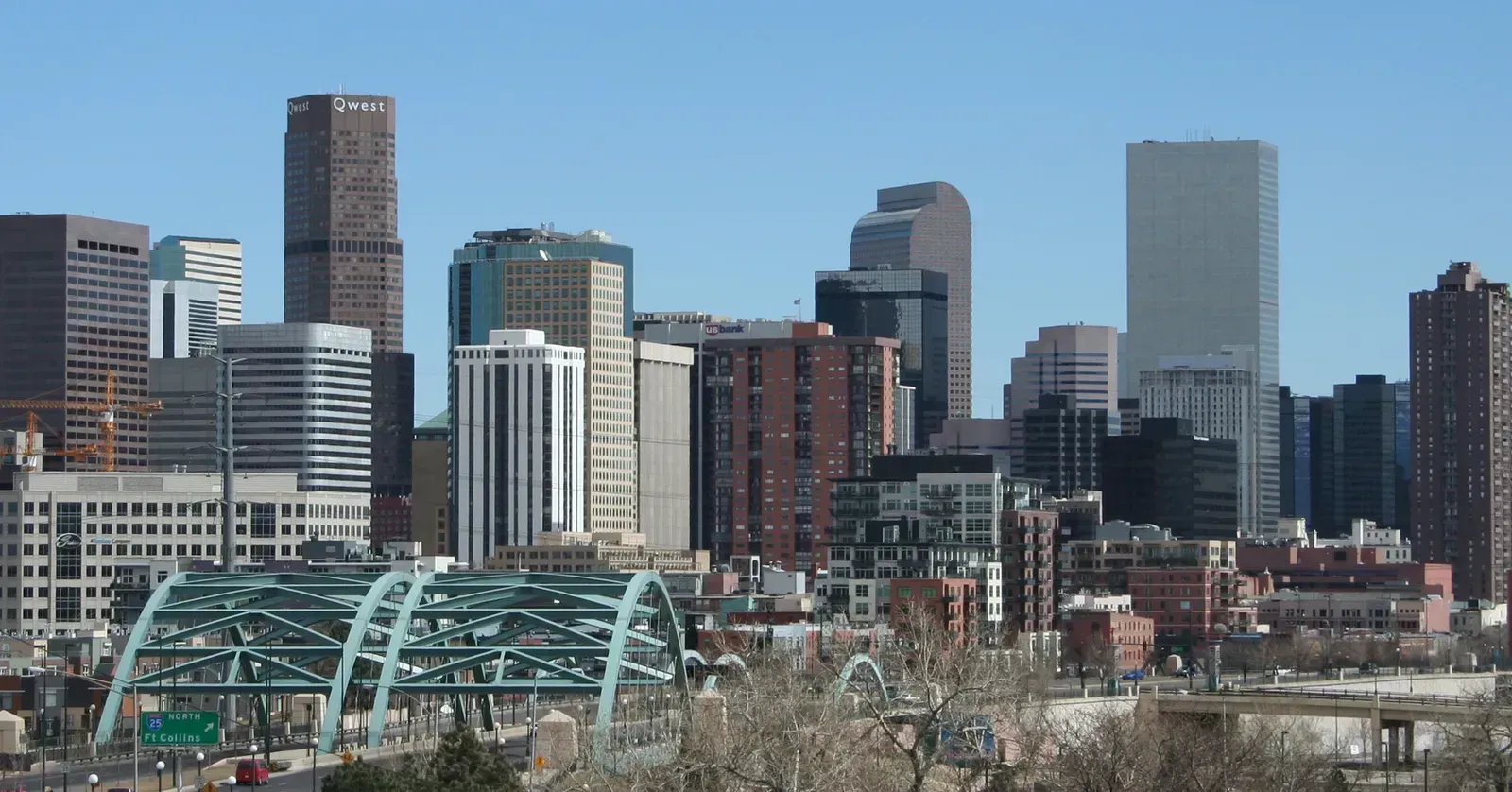
Denver was one of the most relentlessly competitive housing markets in America for years. It attracted young professionals, outdoor enthusiasts, and remote workers in waves. But inventory has finally caught up, and the market has shifted beneath sellers’ feet.
Realtor.com projects a 3.4 percent price decline in Denver’s metro area in 2026. Active listings in the Denver metro were up 14 percent year over year as of November 2025. More supply with softer demand is a recipe for price pressure, plain and simple.
In Denver, nearly one-third of all listings offered price discounts, the highest rate among the top 50 metros. Denver’s current 3.6-month supply of inventory signals a move towards a more balanced market. Think of it like a freeway that used to be gridlocked – the traffic is moving again, but no one is in a hurry.
9. Raleigh, North Carolina: The Research Triangle Reality Check
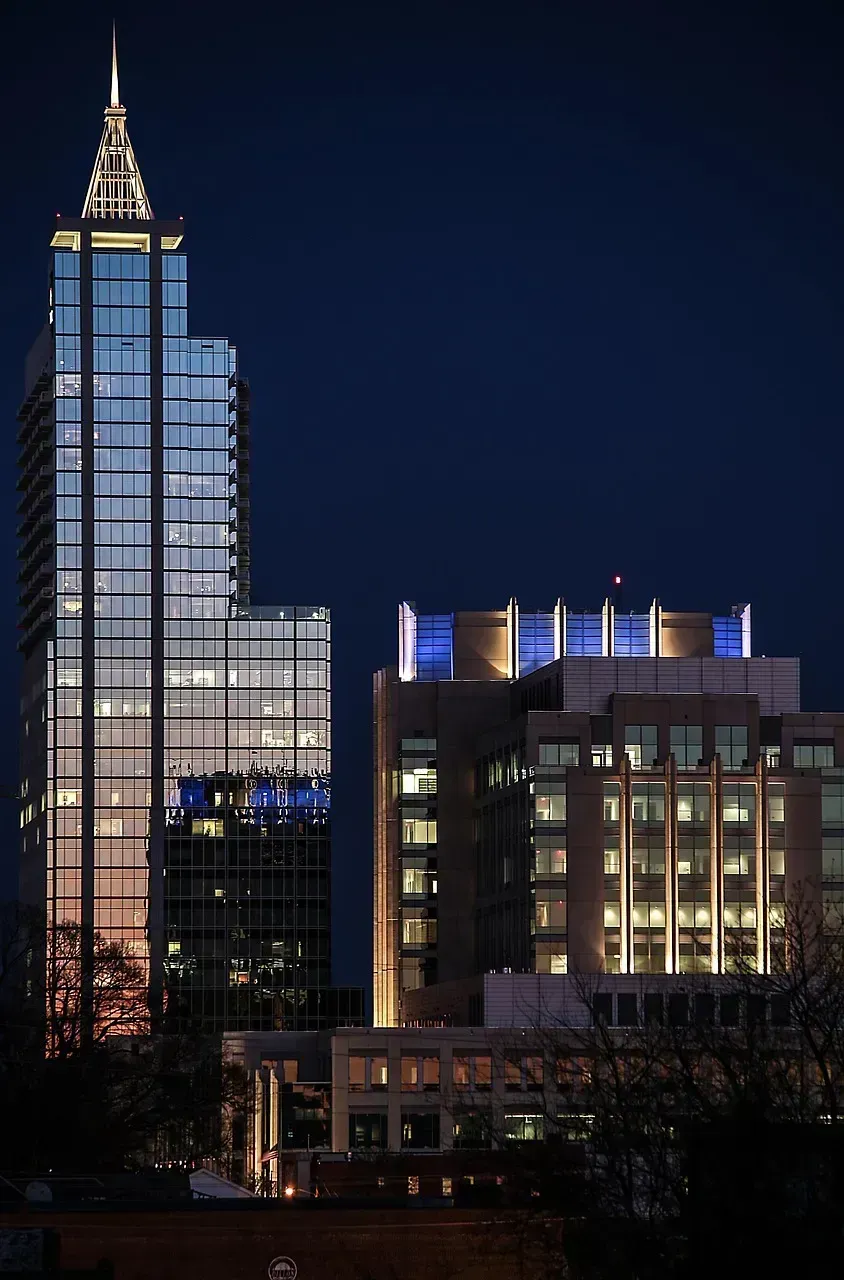
Raleigh rode a wave of tech migration, pharmaceutical investment, and university-anchored growth that made it one of the most talked-about mid-sized markets in the country. It had everything going for it. Then the affordability ceiling hit hard.
Realtor.com projects Raleigh to see a home price decline of roughly 3.7 percent in 2026, making it one of the steeper corrections among mid-sized metro areas. Raleigh home prices were already down roughly 3.9 percent from their 2024 peak as of late 2025.
The migration-driven price hikes in Nashville, Raleigh, Columbus, and Indianapolis are now slowing down, according to real estate data gathered by MarketWatch. It is hard to say for sure whether this is a temporary pause or a longer reset, but the data right now is pointing toward the latter.
10. Miami, Florida: Luxury Loses Its Luster
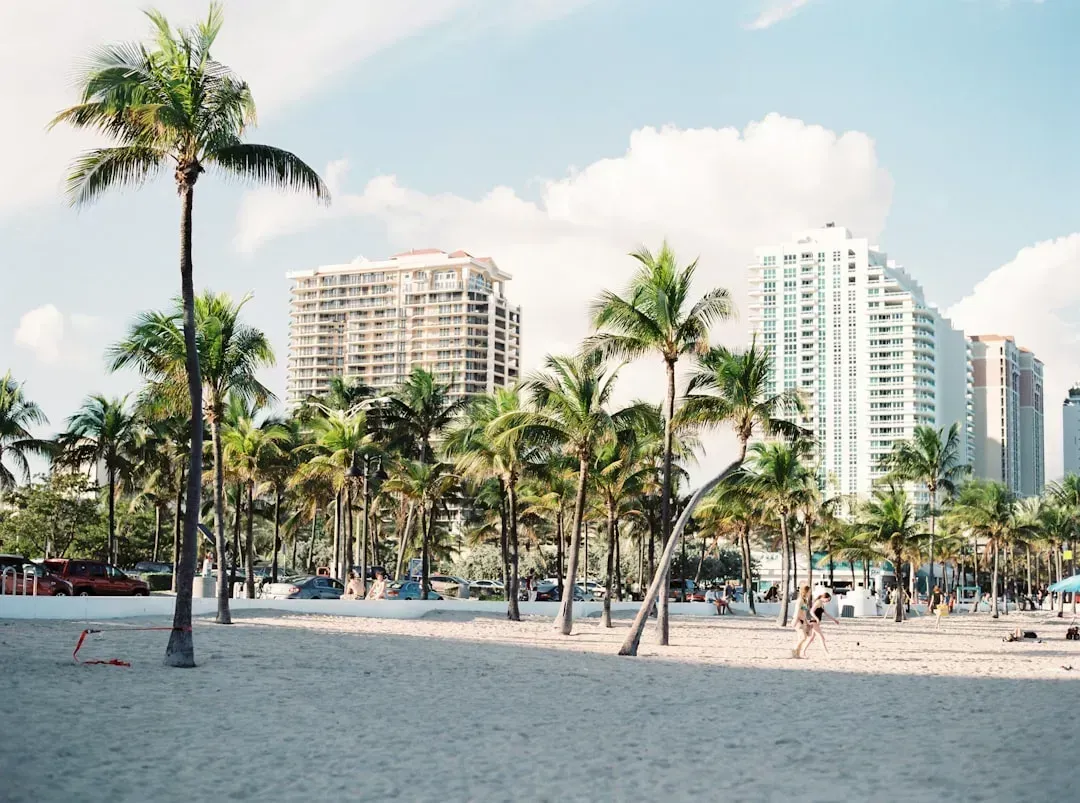
Miami felt untouchable. International buyers, crypto wealth, financial firm relocations from New York – the demand story seemed bulletproof. But even Miami has its limits, and 2025 started revealing them in ways that raised eyebrows even among the city’s biggest bulls.
Miami home values declined 4.8 percent year-over-year as of October 2025, the third-steepest drop among the nation’s 50 largest metro areas. Miami now ranks among the strongest buyer markets nationally, according to Zillow’s Market Heat Index.
High-end home sales fell to their lowest level since at least 2013 in 2025. Miami’s luxury segment, once an almost untouchable corner of the market, is feeling that downturn acutely. When even the top end softens, it signals something real is happening across the entire market ecosystem.
11. San Francisco, California: The Long Descent Continues
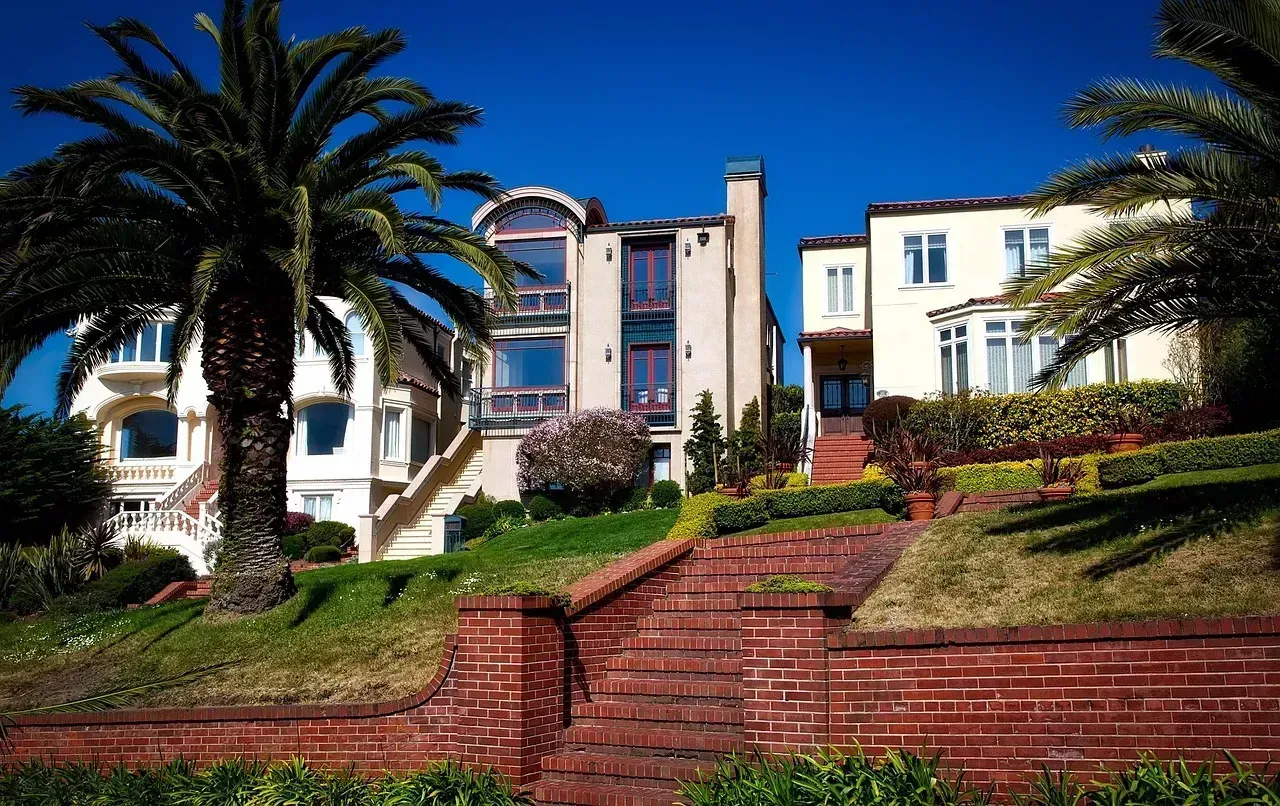
San Francisco’s story is one of the most complicated in American real estate. It is not cooling for the same pandemic-boom reasons as Phoenix or Tampa. Its challenges are layered – remote work hollowing out office demand, high taxes, population loss, and a cost of living that has pushed out entire demographic groups.
Realtor.com projects a 2.5 percent price decline in San Francisco’s metro area in 2026. San Francisco home prices were already down 3.2 percent year-over-year as of late 2025.
California is a traditional housing hotspot, but the state landed toward the bottom of a 2026 real estate ranking that rewards affordability, growth, and market activity. Some cooling in California’s home prices may reflect a correction after years of rapid appreciation, but historically high costs and elevated interest rates are keeping many people from buying. San Francisco, at the extreme end of the cost spectrum, is bearing the brunt of all those pressures simultaneously.
12. Nashville, Tennessee: The Boom Town That Grew Too Fast

Nashville’s rise was genuinely spectacular. It attracted music industry creatives, healthcare executives, tech workers, and retirees all at once. For a while it felt like the country’s most exciting city to buy into. But boomtowns have a way of overcorrecting when the momentum breaks.
Nashville home prices were down roughly 1.7 percent from their peak as of late 2025, according to Wolf Street’s housing data analysis. Smaller boomtowns are expected to decline faster than large metros because they lack the deep, diversified economic foundations of big cities.
With the market shifting and interest rates reshaping buyer behavior, many overheated cities are now showing signs of cooling, and experts predict this trend will deepen. Nashville fits that description precisely. New-home markets have slowed down in previously hot markets, in part because of some limited cyclical overbuilding and the fact that mortgage rates remained above 6 percent in 2025. Nashville built aggressively, and now the market is digesting all of that supply at once.