7 Cruise Destinations Reporting Record Crowds This Year
The cruise industry is on a tear right now. Think about it: at a time when inflation was supposed to slow everyone down, millions of travelers decided to pack their bags and set sail anyway. The numbers coming in from ports around the world are nothing short of jaw-dropping, and they tell a story about where people want to go and just how badly they want to get there.
A record-setting 34.6 million ocean-going cruise passengers sailed globally in 2024, reflecting a nine percent increase over 2023’s 31.7 million cruise travelers. That momentum hasn’t slowed. In 2025, the industry was forecast to welcome 37.7 million ocean-going passengers and reach 310 ocean-going vessels. Seven destinations, in particular, are feeling the weight of that wave more than anywhere else. Let’s dive in.
1. The Caribbean: The Undisputed King of Cruise Destinations
Here’s the thing about the Caribbean. It has always been popular. But what’s happening right now is on a completely different level. AAA projected 19 million Americans would get ocean cruises in 2025, a 4.5 percent increase over 2024, when 18.2 million Americans went on cruise vacations. The lion’s share of all those passengers? They all head to the same region.
The Caribbean is by far the most popular cruise destination for Americans, capturing 72 percent of U.S. cruise passengers. That’s why Miami, Port Canaveral, and Fort Lauderdale, all in Florida, are the busiest cruise ports in the world. Part of what’s fueling this is a shift in trip length. According to AAA, shorter Caribbean cruises of five days or less are gaining traction, growing from just two percent of all Caribbean sailings in 2023 to 18 percent by 2025.
In 2024, the Caribbean, Bahamas, and Bermuda topped the list of global cruise destinations, attracting approximately 14.98 million passengers. That figure is staggering when you put it against any other vacation region in the world. The U.S. Virgin Islands witnessed a single-day record arrival for passengers on cruise ships, while nearby Antigua closed its own record-breaking year with more than 13,000 cruise guests descending upon the island on December 31, 2024. Honestly, these islands are busier than ever.
2. Miami / PortMiami: The Gateway That Can’t Keep Up with Demand
If the Caribbean is the crown, then PortMiami is the jewel sitting right at its center. This port doesn’t just move passengers. It moves a staggering volume of human traffic in ways that even seasoned port officials call remarkable. PortMiami reports that on April 20, 2025, it set a new one-day record, handling 72,401 passengers. It also had a record-breaking 10 cruise ships on February 8, 2025.
In 2024, Florida’s PortMiami was the world’s busiest cruise port with 8.223 million passenger movements. Think about that for a second. That is more passengers than the entire population of many countries passing through one port in a single year. PortMiami continues to be the largest cruise homeport, highlighting that it will welcome 10 new cruise ships, including five newbuilds, during its 2025-2026 cruise season.
The report revealed mega-ships play a major role in these ports, noting Miami is home to Royal Caribbean’s massive 5,610-guest, 248,663-gross-ton Icon of the Seas, which debuted at the port in January 2024. The sheer scale of what’s docking in Miami right now is hard to wrap your head around. It’s less like a port and more like a floating city repeatedly parking itself at the same address.
3. Alaska: The Wild Frontier Draws More Visitors Than Ever

Alaska is not a beach vacation. There are no swim-up bars, no white-sand shores, no reggae bands. Yet travelers are choosing it in record numbers, and that tells you everything about how the cruise market is evolving right now. Alaska is the top cruising destination in North America, and over 1.3 million passengers sailed its waters in 2024, over half of the state’s total annual tourists.
The Port of Seattle recently completed its most successful year for cruise tourism yet, having set a new record by counting 1.9 million passengers in 2025. With 298 ship calls reported, cruise tourism generated 1.2 billion dollars in regional economic benefits. Seattle didn’t just beat its own records. It also outpaced its closest rival. The 2025 numbers put Seattle well ahead of its main competitor in the Alaska market, Vancouver, British Columbia, which recorded just 1.2 million cruise passengers.
Numbers just came in from the Alaska cruise season. Seattle, Victoria, BC, and Vancouver have each announced they set new records for the number of passengers at their ports. Nature lovers, photographers, and animal enthusiasts book these itineraries, with most cruises traversing through the scenic fjords of Juneau. It’s raw, dramatic, and wildly different from anything else on the cruise map.
4. The Mediterranean: Crowds That Are Reshaping Ancient Ports
The Mediterranean cruise route has always attracted a certain type of traveler. History buffs. Art lovers. People who want to stand in front of the Colosseum and feel small. But today, those same ports are feeling something very different: the pressure of sheer volume. The shores of the Mediterranean are a close second in popularity and make up approximately 19 percent of worldwide itineraries. It’s one of the most convenient ways to explore Europe, allowing cruisers to visit several countries in a single trip.
In 2024, Mediterranean cruise passengers reached 5.77 million, a 5.8 percent increase over the previous year. The numbers keep climbing because the appeal is undeniable. Imagine waking up in Barcelona, having lunch in Marseille, and watching the sunset over Dubrovnik. Cruise lines know this itinerary practically sells itself. With regard to the types of cruise vessels that passengers are traveling on, mega-vessels predominate, with these vessels deployed in three of the four top cruise regions: the Caribbean, the Mediterranean, and Northern Europe.
Smaller vessels hold a greater share in Northern Europe and the Mediterranean, driven by the presence of expedition cruises in the former and a strong luxury segment in the latter. So it’s not just mass-market travelers flooding in. The Mediterranean is pulling luxury cruisers, expedition seekers, and first-timers all at once. That combination creates a unique pressure on ports that were not always designed for this volume.
5. Santorini and Mykonos, Greece: Postcard Islands Under Siege
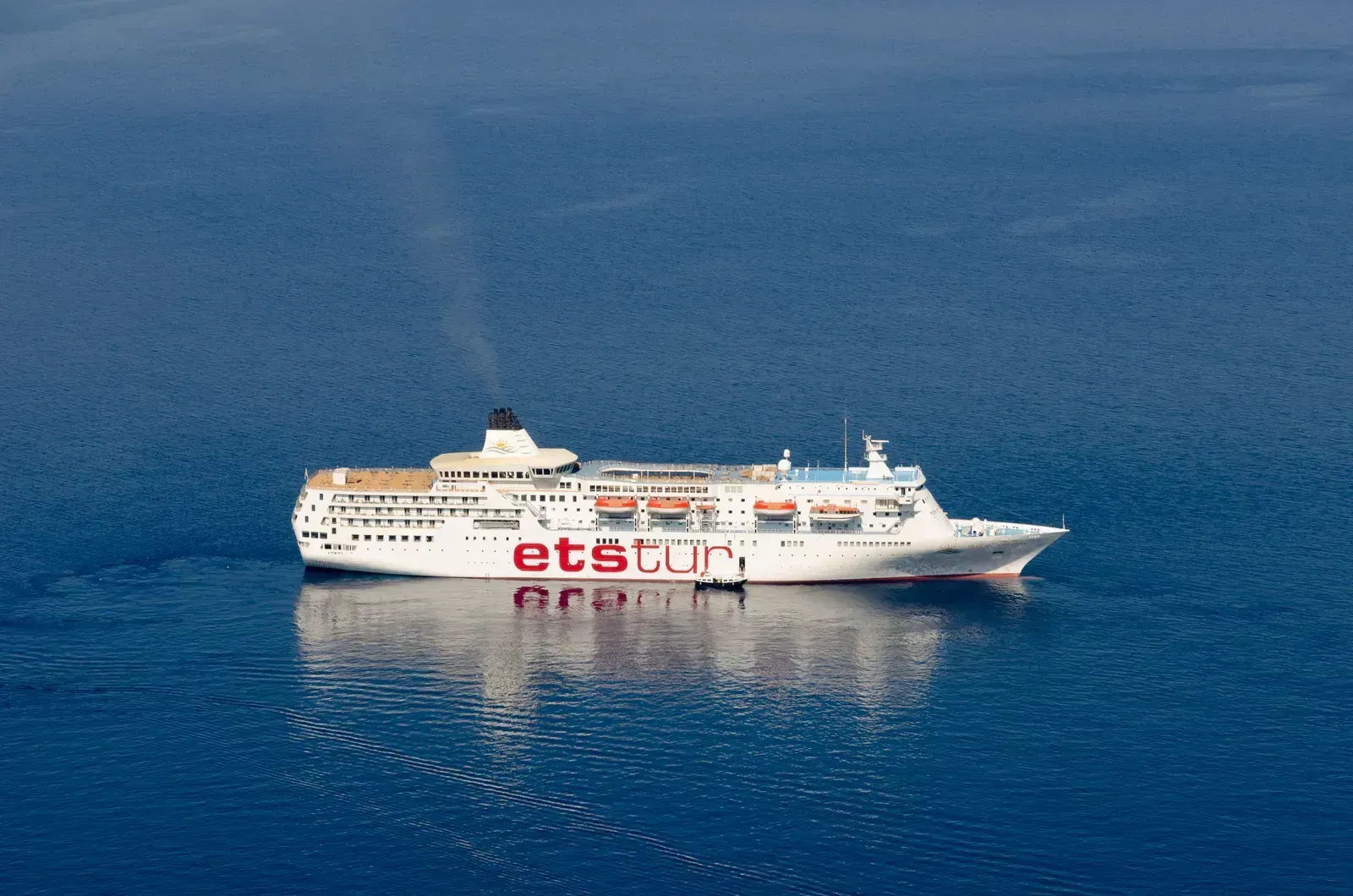
Let’s be real: Santorini and Mykonos were already impossibly crowded before the cruise boom hit its stride. Now? The numbers are in a category of their own. According to INSETE’s 2024 Statistical Bulletin, Greece welcomed 7.9 million cruise passengers in 2024, a 13 percent increase from 2023. Two islands in particular are bearing the brunt of that growth.
Santorini recorded 1.34 million arrivals, up four percent, and Mykonos recorded 1.29 million, up 8.4 percent. Given that Mykonos has approximately 12,000 permanent residents and Santorini 15,000, these numbers highlight the significant strain on the small islands. Think about that ratio. It’s like a small town suddenly hosting a music festival every single day of peak season. With over 1.3 million cruise visitors arriving in Santorini alone in 2024, sometimes exceeding a self-imposed cap of 8,000 daily arrivals, authorities decided action was necessary.
Approximately 900 cruise ship arrivals carrying more than 1.5 million passengers were expected in Mykonos in 2025, compared to 768 arrivals with 1,290,000 passengers in 2024. The Greek government responded by introducing new fees. A €20 tax per cruise passenger came into effect on July 1 and applies throughout the peak season until September 30. Whether it slows the tide remains to be seen. The allure of these white-washed villages and volcano views is apparently stronger than any tax.
6. The Bahamas and CocoCay: Private Island Crowds Hit New Heights
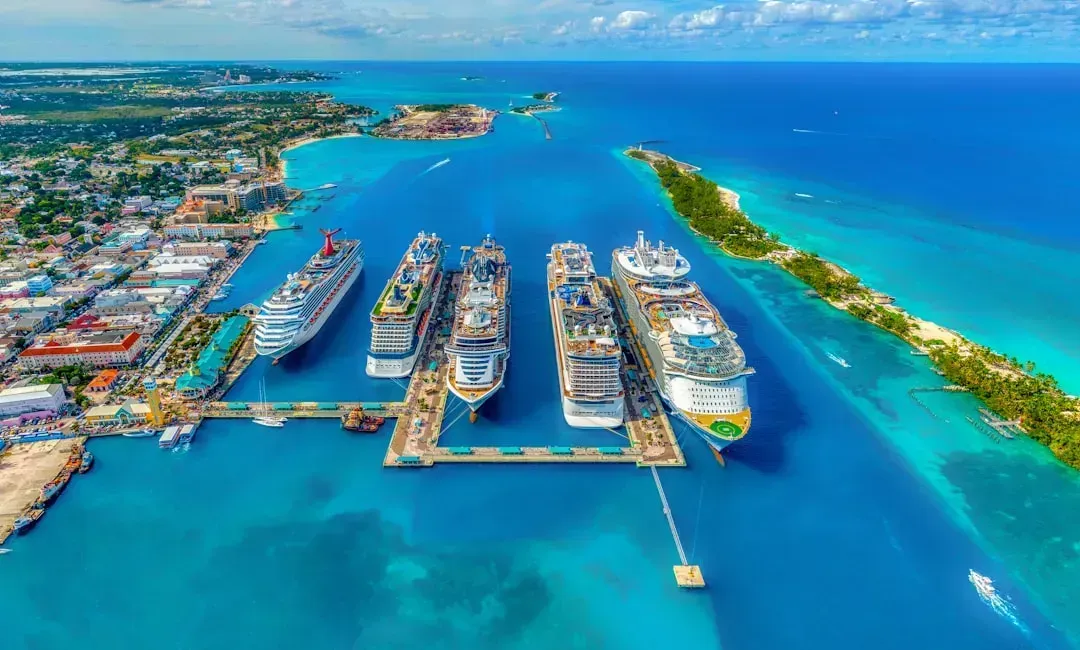
The Bahamas has always been a natural stop for Caribbean cruises. What’s changed is the investment that cruise lines have poured into the region, turning small plots of island into purpose-built paradise playgrounds. And tourists are showing up in enormous numbers. Royal Caribbean’s private island in the Bahamas, Perfect Day at CocoCay, is expected to draw over 3 million visitors in 2024. That’s not a destination. That’s a phenomenon.
Numerous ports are sharing 2024 passenger arrival records that have been shattering pre-pandemic highs, including ports in the Bahamas, Miami, and even smaller destinations like Malta. The Bahamas benefits from its proximity to Florida’s major ports, making it easy to slot into three, four, and seven-night itineraries. There is an exciting intake of new guests, with 68 percent of international travelers considering taking their first cruise, and one out of three international travelers have already taken a cruise. In 2024, 31 percent of cruisers over the past two years were new-to-cruise, an increase from 27 percent in 2023 and 24 percent in 2019.
Many of those first-timers pick short Bahamas routes as their entry point. It’s a smart choice: easy, beautiful, and close to home. One of the key details in CLIA’s report reveals an incredibly high level of passenger loyalty, with 82 percent of those who have cruised stating they will cruise again. That loyalty keeps feeding the Bahamas pipeline year after year, with no signs of letting up.
7. Expedition Destinations: Antarctica, the Arctic, and the World’s Wild Edges
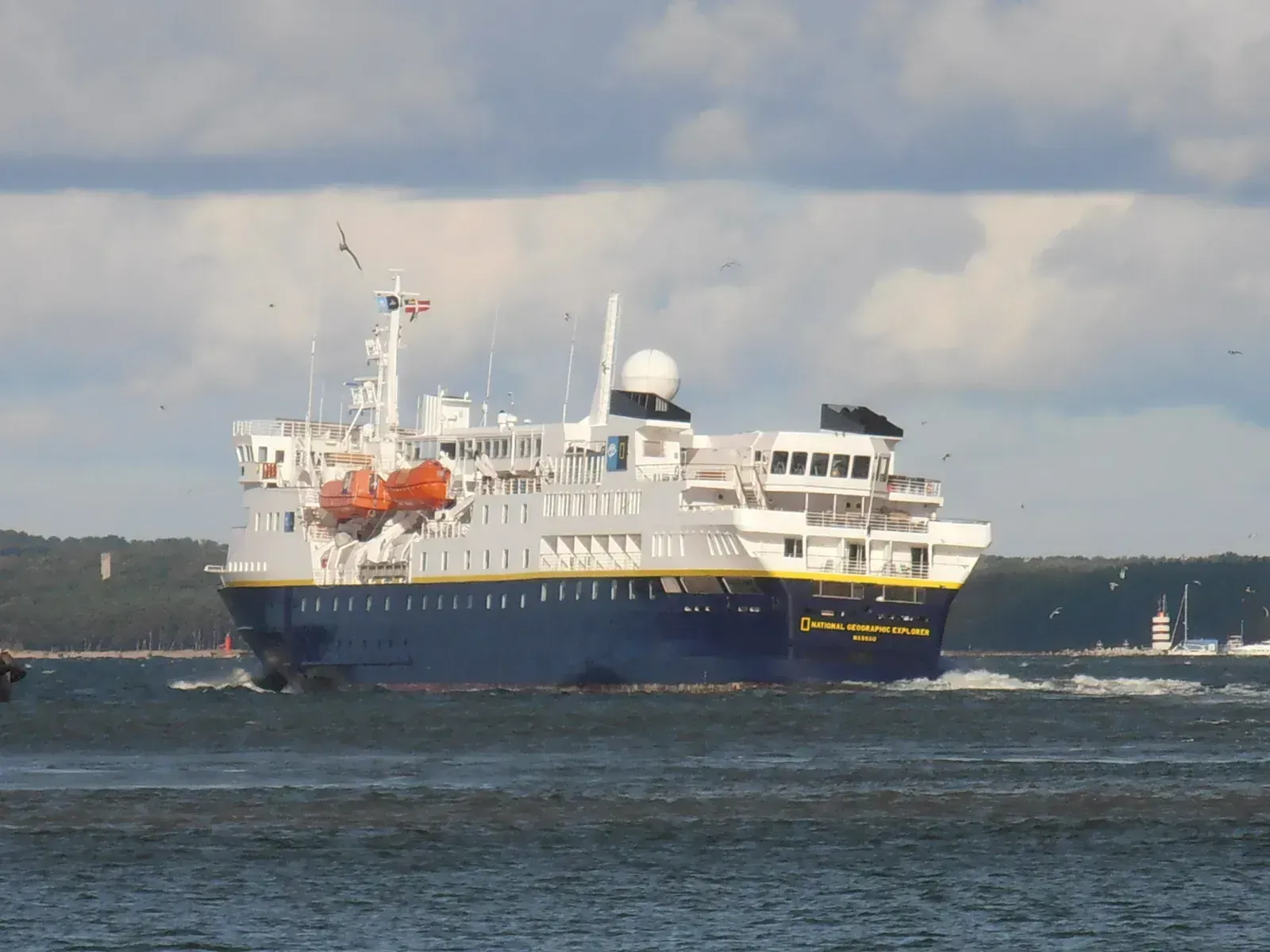
I think this one surprises people the most. When we talk about record cruise crowds, most people picture sun loungers and cocktail pools. But the fastest-growing segment of the cruise world is heading somewhere entirely different: the frozen ends of the Earth. This sector continues to attract travelers, particularly younger ones seeking extraordinary experiences. Global capacity for expedition and exploration ships will grow by 150 percent from 2019 to 2029. The number of passengers sailing on these cruises increased by 22 percent from 2023 to 2024 alone.
There are now about 40 ships specifically built for expedition and exploration, a nearly three-fold increase in ships compared to 14 years ago. Destinations like Antarctica, Greenland, Iceland, and the Galapagos are pulling in travelers who want something raw and unrepeatable. It’s the opposite of a buffet line. CLIA says 52 percent of travel agents regard cruise holidays as experiencing higher growth than any other travel segment, with expedition and exploration being the fastest-growing segment: 22 percent more passengers chose these voyages in 2024.
While the average age of a cruise traveler is 46.5 years, it’s really significant that 36 percent are under the age of 40. Notably, Gen-X and Millennials are the most enthusiastic about taking a cruise holiday. Younger travelers are redefining what a cruise looks like, and expedition destinations are the clearest proof of that shift. Polar bears, icebergs, and volcanic coastlines are drawing crowds that nobody predicted even five years ago.
A World on the Move: What These Numbers Actually Mean
When you line up all seven destinations together, a clear picture emerges. The cruise industry isn’t just recovering. It’s rewriting its own history. 2025 was expected to be the third straight year of record cruise passenger volume. If accurate, 2026 would mark the fourth consecutive year of record U.S. cruise passenger volume. The trajectory is relentless.
The most mind-blowing number in the whole CLIA report is the new forecast showing 42 million passengers will be sailing in 2028, representing a 41 percent growth versus pre-pandemic levels from 2019. Destinations like Santorini and Mykonos are already wrestling with what that means for their communities, their infrastructure, and their identity. Others, like Seattle and Miami, are investing heavily to stay ahead of demand.
AAA says 90 percent of U.S. cruise passengers rate their experiences as very good or good, and 91 percent of people have taken multiple cruises. That satisfaction rate explains everything. Once people step aboard, they come back. And they bring friends. The world is clearly voting with its wallets, and right now it’s voting overwhelmingly for life at sea. What destination on this list surprises you the most? Tell us in the comments.