I Always Choose the Budget Version of These 15 Household Items to Save Money
Most of us have stood in a supermarket aisle at some point, staring at two nearly identical products, one with a flashy logo and a high price tag, and one with plain packaging costing half as much. The temptation to reach for the familiar brand name is real. Marketing is powerful, habits are stubborn, and there’s always that nagging voice whispering that cheaper must mean worse.
Here’s the thing though: that voice is often wrong. Very wrong. The truth is that for a surprisingly wide range of household staples, the budget version performs just as well, and sometimes the products are literally made in the same factory. So let’s get into the 15 items where I’ve stopped wasting money, and where the data actually backs me up.
1. Over-the-Counter Pain Relievers
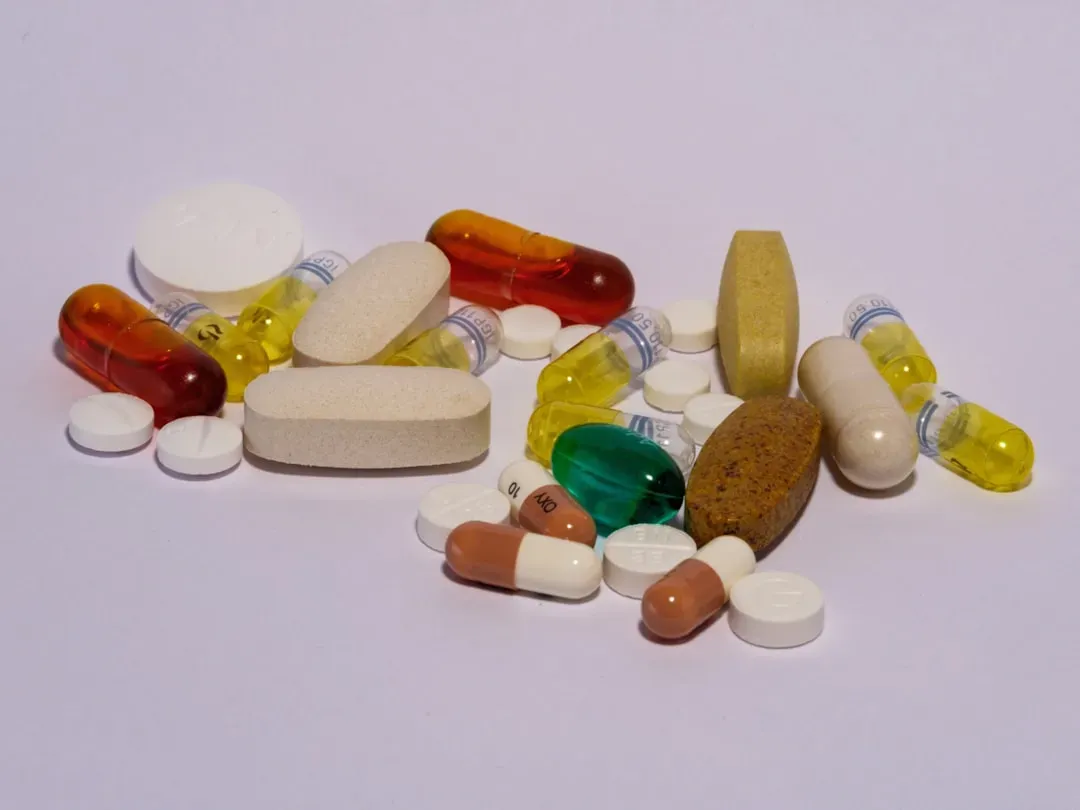
This one genuinely surprises people when they first hear it. You pay two or three times more for Advil or Tylenol than for the store-brand equivalent, but the active ingredient is identical. The FDA makes it clear: generic medicines work the same as brand-name medicines. They are required to be the same in dosage, safety, effectiveness, strength, stability, quality, and in the way they are taken.
The active ingredient in Tylenol is acetaminophen. Generic store brands contain the exact same formula and dosage. The only major difference is the packaging and price. Both options are FDA-approved and work the same way in your body. That’s not a theory. That’s federal regulation.
Advil’s active ingredient is ibuprofen, which is also found in many generic brands like Target Ibuprofen or Equate Ibuprofen at Walmart. The dosage, effectiveness, and safety profile are the same. Whether you buy Advil or a generic ibuprofen, you’re getting the same formula. I switched years ago and never looked back.
2. Laundry Detergent
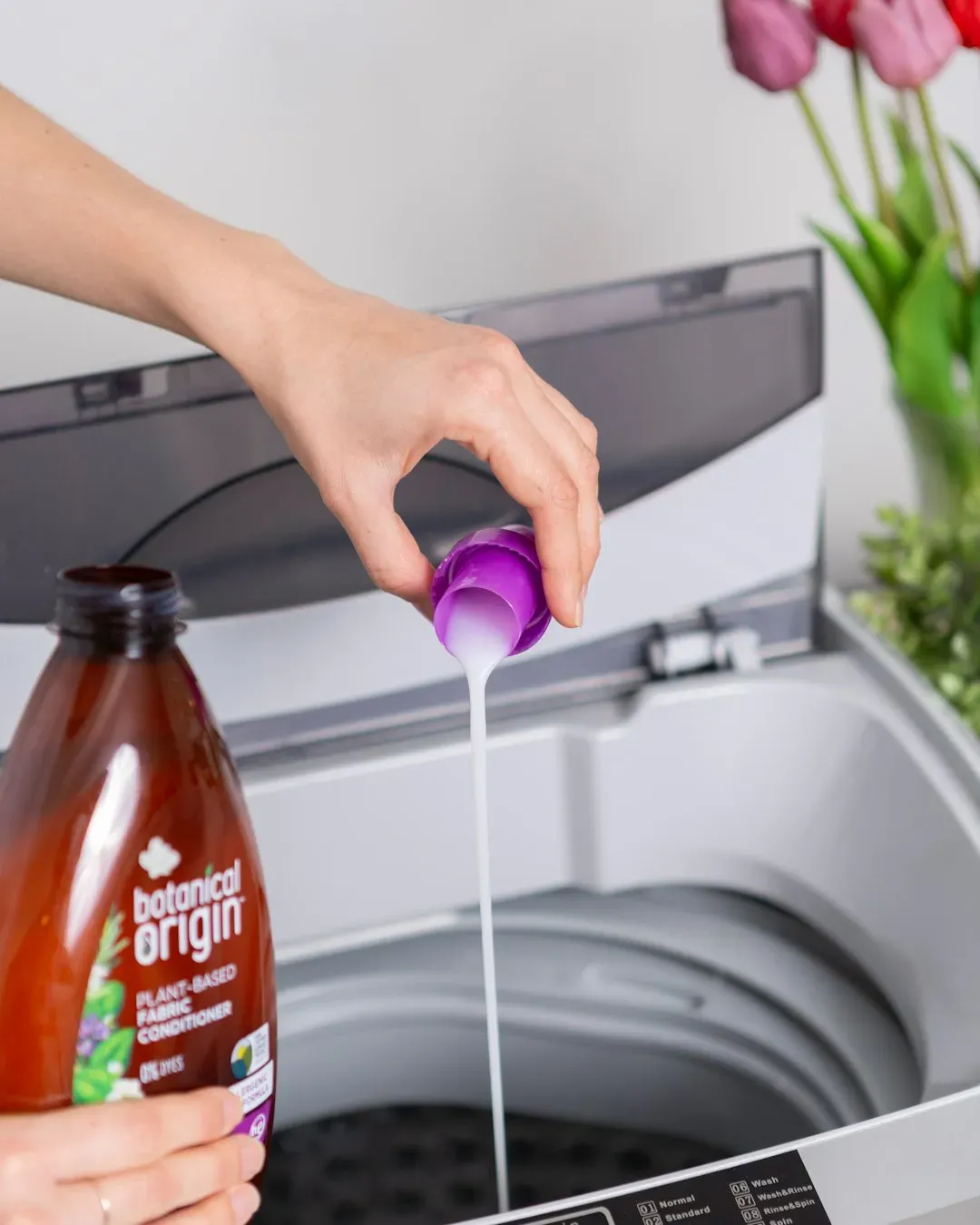
Laundry detergent is one of those purchases where the marketing budget of big brands clearly does the heavy lifting. You’re paying for the scent name and the TV commercial, not for significantly superior cleaning power. Studies consistently demonstrate that shoppers save one-third or more on grocery and household items by selecting store brands over national brands.
Contrary to popular belief, private-label products often come from the same factories that produce name-brands. Manufacturers may simply adjust the recipe slightly or use different packaging to fulfill a contract with a particular retailer. Think about that the next time you nearly faint at the price of Tide pods.
Many times, store brands will use the same formula as name brands, but they’re able to sell for a cheaper price because of the quality of the ingredients or materials used to manufacture that formula. Other times, a store brand will be a knock-off from an entirely different company striving to replicate the name brand and getting pretty close. Still other times, it’s the exact same product with a different label. In these instances, the store brand really is just as good as the name brand.
3. Trash Bags
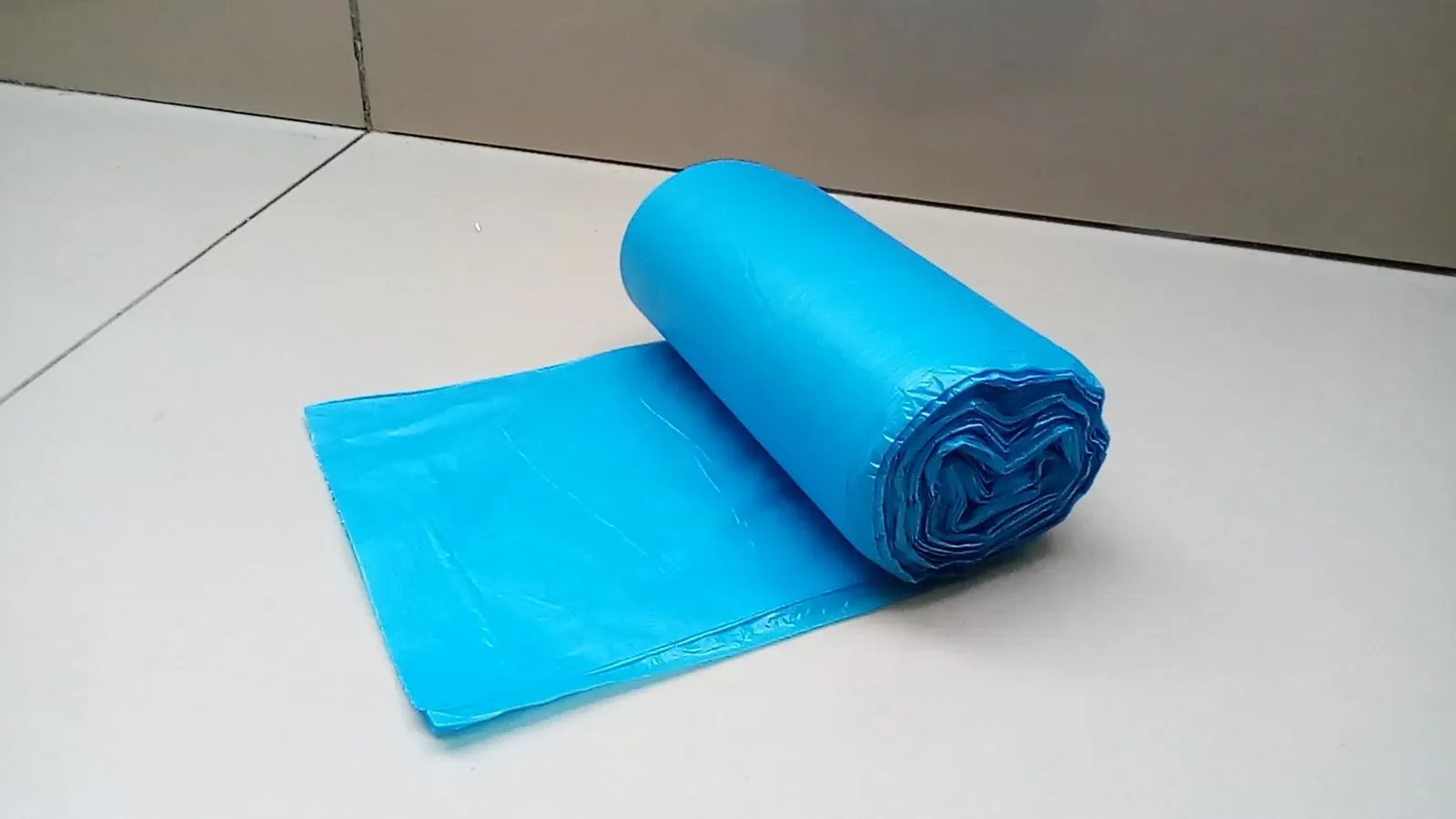
Honestly, a trash bag has one job. It holds your garbage without ripping. That’s it. You don’t need Hefty’s branding or Glad’s glossy marketing for a bag that ends up buried in a landfill. All major stores offer generic-brand 13-gallon trash bags. Two stores tied with the cheapest bags at 8 cents per bag, while the most expensive option cost 19 cents per bag at a regular grocery store.
That’s more than double the cost for essentially the same product. In many cases, the same farms and factories that produce the name-brand products also produce the private label brands. Companies just tweak the recipe and throw on a different label. Grocery stores don’t have to advertise private labels. They just put them on the shelf next to the brand names and wait for shoppers to notice the lower prices. Saving on advertising allows private labels to charge lower prices.
4. Paper Towels

Paper towels are a household essential that people oddly feel loyal to. There are Bounty devotees out there who would rather go broke than switch. I get it, absorbing marketing is powerful. But let’s be real: a paper towel is paper. Those who opt for the store brand save an average of 25% on their purchases, according to Consumer Reports. In some cases, the savings can far exceed these estimates.
Price is key to the rise of private-label products, but so is sleeker packaging that can make it harder to tell name-brand items from cheaper in-house counterparts. Most consumers rank private-label products’ quality as on par with national brands’, market researchers have found. That’s worth pausing over for a second.
5. Dish Soap
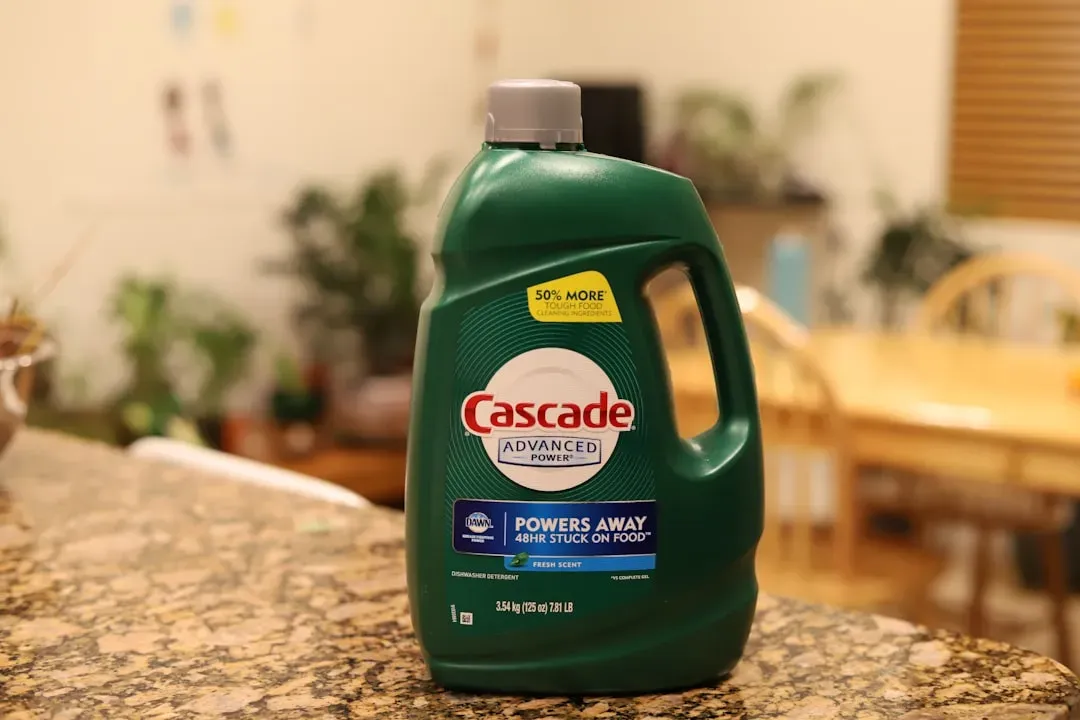
Dawn has built an empire on cutting through grease, and it works great. But here’s the thing: most generic dish soaps contain very similar surfactant formulas and cut through the same messes just fine. The difference in your daily dishwashing? Minimal at best. The difference in your wallet over a year? Surprisingly meaningful.
Store brands set all-time highs in both market share metrics, moving up to 21.3% in dollar share and up to 23.5% in unit share for the period from December 2024 to December 2025. Store brand dollar sales increased almost three times the rate of national brands. Clearly, millions of other shoppers have already figured this one out.
Over the past five years, from 2021 to 2025, store brand annual dollar revenue increased by $64.8 billion, or 30%, and dollar share rose from 19.1% to 21.3%. That’s not a fringe trend. That’s a full consumer movement.
6. Plastic Food Storage Bags
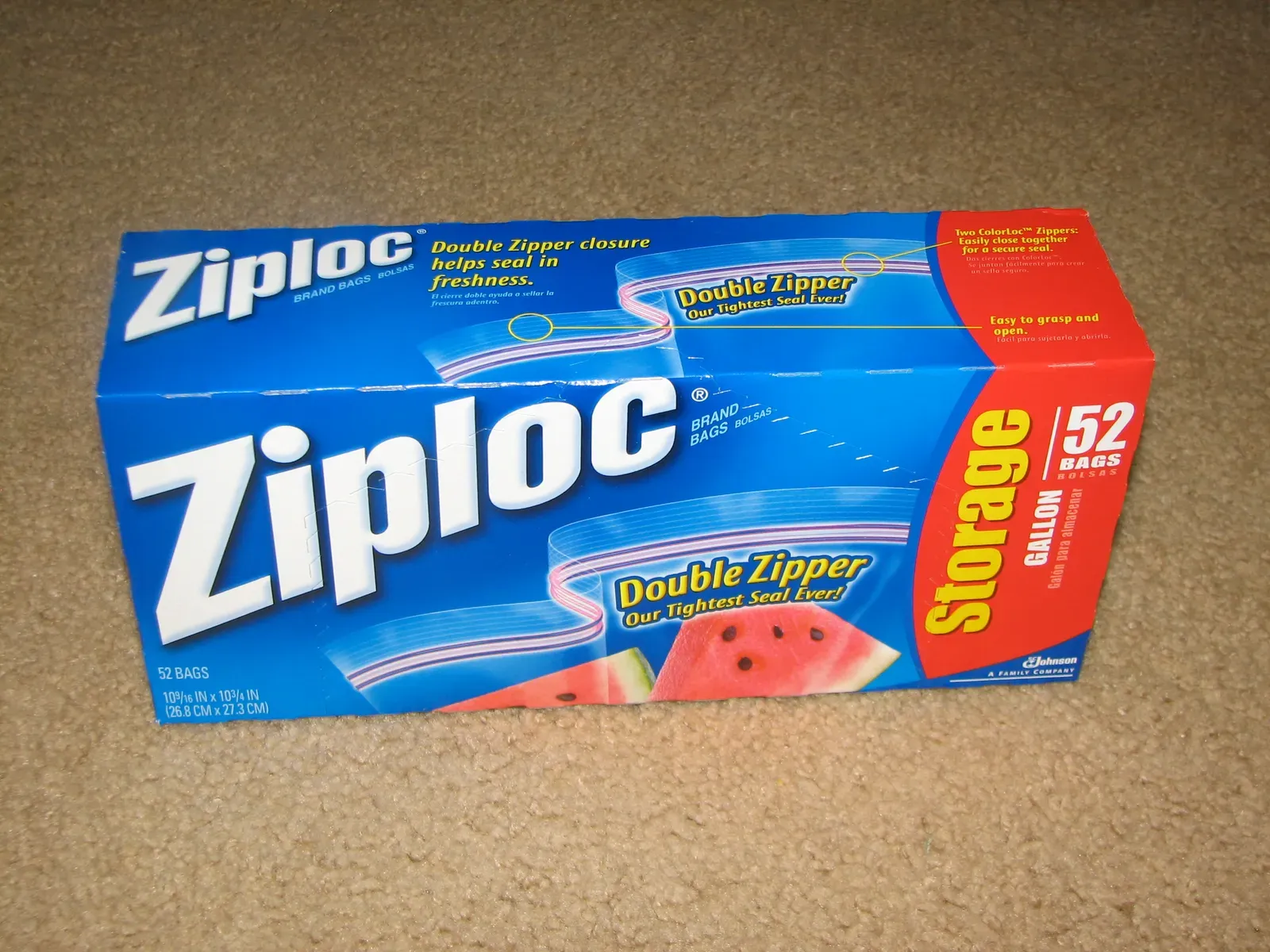
Ziploc is a household name synonymous with storage bags, but store-brand versions seal just as snugly. Think of it like buying a generic freezer bag versus paying for the Ziploc name on the box. They both keep your leftovers fresh and your freezer tidy. The mechanics are identical.
Store-brand products are those sold under the retailer’s own label, bypassing the established brand names. These items typically mirror their name-brand counterparts in terms of packaging and functionality but at a lower price point. Sandwiches don’t care what brand sealed the bag. Neither should you.
Crunch the numbers across numerous categories and the difference between store-brand versus name-brand items averages out to about 40% in total savings. On something you use every single day, that number compounds fast.
7. Toilet Paper
Few household purchases generate as much brand loyalty as toilet paper. I know, I know. But the truth is, most store-brand toilet paper is perfectly comfortable and gets the job done. Extensive research suggests that the quality of store-brand products has significantly improved over the years. The U.S. Food and Drug Administration enforces strict safety standards for all food products regardless of brand. Additionally, many retailers have invested heavily in developing high-quality store-brand lines to compete effectively with established names.
There’s a reason Target refreshed its store brand in 2024 to appeal to modern shoppers. The new packaging features bold new colors, enlarged font, and more sustainable paper-based packaging. Target also notes quality improvements to 40% of the existing lineup. Budget no longer means bargain-basement quality.
8. Cleaning Wipes and Multipurpose Sprays
Clorox and Lysol have become almost synonymous with “clean,” but generic multipurpose cleaners and disinfecting wipes work under the same safety and effectiveness regulations. A clean surface is a clean surface. Purchasing store-brand items is a consistently cheaper approach than buying national brands.
According to a study by the Private Label Manufacturers Association, consumers can save an average of 25% to 30% on their grocery bills by choosing store-brand options over name brands. For a family of four, this could amount to hundreds of dollars in savings each year. With continued rising food costs, these savings can make a significant impact on household budgets.
9. Aluminum Foil and Plastic Wrap

Reynolds Wrap has somehow convinced an entire generation that no other aluminum foil is worth using. I’d challenge anyone to do a blind test and tell the difference between Reynolds and a store-brand roll. Aluminum foil is, quite literally, just aluminum. It wraps. It covers. That’s the whole story.
About 71% of consumers surveyed recently by First Insight said they knew when they were buying a private-label item. But when the retail market-research firm showed them in-house and name-brand products side by side, virtually the same share, 72%, failed to correctly identify the private-label one. That’s a fascinating finding, and it applies perfectly to basic kitchen supplies like these.
10. Baking Staples (Flour, Sugar, Salt, Baking Soda)
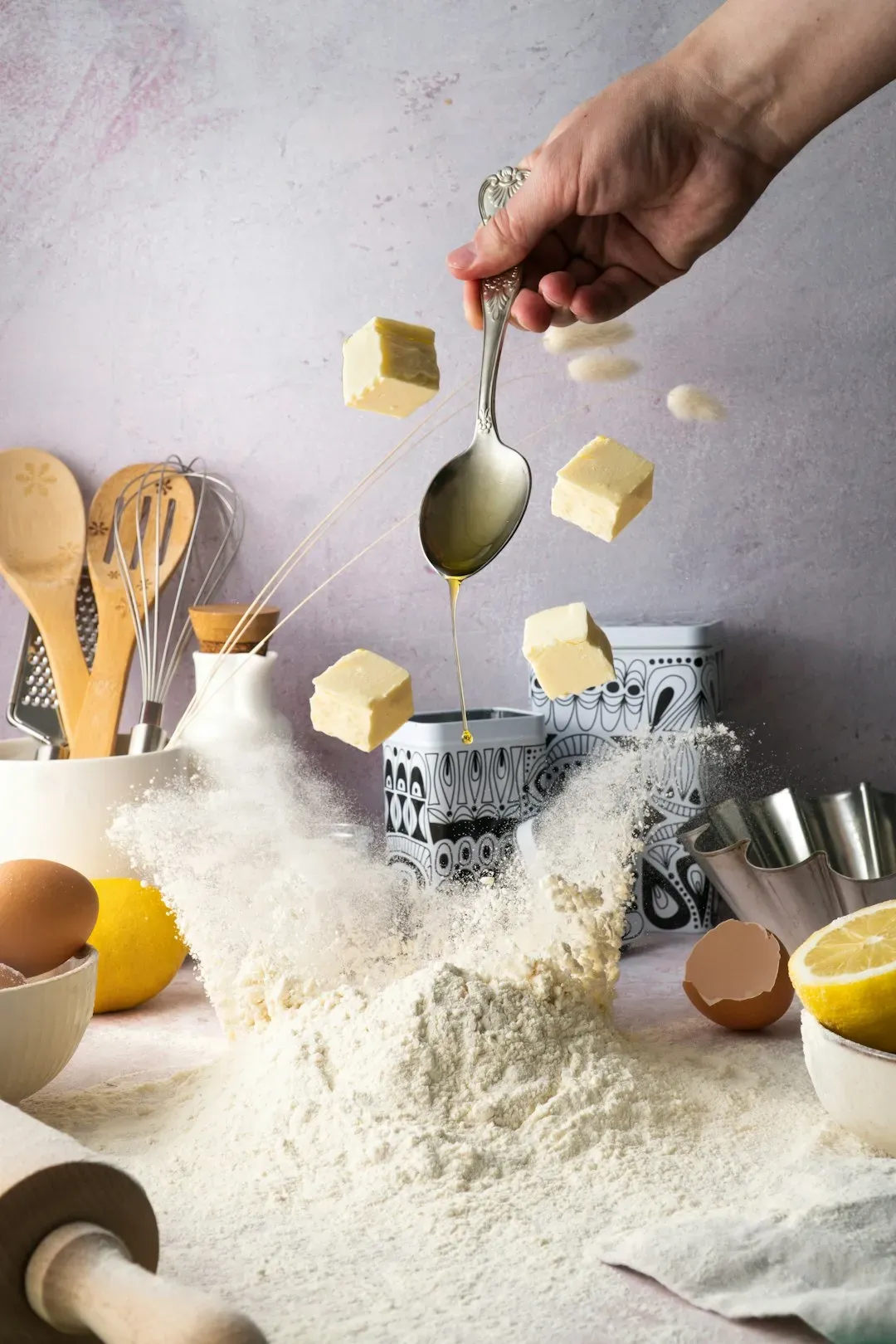
This one is almost embarrassingly obvious once you think about it. Flour is flour. Sugar is sugar. Salt is salt. These are raw, minimally processed commodities. There is no trade secret in a bag of baking soda that justifies a name-brand premium. It is estimated that U.S. consumers save more than $40 billion a year on grocery and household purchases by opting for the store brand over the national brand version of their favorite products.
Store brand sales figures for 2025, as presented in PLMA’s 2026 Private Label Report, demonstrate the products’ continuing popularity among consumers in all U.S. outlets. The data trend is clear. Smart shoppers are making the switch across the board, and pantry staples are the most obvious starting point.
11. Over-the-Counter Allergy Medicine

Claritin, Zyrtec, Allegra. These are big names in the allergy aisle, and they cost a lot for what they are. The active ingredients are loratadine, cetirizine, and fexofenadine respectively. Every one of those has widely available, much cheaper generic versions. The U.S. Food and Drug Administration requires that generic drugs demonstrate bioequivalence, meaning they deliver the same amount of medicine into a person’s bloodstream in the same amount of time.
Generic medications are generally just as effective as name-brand medications. They contain the same active ingredients and must meet the same standards for safety and effectiveness. Generic medications are less expensive because they don’t bear the initial development costs that name brands do, and the FDA ensures that all generic medications meet the same high standards. Seasonal allergies are miserable enough. No need to overpay on top of that.
12. Batteries
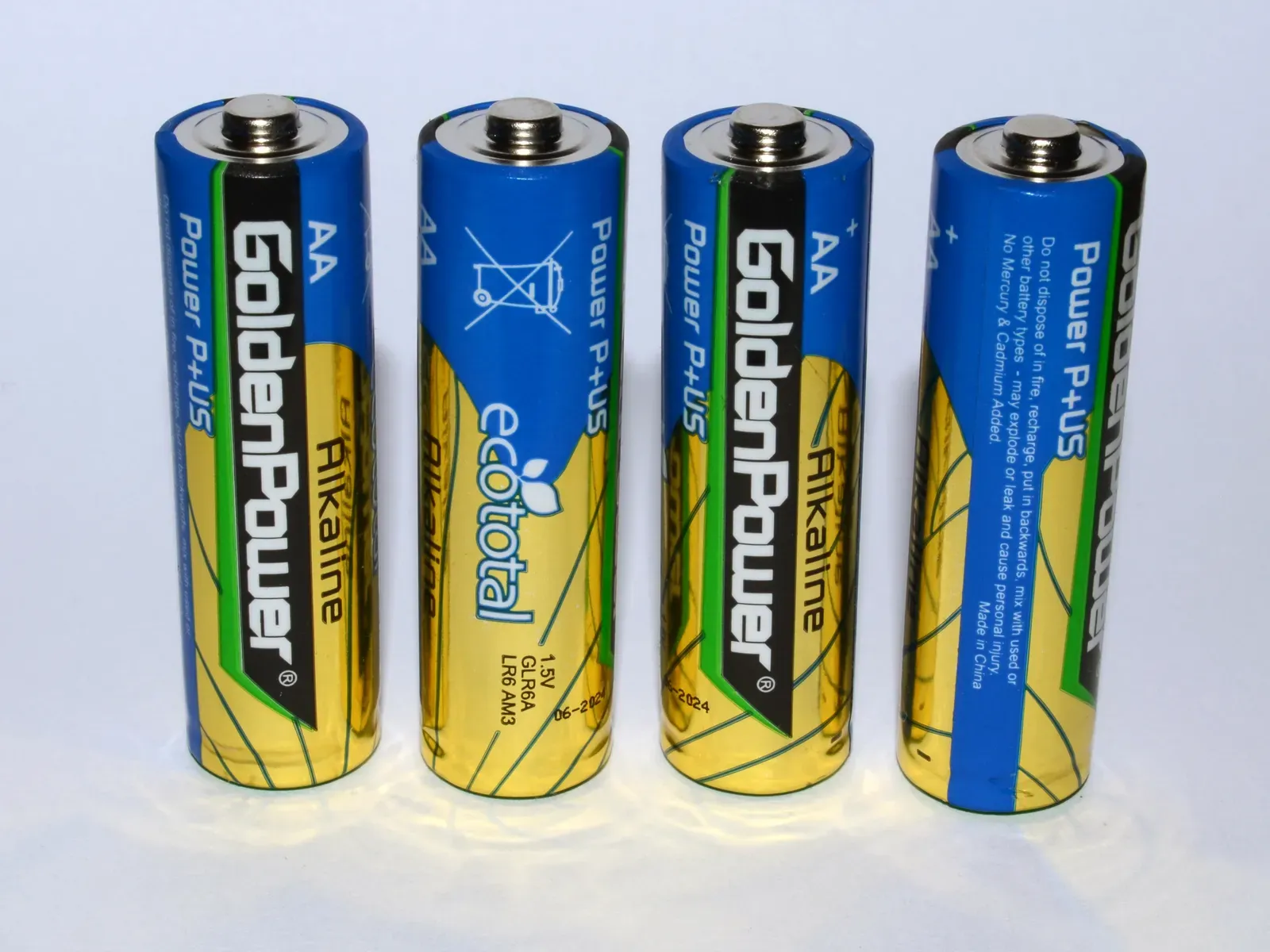
Duracell and Energizer spend enormous amounts on advertising to convince you that their batteries are in a league of their own. It’s hard to say for sure in every case, but most tests show that store-brand alkaline batteries perform comparably in everyday household devices like remotes, clocks, and flashlights. The premium really shows mostly in high-drain devices used continuously for hours.
Household items made up 22% of the total purchases during Prime Big Deal Days 2024, with home goods close behind at 21%. Batteries are a constant household repurchase and one of the easiest swaps to make. On something you buy dozens of times a year, even modest savings add up like compound interest over time.
13. Sponges and Scrubbing Pads
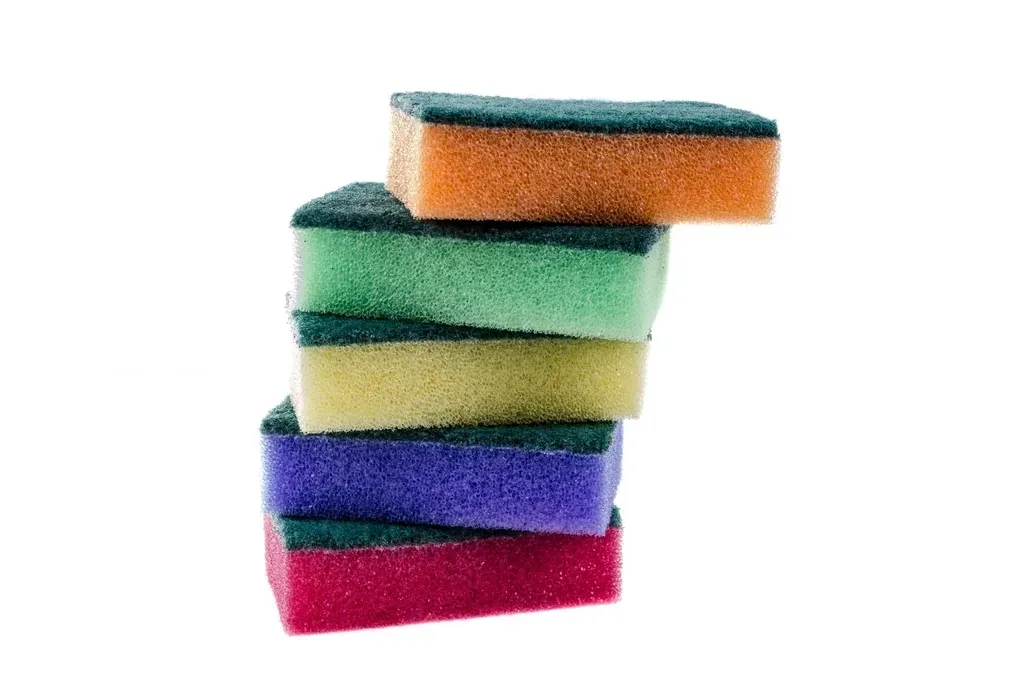
There’s no reason to spend extra on branded kitchen sponges. They scrub, they absorb, they get dirty, and you replace them every few weeks. Store-brand sponges do the exact same thing for a fraction of the price. This is probably the most boring item on this list, but boring savings are still savings.
So-called private-label products have been getting more popular for years as inflation-weary shoppers hunt for bargains. U.S. sales of store-brand products rose nearly 4% last year to a record $271 billion, the Private Label Manufacturers Association estimated. Consumers are waking up. Household tools like sponges are part of that shift.
14. Pasta and Rice

Barilla is a quality pasta brand, no question. But store-brand pasta is made from the same semolina wheat flour, goes through the same drying process, and cooks in the same amount of water for the same amount of time. The noodle does not know whether it has a fancy brand on its packaging. Neither do your taste buds, honestly.
When you compare the pricing, it’s clear that shopping store brands saves big bucks. In one direct comparison at a major grocery chain, the total cost for all store-brand products was $41.49, and the total for the name-brand products was $67.51, resulting in a price difference of $26.02. That’s a 39% savings just by shopping store-brand products instead. For pantry staples you cook with every week, that’s real money.
15. First Aid Basics (Bandages, Antiseptic, Cotton Pads)

Band-Aid is such a dominant brand that we literally use it as a generic word, which tells you everything about how effective their marketing has been. Yet store-brand bandages cover a wound exactly the same way. The adhesive sticks, the pad absorbs. That’s the whole function. Bandages, first aid cream, thermometers, gauze, sterile wipes, cold medicine, eye drops, and other health items really add up when purchased at drugstores one at a time. At Dollar Tree, you can inexpensively stock your medicine cabinet and first aid kit. Both name brand and generic versions of pain relief tablets, antiseptics, bandages of all sizes, and hot or cold compresses mean you’re prepared for minor emergencies and everyday use.
Store-brand packaging is usually simpler and less flashy compared to name brands, reducing marketing costs passed on to consumers. You will not generally see private-label products advertised outside the store. That simpler packaging is exactly why the price is lower. You’re simply not funding a national advertising campaign every time you buy a box of bandages.