10 Vintage Home Decor Trends Making a Strong Return in 2026
There’s something quietly powerful happening inside our homes right now. People are ditching fast furniture and sterile minimalism, and they’re reaching back, far back, for things that carry weight, soul, and stories. Call it nostalgia, call it a cultural reawakening, or just call it good taste finally returning to where it belongs.
In 2026, incorporating decorating influences from past decades into modern interiors has become one of the most compelling ways to create spaces with character, personality, and a meaningful sense of history. Rather than feeling dated, these references bring depth, grounding contemporary homes in something familiar and enduring. The numbers back this up too. On average, roughly a third of all items sourced for a given project in 2025 were vintage or antique, the highest proportion since 2021. Additionally, the vast majority of designers, around 85%, sourced vintage pieces made between the 1920s and 2000, the strongest usage across designers’ projects in five years.
So if you’ve been feeling the pull of the past lately, you’re not alone. Let’s dive in.
1. Vintage Floral and Botanical Wallpaper
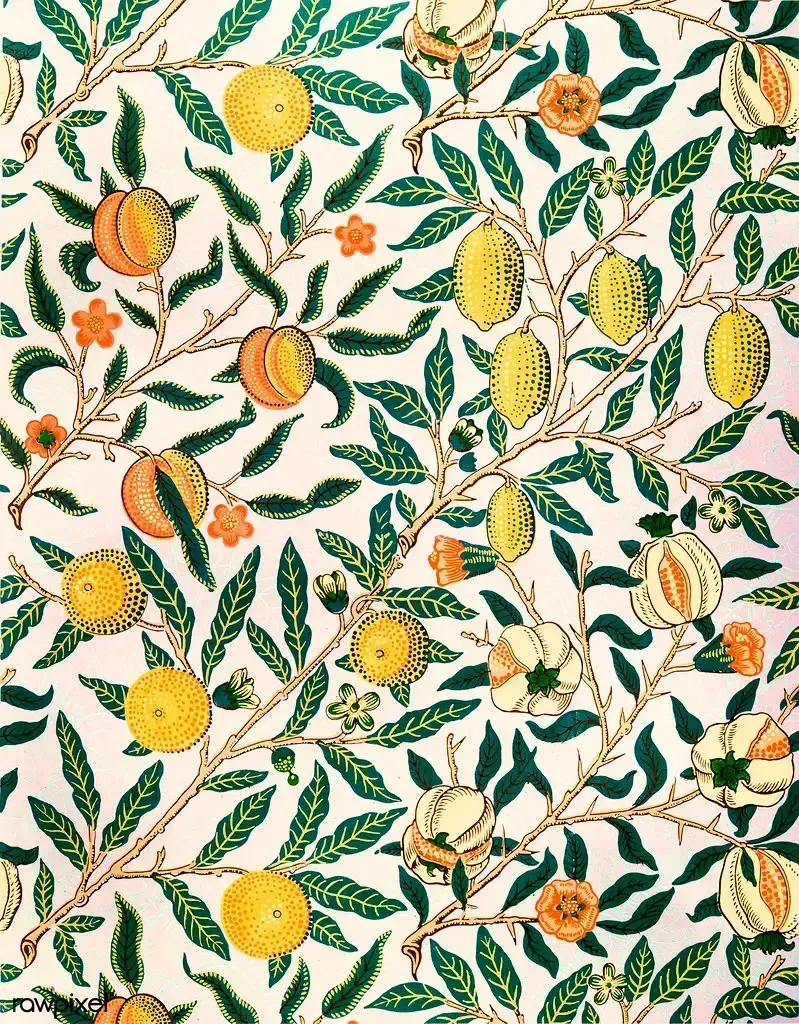
If there’s one look that feels simultaneously old-fashioned and totally fresh right now, it’s botanical print wallpaper. Florals are blooming again, with more nuance, history, and artistry than ever before. In 2026, floral and botanical motifs rank as the most favored vintage pattern, according to 1stDibs, with Victorian florals, Arts and Crafts botanicals, and mid-century nature prints all resurfacing.
Floral wallpaper is gearing up for a big moment in 2026, with designers predicting a shift toward patterns that feel calmer, richer, and far more expressive. Homes are once again embracing florals, not in the old-fashioned way, but through styles that carry warmth, emotion, and a touch of modern artistry. Think of it like this: where a plain painted wall is a whisper, a well-chosen botanical wallpaper is a whole conversation.
Some might consider chintz wallpaper dated, but it’s set to be back en vogue. Bold, brazen, and brightly colored, chintz had a resurgence in the 1990s, but if you thought you’d seen the end of this pattern trend, think again. According to designers, chintz is making a confident return in the form of wallpaper trends, both in patterned and textured varieties.
Wallpaper continues to dominate, but 2026 takes it beyond accent walls, with full-room installations, ceilings, mudrooms, and even closets getting the wallpaper treatment. The right print adds history, personality, and warmth, especially in smaller or awkward rooms.
2. Vintage Colored Glassware as Display Art
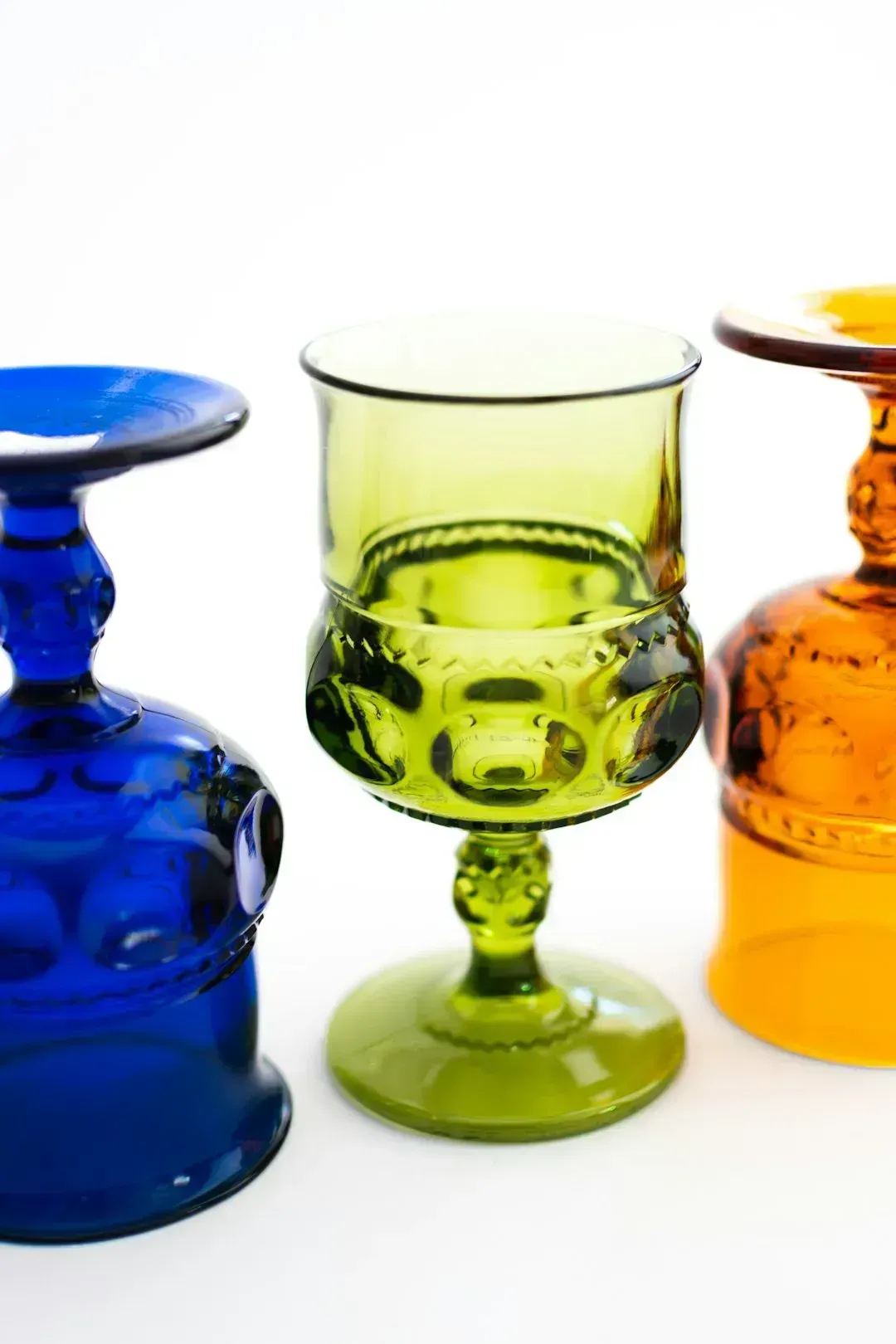
Vintage colored glassware is returning to American homes as a design statement, prized for the warmth, character, and personality it brings to a space. In a world of neutral kitchens and minimalist tablescapes, these pieces feel joyful, expressive, and refreshingly personal. Honestly, I think this is one of the most delightful revivals on this list. There’s something almost magical about ruby-red goblets catching afternoon light.
Homeowners are styling vintage colored glass on open shelves, in glass-front cabinets, and on dining tables where it can catch the light and be enjoyed every day, not just on holidays. The return of colored glassware in 2026 reflects a broader shift toward homes that feel collected, soulful, and lived in.
Vintage glassware, specifically green glass, is suspected to be in everyone’s kitchens this year. Whether you prefer green, pink, blue, or some other color, vintage colored glassware is a gorgeous addition to any kitchen. If you have open shelves, these glass pieces look great on display and are an easy way to add an instant pop of color.
Also called “Depression Glassware,” this style of translucent decorative glasses, pitchers, and more was most often machine-made during one of the most trying times in American history, while offering a much-needed pop of color to brighten the table. Pink is the most well-known color used in 1930s glassware, but you can find all sorts of shades to suit your personal style.
3. Wood Paneling and Wainscoting
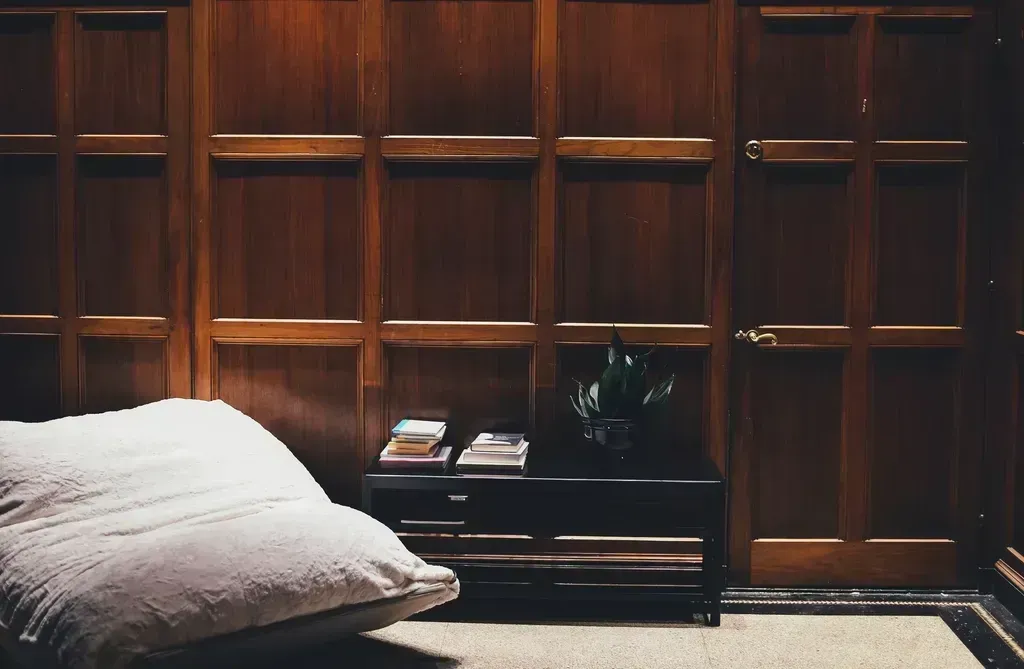
Wood paneling had a decades-long reputation problem. For years, it was the design equivalent of a mullet, something people were actively trying to get rid of. Now? It’s the look everyone wants. Wall paneling ideas and wainscoting are making a confident return for 2026, and it’s a revival rooted firmly in history.
From beadboard to vertical slats to full room paneling, wood walls are everywhere in 2026. Paneling adds dimension and quiet luxury without needing additional decor. Painted a rich color or left natural, it works beautifully in entryways, dining rooms, bathrooms, and bedrooms.
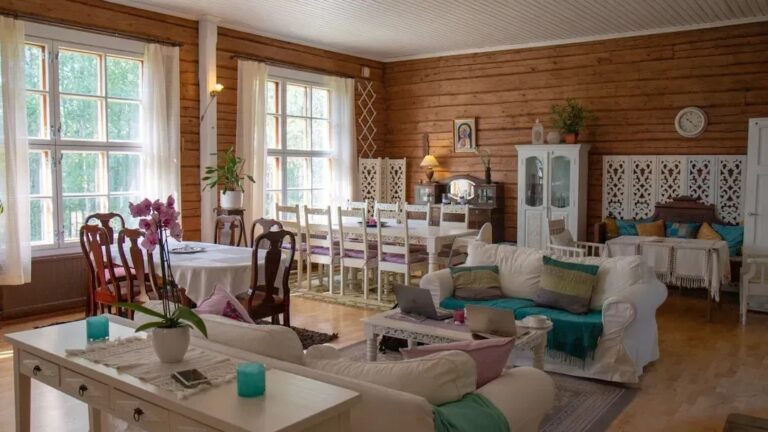
Whether you opt for a classic stable door with intricate carvings or a wood-panelled living room that harks back to the warmth of mid-century decor, there are so many ways to bring this nostalgic design trend into your home in fresh new ways. Take inspiration from giving your dining room an alpine aesthetic by cladding the walls, or add warmth with burl wood furniture or a wooden accent wall. Even the rustic wooden kitchen cabinetry of your childhood has its place in 2026.
The trend of nostalgic decor is gaining remarkable traction as homeowners seek ways to evoke comfort, familiarity, and memories from earlier eras. Details like stained glass windows, vintage wood paneling, and floral chintz wallpaper are making a strong comeback, blending seamlessly with modern aesthetics. This return to homey touches rekindles a sense of belonging and creates inviting, emotionally resonant environments. Designers encourage mixing old-world charm with up-to-date finishes for a look that feels curated and meaningful, rather than kitschy or outdated.
4. Patchwork Quilts and Handmade Textiles
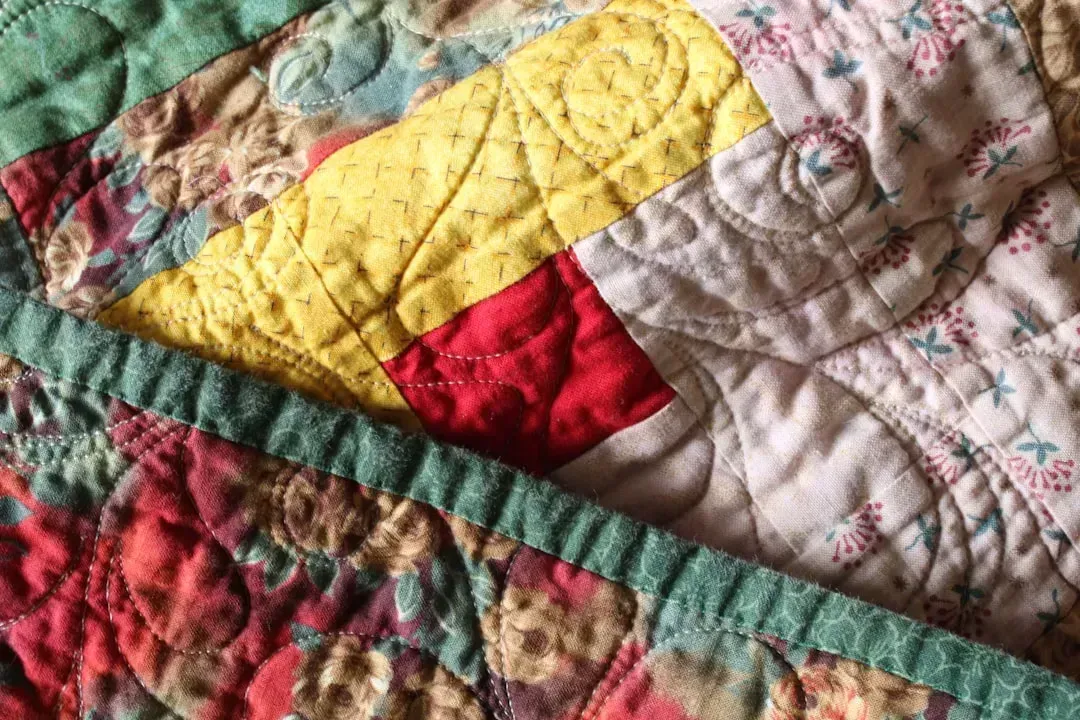
Here’s something that would have seemed wildly unfashionable just five years ago: patchwork quilts are cool again. The Apartment Therapy 2026 State of Home Design report found that vintage textiles will be one of the most sought-after items in secondhand shops this year. That’s a genuinely surprising shift from the age of sleek, tone-on-tone bedding.
Many of us seem to be leaning into cozy “grandma hobbies” today, like knitting, needlepoint, and sewing, so it makes sense that quilts would make a comeback too. The bold geometry of patchwork quilts feels modern again, especially if you pair them with other solid bright colors and let them really be the star of the show.
In a world of fast furniture and disposable decor, these pieces feel even more meaningful and comforting. There’s a renewed appreciation for quilts and handmade textiles because they bring warmth, texture, and a human touch into the home. A quintessential grandma creation, quilts are finally having their moment and being recognized for the craftsmanship that makes them truly special.
From Aubusson tapestries to Indian block prints and Silk Road motifs, historic textiles across the board are becoming more prominent purchases in the coming year. Needlepoint pillows, Suzanis, and pieced quilts will see a resurgence, not as nostalgic relics, but as artful layers.
5. Curvaceous, Mid-Century Inspired Furniture
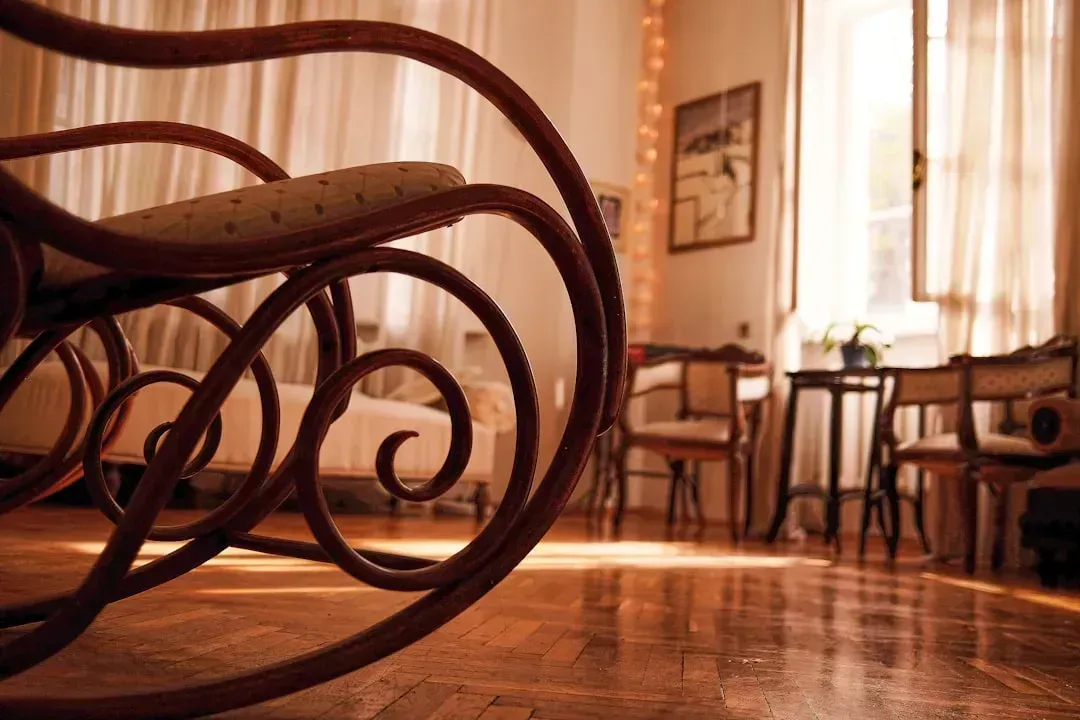
Boxy. Sharp. Rigid. Those three words defined a decade of minimalist furniture, and now people are done with them. Curved furniture continues its quiet rise, but 2026 leans into it with a renewed sense of softness and a subtle nod to the 60s and 70s, decades rich with organic forms, low loungers, and playful silhouettes.
Designers are embracing curvature as a way to soften spaces and break from boxy minimalism. From rounded coffee tables and free-form mirrors to biomorphic lighting and generously shaped lounge seating, gentle geometry brings comfort and flow to interiors. There’s a real emphasis on sculptural forms that feel tactile and welcoming, with vintage mid-century and post-modern pieces in particular driving the shift.
There are also nostalgic trends towards mid-century modernism, with items of retro furniture mixed with more contemporary styles, and a formal play of floor levels to create divisions within larger spaces. It’s the design equivalent of turning down the sharp edges of a room and making it breathe again.
Curved furniture’s rise sees 2026 leaning into rounded sofas, arched consoles, pedestal tables, oval backs, and asymmetric benches. They add movement to a room and help break up the rigid geometry that dominated the minimalist era. It’s an evolution toward relaxed comfort, nostalgic in spirit but undeniably modern in execution.
6. Vintage Candlesticks and Ambient Lighting
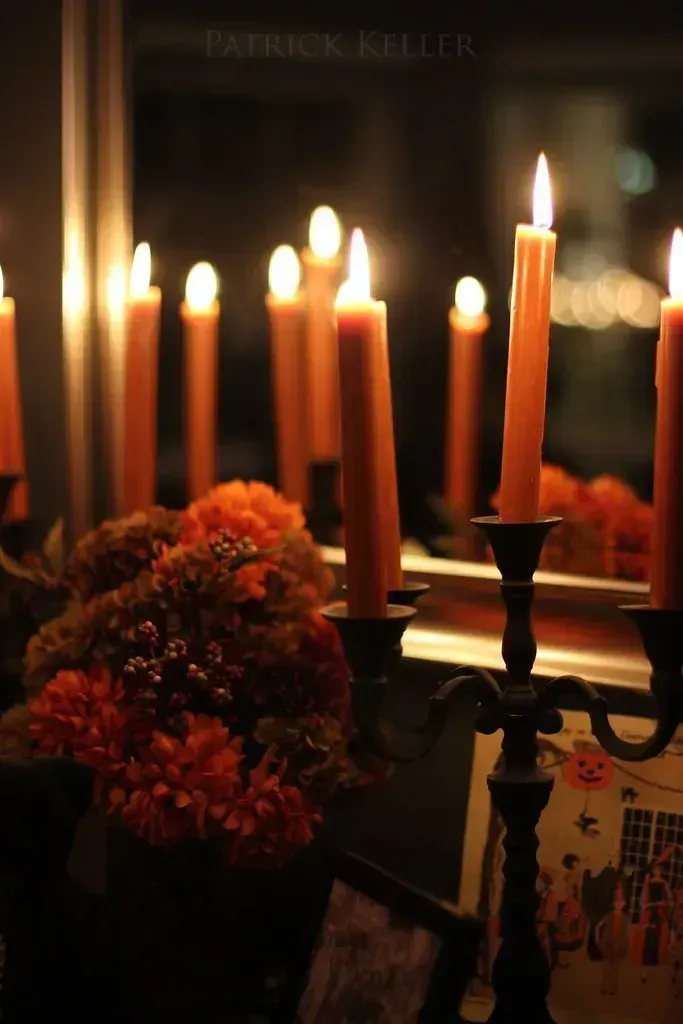
It’s hard to say for sure what’s driving this one, but the cultural appetite for slower, warmer evenings at home seems to be a huge factor. We’re definitely seeing a shift toward warmer ambient lighting in homes right now, and candles are a huge part of that. Vintage candlesticks can seriously elevate the look, and designers suggest adding an antique candlestick or two to your favorite shelf.
Brass has long reigned as the go-to finish in home decor, but silver is making a comeback. From vintage trays and authentic silverware to pewter candlesticks and beyond, these classic accents are becoming the new home staples. The shift from polished chrome and cool metals to warmer, more antique-toned finishes is significant.
For 2026, there is a movement toward warmer finishes like brushed nickel, soft bronzes, and antique brass tones, which offer the warmth and understated elegance clients now prefer. If you’re feeling adventurous, you can even create a grouping of mismatched candleholders of differing heights on your sideboard for a pretty vignette.
As the popularity of shows like HBO’s The Gilded Age surges, so has interest in all things gilded and glamorous from the turn of the 20th century. Designer Nicole Roby notes that the pop culture interest is translating to mainstream interiors, as she is noticing more ornamental antiques being mixed with contemporary design schemes.
7. Historically Inspired Color Palettes
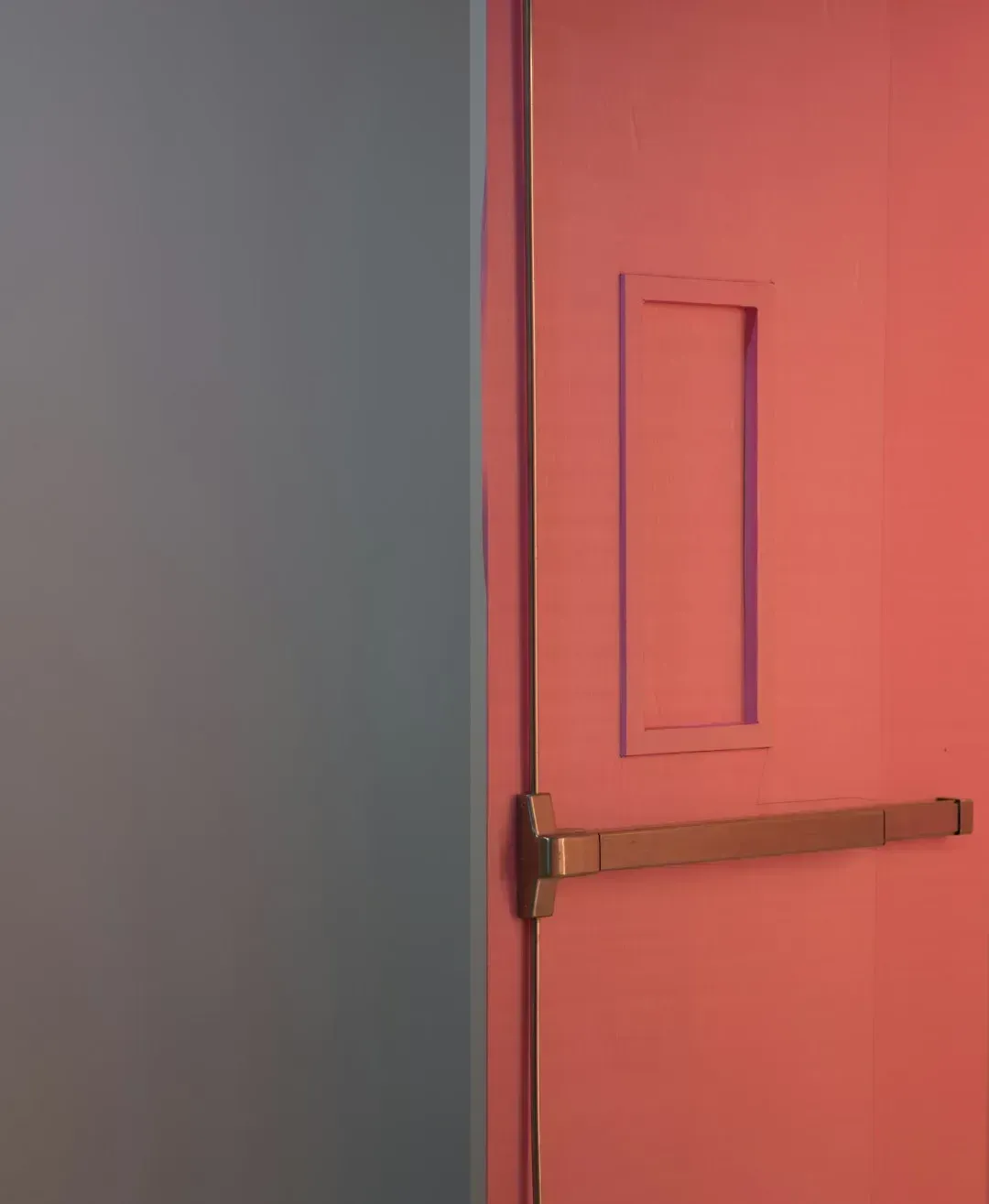
Let’s be real: all-white everything had its moment, and that moment is over. Color-drenching continues to evolve in 2026, with designers increasingly embracing the technique but now through a vintage lens. Color trends are gravitating toward historically inspired palettes, such as moody greens, burgundy, chocolate brown, and porcelain blues. Rather than chasing a single “it” shade, palettes are becoming richer, more considered, and rooted in decorative history.
Chocolate brown prevails as the top color designers anticipate using in 2026, with roughly a third of survey respondents selecting it, a percentage that has almost doubled over the four-year period beginning 2022. Meanwhile, deep, moody hues have continued their steady rise, with interest in burgundy dramatically rebounding and dark green and sage also showing growth.
For modern nostalgia, designers are reinventing decorating with brown in fresh new ways. There’s a broader return driven by a desire for heritage, craftsmanship, and longevity. Think of rich chocolate walls paired with warm brass sconces and worn leather chairs. That’s not dated. That’s considered.
Overall, designers are predicting that the palette for 2026 will trend toward earthy, dramatic hues, with deep browns, greens, and reds leading the way. We continue to shift away from formal living spaces and are instead embracing cozy, lived-in, vintage-inspired rooms that give us all the feels.
8. Embroidery and Handcrafted Textile Details
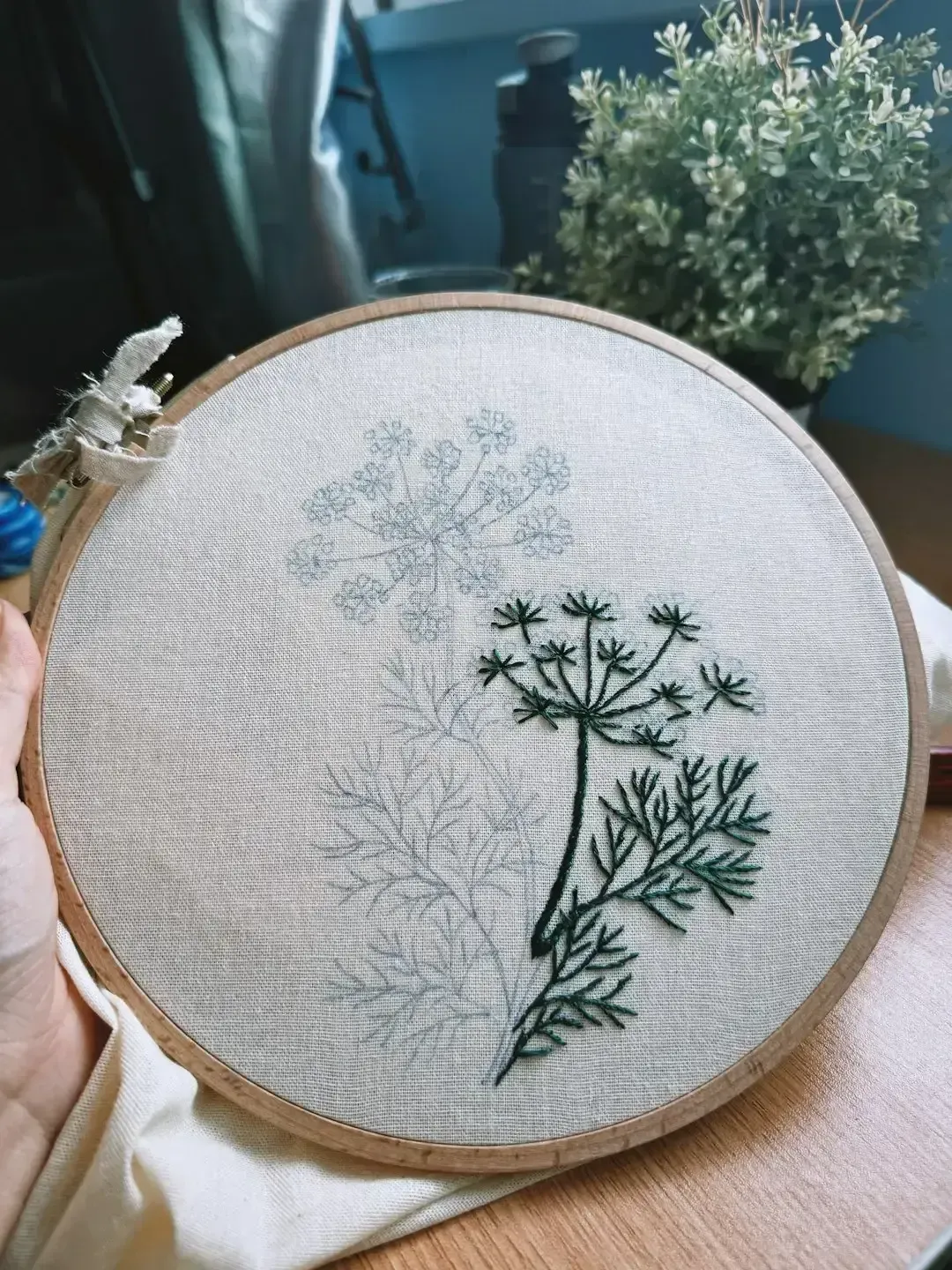
Embroidery went from grandmother’s hobby to legitimate interior design statement without anyone quite noticing the transition. The Apartment Therapy 2026 State of Home Design report found that vintage textiles will be one of the most sought-after items in secondhand shops this year, so it makes sense that you’re seeing embroidery everywhere right now. Whether displayed as art or used as upholstery, embroidered pieces are on everyone’s list. Designers are also seeing a rise in embroidered towels and linens.
In 2026, embroidery takes center stage, from monogrammed pillows and towels to delicately stitched sheets, adding a personal, handcrafted touch to your home. There’s something about a monogrammed pillowcase that feels both properly old-fashioned and completely contemporary at the same time.
Designers also predict we’ll see a resurgence of upholstered or embroidered footstools and ottomans, as decorators strive to inject functional antique accents into modern homes. Not only are ottomans a great spot to rest your feet at the end of a long day, but they’re also useful to hold a tray of drinks or appetizers when you entertain.
Pattern is becoming a major player heading into 2026. Layered textiles, statement wallpapers, and mixed prints add so much personality. Houses are becoming homes again, with a big emphasis on a look that feels collected over time versus staged and brand new.
9. China Cabinets, Hutches, and Heritage Display Furniture
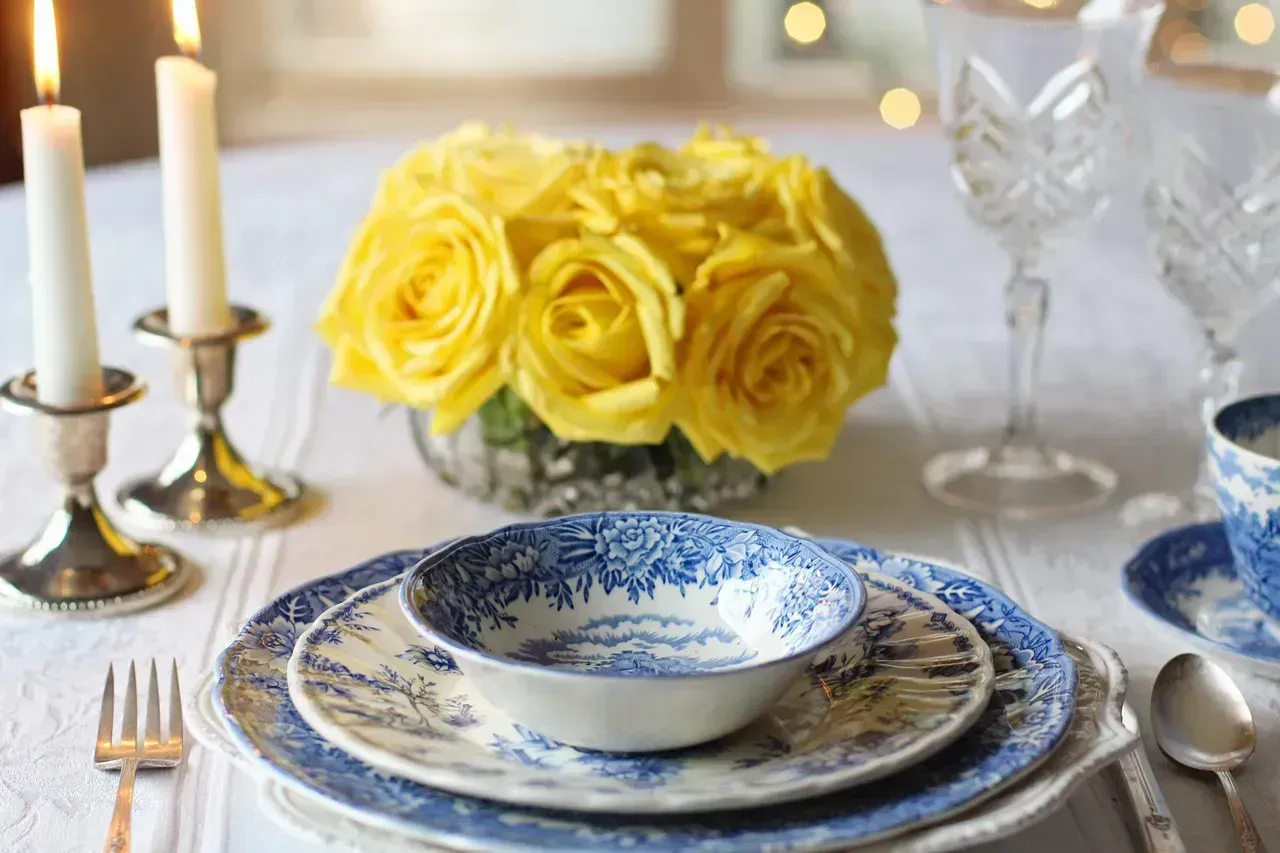
Once banished to dusty basements and estate sales, the china cabinet is back and it’s bringing its full personality with it. Once considered old-fashioned or overly formal, heritage storage pieces like china cabinets and hutches are making a confident comeback for 2026, with homeowners embracing them with fresh eyes. Long beloved for their character and presence, they have always had a starring role in the home, displaying heirloom dishware, holiday china, or everyday essentials. They’re the kind of furniture that instantly sets a mood, evoking warmth, history, and a sense of lived-in comfort that today’s sleek, hide-everything cabinetry often lacks.
What’s driving their return is a growing desire for homes that feel personal rather than perfect. Freestanding dressers and hutches offer visible storage, patina, and personality, acting almost like functional decor. Designers are reimagining them for modern living, styled with contemporary ceramics, mixed materials, and even used to house cherished glassware.
Vintage is no longer a finishing touch. It’s become the foundation many designers are drawing upon for depth and detail that’s unique to found objects. As homes move away from fast furniture and fleeting design trends, there’s a renewed appetite for sought-after pieces with soul, substance, and story. Designers are increasingly turning to antiques and vintage finds not only for their craftsmanship and patina, but for their ability to instantly lend individuality to a space.
Collectibles from the 1920s to 1950s and pre-1920s antiques are growing in popularity, while interest in the 1970s has declined, according to the 1stDibs 2026 Designer Trends Survey. The older the piece, it seems, the hotter the demand.
10. Stained Glass and Decorative Glasswork
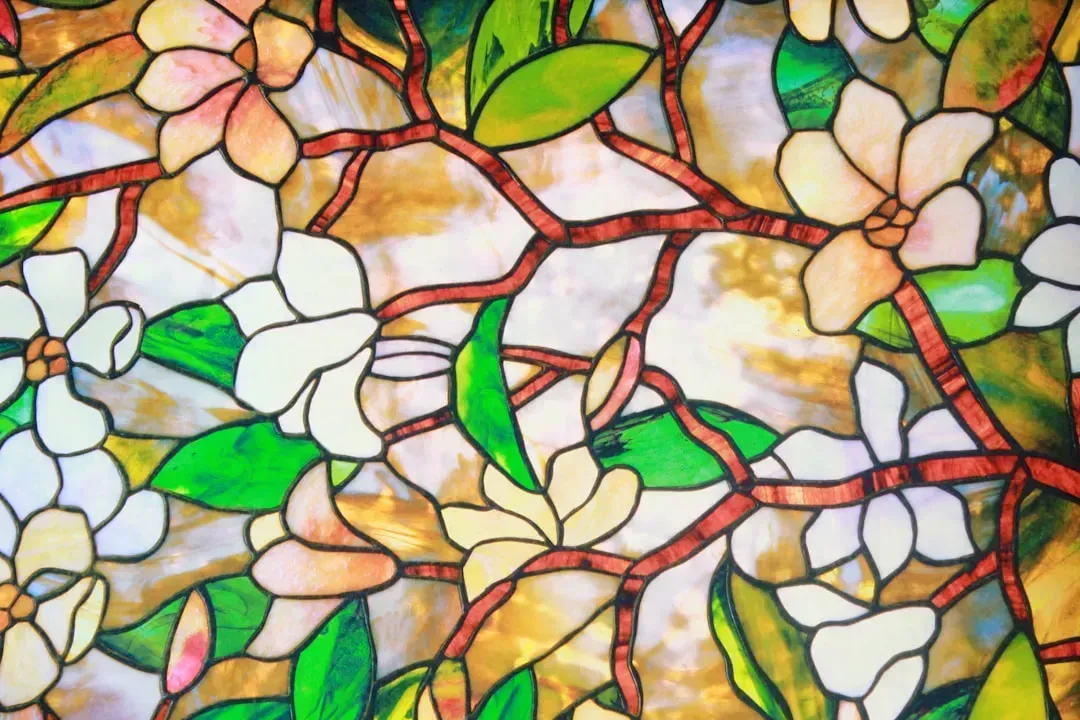
This one surprised even me when I first saw it gaining momentum. Stained glass, long associated with Victorian church windows and your grandmother’s front door panel, is now being embraced by some of the most forward-thinking designers in the space. In 2026, glass details are having a major moment: stained glass, ribbed glass, seeded glass, antique glass, and even fluted cabinet fronts. Decorative glass in furniture doors, interior French doors, built-ins, and small accents adds light, sparkle, and texture without adding visual clutter.
Stained glass features are a timeless choice that feels aligned with so many childhood memories. Whether used in your parents’ 1970s room divider or the window of your grandparents’ porchway, this nostalgic decor trend imbues a space with a sense of charm that’s earned its stripes in 2026.
As we take on more meaningful, sentimental decor, hand-blown glass is something worth considering for the home. Hand-blown glass is a tradition dating back thousands of years, and you can find plenty of pieces in thrift and antique stores. According to 1stDibs, antiques and decorative collectibles are showing their strongest demand increases in years, while sculptural elements like glass lighting and furniture with expressive curves are among the fastest-growing categories.
Now more than ever, retro pieces are having a revival. Quality vintage or second-hand pieces often bring more value, longevity, and soul, making it worth heading down to your local flea market or tapping your nearest thrift shop, because an injection of personality could be just what your home needs.