9 Menu Phrases That Often Signal Frozen Food – According to Former Line Cooks
You’ve probably sat down at a casual chain restaurant, scanned a glossy menu full of beautiful food photography and mouth-watering adjectives, and thought: surely this is freshly made. Honestly, that’s what the menu wants you to think. Words are powerful things in the restaurant world, and kitchen veterans know exactly which phrases are doing the heavy lifting of disguising a freezer bag.
The truth is, if you frequently dine out, you may not anticipate everything to be made to order at a chain restaurant, and obviously the quality depends largely on the establishment. Still, you may be surprised to learn that some of the most popular menu items at many restaurants are often made from frozen foods. Here are the nine menu phrases that former line cooks say should raise your eyebrows. Let’s dive in.
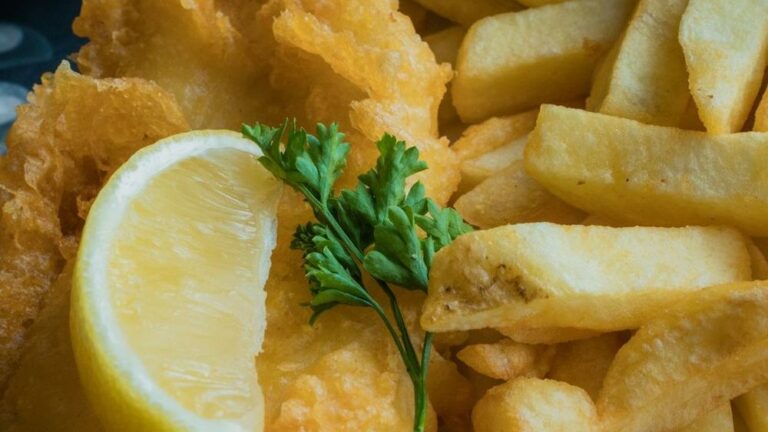
1. “Crispy” or “Golden” – The Deep Fryer’s Best Friend
There’s something almost magical about the word “crispy” on a menu. It conjures images of something freshly battered in a kitchen, cooked to order by a skilled hand. But line cooks know the truth.
When a restaurant takes the time to bread items from scratch, they often highlight the labor with phrases like “hand-battered,” “house-breaded,” or “made in-house.” Conversely, generic adjectives like “crispy” or “golden” paired with inherently uniform items – like chicken tenders, calamari rings, or french fries – frequently point to factory-breaded, flash-frozen products that are simply dropped into a deep fryer before hitting the plate.
Think about it like this: if someone spent real effort coating something by hand, they’d brag about it. “Crispy chicken tenders” with zero other descriptors? That’s a red flag dressed up in appetizing language.
Breaded, deep-fried foods are undeniably delicious, but it’s challenging for many restaurants to make all – or any – of their deep-fried foods from scratch. So the next time you see “golden” anything on a menu without any supporting context, it’s worth a second thought.
2. “Tender” – The Word That Does Too Much Work
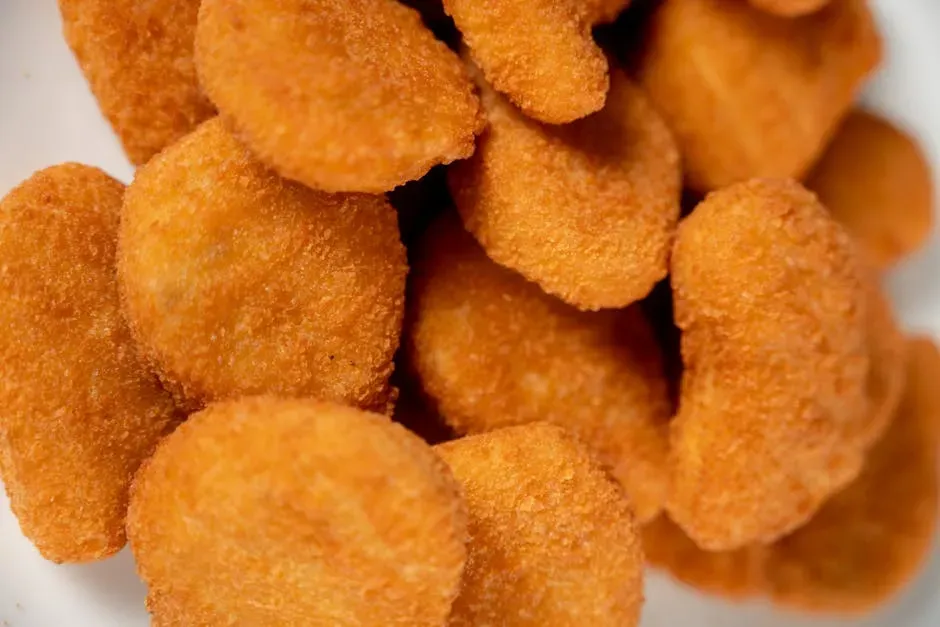
Here’s the thing: “tender” is an innocent enough description, but when it’s plastered onto appetizers and proteins at mid-range chain restaurants, it often signals something specific. It’s the word the industry uses to sell pre-portioned, pre-processed items that arrive at the restaurant already shaped and seasoned.
The use of frozen food in general is a big cost saver for restaurants. Utilizing ready-to-cook and ready-to-eat frozen ingredients reduces labor costs, greatly cutting the need for prep work and enabling restaurants to hire less experienced workers at lower wages. That “tender” chicken on the appetizer menu is often a uniform frozen product that requires zero skilled prep.
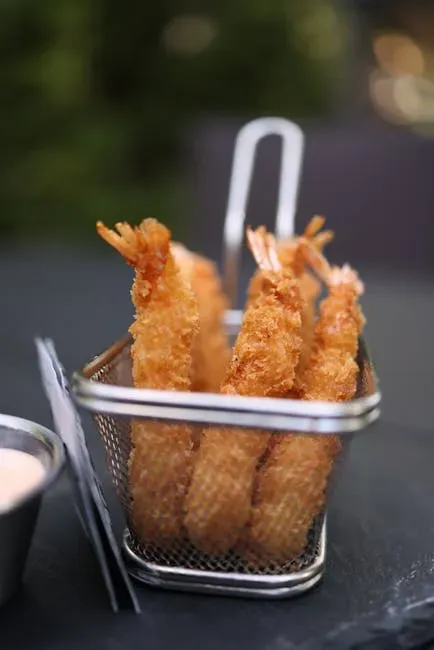
It’s hard to say for sure in every case, but when you see “tender” applied to items that would take significant time and skill to prepare fresh – like stuffed jalapeños, crab cakes, or breaded shrimp – it’s worth being skeptical. Consistency across the menu at multiple chain locations should tell you something too.
3. “Seasoned” Without Any Specifics
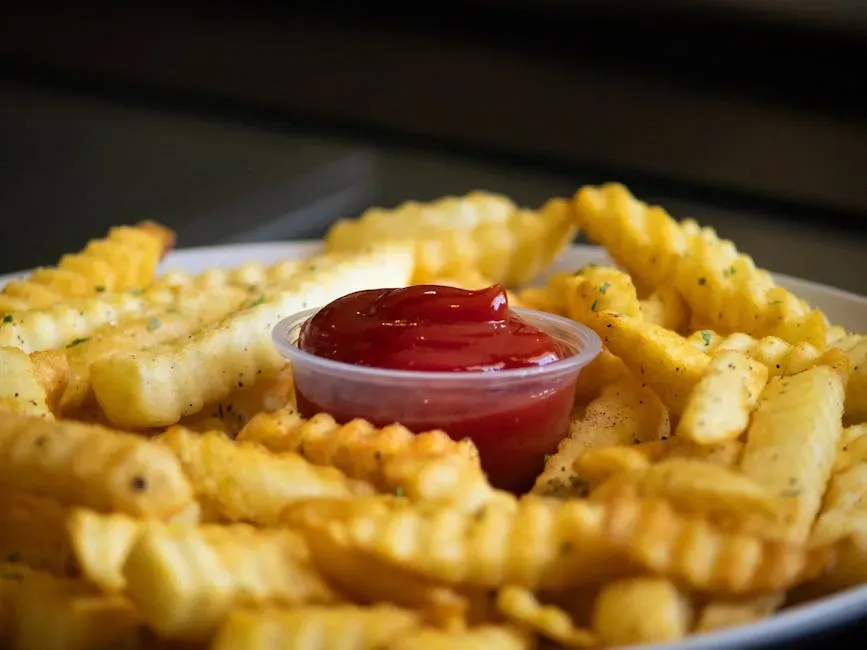
Good restaurants love to be specific about their seasonings. They’ll mention the herbs, the spice blends, the marinades. A menu that simply says “seasoned fries” or “seasoned chicken” without telling you what that actually means is often describing a factory-applied spice coating.
Chain restaurants usually have a rigorous process of food preparation that happens before the food even reaches the restaurant. It is often mass produced, frozen, and then heated and assembled according to strict guidelines. That “seasoning” was likely applied in an industrial facility hundreds of miles away, not in the kitchen behind you.
You can think of it like buying a bag of chips. The seasoning is part of the manufacturing process, not a culinary decision made that morning. If the menu doesn’t name the seasoning with even a little pride, someone else already did the flavoring before it showed up at the back door.
4. “Signature” Appetizers That Never Change
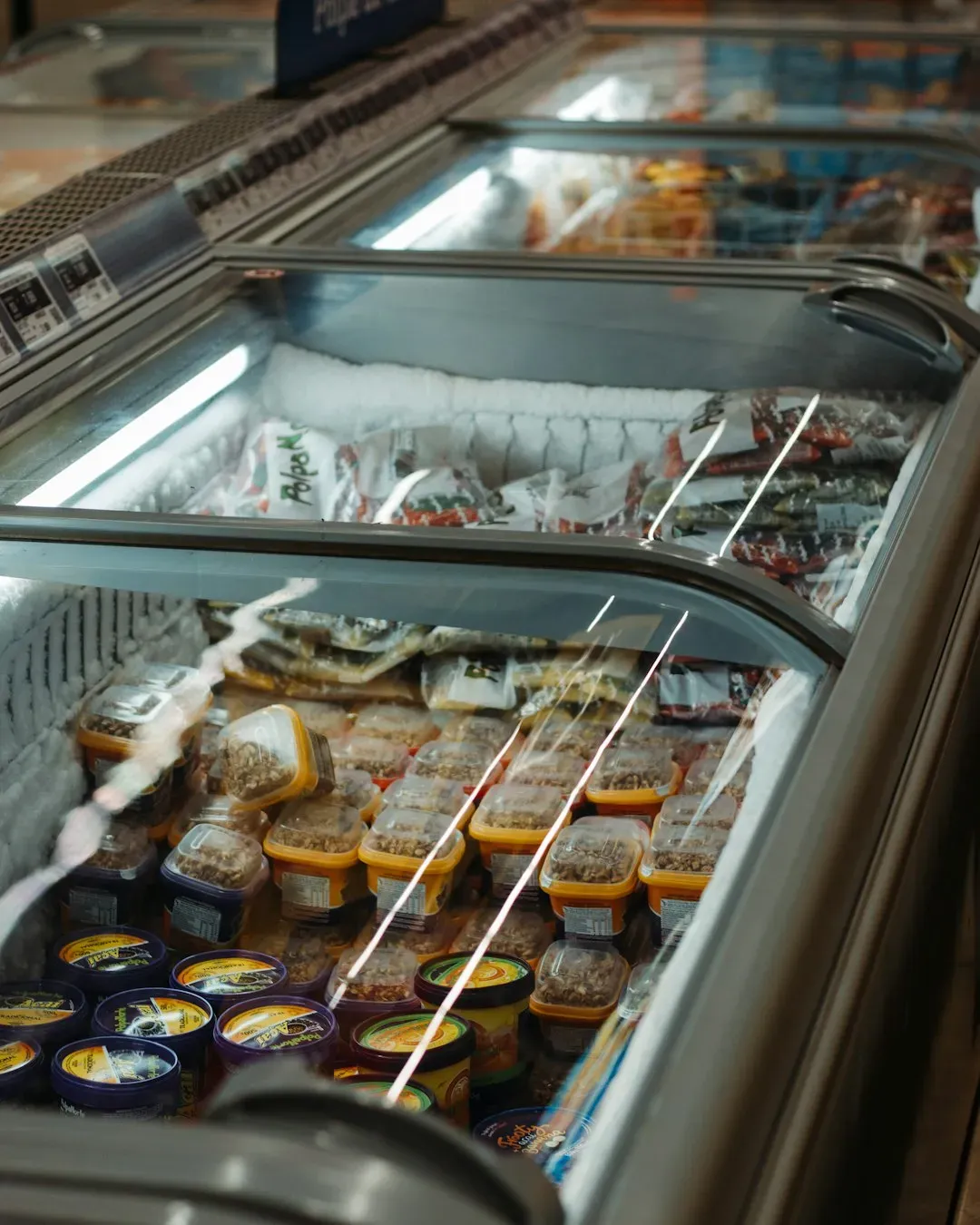
A truly signature dish, one developed by a talented kitchen team, changes and evolves. What doesn’t tend to evolve? A frozen product from a national food distributor that arrives the same way every single week, every single year. Former line cooks know that “signature” is sometimes restaurant code for “we’ve been ordering this from the same supplier for a decade.”
Not all restaurants pump out mass-produced frozen foods, so this doesn’t apply to every establishment. However, the ones that don’t serve frozen foods often broadcast their use of fresh ingredients with pride – and they also have higher prices. If a “signature” appetizer is suspiciously affordable and has been on the menu since the restaurant opened, that’s telling.
I think the biggest giveaway is inflexibility. Industry veterans have confirmed that frozen potato skins are common at many restaurants. If you can’t modify a restaurant’s potato skins – for example, ordering them without bacon – it’s a good sign they are a frozen product. The same logic applies to nearly any “signature” starter that can’t be customized.
5. “Calamari” on a Non-Seafood Menu
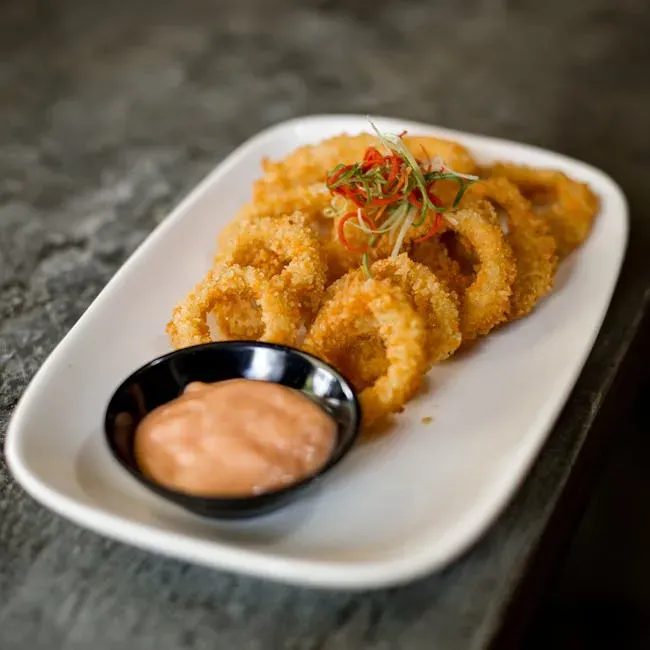
Few things on a restaurant menu are as predictably frozen as calamari at a place that doesn’t specialize in seafood. It’s one of the most common examples cited by former industry workers, and for understandable reasons.
Calamari is a super popular appetizer at many restaurants. It’s crunchy, chewy, and people love it. Cooking squid at home can be somewhat intimidating, so ordering it from a restaurant is often viewed as a much better option. Still, unless you’re at a restaurant known for serving fresh seafood, calamari almost always starts frozen.
So when you see calamari nestled between the jalapeño poppers and the loaded potato skins at your local family chain, you already know. Restaurants that only offer seafood in fried form are a clear indicator that the restaurant doesn’t serve fresh fish. Breading and frying seafood is an easy way for cooks to mask the fact that the fish was previously frozen. Same rule, different protein.
6. “Loaded” Potato Skins or “Classic” Appetizers
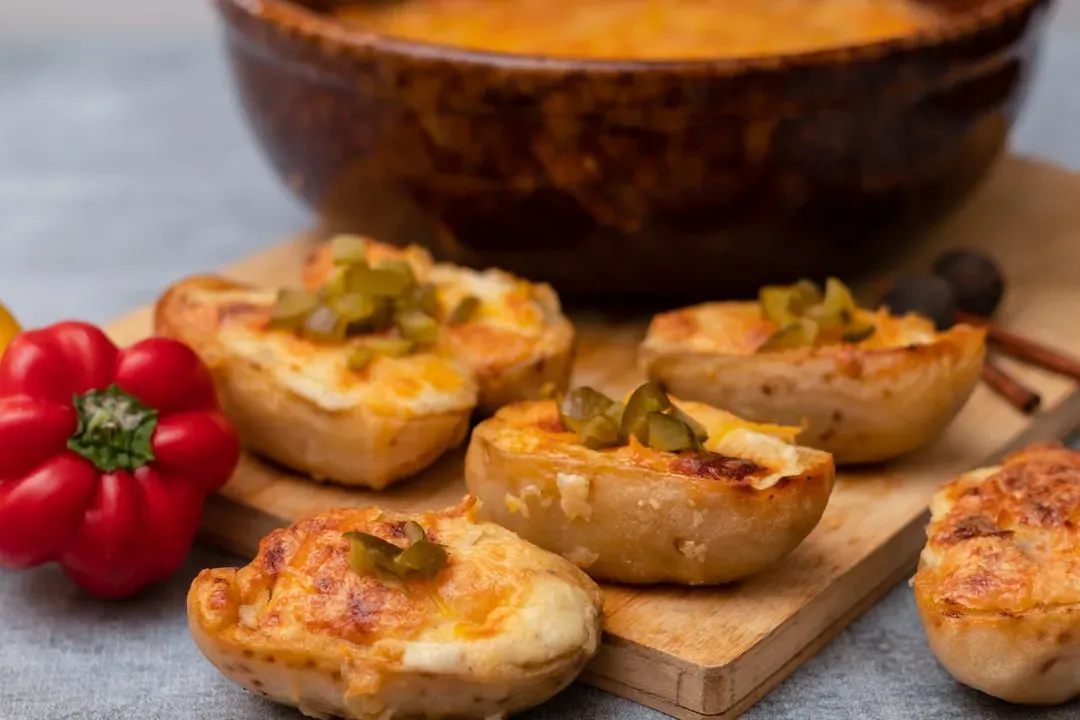
“Loaded” and “classic” are comfort words. They put an arm around your shoulder and say, “don’t worry, this is the good stuff.” In reality, these descriptors often mask exactly the kind of convenience food that a line cook pulls from a box at the start of a shift.
Onion rings taste amazing when made from scratch but take a ton of work to prepare. If it’s not done exactly right, the breading will slide off the onions. Making them from scratch also results in a wide range of sizes, leading to uneven cooking and varying cook times. To minimize the room for error and save time, many restaurants choose to serve frozen onion rings.
Potato skins have a nearly identical story. Creating jalapeño poppers from scratch is demanding. You have to bread the poppers before deep-frying them and stuff the tiny jalapeños with cream cheese. The breading must also be handled properly or it won’t stick. It’s also difficult for restaurants to order large batches of jalapeños that are similar enough in size to turn them into evenly cooked poppers. Frozen solves all of that. The “classic” label just makes you feel nostalgic about it.
7. Any Seasonal Fruit Item That Appears Year-Round
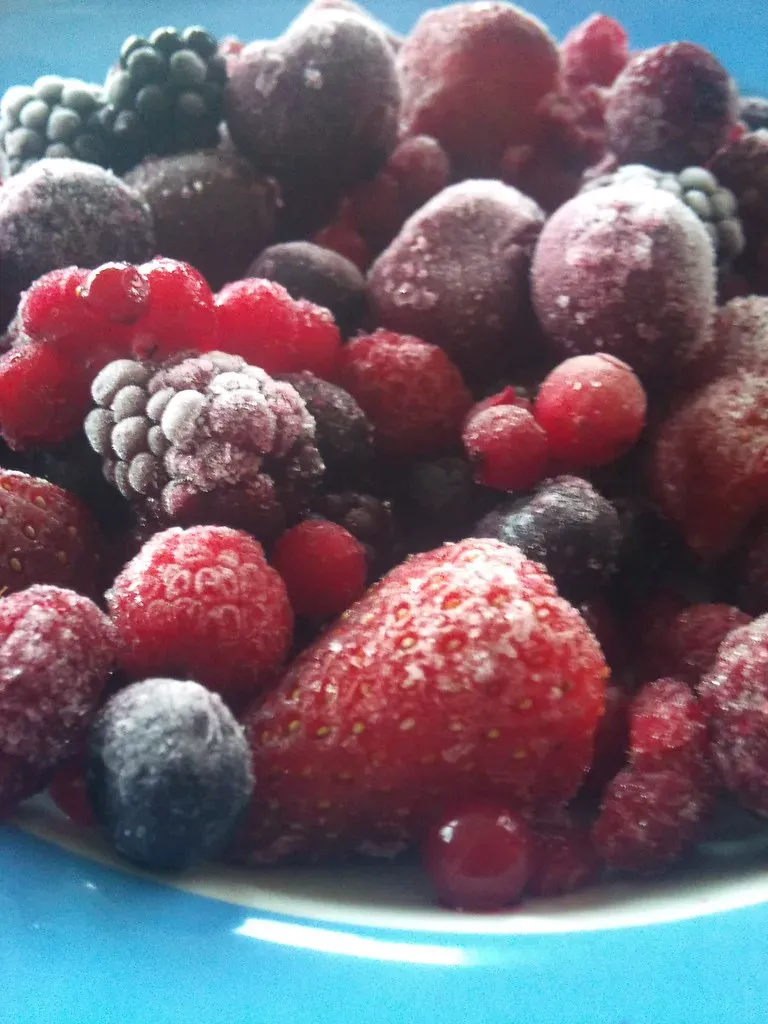
This one catches people off guard because it sounds wholesome. A peach dessert. A berry salad. Fresh mango salsa. Sounds farm-to-table, right? Not always.
A diner touting “fresh peach cobbler” in the dead of winter or a salad topped with blackberries in January is almost certainly using fruit that was flash-frozen months prior. High-end restaurants might spend heavily to import out-of-season produce from the other side of the equator, but mid-range establishments typically rely on frozen reserves to maintain a static menu year-round.
The frozen fruit isn’t necessarily bad for you. In fact, it’s often nutritionally comparable to fresh. The issue is the gap between what the menu implies and what’s actually happening in the kitchen. If a menu describes a peach dish with seasonal-sounding language in February, someone is relying on freezer stock to make it happen. That’s the part worth knowing.
8. “Slow-Cooked” or “Braised” at a High-Volume Chain
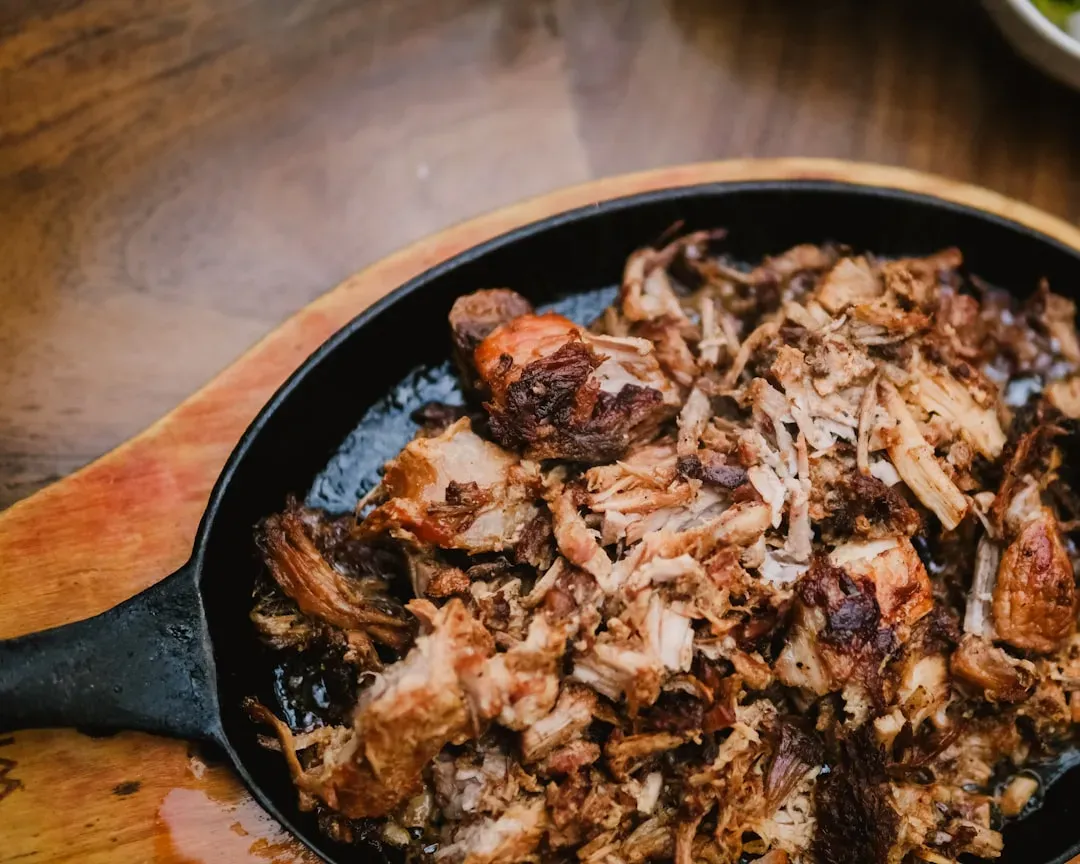
Slow cooking and braising are authentic, labor-intensive techniques that genuinely do produce wonderful results. The problem is that large chain kitchens with high table turnover physically cannot slow-braise items to order during dinner service. So what does that language mean in those contexts?
Former employees of some chain restaurants have attested to the frozen condition of the brand’s meat, with cooks reportedly mashing steaks to cook them faster and much of the cuisine being heated in a microwave. “Slow-cooked” in this world often means something was cooked in bulk somewhere else and then reheated quickly at the restaurant.
It’s time to give up the misconception that a dish with a premium-sounding description is a freshly made meal. “Slow-cooked pulled pork” that arrives in under eight minutes after you order it was definitely not braised in that kitchen today. Someone, somewhere, did the slow-cooking. It just wasn’t here, and it wasn’t today.
9. “Our Famous” Anything on a Chain Menu
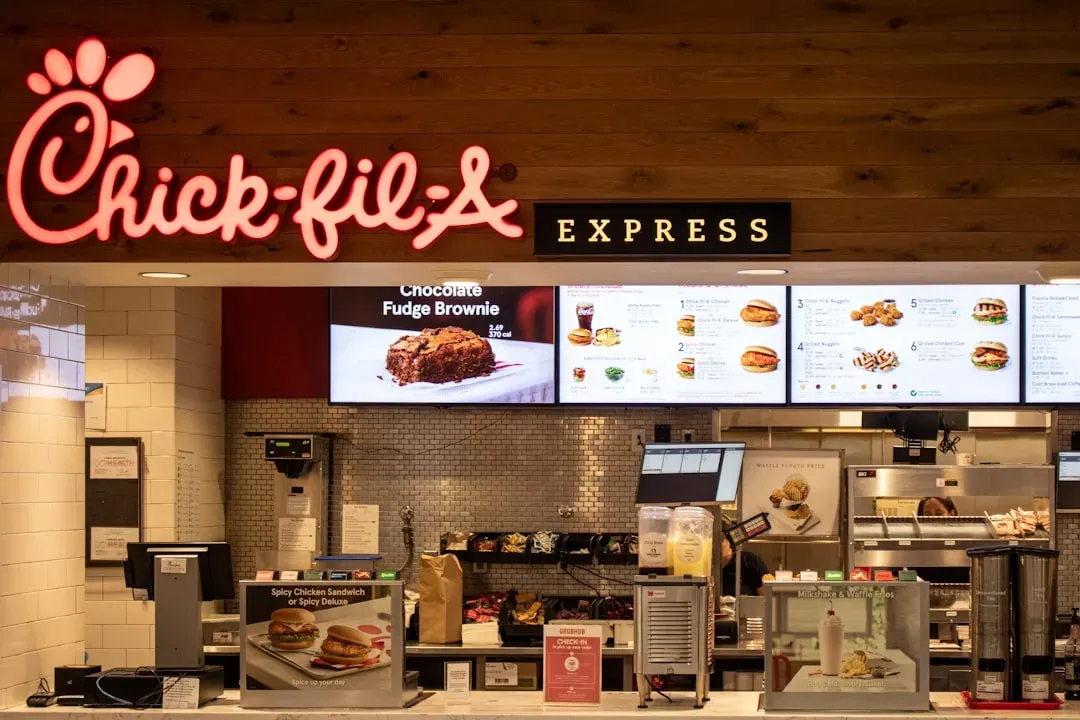
Every chain restaurant seems to have something that’s “famous.” Famous ribs. Famous chili. The famous soup. The word “famous” on a chain menu is one of the most elegant pieces of food marketing language in existence – and one of the most reliable indicators that you’re about to eat something that came off a truck.
An extensive menu means the chef has to have all those ingredients on hand, which makes it difficult to guarantee freshness and timeliness. To solve this problem, chefs often use pre-made food. That can range from already packaged products to meals prepared in advance, but either way, they’re getting a head start – and the quality of your meal may suffer from it.
Chefs at fine dining places will stress words like “fresh,” “never frozen,” and “organic” because half of the job is selling the product. The inverse is also true. When a restaurant uses emotionally charged words like “famous” or “legendary” without any craft-based language to back it up, the actual cooking story is usually pretty short. Famous, in those cases, means consistent. And consistent often means frozen.