How to Plan a Weekend Getaway Without Overspending
There’s a particular kind of restlessness that hits on a Thursday afternoon. You’re staring at your screen, you haven’t taken a proper break in weeks, and suddenly the idea of getting out of town feels urgent. Almost necessary. The problem is, every time you open a travel app, the prices feel like a slap in the face.
Here’s the thing though: a weekend escape doesn’t have to cost a fortune. In fact, with the right approach, a short trip can be the most refreshing thing you do all year without blowing your budget wide open. Let’s dive in.
Understand the Real Cost of Weekend Travel First

Before you can save money, you need to understand what you’re actually up against. The average cost of a vacation was projected to be around seven thousand dollars in 2025, according to travel insurance provider SquareMouth – that’s an eleven percent increase from 2024 and more than double the average vacation cost in 2022. A weekend trip won’t hit those numbers, but costs still sneak up on you quickly.
Average U.S. travel costs were three percent higher compared to the same time in 2025, with airfare costs up over seven percent year over year, while the cost of eating out and entertainment are both rising faster than general inflation. The one bright spot? Of all the categories tracked, only lodging prices actually declined year over year, with a drop of about two percent. Knowing which costs are rising and which aren’t lets you plan smarter rather than just spending blindly.
Set a Real Budget Before You Look at a Single Destination
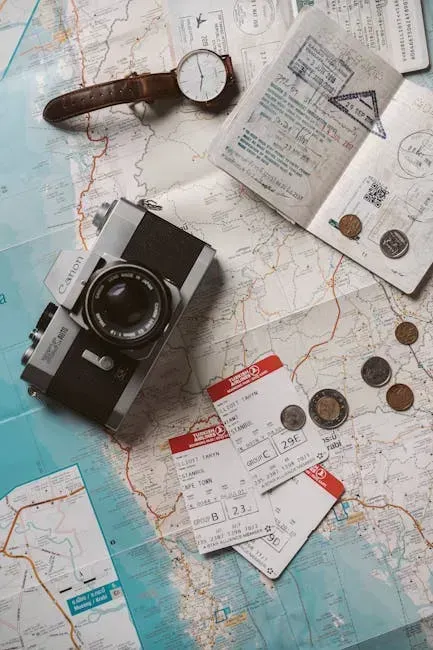
This sounds obvious. Honestly, most people skip it anyway. Before you ever book a room or gas up the car, sit down and sketch out a working budget that outlines every potential cost, no matter how small. Transportation, accommodations, meals, entrance fees, and spontaneous splurges all add up faster than you think, especially when you’re away from your usual routines.
Research your specific destination using tools like Budget Your Trip, and budget for transportation, accommodations, food, activities, and a ten to fifteen percent buffer for unexpected expenses. Think of that buffer as your peace-of-mind fund. It’s the difference between a flat tire ruining your trip and a flat tire being a funny story you tell over dinner. More than nearly three quarters of summer travelers who paid for their travel with a credit card didn’t pay it off right away, and over a third still hadn’t paid off the balances from the previous year. Starting with a clear budget prevents that trap entirely.
Time It Right: Shoulder Seasons Are Your Secret Weapon

Timing is one of the most underrated tools a budget traveler has. You can fall in love with the same place for half the price if you visit a month before or after everyone else. Shoulder seasons, meaning early spring and late fall, are absolute goldmines. Not only are the crowds thinner, but accommodations are cheaper, and you’re less likely to get gouged for last-minute bookings.
Summer and holiday travel costs roughly thirty to fifty percent more for accommodation and attractions. Shoulder seasons, particularly spring and fall, offer the best value with pleasant weather and lower prices. I think of it like going to a restaurant at five in the afternoon instead of seven. Same food, same ambiance, way fewer elbows in your face. Travelers are particularly attracted to off-peak vacations that offer lower costs and fewer crowds, and it’s easy to see why once you experience the difference firsthand.
Book Flights on the Right Day – the Rules Have Changed

Everyone’s heard the old advice about booking flights on Tuesdays. It’s mostly outdated now. According to Expedia’s 2026 Air Hacks Report, Friday has become the cheapest day of the week to fly and book, driven by reduced business travel at the end of the week. That’s a meaningful shift that most travelers haven’t caught up with yet.
For domestic air travel, the cheapest day to fly is Tuesday, during the midweek lull, with domestic flights on Tuesday running about fourteen percent cheaper than on Sunday. So the simplest strategy is to fly out Tuesday or Friday and return midweek if your schedule allows. According to airfare deals site Going, the best time to book flights with cash is one to three months in advance for domestic trips. Plan a bit ahead, choose your departure day wisely, and you can cut a meaningful chunk off your transportation budget.
Choose Smarter Accommodation, Not Just Cheaper Accommodation

Cheaper isn’t always smarter when it comes to where you sleep. The real goal is value, and value means more than just a low nightly rate. One of the most useful tricks is booking a place with a kitchen. Having the option to prepare breakfast, pack a lunch, or throw together dinner after a long day changes everything. You’re not beholden to restaurant hours, overpriced menus, or limited options. Hit up a local market when you arrive, grab some basics, and mix in a meal or two out.
While many hotels in popular cities are expensive, you can still find affordable accommodations on rental sites like Airbnb and Vrbo, especially if you stay in the outskirts of the city and use public transportation to get downtown. Staying slightly outside the main tourist area is often the sweet spot. You save on the room, you save on parking, and sometimes the neighborhood is more interesting anyway. The general rule for booking accommodations is to either book very early or seek out last-minute deals, and you should price-check lodging in multiple destinations without being afraid to book a room farther outside the city center.
Drive Instead of Fly Whenever It Makes Sense
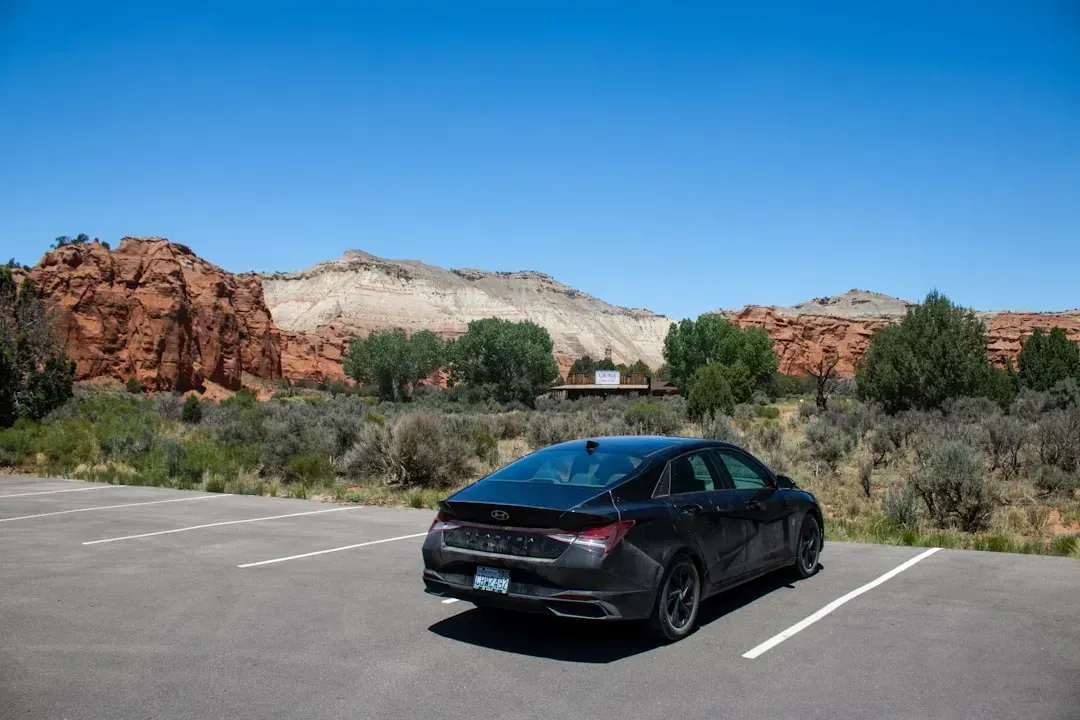
Let’s be real: flying sounds faster, but once you factor in airport check-in, security, and baggage, a three-hour drive often takes less total time than a one-hour flight. Some of the most popular cost-saving strategies among travelers include driving instead of flying, chosen by roughly a third of budget-conscious travelers, and choosing lodging based on price instead of amenities. Both of those work even better when combined.
An RV or road trip weekend is one of the fastest-growing travel trends in 2026, partly because it combines flexibility, affordability, and eliminates hotel costs entirely. Even a regular car trip with a friend splitting gas can drastically reduce your per-person spend. Traveling with others reduces per-person costs significantly, and sharing hotel rooms and splitting gas can cut costs in half. It’s one of those situations where two really is better than one.
Hunt for Free and Low-Cost Activities at Your Destination

Entertainment costs are one of the sneakiest budget killers on any trip. According to Budget Your Trip, sightseeing and entertainment in the U.S. costs travelers an average of around fifty-five dollars per person per day, including museum and attraction tickets, day tours, and other related expenses. Multiply that across two people for two days and you’re already looking at a couple hundred dollars before you’ve eaten a single meal.
With seventeen free Smithsonian museums, galleries, and the National Zoo, Washington D.C. is an obvious example of what a destination with incredible free attractions can look like. Many cities across the country follow the same pattern. Many cities offer free walking tours where you simply tip the guide what you can afford. Checking the city’s event calendar for free parades, concerts, or cultural celebrations happening during your stay can fill an entire itinerary without spending a dime on admission.
Eat Smart Without Eating Badly

Food can make or break a travel budget faster than almost anything else. Eating every single meal at a sit-down restaurant in a tourist area is essentially asking to overspend. The solution isn’t to suffer through mediocre gas station snacks though. Avoiding tourist-trap restaurants is key to saving money. Local eateries offer better food at lower prices, and you get a more authentic taste of the destination at the same time.
Stocking a cooler with snacks and drinks, which you can replenish throughout your travels, is one of the simplest food hacks. Including sandwiches, fruits, and healthy fare, or even putting together a charcuterie board to enjoy as you watch the sunset, keeps you out of expensive restaurants without sacrificing the experience. Museums, churches, and galleries often offer free entry on certain days of the week, and you can also consider free nature activities like hiking to a waterfall to fill those hours between meals without spending anything extra.
Use Points, Rewards, and Smart Card Strategies
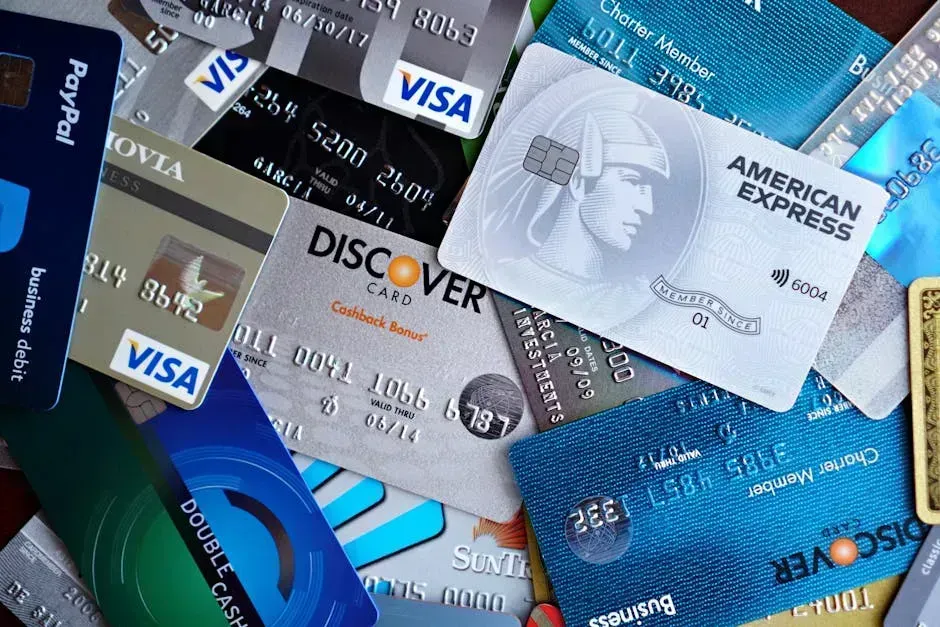
Travel rewards are genuinely one of the most powerful tools available, yet a surprisingly large share of Americans either don’t use them or find them too confusing to bother with. Around a third of 2026 summer travelers plan to use credit card points or miles to cover travel expenses to save money. That still leaves the majority of people leaving real value on the table.
Paying for travel with points and miles isn’t as daunting as it may seem. Frequent flyer miles and hotel points can be accrued not just for recurring travel but through other outlets as well, and credit card rewards and welcome bonuses can be one of the most popular ways to build up a big stash of points with far less effort than you’d expect. Start simple. Pick one airline and one hotel chain you use regularly, join their loyalty programs, and let the points accumulate. Even if you’re not a frequent traveler, many programs offer sign-up bonuses or discounts, and points can be redeemed for free flights, hotel stays, or upgrades on future trips.
Keep a Buffer and Know When to Splurge
Here’s an opinion I’ll stand behind: trying to make every single thing about a trip cheap is its own kind of exhausting. The goal is strategic spending, not misery. Most of us are constrained by some sort of budget when traveling, which means making trade-offs. Think about what you’re willing to spend more on, and where you can save to make up for it, like opting for a hotel with a good price but fewer amenities.
Setting a realistic budget and planning key elements in advance can help keep spending under control without turning your weekend into a spreadsheet exercise. Leave a little room for the unexpected meal that blows your mind, the spontaneous boat ride, the thing you didn’t plan but can’t say no to. That’s often the best part of any trip. What would you do with a whole weekend away if money were just a little less of a worry? Share your thoughts in the comments below.