Creative Ways to Reuse Fabric Scraps Around the House
That pile of fabric scraps sitting in the corner of your sewing room is not clutter. Honestly, it’s potential just waiting to be unlocked. Whether you’re an avid quilter, a weekend seamstress, or someone who simply hemmed a pair of curtains and ended up with a mountain of offcuts, those colorful remnants hold more life in them than you might think.
The numbers are staggering, and they make it hard to look away. In 2024, discarded clothing worldwide reached 120 million metric tons, a clear indication of how dramatically fashion consumption has changed. In that same year, approximately 80% of discarded clothing ended up in landfills or incinerators, while only 12% was reused. Every small act of creative reuse at home actually matters. So let’s dive into some of the most satisfying, beautiful, and surprisingly practical ways to give your fabric scraps a second life right where you live.
Turn Scraps into Patchwork Quilts That Tell a Story
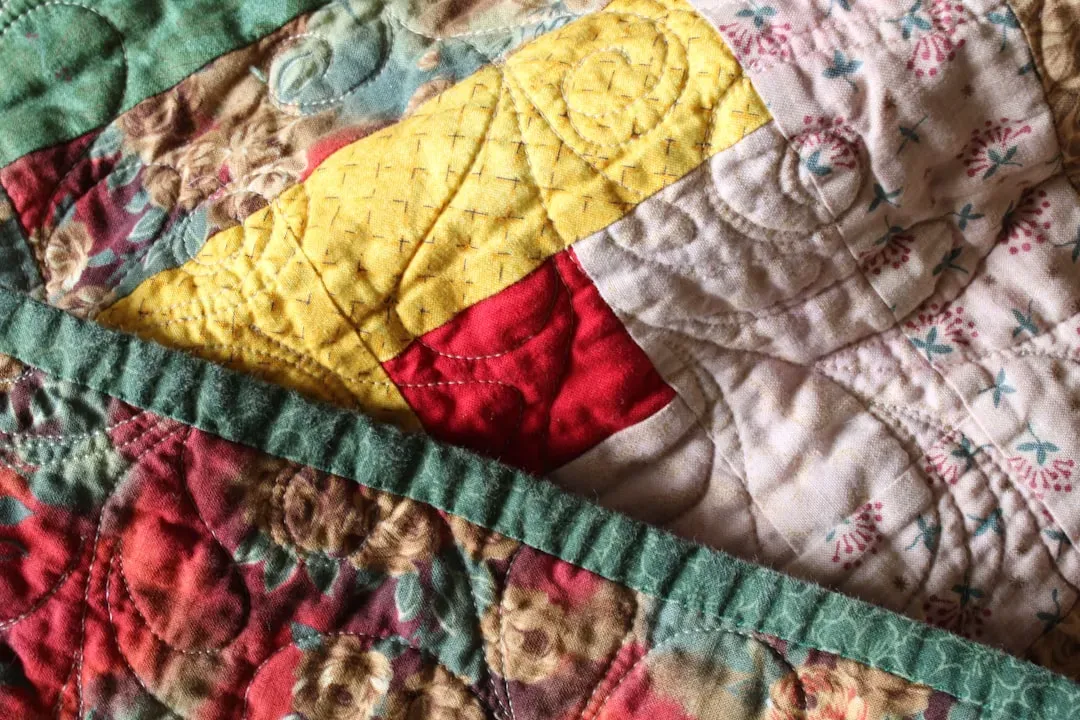
There is something deeply satisfying about a patchwork quilt made from scraps you actually recognize. A bit of that floral dress, a strip of the curtain fabric from the old apartment, a square from a child’s shirt they outgrew. You can create stunning quilts, blankets, or even pillows by sewing fabric scraps of various shapes and sizes together, with the beauty of patchwork lying in the unique combinations of fabrics, colors, and patterns that form a visually captivating piece.
You really don’t need to be an expert. Leftover fabric scraps can become patchwork quilts in infinite creative ways, with scrap quilts ranging from simple to fancy, traditionally pieced or paper pieced, wonky or tidy, rainbow or limited color scheme. Quilting with scraps is a fun way to repurpose fabric into unique patchwork designs, and you can try patterns like Grandmother’s Cross or improv quilting scraps for creative freedom. Think of it like assembling a mosaic, where no two tiles match and that randomness is exactly the point.
Sew Reusable Kitchen Essentials Like Pot Holders and Napkins
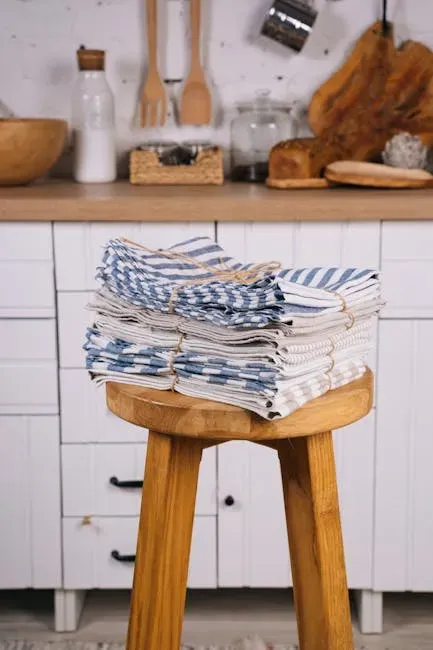
Here’s the thing about your kitchen: it is full of single-use items just waiting to be replaced by something handmade. You can layer colorful pieces with batting, aiming for three to four layers, to create pot holders with solid heat resistance. You can use a wide variety of materials for insulation, such as heavy duty denim, drop cloths, or old dish rags. Heavier scrap fabrics like denim and canvas work especially well for this purpose.
If you want a set of fabric napkins with mitered corners, you can make a stack of small napkins from scraps, and if you stay in the color tones that match your table or plates, it is a nice way to cut down on waste. The swap from paper napkins to cloth ones is a genuinely small change that adds up quickly over months of daily meals. Plus, mix-matched fabric napkins around a table look far more interesting than anything you’d find in a shop.
Stuff Draft Stoppers and Cushions the Zero-Waste Way
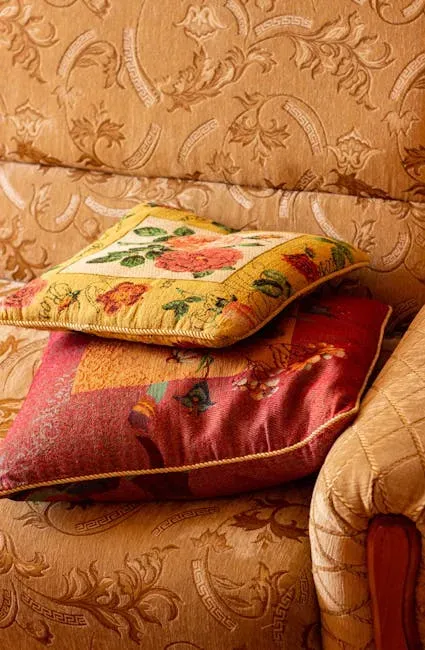
Winter energy bills have a sneaky enemy: the gap under your door. Draft stoppers fix that problem perfectly, and they happen to be one of the easiest fabric scrap projects imaginable. You can turn synthetic fabric scraps into draft stoppers, stuff outdoor cushions, or line pet beds, since they’re durable and resist moisture. Weighted draft snakes can be made even more effective by adding rice or beans inside.
Floor poufs and cushions are another clever home use. A zero-waste pouf turns fabric scraps into comfortable seating by stuffing old textiles and unusable bits into a zippered cover, absorbing enough waste to fill a garbage bag. If you have a floor pouf that ships without filling, just stuff it with fabric scraps, and you can even use stained bed linens too. I think this is one of those ideas that sounds too simple to work until you actually try it, and then you wonder why you were ever buying stuffing material at all.
Craft Herb and Lavender Sachets for Drawers and Closets
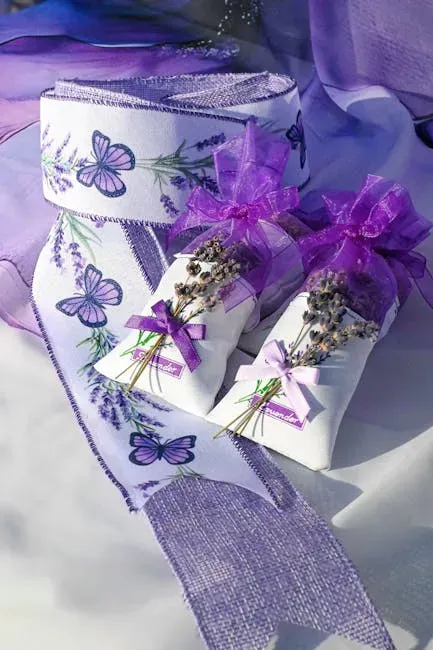
Small fabric scraps, the kind you absolutely cannot think of a use for, are perfect for sachets. They require almost no material, no advanced sewing skills, and they deliver something genuinely useful. You can create charming lavender sachets from remnant fabrics to add fragrance to your drawers or closets, filling small pouches with dried lavender buds and tying them with a ribbon or twine for a simple yet elegant way to freshen up your space.
Cutting room waste from your sewing projects can become practical items like pillow stuffing, mini sachets, or patchwork coasters instead of adding to environmental implications. Think of sachets as the most underrated scrap project on this list. They make wonderful gifts, they last for months, and they let you use scraps that are literally just a few inches square. Even a four-inch by four-inch piece of cotton fabric can become a beautiful little sachet with a handful of dried herbs tucked inside.
Create Decorative Wall Art and Textile Hangings
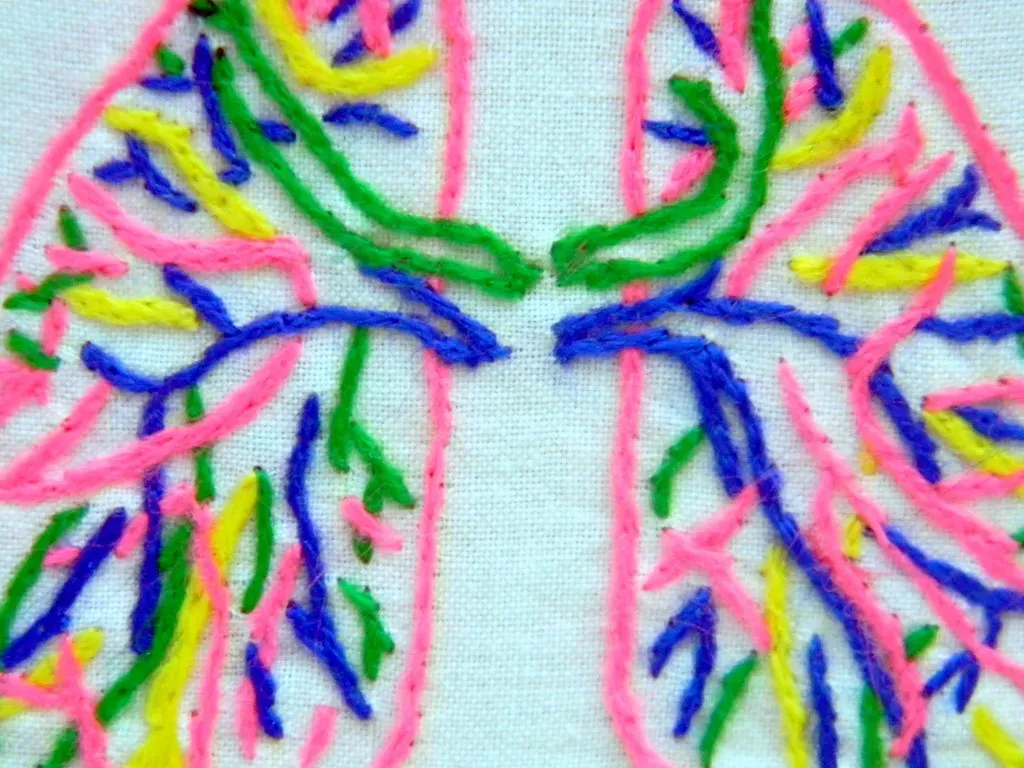
Fabric scraps are genuinely compelling as wall art, especially when you are working with interesting prints and textures. You can create patchwork pillowcases, table runners, or decorative wall hangings using complementary fabric pieces sewn together, and for those less inclined to sew, simple no-sew projects like fabric-wrapped canvas art or rag garlands bring color and texture to spaces.
You can turn remnant fabrics into beautiful pieces of embroidered wall art by using embroidery hoops to frame small pieces and embellish them with intricate designs, then hang these artworks in your home for a personalized touch that showcases your creativity. The embroidery hoop trick is particularly clever because it requires zero cutting and zero sewing experience to look stunning. You simply stretch the fabric over the hoop, tighten it, and hang it as-is for a textured, gallery-style display.
Make Reusable Pouches, Bags, and Organizers
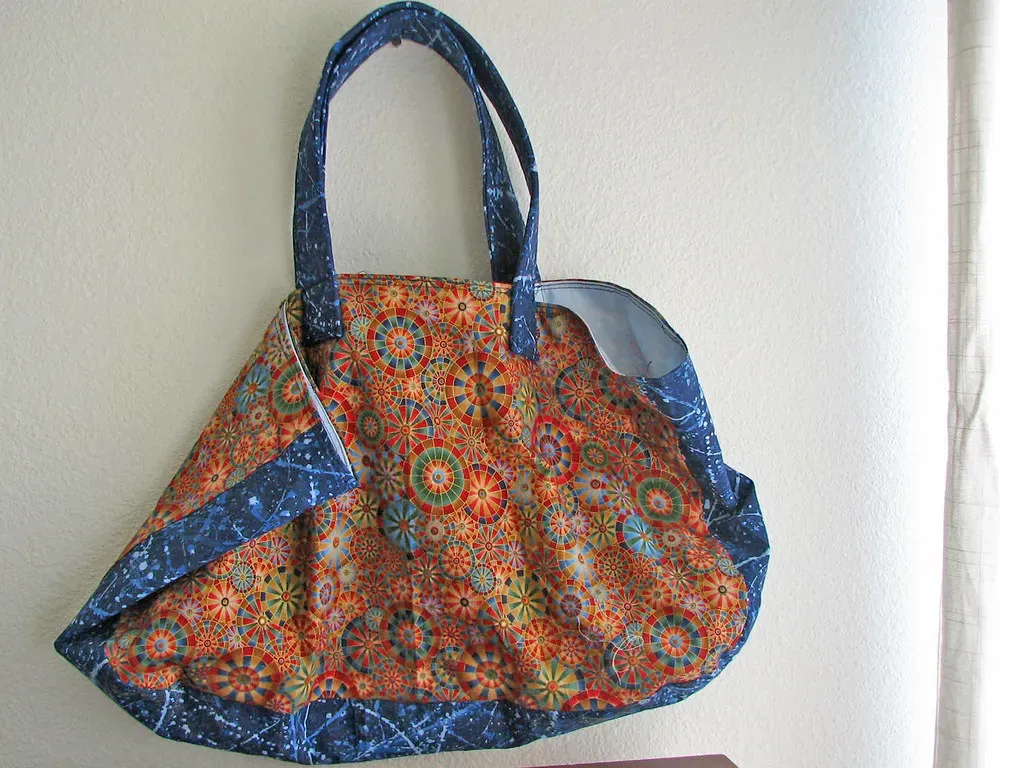
Let’s be real: most households are quietly drowning in plastic bags. Fabric scraps offer a better solution. Little pouches are perfect to use up leftover fabrics, and you can mix and match different fabrics for the interior and exterior to create rectangular travel pouches that hold a toothbrush or a cutlery set. These are also among the quickest projects you can complete in a single sitting.
You can also sew sturdy shopping bags from durable shirt fabric. Heavier scraps like upholstery remnants, canvas, and denim work especially well here because they hold their shape under the weight of groceries. You can also join or initiate community projects focusing on repurposing fabric scraps, such as creating quilts for charity or making reusable fabric bags to reduce plastic waste. Honestly, a handmade tote bag made from fabric you already own costs nothing, and it holds more personality than anything mass-produced ever could.
Decorate Your Home with No-Sew Fabric Techniques
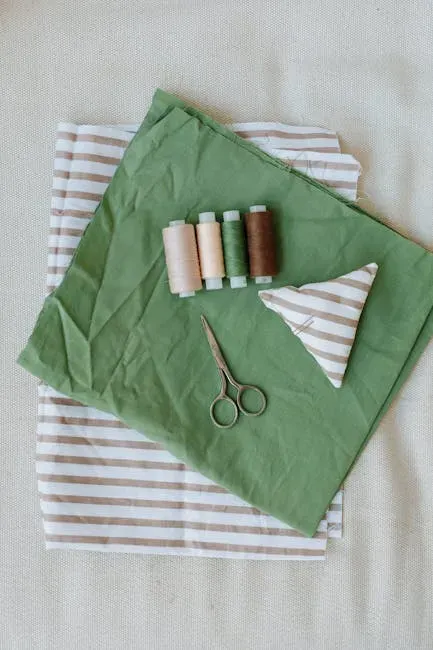
Not everyone has a sewing machine, and that’s completely fine. Some of the most imaginative fabric scrap projects require zero stitching whatsoever. You can transform ordinary shelves into extraordinary decor pieces by using Mod Podge to adhere vibrant fabric to their surfaces, which is a beginner-friendly project that repurposes leftover fabric scraps in an eco-friendly and budget-conscious manner.
Even small scraps can become fabric flowers for decorative bowls or wreaths, adding soft elements to counterbalance harder surfaces in your decor scheme. You can also create artwork using fabric pieces on canvas sealed with Mod Podge for unique home decor, or decorate flower pots with fabric scraps to enhance garden aesthetics sustainably. These no-sew projects are also a genuinely fun activity to do with children, since there is nothing intimidating about fabric glue and a colorful pile of remnants.
Sew Fabric Napkins, Table Runners, and Placemats
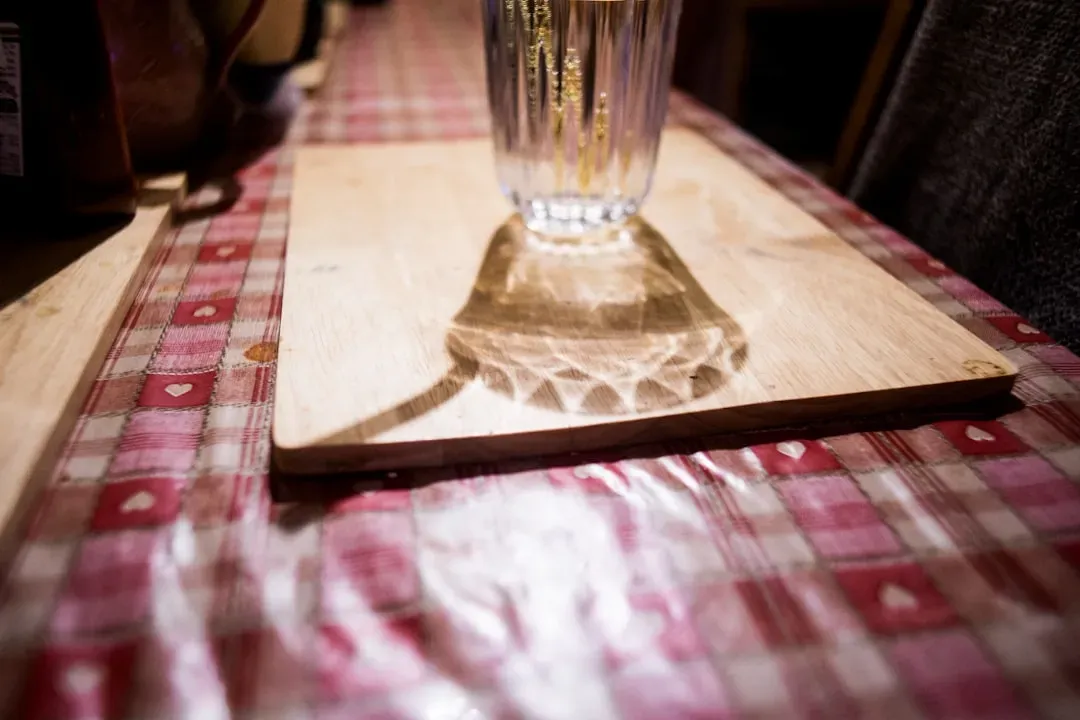
The dining table is one of the most rewarding places to put fabric scraps to work. You can make mealtime more enjoyable with patchwork placemats crafted from remnant fabrics by cutting squares or rectangles in various sizes and sewing them together to create unique and colorful placemats that protect your table and add a pop of personality to your dining experience.
You can also reduce waste and add elegance to your table setting with upcycled napkins made from remnant fabrics by cutting squares, hemming the edges, and folding them into stylish napkins that elevate any mealtime occasion. A table runner made from complementary scrap fabrics stitched end to end is one of those projects that looks far more intentional and expensive than the effort involved. It costs nothing, takes an afternoon, and transforms the feel of a dining room completely.
Transform Scraps into Pet Toys and Memory Keepsakes
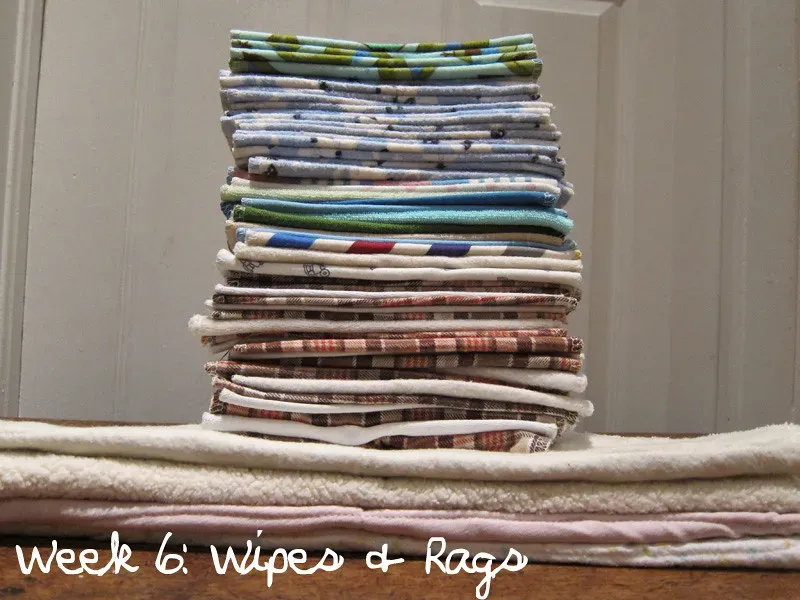
If you have pets, your fabric scrap pile is basically a toy chest waiting to happen. You can sprinkle catnip into fabric scraps and sew playful cat toys, ensuring fabric safety and toy durability. Even the tiniest scraps can become practical everyday items like reusable hand warmers, no-sew flowers, and elastic headbands that cost almost nothing to make while keeping textile waste out of landfills.
On a more sentimental note, fabric scraps carry memory in ways that almost no other material does. You can transform sentimental items into keepsake projects by turning baby clothes into memory quilts, wedding dresses into personalized cushions, or travel scarves into framed textile art, making upcycling a heartfelt form of memory keeping. I think this is the aspect of fabric reuse that gets overlooked most often. There is a real emotional dimension to it, a kind of preservation that a landfill simply cannot offer.
Why Every Scrap Counts More Than You Realize
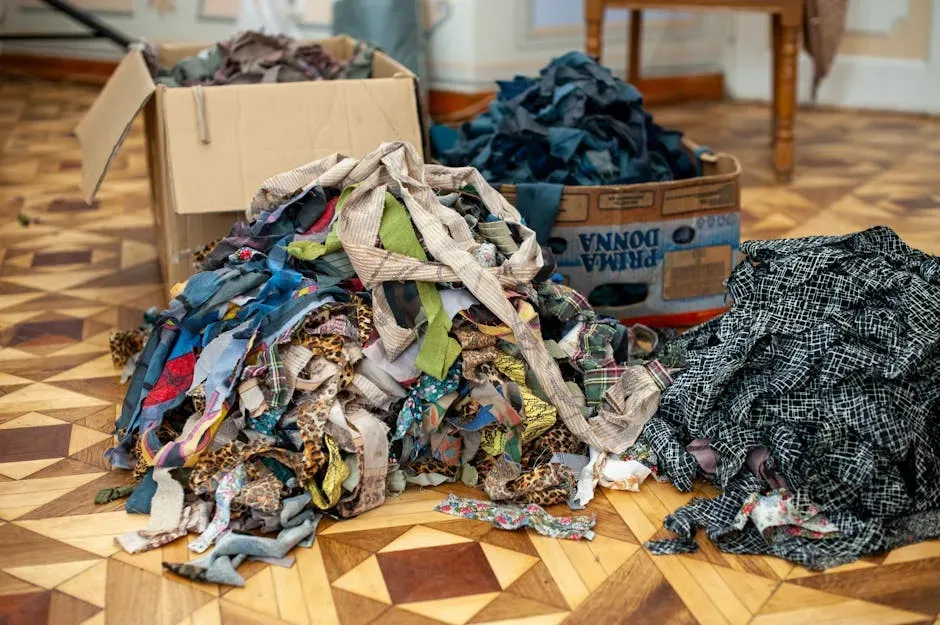
The environmental case for reusing fabric scraps is impossible to ignore. One study estimated that roughly 15% of fabric used in garment manufacturing is wasted, and that’s before the item even reaches a consumer. Synthetic fabrics can take up to 200 years to decompose, releasing harmful gases in the process. Every scrap you repurpose at home is a small but real act of resistance against that cycle.
Textile waste causes a variety of harmful effects on the environment, specifically to air, water, and soil ecosystems, including the release of greenhouse gases as textile waste decomposes in landfills, leaching of contaminants into soil and water, release of microplastics, and the loss of land and habitat. The good news is that unlike many environmental challenges, this one has an accessible, creative, and genuinely enjoyable solution sitting right in your scrap bin. What project from this list are you going to try first? Tell us in the comments below.