9 Car Features Mechanics Say Are a Total Waste of Money
You walk into a dealership with a budget. You leave having spent hundreds, sometimes thousands, more than you planned. Sound familiar? It happens to almost everyone, and the reason is almost always the same. Dealers and even mechanics have a long list of add-ons, upgrades, and features they’re happy to sell you, whether you actually need them or not.
Honestly, some of these things sound so reasonable in the moment that you’d feel irresponsible saying no. “Protect your paint.” “Peace of mind for every mile.” The pitches are smooth. The price tags, less so. So before you sign anything or let a service advisor talk you into the next “essential” add-on, here’s what the professionals who actually fix cars for a living say you should skip.
1. Dealership Rustproofing and Undercoating
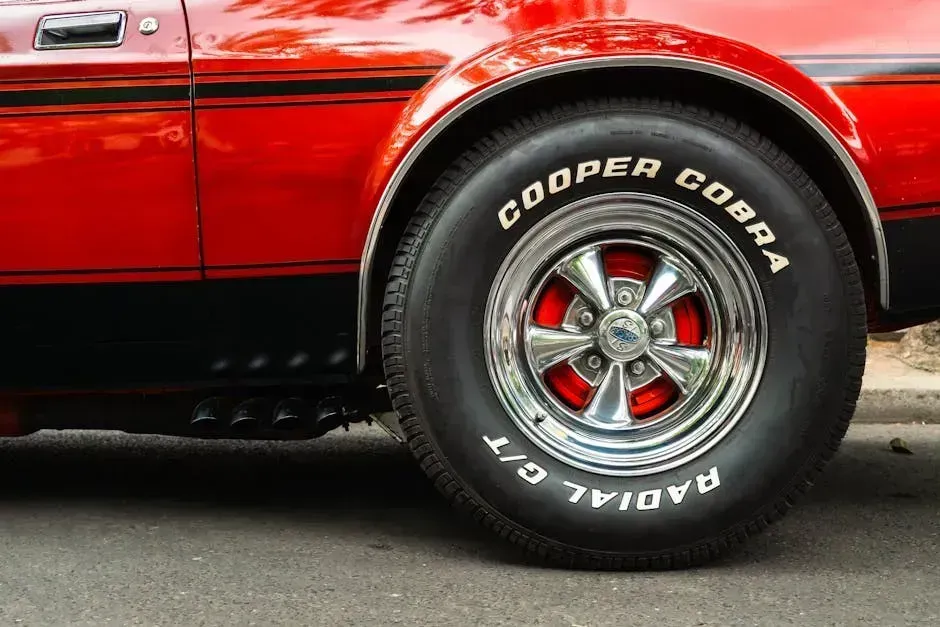
Here’s the thing about rustproofing in 2026: modern vehicles simply don’t need it the way cars from the 1970s did. The frame, exterior paint, and interior fabrics in today’s new cars are designed to last a decade or longer, so extra protection isn’t really necessary. The car rolls off the factory floor with built-in corrosion resistance already baked into the metal and coating systems.
Rustproofing can cost around $800 and paint protection around $600, based on the experience of Consumer Reports’ own car shoppers, though pricing varies widely among dealers. That’s nearly $1,400 for something that duplicates what the manufacturer already engineered into the vehicle. Periodic cleaning is all the car needs to look good for years.
2. Nitrogen Tire Inflation
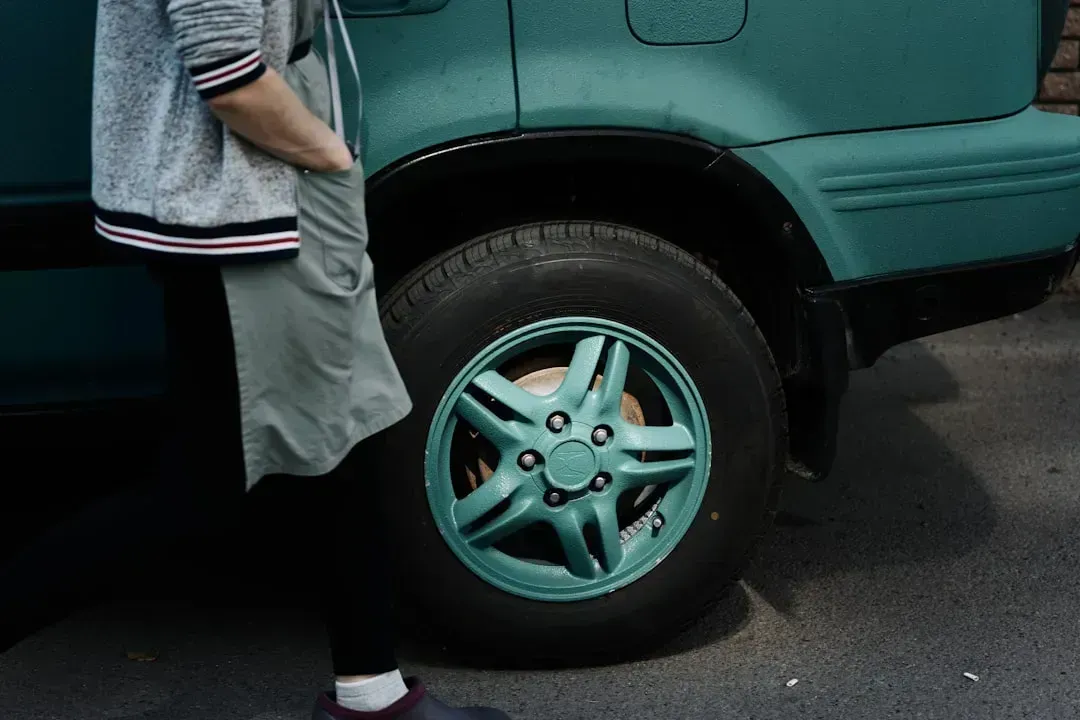
This one sounds scientific, so it feels legitimate. Dealerships love to charge a premium for filling your tires with nitrogen instead of regular air. But here’s what the data actually says. The advantages of tires filled with nitrogen instead of plain air aren’t big enough to justify the price tag or the inconvenience. At dealerships, the upsell can range from $70 to nearly $200 on new tires.
Consumer Reports conducted a 12-month study using 31 tire models, and both air-filled and nitrogen-filled tires lost pressure over time, with the average loss of air-filled tires being just 3.5 psi from an initial 30 psi setting. Think about that: you’re paying extra to solve a problem that basically doesn’t exist. Consumers would be better served by just using regular air in their tires and checking them monthly. Air is free, after all.
3. Extended Dealership Warranties (on New Cars)

While roughly half of vehicle owners hold an extended warranty, only one in 10 have ever actually used it. That is a staggering number, and it says a lot about who this product really benefits. On average, extended car warranties can cost anywhere from $1,000 to $3,000. That’s real money walking out of your pocket for coverage you will statistically never need during the period your car is new.
Most new cars already come with factory-backed protection, which usually lasts several years and tens of thousands of miles. Powertrain warranties typically last longest and cover the vehicle’s most expensive parts. Extended warranty companies know which cars cost the most to repair and sometimes simply exclude them, then charge so much for the others that there is little likelihood you will ever get as much money back from covered repairs as you pay in premiums.
4. Paint Protection and Fabric Sealant Sprays
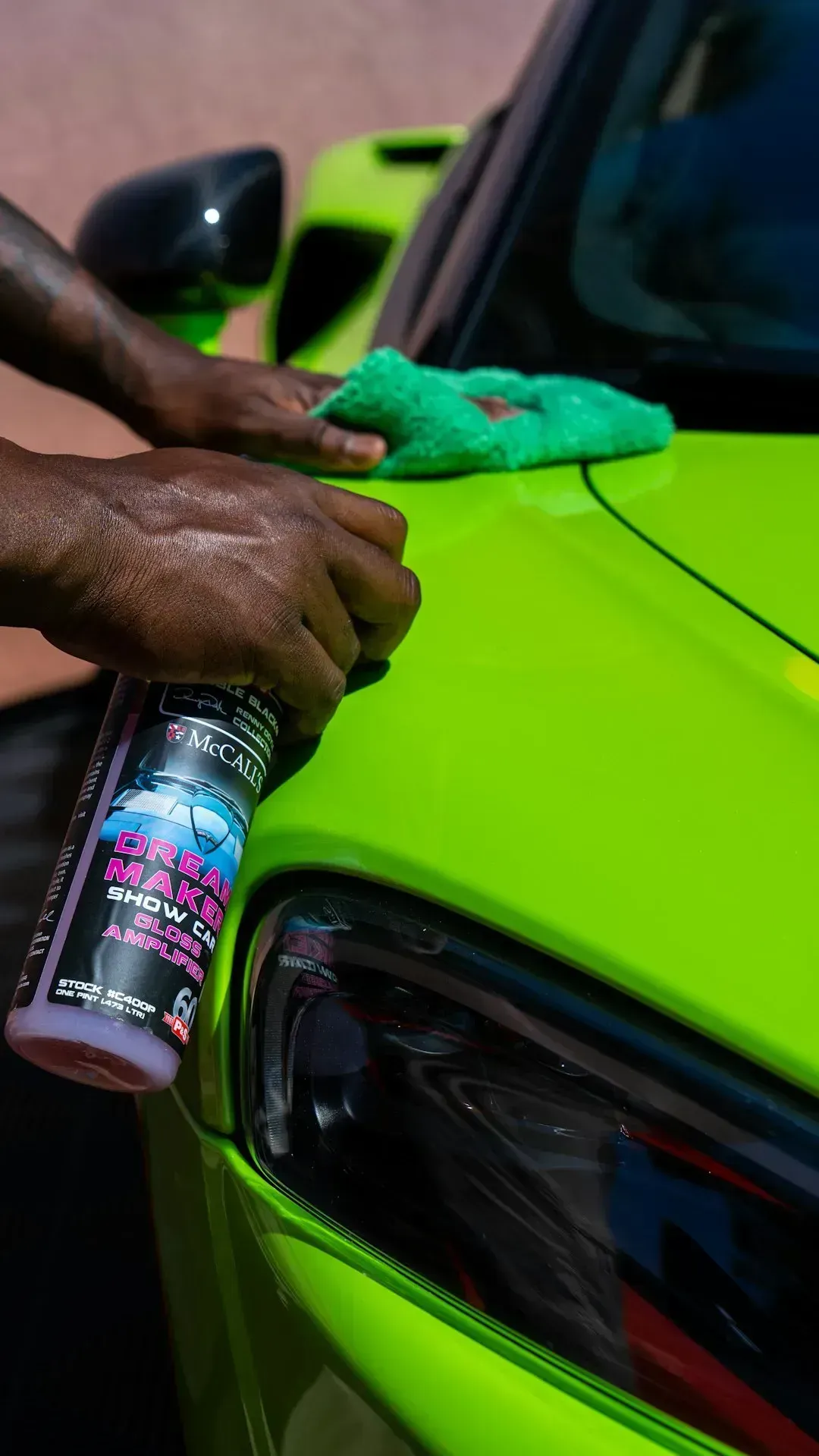
Walk into the finance office at a dealership and there’s a solid chance someone will try to sell you a paint or interior protection package with an impressive-sounding name. Let’s be real: it’s largely a spray and a markup. Modern cars receive factory paint jobs that are designed to withstand the elements, with sealants and antirust properties built in, and paint protection can cost several hundred dollars while being almost never worth the expense.
Car dealerships may offer fabric protection services to prevent stains on your car’s interior, but in many cases a DIY fabric protector can offer similar protection at a fraction of the cost. You can pick up a comparable spray at any auto parts store for less than $15. Paying hundreds of dollars at the dealership for the same thing is like paying restaurant prices for a sandwich you could make at home in two minutes.
5. VIN Etching

This service involves etching your vehicle identification number onto the windows as a supposed theft deterrent. It typically costs between $200 and $300, and some dealers will sell the car pre-etched and attempt to later upsell this unnecessary service. It’s one of the classic moves from the dealership finance office playbook.
All new cars already have VINs stamped in multiple places, including under the hood and inside the doorjambs. The etching duplicates what’s already there. Some of the add-ons you’ll be offered at dealerships are of questionable value, have massive markups, or can be found from other sources for a fraction of the price. If you genuinely want VIN etching for peace of mind, DIY kits are available for under $25 online.
6. Throttle Body Cleaning (When Nothing Is Wrong)
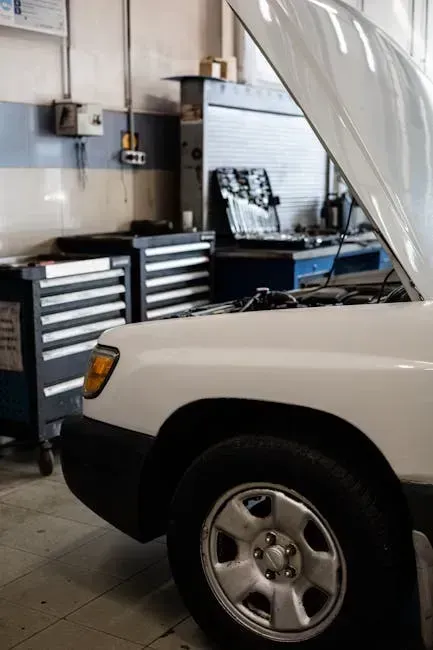
This one happens not at the dealership sales desk but in the service lane. You bring your car in for an oil change, and suddenly a technician is recommending a throttle body cleaning. An improperly working throttle body can certainly be helped by a cleaning, but they also work pretty well when they are a bit dirty. Many vehicles can operate for their entire lifespans without needing the throttle body cleaned.
Car Talk expert mechanic Jr. Damato says throttle body cleaning is very profitable for shops, and his shop does not routinely offer it as preventative maintenance. Expert John Paul also agrees that if the vehicle is running well, this service is not really needed. Car dealerships make a substantial percentage of their profits via the service department, which leads some to offer preventative maintenance that is not called for in your owner’s manual and is not necessary or helpful.
7. Dent and Ding Protection Plans
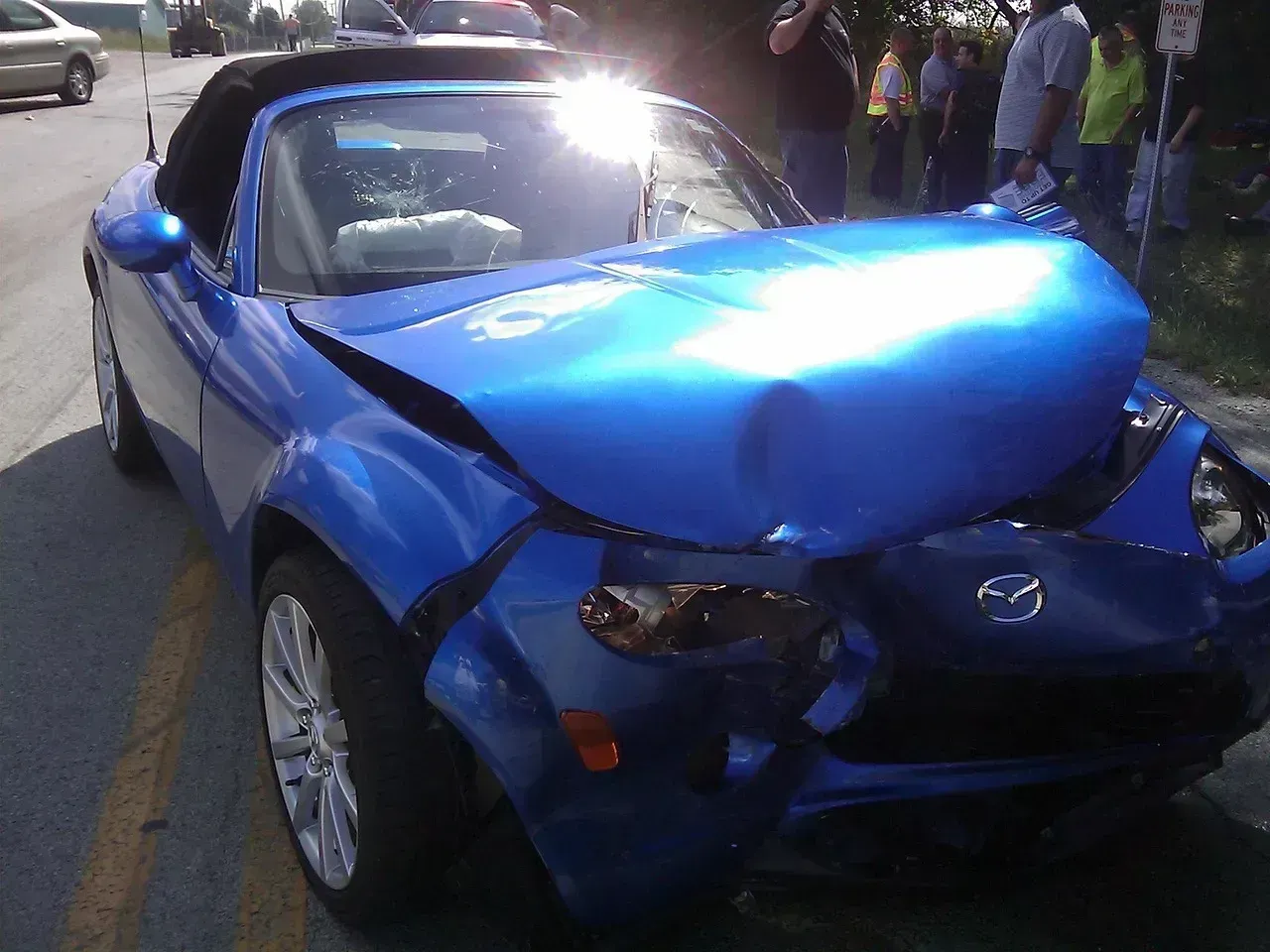
These plans are sold as a clever safety net for minor parking lot damage. In theory, that sounds useful. In practice, it’s one of the most lopsided financial deals you’ll find at a dealership. A long line of little-known third-party companies offer dent and ding coverage to dealers as an upsell, and these companies sell the plans for $300 to $500 to the dealer, who then sells the plan to unsuspecting buyers for anywhere from $600 to $1,500, pure profit for no real work.
The dealer has no further responsibility and doesn’t aid in processing claims. You get an 800 number to call to deal with a company you’ve probably never heard of, and you’ll likely have little or no say in who fixes your car, while learning that plenty isn’t covered. I think that about sums it up. Pay more, get less, and deal with strangers when something goes wrong. Pass.
8. Dealer-Added Security Systems and GPS Trackers
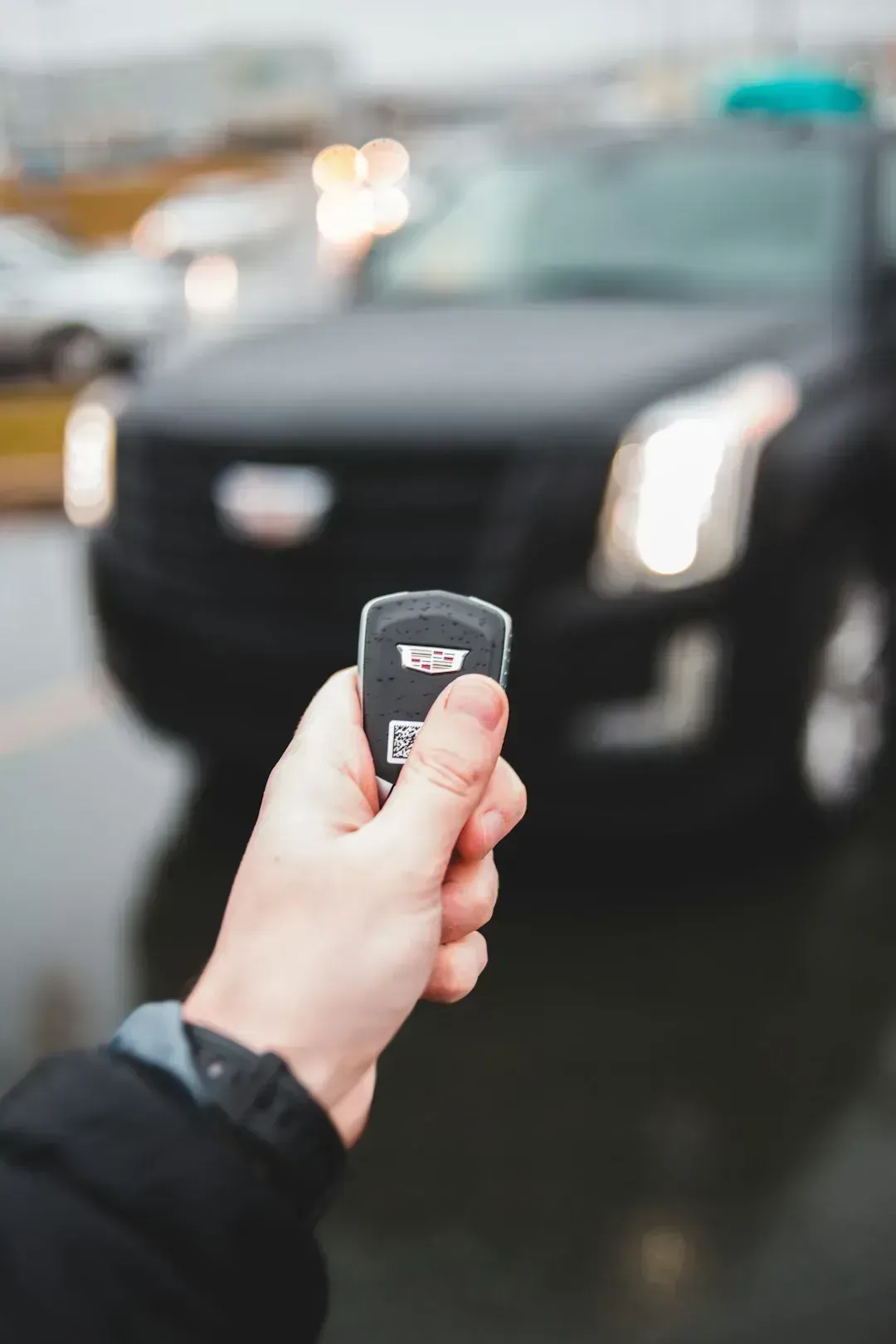
This upsell is particularly sneaky because it often exploits a car that’s already been installed with a basic alarm system on the lot. In many cases, car dealerships install alarms to prevent theft on the dealership lot, which means it’s already installed in the car, and instead of uninstalling it, this upsell allows them to sell cheap alarms and trackers at a premium and charge you for installation.
You can almost certainly do better buying a system on your own and paying a much lower installation fee to your local mechanic. Aftermarket GPS trackers from reputable brands are widely available for under $50, and installation at an independent shop is straightforward. Quite often, the benefits of dealership add-ons are outweighed by high markups and the interest you’ll pay if you include them in your car’s financing, and add-ons don’t typically add value to a vehicle, which can leave you with an auto loan balance far higher than the car’s resale value.
9. Tire and Wheel Protection Plans
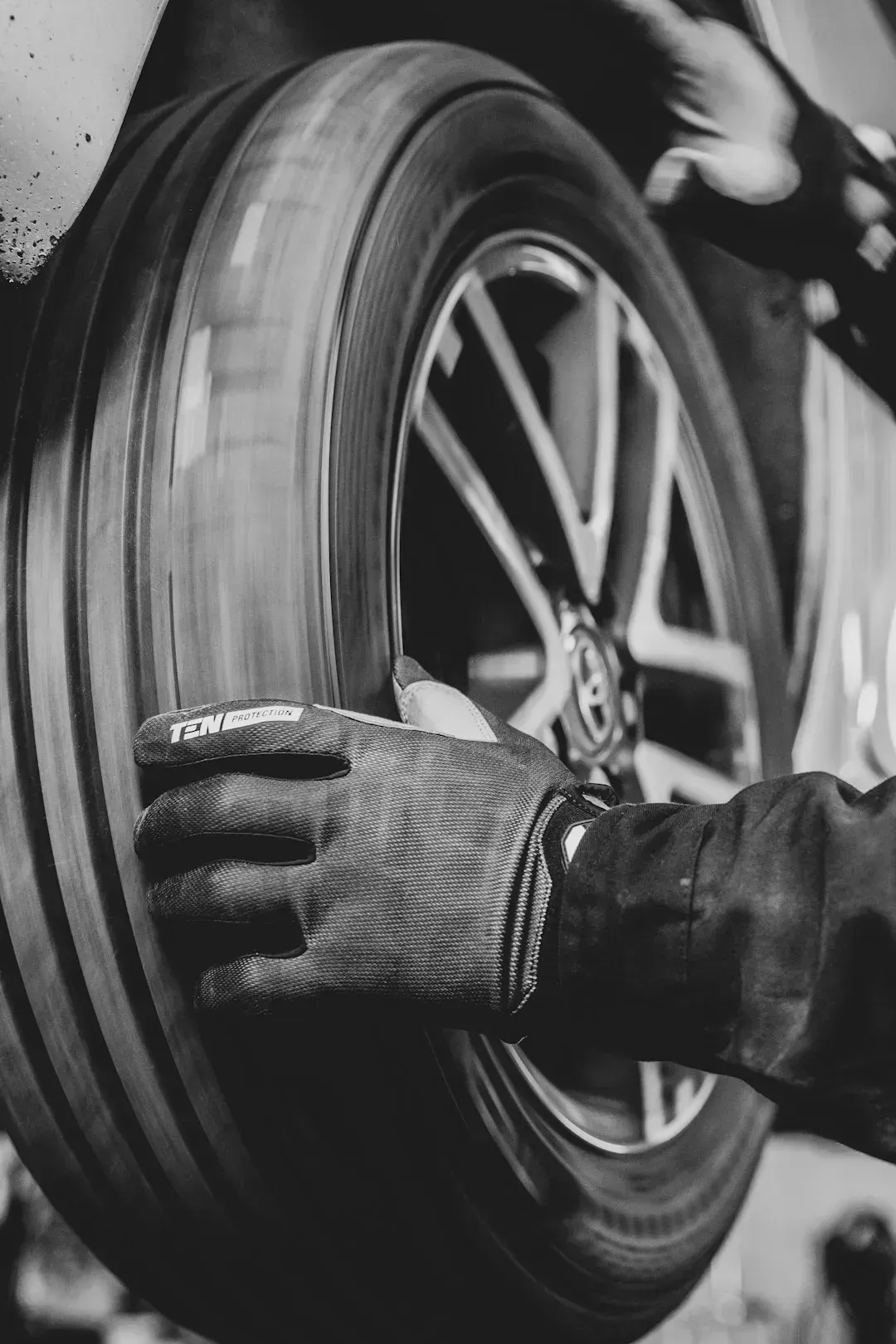
Tire and wheel protection covers damage due to driving over curbs, potholes, and road hazards. Pricing varies, and one Chevrolet salesperson noted that his dealership charges about $700 for the coverage, though most cars don’t have the expensive low-profile tires that are more damage-prone. For the vast majority of drivers, this is a product solving a problem they’re unlikely to face.
Some tires come with more inclusive warranties already, and even if they don’t, the cost of a standard new tire isn’t particularly high when you factor in the money you didn’t spend on unnecessary protection. It’s worth remembering, too, that the average annual vehicle repair cost is around $1,300, including basic wear-and-tear items such as brakes, tires, and belts. Paying $700 upfront to protect just your tires and wheels takes a huge bite out of that already-reasonable annual average.