Meteorologists Warn: These 7 At-Home Weather Hacks Are Illegal – Yet People Still Try Them
Most people assume that weather is simply something that happens to them. It rolls in, it clears out, and there’s not much anyone can do about it from their backyard. But a surprising number of people across the United States have decided that is not good enough. From tinkering with silver iodide to launching homemade fog dispersal experiments, amateur weather manipulation is a real and growing phenomenon – and authorities are paying close attention.
The laws are catching up fast. Since 2024, a wave of state-level legislation has been reshaping what citizens are and are not allowed to do when it comes to atmospheric interference. Some of these restrictions carry punishments that would shock most people. Whether driven by genuine drought anxiety, conspiracy theories, or simple curiosity, people keep trying these seven techniques – and meteorologists are increasingly alarmed. Let’s dive in.
1. DIY Cloud Seeding With Silver Iodide
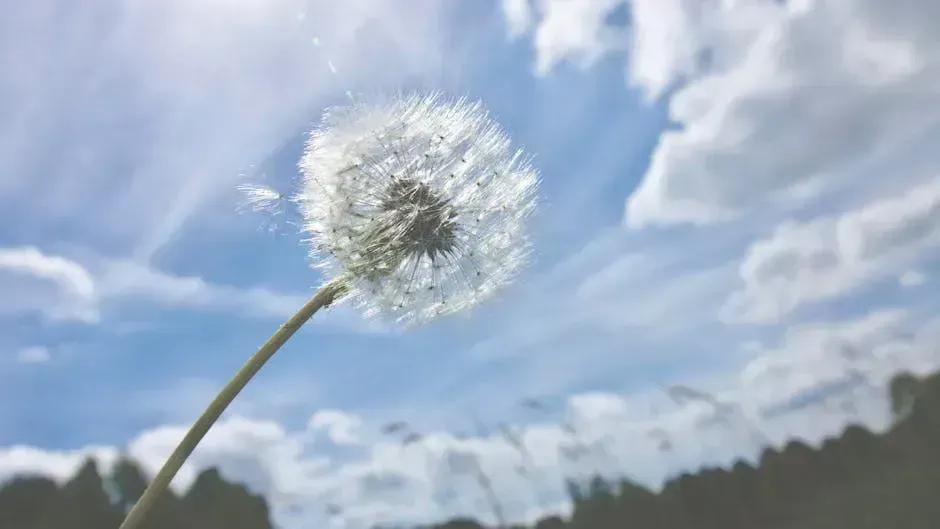
Cloud seeding is the most talked-about weather hack on the planet right now, and it’s the one people most often attempt without any legal authorization. The primary practice involves using planes, drones, or generators on the ground to inject tiny particles, usually silver iodide, into existing clouds. Sounds relatively harmless, right? Here’s the thing – it is not a hobby.
Companies that intend to engage in weather modification activities within the United States are required by the Weather Modification Act of 1976 to provide a report to NOAA at least 10 days prior to undertaking the activity. Skipping that step is already a violation of federal law. Knowing and willful violation of any rule adopted under the authority of Public Law 92-205 shall subject the person to a fine of not more than $10,000 upon conviction.
Cloud seeding is a weather modification process that disperses substances such as silver iodide or salt particles into clouds to encourage precipitation. These particles act as nuclei around which water droplets or ice crystals form, increasing the likelihood of rain or snow. Scientists say the process can enhance existing precipitation but cannot create storms or rain where none would otherwise occur. The science is real. The legal risks for doing it yourself are even more real.
2. Launching Unauthorized Atmospheric Drones
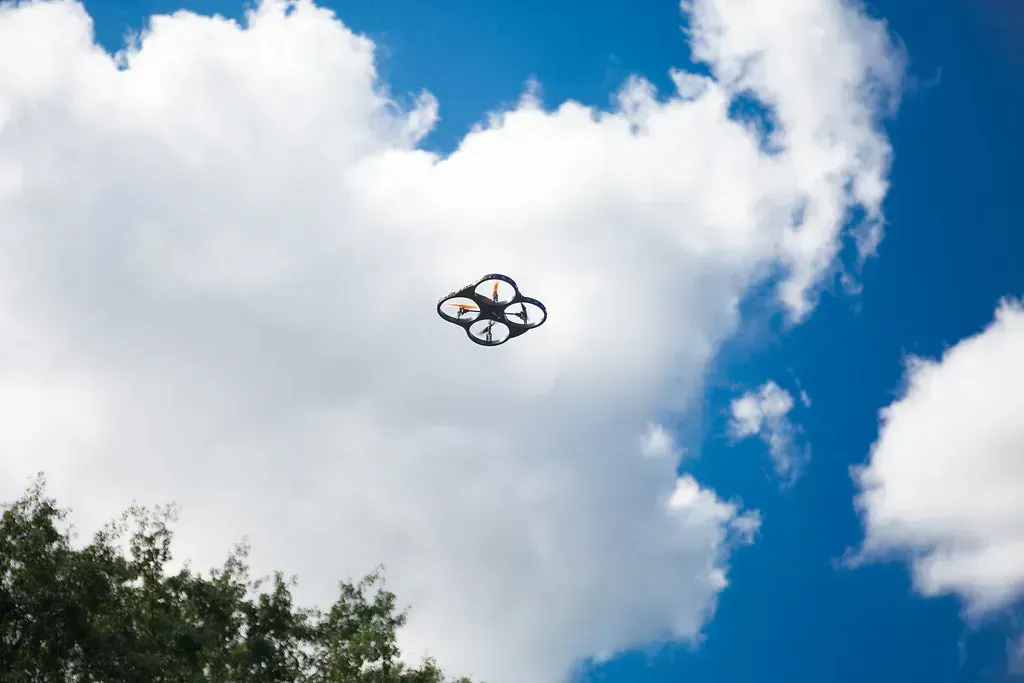
Consumer drones have become incredibly powerful, and some people have taken to the skies with them in an attempt to replicate professional cloud-seeding operations. Think of it like trying to recreate a pharmaceutical lab experiment using items from a hardware store. The ambition is impressive; the legal exposure is enormous.
Florida’s law prohibits geoengineering and weather modification activities, specifically banning the injection, release, or dispersion, by any means, of a chemical, chemical compound, substance, or apparatus into the atmosphere for the express purpose of affecting the temperature, weather, climate, or intensity of sunlight. That phrase “by any means” covers drones absolutely. Any person who violates this prohibition commits a third-degree felony, punishable by up to five years in prison and a fine up to $200,000.
The FAA also enters the picture here. Pilots unions have raised pointed concerns about flying debris and fire hazards, noting that drone cloud-seeding operations lack trajectory modeling for ejectable flare casings and environmental impact analysis for chemical dispersal agents. Flying a drone loaded with any chemical agent into cloud layers without federal clearance is a compounding legal disaster waiting to happen.
3. Backyard Solar Radiation Blocking Experiments
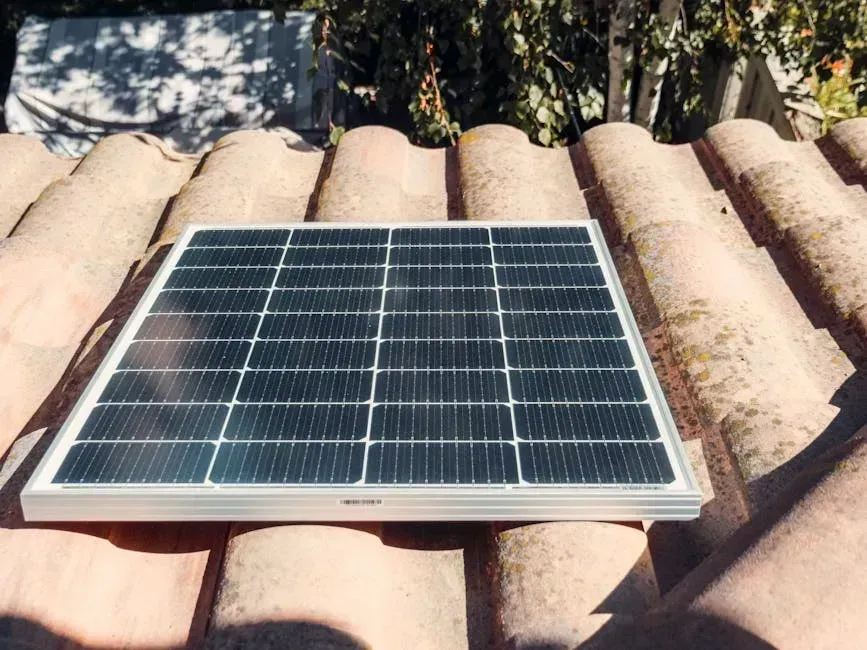
I know it sounds crazy, but some people have actually attempted small-scale solar radiation management, releasing reflective aerosols or particles from rooftops or makeshift launchers, believing they can locally cool temperatures or block intense sunlight. This is perhaps the most legally dangerous category of all the hacks on this list.
In 2025, several U.S. states introduced legislation to prohibit geoengineering, defined as intentional large-scale interventions in Earth’s atmosphere or climate systems. These geoengineering bans address practices that alter weather or sunlight intensity, often regulated under state environmental laws. Solar radiation modification is squarely in the crosshairs of nearly every one of these new laws. Lawmakers in 30 U.S. states have now proposed bills that would impose bans on solar radiation management.
A University of Washington-led solar geoengineering experiment in Northern California planned to begin in April 2024, involving spraying saltwater aerosols off the deck of the retired USS Hornet aircraft carrier. A second phase of the experiment would have looked to increase the density and reflectiveness of clouds. However, the experiment only lasted 20 minutes before Alameda city officials shut it down. The city council voted in June 2024 to block the experiment from restarting, in part over the researchers’ lack of transparency. If a university research team gets shut down in 20 minutes, imagine how quickly authorities would respond to a private individual doing the same thing from their driveway.
4. Unauthorized Aerosol Spraying to Modify Temperature
Some homeowners, particularly in regions suffering extreme heat, have experimented with dispersing chemical aerosols from high ground or rooftop rigs, hoping to locally drop temperatures or alter atmospheric conditions. The idea has floated around online communities for years. It is also unmistakably illegal under a growing body of state law.
On July 1, 2025, Senate Bill 56 officially became law in Florida, banning the release of chemicals and other substances into the atmosphere for the purpose of altering factors like temperature, weather, climate, or sunlight intensity. Florida is now one of the strictest states in the union on this issue. Violators can face felony charges, up to five years in prison, and fines of up to $100,000.
Vermont’s proposed law carries felonies with up to $50,000 fines and two years’ imprisonment per day of violation. Per day. That is not a minor inconvenience – that is a catastrophic legal exposure. There are potential negative consequences to weather modification and cloud seeding. Some studies have focused on the extent to which precipitation could increase or decrease outside of the intended area, and there are public health and environmental concerns as well.
5. Attempting to Seed Clouds Without NOAA Reporting
Here is a trap that even well-meaning people fall into. Some amateur experimenters are aware that cloud seeding has been legal in certain states for decades, and they assume that means they can simply go ahead and do it. What they miss is the mandatory federal reporting system that makes any attempt without prior notification a federal offense.
The Weather Modification Reporting Act of 1972, 15 U.S.C. § 330 et seq., requires that all persons who conduct weather modification activities within the United States or its territories report such activities to the U.S. government in advance. Skipping this step transforms an otherwise permitted activity into a punishable one. While NOAA does not regulate weather modification activities, it does track them through Weather Modification Reporting Act requirements. Failure to report under terms of the WMRA can result in fines of up to $10,000.
Multiple field trials of ice-based surface albedo enhancement have been conducted in the United States without submitting weather modification reports. These include experiments conducted by Ice911, later the Arctic Ice Project, in Alaska, California, and Minnesota. Even organized groups with scientific intentions have run into this compliance wall. Private individuals doing it in secret face an even steeper legal hill. It’s honestly a minefield out there.
6. Weather Radar Interference and Station Tampering
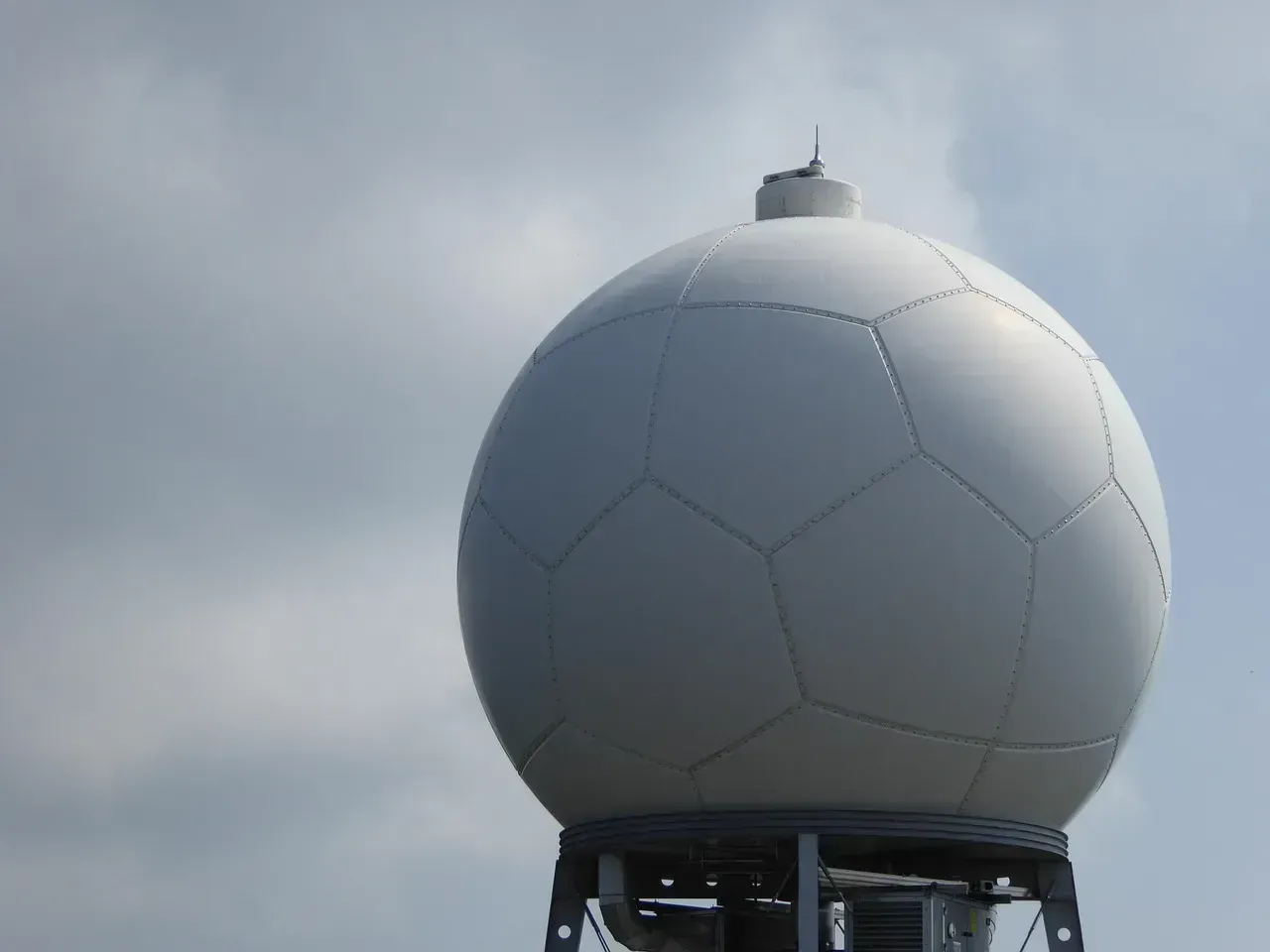
This one takes a dark turn. Fueled partly by conspiracy theories claiming that weather radar equipment actively controls weather patterns, some individuals have gone as far as physically tampering with meteorological infrastructure. It sounds fringe, but it has actually happened in real life in 2025.
The leader of an anti-government militia in Oklahoma welcomed an attack on a local weather station radar, insisting that meteorological equipment can manipulate the weather. That belief, however wrong scientifically, has translated into real physical actions against public weather infrastructure. Tampering with federal weather monitoring equipment carries its own serious criminal penalties under separate federal statutes entirely apart from weather modification law.
Fake stories that atmospheric experiments are triggering natural disasters have led U.S. states to push blanket bans on weather modification, which experts say may jeopardize current local scientific programs. From recent deadly flooding in Kentucky to the Florida and North Carolina monster hurricanes of 2024, Americans have amplified increasingly conspiratorial explanations for extreme weather events. In response, lawmakers are moving to criminalize legitimate scientific experiments in the atmosphere. The irony here is thick. The conspiracy theories are actually producing new laws that restrict real science.
7. Private Stratospheric Aerosol Injection Attempts
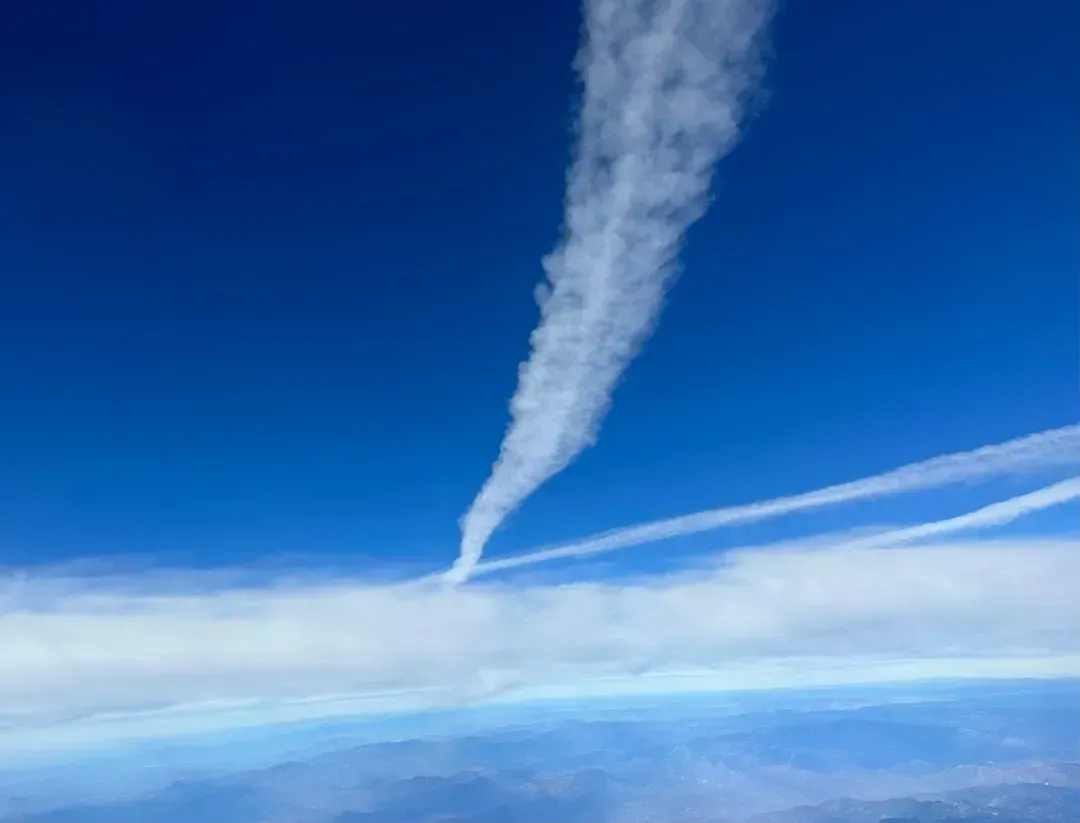
This is the most extreme entry on the list, and probably the most shocking. Stratospheric aerosol injection, the act of releasing sulfur dioxide or similar reflective particles into the upper atmosphere to reduce global temperatures, is the stuff of large-scale government research programs. Yet private individuals and small groups have attempted versions of it, including the widely publicized case of the company Make Sunsets, which released sulfur dioxide balloons over Mexico in 2022.
Following a release of SO2-filled balloons by the company Make Sunsets in Mexico in 2022, the Mexican government stated in January 2023 that they plan to develop a strategy to ban outdoor solar geoengineering experimentation. That single private experiment triggered a national government ban in an entire country. The ripple effects of amateur atmospheric interventions are genuinely global in their potential reach.
Under legislation like Florida’s Senate Bill 56, unauthorized geoengineering is classified as a felony, with penalties of up to five years in prison and fines up to $100,000. Meanwhile, at the federal level, the proposed Clear Skies Act in Congress specifies criminal penalties of up to $100,000 per violation and up to 5 years imprisonment, with a civil penalty of up to $10,000 per violation, and every separate instance of injection, release, or dispersal constitutes a separate violation. That last part is critical. Every single release is counted individually. One balloon flight could theoretically stack into multiple charges.