The “Avoid” List: 11 U.S. Destinations Travelers Say Feel Unsafe or Not Worth the Stress
America is one of the most jaw-droppingly diverse travel destinations on the planet. National parks that will leave you speechless, coastal cities bursting with food and culture, and road trips that can change your entire worldview. Honestly, there is something genuinely extraordinary around every corner.
But here’s the thing. Not every city on the map offers the same experience. Some destinations come loaded with warnings travelers wish they had read before booking. Safety concerns, rampant property crime, disorienting levels of visible poverty, and a general sense that things have quietly slipped sideways. The gap between a city’s reputation and the reality on the ground can be shocking.
From FBI crime data to firsthand travel accounts and the latest 2024 to 2025 safety rankings, this list takes an honest look at 11 U.S. destinations travelers increasingly put in the “think twice” category. Let’s dive in.
1. Memphis, Tennessee: America’s Most Dangerous Tourist City
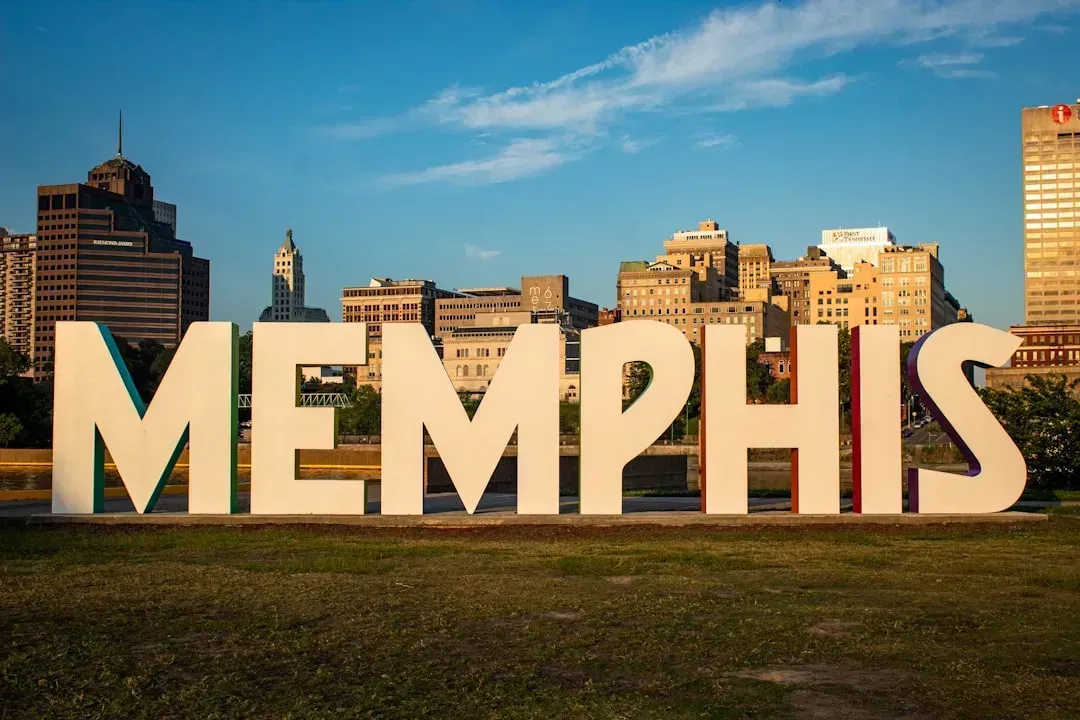
If there is one destination on this list that demands the most urgent warning, it is Memphis. With a crime rate of 95 per one thousand residents, Memphis has one of the highest crime rates in America compared to all communities of all sizes, from the smallest towns to the very largest cities. That is not a typo. It is a staggering number for a city that still welcomes millions of visitors each year for its music history, Graceland, and world-famous barbecue.
In Memphis, the total number of daily crimes is more than four times the national average, and violent daily crime statistics are nearly seven times the national average. Toward the end of 2024, Memphis topped the list of the most dangerous U.S. cities, as reported by Safe and Sound Security. The numbers speak clearly, even if the city’s tourism board would rather they didn’t.
In 2023, Memphis hit a record high for homicides with a shocking 397 murders. In 2025, the city had already recorded 97 murders by May 19. There is some progress, as homicides were 4% lower in the first half of 2025 than in 2024, though still 58% higher than 2019. Some neighborhoods are safer than others, and travelers who stick to well-lit areas in groups can still enjoy this culturally rich city. The risk, though, is real and well-documented.
2. St. Louis, Missouri: Sky-High Crime in the Heartland
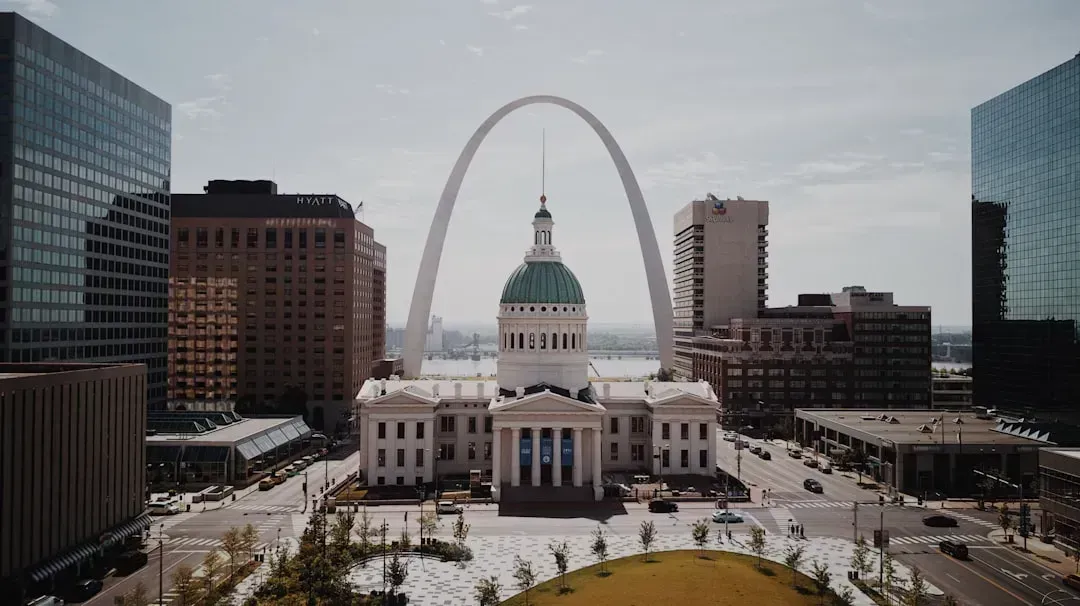
St. Louis carries one of the heaviest crime reputations in the entire country. St. Louis has crime rates 234% above the national average, with 7,847 crimes per 100,000 residents. That places it firmly in the upper tier of America’s most dangerous places to visit, regardless of which metric you use.
In 2025, St. Louis was showing measurable progress in reducing serious crime, even though its baseline remains high relative to many U.S. cities and its neighborhoods remain very dangerous. Early-year data indicates significant declines in homicide and property damage incidents, marking a notable shift in the city’s public-safety profile. Progress is real, but let’s be real: a city showing “improvement” while still ranking among the most dangerous in America is not the same as a city that is safe to visit without serious planning.
St. Louis has a notably high homicide rate, with gun violence as a major factor, and persistent issues with poverty, housing, and education compounding the overall picture. The city does have genuinely beautiful neighborhoods, and pockets of culture well worth exploring. Still, knowing where not to wander is essentially a prerequisite for the trip.
3. Detroit, Michigan: Gritty Revival, Persistent Danger
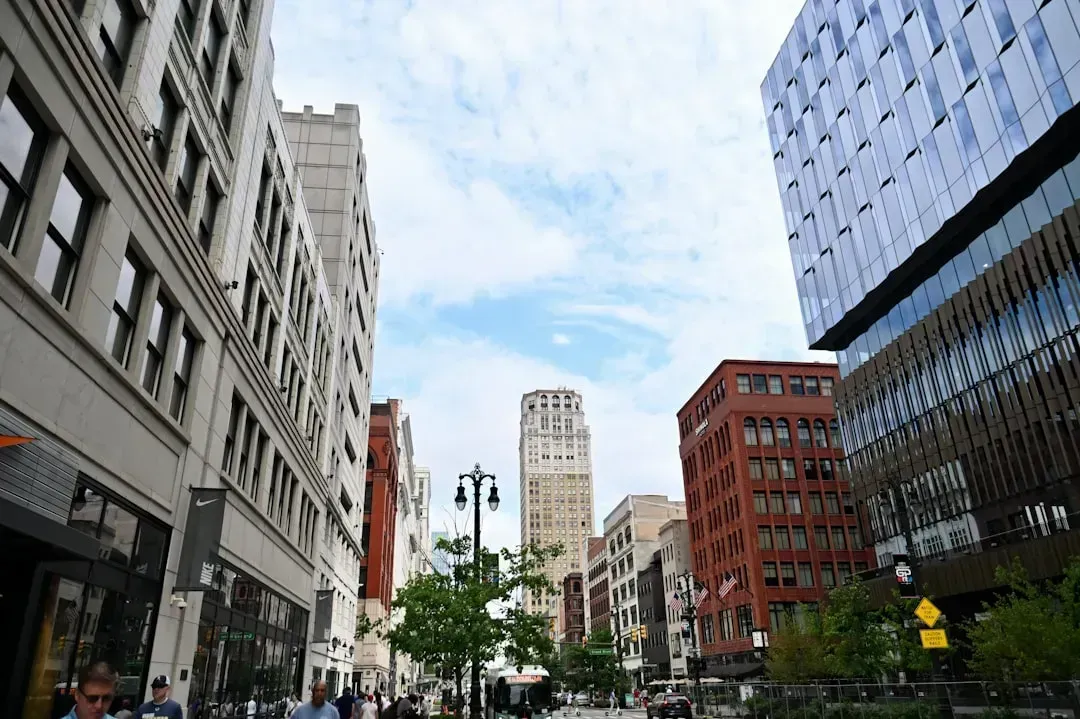
Detroit is one of the most fascinating American cities in terms of its story. The industrial collapse, the population exodus, and the slow, painful comeback. Detroit’s crime rate of 2,941 is the highest in a major tourist risk ranking, giving it a tourist-risk score of 84.3. That score reflects both the raw danger and the fact that it catches visitors off guard.
Detroit consistently ranks as one of the most dangerous cities in the country, with a high rate of violent crimes per capita, including assaults and robberies, which has contributed to urban decay and rapid population decline. That said, the picture is not entirely bleak. Downtown Detroit, the Riverwalk, Corktown, and the Detroit Institute of Arts are well-patrolled and generally safe. Travel guides now rank Detroit among the top U.S. destinations. The contrast between the tourist corridor and the surrounding neighborhoods remains stark.
2025 FBI data showed a 15.2% decrease in violent crime and a 15.1% decrease in property crime in Detroit, confirming a positive trend. Community programs like FORCE Detroit and Shot Stoppers reward grassroots groups that cut violence. Detroit is trying, genuinely. It’s just that “trying hard” and “ready for casual tourism without precautions” are still two different things.
4. Baltimore, Maryland: A City of Stubborn Contradictions
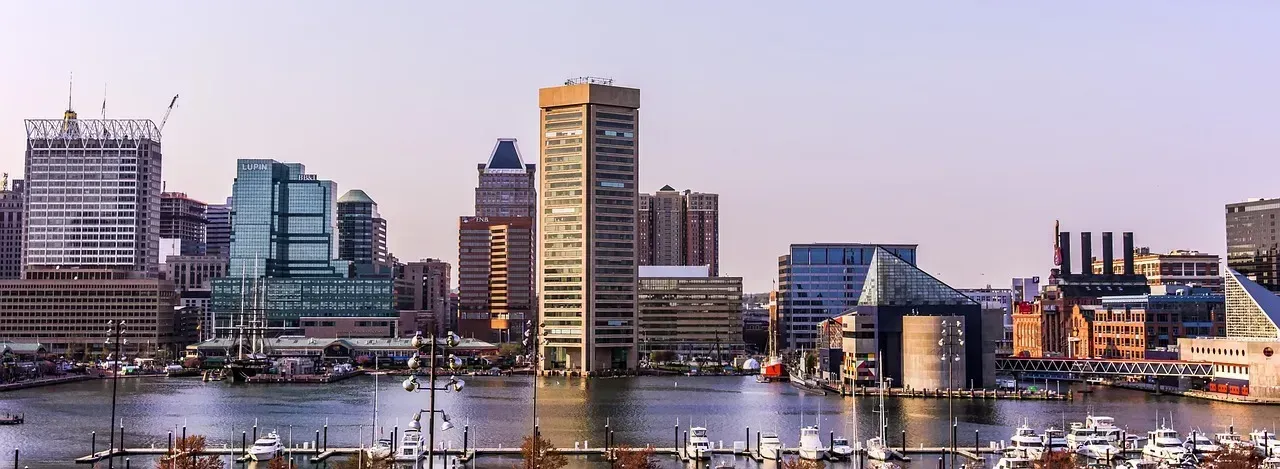
Baltimore is a city that grabs you with its blue-crab charm and historic harbor, then surprises you in ways you did not expect. Baltimore is still infamous for violent crime, yet showing some of the sharpest year-over-year improvements of any big U.S. city. The crime index sits high at 74.67, but those raw numbers don’t fully capture the double-digit drops in homicides and shootings since 2023.
Over 11,000 vehicles were stolen in 2024, roughly one car every hour in early 2024. This single category drives much of the day-to-day victimization locals feel. For a traveler visiting Baltimore, the Inner Harbor and Federal Hill areas maintain a reasonable level of safety. Venture too far beyond those boundaries without local knowledge, though, and the experience can change fast.
Once the deadliest big city with 344 murders in 2015, Baltimore logged a 36% decline in homicides and 30% fewer non-fatal shootings between 2023 and 2024. Progress is real, but homicide rates still outpace national norms. The city’s trajectory is genuinely encouraging. However, it is the kind of place where doing your homework about specific neighborhoods is not optional, it’s essential.
5. New Orleans, Louisiana: Atmosphere and Alarm Bells
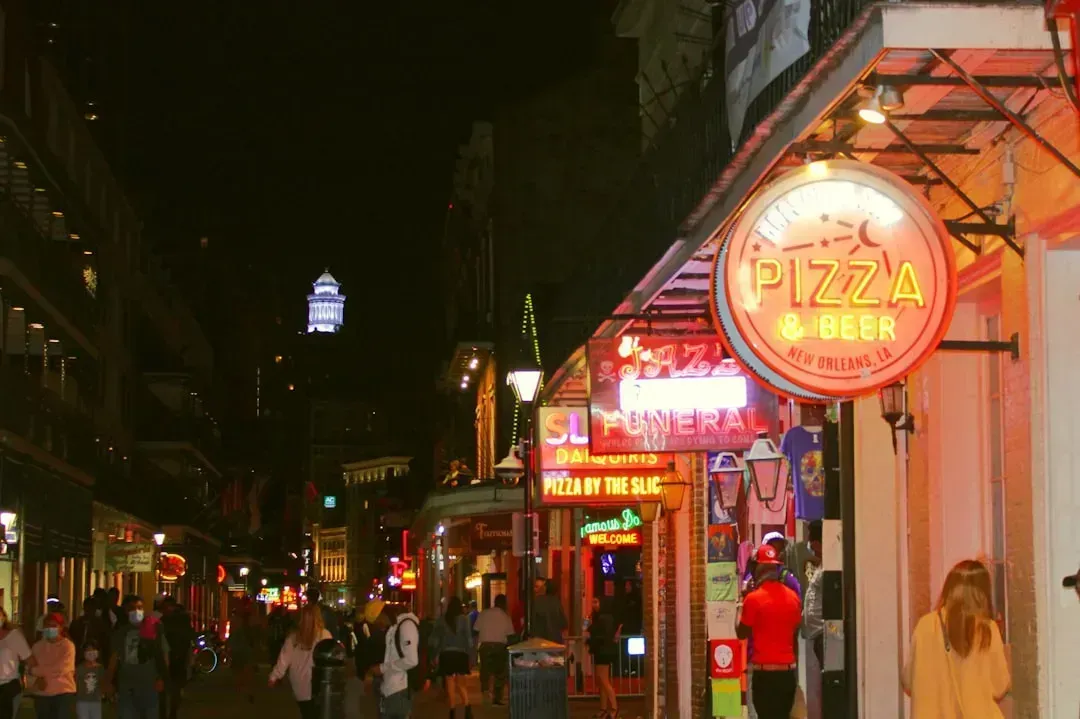
Few cities in America have a more intoxicating atmosphere than New Orleans. The food alone could justify a trip from anywhere. But the safety picture is sobering. New Orleans is both a cultural gem and one of the nation’s most crime-prone cities. While the French Quarter draws millions of visitors annually, neighborhoods beyond the tourist center struggle with high violent crime rates and limited access to community resources.
New Orleans has recently faced an increased crime rate, almost double the average rate compared with the nation. Louisiana frequently appears in analyses of the most dangerous states because of high rates of violent crime, and its economic challenges and unique geography can sometimes lead to environmental hazards that further increase risk. Those issues do not stay neatly tucked away from tourist zones.
The French Quarter and the Garden District both attract enormous crowds, and there is genuine magic in the city at night. That magic, however, comes with an obligation to stay alert. Property crime is widespread, and the gap between the most visited blocks and the adjacent streets can be jarring.
6. San Francisco, California: The “Doom Loop” Tourists Can See for Themselves
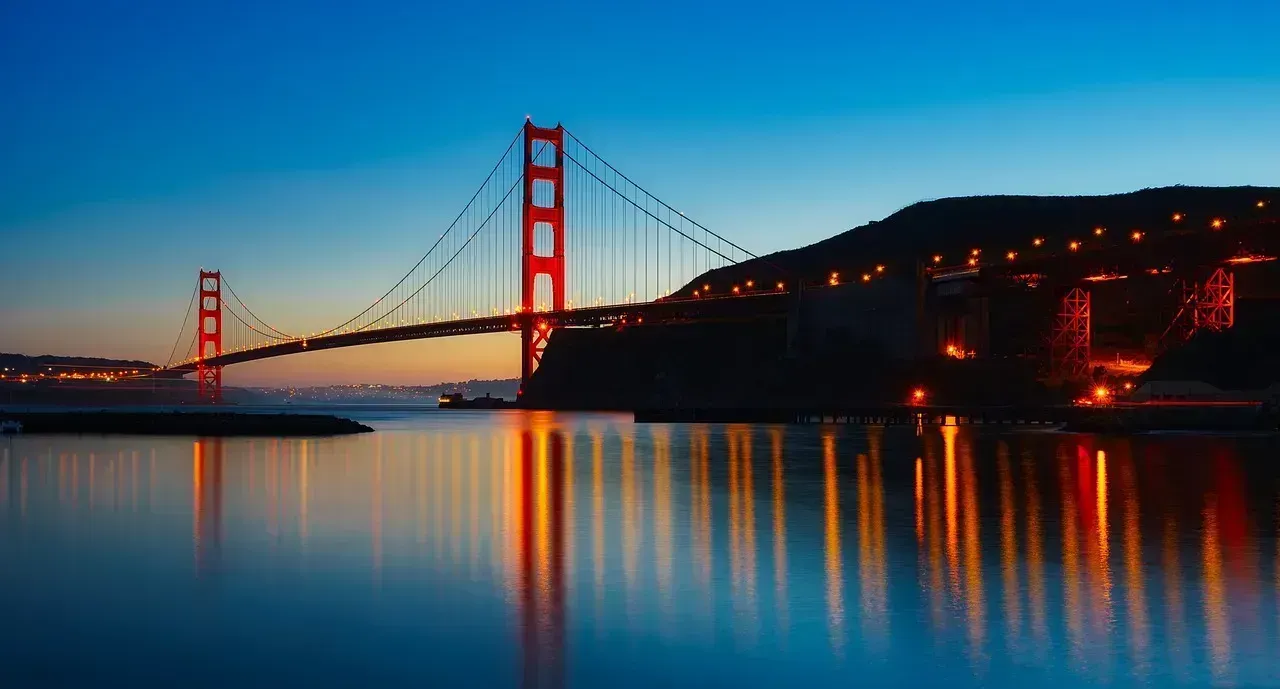
San Francisco is one of those cities where the postcard version and the lived experience have never been further apart. San Francisco faces a persistent homelessness and behavioral health crisis, despite government spending billions over decades. Roughly two people die every day from overdose in the city, and more than 8,000 people experience homelessness nightly, according to the 2024 Homelessness Point in Time Count.
Headlines claiming the city is caught in a spiraling “doom loop” have become so prominent that a city commissioner anonymously advertised an hour-and-a-half tour showcasing “doom and squalor,” offering views of the city’s open-air drug markets and abandoned tech offices for $30 per person. It sounds like satire. It isn’t. San Francisco in 2025 was framed around Mayor Lurie’s efforts to promote the city’s “comeback,” though he faced multiple obstacles including the nation’s highest downtown office vacancy rate, retail vacancies, a struggling tourist economy, and open-air drug markets in multiple communities.
When it comes to violent crimes in U.S. cities, San Francisco’s numbers are comparatively low. Larceny, such as car thefts and break-ins, is what really drives up crime figures in the city and drives away visitors. So the danger is less about getting physically harmed and more about encountering an environment that many visitors simply find stressful, chaotic, and difficult to navigate comfortably.
7. Houston, Texas: Big City, Big Risk Score
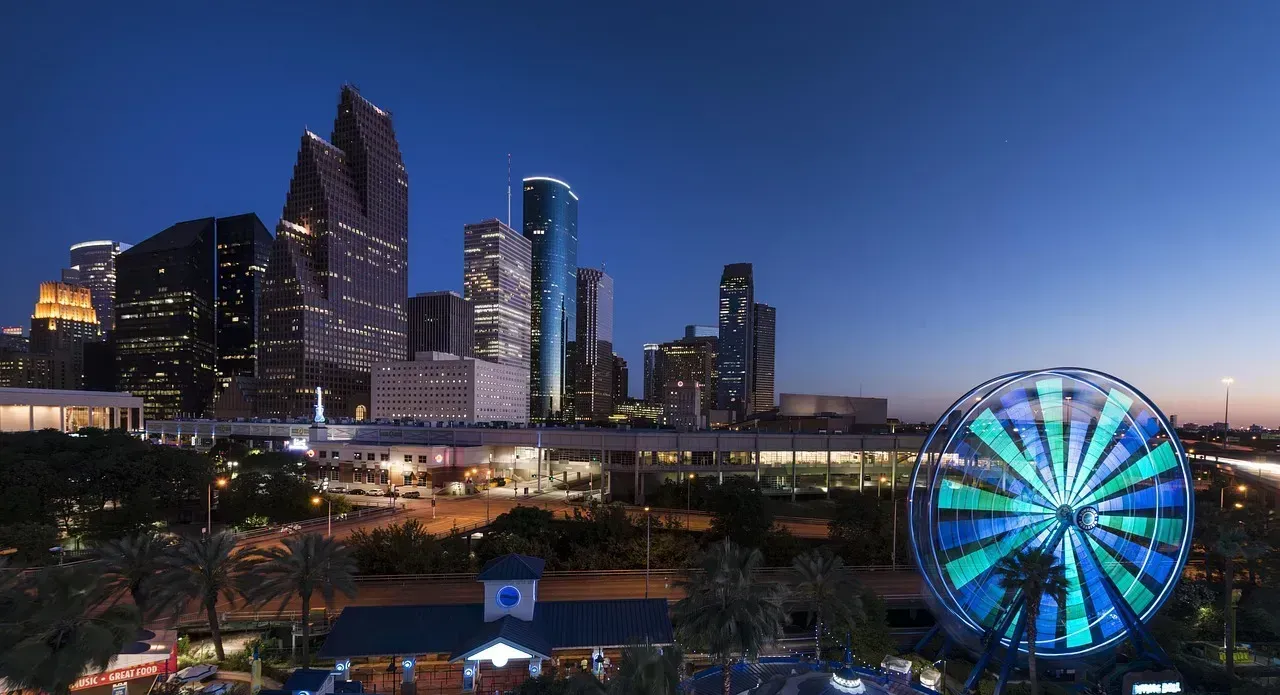
Houston is the largest city in Texas and a genuine destination in its own right. World-class food, NASA, a thriving arts scene. However, the safety data paints an uncomfortable picture. Houston tops a major tourist-risk study with a score of 88.2. It welcomes 887,000 international tourists each year, but its crime rate of 2,656 per 100,000 keeps safety warnings front and center. Most reported incidents are non-violent, but the city’s sprawl makes it easy to stumble into the wrong area.
Houston’s size is part of the problem. With a sprawling metropolitan footprint larger than some entire states, it is genuinely easy to find yourself in a neighborhood that looks fine on a map but feels deeply uncomfortable in person. The contrast between the tourist areas around the Museum District or Midtown and some of the surrounding zones is significant.
The city has seen ongoing challenges with organized property crime and car theft, and visitors who leave valuables in vehicles risk quick losses. I think Houston gets underestimated on “unsafe city” lists because it lacks the national notoriety of Memphis or Detroit, but the numbers put it right at the top of tourist risk rankings. That deserves more attention than it typically gets.
8. Philadelphia, Pennsylvania: Historic Beauty, Edgy Reality
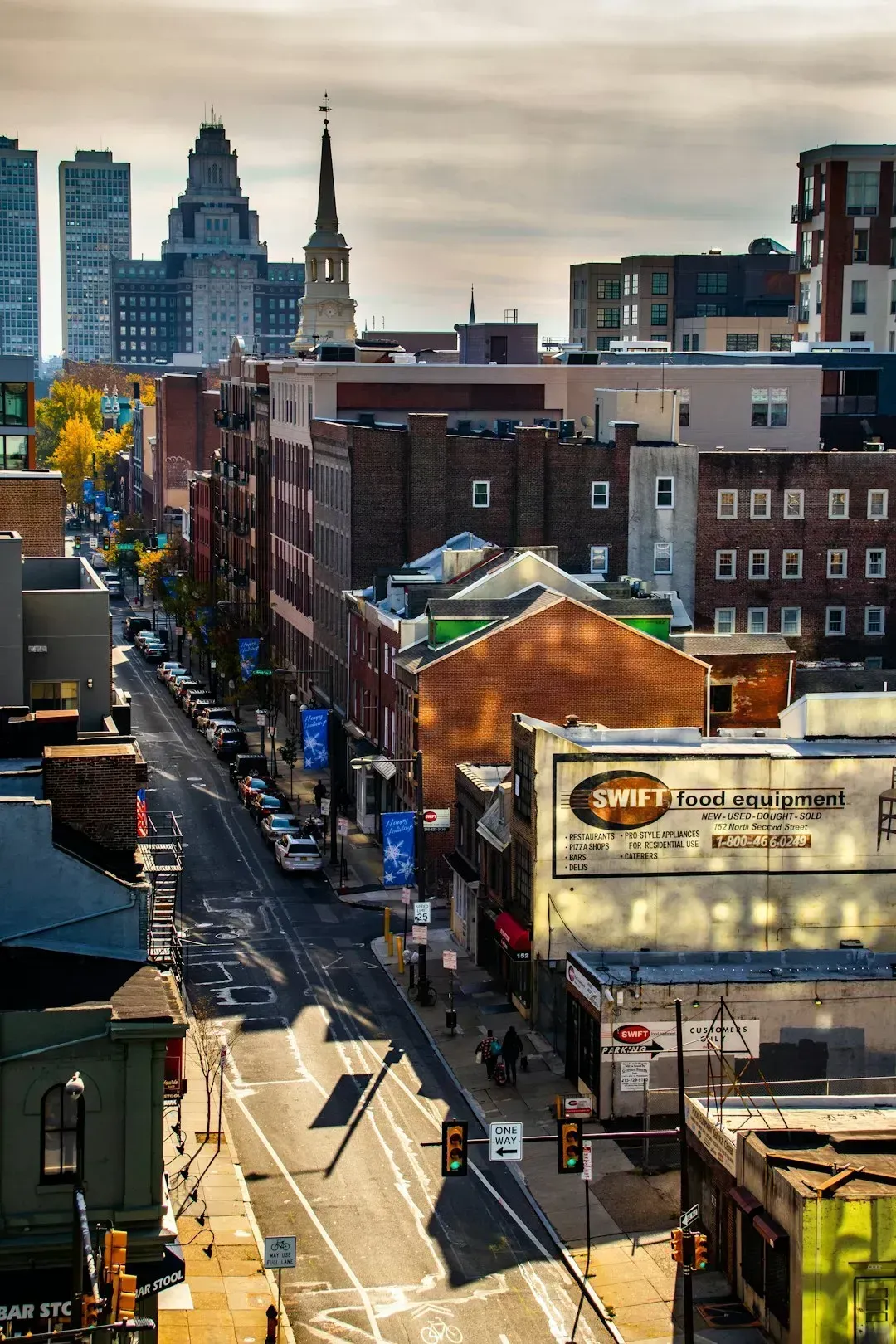
Philadelphia has some of the most powerful American history you can walk through on foot. Independence Hall, the Liberty Bell, cheesesteaks at 2 a.m. It is a great city in many ways. Philadelphia logs 2,602 crimes per 100,000 residents and welcomes about 529,000 international visitors a year. That combination earns it a tourist-risk score of 79.7. While its historic core is well-policed, crime rises sharply beyond Center City.
The Kensington neighborhood has become one of the most discussed open-air drug crisis zones in the entire country, attracting international media attention since 2023. It represents an extreme version of the urban challenges many American cities face, compressed into a small geographic area. Most tourists will never find themselves near Kensington accidentally, but it adds to a broader perception problem the city struggles to shake.
The practical advice for Philly is simple. Stick to the well-traveled zones, do not leave anything visible in your car, and be mindful after dark outside of the central tourist areas. The city can be a rewarding visit, but it rewards preparation far more than it rewards improvisation.
9. Little Rock, Arkansas: Underrated Danger in America’s Heartland
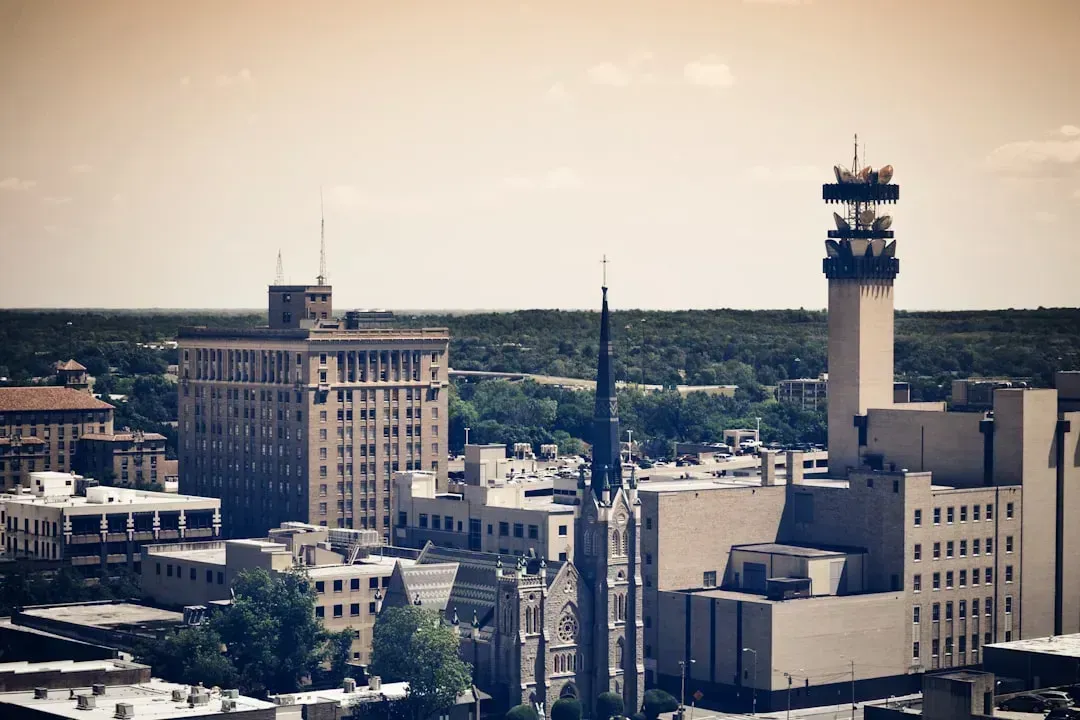
Little Rock rarely tops anyone’s bucket list, but it earns a firm spot on the list travelers wish they had known about beforehand. Violent crime rates in Little Rock are estimated at around 1,400 per 100,000, with aggravated assaults and robberies leading the statistics. Widespread economic desperation and drug use compound the issue, and community programs are being attempted with limited effectiveness.
Little Rock is a historic place known for showcasing American history, including its important role during the Civil Rights Movement. Unfortunately, the city also has a significantly higher crime rate than the U.S. average. It is the kind of gap between historical significance and present-day safety that can genuinely disorient a visitor.
Toward the end of 2024, Little Rock, Arkansas’s capital city, was listed among the most dangerous cities in the country, according to Safe and Sound Security rankings. For travelers who do visit, the core civic areas and Clinton Presidential Library zone are relatively manageable. The surrounding neighborhoods demand much greater caution.
10. Milwaukee, Wisconsin: Deep-Rooted Problems Behind the Breweries
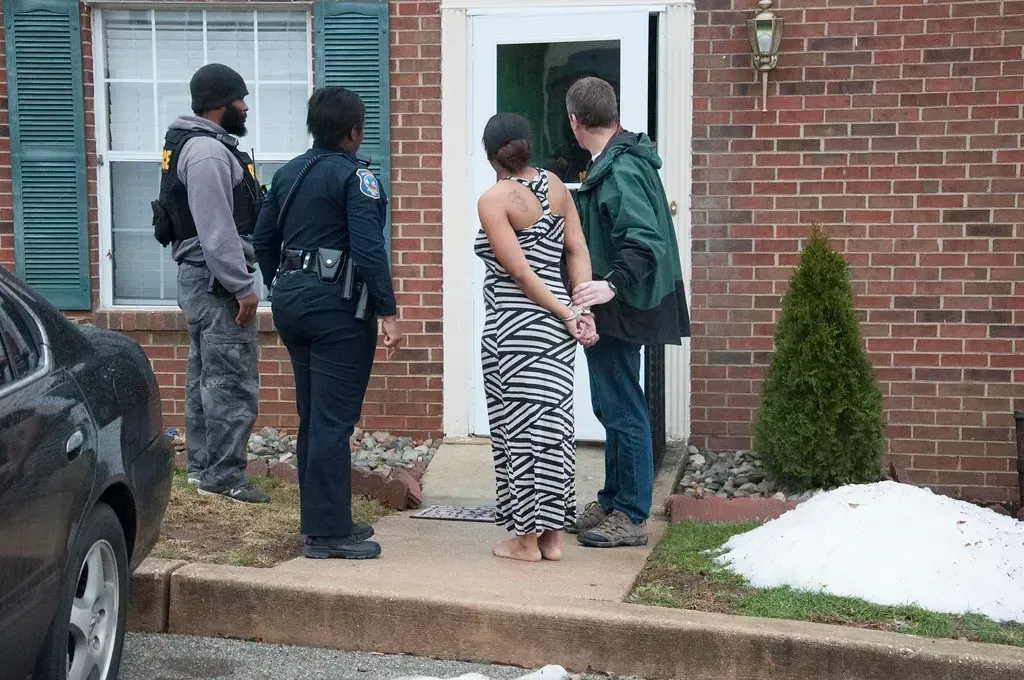
Milwaukee has a very real and appealing identity. Great beer, world-class museums, the Brewers and Bucks providing serious hometown energy. But the crime statistics are genuinely alarming for a city of its size. Despite Wisconsin’s population of nearly six million, much of the state’s violent crime is concentrated in Milwaukee. As its largest city, Milwaukee has seen years of economic decline and social inequality that have made it one of the most dangerous cities in America for both residents and visitors.
High poverty and unemployment rates limit economic opportunities, racial segregation contributes to concentrated pockets of violence, and drug trafficking and gang activity are persistent problems. These are structural issues that do not resolve quickly, regardless of which political party controls city hall.
Travelers who visit Milwaukee for a Brewers game or the Summerfest music festival generally do so without incident, especially in groups and during the day. The tourist core is manageable. But it is the kind of city where wandering casually in unfamiliar directions after a late night is genuinely not advisable, and where car break-ins remain an everyday reality.
11. Myrtle Beach, South Carolina: A Vacation Town With a Hidden Crime Problem
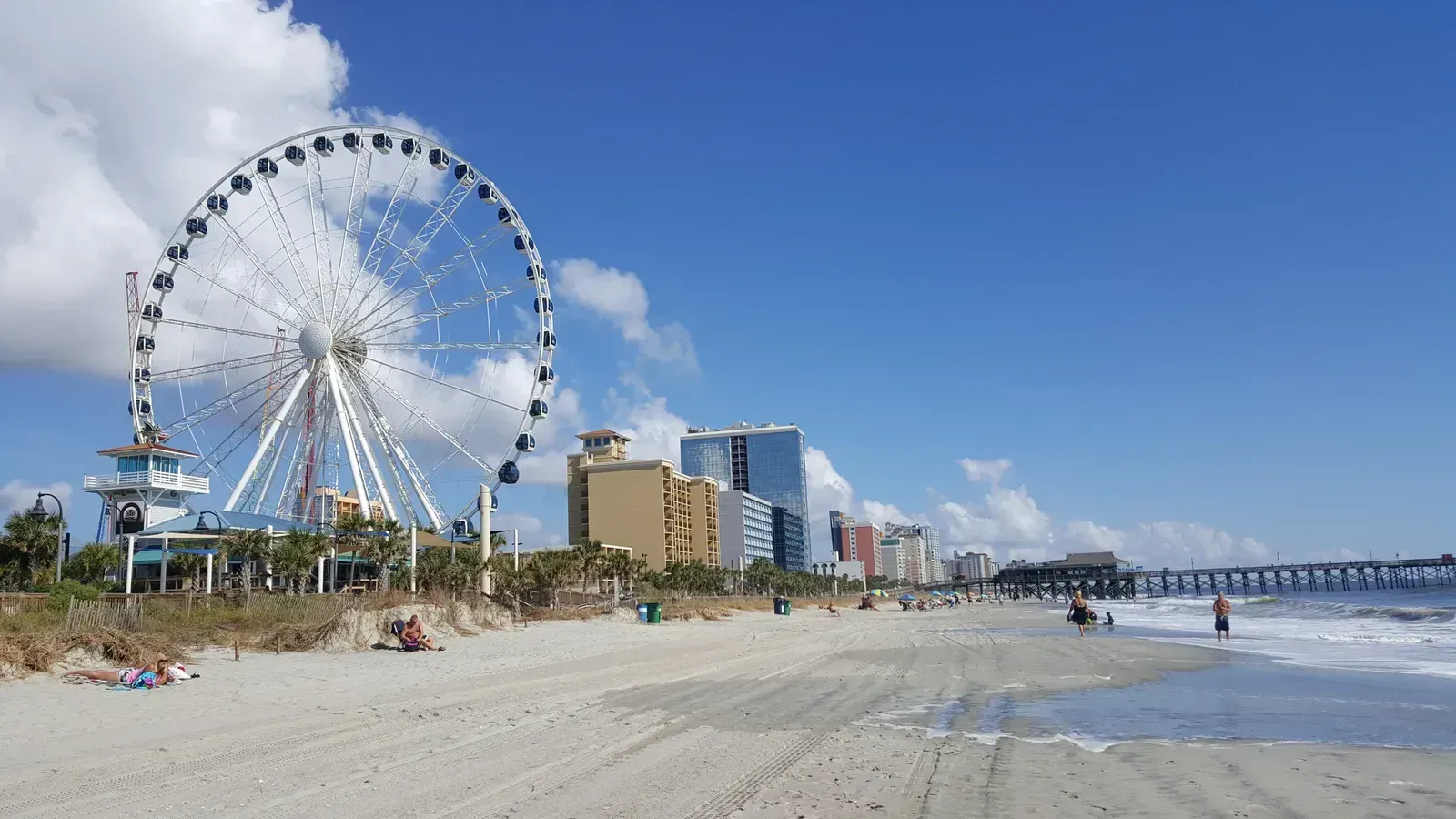
Myrtle Beach might be the most surprising entry on this list. On the surface, it looks like a cheerful family beach town. Miniature golf, seafood buffets, miles of coastline. Here’s the thing, though. According to Axelrod and Associates, the violent crime rate for Myrtle Beach in 2025 was estimated at approximately 49.31 per 1,000 residents. For 2024, the robbery rate was around 262 per 100,000 people.
The rate of violent crime surpasses both the state average for South Carolina and the national average, indicating greater exposure to acts of violence for residents and visitors alike. Local commentary notes declines in “Part 1” violent offenses in recent years, although the absolute level remains elevated. Property crime is especially prevalent. Property crimes form the bulk of incidents and represent the principal exposure for both residents and tourists. The influx of tourists and seasonal population increases may complicate per-capita metrics, as law enforcement and reporting are challenged by fluctuating populations.
The frustrating reality about Myrtle Beach is that its very popularity is part of the problem. Seasonal surges of tourists create ideal conditions for opportunistic theft, and the resort-town atmosphere can make visitors drop their guard. It’s a place where the vibe says “relax completely” but the data says “watch your belongings very carefully.” That disconnect is exactly what makes it stressful for many families who expected a carefree getaway.