Renovation Regrets: 9 Home Improvements That Actually Lower Your Property Value
You pour your heart, your savings, and months of stress into renovating your home. You imagine a higher appraisal, faster offers, and buyers fighting over the keys. Then reality hits. Not all home renovations are created equal. Some may cost more than they’re worth and even turn off potential buyers. From swimming pools and themed rooms to high-end light fixtures and garage conversions, many home improvement projects don’t offer a strong return on investment.
The average American household spent $9,322 on home improvement projects in 2024, according to Angi’s annual State of Home Spending report. That’s real money. And a shocking amount of it is wasted on upgrades that quietly eat away at resale value instead of building it. Some of the most popular renovation ideas are actually renovation traps in disguise. Let’s dive in.
1. Converting Your Garage Into Living Space
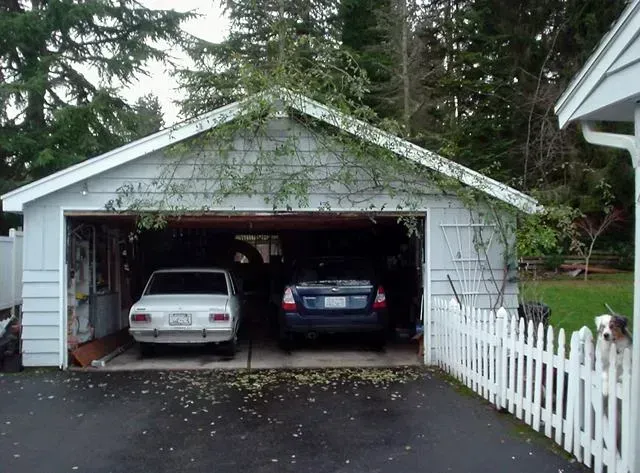
Here’s the thing – losing a garage feels like gaining a room. More square footage, more functionality, right? Wrong. Turning your garage into a gym, office, or extra room might seem like a good idea, but it often backfires. Many buyers want a garage for parking, storage, or hobbies. Losing this feature can make your home less attractive, especially in areas where parking is limited or the weather is harsh.
Most homeowners spend between $6,002 and $27,705 to convert a garage into a livable space, according to Angi, but this renovation project typically doesn’t add value to the home. Meanwhile, listings that mention garages are associated with a slight sales premium of 0.3%, according to Zillow’s 2024 analysis of listings data. It’s not huge, but combined with the cost of conversion, you’re essentially paying a lot of money to reduce buyer interest. Think twice before you swing that sledgehammer.
2. Installing New Wall-to-Wall Carpet
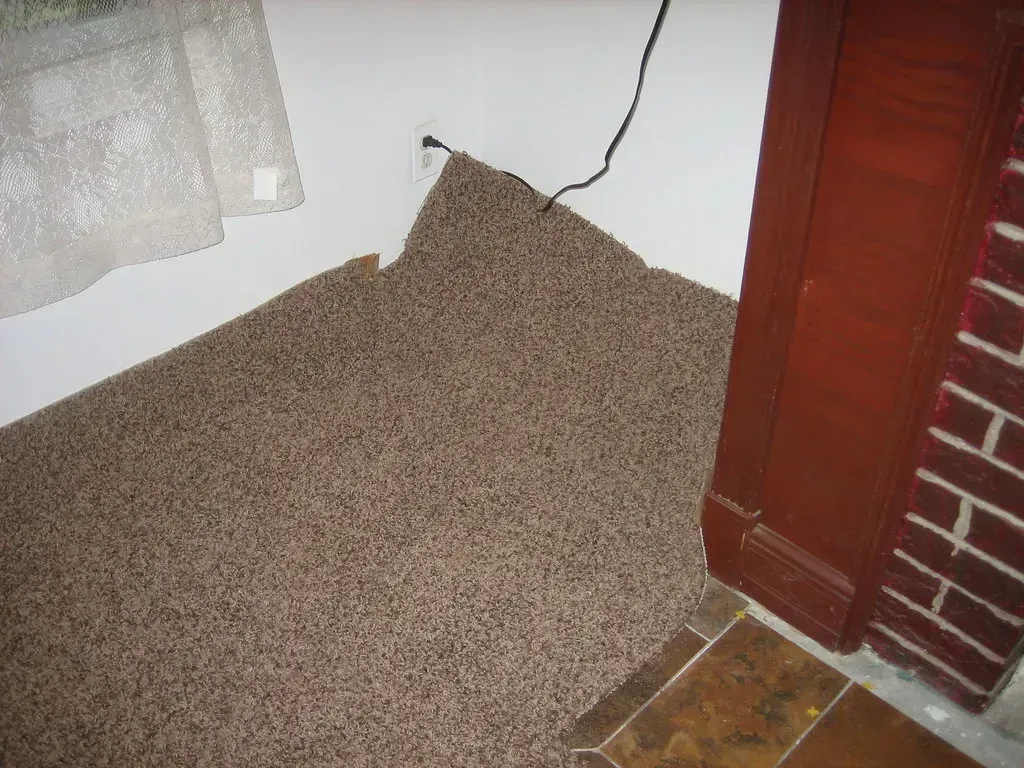
Carpet feels cozy. It looks clean when it’s fresh. I get the appeal, especially in colder climates. Don’t replace old flooring with carpet. Carpet isn’t the most desired flooring choice because it holds dirt, odors, and debris. Therefore, too much carpet – even newly replaced carpet – decreases home values.
For-sale listings that mentioned new carpet sold for slightly less (0.2% less) than comparable homes without it. Buyers, however, are willing to pay a small premium of around 1% for luxury vinyl flooring. According to Realtor.com, home buyers prefer hardwood. Buyers with allergies tend to look for hardwood because it doesn’t harbor dust like carpet does. If you’re replacing flooring, skip the carpet entirely and look at hardwood or quality vinyl alternatives.
3. Over-the-Top or Overly Personalized Landscaping

Landscaping can genuinely be one of your best investments – when done right. The flip side? Going overboard with a personal vision can seriously backfire. Unique and elaborate designs, like specialized gardens or rare plants, might reflect a homeowner’s taste but may not appeal to everyone. Buyers often prefer simple, low-maintenance landscapes over personalized setups that require extra care. Excessive water features, complex flower beds, or intricate pathways could seem overwhelming, especially to buyers who want easy upkeep.
While you may see a lot of native plants and an extensive vegetable garden as a selling point, buyers may see them as a lot of work and upkeep. Realtor.com notes that to get the most value from your landscaping at selling time, keep it tidy and simple with easy-to-care-for flowers, plants and trees. Poor landscaping does the opposite, with homes losing up to 30% of their value, which means you have more to lose with unattractive landscaping compared to landscaping that is aesthetically pleasing. A high-maintenance garden paradise to you is a chore list nightmare to a potential buyer.
4. Luxury Bathroom Remodels That Go Too Far
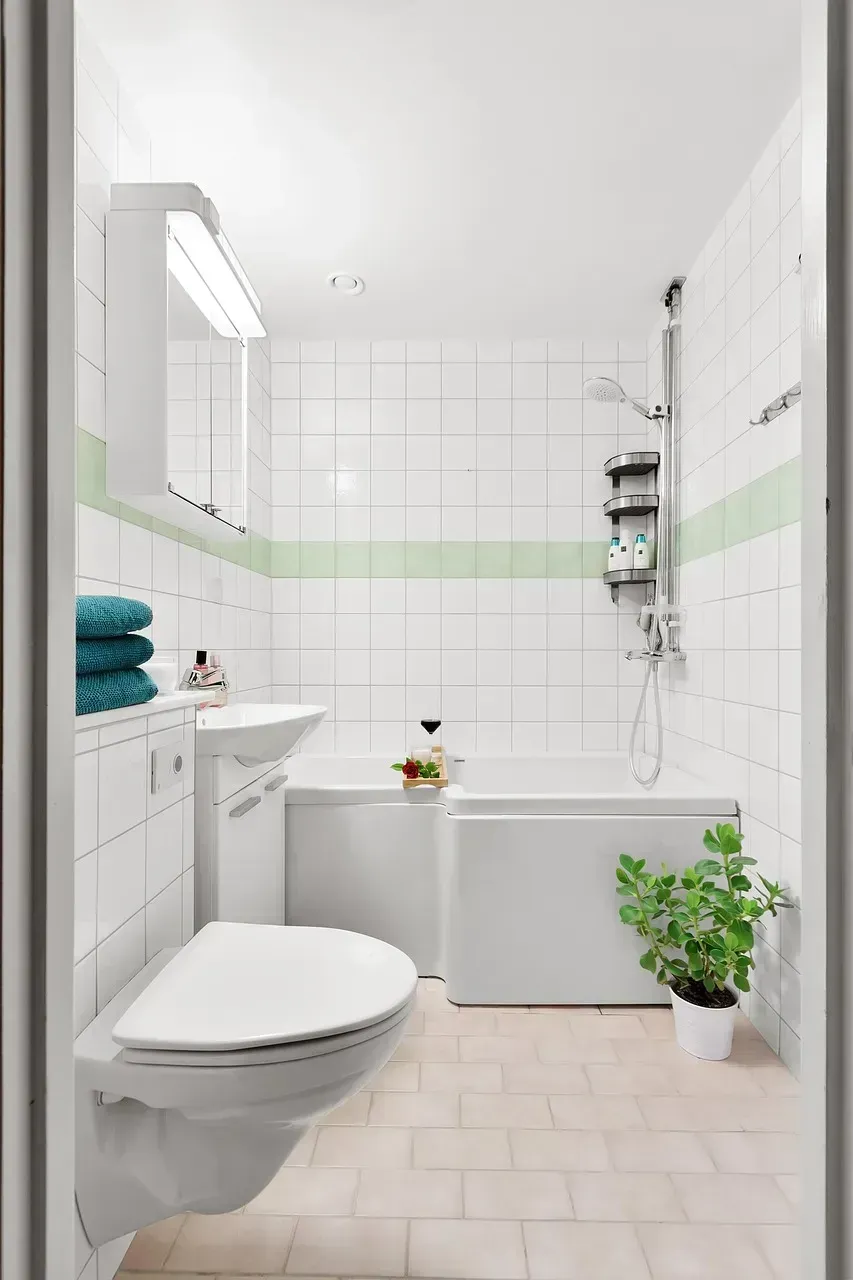
Bathroom renovations are notoriously expensive and notoriously misunderstood. Bathroom remodels are some of the most expensive improvements you can undertake. Even a simple bathroom remodel can set you back tens of thousands of dollars, and won’t necessarily pay for itself when you go to sell. The more luxury bells and whistles you add, the lower your return on investment.
The cost report estimates a $58,500 mid-range bathroom remodel would provide about a 35% return on investment, and an upscale one would return about 33% of the $107,400 such a remodel could cost. That freestanding or whirlpool tub may be your pride and joy, but a buyer may see it as a waste of space, according to Realtor.com. Overly opulent bathrooms definitely fit in the category of projects that will actually hurt your home’s resale value. Sometimes, less truly is more.
5. Building a Swimming Pool
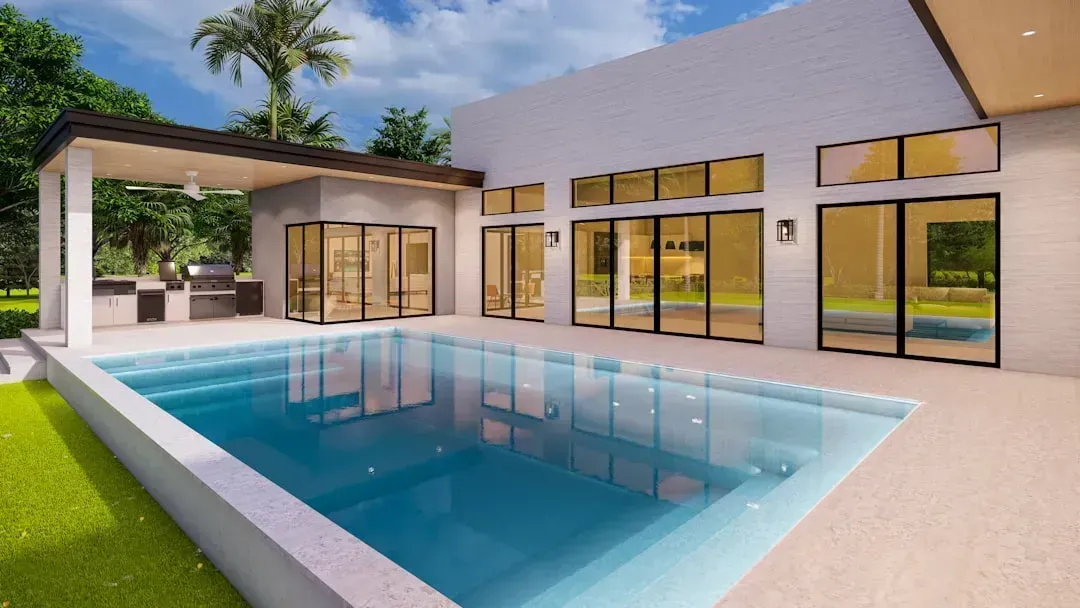
Nothing screams “summer dream” like a backyard pool. And nothing screams “extra insurance premiums and liability” to a hesitant buyer. Prospective buyers often view pools as liabilities rather than assets unless they are common in the neighborhood or part of a high-end home. It’s a deeply divisive feature that instantly cuts your buyer pool in half.
A fiberglass in-ground pool can set you back about $22,000, according to the home services website Thumbtack, which calculated the national average cost of installing a pool over the last four years. Add in fencing and landscaping, and you’re looking at an investment of about $32,000, according to Thumbtack. A Kiplinger report shows the average expense to maintain a standard 14-ft. x 28-ft. pool is $177 a week, which doesn’t include repairs and insurance it may require. That’s before a single cannonball is ever launched.
6. Reducing the Bedroom Count
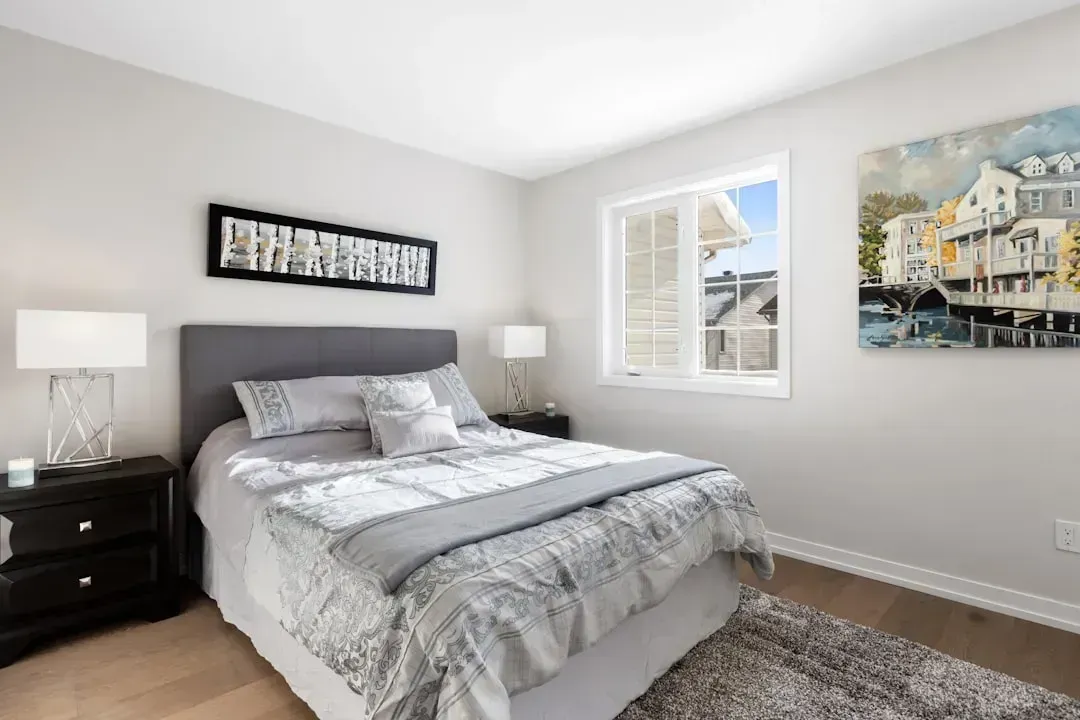
This one surprises a lot of people. Combining two smaller bedrooms into one spacious master suite sounds like a generous upgrade. Honestly, it can feel that way to you as a homeowner. While open floor plans are desirable, reducing the number of bedrooms can significantly decrease the value of your home. Bedrooms are valuable assets as they provide private spaces for family members or can be repurposed as guest rooms or home offices. Reducing the number of bedrooms limits the potential buyer pool and may devalue your property.
Room count is one of the determining factors in home appraisals and market value assessments. While open floor plans are in, combining bedrooms isn’t a great idea. Generally, fewer bedrooms will result in a lower appraised value. If you combine bedrooms, you’ll decrease your home value. You may like big bedrooms, but that doesn’t mean potential buyers will. If you combine two small bedrooms to make one big bedroom, you may turn off buyers looking for more bedrooms to accommodate a growing family.
7. Walk-In Closets at the Expense of a Bedroom
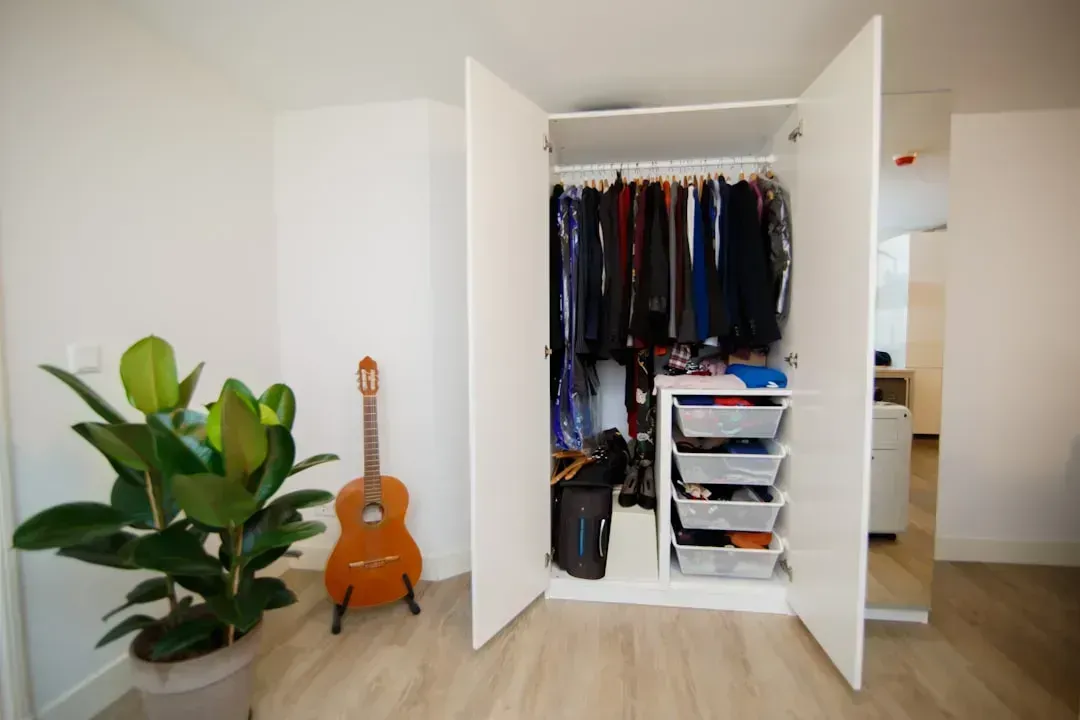
A walk-in closet feels like a luxury. And it is, sort of. The problem is when it comes at a real structural cost. According to Zillow’s 2024 data, walk-in closets can lower a home’s sale price by about 0.5%. If installing one requires sacrificing a bedroom, it may do more harm than good. Since many buyers search for homes based on bedroom count, removing an extra bedroom for closet space can limit interest.
Bedrooms directly contribute to a home’s value, while a larger closet is often seen as a bonus, not a necessity. Think of it this way: a buyer searching for a four-bedroom home will never even see your listing if you converted that fourth room into a wardrobe. You’ve essentially hidden your home from an entire segment of motivated buyers before they ever click your listing.
8. High-End Kitchen Renovations Out of Proportion With the Neighborhood
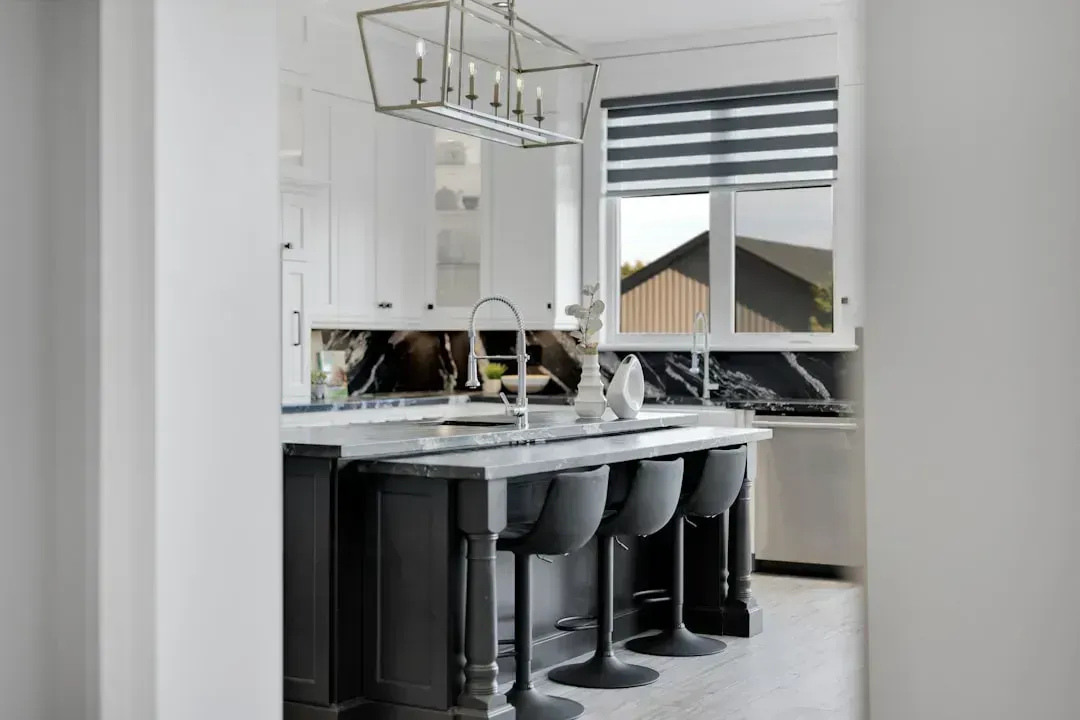
Kitchens sell homes. That’s the real estate mantra everyone repeats. The dirty secret? Over-renovating a kitchen can actually hurt you. A high-end kitchen may seem appealing, but it can hinder the sale of a house if it doesn’t match the overall value and style of the area. Going too extravagant on a kitchen renovation may not yield a significant return on investment since potential buyers may not be willing to pay a premium price for a kitchen that doesn’t align with the neighbourhood’s standards.
Buyers want an upgraded kitchen, but renovating your kitchen high-end won’t guarantee you’ll get your money back when it’s time to sell. A major kitchen remodel typically returns about 59% of your investment, according to a CNBC report. A top-of-the-line commercial stove and imported marble counters may look impressive, but they could push your kitchen renovation costs far beyond what potential buyers in your area are willing to pay. Match the neighborhood, not your Pinterest board.
9. Unpermitted Renovations and DIY Gone Wrong
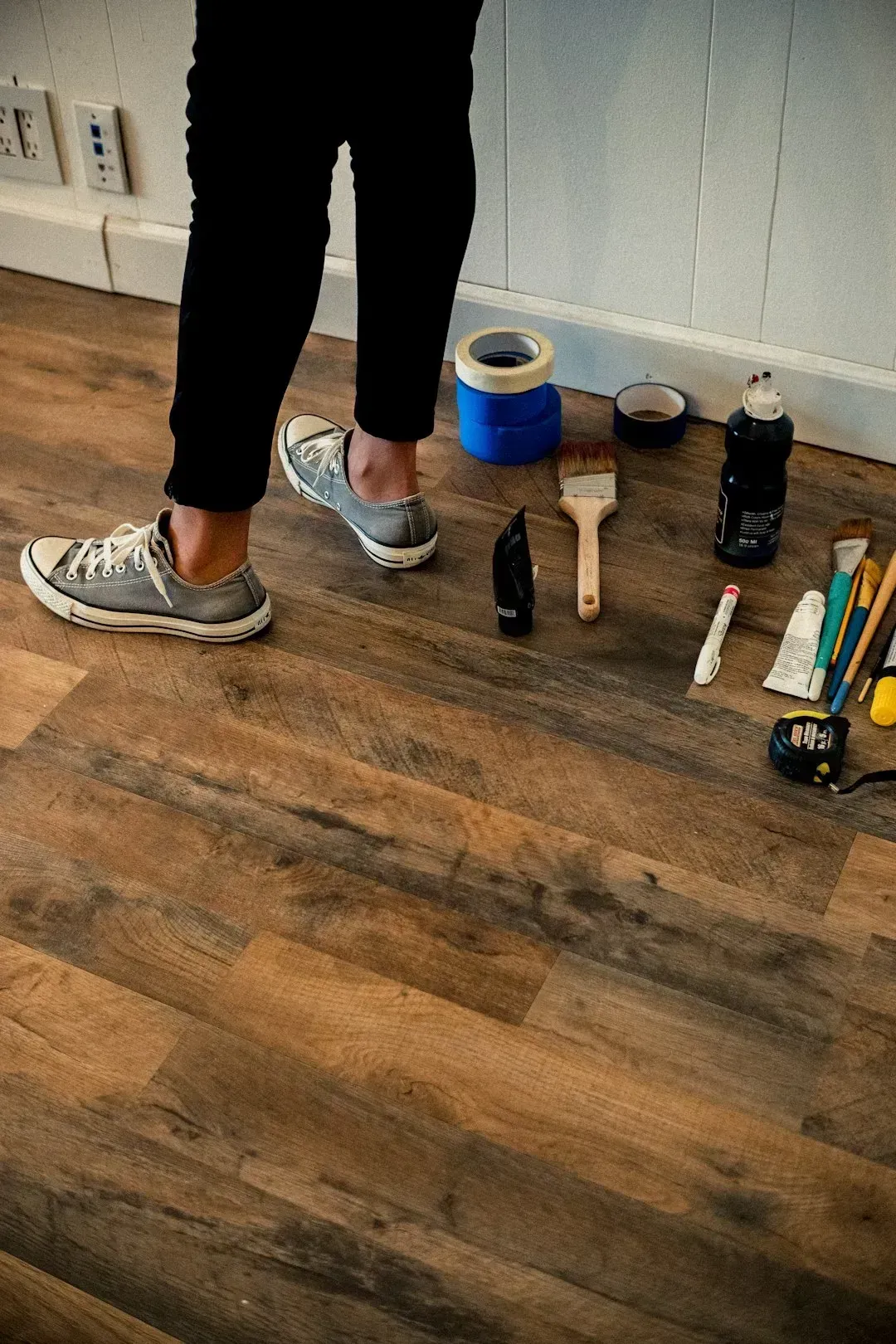
Let’s be real. Watching a YouTube tutorial and then rewiring your own basement feels empowering until it’s time to sell. Unpermitted work can significantly decrease a home’s resale value and desirability for buyers. When considering a property, buyers often look for a home that is safe, up to code, and free from any potential legal issues. Many buyers will ask for unpermitted work to be torn out and replaced with permitted work, and those that don’t may offer less money.
While DIY projects like garage remodels can save money upfront, they often don’t add value, especially if the work isn’t up to code or completed with permits. Potential buyers may see renovations like DIY bathroom remodels as red flags, leading to delays, renegotiations, or even a lower sale price. Issues like faulty wiring, poor plumbing, or structural concerns can also raise liability concerns. If building permits are forgotten, this could result in code violations. Ultimately, this issue could also affect insurance claims, such as those caused by bad wiring or plumbing. The cost of paying for any fire or flood damage could result in thousands of dollars out of your pocket. No renovation project is worth that kind of exposure.