Why CO₂ May Not Be the Ultimate Climate Villain We’ve Been Told It Is
Carbon dioxide has become climate science’s most recognizable character, often cast as the lead antagonist in our warming planet’s unfolding drama. Walk into any environmental debate, and CO₂ will likely be front and center, shouldering blame for rising seas, melting ice caps, and increasingly erratic weather patterns. Yet recent research suggests this narrative might be oversimplified. While nobody’s claiming CO₂ is entirely innocent, a growing body of evidence reveals that its role in climate dynamics is far more nuanced than headlines often suggest. The real story involves multiple players, unexpected benefits, and context that gets lost when we reduce complex atmospheric chemistry to simple villains and heroes.
Think of it this way: blaming everything on one gas is a bit like diagnosing every illness with a single symptom. Let’s dig deeper into what the latest science actually tells us.
Earth Has Thrived Under Much Higher CO₂ Levels Throughout History
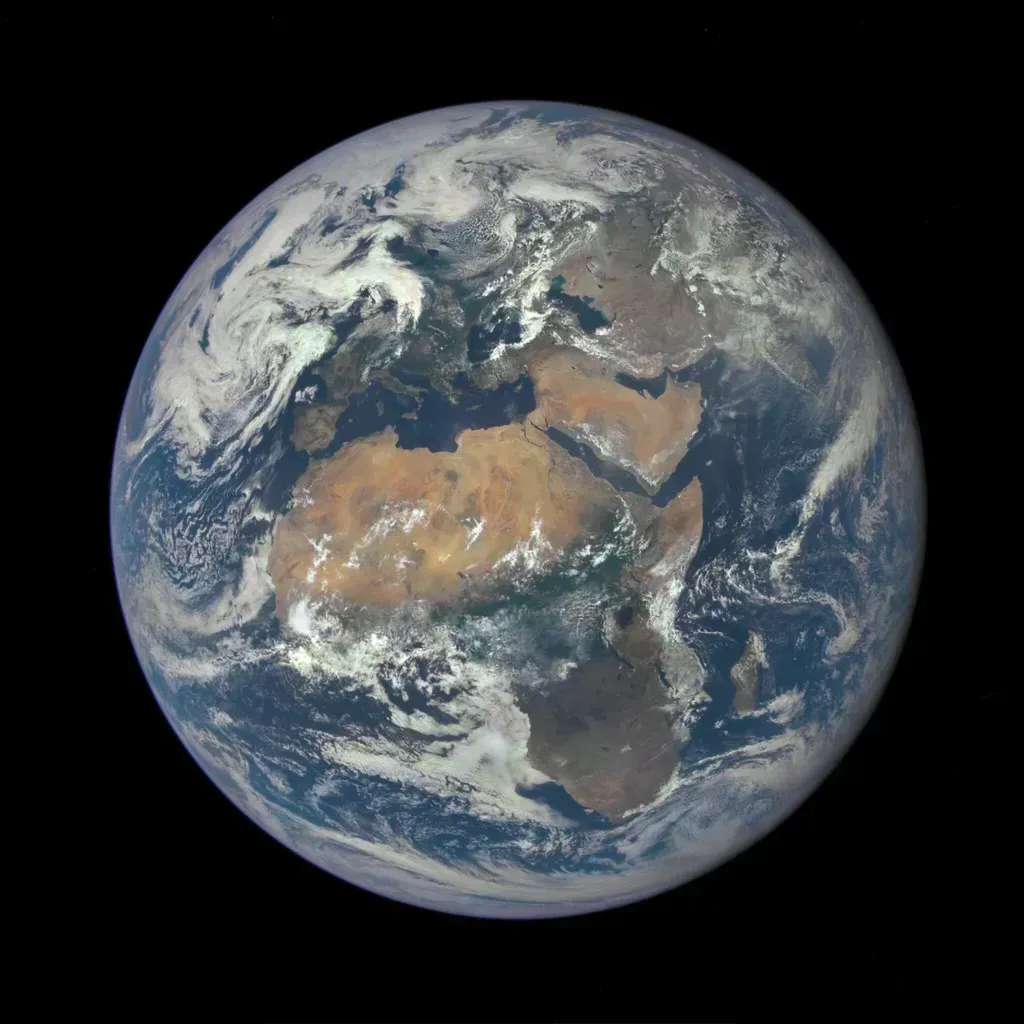
Our planet experienced atmospheric CO₂ concentrations at roughly 420 ppm around 14 million years ago, with temperatures approximately 2 to 3.5 degrees Celsius higher than pre-industrial periods. Geological evidence shows atmospheric CO₂ levels were estimated between 2,000 and 4,000 ppm roughly 400 million years ago, and remained at or above 1,000 ppm for much of the interval from 200 to 50 million years ago. During these epochs, life didn’t just survive but flourished spectacularly.
Plants and animals evolved under much higher CO₂ levels than at present. Honestly, the history should give us pause before declaring current levels catastrophic by default. During the Oligocene era, 33 to 23 million years ago, CO₂ levels reached today’s concentrations while temperatures remained 4 to 6 degrees Celsius higher than present day. The planet adapted, ecosystems thrived, and biodiversity exploded during many of these warmer periods.
Framing our current situation requires this historical perspective. Yes, the rate of change matters tremendously. Yet Earth’s geological record demonstrates that elevated CO₂ isn’t automatically a death sentence for planetary health.
CO₂ Is Actually Greening the Planet and Boosting Plant Growth
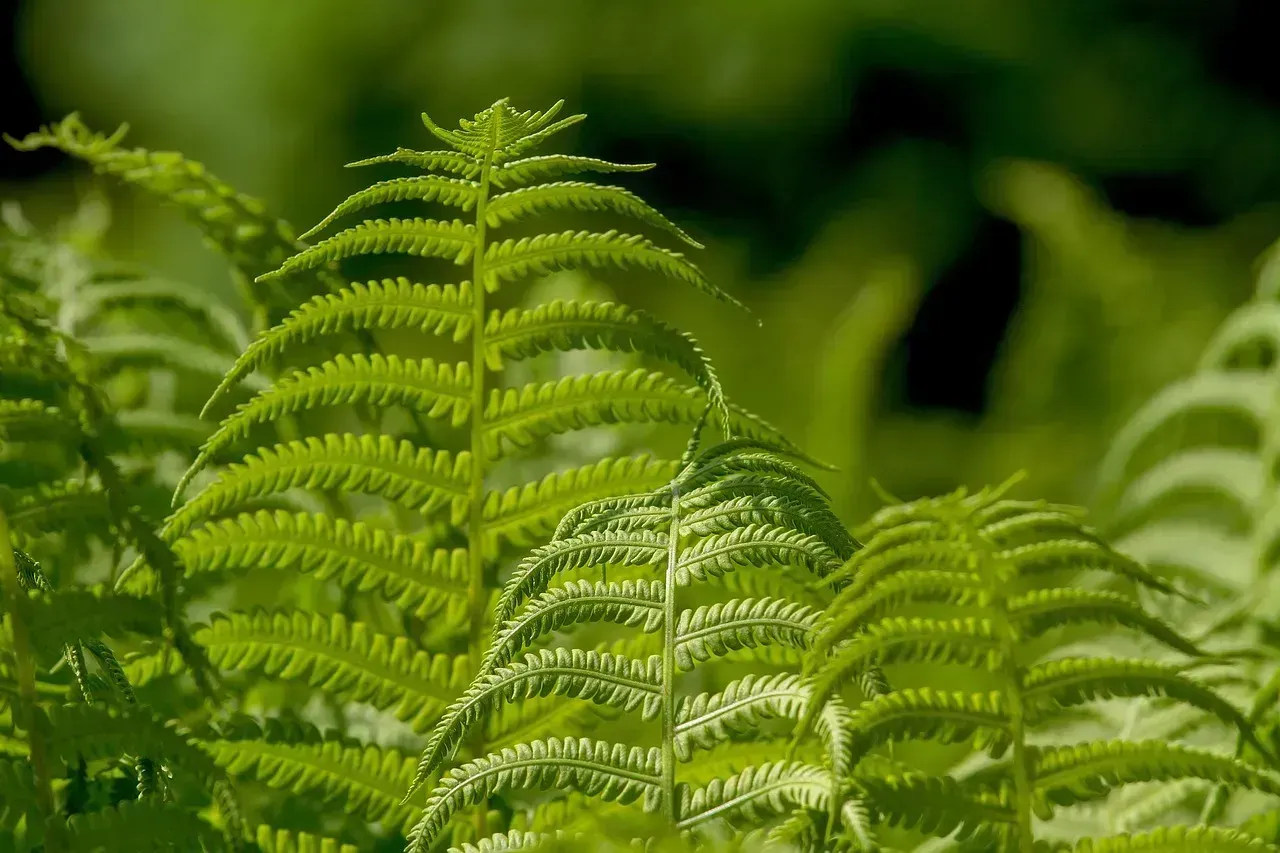
Here’s something that rarely makes it into climate disaster headlines: a quarter to half of Earth’s vegetated lands has shown significant greening over the last 35 years largely due to rising levels of atmospheric carbon dioxide. Research showed that carbon dioxide fertilization explains 70 percent of the greening effect. Satellite data doesn’t lie, and what it reveals is remarkable.
The greening represents an increase in leaves on plants and trees equivalent in area to two times the continental United States. Plants essentially breathe CO₂, using it during photosynthesis to generate energy and build biomass. Higher concentrations of CO₂ in the air both allow easier photosynthesis and enable plants to use less water in the process, with agricultural scientists having long known about the benefits of additional CO₂ for plant growth.
Greening is happening in most drylands globally despite increasing aridity, with the primary reason being the 50 percent rise in carbon dioxide concentrations since preindustrial times. From Africa’s Sahel to western India and northern China, vegetation is expanding where models predicted desertification. Natural nitrogen fixation has been overestimated by about 50 percent in major climate models, which means some CO₂ benefits might still exceed current projections even with nutrient limitations.
Water Vapor and Methane Pack Far More Warming Punch Than CO₂
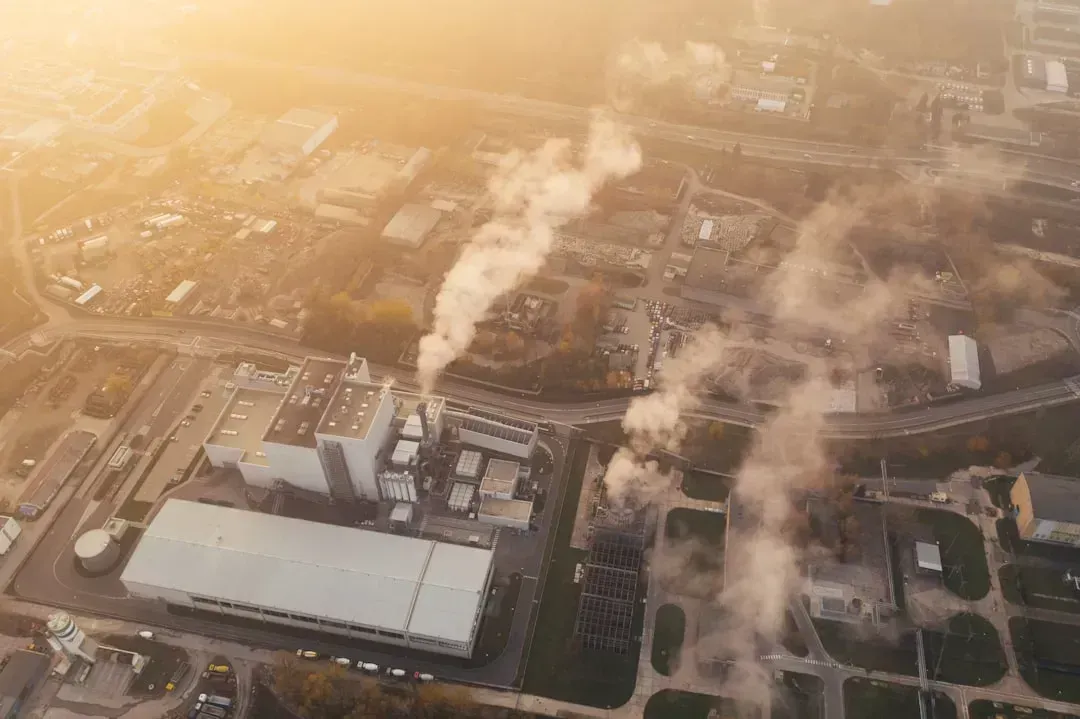
Water vapor causes about half of the greenhouse effect, acting in response to other gases as a climate change feedback. Let’s be real: water vapor is the atmosphere’s most abundant greenhouse gas, yet it receives a fraction of the attention given to carbon dioxide. Methane has a global warming potential over 20 years of 81.2, meaning a leak of one tonne of methane equals emitting 81.2 tonnes of carbon dioxide over that timeframe.
Other greenhouse gases including methane, nitrous oxide, halogens, and ozone currently add another 75 percent to CO₂’s warming. Methane deserves particular scrutiny given its potency. While methane does not last as long in the atmosphere as CO₂, it is much better at trapping heat. The globally averaged methane concentration in 2024 reached 1942 parts per billion, an increase of 166 percent above pre-industrial levels.
Focusing obsessively on carbon dioxide while ignoring these other powerful climate drivers creates blind spots in our understanding. A pound of nitrous oxide gas has the equivalent warming effect of 300 times that of one pound of carbon dioxide. The narrative that pins everything on CO₂ misses significant pieces of the atmospheric puzzle.
Climate Sensitivity to CO₂ Doubling Remains Highly Uncertain
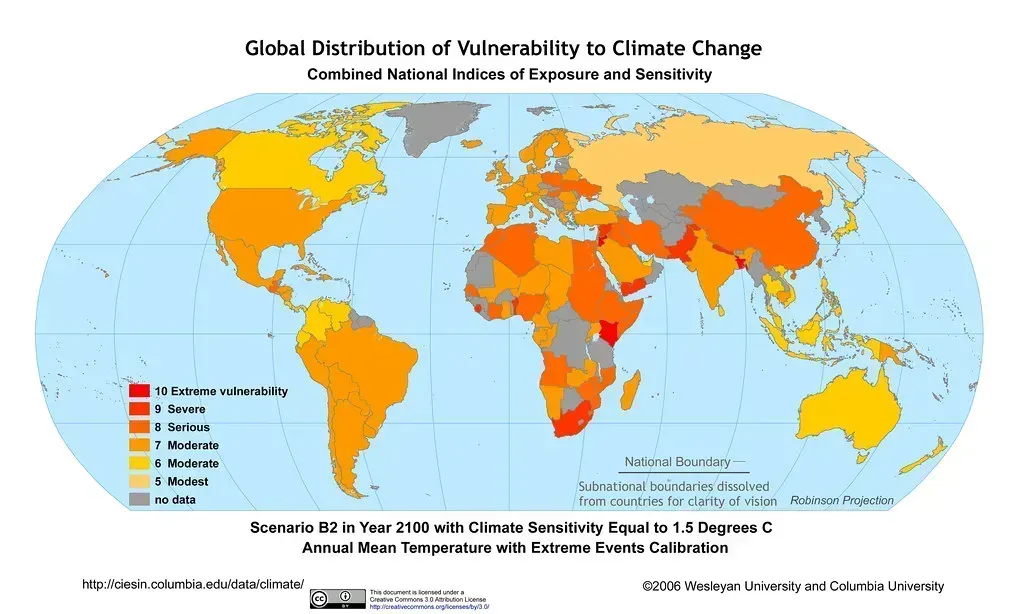
Recent research narrowed the range of estimates of Earth’s climate sensitivity by more than 43 percent, from the previously accepted range of 1.5 to 4.5 Kelvin to a narrower range of 2.6 to 3.9 Kelvin. Still, that’s a massive spread with profound implications. For many years estimates have put climate sensitivity somewhere between 1.5 and 4.5 degrees Celsius of warming for a doubling of pre-industrial CO₂ levels, with this range remaining stubbornly wide despite many individual studies claiming to narrow it.
New research analyzing the most recent ice age finds that while most future warming estimates remain unchanged, the absolute worst-case scenario is unlikely. The flipside is that the most dire predictions for warming from rising CO₂ are less likely over coming decades, with research bringing down the upper end of future warming and saying the most extreme scenario is less likely. I know it sounds crazy, but the science keeps refining itself, often toward less catastrophic projections.
It’s hard to say for sure, but uncertainty in climate models remains substantial. The effective heat capacity changes over time as the ocean mixes heat into deeper regions, and feedbacks, particularly from clouds, can also differ between periods of transient warming and equilibrium. These complexities make pinning down exact warming predictions extraordinarily difficult.
Natural Climate Cycles and Other Factors Deserve More Credit

The likely reason for record CO₂ growth between 2023 and 2024 was a large contribution from wildfire emissions and reduced uptake by land and ocean, with El Niño causing CO₂ levels to rise because the efficiency of land carbon sinks is reduced by drier vegetation and forest fires. Natural variability plays enormous roles that often get overshadowed by the CO₂ fixation.
The ocean sink has been stagnant since 2016 after rapid growth during 2002 to 2016, largely in response to large interannual climate variability, with the ocean CO₂ sink averaging 2.9 gigatonnes of carbon per year during the decade 2014 to 2023. Warm episodes began with small increases in incoming sunlight in the Northern Hemisphere due to variations in Earth’s orbit and axis of rotation, with extra sunlight causing warming that led oceans to outgas CO₂, which then greatly amplified the initial solar-driven warming.
Solar variations, ocean circulation patterns, and volcanic activity all contribute meaningfully to climate dynamics. Understanding recent warming requires identifying not just the warming effects of CO₂ but also the more uncertain cooling effects of aerosols. Attributing every temperature fluctuation solely to human CO₂ emissions ignores the planet’s inherent complexity and the multiple forcings constantly at work.
The relationship between CO₂ and climate proves far messier than simple cause-and-effect narratives suggest. Any benefits of CO₂ fertilization may be temporary and are outweighed by negative consequences of climate change such as extreme weather, sea level rise and ocean acidification, yet acknowledging nuance doesn’t mean abandoning environmental responsibility. Rather, it means pursuing smarter, more targeted interventions based on comprehensive understanding instead of singular blame games. What would you have guessed about CO₂’s complex role before reading this?