If You Wear These 10 Items to the Airport, You Might Annoy Other Travelers
Flying has never been a relaxed affair. Long lines, packed terminals, overpriced sandwiches that somehow cost more than your first car payment. Most of us are just trying to survive the whole ordeal with our sanity intact. What almost nobody talks about, though, is how much what you wear can make the entire experience worse – not just for you, but for everyone around you.
What you wear to the airport matters more than you think, not just for your own comfort, but for everyone sharing that terminal with you. From seasoned TSA agents to travel etiquette experts, the consensus is clear: certain clothing choices turn a manageable journey into a collective nightmare. Curious which items make the list? Read on – some of these might genuinely surprise you.
1. Heavily Bedazzled or Sequined Tops
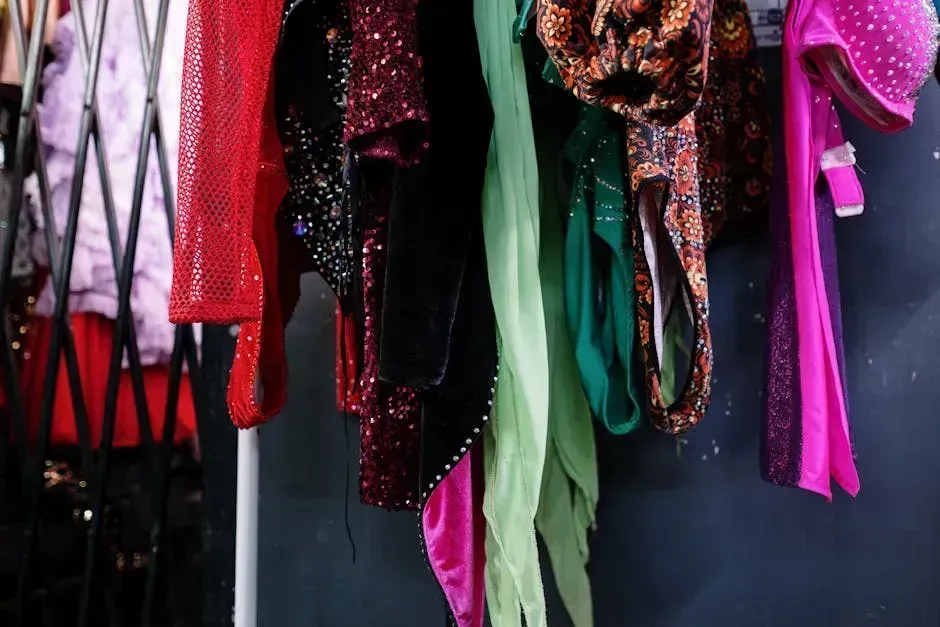
Sparkles belong at weddings, not at security checkpoints. Honestly, I get it – a sequined top photographs beautifully, and the airport has become its own kind of photo op for a lot of people. The problem is that when you step through a body scanner dressed like a disco ball, things slow down fast.
Former TSA agent Jasmain Washington told the Huffington Post that bedazzled clothing is a fashion choice worth avoiding at the airport, because the intricate embellishments and sequins can actually set off sensitive security scanners, leading to additional screenings including wanding and pat-downs that slow down the entire process. This could even prevent you from getting to your gate on time.
While many travelers may want that touch of sparkle in their outfits, the intricate embellishments and sequins can actually set off the sensitive scanners. This can lead to additional security screenings – including with the wand and pat-downs – and may slow down the security process. This could even prevent you from getting to your gate on time. The person standing behind you in line feels every single second of that delay.
2. Oversized, Extremely Baggy Clothing

Here’s the thing: wearing a massive, shapeless hoodie to the airport might feel like the ultimate comfort move. But it sets off alarm bells for security agents – and not just metaphorically.
Former TSA agent Kimberly Pruitt explained to Insider that TSA agents are required to inspect travelers wearing baggy clothing to ensure they are not concealing dangerous or banned objects. The TSA officially defines bulky clothing as any garment that is very loose or does not conform to the contour of the person, including oversize pullover hoodies, large sweaters, cardigans, and ponchos, and if a traveler cannot or refuses to remove such items, additional screening will occur.
It’s not just baggy sweaters and oversized pants that are red flags; maxi skirts and large dresses might lead to extra inspections and a pat-down, too. Think of it like showing up to a timed race in a winter parka – it’s technically allowed, but it’s going to slow everyone down, including you.
3. Flip-Flops and Open-Toed Sandals

Uploaded by SchuminWeb, CC BY 2.0)
Flip-flops feel casual and breezy. They do NOT feel casual when you’re walking barefoot across an airport floor that sees millions of shoes every single day. Let’s be real – those floors are not getting the same deep clean as your kitchen.
Flip-flops force you to go sockless through security, exposing feet to floors teeming with contaminants. Passengers ahead shudder, knowing those feet might end up near their seats later. It’s gross and spreads worry about germs.
Sandals may look cute and flip-flops may seem like a convenient TSA hack, but they won’t keep you warm or protect your feet from those airport floors. Open-toed shoes like slides and wedges also offer little to no support. Standing in line to check in, then to drop your bags off, followed by security, and to board and de-board takes up a bulk of your airport routine. Bare feet slapping across terminal tiles is a sound that nobody on earth enjoys.
4. Metal-Heavy Belts with Large Buckles
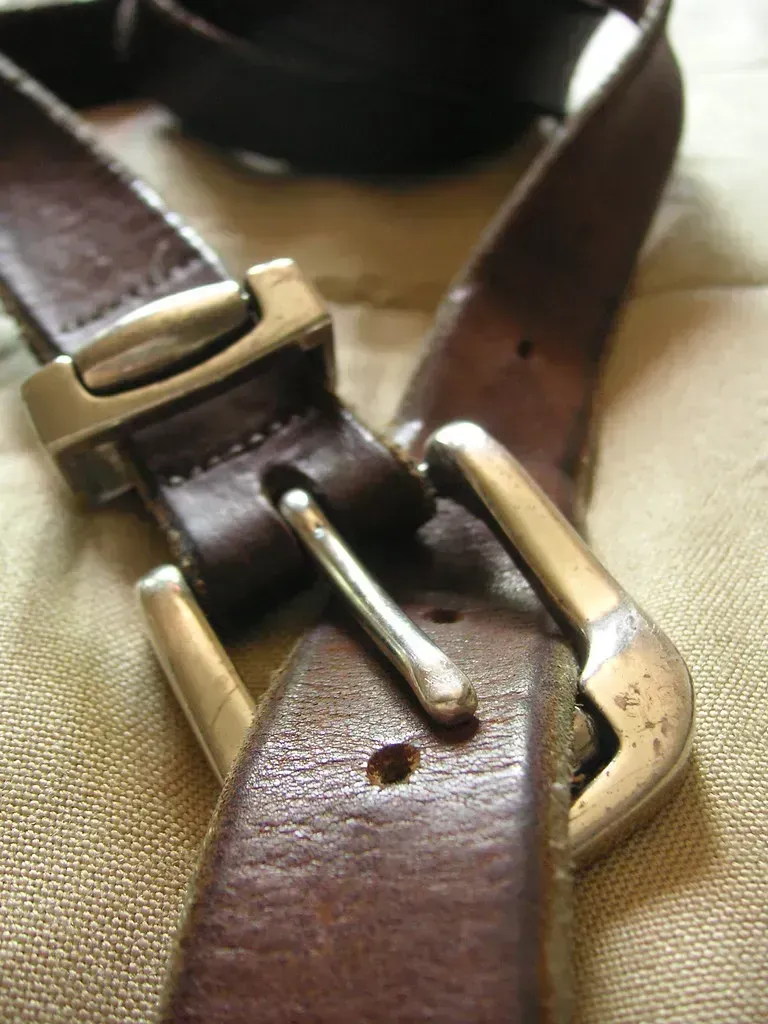
A chunky belt buckle looks great with a pair of jeans. At airport security, it basically functions as a little alarm clock that goes off exactly when nobody wants it to. Every single time.
Heavy jewelry, layered belts, metal snaps, tall boots, and dense outerwear all raise the odds of an alarm and a follow-up check. The slower part of that process is not the scan itself, it is everything that comes after: stepping aside, removing items, rescanning, and repacking while the line keeps moving without you. Belt buckles can easily cause issues, and if you want to travel efficiently, choosing a belt-free outfit or preemptively removing your belt and putting it in the bin is the smarter move.
For every traveler who wears a belt, there’s a TSA agent keeping an eye out to remind them to take it off. That’s because the metal buckle will inevitably set off the metal detectors. Simple elastic-waist options aren’t just for comfort – they’re genuinely the faster, kinder-to-everyone choice.
5. Full Pajamas and Sleepwear Ensembles

This one is genuinely controversial right now, and I think that’s worth acknowledging. The debate has exploded online. On one side you have comfort-seeking passengers – totally valid – and on the other, those who see pajamas as a step too far for a shared public space.
Secretary of Transportation Sean Duffy recently lamented the rise of casual dress among airline passengers, calling for travelers to “go back to an era where we didn’t wear our pajamas to the airport.” However, recent YouGov polling finds this is not among Americans’ major concerns when it comes to air travel: passengers dressing too casually ranks last out of 26 issues for the share of Americans that considers each to be a major problem.
The debate has been fierce on social media, with many passengers pushing back, arguing that airlines have made flying so miserable that comfort is now a necessity. That forces them to turn to other ways to find comfort – like wearing pajamas. It’s hard to say for sure where the line is, but full sleepwear in a shared terminal does tend to earn a few sideways glances from fellow travelers.
6. Complicated Layered Outerwear Without a Plan
Layers are smart travel strategy. Unplanned, chaotic layers? That’s a security line disaster waiting to happen. There’s a meaningful difference between the person who smoothly removes their jacket at the bin and the person who’s wearing a zip-up over a hoodie over a cardigan and somehow forgot all three exist.
Airport screening requires travelers to remove coats and jackets – and this includes outerwear like hoodies, sweatshirts, and vests – before going through the metal detector at TSA security. According to results from a USA Today Blueprint survey, roughly six in ten travelers have made a mistake at a TSA checkpoint in the last five years. Unprepared outerwear is a major contributor to that stat.
Wearing a long-sleeve shirt underneath your outerwear is the classic pro move if you’re worried about staying warm while waiting, keeping you both comfortable and prepared. Think of getting dressed for the airport the same way you’d think about packing a carry-on: everything needs to be easily accessible. One smooth removal. That’s all anyone behind you is asking for.
7. High Heels and Stilettos
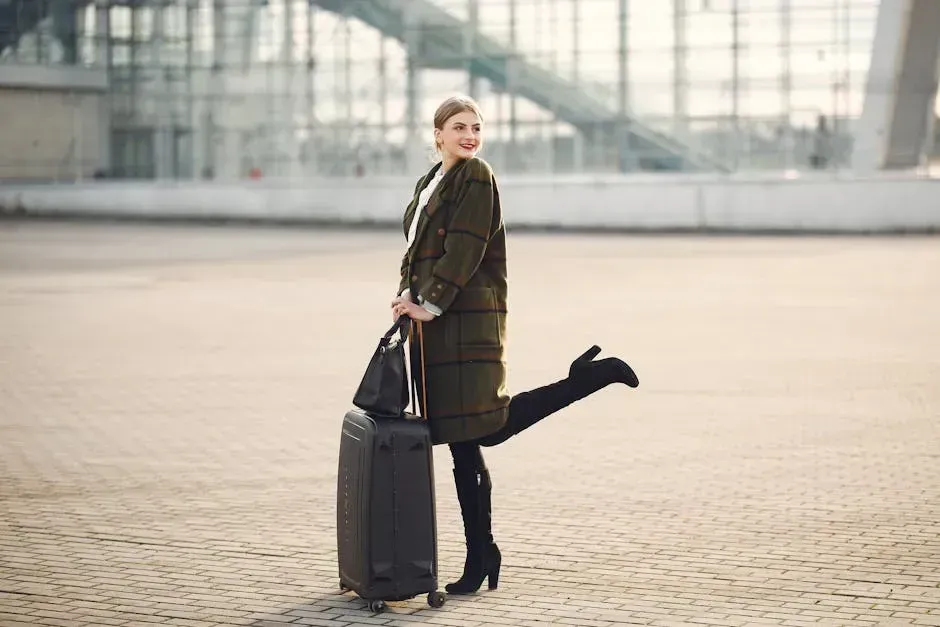
High heels at the airport is one of those fashion choices that looks undeniably powerful and also makes absolutely zero practical sense. I think anyone who has sprinted down a terminal in stilettos knows exactly what I mean.
Picture this: you’re passing through security, and the dreaded moment arrives – the TSA agent asks you to remove your shoes. You have no choice but to take off your stilettos. Not only are they hard to take on and off, which might earn you a couple of glares from passengers behind you, but once you’re shoeless, you’ll have to navigate the airport floor barefoot. Even if you think you can brace yourself for a few minutes while you walk through the metal scanners, stilettos are an uncomfortable choice.
Even travelers with TSA Pre-Check will probably be asked to take heels off anyway, because of the metal in the heels. Even the shank – connecting the heel to the sole – as well as the heel itself, are often metal. This triggers the alarm, causing supplemental screening. A chic loafer or clean sneaker gets you everywhere faster. And with significantly less wobbling.
8. Cargo Pants Loaded with Forgotten Items in Every Pocket

Cargo pants have made a massive fashion comeback. In theory, all those pockets are incredibly useful for travel. In practice, at the security checkpoint, they become a slow-motion disaster that the entire line gets to witness together.
Those multi-pocket wonders seem practical until security. TSA agents call them a top hassle, as forgotten keys or lighters hide in flaps, setting off alarms repeatedly. You empty one pocket after another, stalling the queue. Irritated travelers tap feet behind you.
It would be helpful to stay away from clothing that has too many pockets, zippers, or metal adornments, which can set off the alarm or make screening slower. Avoiding oversized accessories or items that are difficult to remove is also wise. When you keep your dressing simple, TSA easily sees you as just another traveler. Pre-emptying every pocket into your bag before you even get in line is the move seasoned travelers swear by.
9. Offensive or Aggressive Graphic Tees
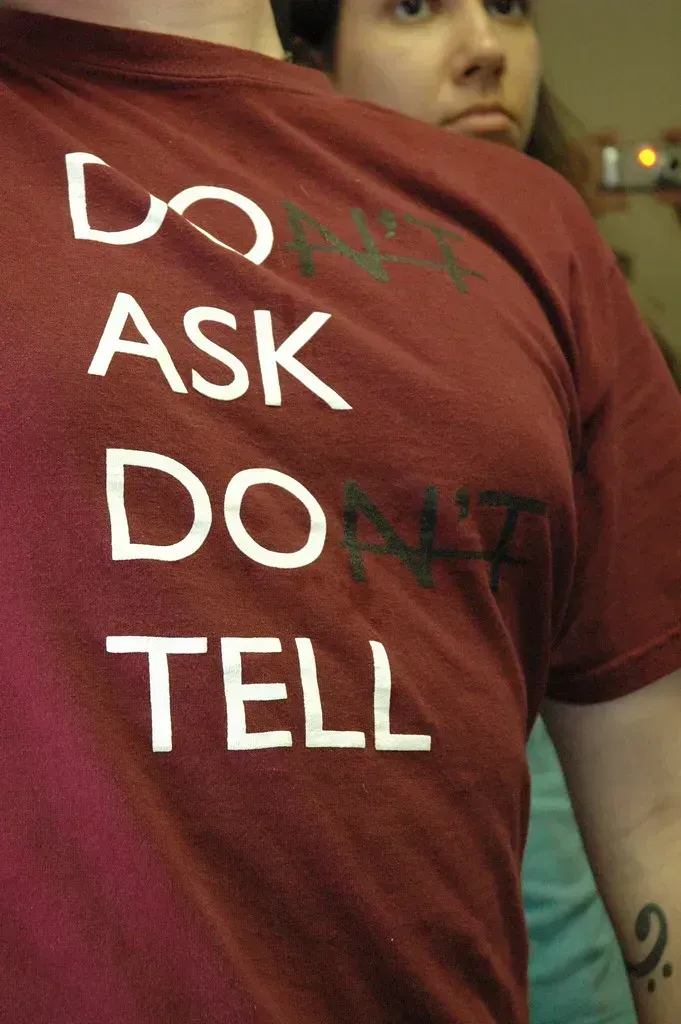
Freedom of expression is real and valid. Wearing a shirt covered in crude language or threatening imagery onto a plane full of families, children, and people from all walks of life is a different conversation entirely. Airlines have started drawing hard lines here.
Spirit Airlines formally revised its contract of carriage on January 22, 2024, specifying that passengers may be denied boarding for being barefoot or inadequately clothed, wearing see-through clothing exposing private areas, or displaying lewd, obscene, or offensive tattoos or clothing. It is hard to say for sure where the exact line is, since airlines leave it subjective.
Offensive clothing may get you kicked off a plane, but it could also draw extra attention from TSA agents. Stories of flyers being prohibited from planes due to poor wardrobe choices abound, and for most of them, the trouble occurred after they had made it through the screening process. Still, agents may pull you aside for additional screening if they perceive a threatening or questionable message on your T-shirt. The universal rule of thumb here is almost laughably simple: if you wouldn’t wear it to a family restaurant, probably don’t wear it on a plane.
10. Perfume-Drenched Clothing and Heavy Fragrance

Honestly, this one might be the sneakiest offender on the entire list, because the person wearing the fragrance usually has no idea how intense it has become in an enclosed space. A perfume that smells beautiful in your bathroom at home turns into something very different inside a sealed aircraft cabin.
For some, fragrances may trigger “protective throat closure, burning eyes and nose, or headaches.” A study on fragrance sensitivity in the American population found that roughly one in twenty people found scented products on others irritating, nearly one in five reported adverse health effects from air fresheners, and the percentages were significantly higher for individuals suffering from asthma and chemical sensitivity.
Studies have shown that for individuals suffering from migraines, strong fragrances from perfumes or colognes can even trigger a migraine attack. While it’s okay to bring perfume on a plane, it’s advisable to avoid wearing a strong perfume during the flight. Some passengers may suffer from asthma, and certain perfume ingredients could trigger severe reactions. A light touch – or skipping the fragrance altogether on travel days – is one of the easiest, most considerate gifts you can give your fellow passengers.