11 Mistakes U.S. Expats Make in Greece That Locals Quietly Dislike
Greece is enchanting. The light is impossibly golden, the food is outrageously good, and the history will stop you dead in your tracks on a random Tuesday morning. It’s no surprise that more and more Americans are making the leap, with official residence-permit data from the Ministry of Migration and Asylum showing hundreds of U.S. nationals granted investor or residence permits, and that number climbed about 49% year-on-year by the end of 2025.
Yet for all its warmth and beauty, Greece has an intricate social fabric that Americans often misread. Some of the most well-meaning expats quietly rub locals the wrong way without ever knowing it. So let’s get into the mistakes that, while rarely spoken aloud, are absolutely noticed.
1. Ordering “Turkish Coffee” at a Greek Café

This one might seem trivial from the outside, but trust me, it is anything but. In Greece, ordering a coffee isn’t just a casual choice; it’s a part of cultural identity. If you find yourself in a Greek kafeneio and ask for a “Turkish coffee,” you might receive a polite correction or even an eyebrow raise. A straight-up denial of service is not unheard of either, depending on who you run into.
In Greece, Turkish coffee was formerly referred to simply as ‘Turkish,’ but political tensions with Turkey in the 1950s led to the political euphemism “Greek coffee,” which became even more popular after the Turkish invasion of Cyprus in 1974, when Greek-Turkish relations at all levels became strained. The name carries deep national weight. For Greeks, this drink is a part of their culture, and referring to it as “Turkish” invokes a shared history that is often painful, fraught with war, occupation, and political tension. Simply calling it “ellinikos kafes” costs you nothing, and it earns you a lot.
2. Treating Greece Like One Big Tourist Resort
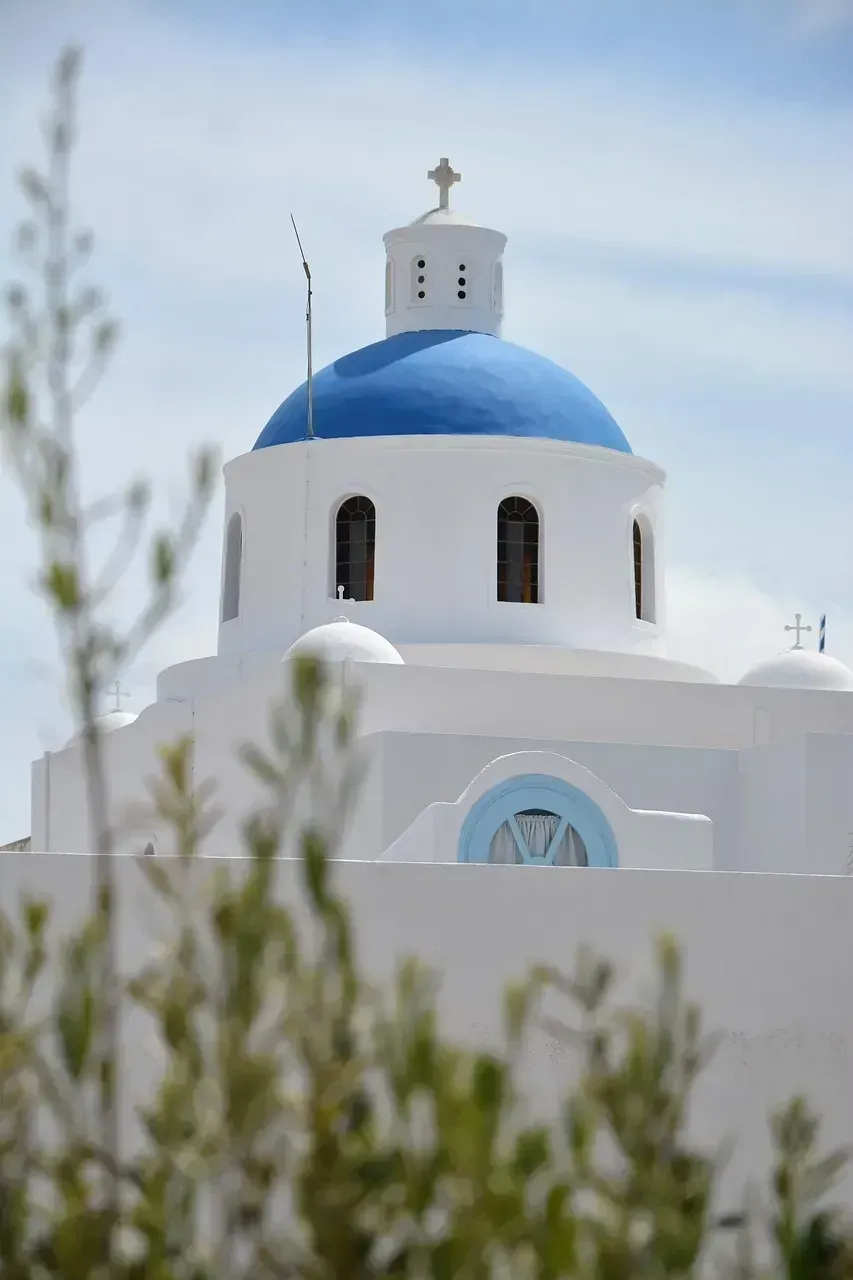
Greece’s tourism sector continued its remarkable post-pandemic rebound in 2024, welcoming a record-breaking 40.7 million international visitors and generating €21.6 billion in travel receipts. That is an enormous number of people, and locals feel it deeply. The rise in visitor numbers has intensified overtourism in several destinations, most notably in Athens, Mykonos, and Santorini, places already struggling with overcrowded streets, strained infrastructure, and real estate pressures.
Residents of the towns that have been dealing with a swell in tourists have argued that the once-positive force is now hurting citizens’ quality of life by pushing housing costs up and turning local neighborhoods into tourist attractions. When U.S. expats arrive and immediately gravitate toward the most Instagram-famous spots, treating entire neighborhoods like theme parks, locals notice. This shift is leading to growing resentment among locals who feel their communities are being sacrificed to meet the demands of tourists, prompting calls for more sustainable tourism practices.
3. Rushing Everything and Expecting American-Speed Service

Here is the thing. America runs on urgency. Greece does not. “Siga Siga” translates to “slowly slowly” and represents the Greek approach to life. Things may move at a slower pace than in other countries, and embracing this mindset can help reduce frustration and stress. Enjoy the slower rhythm and take time to appreciate the small moments.
Greek society is laid back, and the pace of life is slow and relaxed. Locals tend not to rush through their daily routines, and although they do work hard, they enjoy the simple pleasures in life. It may take some time to adjust if you are used to a fast-paced environment, especially in the workplace. Tapping your fingers at a café table, sighing loudly, or barking for your bill is one of the fastest ways to mark yourself as the arrogant American. Greeks sit for hours over a single coffee. That is not inefficiency. That is culture.
4. Refusing Food or Hospitality Offers
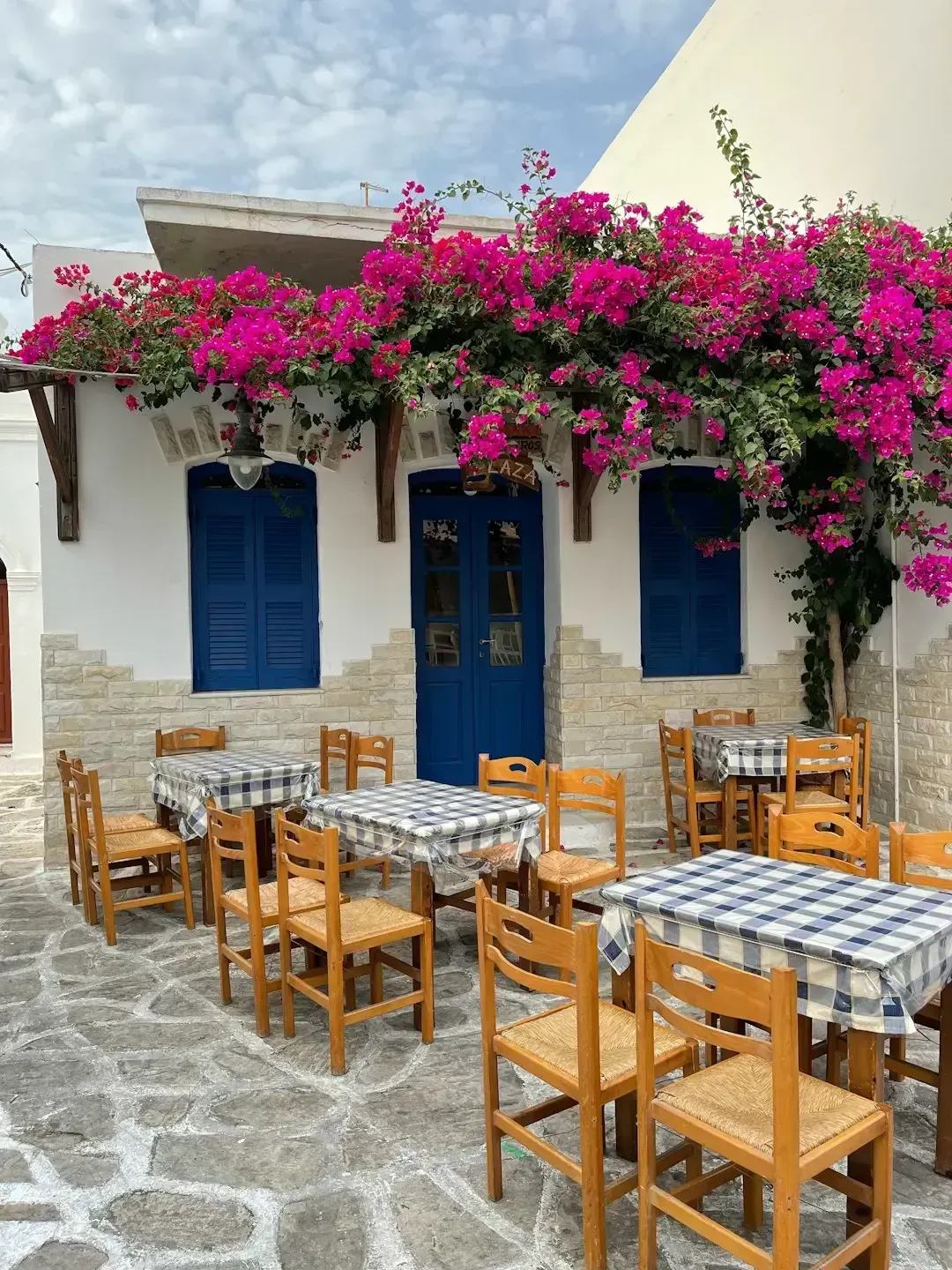
Americans are often health-conscious or simply politely declining out of habit. In Greece, that habit can seriously backfire. There is a cultural expectation in Greece that one accepts the generous offers of others. If you refuse something legitimately, it may be seen as a token protest made out of politeness. Therefore, instead of accepting your refusal, a Greek may insist that you receive what is given.
Refusing something offered can be interpreted as an insult. For example, a refusal of food implies you do not trust the person’s cooking skills. It is best to accept everything offered. Think of it like this: a Greek grandmother offering you pastry is essentially offering you her love and labor combined. Saying “no thanks, I’m watching carbs” does not land the way you think it does.
5. Skipping the Language Entirely and Never Even Trying
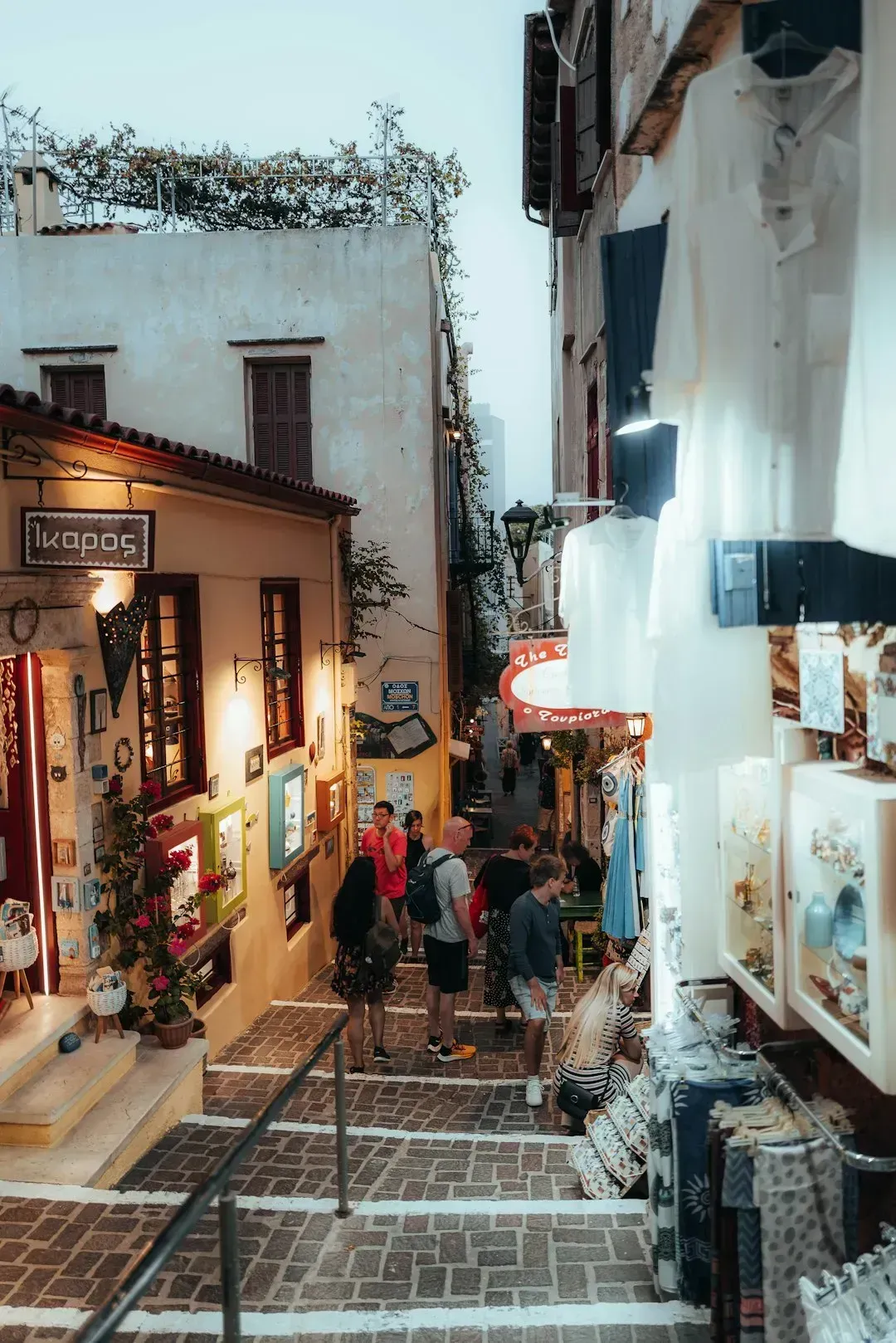
I know it sounds crazy, but just a few words go an incredibly long way in Greece. Greek people value relationships, love food and are proud of their culture and traditions. Any attempts to speak Greek will be greatly appreciated. You do not need to be fluent. Even “efharisto” (thank you) and “kalimera” (good morning) signal real respect.
While many Greeks speak English in popular tourist destinations, Americans seeking a permanent residence permit in Greece would enjoy a better living experience if they decided to learn Greek. Furthermore, those seeking employment opportunities with a Greek employer would greatly benefit from acquiring proficiency in the Greek language. Locally, finding employment is challenging, especially if you do not speak Greek. Expats who make zero effort with the language for years are quietly, politely, but unmistakably judged for it.
6. Being Overly Loud and Boisterous in Public Spaces

Americans have a reputation for volume, and honestly, it precedes us everywhere we go. The Greek communication style is often direct but also quite expressive. This can be a bit of a culture shock for expats from countries where communication is more reserved. The key distinction, though, is that Greek expressiveness is deeply social and contextual, not performative.
Greeks often use gestures and vary their tone during conversations. Don’t mistake this for aggression; it’s a natural part of communication in Greece. The reverse is equally true. Loud, booming voices in restaurants or sacred spaces, treating a quiet square like a stadium, or dominating conversations with strangers reads as disrespectful. Greeks are expressive, not simply loud, and there is a difference.
7. Dressing Disrespectfully Near Churches and Monasteries
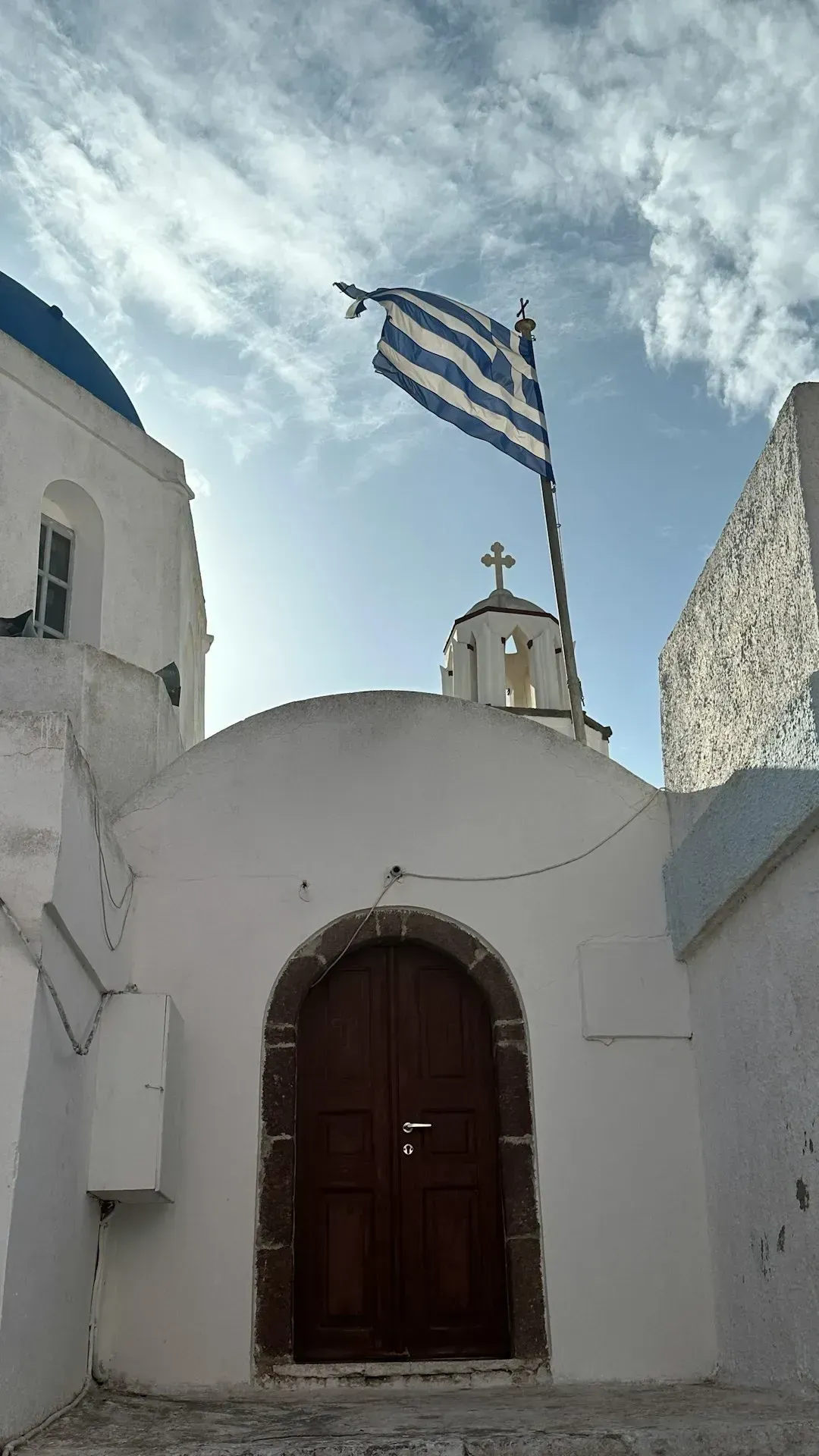
The predominant religion in Greece is Greek Orthodox and you’ll see many churches around the country, both large and small. Religion is not a background detail here. It is woven into daily life, national identity, and community rhythm. With a number of stunning churches and monasteries, tourists are bound to enter a church. Be aware of the dress code: long shorts or trousers for men, long skirts for women, and no swimming suits.
Greece is a country that is used to tourists and is pretty laid back in terms of what people wear, especially on the beaches and in the nightlife areas, but it is important to remember that it is still culturally pretty conservative and the predominant religion in the country is Greek Orthodox. That bikini top you wore to the beach all morning is not appropriate for popping into a centuries-old chapel ten minutes later. It is important to dress modestly, especially when visiting religious sites.
8. Declining Social Invitations and Staying Isolated

American expats often carve out their own bubble, socializing mainly with other expats and declining local invitations citing busy schedules or social anxiety. Locally, this is not well received. In Greece, family and social life are paramount. Greeks prioritize spending time with family and friends, often gathering for meals and social events. Declining invitations frequently or not showing interest in building personal relationships can be perceived as rude or standoffish.
Greeks tend to be very generous at giving invitations, even upon first meeting people. You may find that an invitation to have coffee leads to an invitation to dinner, escalating to an invitation to join a family event. Try to accept this as part of the forthcoming nature of Greek culture. Honest truth: if you move to Greece and you’re surrounded exclusively by other Americans, you are missing the entire point.
9. Criticizing or Commenting Dismissively on Greek History and Culture
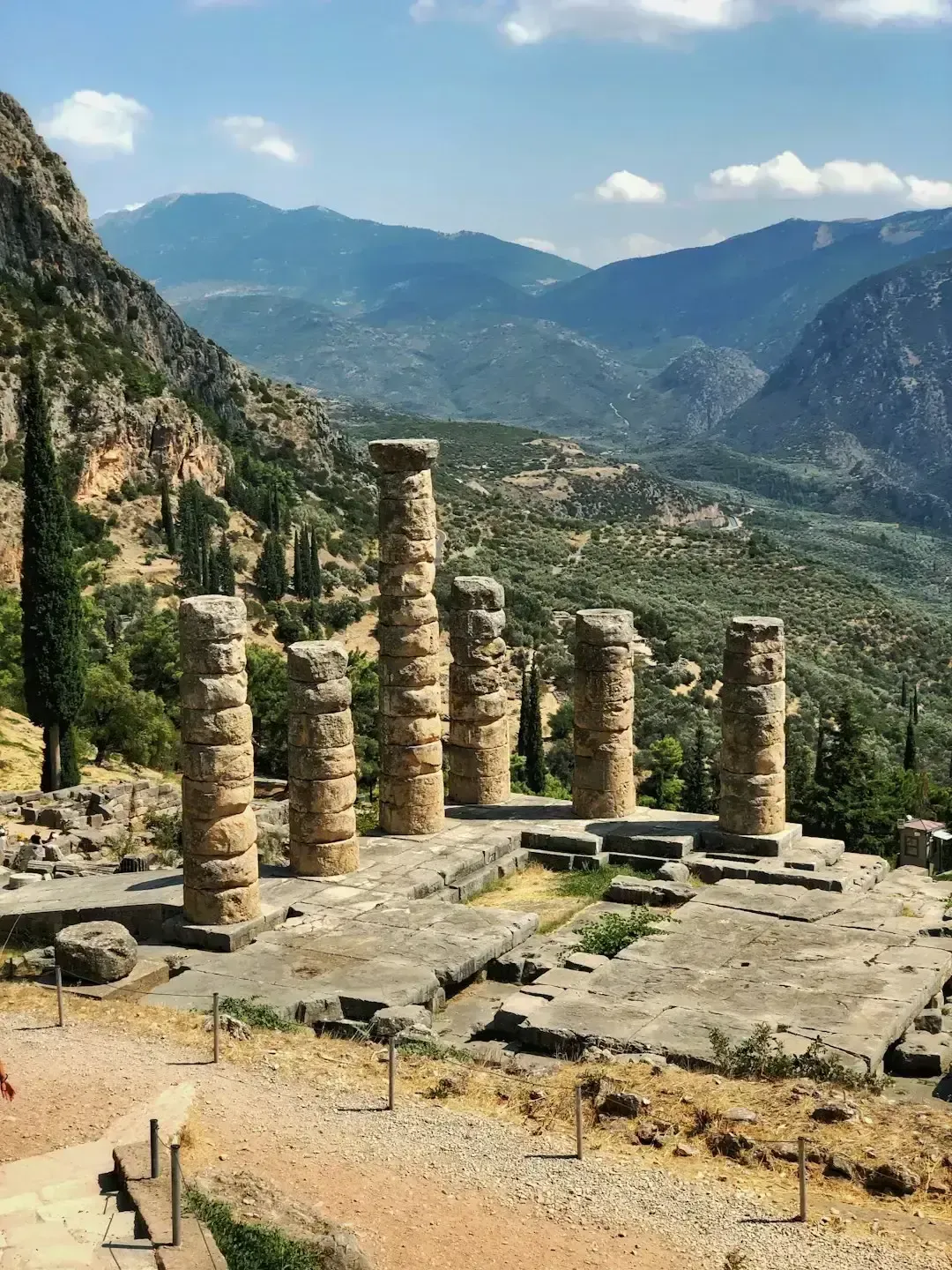
This one goes deeper than politeness. Greece’s relationship with its own history is intense, proud, and deeply personal. Greeks are very proud of their culture and history, so refrain from making negative comments about them. Offhand remarks like “well it’s just a bunch of old ruins” or comparing ancient sites to theme parks will make Greeks go very quiet very fast.
Navigating Greek etiquette involves taking time to reflect on any assumptions you may have about Greece, the community, or your role as an expat, influenced by media, stereotypes, or past experiences. Read reputable sources about Greek history and culture to gain a deeper understanding and try to avoid imposing your preconceptions. Consider that one of the biggest pros Americans cite for living in Greece is its lasting history. America’s history only spans around 300 years, while Greece still has standing buildings from the BCE. The locals know this and feel it deeply every single day.
10. Eating at American Fast Food Chains When Local Tavernas Are Steps Away

A source of pride for Greek citizens is the country’s incredible food culture. Greece is a foodie’s paradise, offering fresh local ingredients, delicious seafood, and flavorful meats. They are also proud of their heritage and culture. Locals will absolutely notice if you walk past a beloved neighborhood taverna to line up at a global fast food chain.
Even if you’re feeling homesick or nostalgic at some point, do not eat at a fast food joint from back home. Greece is known around the world for its delicious and healthy cuisine, and it would be sad to pass on the opportunity to discover Greek cuisine. It is also worth knowing that Greeks are proud of their cuisine and expect it to be eaten in its traditional form. Skipping the local food is quietly interpreted as a rejection of Greek generosity and identity.
11. Misreading Social Warmth as Deep Personal Connection Too Quickly

Greeks are famously warm, and that warmth can mislead Americans into thinking they have formed a genuine deep friendship after one conversation. Greeks are known for being smiley and welcoming, and they often are. You might get a chatty taxi driver or server. You might have a new neighbor who asks lots of friendly questions and you think they have taken a real interest in you, but soon you seem to hit a wall. Many an expat has expressed surprise at the fact that, try as they might, they often have trouble getting past the friendly but superficial phase with neighbors and colleagues.
It’s hard to say for sure how long it takes to truly break into a Greek social circle, but most expats agree it takes years, not weeks. In the 2023 Expat Insider survey by InterNations, Greece was recognised as a country where settling and finding friends among locals is easy, with expats valuing its welcoming culture, mild climate and high quality of life. Still, confusing surface warmth with deep trust, and then acting on that assumption too aggressively, tends to push locals away rather than pull them closer.