10 Countries Where Tourists Are Truly Welcome (And 3 Where They’re Not)
There’s a difference between a country that tolerates tourists and one that genuinely, warmly embraces them. You feel it the moment you land. It’s in the way locals interact with you, how easy it is to get around, and whether or not the government actually makes policies that invite you in rather than squeeze you out.
Global tourism hit a staggering new record in 2025, with the UN Tourism Organization confirming that an estimated 1.52 billion international tourists were recorded around the world in 2025, marking a new record year for international tourist arrivals in the post-pandemic era. More people are traveling than ever before. The question is: where do you actually feel wanted? Let’s dive in.
1. Thailand – The Land of Smiles Still Smiles

There’s a reason Thailand earned its nickname. Thailand welcomes tens of millions of arrivals annually, and the country is also known as the “Land of Smiles,” offering both modern conveniences and wild adventures. That reputation isn’t just marketing fluff. It’s backed up by real numbers and genuine hospitality culture.
Bangkok, Thailand topped the global city rankings with 32.4 million arrivals in 2024, a remarkable 37% increase compared to 2023. Think about that. Nearly one in three cities in the world that people chose to visit was Bangkok. The accessibility, affordability, and warmth of the Thai people remain a massive draw. In the first half of 2025 alone, Japan and Vietnam led with 21% growth, while Mexico and the Netherlands grew 7%, but Thailand continued its strong trajectory as one of Asia’s most accessible destinations. The numbers tell the story better than any travel brochure could.
2. Japan – Record Numbers, Extraordinary Hospitality

Honestly, Japan’s hospitality culture is almost intimidating in the best possible way. Japan has emerged as one of the most popular destinations for international travelers, setting a new record for annual inbound visitors, with about 36.9 million foreign tourists visiting Japan in 2024. That’s a remarkable milestone. Japan became Asia’s most visited country, attracting 36.9 million international tourists in 2024, marking a remarkable recovery with a surge of over 47% from 2023 and surpassing its pre-pandemic levels.
Japanese culture treats guests with a concept called “omotenashi,” which means wholehearted hospitality. It’s not just a word; it’s woven into how restaurants, hotels, and even convenience stores operate. Inbound tourist spending reached JPY 8.1 trillion (roughly USD 53.3 billion), ranking as Japan’s second-largest export sector. Japan doesn’t just welcome tourists. It has built an entire economic structure around making them feel valued. Japan is the highest-rated country in Asia according to the World Economic Forum, and it had its highest tourism month ever in March 2024.
3. Mexico – Warmth That Goes Beyond the Brochure
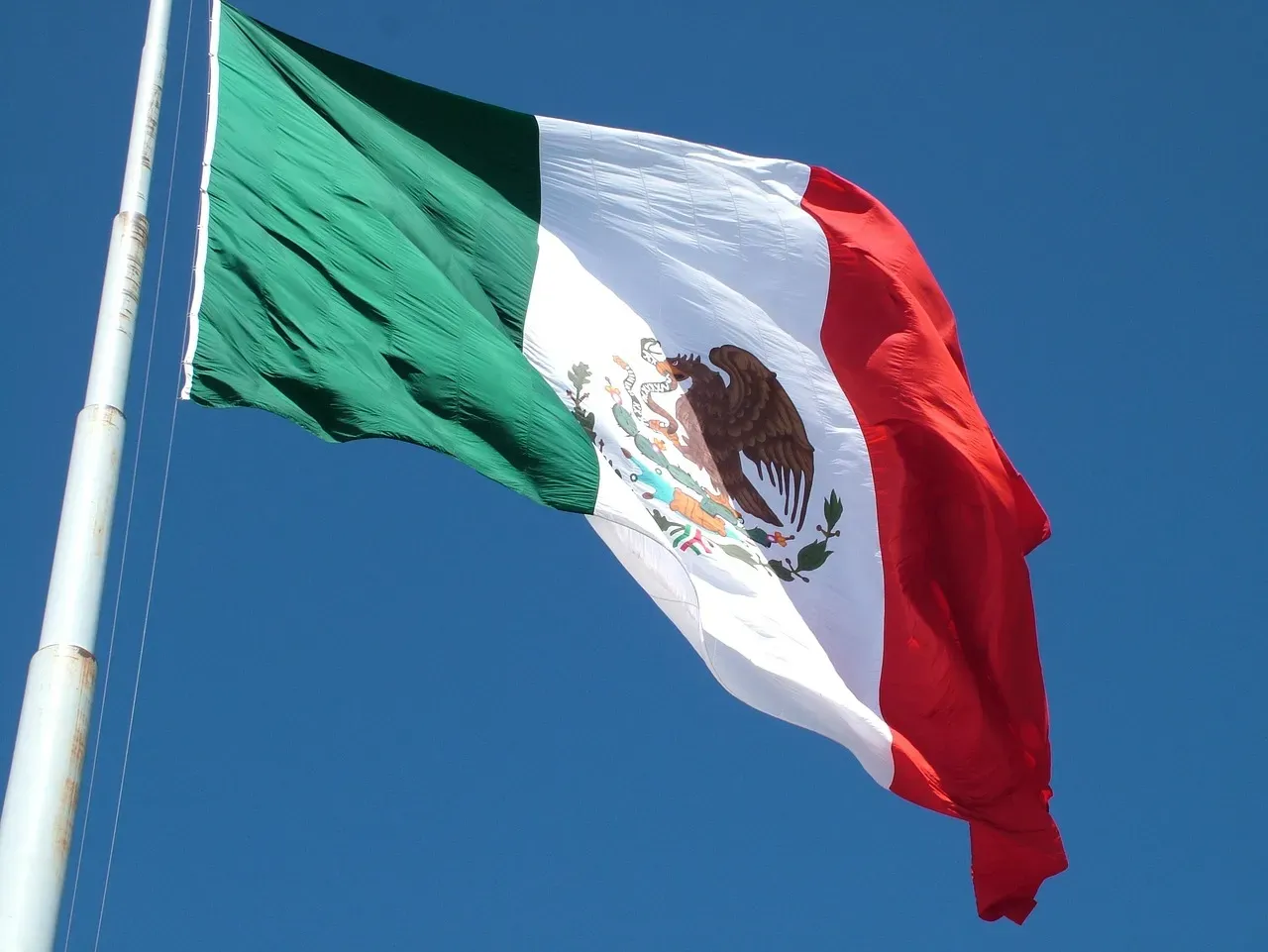
Mexico consistently ranks among the friendliest countries on earth, and it’s not hard to see why. Coming in at number two in InterNations’ 2024 rankings for friendliness toward expats, Mexico continues to win hearts with its warmth and vibrancy, with nearly nine in ten expats saying they’re happy living there, thanks to friendly locals and a strong sense of welcome. That’s a staggering approval rating.
Mexico attracted over 42 million international tourist arrivals, cementing its status as one of the globe’s top destinations. Mexico’s travel and tourism market is also experiencing a rise in eco-tourism, with visitors seeking out sustainable and nature-focused experiences. From the ruins of Chichén Itzá to the buzzing streets of Mexico City, the hospitality here feels genuine. It’s the kind of place where a stranger becomes a dinner companion by the second round of tacos. Mexico also recorded a solid 7% growth in international arrivals in the first half of 2025.
4. Panama – The Overlooked Gem of Central America
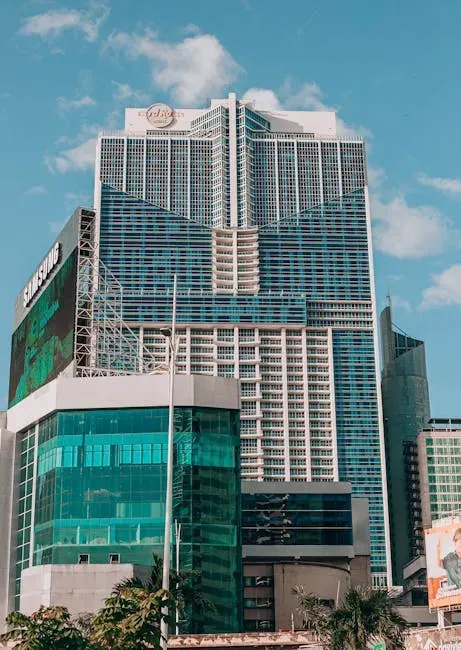
Panama doesn’t always get the spotlight it deserves. Yet the data from 2024 and 2025 paints an exciting picture. Panama welcomes over 2 million international visitors annually, with over 2.78 million international visitors travelling to Panama in 2024, the country’s highest on record. That figure actually exceeded pre-pandemic tourism numbers. Between January and December 2025, official records showed over 3 million foreign travelers entered the country, rising 8.2% measured against 2024 figures, with arrivals climbing due to improved flight routes and stronger cruise ship access.
Panama topped the InterNations 2024 list as the friendliest country for expats, with expats loving the affordable housing, great weather, and easy visa process. That warmth extends equally to tourists. Tourists spent a total of six billion USD in Panama in 2024, a 10% increase from the previous year. The country is small but punches well above its weight in hospitality. It’s the kind of destination where locals actually want to show you around their neighborhoods, not just point you toward souvenir shops.
5. Greece – Ancient Culture, Modern Welcome

Greece has had a rough decade economically, yet its hospitality culture never wavered. The Greeks have a word for it too: “philoxenia,” which literally translates to “friend to strangers.” It’s more than a cultural trait; it’s practically a national religion. Greece attracted nearly 33 million international arrivals, ranking among the world’s top ten most visited countries.
Greece saw significant increases in tourist arrivals in 2024 compared to 2023, proving that the appetite for Greek holidays is stronger than ever. Yes, Santorini is crowded. Yes, the Acropolis gets packed in summer. But step beyond the Instagram hotspots into the smaller islands or inland villages, and you’ll encounter a friendliness that feels effortless. The food, the pace, the genuine curiosity about where you’re from. Honestly, it’s hard to leave.
6. Morocco – Africa’s Gateway of Warm Welcomes

Morocco is arguably Africa’s most tourist-ready destination, and its 2025 numbers back that up boldly. Some of the highest growth rates among large destinations in the first half of 2025 were recorded by Morocco, with an impressive 19% increase in arrivals. That’s enormous growth, and it reflects both the country’s infrastructure investments and genuine cultural hospitality.
Moroccan culture places tremendous emphasis on welcoming guests, a tradition rooted in Islamic hospitality customs. Walk through the medinas of Marrakech or Fes and locals will offer tea, directions, and stories without expecting anything in return. Africa performed strongest in 2025, with arrivals growing strongly across the continent. Morocco leads that charge. The combination of the Atlas Mountains, Sahara desert access, coastal cities, and vibrant souks makes it a country where visitors consistently report feeling genuinely embraced.
7. South Korea – Rising Star of Asian Tourism

South Korea’s tourism scene has been quietly exploding over the past few years, and the data confirms it in a big way. The Republic of Korea recorded 15% growth in international arrivals in the first half of 2025, among the highest of any large destination in the world. That growth is fueled by a potent combination of K-pop culture, world-class cuisine, and genuinely welcoming local attitudes toward foreign visitors.
Seoul has become a benchmark for what modern tourism infrastructure should look like. Signage in multiple languages, subway systems that are intuitive for newcomers, and a food culture that celebrates curiosity rather than guards exclusivity. Monthly data on international tourism receipts show strong earnings in 2025 across major destinations, with South Korea firmly positioned as one of Asia’s must-visit countries. Beyond the capital, cities like Busan and Gyeongju offer rich cultural immersion without the overwhelming crowds you’d find elsewhere.
8. Vietnam – Southeast Asia’s Friendliest Surprise

Let’s be real. Vietnam often gets overshadowed by its louder neighbors in Southeast Asia. That’s a mistake. Vietnam matched Japan with a 21% growth rate in international arrivals in the first half of 2025, one of the highest rates of any country in the world. That’s not an accident. It reflects deliberate policies to make the country more accessible and a natural hospitality that most travelers report as immediately disarming.
From Hanoi’s ancient lanes to the emerald bays of Ha Long, Vietnamese hospitality is embedded in daily life. Street vendors, guesthouse owners, and even strangers on motorbikes will go out of their way to help a lost tourist find their destination. Arrivals in Asia and the Pacific grew 6% last year, and Vietnam was a leading driver of that momentum. The cost of travel remains low by global standards, which means the welcome feels even more genuine because locals know tourism is genuinely helping their communities thrive.
9. Portugal – (Conflicted but Still Charming)

Portugal has become one of Europe’s most visited countries, and with that success comes some growing tension. Still, the baseline friendliness of the Portuguese people remains high. Portugal saw a 26% increase in arrivals in 2024, and its popularity shows no signs of waning, as the country continues to rank high on lists of best countries to visit. That kind of explosive growth is a double-edged sword.
Despite the overtourism debates in Lisbon and the Algarve, most visitors still report feeling warmly received, especially outside the major cities. Head inland to the Douro Valley or the Alentejo region and you’ll find places where tourists are still a novelty rather than a nuisance. Lisbon has been part of a broader conversation about “touristification,” with protests highlighting housing and quality-of-life concerns, and demonstrations were reported across the region in 2025. It’s a nuanced picture. The protests are real, but they’re aimed at policies, not at individual travelers who show respect.
10. Malaysia – The Underrated Champion of Accessibility
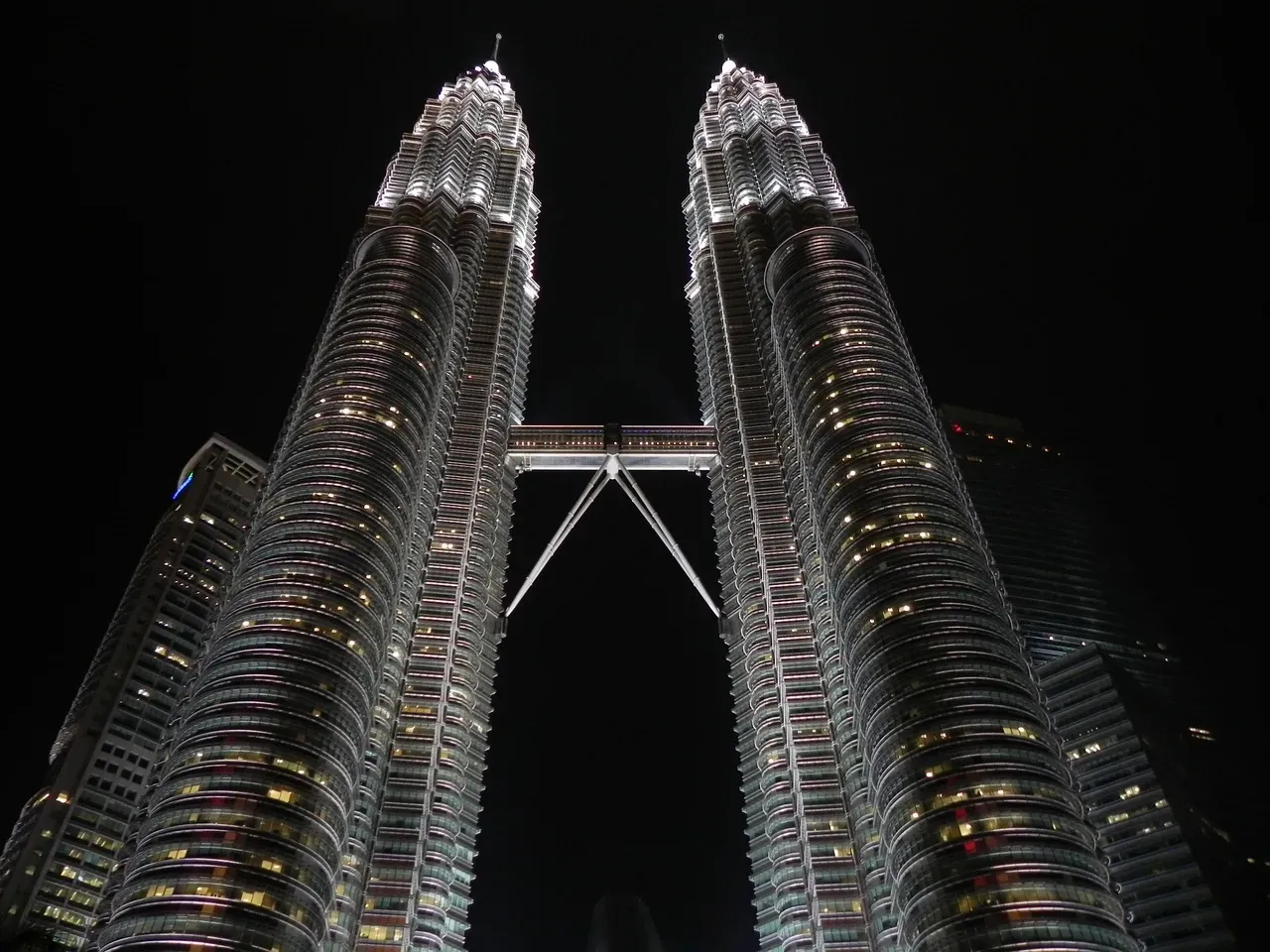
Malaysia doesn’t always make the headline travel lists, but it absolutely should. Malaysia recorded 9% growth in international tourist arrivals in the first half of 2025, and that steady, sustained growth reflects a country that has quietly built one of the most tourist-friendly ecosystems in Southeast Asia. English is widely spoken, the transport links are excellent, and the food is, without exaggeration, among the best on the planet.
Malaysia is super tourist-friendly, with a budget airline hub in Kuala Lumpur and a bus and train network taking travelers around the country affordably. Culturally, Malaysia is one of the most diverse nations on earth, blending Malay, Chinese, Indian, and indigenous traditions seamlessly. That diversity translates into genuine openness toward outsiders. You’re not just tolerated as a tourist. You’re treated like someone who’s come to understand something valuable. That’s a rare feeling.
Spain – Protests, Water Guns, and Tired Locals

Spain is still an incredible destination, but the social temperature has shifted dramatically. In July 2024, thousands marched down Barcelona’s La Rambla carrying signs reading “Tourism kills the city” and “Tourists go home, you are not welcome,” with some demonstrators using water pistols to spray unsuspecting visitors. That’s not something you can easily dismiss as fringe activism. Spain became the epicenter of Europe’s anti-tourism movement, with large-scale protests breaking out in 40 cities, and Barcelona’s city council has taken steps to eliminate all Airbnb-style accommodation by 2028.
What was once Europe’s affordable alternative has priced out its own citizens, with housing costs skyrocketing as international buyers and Airbnb operators snap up properties, leaving locals unable to afford rent in neighborhoods their families have called home for generations. Respectful tourists are still welcome. But the broader cultural mood toward mass tourism is hostile, and that ambient frustration is something you feel on the street.
Italy (Venice Specifically) – Pay to Enter, Feel Unwanted
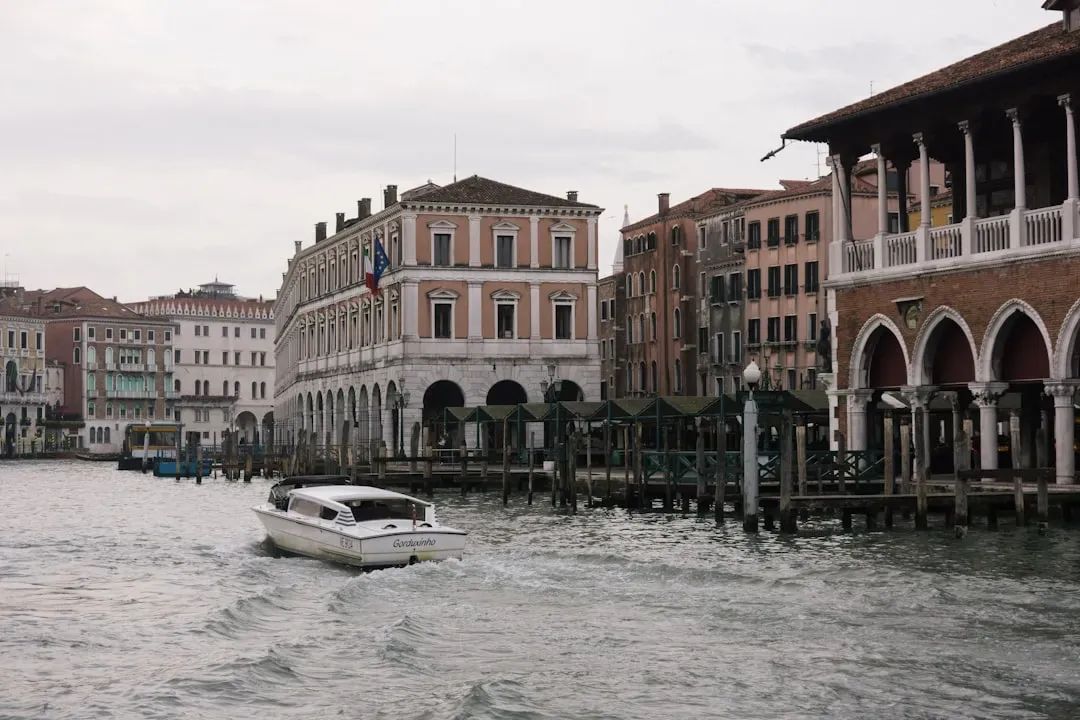
Around 250,000 people live in Venice, yet the Italian city accommodates 20 million tourists per year. Think about that ratio. It’s not a city anymore in any meaningful sense. It’s a living museum that happens to have residents. In April 2024, Venice introduced a five euro fee for day-trippers, with protest groups marching through the narrow streets holding banners like “Welcome to Veniceland” and “No to the ticket.” The city essentially became the first place in the world to charge people just for showing up.
The city introduced an entry charge for certain busy days starting on April 25th, 2024, and Reuters later reported an expanded schedule and higher last-minute pricing for 2025. Reports indicate that there are now more tourist beds than residents within the city. It’s a structural crisis, not a personal one. But if you visit without understanding the context, you might find the atmosphere chilly in ways that are hard to explain. The resentment is real, even when Italians are far too polite to express it openly.
Indonesia (Bali) – Paradise With a Limit
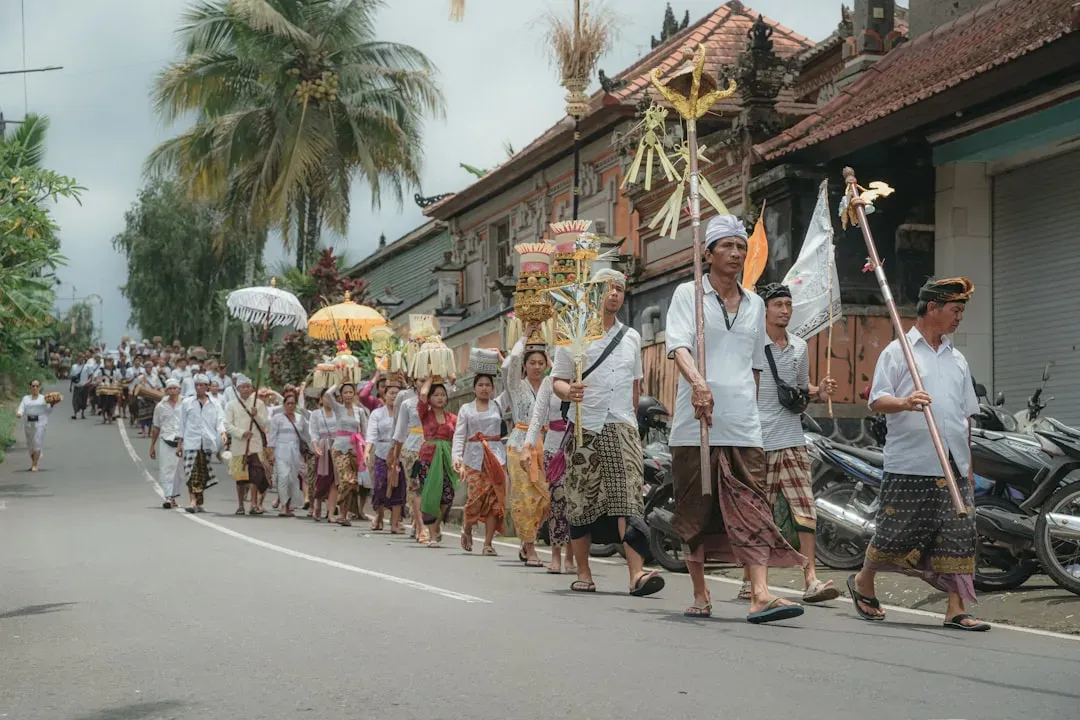
Bali remains beautiful. That’s not in question. What has changed is the social contract around tourism. The once-idyllic island saw approximately 6 million international visitors in 2024, sparking heavy backlash, with locals and grassroots activists protesting the disappearance of sacred paddy fields, illegal construction of resorts, and untreated plastic pollution on beaches, while the government responded with a $10 visitor levy, expanded eco-tourism initiatives, and bans on single-use plastics and tourist motorbike rentals.
Bali is tightening expectations around visitor contributions and conduct, with the official Love Bali platform supporting payment of the Bali Foreign Tourist Levy launched in February 2024, and when a destination adds a required payment and starts checking compliance, some travelers experience it as a less carefree welcome. It’s less hostility and more exhaustion. The island has absorbed more than it can comfortably handle, and locals are quietly asking for something many tourists rarely offer: respect. Come with genuine curiosity rather than a checklist of Instagram shots, and Bali’s warmth may surprise you still.
The world is changing fast. In 2024, there were 1.45 billion international tourists, with a growth of 11.5% compared to 2023, and that number kept climbing into 2025. The places that thrive will be those that build a genuine, sustainable welcome, not just a transactional one. Which of these destinations surprised you most?