10 Things You’ll Always Spot in Kitchens of People Who Cook the “Old-School” Way
There’s something almost magnetic about stepping into the kitchen of someone who really, truly cooks. Not the kind with a drawer full of gadget subscriptions and a Wi-Fi-enabled air fryer, but the kind where real, slow, deliberate food happens. You can smell it. You can feel it. The counters tell their own story.
Old-school cooking is making a serious comeback, and honestly, it never fully left. The resurgence of artisanal and handcrafted kitchenware is breathing new life into modern kitchens, with consumers increasingly drawn to unique, handmade items that tell a story and bring character to their culinary spaces. So what exactly gives these kitchens away? Let’s dive in.
1. A Well-Seasoned Cast Iron Skillet
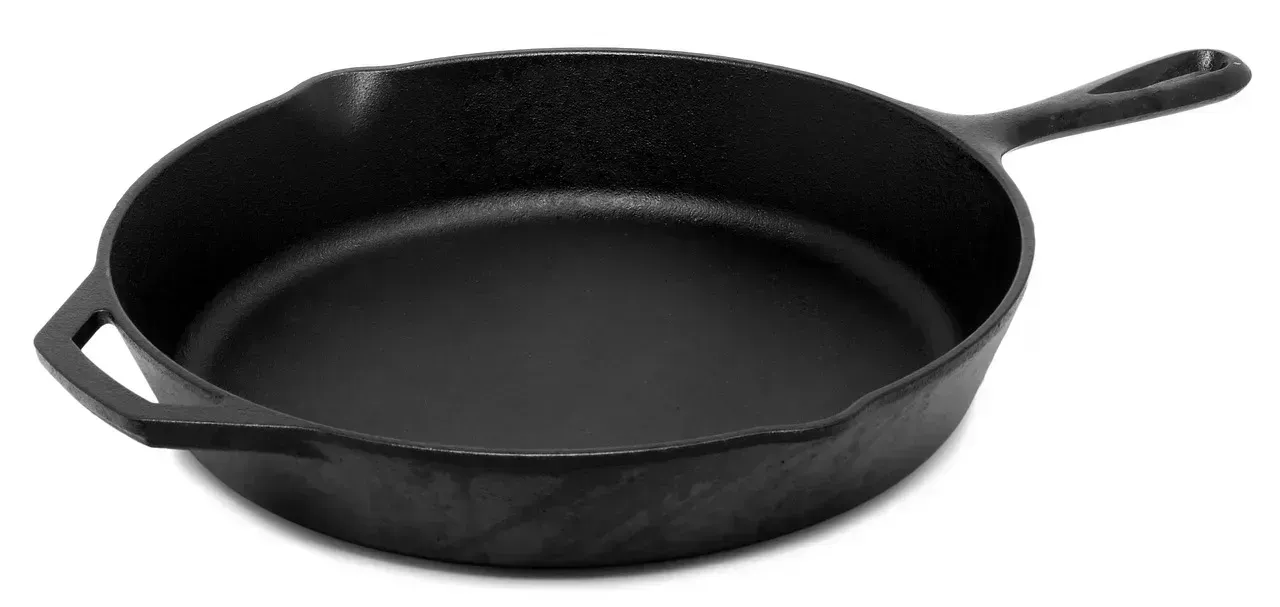
Walk into the kitchen of a true old-school cook, and you will almost always spot a cast-iron skillet. It could be hanging on the wall, sitting proudly on the stovetop, or tucked into the oven. These things are essentially family heirlooms with handles.
Search interest for cast iron skillets peaked at 97 in December 2024, with North America leading the market with a roughly 17% global share, driven by cultural cooking traditions and rising home cooking trends. That is not a small number. The cast iron cookware market, valued at USD 1.5 billion in 2024, continued to grow as people seek out these products for their long-lasting nature, efficient heat absorption, and multiple application possibilities in food preparation.
The proper application of seasoning produces a natural non-stick surface which strengthens with age, and cast iron does not contain the synthetic coatings that non-stick pans include, making it a superior option for better health. Old-school cooks know this. They have known it for decades.
2. A Thick Wooden Cutting Board
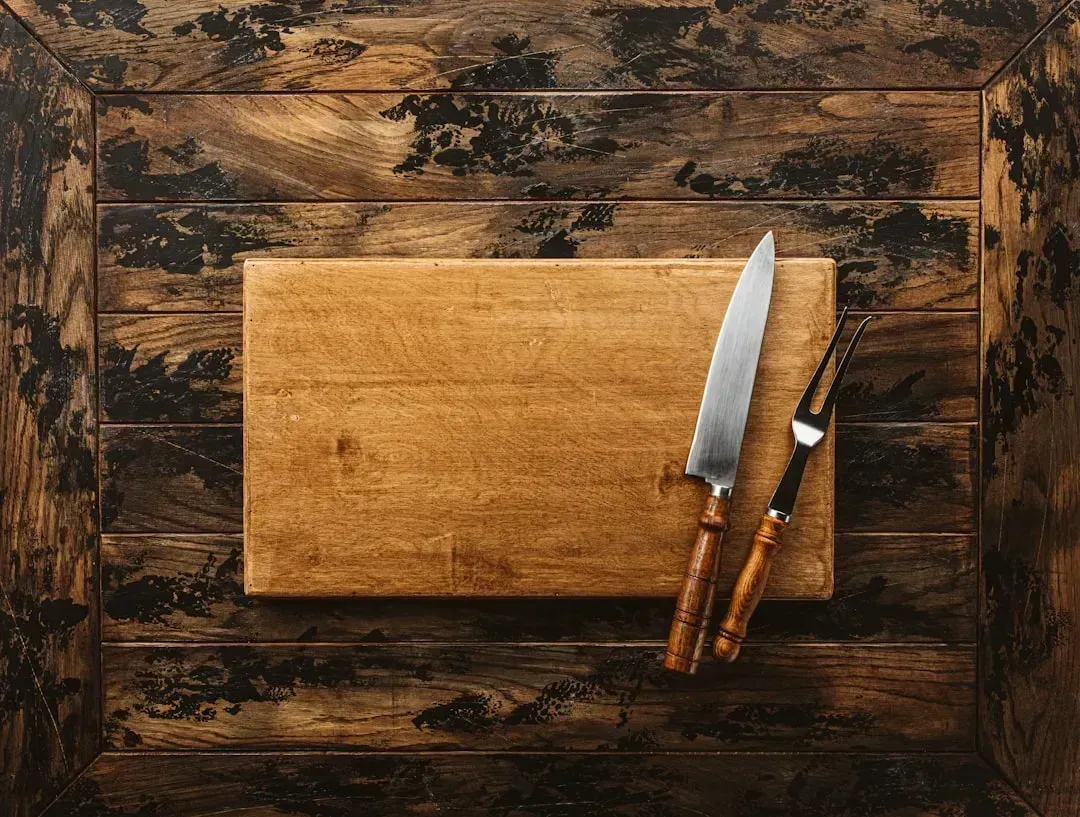
You will not find a flimsy plastic cutting board in this kind of kitchen. What you will find is a heavy, substantial wooden board, the kind that has absorbed a decade of garlic, herbs, and roast chicken juices. It does not slide. It does not warp easily. It simply works.
Traditional craftsmanship, with its focus on skills and knowledge passed down through generations, is gaining renewed appreciation, and classic wooden cutting boards are making a comeback, with many preferring these timeless pieces over mass-produced alternatives. This shift reflects a desire for authenticity and durability in kitchen tools.
Think of a wooden cutting board like a good leather jacket. It gets better with use. Plastic, on the other hand, develops grooves where bacteria love to hide. It’s hard to argue with that kind of logic, honestly.
3. A Mortar and Pestle
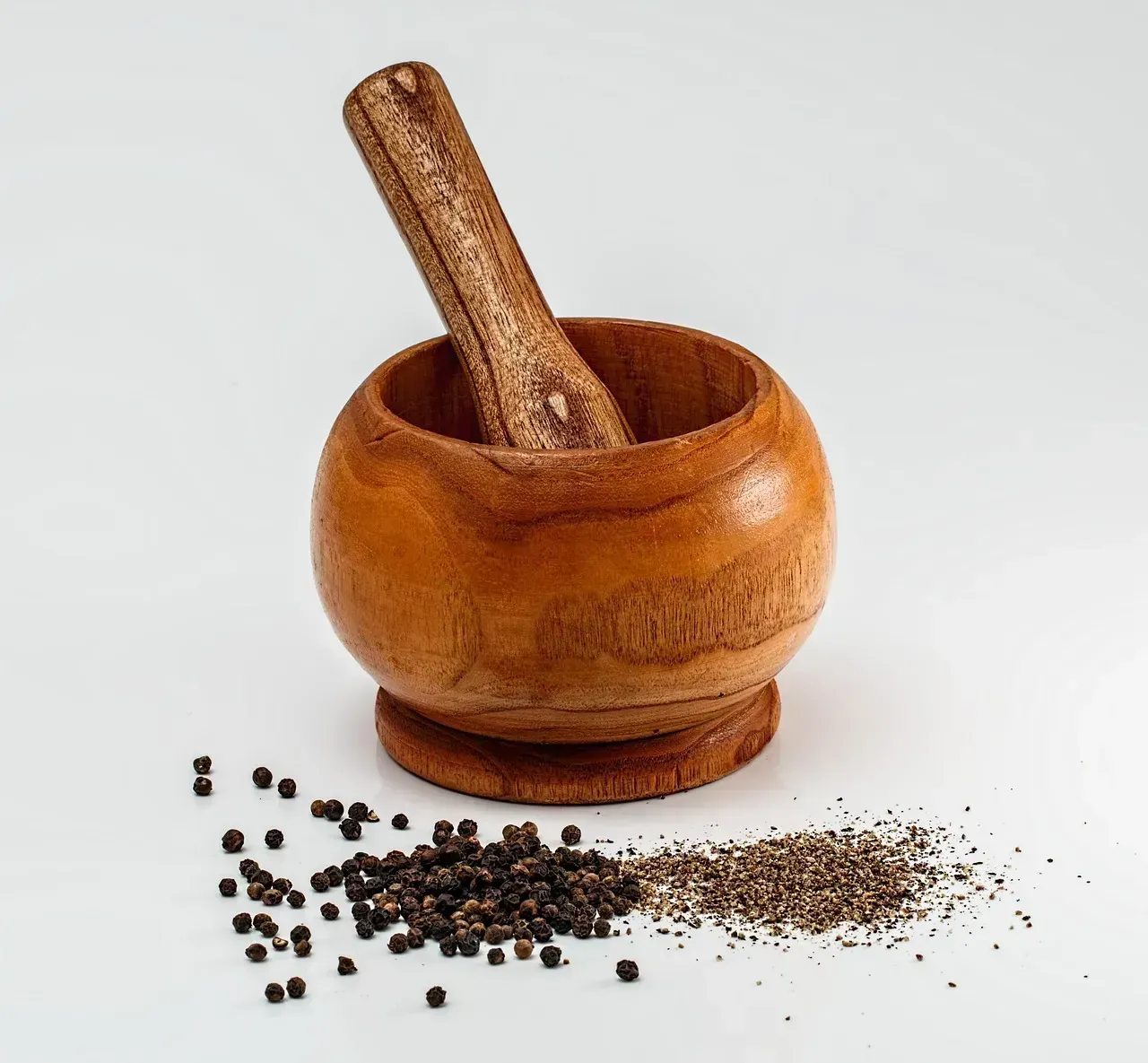
This is one of those tools that separates the real cooks from the people who just buy pre-ground spice packets. A mortar and pestle sitting on the counter is practically a declaration of intent. It says: I care about flavor at the level of texture and aroma.
Its roots date back to the Stone Age, when hunter-gatherers used it to make certain foods edible, and mortars and pestles have been used for centuries in culinary traditions around the world, from Southeast Asia and India to the Mediterranean coast and Mexico. Although most current kitchens choose electric spice grinders and blenders for their speed and ease, mortars and pestles are gaining popularity again as folks shift toward more old-fashioned, natural cooking.
Instead of simply cutting ingredients into tiny pieces as a food processor might do, the pestle crushes them, extracting more of the aromatic oils and flavor compounds in the process. Pesto, salsa, and curry paste made with a mortar and pestle had a more complex, savory, and cohesive flavor and a softer, more luscious texture than the same foods made in the food processor. Enough said.
4. A Dutch Oven
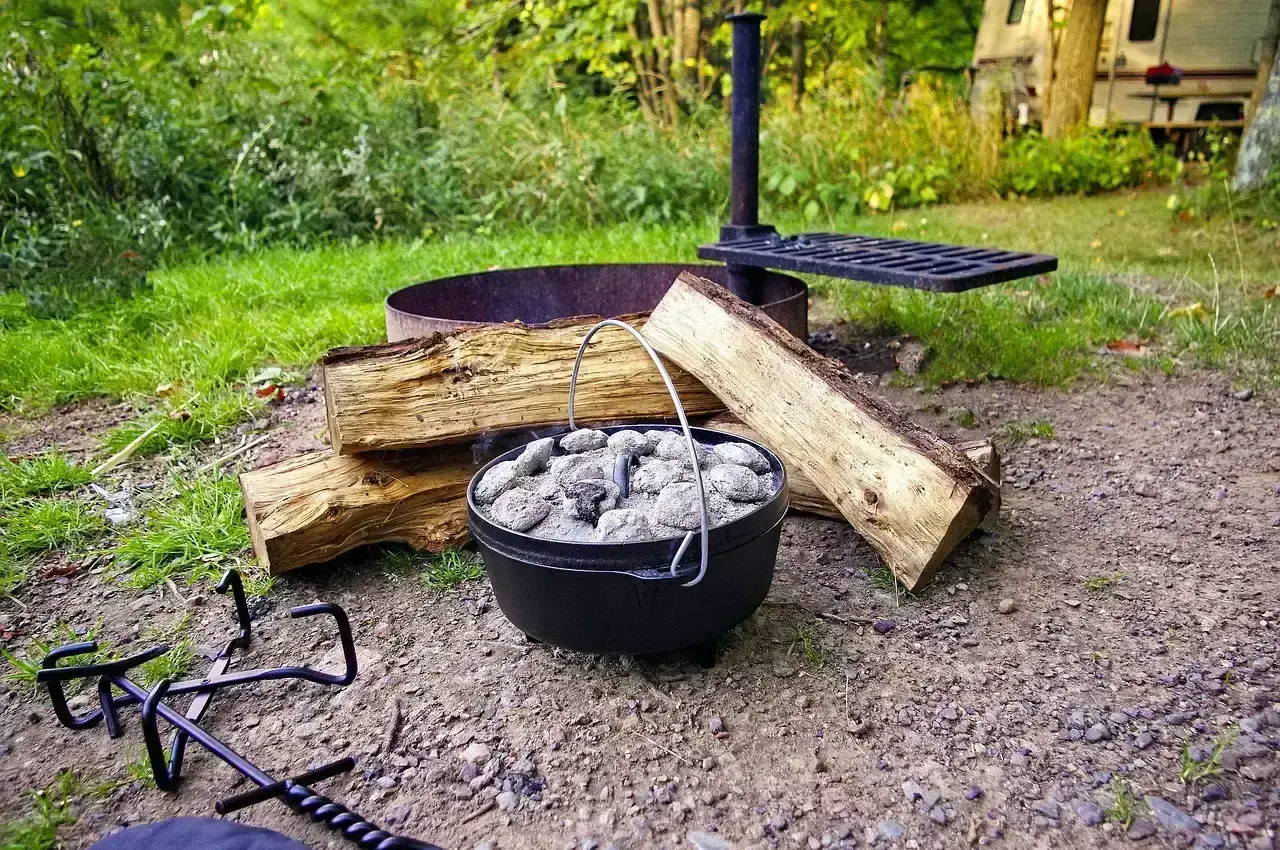
Braised beef. Bean soups that simmer for three hours. Sourdough baked to a crackling crust. None of that happens without a proper Dutch oven. In old-school kitchens, this pot is not decorative. It earns its place every single week.
Skillets and Dutch ovens dominate the cast iron market due to their versatility in cooking a variety of dishes, from searing meats to slow-cooking stews. Moisture is trapped inside of the Dutch oven, yielding a delicious and fragrant result, and the vessel is essential for navigating the fermentation process in traditional bread baking.
I think the Dutch oven is the single most honest piece of cookware ever made. No smart features, no non-stick coating to chip away. Just thick iron, a tight lid, and the patience to let heat do its thing slowly. It’s almost meditative.
5. An Overflowing Spice Collection
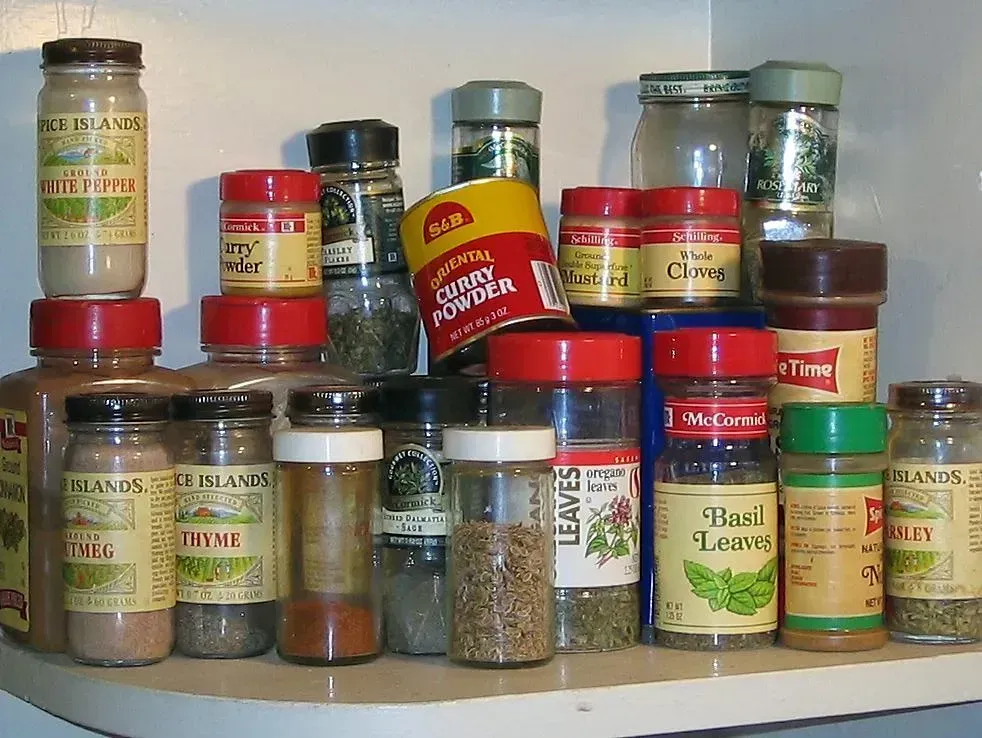
Not the neat, identical jars you see on Instagram. We’re talking mismatched tins, paper bags from the ethnic grocery, handwritten labels, little glass jars with lids that no longer quite fit. A chaotic, glorious system that only the cook understands.
Traditional cooking methods such as using natural ingredients have been passed down through generations and are still used today, with dishes often holding cultural or regional significance. These methods often involve simple but intentional ingredients and techniques. A well-stocked spice shelf is a direct extension of this philosophy.
Here’s the thing: old-school cooks build their spice shelves slowly, over years. Each jar has a story. The smoked paprika from a road trip market. The dried oregano from a neighbor’s garden. That kind of kitchen tells you everything about the person who cooks in it.
6. A Sourdough Starter (or Signs of One)
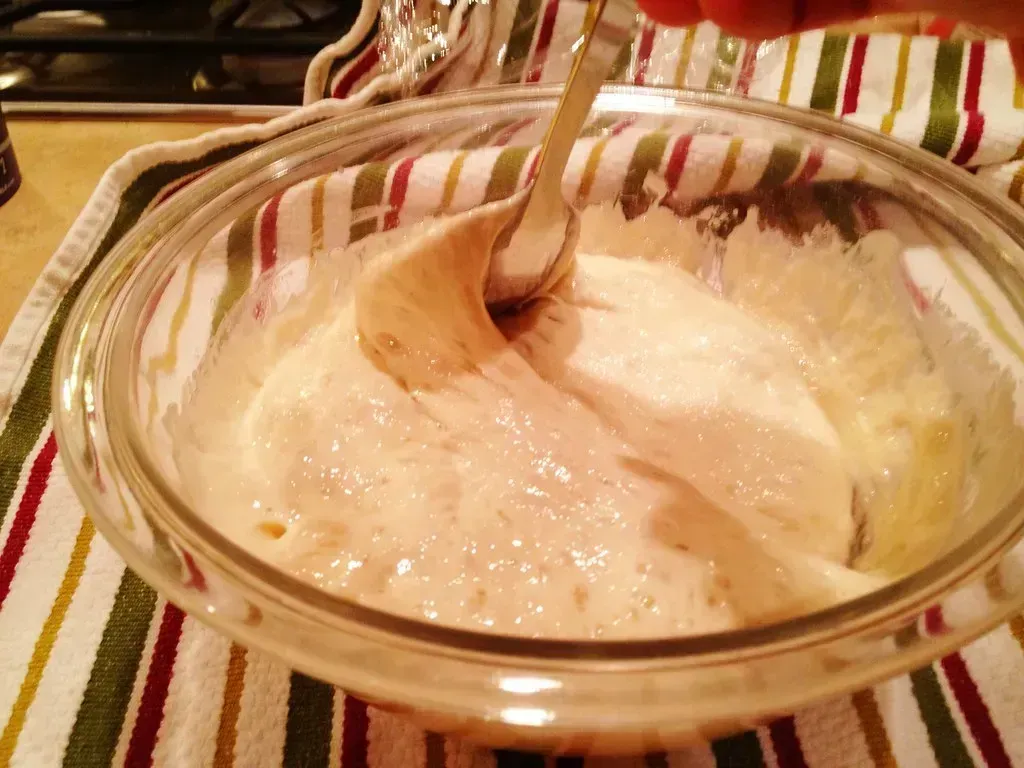
It might be a jar on the counter with a mysterious floury lid. It might be a note on the fridge that says “fed Tuesday.” Either way, the presence of a sourdough starter is a dead giveaway that someone in this kitchen cooks the old-school way. Live culture, wild yeast, hours of waiting. This is the opposite of instant gratification cooking.
Global data shows sourdough is again the number one talked-about bakery trend, and consumer interest has more than tripled in recent years, reached its highest point ever in 2025, and continues upward into 2026. The Sourdough Bread market accounted for USD 3.87 billion in 2024 and is expected to reach USD 8.53 billion by 2035.
The increasing trend of home baking is significantly influencing consumer preferences. According to a 2024 survey by the Agriculture and Horticulture Development Board, 11% of people bake at least once a week, and 20% bake at least once a month. Many individuals are now investing in specialty flours and fermentation tools to create sourdough bread at home. Slow food culture is alive and well.
7. Hand-Me-Down Pots and Pans
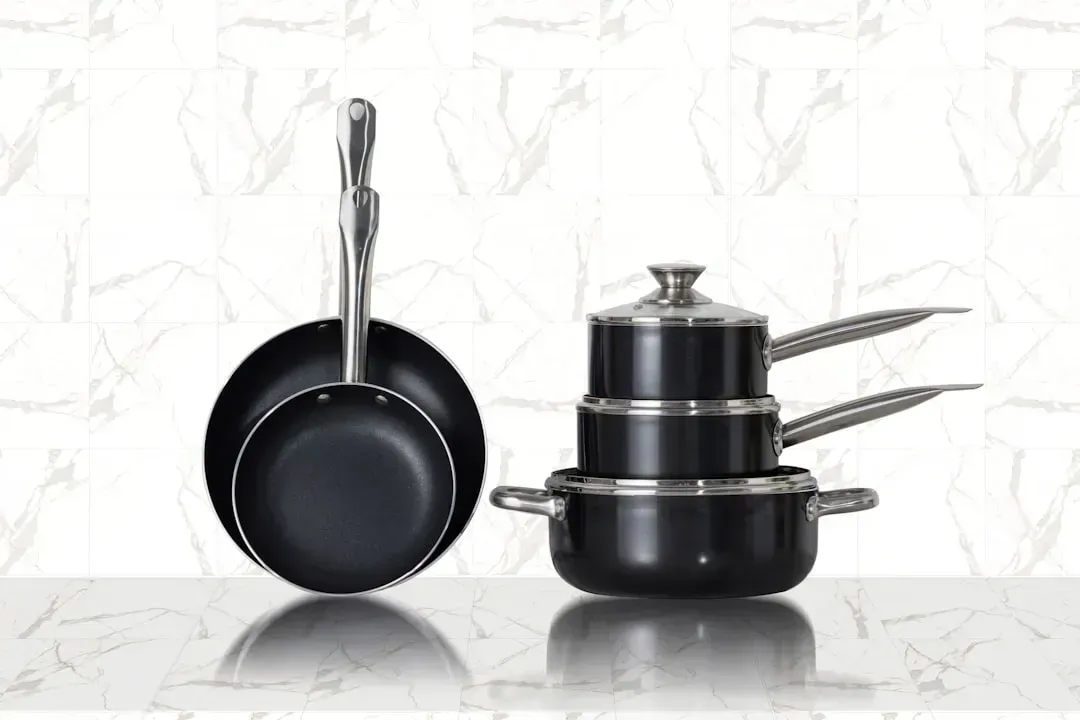
There’s always at least one pot in an old-school kitchen that belonged to someone else first. Maybe a grandmother’s stew pot. Maybe a stockpot from a restaurant-supply store bought in 1987. It has a bent handle, a slightly blackened bottom, and it makes better food than anything bought last year.
Consumer preferences for kitchenware lean heavily toward timeless, traditional designs in North America. According to the Private Label Manufacturers Association Kitchenware and Cookware Consumers Survey, the highest number of buyers tend to shop for these items once or twice a year, likely due to the durable nature of kitchenware, which does not require frequent replacement.
Old-school cooks are not chasing the newest release from a trendy cookware brand. A pot that has lasted twenty years is, to them, the ultimate product review. Durability is the feature. That is all there is to it.
8. A Pantry Stocked With Fermented or Preserved Foods
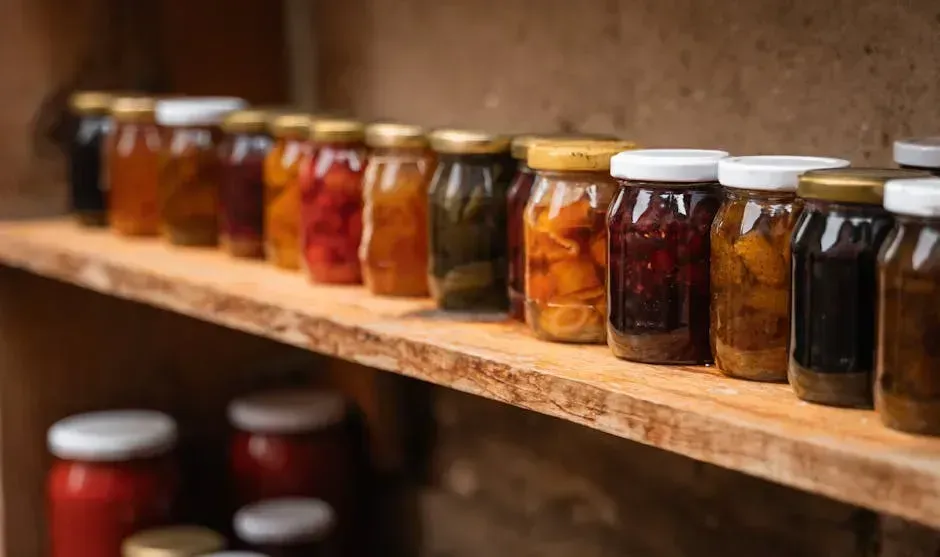
Jars of pickled vegetables. Homemade kimchi in a corner. Maybe a crock of fermented beets that has been sitting there since autumn. Old-school kitchens treat preservation as a skill, not a novelty. Nothing goes to waste. Everything gets a second life.
Traditional cooking methods such as preserving food through techniques like fermentation or drying have been passed down through generations and are still used today. Fermentation produces beneficial probiotics and breaks down phytic acid, which improves nutrient absorption. With gut health being one of the biggest wellness trends, sourdough and fermented foods fit perfectly into modern health consciousness.
It’s a wonderfully practical philosophy, too. When you grow up watching someone pickle surplus vegetables rather than throw them out, it shapes how you think about food and resources. There’s a real dignity in preservation that no app can replicate.
9. A Well-Used Recipe Box or Handwritten Cookbook
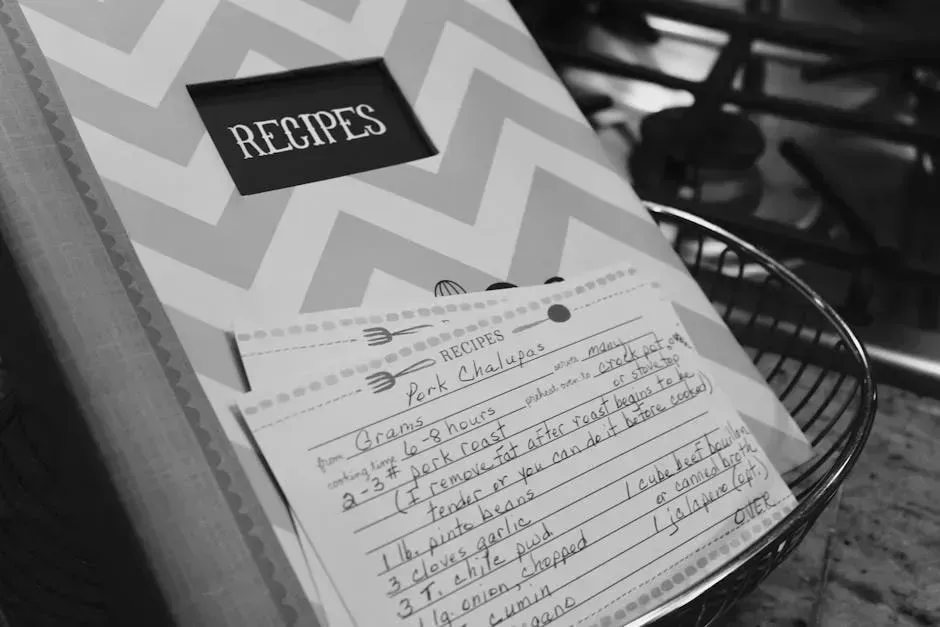
You will not find these cooks swiping through a phone screen while stirring a pot. Instead, there is a battered recipe box on the shelf or a spiral-bound notebook covered in smudges of flour and splashes of sauce. Some pages are barely readable. Those are the best recipes.
The exchange of knowledge between generations is essential in keeping culinary traditions alive and fostering creativity in the kitchen. As younger generations embrace modern cooking techniques, they also benefit from the wisdom and experience of their elders. This fusion of traditional and contemporary skills enriches our culinary landscape.
There is something irreplaceable about a recipe written in someone else’s handwriting. It carries information that no digital file can: the ink pressure, the little side notes, the circled step where something once went wrong. A recipe box is not just storage. It’s a record of a life spent cooking.
10. Simple, Quality Staple Ingredients Always on Hand
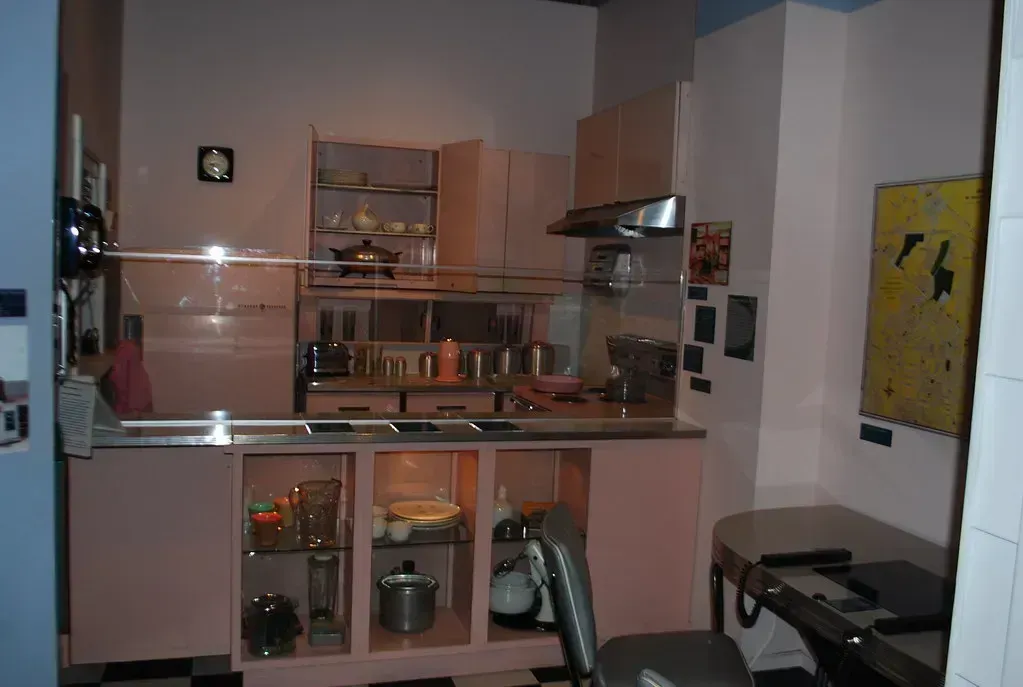
Old-school kitchens are not stocked with exotic trendy ingredients that expire in two weeks. Instead, you find the staples. Dry beans. Good olive oil. A block of real parmesan. Dried pasta in bulk. High-quality salt. Dried legumes. These are the foundations of serious, everyday cooking.
According to the National Frozen and Refrigerated Foods Association, in 2024, nearly two-thirds of Americans cooked at home to save money and maintained better control over their budgets, and the vast majority of consumers prepare most of their meals at home. The economics of keeping quality staples at home make complete sense.
The rise in the trend of preparing food at home is a prominent factor bolstering growth in the kitchen market, inspired by health consciousness, monetary savings, social networking platforms, and changing lifestyle. Still, for old-school cooks, this was never a trend. It was simply always the way things were done, and always the right way to do them.