6 Pets That Make Great Companions for Seniors Living Alone
Loneliness among older adults has reached serious levels. With the growing number of “soloagers” – people who, by choice or circumstance, are aging alone – one of the most concerning findings is the correlation between social isolation and a 50% increase in the risk of developing dementia. The good news is that a well-chosen pet can change that picture in a meaningful way. Pet owners were 36% less likely than non-pet owners to report loneliness, in a study of 830 older adult primary care patients, controlling for age, living status, mood, and seasonal residency. The six animals featured here each bring something unique, and all of them are backed by real research.
1. Dogs – The Loyal Walking Partner

Caring for a dog may give seniors a sense of purpose and responsibility, which may lead to lower loneliness levels. There are also considerable data showing that people speak to their dogs in much the way they might speak to a young child, and even though these conversations are one-sided, they do provide the feeling of a meaningful social interaction. Dogs are uniquely responsive in ways that other animals simply are not. Dogs will generally look at someone who is speaking to them and seem to be paying attention in a manner that cats may be less likely to do – which may be the reason why there are many therapy dogs and few formally recognized therapy cats.
According to the Human Animal Bond Research Institute (HABRI), roughly 60% of dog walkers met the criteria for regular moderate and/or vigorous physical activity, compared to 45% for non-dog owners and dog owners who did not walk their dog. In another study, dog owners were 34% more likely to walk at least 150 minutes per week compared to non-dog owners. That regular movement adds up fast. A 12-year study including over 3.4 million Swedish adults found that dog owners had a lower risk of death due to heart disease. For a senior living alone, having a dog creates structured reasons to go outside, stay active, and connect with neighbors – benefits that are difficult to replicate any other way.
2. Cats – The Low-Effort, High-Comfort Companion
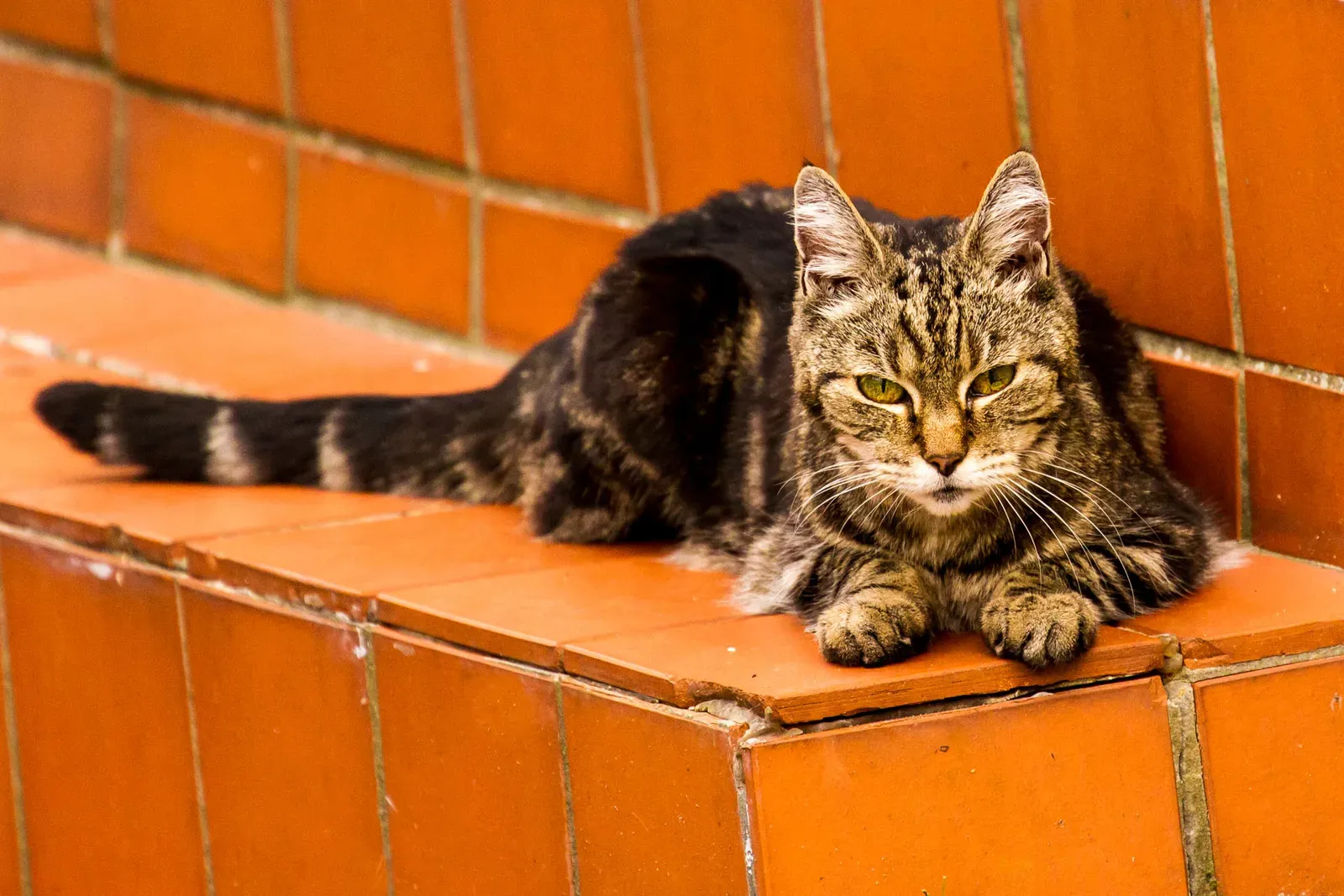
Cats are great pets for seniors because they are independent and don’t need much grooming. Many seniors want pets but worry about the work. Cats are perfect because they are easy to care for and loving. Some cat breeds are perfect for seniors because they are calm and don’t need much grooming. That lower physical demand makes a real difference for anyone managing joint pain, reduced stamina, or limited mobility. Adopting an older cat is especially rewarding for seniors. Older cats are often already trained and less active. They also love people and enjoy being in a warm home.
Controlling for age, cat ownership predicted better cognitive functioning in the area of verbal learning and memory. That is a notable finding from peer-reviewed research published in Frontiers in Veterinary Science, and it aligns with what many seniors already feel intuitively. Felines may actually provide superior health benefits in certain respects. The gentle rhythm of a purring cat on one’s lap has measurable calming effects, and playing with and talking to animals boosts the production of feel-good hormones like oxytocin while reducing stress-related hormones like cortisol, leading to improved mood and less anxiety.
3. Birds – Cheerful Company Without the Physical Demands
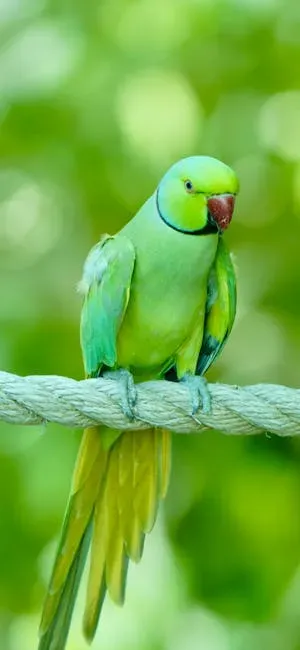
Birds can provide companionship and entertainment for seniors. They don’t require as much physical care as other pets and can be a good choice for people who live in apartments or other smaller living spaces. The range of bird options is also broad enough to suit almost any personality. Depending on your circumstances and preferences, you can find a lovely companion in canaries, finches, parrots, and parakeets. Similar to dogs, you should research which species of bird will be right for you, as they vary in lifespan, amount of affection required, and noise level.
Parakeets will bond with their owners and are vocal, playful companions. That daily vocal interaction – talking back and forth, teaching a bird to mimic words – keeps the mind engaged and provides a sense of being heard. Small birds like budgies learn tricks and entertain you with their chatter and songs. For seniors who live in buildings where dogs and cats may be restricted, birds represent one of the most accessible and genuinely rewarding alternatives available.
4. Fish – Surprisingly Therapeutic Aquatic Companions

Viewing aquarium displays led to noticeable reductions in blood pressure and heart rate, a research team found in the first study of its kind. Fish are the most underestimated pet on this list, yet the science behind them is hard to ignore. Watching an aquarium display can help lower blood pressure, in some cases by as much as 4%, and this effect increased as more fish were added – demonstrating the potential power of aquarium therapy in treating physical ailments related to the heart.
Research at Purdue University was one of the first studies to identify that dementia patients who were exposed to aquariums with bright, moving fish had their nutritional intake increase by 21 percent. They also had fewer instances of agitation, making aquarium therapy a non-pharmacological intervention in elderly care. For seniors who simply cannot manage the demands of a more active animal, fish can provide an easy-to-care-for pet when costs and upkeep are at a minimum, especially for those with mobility issues. Fish also have personalities and are great to look at. A modest tank in the living room can become a daily source of calm that genuinely impacts wellbeing.
5. Rabbits – Gentle, Cuddly, and Apartment-Friendly
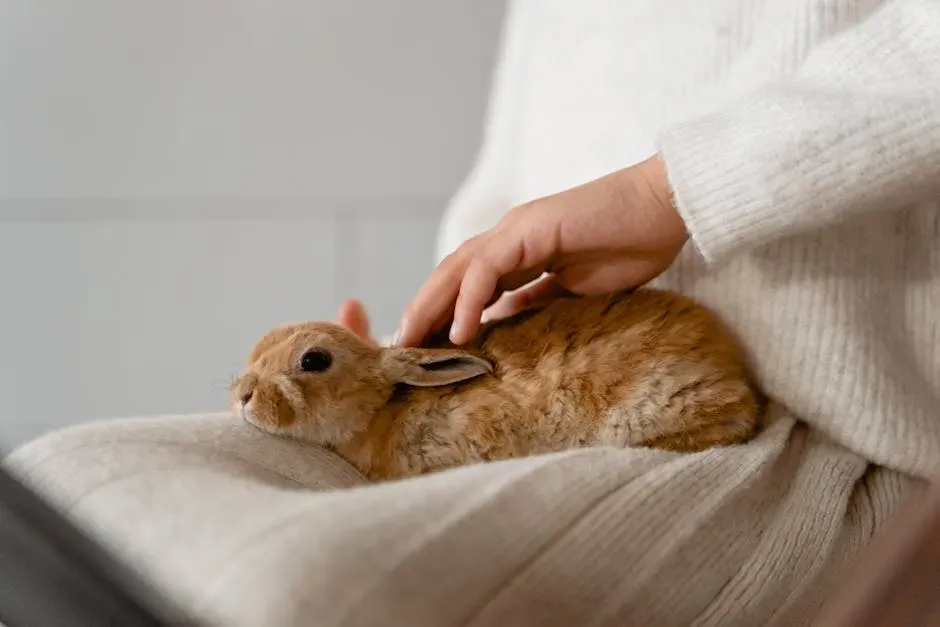
Like cats, rabbits are low-maintenance pets that make plenty of cute little noise, use litter boxes, and like to cuddle. While not a common pet for seniors, rabbits make great companion animals as they do very well in independent living apartments and love interacting with their owner for lap snuggles or hair brushings. They ask for far less in terms of energy than a dog but deliver a level of physical warmth and tactile connection that fish and birds simply cannot offer. Rabbits, especially smaller breeds like Holland Lops, are affectionate and can be trained to use a litter box.
Small mammals such as rabbits can be good choices for seniors who are looking for a pet that is a little more interactive than a fish or bird, but are nearly as easy to care for. Grooming a rabbit is often a mutually soothing experience, and the rhythmic stroking of a soft animal has documented stress-reducing effects. In the absence of physical contact from other people, pets can fulfill tactile needs and provide comfort via hugging, petting, or stroking. A rabbit sitting quietly on the lap of a senior reading in the afternoon is, in its own understated way, a powerful form of companionship.
6. Guinea Pigs – Social, Gentle, and Ideal for Quieter Lifestyles
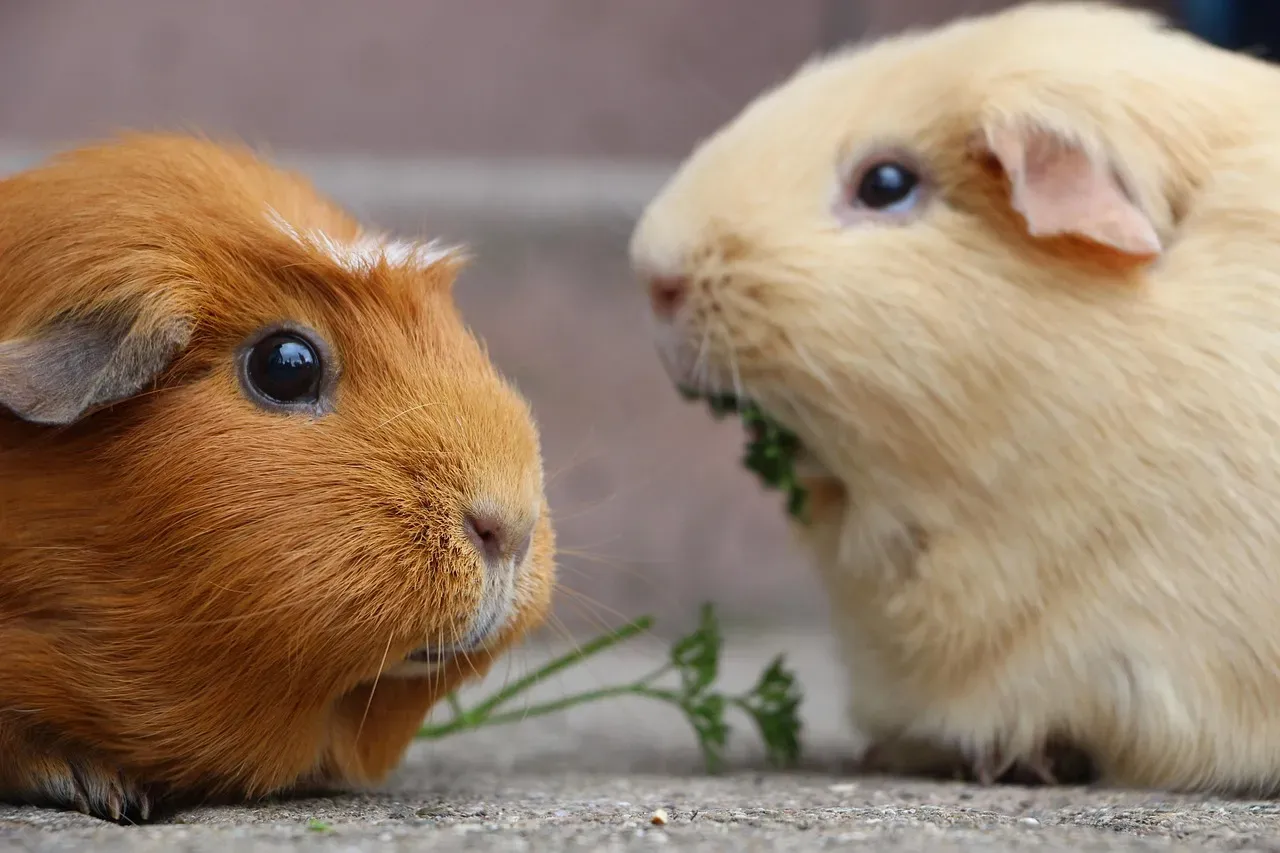
Social, cuddly, and gentle, guinea pigs form strong bonds with their owners, making them great companions. They are vocal without being loud, generally calm without being dull, and their small size makes them easy to handle even for seniors with reduced grip strength. Small mammals like guinea pigs can also make great pets. These animals bond with their owners but require less attention than a dog or cat, especially if you get more than one. Keeping a pair of guinea pigs means they also entertain each other during the hours a senior may be resting.
Caring for a furry friend can provide a sense of purpose and routine, particularly for seniors who may be living alone or facing feelings of loneliness and isolation. The presence of a pet can alleviate feelings of loneliness by providing constant companionship and unconditional love, helping seniors feel more connected and supported. Guinea pigs fit that role well. Pets give us a sense of purpose through daily activities like feeding, walking, and playing. This routine can be helpful for people with mental health issues. “Having another living being to focus on and give attention to on a daily basis is really important, especially for older adults living alone.” A guinea pig, with its gentle squeaks and affectionate nature, delivers precisely that kind of grounding daily connection.
79% of pet owners between the ages of 50 and 80 said their pets helped reduce their stress, while 88% indicated that their pets helped them better enjoy their retirement. With many seniors facing daily isolation and loneliness, this highlights just how impactful animal companionship can be. Whether it is the physical presence of a dog on a morning walk, the purr of a cat in a quiet room, or the gentle flicker of fish in a tank, each of these animals offers something real and measurable to seniors navigating life on their own.