These 6 Pets Are Perfect Companions for Seniors Living Alone
Living alone in later life carries real emotional weight. Loneliness among older adults has become one of the most pressing public health concerns of recent years, with a 2023 report from US Surgeon General Vivek Murthy declaring it as damaging to health as smoking 15 cigarettes a day. Yet there’s a surprisingly accessible antidote that researchers keep circling back to: the right pet. Whether it’s a warm cat purring on a lap or a cheerful bird greeting the morning, animals offer something that medication simply can’t replicate.
According to the University of Michigan’s National Poll on Healthy Aging, pet owners reported that their pets help them enjoy life (roughly 88%), make them feel loved (86%), reduce stress (79%), provide a sense of purpose (73%), and help them stick to a routine (62%). These aren’t minor lifestyle perks – for seniors living alone, they can be genuinely life-changing. A separate 2024 poll found that 84% of pet owners say their pets have a mostly positive impact on their mental health. The science behind these numbers is real, and growing every year.
1. Dogs – Loyal, Active, and Proven Life-Extenders

Dogs remain the gold standard of senior companionship, and the research backs them up in striking ways. The largest study on dog ownership and human health, which took place in Sweden and was published in 2017, found that owning a dog may reduce cardiovascular disease risks. The study was more than 12 years long and followed more than 3.4 million adults. That’s not a small sample – it’s one of the most robust investigations into the human-animal bond ever conducted. The results point consistently toward better heart outcomes for dog owners.
Physical activity is a big part of the equation, too. According to the Human Animal Bond Research Institute (HABRI), roughly 60% of dog walkers met the criteria for regular moderate or vigorous physical activity, compared to 45% for non-dog owners. Dog owners were also 34% more likely to walk at least 150 minutes per week compared to non-dog owners. For seniors, breed selection really does matter. A Cavalier King Charles Spaniel is considered affectionate, gentle, and low-energy, making it perfect for seniors, while a Shih Tzu doesn’t need as much exercise as larger dogs, making it ideal for seniors who may have limited mobility. Choosing a calmer, smaller dog removes many of the physical barriers that might otherwise put people off.
2. Cats – Quiet Companions With Surprising Cardiovascular Benefits
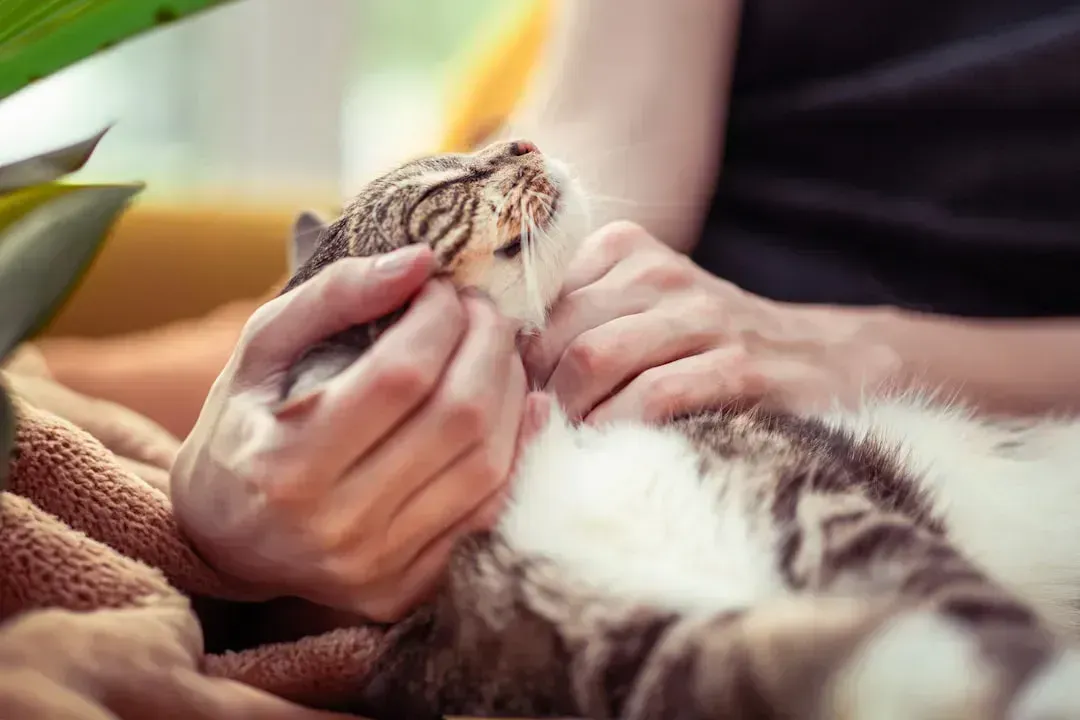
Cats tend to get underestimated, but the science about their benefits is genuinely compelling. A study funded by the Human Animal Bond Research Institute found that cats offer more than just companionship to older adults: feline ownership can ease loneliness, improve health, and even reduce doctor visits. In that research, after four months of fostering a cat, participants showed significant decreases in loneliness scores and improvements in mental health, and over 95% chose to adopt their cats permanently. Those numbers speak for themselves.
The physical benefits are just as real. Research suggests that the frequency of a cat’s purr, typically between 25 and 150 Hertz, can promote healing and reduce stress. This frequency range is known to be therapeutic, and listening to a cat purr can help lower blood pressure, slow the heart rate, and induce a sense of calm. For seniors with limited mobility, cats are relatively low maintenance: an indoor cat doesn’t need to go outside for bathroom breaks or long walks to tire them out, and they’re easily entertained by toys. That combination of emotional depth and practical simplicity makes them an exceptional choice.
3. Birds – Mentally Stimulating and Surprisingly Social
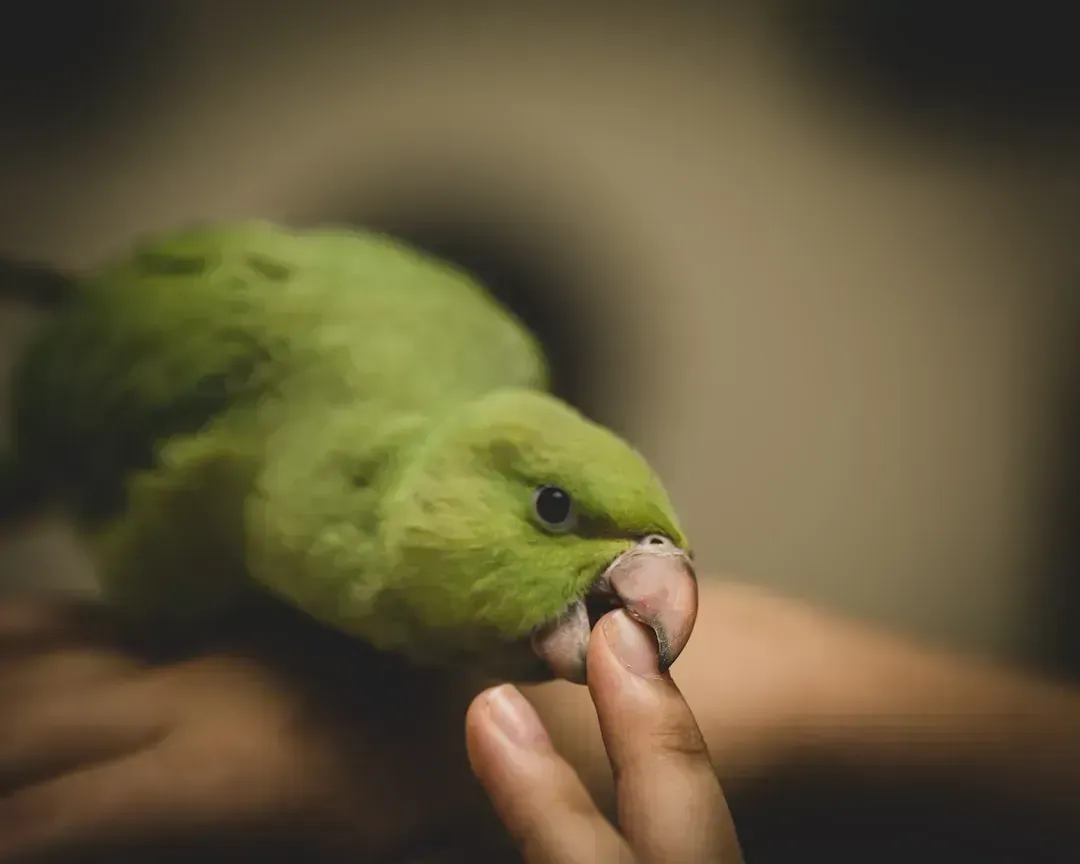
Birds don’t always make the top of the list when people think about senior pets, but they should. Birds are generally low-maintenance compared to dogs, which makes them a good option for seniors. Their singing and chirping can be therapeutic to their owner. Species like cockatiels and budgerigars can also mimic sounds and words, which gives seniors a uniquely interactive form of daily engagement that other pets simply can’t replicate. That back-and-forth can be especially meaningful for someone who lives alone.
Pet therapy with birds offers significant cognitive benefits, particularly for seniors experiencing cognitive decline or dementia. Interacting with pets stimulates the brain, helping to maintain cognitive functions such as memory, attention, and problem-solving. Simple tasks like remembering to feed a bird or observing its behavior provide mental stimulation that keeps the brain active. It’s also worth noting the sensory dimension: pet birds are beautiful to look at and fascinating to observe, with hundreds of varieties to choose from, and some species can live for decades. That long-term bond can become a genuinely sustaining relationship.
4. Fish – Effortlessly Calming for Seniors With Mobility Challenges
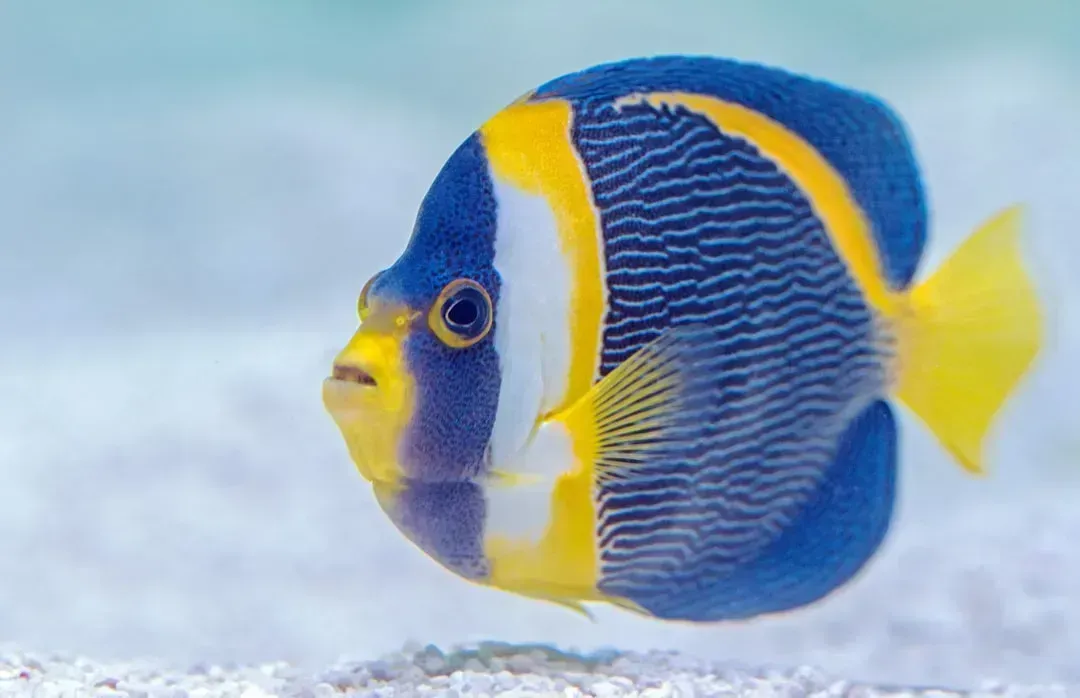
Fish are often dismissed as “hands-off” pets, but that calm, visual presence turns out to be clinically meaningful. Even watching fish swim in a tank has been shown to lower anxiety and blood pressure. For seniors who may be recovering from surgery, managing chronic pain, or simply unable to handle a more physically demanding animal, an aquarium offers the perfect level of engagement. It’s something to look at, tend to, and feel responsible for – without the physical demands of other pet types.
Fish are relaxing to care for and watch, and they’re also very low-maintenance pets. They often just need a bowl with gravel or stones along the bottom and some interesting accessories. Fish care involves providing food daily and cleaning the tank weekly, though some types of fish are a little messier than others and require more frequent cleaning. People with mobility issues may do particularly well as fish owners. If cleaning the fish tank becomes overwhelming, family members or close friends can help – making it a good task for grandchildren or community members looking for ways to interact with older adults. That built-in social bridge is a quiet but real benefit.
5. Rabbits – Gentle, Quiet, and Surprisingly Affectionate
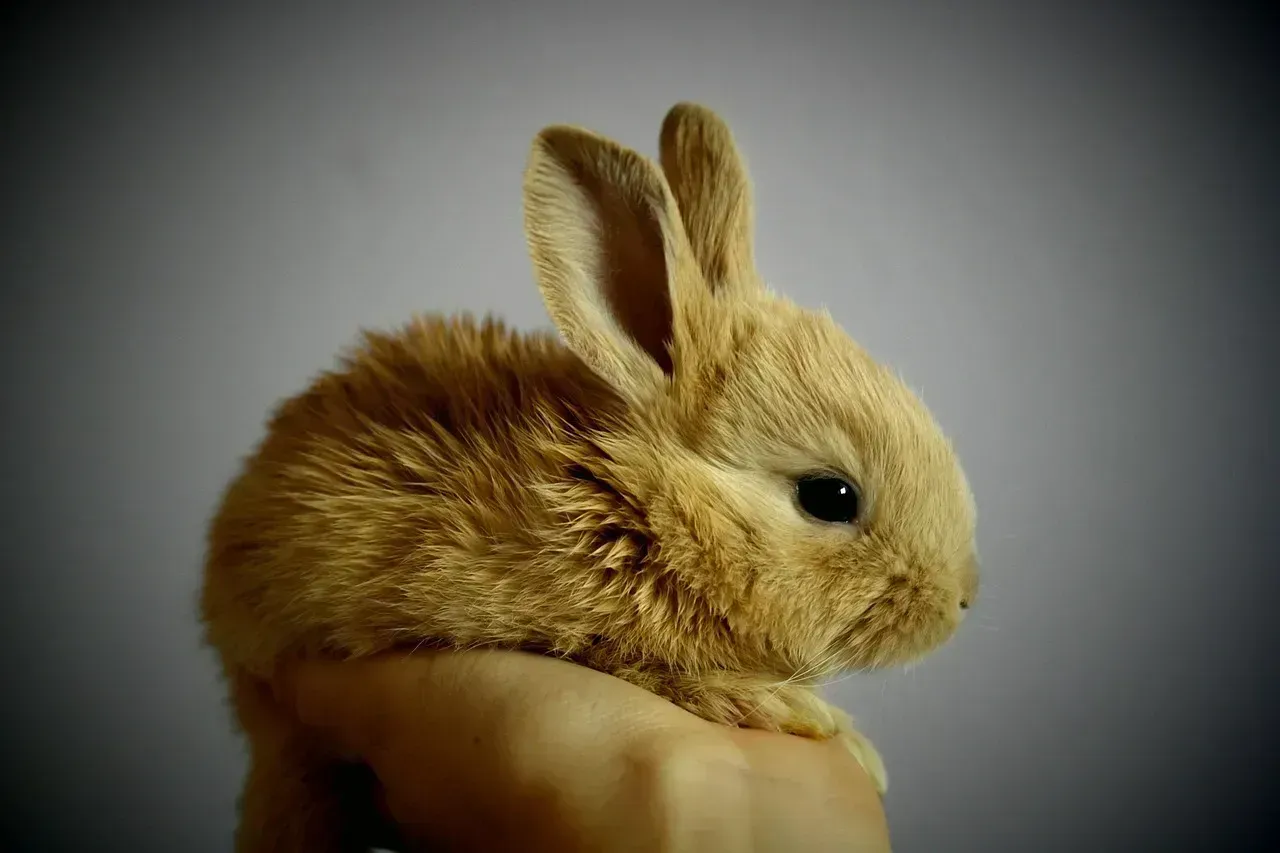
Rabbits are genuinely underrated as senior companions. Rabbits are gentle and surprisingly affectionate once they bond with their owner, making them wonderful companions for older adults. They’re also generally quiet and can even be litter-trained, which is helpful for those living in a small apartment. That litter-training aspect is particularly important for seniors in managed living situations or apartments where hygiene is a concern. Less mess means less stress – and a pet that’s actually practical to keep indoors.
Breeds like the Mini Rex, Holland Lop, or Lionhead are usually ideal for seniors due to their friendly nature and manageable size. To keep a rabbit happy, owners need a roomy cage, daily fresh hay, vegetables, clean water, and a safe space for exercise. The care routine itself is beneficial. Caring for a pet creates a daily routine, which can offer structure and purpose for seniors, especially those living alone. Rabbits tick that box without demanding the energy or outdoor time that a dog requires, making them a sensible middle ground for many seniors.
6. Guinea Pigs – Small, Social, and Gentle on the Body and Mind
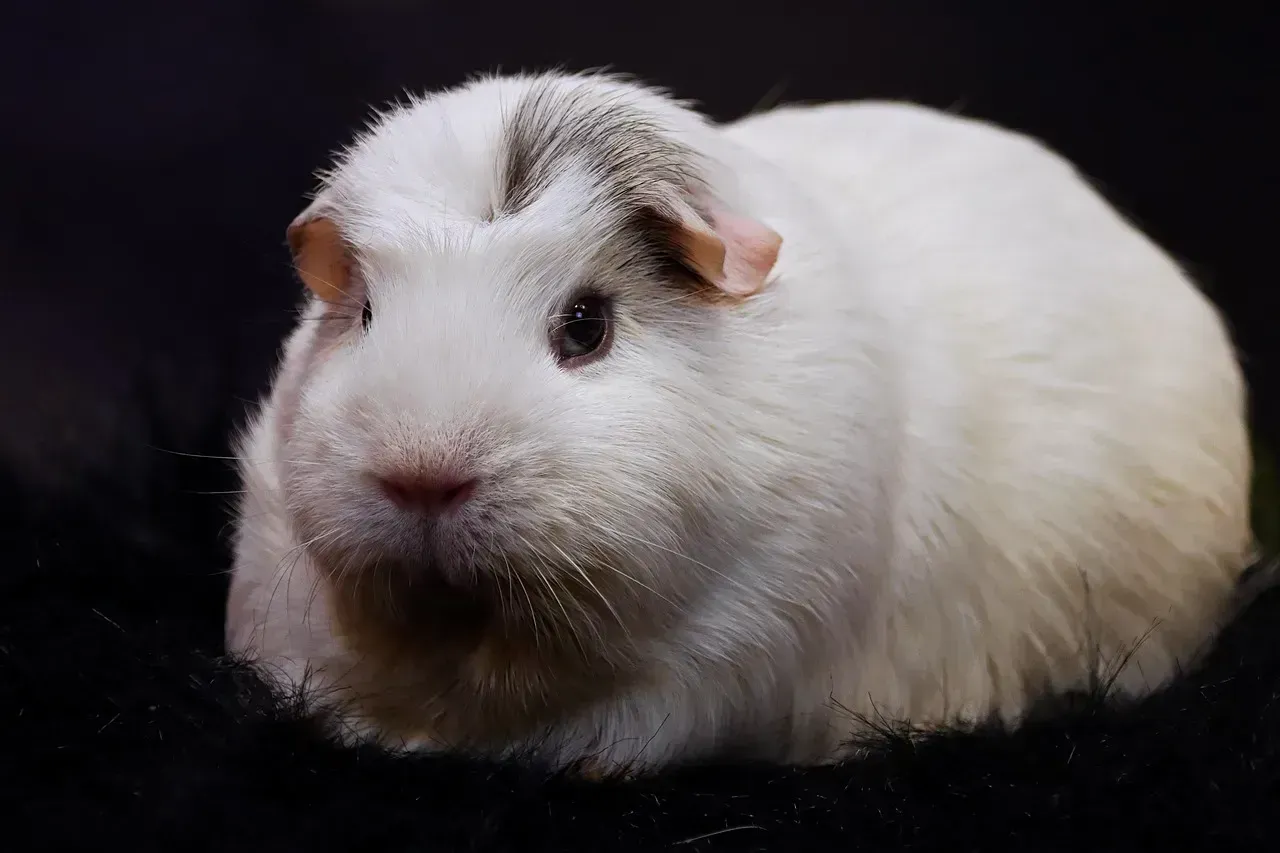
Guinea pigs might be the most underappreciated option on this list. They’re social by nature, rarely aggressive, and respond warmly to gentle handling. Small mammals like guinea pigs can be great options for seniors who enjoy interactive and playful pets. Since they typically don’t need to be walked, they’re a good fit for someone with mobility challenges. For a senior who loves the tactile comfort of holding an animal but can’t manage a dog or cat’s full range of needs, a guinea pig hits exactly the right balance. They’re warm, responsive, and calm.
Caring for a furry friend can provide a sense of purpose and routine, particularly for seniors who may be living alone or facing feelings of loneliness and isolation. The presence of a pet can alleviate feelings of loneliness by providing constant companionship and unconditional love, helping seniors feel more connected and supported. Guinea pigs deliver all of that in a compact, manageable package. Among seniors who lived alone and reported fair or poor physical health, nearly three quarters said pets help them cope with physical or emotional symptoms, and roughly two in five of those who live alone reported that their pets help take their mind off pain. A small animal with a big impact – that’s the guinea pig in a nutshell.