6 Foods That Can Become Harmful When Reheated – Yet Families Still Serve Them
Most of us think of the microwave as a harmless convenience, a quick fix for last night’s leftovers. Yet food scientists and health authorities have long flagged a specific group of everyday foods that carry real risks when reheated incorrectly. The danger isn’t always obvious – no foul smell, no unusual color, no warning sign. Reheating leftovers might seem like a convenient way to save time and reduce waste, but it can sometimes turn certain foods into a health hazard, because some ingredients undergo chemical changes or develop harmful bacteria when exposed to heat a second time. Here are the six foods that deserve much more caution at the dinner table.
1. Rice – The “Fried Rice Syndrome” Threat

Reheated rice syndrome, also known as fried rice syndrome, is food poisoning caused by the Bacillus cereus bacterium. What makes this particularly deceptive is that the food looks and smells completely normal. Unlike common foodborne bacteria like Salmonella and E. coli, cooking or reheating your food won’t protect you from a Bacillus cereus infection because the toxins are heat-resistant, and the spores can also survive cooking or digestion and can afterward begin growing on food or in your intestines. Rice is one of the most consumed staple foods in the world, meaning the exposure risk is enormous across all households.
B. cereus can grow and multiply in food to cause emetic vomiting or diarrheal syndrome. The primary cause of contamination is improper food handling and storage temperature during the cooking, cooling, and reheating stages of rice. The Centers for Disease Control and Prevention estimates that Bacillus cereus causes roughly 63,000 annual cases of foodborne illness in the United States and only 20 hospitalizations – though many cases go unreported, that’s still a tiny fraction of the 48 million total cases of foodborne illnesses in the U.S. each year. The UK’s Food Standards Agency suggests that it may be acceptable to eat rice leftovers within 24 hours if they cool down quickly and are then refrigerated, ideally within 1 hour.
2. Spinach – Hidden Nitrates That Change Under Heat
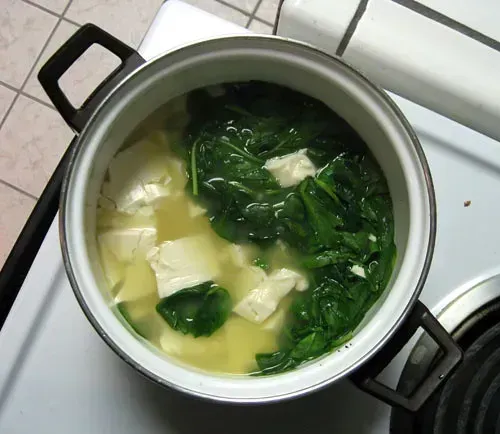
Spinach is packed with nutrients, but it also contains nitrates that can become dangerous when reheated. When exposed to heat a second time, these nitrates can convert into nitrites and then into nitrosamines, compounds that have been linked to cancer. This is especially concerning for infants and young children. The vegetable’s widespread use in family meals – soups, pasta dishes, side dishes – means it’s routinely reheated without a second thought, often multiple times over.
Improper cultivation can easily cause excessive nitrate accumulation in leafy vegetables, and the cooking processes used to prepare them can upset their nitrate/antioxidant balance, affecting their potential nitrite safety risk. Research found that storage periods for boiled water spinach should not exceed 12 hours, and that appropriate cooking methods and limited storage times are required for leafy vegetables to prevent adverse health effects. It is only very high heat that will convert naturally occurring nitrates into nitrosamines, so avoiding burning spinach to a crisp is essential for safety.
3. Mushrooms – Proteins That Break Down Rapidly

Reheating mushroom dishes was a big no for many past generations. Mushrooms spoil quickly due to their high protein content, particularly at room temperature. Mushrooms contain proteins that begin breaking down immediately after harvest. When stored improperly and then reheated, these fungi can cause serious digestive distress, as their cellular structure changes dramatically during storage, allowing bacteria to multiply rapidly. This is not simply a matter of taste – it is a genuine biochemical concern.
Mushrooms have an incredibly unstable complex protein structure when exposed to temperature changes, and their proteins deteriorate rapidly after cooking. Reheating breaks the protein, potentially generating harmful compounds, and the protein changes that occur in mushrooms during reheating are particularly concerning because they cannot be reversed – no amount of additional heating will make them safe again. If you must reheat mushroom dishes, store them at proper temperatures below 40°F and consume within 24 hours, ensuring they reach at least 165°F throughout when reheated.
4. Chicken – Bacterial Risk and Protein Degradation
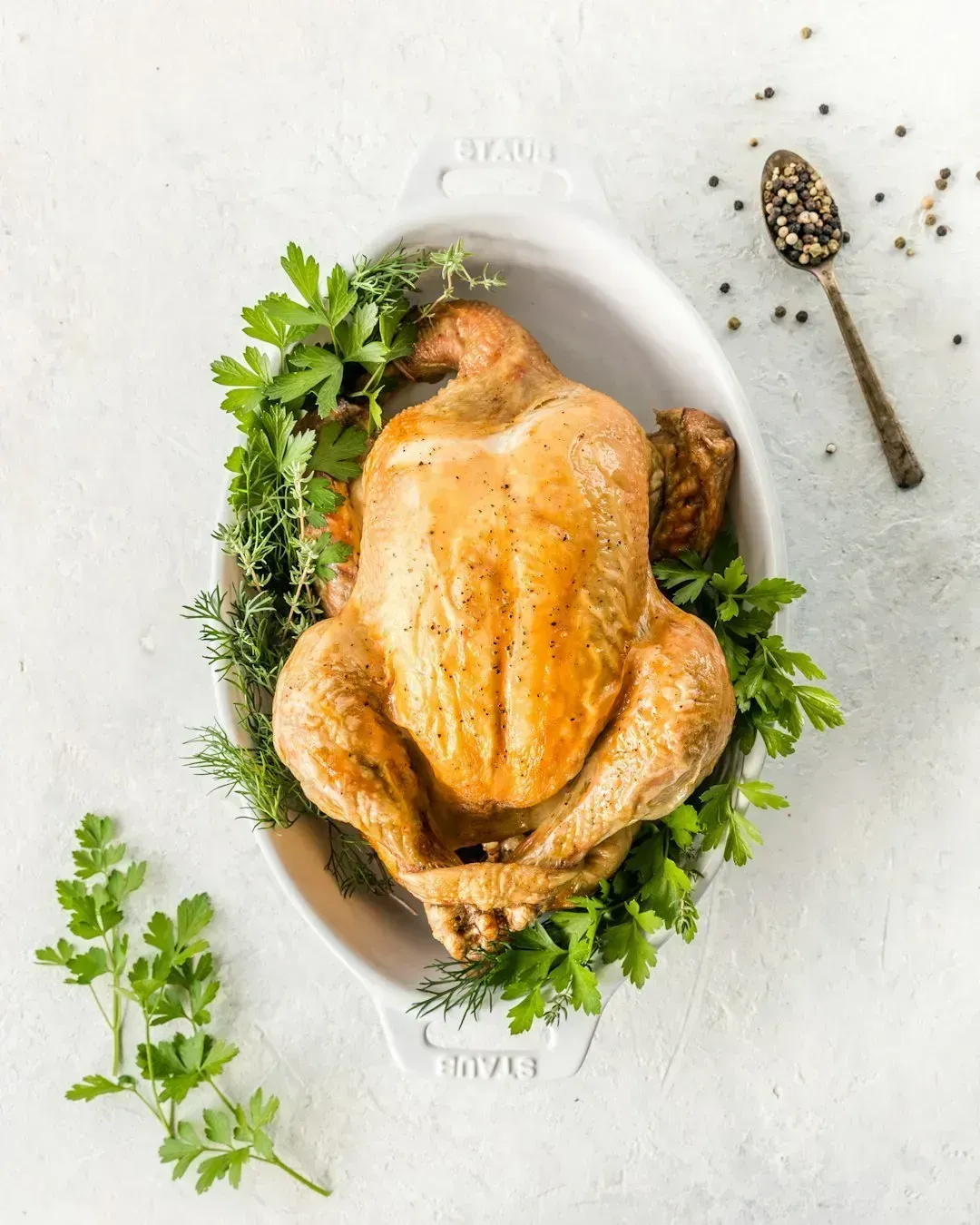
Salmonella and Campylobacter are two common bacteria associated with chicken. These bacteria can cause food poisoning if the chicken is not cooked or stored properly. Reheating chicken to the correct temperature can kill these bacteria, making it safe to eat. The real problem, however, comes when storage or reheating is incomplete. Some foodborne bacteria produce poisons or toxins that are not destroyed by high cooking temperatures if the food is left out at room temperature for an extended period of time.
Studies published in the Journal of Food Science and Technology indicate that repeated heating breaks down protein structures in chicken, making them harder to digest and potentially reducing their nutritional value. Repeated reheating also affects taste and texture. The meat can lose moisture, become dry or stringy, and its natural flavor may fade, while protein structure may degrade slightly, reducing tenderness. The clear recommendation from food safety experts is to reheat chicken only once and to heat it thoroughly to 165°F every time.
5. Potatoes – The Botulism Breeding Ground
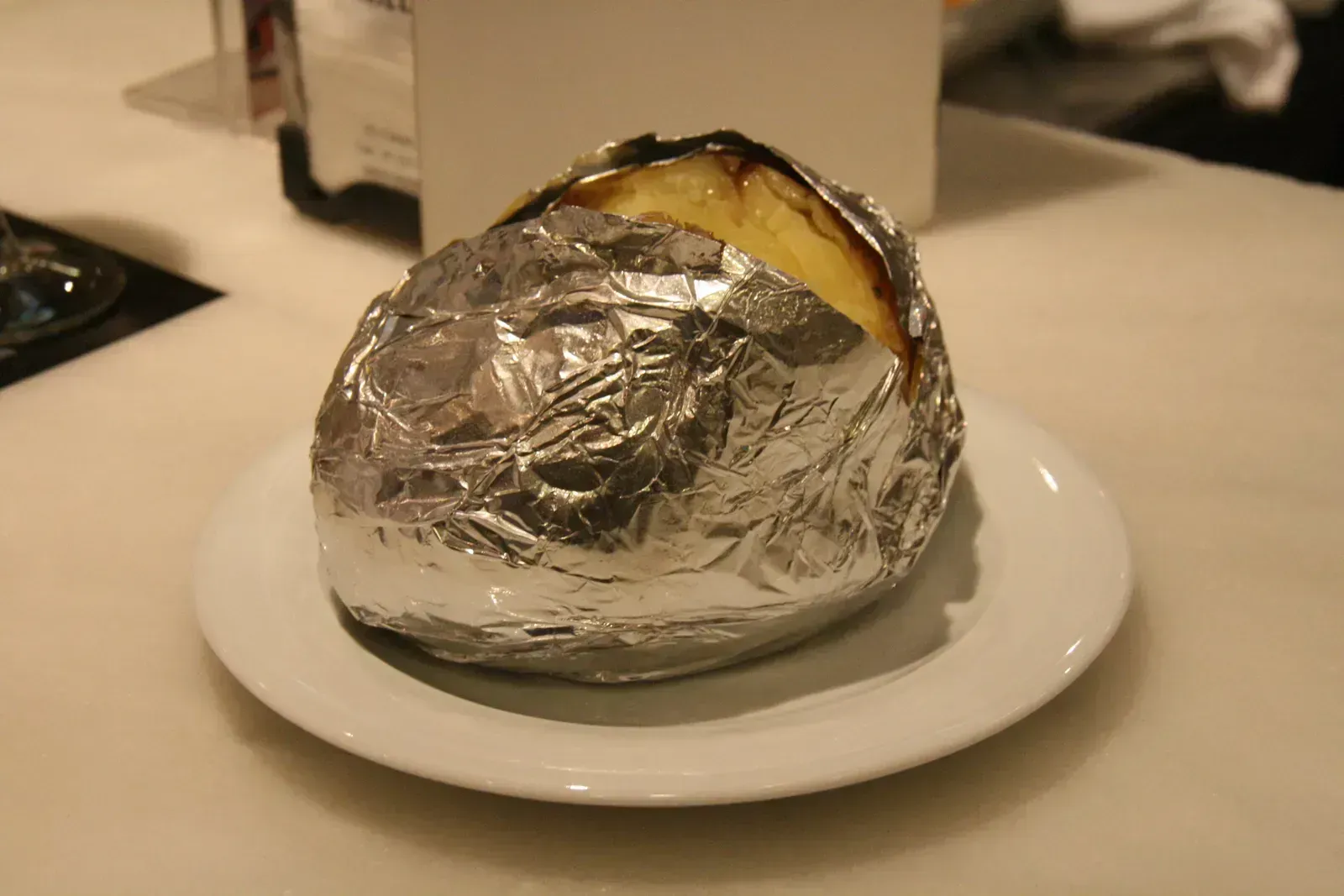
Leftover potatoes can be a breeding ground for Clostridium botulinum, the bacteria responsible for botulism. When potatoes are cooked and then left at room temperature, they create the perfect breeding ground for this bacteria, which causes botulism. Foil wrapping creates an oxygen-free environment where botulism bacteria love to multiply. You can’t smell it or see it – and reheating potatoes will not eliminate the toxins produced by the bacteria, making them potentially toxic.
When it comes to reheating, the primary concern is bacterial growth. Every time food is reheated, it goes through a cycle of cooling and reheating, creating an environment conducive to bacterial proliferation. The safest approach with potatoes is to refrigerate them within two hours of cooking, store them in shallow containers for quick cooling, consume within three to four days, and when reheating, ensure they reach at least 165°F throughout. Families that store baked potatoes wrapped in foil at room temperature face the greatest risk, especially when those leftovers are later reheated rather than discarded.
6. Eggs – Chemical Changes and Digestive Harm

Eggs provide a great source of protein, but reheating them degrades the proteins, leading to digestive discomfort such as bloating and indigestion. Reheated eggs undergo protein changes that can make them rubbery and potentially toxic. The yolks, in particular, contain iron sulfide that intensifies when reheated, causing digestive issues for many people. These changes aren’t always visible – a reheated scrambled egg or quiche may look perfectly fine while no longer being fully safe to eat.
Scrambled or boiled, eggs are a protein-rich food that doesn’t reheat well. Reheating eggs can cause chemical changes that make them toxic and difficult to digest, and this is especially true for dishes like quiches or egg-based casseroles. The texture also suffers, often becoming rubbery or dry. If you’re not eating eggs fresh, it’s best to enjoy them cold or skip the reheat altogether. Vulnerable people, children, the elderly, and sick individuals may react to bacteria in improperly stored and reheated foods completely differently from healthy adults.