The “Suitcase Swap” Scam Now Targeting Travelers at Major Airports
Here’s something that might keep you up at night the next time you check a bag. In a sophisticated scam, baggage handlers swap drug-filled luggage for checked bags, even switching luggage tags, and two tourists in Germany were victims in 2023 and spent 24 hours in prison. Think about that for a second. You walk off the plane, collect what you think is your suitcase, and before you know it, you’re being arrested for smuggling contraband you never touched.
This isn’t the plot of a thriller. It’s happening at real airports to real people. Between April 2024 and April 2025, Americans lost a whopping $2.6 million to reported travel scams, and many cases go unreported because victims never realize they’ve been conned until it’s too late. The world of airport crime has evolved way beyond pickpocketing, and the “suitcase swap” scam sits at the disturbing intersection of theft, impersonation, and outright criminal setup. Let’s be real, airports are chaotic, travelers are exhausted, and criminals know exactly how to exploit both.
The Baggage Handler Swap: When Your Luggage Becomes Evidence

Imagine this scenario. You check your suitcase at the counter, it disappears behind the scenes, and somewhere between the ticket desk and the cargo hold, a baggage handler swaps it with an identical one filled with drugs. In a more sophisticated scam, baggage handlers swap drug-filled luggage for checked bags, even switching the luggage tags. If the drugs are found, the passenger whose name is on the tag is blamed, while the criminals get off scot-free. The tags match, the bag looks similar enough, and suddenly you’re the one answering questions from customs officers.
The scariest part is how plausible it all looks. Although airline baggage handlers do not have a reason to open checked baggage, they have a brief but uninterrupted opportunity to rifle through baggage during aircraft loading. TSA officials believe that airline employees are responsible for a large percentage of thefts. These are people with authorized access, security clearance, and knowledge of every blind spot in the system. One wrong bag and you’re facing legal consequences for something you didn’t do while the real criminals walk away free.
Luggage Tag Data Theft: Why You Should Never Toss That Sticker
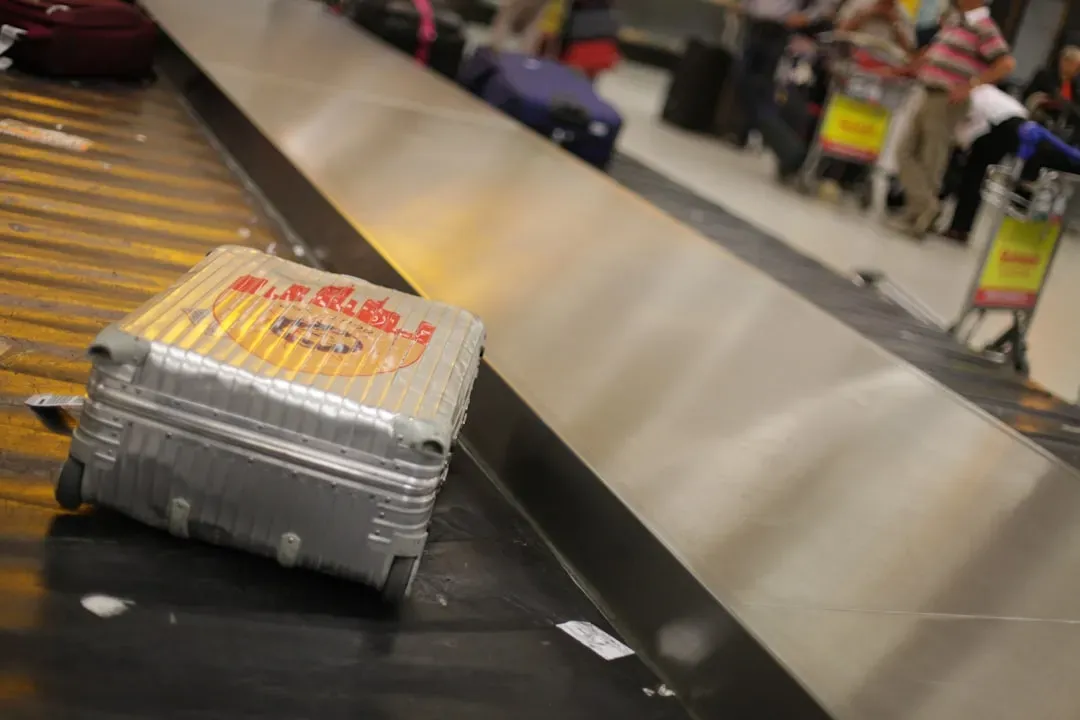
Here’s a scam most travelers don’t even know exists. Scammers carefully observe passengers who remove and discard their luggage tags in baggage claim areas. They then use this discarded information to submit reimbursement claims to airlines. That little adhesive tag you rip off and toss in the nearest trash bin contains your name, flight number, destination, and sometimes even your frequent flyer details. To a scammer, that’s gold.
The problem has gotten so bad that a recent “influx of fraudulent claims” is prompting aviation workers to advise passengers to wait until they’re safely home before removing and disposing of any luggage identification tags. One Delta baggage claims manager on Reddit even warned travelers directly. Honestly, it’s hard to say how long this has been going on, but the fact that airports in Japan have installed “secured bag tag disposal receptacles near the secured exit of baggage claim” suggests this isn’t just a U.S. problem.
The Classic Carousel Grab: Simple, Bold, and Surprisingly Effective

You land, you head to baggage claim, you pull out your phone to text someone you’ve arrived. That’s when someone else calmly picks up a bag that looks like yours and walks away. The scam itself is deceptively simple: thieves loiter near baggage claim areas, watching for distracted travelers, then grab a bag that looks generic enough to blend in. It happens more often than you’d think.
From a low in 2011 of 97 reported incidences of bag theft, the numbers soared last year to a record high of 477 cases. That’s just at Seattle’s Sea-Tac Airport alone, and similar patterns have emerged at airports worldwide, from Germany to Miami. According to recent Department of Transportation data, the number of delayed or lost bags rose to six out of 1,000 bags in February, up from five out of 1,000 the same time last year. In one case at LAX, a traveler used an AirTag to track her stolen suitcase all the way to another terminal. The thief was that brazen.
Insider Theft: When the People with Access Become the Problem
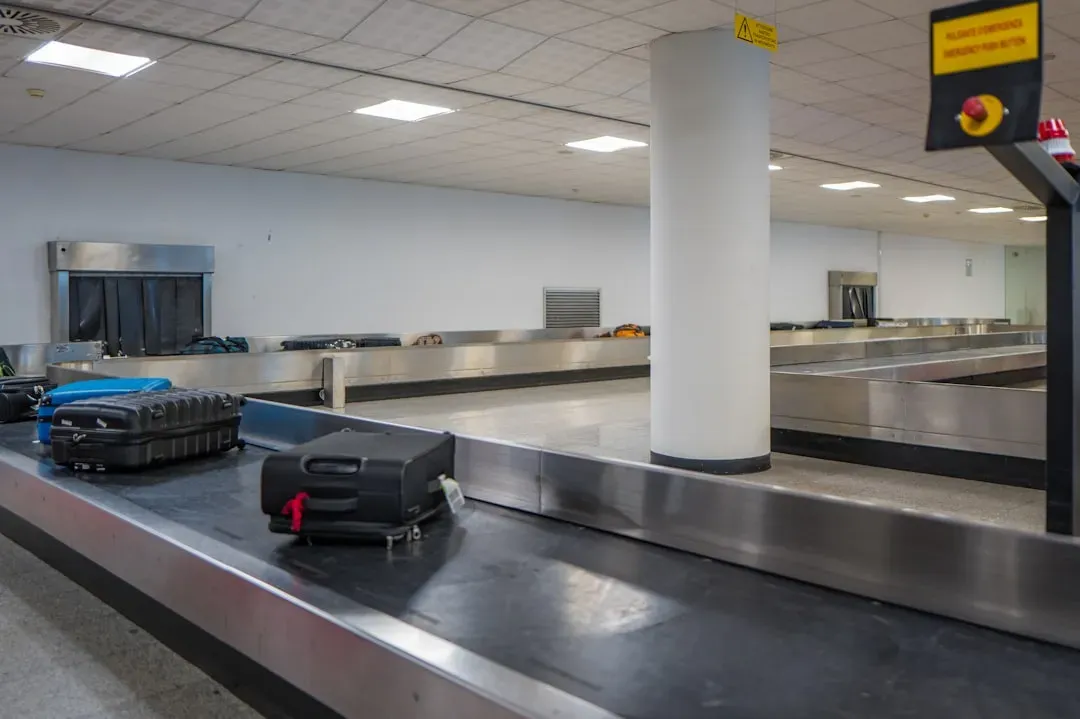
Airports worldwide have reported insider thefts where baggage handlers quietly remove valuables or even entire suitcases. Sometimes it’s just electronics lifted from a checked bag. Other times it’s the whole suitcase disappearing into thin air. A traveler at Fort Lauderdale-Hollywood used an AirTag to trace his “missing” bag – straight to an airport employee’s home. That discovery alone should tell you everything about how deep these schemes go.
The numbers back it up. In 2009, a total of 7,898 items were reported missing from checked luggage at US airports. That was over a decade ago. With post-pandemic travel surges and staffing shortages, the problem has only gotten worse. According to a 2018 research study, smaller airports experience higher theft rates than larger airports, and could therefore constitute vulnerable points of entry into the aviation industry. It’s hard to say for sure how many thefts are inside jobs, but when your bag makes a detour to someone’s living room, something’s clearly broken.
How to Protect Yourself from Suitcase Scams

The good news is you’re not helpless. There are real, practical steps you can take to protect your luggage and yourself. First, never leave your luggage tags at the airport. Keep your luggage tag until you’re off airport grounds, then destroy it – don’t just toss it in a terminal trash can. Shred or cut through the barcode before discarding it. This simple habit can prevent fraudulent claims filed in your name.
Second, make your bag unmistakable. Mark your bag in a way that’s obvious and hard to duplicate – a bright strap, patterned tag, or even colored duct tape. Add your name inside the bag, too, in case labels are removed. Thieves target generic-looking suitcases because they’re easy to grab and blend in with. Third, use a tracking device. Hide a tracker like an AirTag or Tile in your checked luggage – it’s the simplest way to follow your bag’s path. Multiple travelers have recovered stolen bags this way, sometimes even leading police directly to the thief’s home. If your bag doesn’t appear on the carousel, file a report immediately before leaving the terminal.
Airports are designed for movement, not attention. That’s exactly what makes them perfect hunting grounds for thieves. The less vigilant you are, the easier their job becomes. So keep your eyes on your bag, your tags in your pocket until you’re home, and your guard up even when you think you’re safe. Did you realize how vulnerable your luggage really is? What do you think about it? Tell us in the comments.