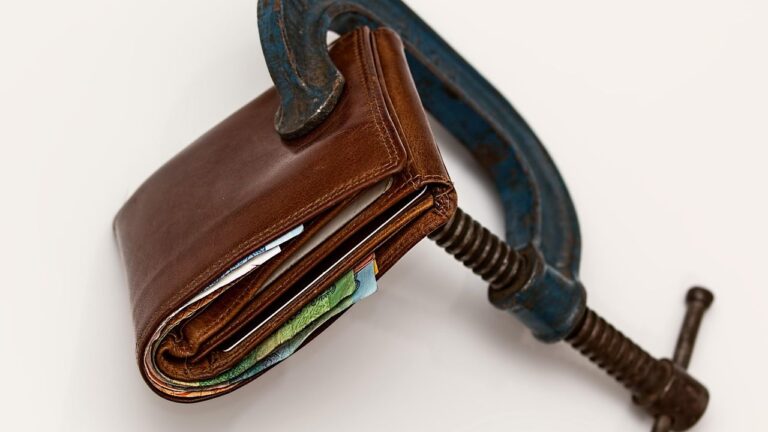
Why Your Money No Longer Feels Liquid: New Withdrawal Limits Explained
The Days of Walking Out with a Stack of Cash Are Over
Daily ATM withdrawal limits typically range somewhere between $300 and $1,500, depending on the institution. That might sound like a reasonable amount until you actually need cash in a hurry. Picture this: you’re trying to close a deal on a used car, or maybe there’s an emergency repair that only accepts cash. Suddenly, you’re staring at an ATM screen telling you that you’ve hit your limit for the day. Cash withdrawal limits tend to be somewhere between $300 and $1,500 per day, and these limits are typically set for security reasons and to protect customer accounts. Still, it’s frustrating when it’s your money sitting in your account, and you can’t get to it.
Here’s the thing: these restrictions aren’t new, exactly. Banks have always imposed limits on how much you can yank out of an ATM at once. Banks have limits on daily ATM withdrawals, and generally, a bank will set the same default daily ATM limits for all of its customers, but the amount can vary from bank to bank. What’s changed is how tightly these limits seem to squeeze when you need flexibility. Whether it’s a basic checking account with a lower cap or a premium account with slightly more breathing room, the experience can feel like your cash is trapped behind glass.
Why Banks Keep Your Cash on a Short Leash
Banks keep maximum ATM withdrawal limits in place to help protect your funds, and should a thief gain access to your card and debit card PIN, without a daily or transactional withdrawal limit, they could rapidly drain your accounts. That’s the official story, and honestly, it makes sense on paper. Security is a legitimate concern. Withdrawal limits are in place because ATMs contain a limited amount of cash and to help keep fraud at bay, and banks certainly don’t want someone to be able to take out a lot of money from an account if a card and PIN fall into the wrong hands. I get it. Nobody wants to wake up to an empty bank account because some thief got lucky.
There’s another reason, though, that banks don’t always advertise quite as loudly. ATMs can only carry so much cash, and there are few things more inconvenient than needing cash, finding an ATM, and discovering it’s empty, so limiting the amount of cash that can be withdrawn per customer helps to ensure cash remains available for other customers. Banks also need to manage their own cash reserves and liquidity carefully. The Liquidity Coverage Ratio was created to ensure that banks maintain a sufficient stock of high-quality liquid assets to withstand a severe liquidity stress scenario over a 30-day period, asking banks to put in place a sort of self-insurance that reduces the likelihood they will resort to drastic measures during periods of liquidity stress.
Let’s be real: the system is designed to protect the bank’s stability as much as it is to protect you. If everyone suddenly decided they wanted all their cash tomorrow, the whole thing would collapse. So the limits exist partly to prevent a modern-day bank run, even if nobody wants to say it that way.
The ATM Isn’t Your Only Problem
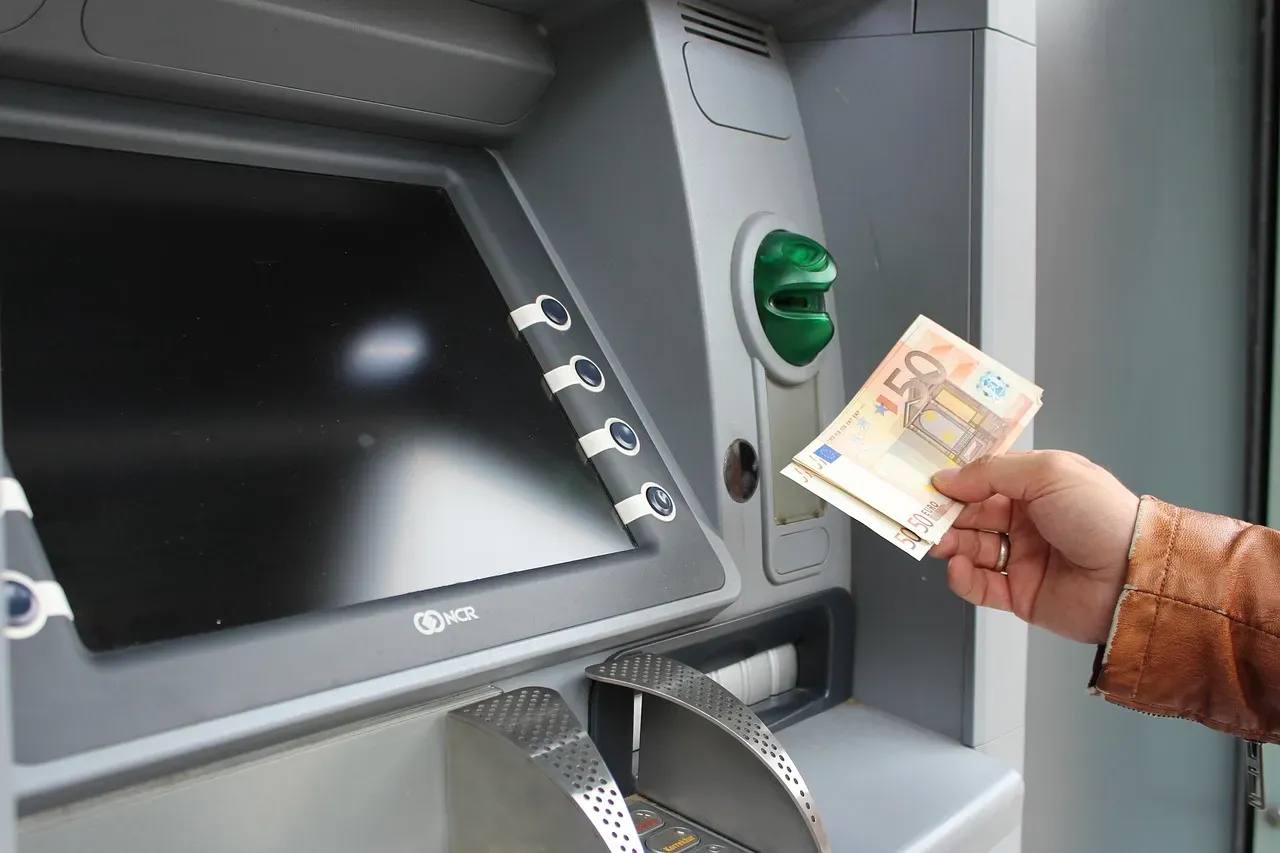
Withdrawal limits don’t stop at the ATM. Often, banks will let you withdraw up to $20,000 per day in person at a branch where they can confirm your identity, while daily withdrawal limits at ATMs tend to be much lower, generally ranging from $300 to $1,000. So if you waltz into a branch and ask a teller for a big stack of bills, you might have better luck than at the machine around the corner. Still, even these in-person limits have their ceiling. Rules vary by bank, but limits are typically lowest for ATM withdrawals ranging from $300 to $1,000, somewhat higher for debit card transactions commonly around $5,000, and highest for in-person withdrawals at a teller often up to $20,000.
Then there’s the matter of savings accounts, which bring their own special headaches. In April 2020, as the pandemic hit, the Federal Reserve reduced bank reserve requirements to zero and deleted the six-transaction limit from the regulatory definition of savings accounts, with the goal to give Americans more financial flexibility during economic uncertainty. You’d think that would have been the end of it. However, many banks still restrict withdrawals to six per month even though they’re no longer required to by federal law, and banks that maintain limits typically charge $5 to $15 per excess withdrawal and may convert your account to checking if you repeatedly exceed the limit. It’s one of those situations where the law changes but the banks just shrug and keep doing what they’ve always done.
November 2025 Brought Tighter Restrictions
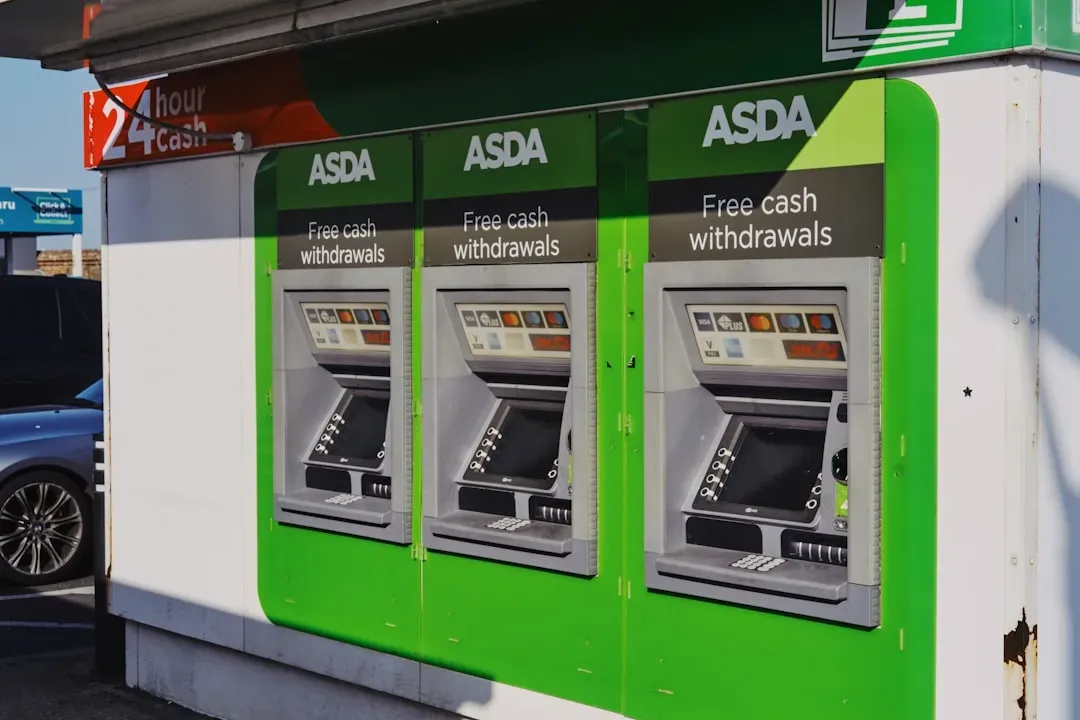
Starting November 1, 2025, a new policy by U.S. banks significantly impacted how much cash customers can withdraw from their accounts, with this change being introduced in response to rising security concerns, increased digital banking usage, and efforts to monitor large cash movements more effectively. The timing feels deliberate, doesn’t it? As more people shift to digital payments and contactless transactions, banks seem less interested in letting you haul out physical cash. From November 2025, major U.S. banks began enforcing stricter daily and monthly limits on cash withdrawals, with these changes mainly affecting ATM and over-the-counter withdrawals, aiming to reduce fraud and increase financial tracking.
If you exceed your allowed cash limit, you might be charged a flat fee ranging from $5 to $20 per transaction, and in some cases, frequent violations could trigger account restrictions or mandatory account upgrades. So not only are you capped on how much you can take out, but you’ll also get slapped with penalties if you try to push past those boundaries. American residents, especially senior citizens and small business owners, are being urged to understand the implications of these new rules to avoid unnecessary fees and withdrawal issues. For people who still rely heavily on cash for daily expenses or business operations, this tightening of access can feel like a slow squeeze.
What You Can Actually Do About It
There are workarounds, if you’re willing to plan ahead or get a little creative. In some stores like grocery stores, it’s possible to ask for cash back at checkout when making a purchase, and while cash back may count toward your debit card’s daily purchase limit, it typically doesn’t count toward a daily ATM withdrawal limit. That’s a useful trick if you’re already shopping and need a bit more cash than the ATM will give you. One of the best ways to avoid daily cash withdrawal limits is to split up your withdrawals over a few days, so if you need $3,000 in cash by Friday and your bank allows only $1,000 per day from ATMs, you can make withdrawals on Wednesday, Thursday and Friday to have the amount you need.
If you bank at a brick-and-mortar location and the branch is open when you need more money, head inside, as you can withdraw the amount you need by seeing a teller, and you may be able to negotiate a higher ATM withdrawal limit simply by contacting your bank’s customer service department and asking for a boost. Honestly, it’s worth making the phone call or stopping by in person if you know you’ll need a larger amount soon. Banks do grant temporary increases on a case-by-case basis. The easiest way to raise ATM withdrawal limits is to make a request with your bank, and if it’s for a one-time purchase, a request for a temporary increase may be more appropriate, such as if you’re about to go on vacation and need more cash on hand than usual, and banks tend to grant these requests on a case-by-case basis.
The frustrating part is that you shouldn’t have to jump through hoops to access your own money. Still, understanding how the system works and knowing your options can save you from standing at an ATM, fuming because you can’t get what you need. The limits aren’t going away anytime soon, so adapting is pretty much your only move. What do you think about it? Tell us in the comments.