10 U.S. Cities Where Retirees Can Live Nearly as Cheaply as in Mexico or Portugal
Retiring abroad sounds romantic. Sun-drenched beaches in Mexico, charming cobblestone streets in Portugal, or tropical breezes in Costa Rica. In Mexico, retirees can live comfortably on around $1,500 to $2,000 per month, while Portugal’s smaller cities offer monthly expenses ranging from $1,800 to $2,500, including housing, utilities, food, and healthcare. It’s tempting, right? Yet moving to another country involves learning a new language, navigating foreign healthcare systems, and being thousands of miles from family. What if you could enjoy similar affordability without leaving the United States?
Here’s the thing: scattered across America are cities where your retirement dollars stretch almost as far as they would overseas. Places where housing costs stay low, healthcare is accessible, and you can still grab your favorite coffee without needing a translation app. Ready to discover where your retirement savings can work harder while keeping you stateside?
Akron, Ohio

GOBankingRates analyzed the 100 biggest U.S. cities with populations of at least 150,000 and determined the most affordable city for retirement based on the annual retirement income needed to cover housing, health care, groceries, transportation and utilities. Akron consistently ranks at the top of affordable retirement cities in recent studies. Electric costs in Akron are 31% lower than the national average, which really adds up when you’re living on a fixed income.
What makes Akron stand out is its mom-and-pop local economy. Akron has national chain grocery stores like Whole Foods, Aldi and Trader Joe’s, but local grocers ensure prices stay competitive. Plus, you’re not stuck in a retirement bubble here. The city offers cultural attractions, surprisingly good international specialty markets, and a community that pushes back against unreasonable utility rate increases. Winters are cold, sure, yet the trade-off for genuine affordability might be worth bundling up.
Fort Wayne, Indiana
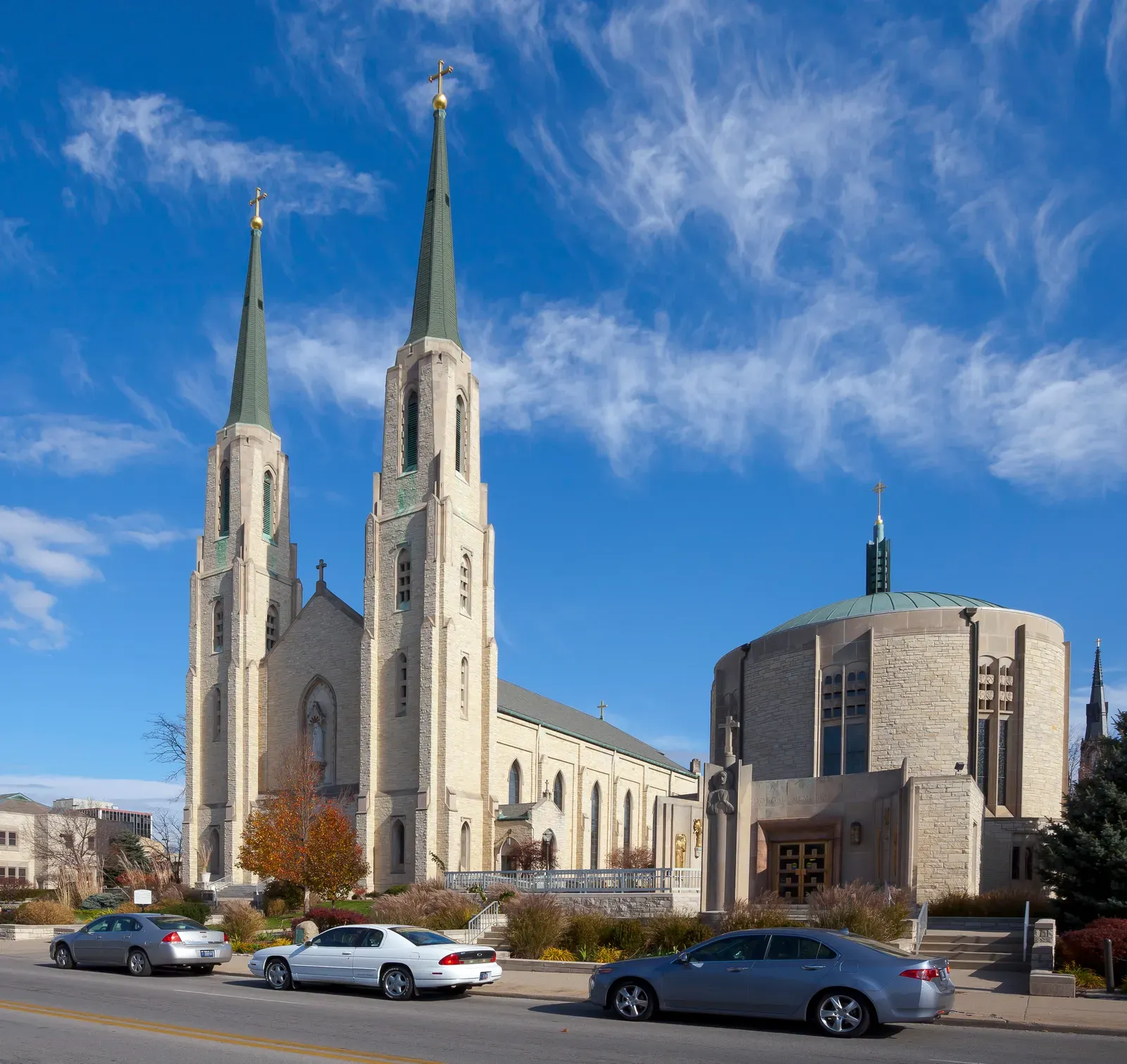
Fort Wayne is a slow-paced Midwestern town with a small-town feel, minimal traffic, and friendly culture, making it one of those places where neighbors still wave to each other. Fort Wayne boasts affordable housing and cost of living for retirees on a budget, offering attractions like a children’s zoo, art museum, restaurants, shopping and more. You’ll get way more house for your money here compared to coastal cities.
Indiana’s property tax rate of 0.74% and state income tax rate of 3.05% are both less than average. The city’s botanical conservatory is one of the best around, and there are dozens of assisted living or memory care facilities if you need them down the road. It’s not glamorous, frankly, yet it’s genuinely livable on a Social Security check and modest savings.
Huntsville, Alabama
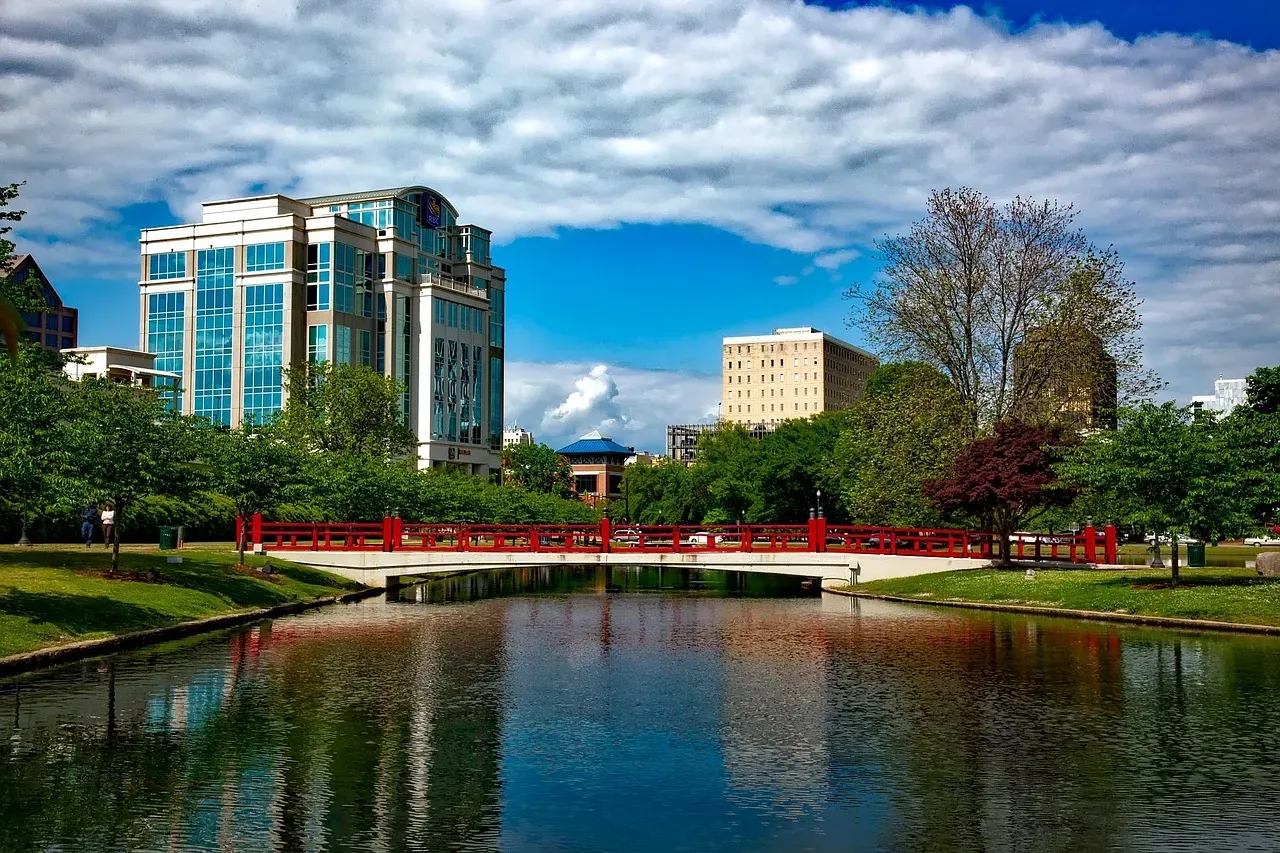
Huntsville provides a high quality of life without the hefty price tag of other big cities, with many rental options under $1,000 per month. This isn’t your stereotypical sleepy Southern town. Huntsville has a thriving tech sector and NASA’s Marshall Space Flight Center, which brings a surprisingly cosmopolitan vibe. The waterfront vistas along the Tennessee River are gorgeous, even if the city isn’t technically tropical.
The cost of living here competes directly with what you’d find in popular Mexican retirement towns. You won’t need to learn Spanish or figure out foreign property laws, and you’ll have easy access to quality healthcare facilities. Mobile, another Alabama city, is a cultural center of the Gulf Coast full of history, museums, music festivals, and water-based adventures, and is an affordable place for retirees to call home. Alabama cities generally offer tremendous value for retirees seeking warmth and Southern hospitality.
Des Moines, Iowa

Des Moines ranks among the 100 large U.S. metro areas for successful aging according to the Milken Institute, offering affordability, a strong economy and plenty of health care facilities specializing in aging-related services. This state capital delivers big-city amenities without the price tag. Iowa offers the lowest median home sale price for affordability at $228,000 and has the lowest cost of living, with the cheapest groceries at $166.22.
Des Moines features numerous museums, arts venues, a botanical garden, and even a nearby casino with exotic animal races. Iowa repealed its inheritance tax for 2025, which is great news if you’re planning to leave something behind for the grandkids. Winters are brutal, I won’t sugarcoat that. Still, if you can handle snow, your retirement budget will thank you.
Tulsa, Oklahoma

Tulsa is a leading healthcare hub in the Midwest with notable hospitals like Oklahoma State University Medical Center, and has a median rent of $839 a month with monthly cost of living around $1,695, almost 30% lower than the national average. That’s cheaper than many Mexican expat communities. Tulsa’s Art Deco architecture, vibrant music scene, and riverside trails give it character that generic retirement towns lack.
Here’s something wild: Tulsa sponsors the Tulsa Remote program, which provides $10,000 in monetary aid for remote workers to relocate to Tulsa. While that’s aimed at workers, it shows the city is actively trying to attract newcomers. The state’s low property taxes and exemptions for Social Security income sweeten the deal considerably.
Augusta, Georgia

Augusta offers low living costs and generous tax breaks for seniors, with revitalization efforts pushing hard over the past several years beyond the annual Masters golf tournament. Yes, that Masters tournament brings excitement every April, yet Augusta has been transforming itself into a year-round retirement destination. The Riverwalk along the Savannah River provides lovely scenery for daily strolls.
Georgia as a state offers tremendous value. Georgia is the most affordable state to retire according to Bankrate’s 2024 report, with a cost of living index of 79.4, which is 20.6% lower than the nation’s average, and comparatively cheaper housing, utilities, and transportation. The climate is mild, healthcare is accessible, and you’re far enough south to escape harsh winters without paying Florida prices.
Spokane, Washington

Spokane is situated between the Cascade Mountains and the Rocky Mountains, offering 76 lakes, a 40-mile Spokane River Centennial Trail, and opportunities for hiking, biking, boating and fishing. This Pacific Northwest gem gives you natural beauty without Seattle’s outrageous costs. Spokane is located 300 miles east of Seattle with extensive hiking, biking, and walking trails through both mountains, 76 lakes and rivers for swimming, boating, and fishing.
The cost of living is roughly on par with the national average, which sounds unremarkable until you realize you’re getting mountain views, clean air, and wine country access. Spokane has numerous wineries, breweries, and distilleries for socializing without breaking the bank. It’s expensive by Midwest standards, true, but compared to Portugal’s trendy coastal areas? You’re getting similar quality of life at comparable or lower costs.
Fargo, North Dakota

Fargo fits the bill for affordability with particularly low housing costs for retirees, with a median home cost of $316,580 according to Zillow, and North Dakota State University offers attractive amenities including sporting events and cultural attractions. North Dakota has consistently ranked high among the best states for retirement due to low costs and generous tax situation, making it financially savvy despite being an unorthodox choice.
The weather is absolutely punishing. The average low temperature in January is literally 0 degrees Fahrenheit and only goes up to an average low of 6 degrees Fahrenheit in the surrounding months. However, if you can tolerate the cold, you’ll find a safe, friendly community where your retirement savings stretch remarkably far. It’s not for everyone, honestly, but it works brilliantly for the right person.
Little Rock, Arkansas

Little Rock offers an active downtown, an attractive riverfront, below-average cost of living, quality healthcare options including UAMS Medical Center, and opportunities for outdoor activity at Riverfront Park and along the Arkansas River. Arkansas ranks as the most affordable state for retirees, offering the lowest median rent at $722 and eighth-lowest median home sale price at $255,000, plus the fifth-least expensive Medicare Advantage plans at $7.74.
The River Market District provides restaurants and museums, giving retirees cultural engagement without the premium costs of larger cities. Arkansas doesn’t get much love in retirement guides, yet the numbers don’t lie. Your money goes further here than almost anywhere else in America. The climate is humid but mild, and you’re getting Southern hospitality at bargain-basement prices that rival Central American retirement havens.
Albuquerque, New Mexico
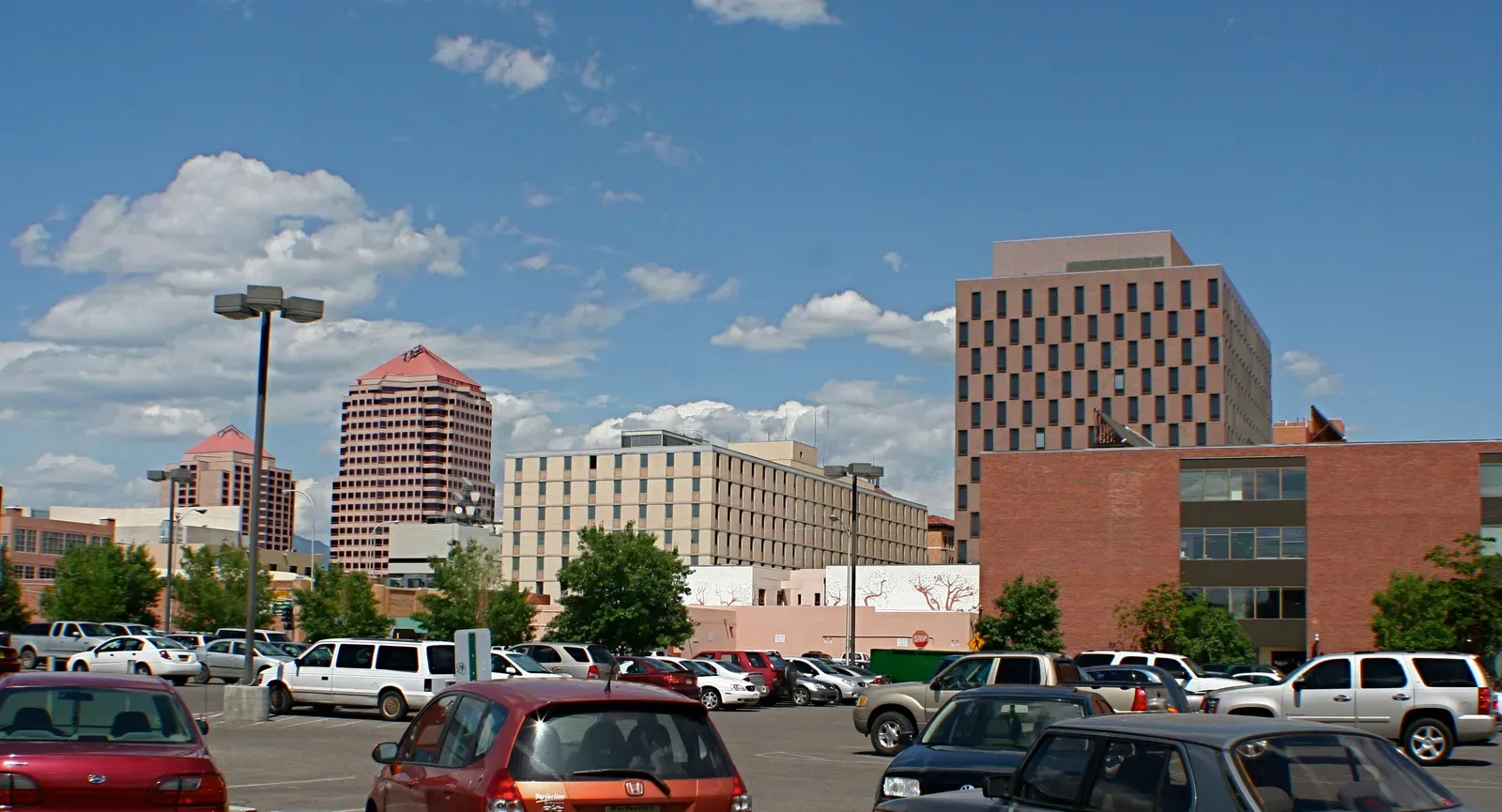
Albuquerque is known for its affordability, cultural richness, and outdoor activities, with a cost of living 8-9% lower than the U.S. average. Albuquerque’s cost of living is 5% below the national average, with housing and utilities noticeably cheaper than in many major cities. The high-desert climate means sunshine nearly year-round, which appeals to those escaping dreary weather without moving to overcrowded Arizona retirement communities.
The city’s cultural richness sets it apart. You’ll find Native American heritage, Spanish colonial history, world-class museums, and that distinctive Southwestern cuisine. Healthcare facilities are solid, including major hospital systems serving the region. It’s hard to say for sure, but Albuquerque might offer the best combination of climate, culture, and affordability for retirees who want something different without leaving the country or emptying their bank accounts.
What would you have guessed? Did any of these surprise you?