Don’t Buy Yet: 12 Restaurant Dishes Diners Say They’d Never Order Again
Ever notice how some meals sound absolutely incredible on the menu, then arrive at your table and you’re left wondering where all your money went? You’re not alone. Real diners and chefs have spoken up about those menu traps that look fancy, promise the world, and deliver…well, disappointment. Sometimes it’s the outrageous markup, other times it’s what actually goes into making them. Let me tell you, some of these might genuinely shock you.
Truffle Oil Pasta
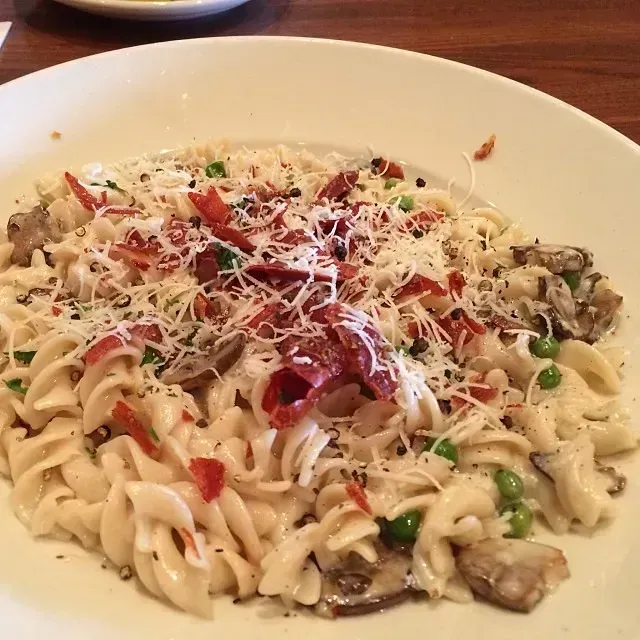
Here’s the thing about truffle oil dishes: they’re almost never what they claim to be. Pasta made with truffle oil is one of the most overpriced dishes on many restaurant menus, and most of the truffle flavor in these dishes isn’t coming from actual truffles. Instead, it’s synthetic flavoring created in a lab.
Martha Stewart made it clear that she would “never use truffle oil,” describing it as synthetic and fake, calling it “a hideous thing”. It’s a cheap oil with added synthetic truffle flavor, sold as a luxury gourmet item that gives customers the idea that truffles have an intense gas-like aroma. Celebrity chefs from Gordon Ramsay to the late Anthony Bourdain have railed against it. What you’re actually eating costs restaurants pennies but they charge as if you’re getting real underground fungi worth hundreds of dollars per ounce.
Shrimp Cocktail
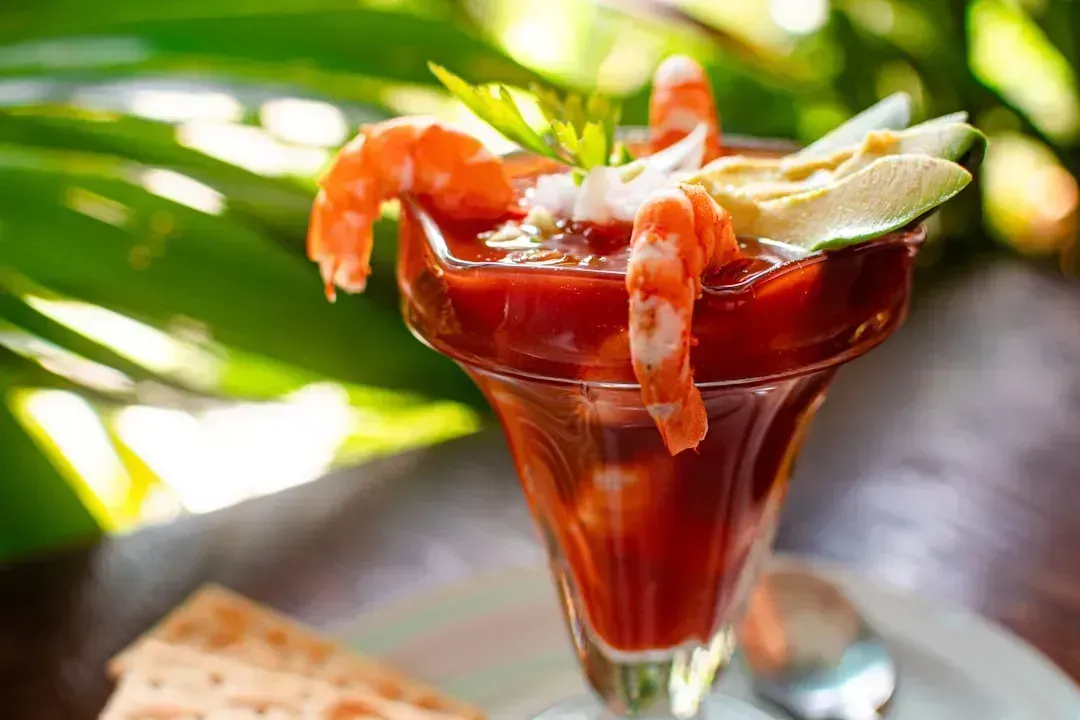
That retro appetizer hanging glamorously off a martini glass? It’s a total ripoff, friends. The menu price of shrimp cocktails is far higher than its production cost, and while shrimp cocktail isn’t served raw, it takes very little effort to prepare, with the cost of shrimp sitting at around $6.62 a pound.
Cocktail sauce is made with five basic, inexpensive ingredients: ketchup, horseradish, Worcestershire sauce, hot sauce, and lemon juice. At some establishments, the cost of shrimp cocktail is nearing $30. Think about that for a second. You’re essentially paying restaurant rent and ambiance fees for boiled shrimp and glorified ketchup.
Avocado Toast
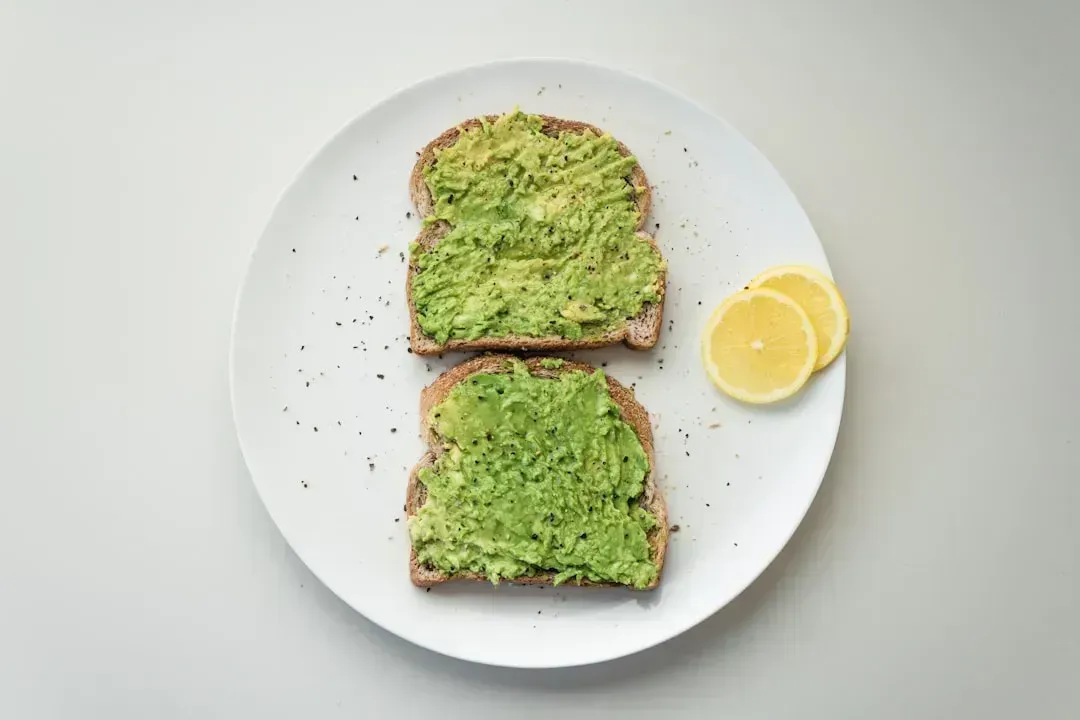
Look, I know it’s Instagram gold. The bright green smears, the perfectly placed microgreens, maybe a poached egg perched on top like edible art. The trend factor has died down while the prices remain obnoxiously high, with a slice of decent sourdough, mashed avocado, flaky sea salt, microgreens and pistachios for garnish – and maybe an egg on top – rarely worth $20.
According to Time, Americans spend $900,000 every month on avocado toast. That’s staggering when you consider that a whole Hass avocado at Trader Joe’s costs around $1.50 – or around $7 for a bag of six. The markup is absolutely wild. Make this one at home and save yourself enough to actually afford the house millennials are supposedly buying instead.
Restaurant Pasta Dishes
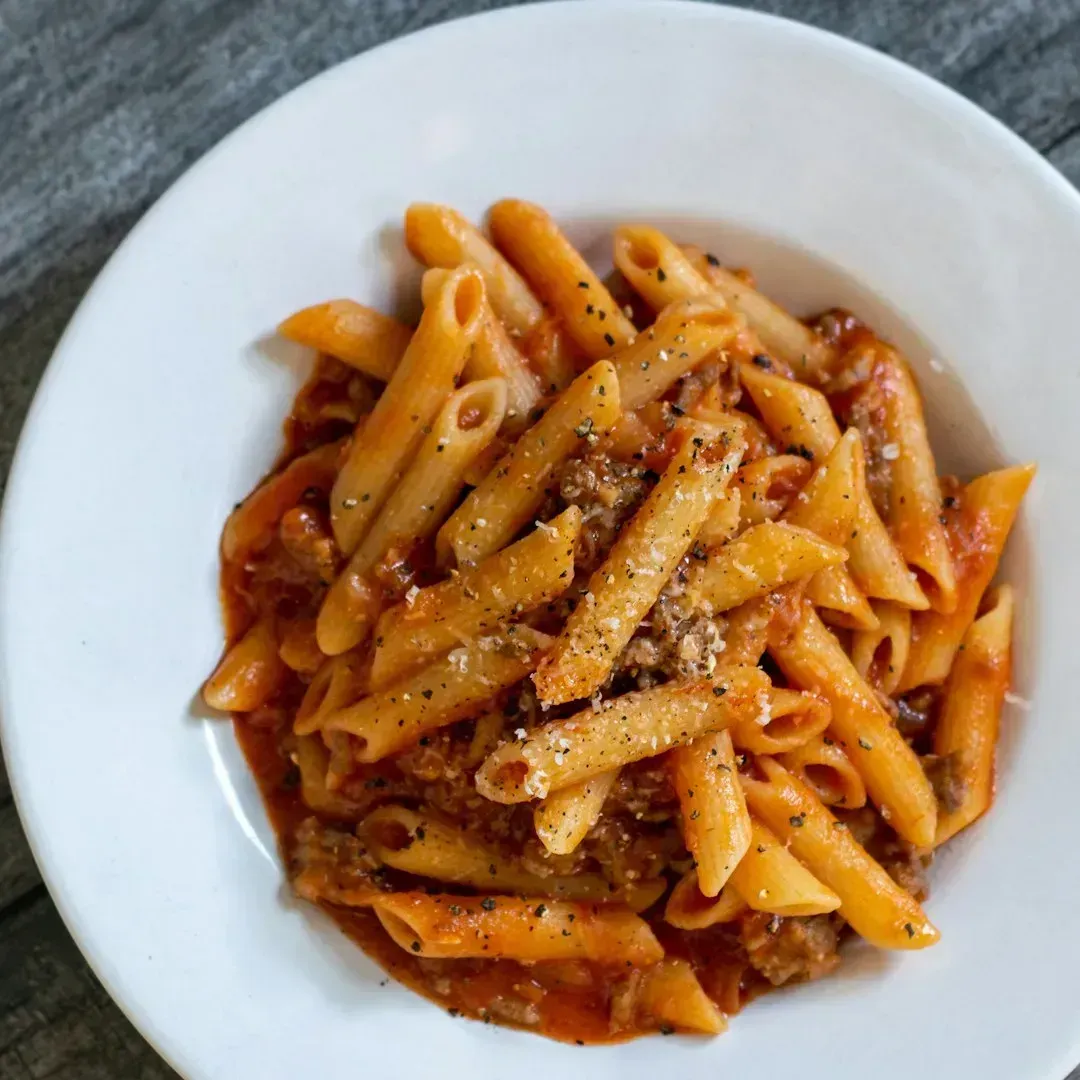
Pasta dishes are often overpriced, especially if you calculate the cost of ingredients, with Marcus Mooney, executive chef of Seattle Sutton’s Healthy Eating, having high standards for pasta and rarely ordering it at restaurants. He revealed something that might make you wince at your next Italian meal.
“They were charging $20 for a plate of rigatoni with marinara sauce, and the cost was $1. I can’t bring myself to pay that much knowing what’s involved and how it is prepared”. A poster on Fodor’s website said they’re fed up with paying $20 for a bowl of pasta at a “run-of-the-mill restaurant,” explaining the price is astronomical when high-quality pasta costs only $2.00 a pound. Unless you’re at a specialized Italian spot known for handmade pasta, you’re likely overpaying for something you could whip up in fifteen minutes.
Baked Potato
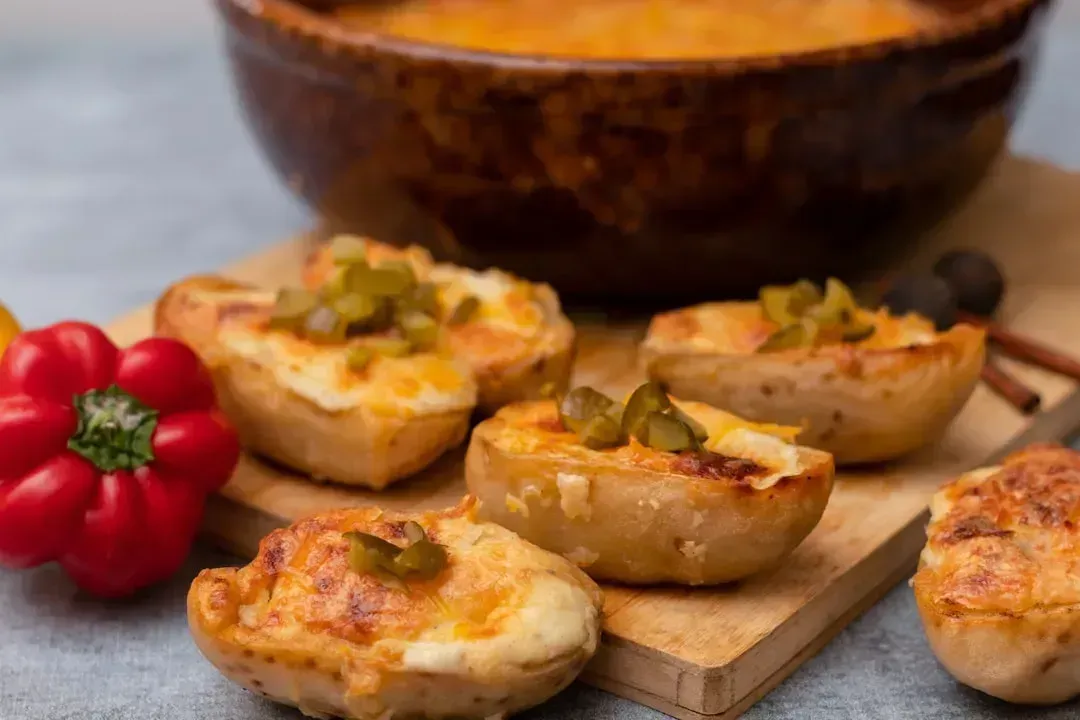
This one seems almost absurd to mention, yet it’s everywhere on steakhouse menus as a side dish costing double digits. Factoring in the cost of a single potato at less than $0.50, the idea of paying around $10 for one at a steakhouse seems silly. Seriously, think about it.
They are not complicated dishes that can only be learned in culinary school; quite the opposite, they’re one of the easiest imaginable, and add to the fact that Wendy’s still makes one for $2.49, it’s pretty hard to think about paying double digits for a tuber at a steakhouse. You literally stick it in the oven, wait, and add butter. The profit margin here is borderline criminal.
Menu Add-Ons Like Extra Bacon or Guacamole
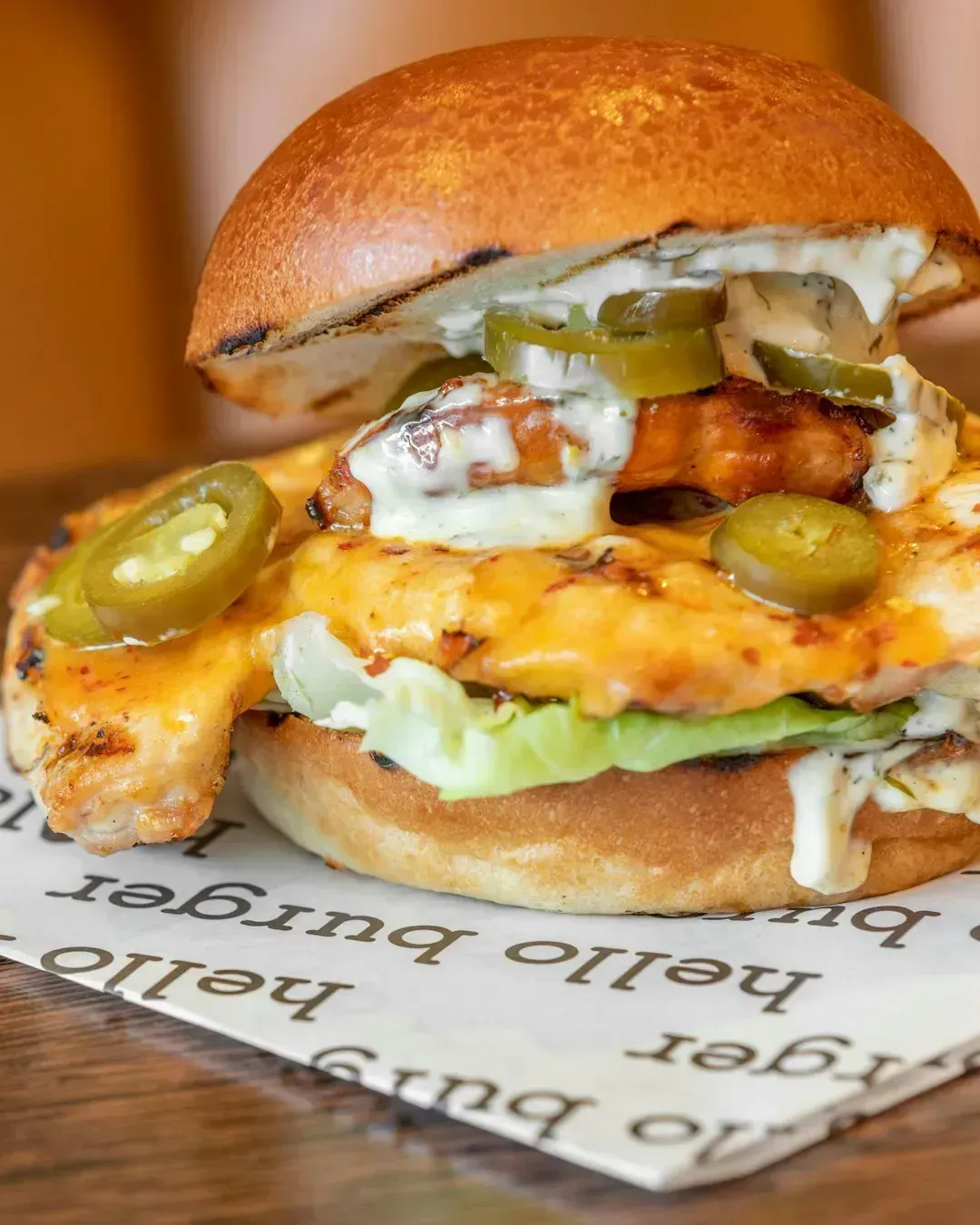
Those little extras sound harmless until your bill arrives and you’ve essentially bought a second meal in upcharges. Customers who just wanted an egg on their burger are suddenly spending $2 for a single egg, and suddenly, a $12 burger turns into a $20 charge. It’s sneaky pricing at its finest.
Even worse is the charge for extra guacamole, with diners paying several dollars for a small dollop of guacamole for every person in their party. Restaurants know these add-ons drive profits without much effort. A sprinkle of bacon here, a smear of guac there, and boom – your reasonably priced burger just became a luxury item. Don’t fall for it unless you’re genuinely treating yourself.
Side of Rice at Asian Restaurants
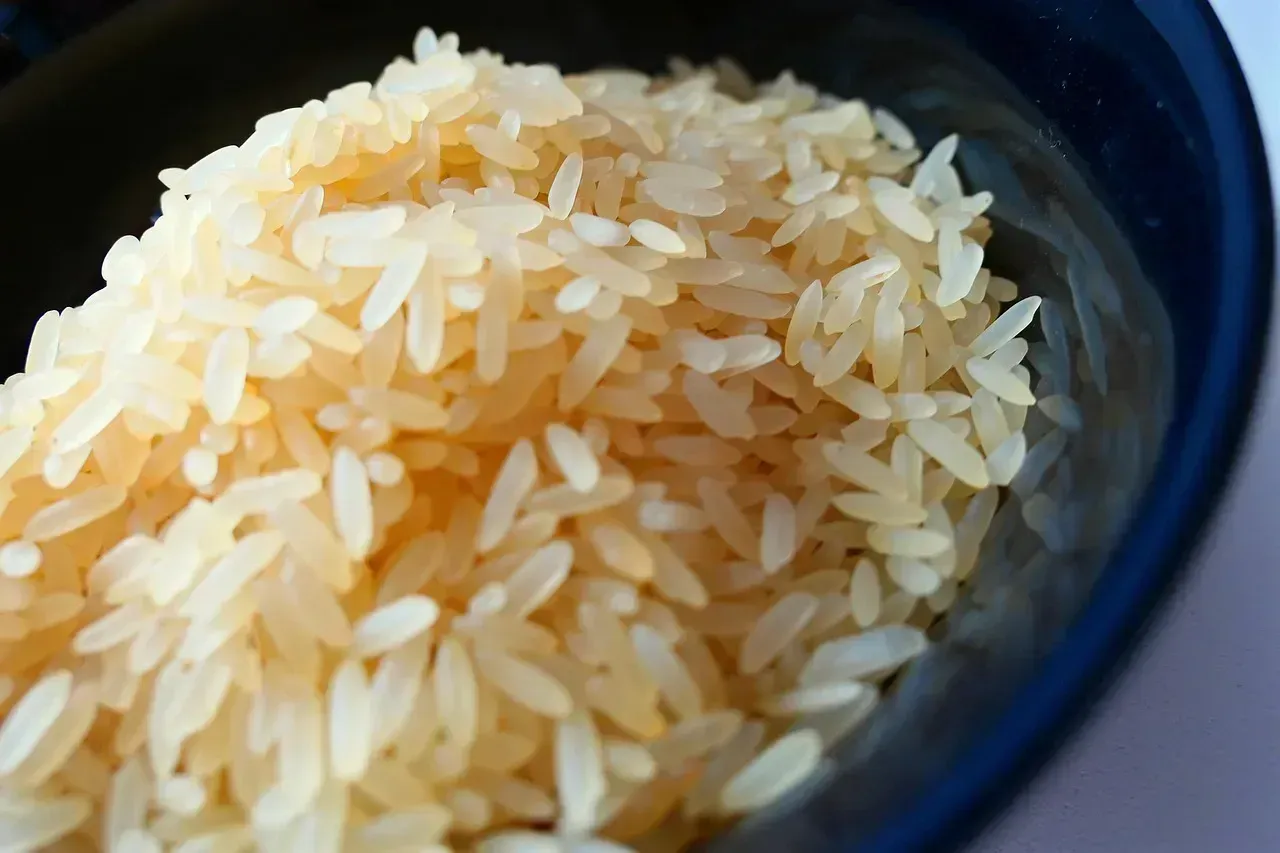
Rice is a staple, we get it. It soaks up sauces beautifully and rounds out a meal. Because it costs restaurants so little, they send out heaping servings of rice, which rarely get finished because rice is quite filling on its own, so you end up paying quite a bit for a half-eaten bowl of rice that likely cost the restaurant pennies.
Think about this: rice is one of the cheapest ingredients globally. You can buy pounds of high-quality rice for just a few dollars at any grocery store. Yet restaurants routinely charge several bucks per bowl. It’s not a cost-prohibitive side dish, but more often than not, it seems to be unnecessary or even wasteful, especially at big dinners with multiple mains. Skip it or share one order among your group.
Chips and Salsa (When Charged)
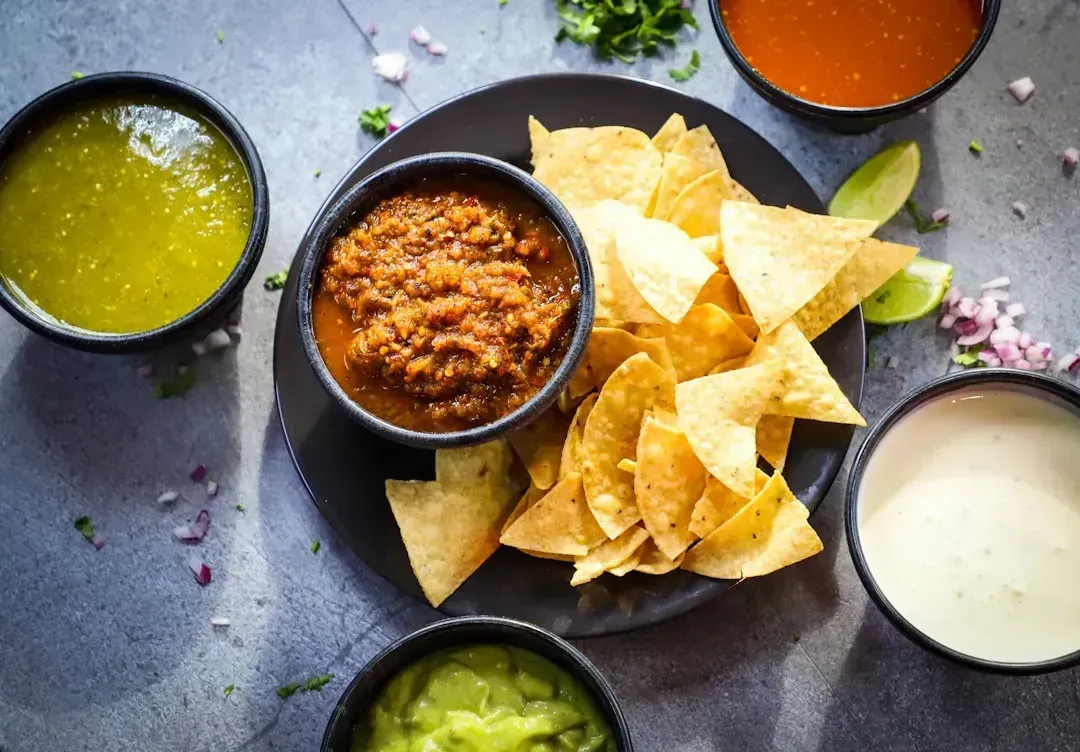
Remember when chips and salsa were complimentary at Mexican restaurants? Those days are fading fast. Diners started complaining of this trend right about the time that the 2020 pandemic hit, with restaurants seeing a huge decline during this period and likely offsetting costs by charging for previously complementary items. While we’ve transitioned out of our 2020 pandemic ways, many restaurants are sticking with the surcharge.
Whether the chips are fried fresh or the salsa is made hours before, this side menu item is rarely, if ever, worth it. You’re paying for something that was once free, made from ingredients that cost virtually nothing. If you’re being charged for chips and salsa, seriously reconsider whether that restaurant values your business.
Chicken Dishes
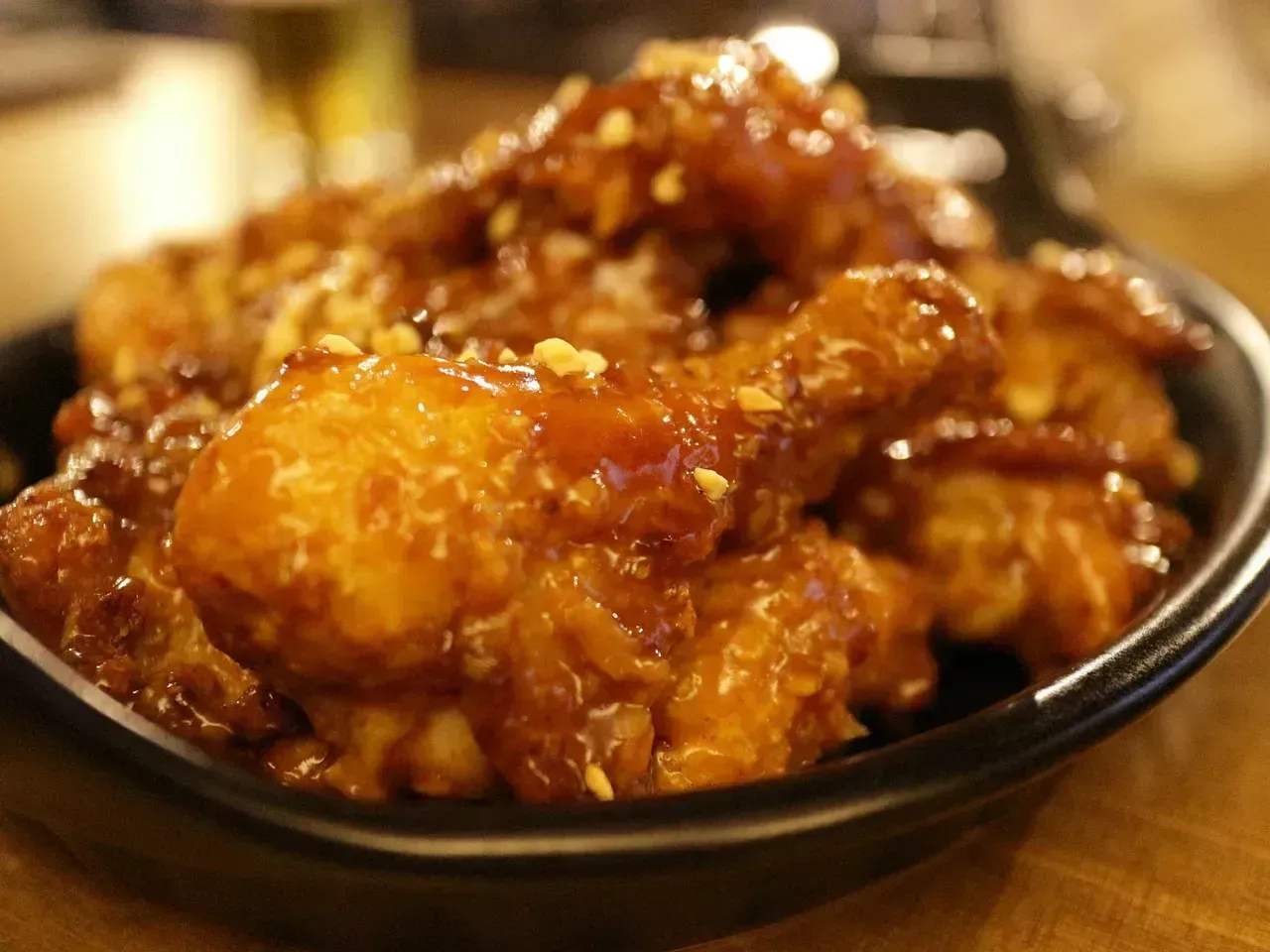
Chicken is everywhere on menus, from casual diners to upscale restaurants, yet chefs themselves avoid it. Ryan Ososky, executive chef of The Church Key in West Hollywood, said “I will order almost anything when I go out – but never chicken because it tends to be overcooked at most restaurants,” and according to the Food Network’s website, chefs avoid ordering chicken in restaurants for many reasons, including overinflated price and lack of originality.
Think about it: chicken is one of the cheapest proteins available, yet restaurants charge premium prices for it. One commenter noted, “Chicken is boring and overpriced for what it is. I try not to order anything with chicken that I can easily make myself”. Plus, there’s always that lingering worry about whether it’s actually cooked through properly. Why gamble when there are better options?
Lobster Mac and Cheese
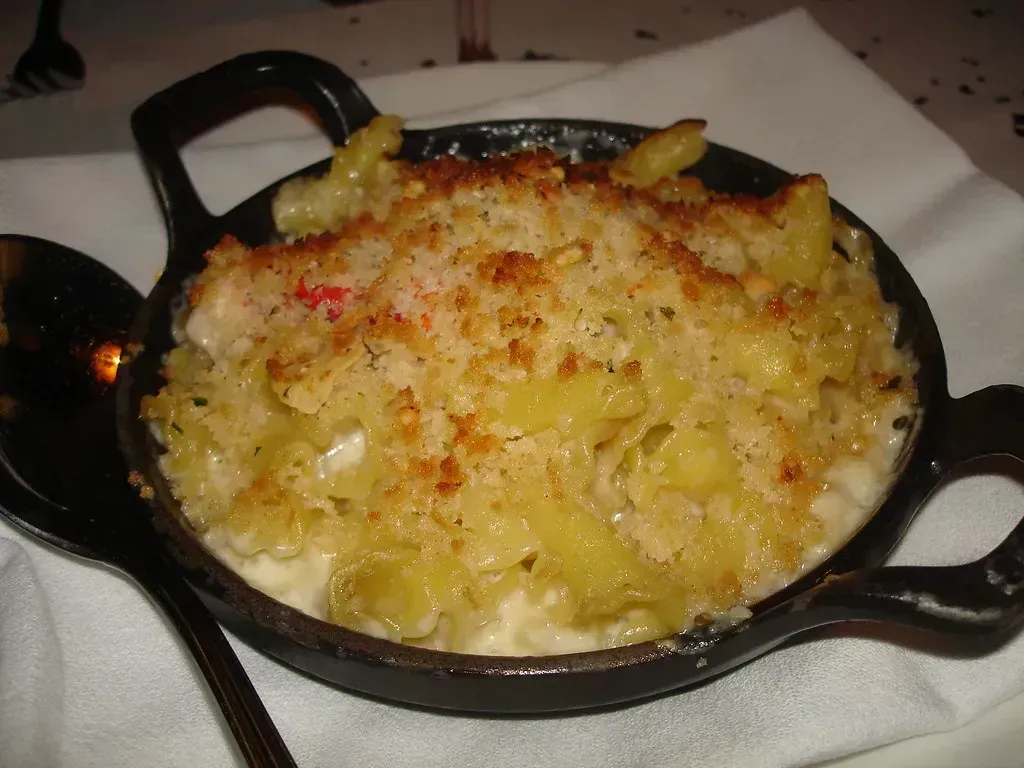
It sounds decadent, right? Combining creamy comfort food with luxurious lobster. The dish rarely lives up to the price tag, with chef Dennis Littley advising, “If you love lobster, order it as the star, grilled with lemon butter or in a proper lobster roll”.
Mac and cheese is amazing on its own when it’s done right, with no need to try and dress it up with seafood when it’s not needed. What usually happens is you get a few sad chunks of lobster buried in overly heavy cheese sauce, neither component allowed to shine. You’re better off ordering each separately if you want both – at least then you’ll actually taste what you’re paying for.
Eggs Benedict
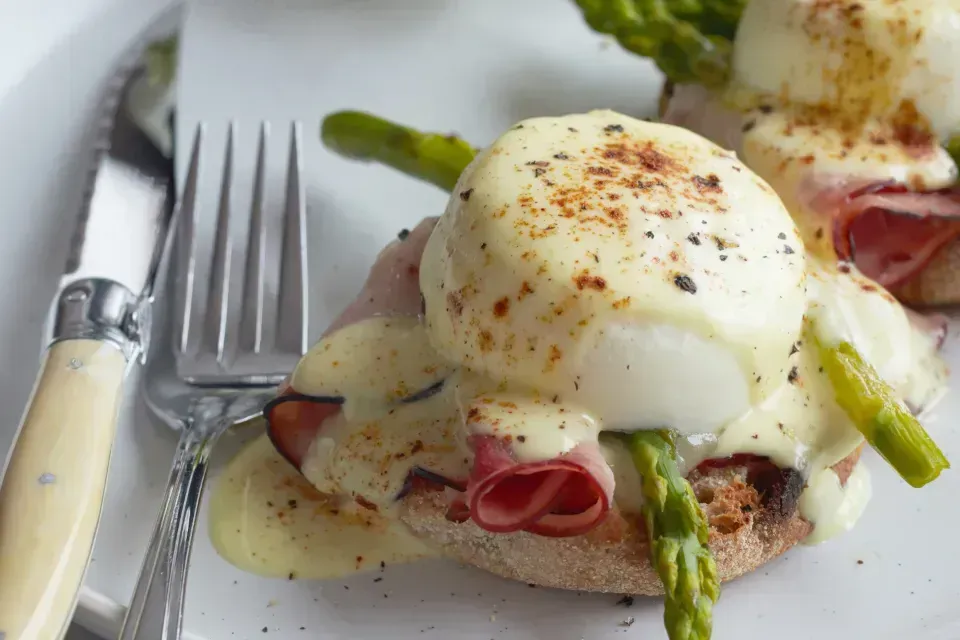
Brunch favorite or health hazard gamble? Chef Adam Dickerson clarified, “Don’t get me wrong – I love a good Benedict – but hollandaise sauce is temperamental, especially during a busy brunch rush. If it’s not made to order or held just right, you can end up with a broken sauce or something that’s been sitting too long”.
If the hollandaise is left at the incorrect temperature, the raw egg yolks contained within can go bad, potentially resulting in a bad case of salmonella-related food poisoning. On a busy Sunday morning when kitchens are slammed and hollandaise is sitting in a warming drawer? That’s a risk many chefs wouldn’t take. Maybe opt for something simpler that won’t have you questioning your life choices later.
Any Dish With “Fusion” in the Description
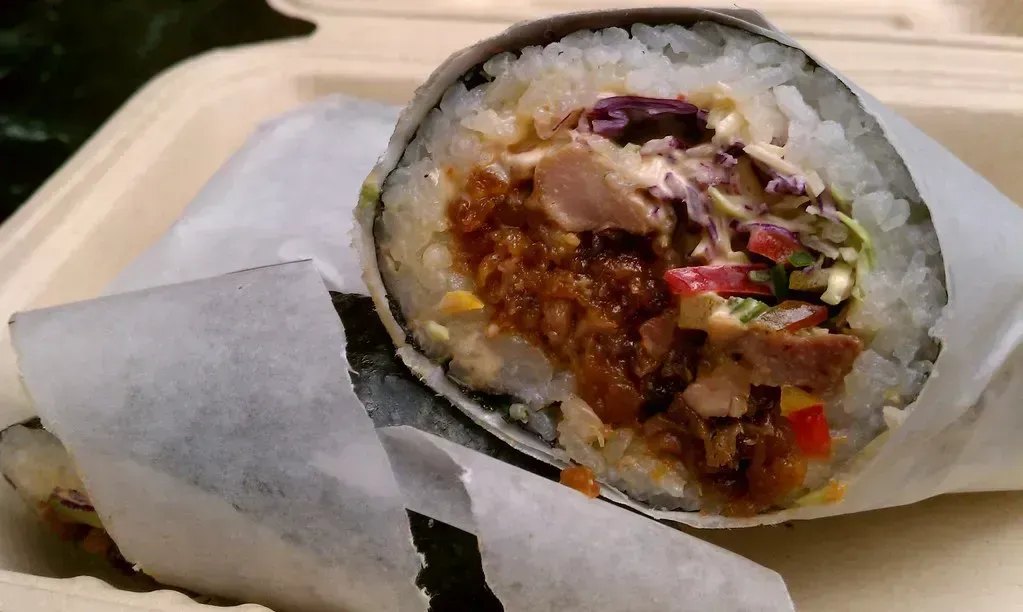
Fusion cuisine can be brilliant when done right. The problem? It’s rarely done right. Chef Peter He, head chef at Meili in Brooklyn, notes he personally avoids complicated dishes that try to fuse five cuisines onto one plate, saying “They often sound exciting on the menu but rarely deliver balance or depth. I’d rather have one cuisine done well than a confusing mix of flavors that feels like it’s trying too hard”.
When restaurants throw sushi and burritos together, or attempt to merge ramen with burger culture, they’re often just chasing trends rather than creating something genuinely delicious. You usually end up with a muddled mess that doesn’t honor either cuisine, all while paying premium prices for the “innovation.” Stick with restaurants that master one style instead of ones trying to be everything to everyone.
So there you have it. Twelve dishes that sound way better than they actually are, whether it’s because of ridiculous markups, questionable ingredients, or just plain lack of value. Next time you’re scanning a menu, keep these in mind. Your wallet will thank you, and honestly, your taste buds probably will too. What do you think – have you been burned by any of these? Tell us about your own menu regrets.