I Almost Retired in Arizona – But These 6 States Made More Sense
Arizona had me convinced. The warm winters, the sprawling desert sunsets, the idea of sipping coffee on a patio while the rest of the country shovels snow. Honestly, for years I had my heart set on it. The Grand Canyon State checks a lot of boxes on paper, and millions of retirees clearly agree.
But then I started doing the real math. Not the wishful-thinking math – the hard kind. Taxes, housing costs, water concerns, healthcare access, total cost of living. And the more I looked, the more I realized that Arizona, while genuinely appealing, is not the slam-dunk retirement destination many assume it to be. Six other states made a stronger case. Here’s why.
Why Arizona Almost Had Me – and Where It Falls Short

Arizona has become an increasingly attractive option for retirees, with nearly 19% of its population aged 65 or older, which is above the national average. That demographic weight alone tells you something – there’s a reason people flock there. With over 300 days of sunshine a year, Arizona’s warm, dry climate appeals to retirees wanting to escape the cold, snowy winters of northern states.
The Arizona income tax rate for retirees is a flat 2.5 percent, and it taxes IRA withdrawals, 401(k)s, private pensions, and out-of-state retirement income. So while Social Security is safe from state taxation, your retirement account distributions are not. Like many parts of the country, Arizona has seen rising home prices, especially in popular areas like Scottsdale, Sedona, and parts of Phoenix – with the median home price in Scottsdale sitting around $900,000 as of early 2025.
While the state has taken steps to manage water use, including restrictions and conservation efforts, ongoing concerns about sustainability may impact infrastructure, growth, and even property values in the long term. For retirees, this may not be an immediate dealbreaker, but it’s something to monitor if you’re planning for a decades-long stay. That last part is what got me thinking. Retirement isn’t a two-year vacation. It’s a permanent decision.
Florida: The Retirement Classic That Still Delivers

Florida has long been considered a retirement haven, and for good reason. Its tax-friendly policies, excellent healthcare options, and vibrant lifestyle make it a top choice for retirees across the United States. Let’s be real – there’s a reason the Sunshine State keeps topping every major ranking. Florida is one of the few states with no state income tax, allowing retirees to retain more of their Social Security benefits, pension payments, and other retirement income.
Florida topped the list according to Motley Fool’s research, offering no income tax, excellent healthcare access, and near-perfect climate. That research, by the way, surveyed 2,000 actual retirees about what matters most – it wasn’t just invented by a think tank. Homeowner’s insurance average annual premiums topped $5,600 in 2025, making Florida the most expensive state in the country for property coverage. So yes, Florida has a real cost, and the hurricane factor is very real.
There are no state income taxes in Florida, which means you can continue working, receive your retirement benefits, and enjoy your dividends, all without worrying about the state taking a cut. At $2,555, median property taxes aren’t too high compared with other states. Compared to Arizona’s rising home prices, Florida still holds a meaningful advantage for retirees who plan carefully and avoid the flood zones.
Tennessee: Cheap, Charming, and Tax-Free

Tennessee’s tax structure is among the most retiree-friendly in the country. There’s no state income tax, so Social Security benefits and retirement income will be untouched, and low property taxes can help stretch savings even further. Honestly, Tennessee surprised me when I first started researching it. I wasn’t expecting a state known for country music to also be one of the smartest financial decisions a retiree could make.
Tennessee has one of the lowest costs of living in the United States, at 10% below the national average. Everyday expenses such as utilities and groceries are budget-friendly, and housing is affordable, with options ranging from suburban homes to retirement communities priced below the national average. That 10% difference adds up to real money over a decade in retirement.
Tennessee presents a compelling case for retirement, particularly for those prioritizing tax efficiency alongside a high quality of life. Beyond its tax advantages, Tennessee offers a diverse range of lifestyles. The Nashville area provides a vibrant, culturally rich environment, booming with world-class healthcare and entertainment. The state is home to highly regarded medical centers, particularly in Nashville and Memphis, anchored by institutions like the Vanderbilt University Medical Center. Access to quality healthcare is a cornerstone of a secure retirement, making Tennessee’s robust medical infrastructure a key benefit for new residents.
Wyoming: The Dark Horse Nobody Talks About Enough

Wyoming is the best state for retirement, in large part due to affordability reasons. Adjusted for retirees’ needs, Wyoming’s cost of living falls in the more affordable half of the nation. It’s not the first state most people think of, and that’s honestly part of the appeal. There’s something refreshing about a state that delivers without demanding the spotlight.
Wyoming is considered highly friendly to retired taxpayers, also offering the added benefit of no estate or inheritance tax. In addition, the state has the fifth-lowest annual cost of homemaker services in the nation, allowing seniors to conserve energy and maintain independence. When it comes to overall quality of life in Wyoming, the state has the 10th-best elder abuse protections in the country, which guard elderly residents against physical and financial harm.
Wyoming ranks number one overall, due to its lack of personal income tax and the nation’s lowest rate of multiple chronic conditions among Medicare beneficiaries at 44%. With a moderate cost of living and solid Social Security income of $28,082, the state offers a compelling blend of affordability and health support. That chronic illness statistic is one I didn’t expect – and it says a lot about quality of life in this state.
South Carolina: The Southeast’s Underrated Gem
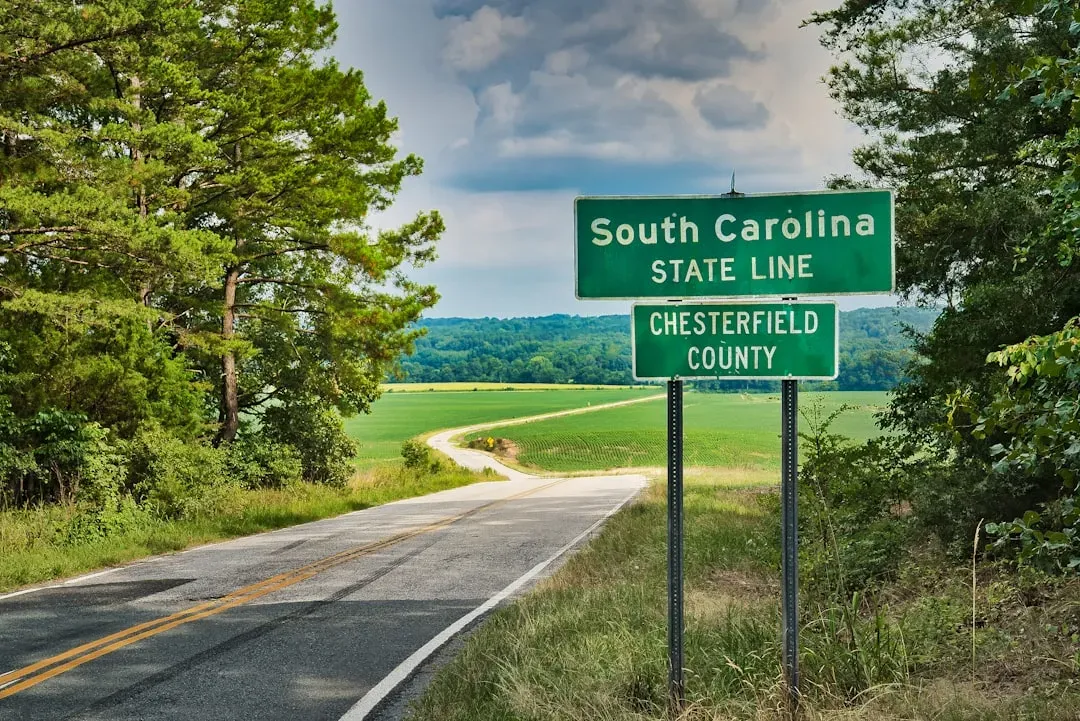
South Carolina presents a compelling case for retirees who prioritize affordability without sacrificing lifestyle. Its major appeal lies in the combination of a low cost of living and a tax structure that is favorable to retirees. While not a zero-income-tax state like Florida, South Carolina offers significant deductions that can dramatically lower or even eliminate state tax liability on retirement income.
The state does not tax Social Security benefits, a major plus for most retirees. Furthermore, it provides a generous deduction of up to $15,000 for other forms of retirement income, including pensions, IRA withdrawals, and 401(k) distributions. For a couple filing jointly, that’s up to $30,000 in retirement income that could be effectively sheltered from state income tax. Think about what that means annually.
South Carolina’s scenic coastlines, historic towns, and friendly communities make it a standout for retirees. Whether you’re looking for tranquility or a lively cultural scene, this state delivers. Cities like Hilton Head, Beaufort, and Greenville offer distinct personalities, so there’s genuine choice in how you design your retirement lifestyle.
North Carolina: Mountains, Coast, and a Flat Tax That’s Shrinking

The “Tar Heel State” offers a lower cost of living compared to higher-tax states. North Carolina has a flat income tax and does not tax Social Security. And here’s the thing that really caught my attention: that flat tax rate keeps dropping. The rate has been reduced over the last several years. It was 5%, then 4.75%, and now it’s 3.99%. That trajectory matters for long-term retirement planning.
In North Carolina, all Social Security and Railroad Retirement benefits are exempt from state income taxes. There is also no inheritance tax, estate tax, or military retirement benefit taxes in North Carolina. For veterans and federal retirees especially, this is a significant advantage that often gets overlooked in the broader conversation.
North Carolina offers a mix of business growth and quality of life. You can live near the mountains or the coast, with strong job growth but without feeling like you’re in an oversized metro area. There’s a lot of green space, and many communities feel very livable. It’s hard to put a dollar figure on livability, but when combined with the tax picture, North Carolina is genuinely hard to argue against.
Georgia: The Peach State’s Big Retirement Deduction Secret

Georgia does not tax Social Security retirement benefits and provides a maximum deduction of $65,000 per person on all types of retirement income for anyone 65 or older. The state’s sales tax rates and property tax rates are both relatively moderate. Georgia has no inheritance or estate taxes. That $65,000 deduction per person is enormous. For a retired couple, that’s potentially $130,000 in retirement income shielded from state income tax entirely.
If you have less than $65,000 in retirement income, you will not pay state income taxes on it. Most middle-income retirees simply won’t owe Georgia state income tax at all. That’s a fact that somehow never gets the attention it deserves in retirement circles. The median property tax bill in Georgia is $2,554 per year, well below the national median of $3,211. The median home value in Georgia is $343,300, meaning the median effective property tax rate is 0.74%.
Mild winters and an affordable cost of living have prompted a growing number of retirees to settle in Georgia. Prime areas for seniors to live in the state include Savannah and the Atlanta suburbs. Savannah alone is one of the most beautiful retirement cities in the entire country – there’s a reason it keeps showing up on best-of lists year after year.