10 Meat Cuts That Butchers Keep for Themselves
Hanger Steak: The Original Butcher’s Secret
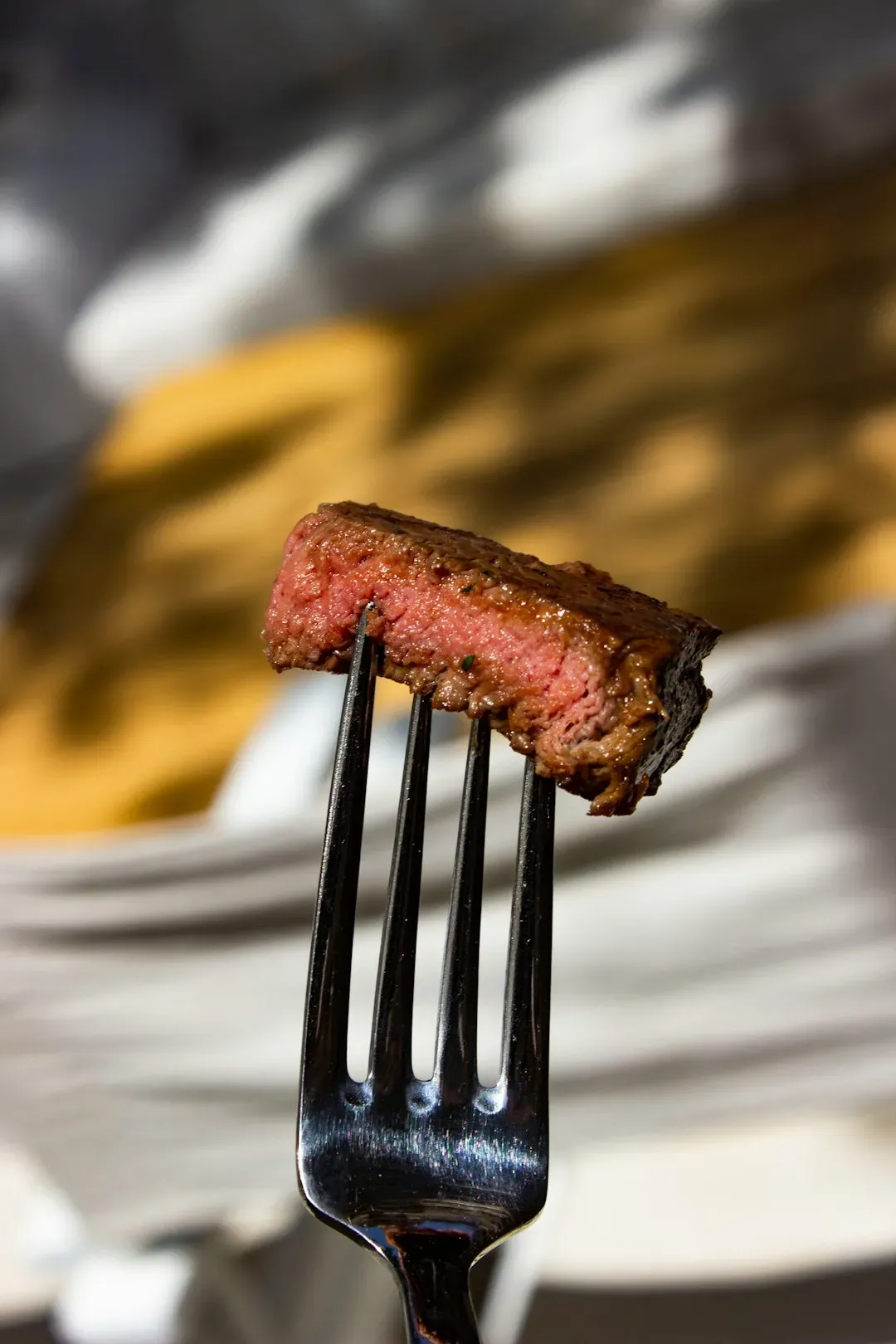
There’s only one hanger steak per animal, earning it the nickname “butcher’s steak” because butchers would secretly keep this cut for themselves. With only one 1.5 pound hanger available in each 800-plus pound animal, this cut is as rare as it is delicious. The cut literally hangs from the diaphragm area between the rib and loin, which gives it that distinctive name.
The hanger delivers a rich flavor similar to that of a ribeye, but without the price tag. Many butchers consider hanger steak to be one of the most tender cuts, featuring deep intramuscular fat that provides a rich flavor that’s undeniably juicy. Compared to premium cuts like ribeye or New York strip, hanger steak is often more budget-friendly, offering gourmet quality at a fraction of the cost.
Flat Iron Steak: The Hidden Gem of Chuck
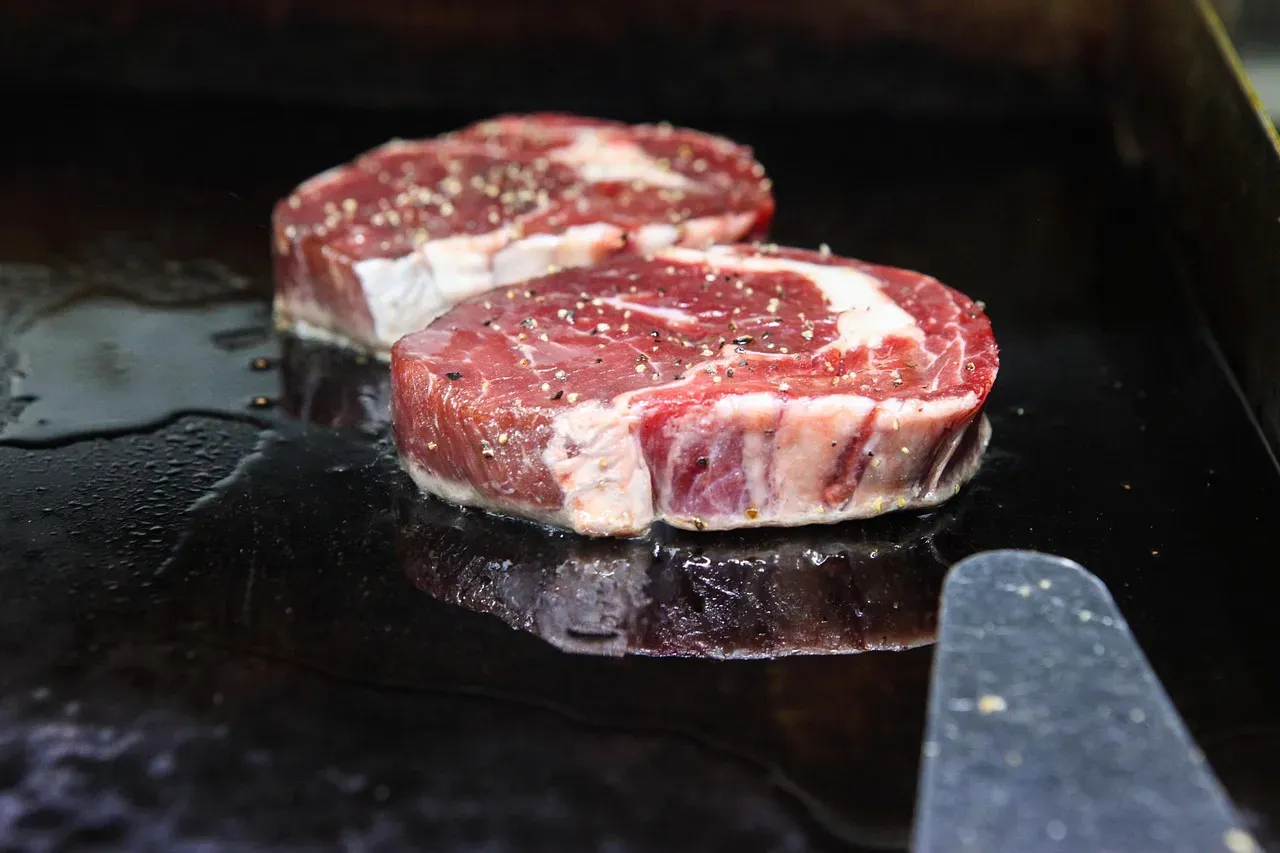
Flat iron may be the best-kept secret in the meat industry, as butchers and beef experts have long favored it for its incredible tenderness, a close second to filet mignon. This cut comes from the shoulder area, which is normally known for tougher cuts.
It takes delicate expertise from butchers to cut the flat iron away from the connective tissue in one piece, resulting in the second most tender cut of beef, though it costs only half as much as filet mignon. Flat iron steak has a rich, beefy flavor characteristic of the chuck primal, with delicately marbled fat and high moisture content resulting in a succulent texture.
Spider Steak: The Web of Flavor
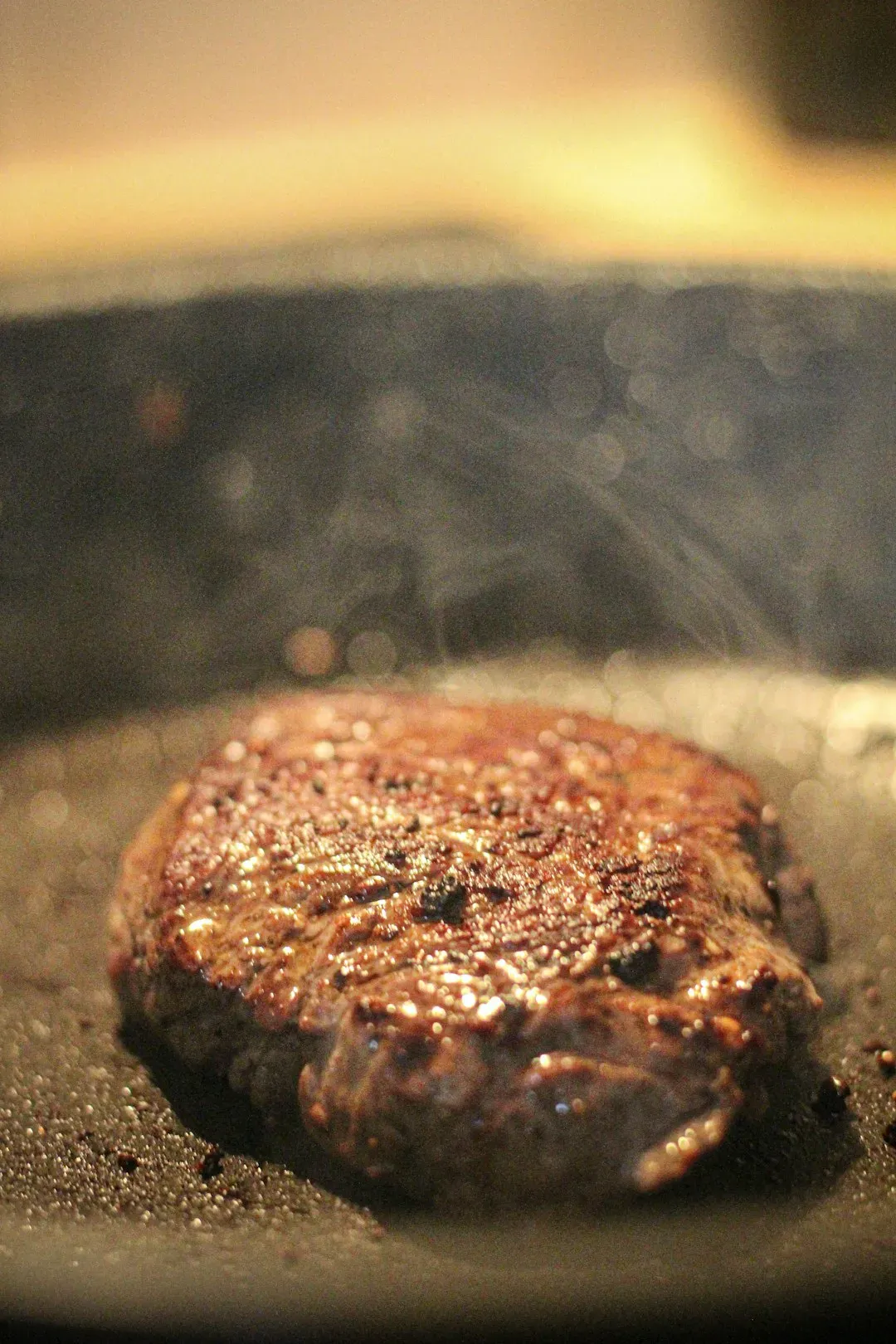
The spider steak is extremely unique and rare because it is a small steak weighing seven to ten ounces, and since cows only have two hips, there are only two spider steaks per cow. Also known as oyster steak or butcher’s steak, it’s unmistakable for the fatty inner-tissue fibers that resemble a spider web.
It’s one of those crafty, rare cuts that butchers once kept for themselves, with superior marbling even in breeds that do not present that much marbling. There are only two oyster steaks in the cow, each weighing about eight ounces, and it’s the hardest cut for butchers to get to, as it cannot be removed until the entire cow is de-boned.
Teres Major: The Poor Man’s Filet Mignon
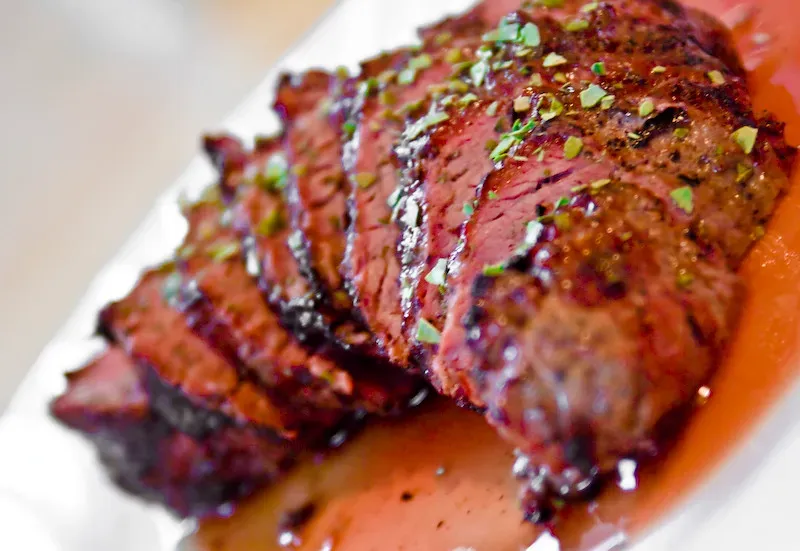
Teres major is a cut you won’t find unless you visit a butcher shop, and unlike most other beef shoulder cuts, this particular muscle that connects the front shoulder and the shoulder blade is super tender, while still retaining plenty of that amazing chuck flavor, with only tenderloin beating it in terms of sheer tenderness. Each cattle only yields two pounds of teres major.
To retrieve teres major, there is a lot of work for the butchers and it requires a superb butchering skill. The teres major has much more flavor than a tenderloin as it comes from a heavily used, active muscle, which means it gets more blood flow, helping develop complex, rich beefy flavor with hints of iron like a hanger steak.
Picanha: Brazil’s Best Kept Secret
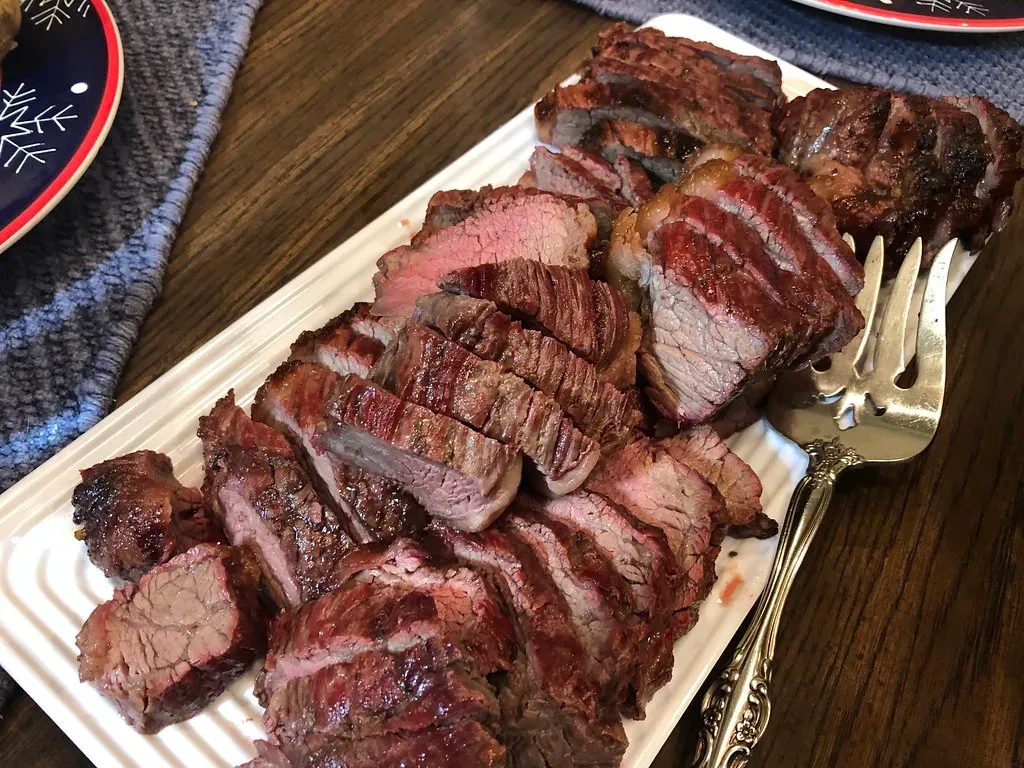
Picanha is a hard-to-find beef cut that many butchers neglect, but it is palatable especially in Brazilian steakhouses, and is derived from the sirloin primal, triangular in shape when whole, and densely flavored because of the heavy exercise of the muscle. The sirloin cap roast is definitely worth the search and is a favorite among master butchers.
Picanha can be a steal when found at a Brazilian butcher or specialty shop, though in mainstream grocery stores it’s often marked up as a premium cut, and butchers who understand this cut’s true value often keep it for themselves. People that love a fatty cut really enjoy the crispy fat cap when cooked correctly.
Tri-Tip: California’s Regional Treasure
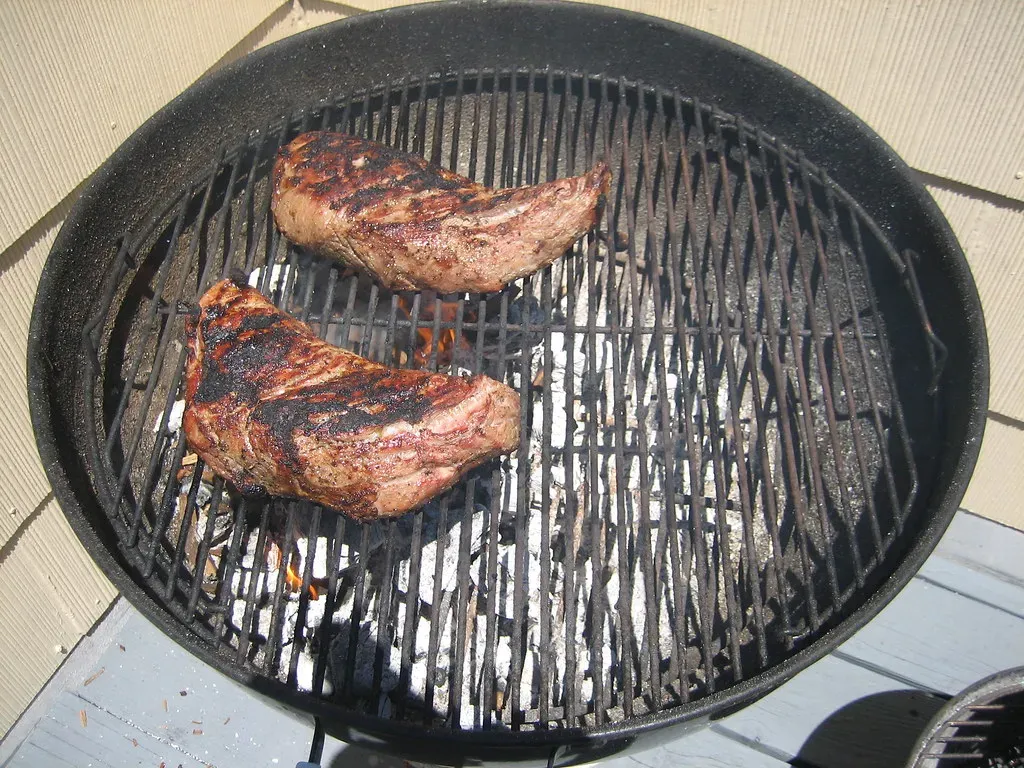
This triangular-shaped cut comes from the bottom of the sirloin, often referred to as a “Poor Man’s Brisket” as it grills fast like a steak but cuts like a brisket, and is popularized in Santa Maria, California, perfect for slow and low reverse sear. It is often referred to as a “Poor Man’s Brisket” as it grills fast like a steak, but cuts like a brisket, making it a faster and cheaper alternative.
When a butcher breaks down a whole cow, they’ve got maybe fifteen pounds of these spectacular lesser-known cuts from an animal that weighs 1,200 pounds, barely over one percent of the total yield, meanwhile they’re stuck with hundreds of pounds of ground beef, stew meat, and roasts, and if word gets out about hanger steak or teres major, suddenly everyone wants those tiny portions.
Denver Steak: The Chuck’s Hidden Secret
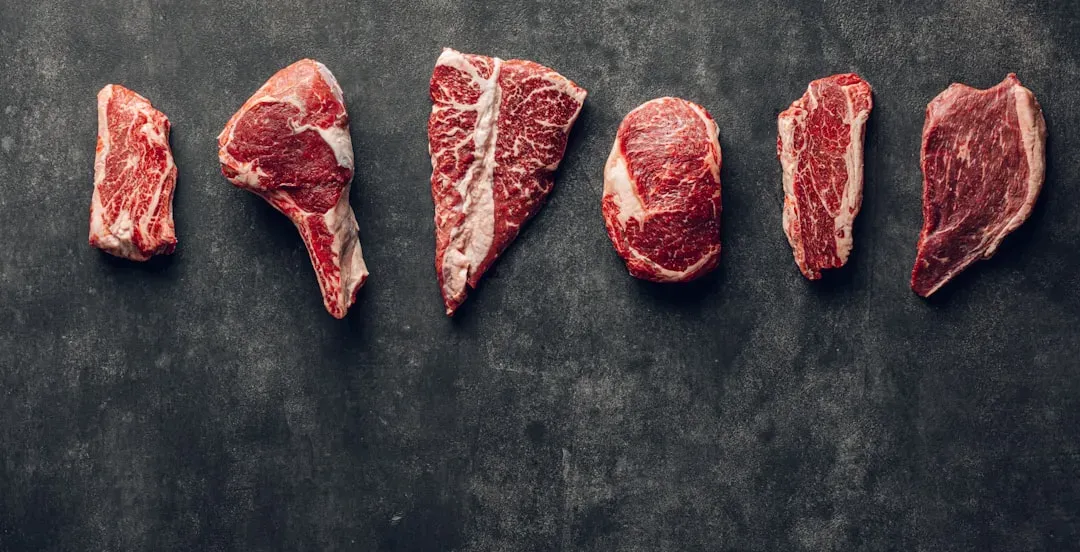
Denver steak is a hidden gem of beef cut that not many butcher shops carry as it requires nice butchering skill, and is the muscle of the chuck primal which is under the source of chuck eye steak, tender, juicy and beautifully marbled, plus brimful of beef flavor on account of regular used shoulder muscle. The Denver cut steak is rapidly growing in popularity, with great intramuscular marbling of a ribeye and the beefy mouthfeel of a quality New York strip.
The Denver steak comes from a chuck roll, which is the fattiest and most flavorful part of the cow, but you don’t see it much because it is difficult to break down and is easier to use for ground beef, and this tender cut is a flavorful way to get the best bang for your buck, though there’s only about twelve steaks per cow.
Bavette Steak: The French Flap Favorite
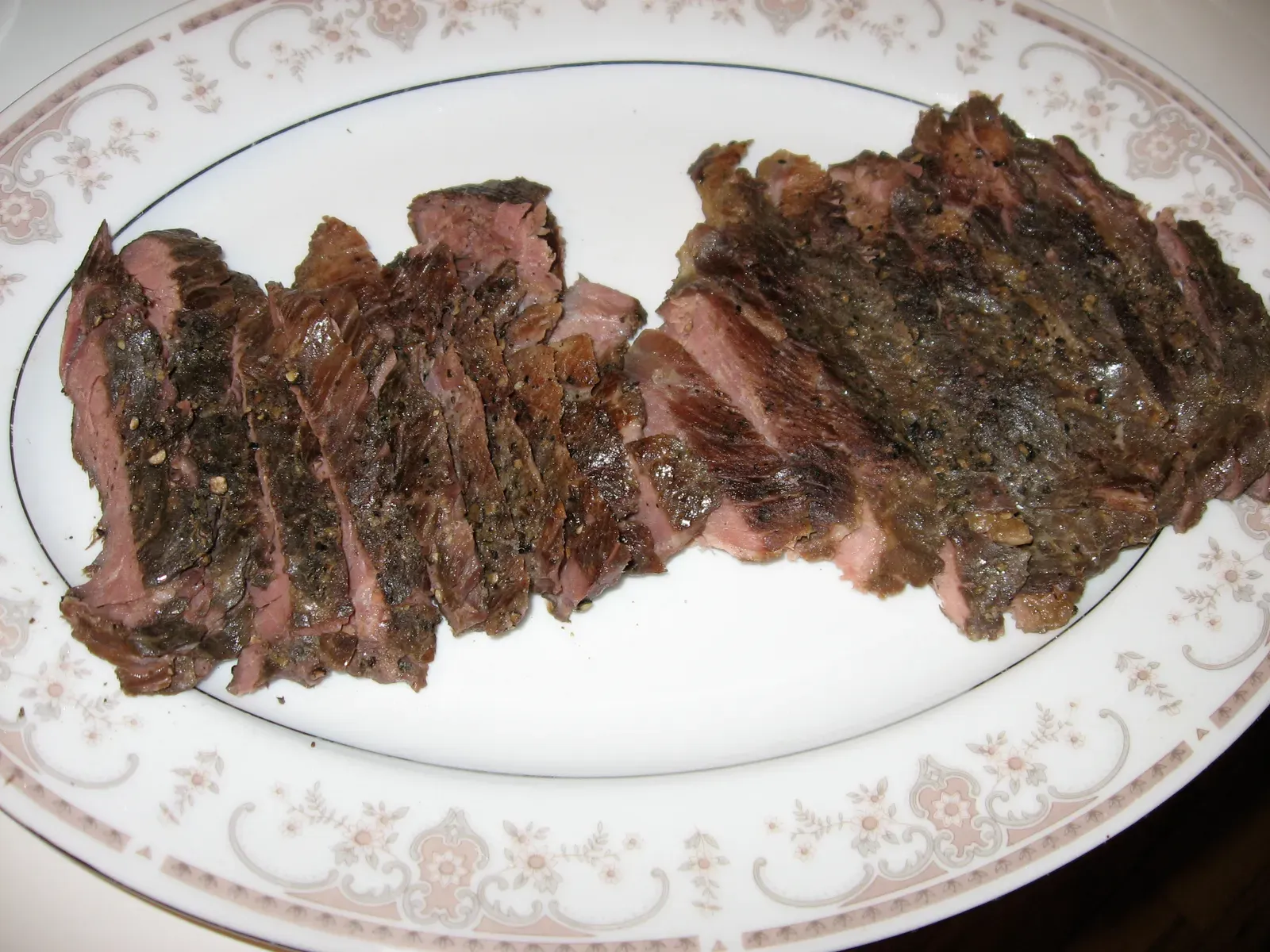
It is a lean cut with a long, thin shape known for having a rich, beefy flavor similar to that of a flank steak, and is often referred to as “the butcher’s cut” as it’s known to be reserved by butchers for their own enjoyment because it is comparably cheaper than other cuts. A cow will only carry about ten pounds of bavette on it, which is a fraction considering the steed could weigh up to 650 pounds on average, and this steak has become very popular in recent years.
It can be pretty tricky to cook though because it’s so lean, and unlike a tenderloin or ribeye it doesn’t have a ton of fat, so if you cook it to temp above medium-rare or medium, it will likely turn out tough. You can pan sear or grill this on high heat, but just keep in mind that there’s no time to let it sit in the heat, as it cooks fast.
Ribeye Cap: The Crown Jewel
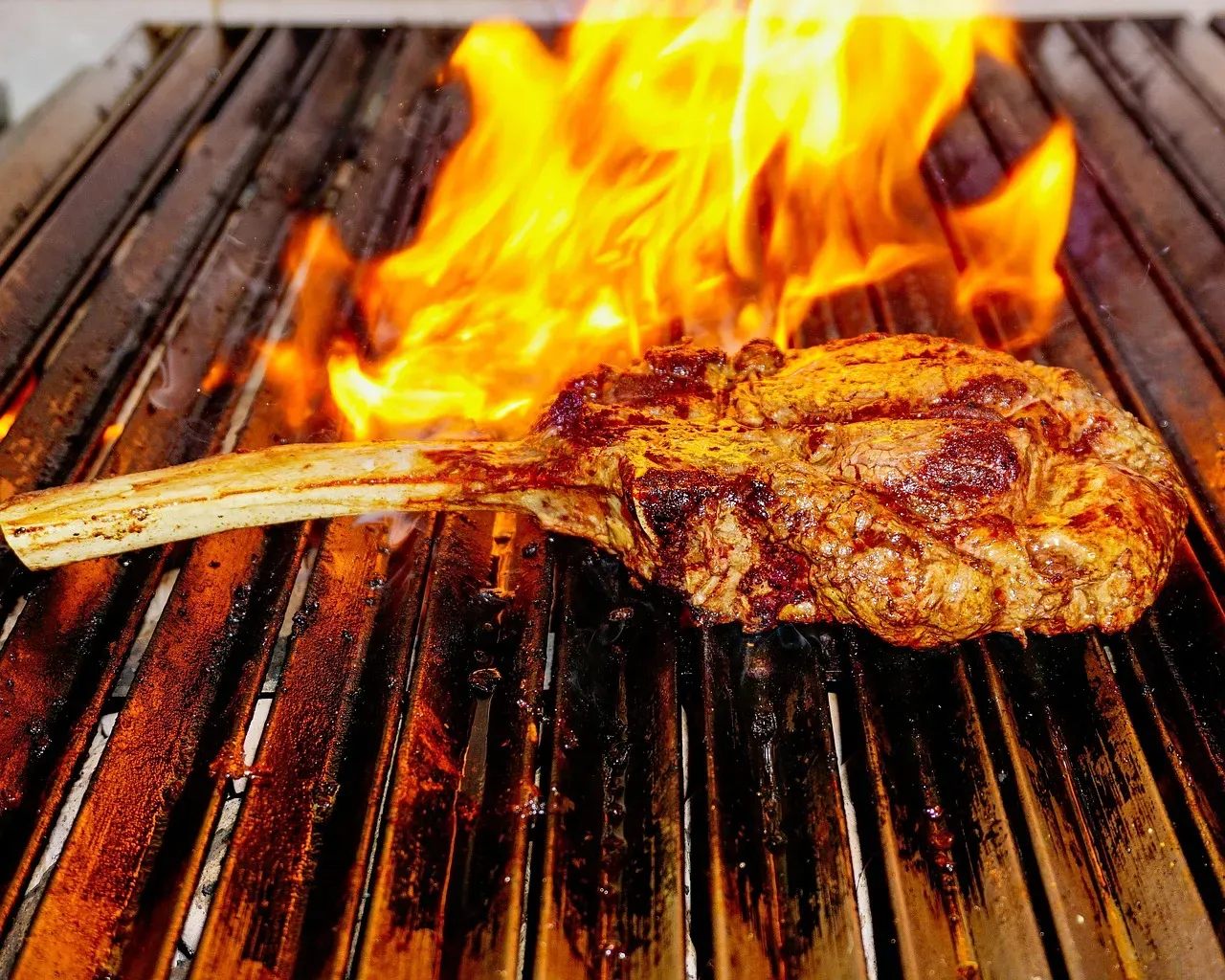
The ribeye cap, also known as the Spinalis Dorsi, is the best and most delicious part of a ribeye, and it is very uncommon to just buy the cap as you usually buy the entire ribeye because butchers do not want to waste any chance of selling all of the cow’s parts. Let’s be real, this is the part everyone fights over when slicing into a whole ribeye.
Honestly, the cap is almost criminally good. The rich marbling and buttery texture make it melt-in-your-mouth tender. Most shops operate on razor-thin margins already, often making just two to three percent profit on standard cuts. That’s why separating and selling just the cap is something butchers rarely do, keeping this spectacular morsel mostly for those in the know.
Chuck Eye Steak: The Poor Man’s Ribeye
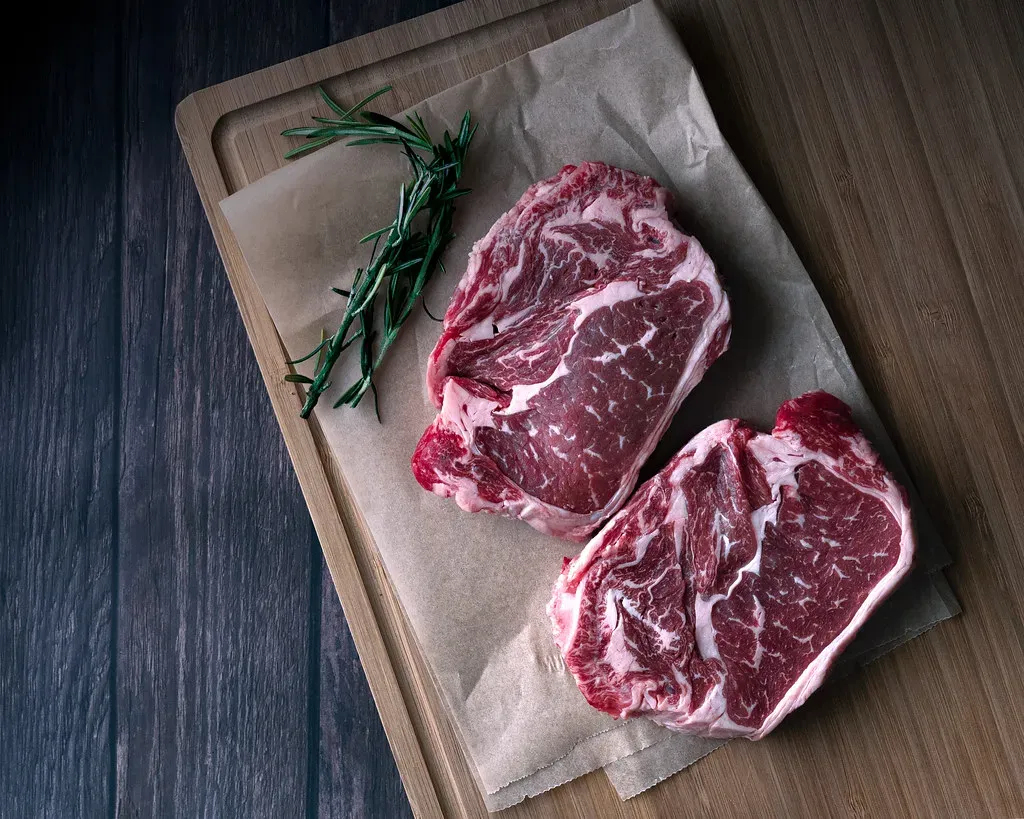
The chuck eye is known as the poor man’s ribeye, and is the beginning of ribeye, with only two chuck eyes per cow, and being so close to the ribeye family, you can actually get away with some ribeye flavor without the ribeye price point. It’s hard to say for sure, but this might be one of the most underappreciated cuts available today.
Chucks are usually braised, roasted or stewed, but when the butcher cuts it into a chuck eye steak, you can actually grill or pan sear it to get a better flavor profile, closer to ribeye. Here’s the thing: if you’re looking for restaurant-quality steak without the restaurant price, this is your answer. The value is exceptional when you consider the flavor and tenderness you’re getting.
Think about it this way. The meat industry has traditionally operated on moving volume, but these special cuts challenge that model entirely. Those special steaks they kept for themselves represent a tiny fraction of each animal, yet they deliver some of the most memorable eating experiences you can have.
The craft butchery movement has started bringing these cuts back into the spotlight. More butchers are breaking down whole animals again, rediscovering techniques that were nearly lost to industrial processing. It’s exciting to see these hidden gems becoming more accessible to home cooks who appreciate quality over quantity.
What’s fascinating is how these cuts were always there, just waiting to be appreciated. They didn’t suddenly become delicious. Butchers simply knew what the rest of us were missing. Now that the secret is out, seeking these cuts from your local butcher shop has become something of a treasure hunt. The thrill of finding a spider steak or teres major feels like discovering a secret menu item that actually lives up to the hype.
So what do you think? Have you tried any of these butcher’s secrets, or are you ready to start hunting them down at your local meat market?