8 Things You Own That You Don’t Really Need – and Should Get Rid of Now
We are drowning in stuff. Quietly, steadily, room by room. Most of us feel it but rarely talk about it out loud. The spare bedroom that became a dumping ground. The garage where you can no longer park a car. The kitchen drawer that refuses to close.
The hard truth is that our homes have become storage facilities for things we barely remember buying. Research confirms what many of us already feel in our gut. And honestly, letting go might be one of the most freeing things you’ll do this year. Let’s dive in.
1. Clothes You Haven’t Worn in Over a Year
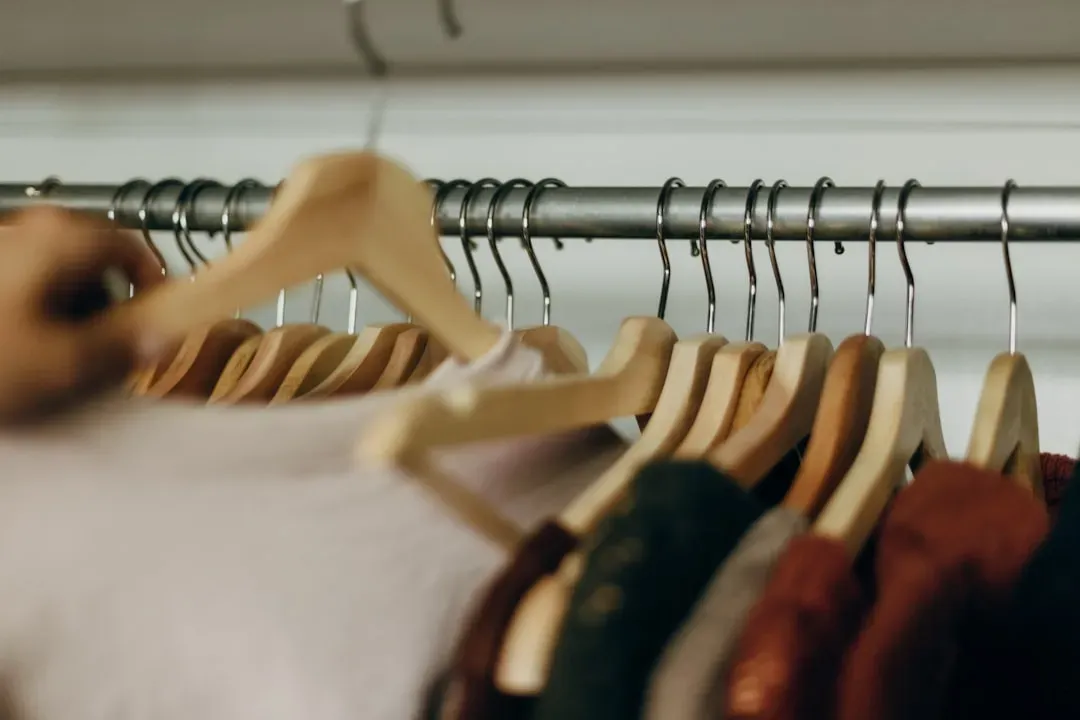
Open your closet right now. Seriously. There’s a famous rule in wardrobe psychology called the 80/20 rule, and it is painfully accurate. We typically wear only about a fifth of our clothes regularly, while the remaining bulk goes completely unused. That’s not a guess. That’s a pattern observed over and over in consumer research.
According to an international study, roughly four in five items of clothing that Americans had bought and still owned had not been worn in the previous twelve months. Think about that for a second. All those clothes taking up space, collecting dust, just sitting there. Americans throw out seventeen million tons of clothing and textiles every year, and nearly two thirds of clothing is discarded within twelve months of purchase. If you haven’t worn it in a year, it’s not coming back into rotation. Let it go.
2. Unused Kitchen Gadgets and Appliances
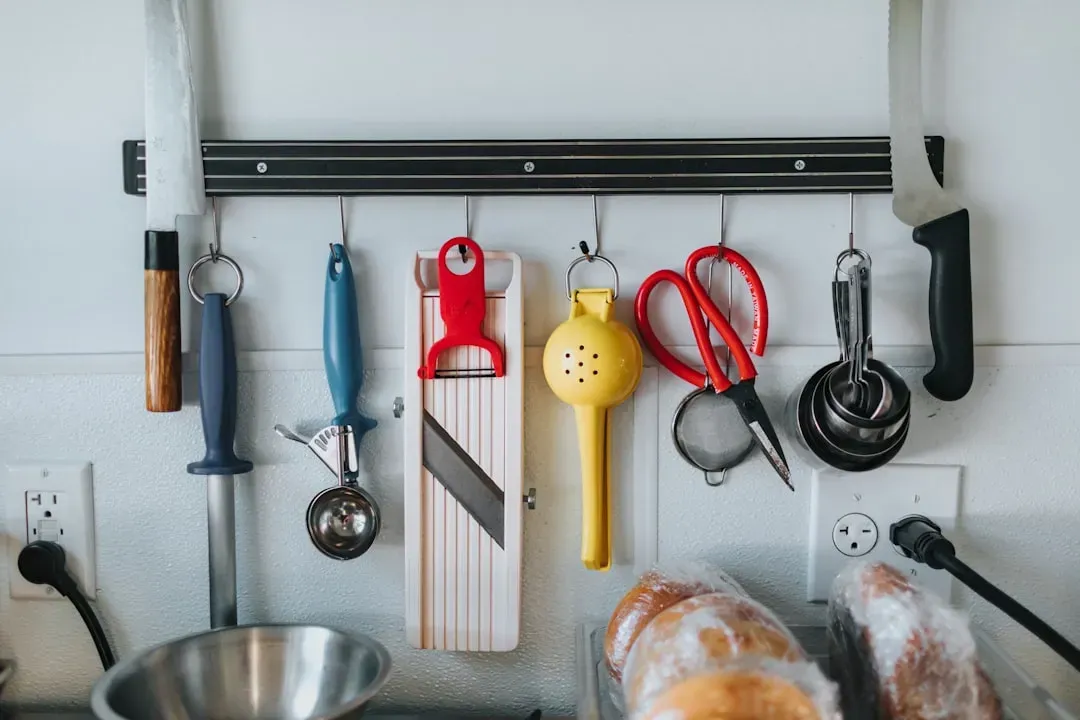
The avocado slicer. The electric spiralizer. The single-purpose egg separator. Your kitchen cabinets are probably a graveyard of impulse buys that seemed genius in the store and have touched nothing since. Kitchen clutter has many culprits, but appliances and gadgets top the list, with bulky items like air fryers, stand mixers, and coffee machines taking up disproportionate space.
Kitchen clutter is more than just an inconvenience. Over half of survey respondents said messy drawers and cluttered countertops cause them daily stress. Here’s the thing: if you haven’t used a gadget in a year, you almost certainly never will. Bulky gadgets take up precious storage and counter space, and if you haven’t used one in a year, it’s worth letting it go and keeping only multifunctional or regularly used tools. The rule is simple and it works.
3. Duplicate Items You’re “Saving for Later”
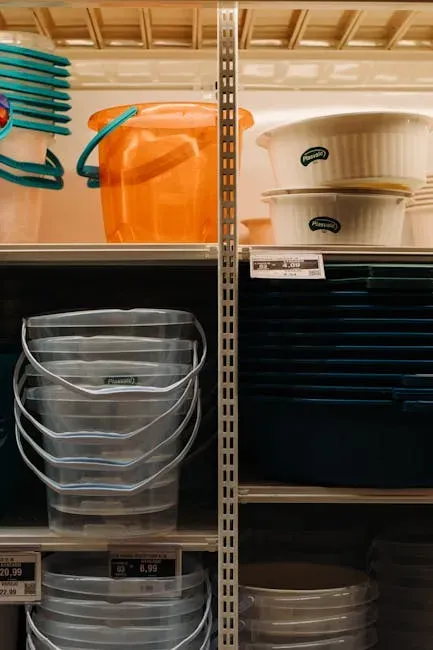
Three can openers. Five sets of bed sheets for a bed you own once. Seven mismatched water bottles. Sound familiar? The average American home contains around three hundred thousand items. That number seems absurd until you start counting the duplicates piled up in your own drawers.
More than half of Americans feel overwhelmed by the amount of clutter they have, yet the vast majority have no idea what to do with it. Duplicates feel harmless because each item, on its own, seems useful. The problem is the compound effect. One extra is handy. Six extras are clutter. Pick your best one, donate the rest, and reclaim the space.
4. Old Electronics and Their Tangled Cable Graveyards
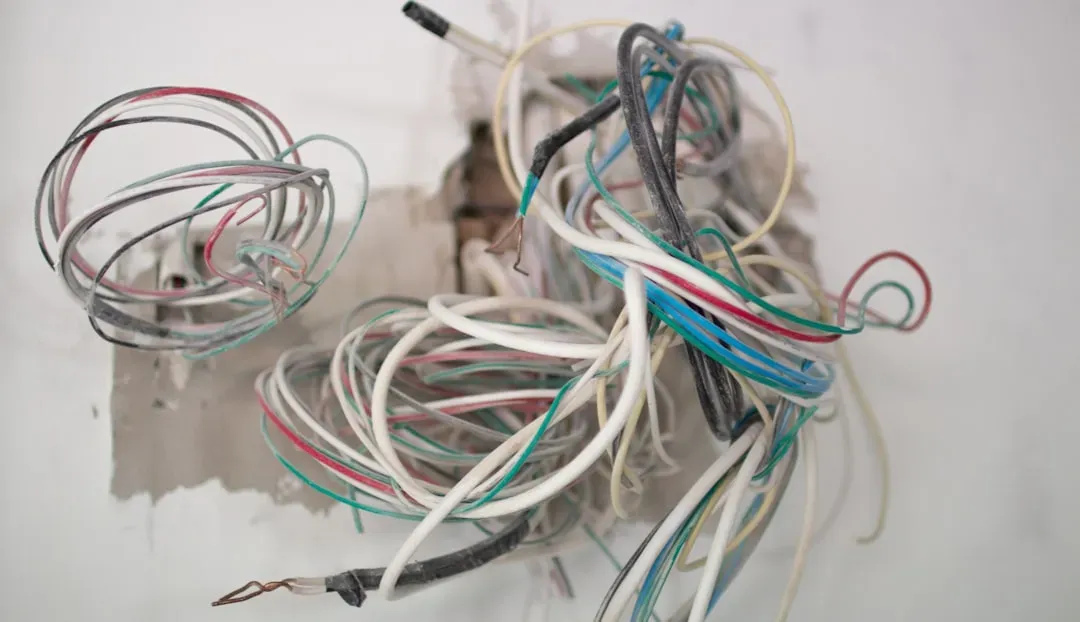
There is a drawer in nearly every home. It’s the drawer that eats old chargers, mystery adapters, broken earbuds, and phones from three upgrades ago. Clutter can even be digital or electronic. Just looking at the number of unused devices and cables you have might overwhelm you. It’s a problem that multiplies quietly, year after year.
Clutter creates chaos, which impacts your ability to focus. It also limits the brain’s capacity to process information, and physical clutter is a form of visual distraction that can increase cognitive overload and reduce working memory. Old electronics that no longer work or have been replaced are textbook clutter. Most cities have e-waste recycling programs. Use them. Old phones can often be traded in or sold online. There’s simply no reason to keep a 2017 tablet that never turns on.
5. Books and Magazines You Will Never Read Again

I know. Books feel sacred. Books feel like identity. There’s something about a full bookshelf that feels intelligent and warm. But honestly, there’s a difference between curated and hoarded. It seems easy to accumulate all sorts of things we don’t really need, yet difficult to let them go, and people hold on to things for many reasons including sentimental and monetary value.
Magazines are even more clear-cut. Most issues contain one article worth reading, and that content is now freely available online. Research shows that roughly four fifths of the clutter in our homes is a result of disorganization, not a lack of space. Books you’ve already read, reference guides from old careers, magazines from two years ago. These deserve a new home, not a dusty shelf. Donate to a local library or school and set them free.
6. Exercise Equipment You Never Actually Use

The stationary bike. The treadmill. The resistance band set still in its packaging. Exercise equipment is probably the single most emotionally loaded category on this list, because getting rid of it feels like surrendering your fitness goals. But let’s be real. Equipment that is no longer used creates guilt and consumes space, and the best move is to sell or donate items in good condition to sports programs or community centers.
Guilt is not a fitness plan. A study by the University of Connecticut found that by removing or controlling clutter, people can directly reduce the stress that stems from the mess, helping them feel happier, less anxious, and more confident. Getting rid of the dusty treadmill that became a clothes rack will not derail your health. If anything, clearing the space and the guilt might actually motivate a fresh start with a gym membership or outdoor activity you’ll genuinely enjoy.
7. Excess Furniture That Crowds Your Living Spaces

A home should feel like a place to breathe. Too many people have chairs nobody sits in, side tables that exist purely to collect mail, and shelving units so packed that nothing on them is actually seen. A study at Princeton University found that physical clutter in your surroundings competes for your attention, resulting in decreased performance and increased stress. Furniture is not exempt from this rule.
A Journal of Environmental Psychology study from 2025 linked home clutter to lower subjective well-being, with perceived home beauty mediating the relationship. That extra armchair from three apartments ago, the coffee table that makes the room feel cramped, the bookcase from college. These things are not neutral. They subtly affect your mood every single day. Removing one or two pieces of redundant furniture can make a room feel like it doubled in size.
8. Items Stored Offsite That You Never Visit
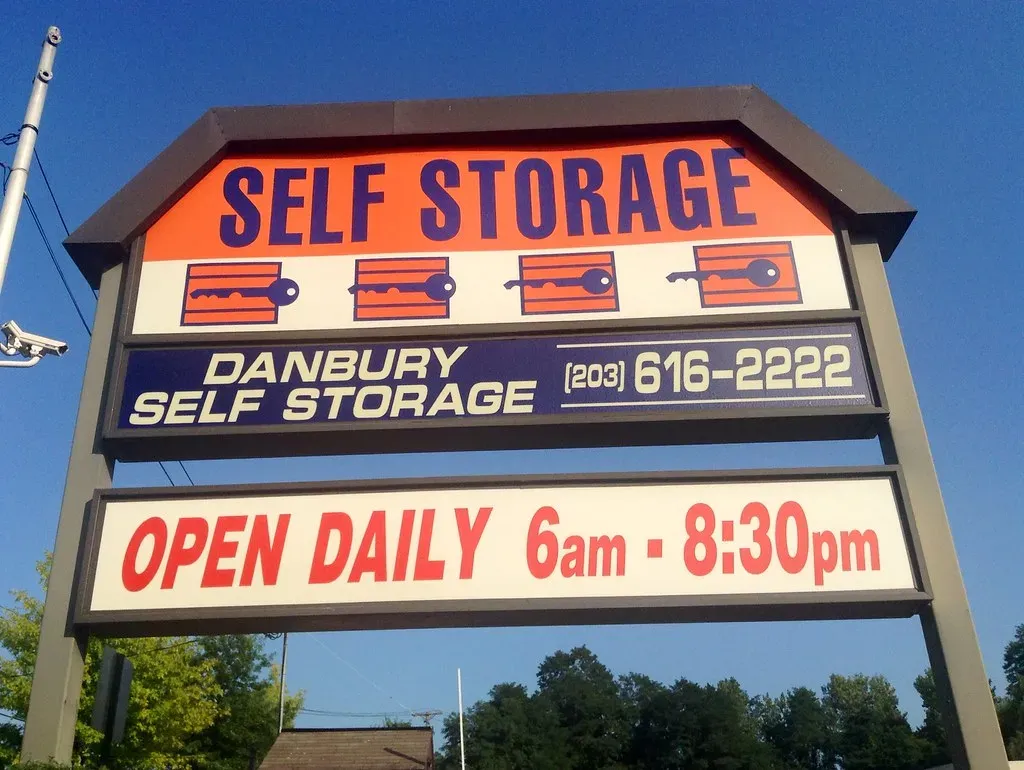
Here is perhaps the most revealing category of all. If you’re paying monthly rent for a storage unit to house items you haven’t touched in over a year, that’s a very clear signal. About eleven percent of American households are renting self-storage units, at an average cost of more than eighty-five dollars per month, according to industry statistics compiled by SpareFoot Storage Beat. That’s over a thousand dollars a year to store things you don’t use.
Nearly half of self-storage customers rent their units for a year or more. Meanwhile, Americans collectively spend roughly two point seven billion dollars every year replacing items they can’t find. So many people are paying to store things they’ve already replaced. It’s a strange loop. If you haven’t gone to your storage unit in six months, the items inside are very likely not enriching your life. It might be time to schedule one final visit, and make it a permanent goodbye.