10 Influential Women History Books Often Overlook
History books have a long memory for the famous – and a very short one for everyone else. Certain names get repeated so often they start to feel like the only ones that mattered. Meanwhile, a staggering number of women who shaped science, civilization, warfare, and the arts have been quietly pushed to the edges of the page, or left out entirely.
Research estimates that women are represented in only about half a percent of recorded history. Let that sink in for a moment. Half a percent. According to the National Women’s History Museum, only about fifteen percent of what we learn in school focuses on the achievements and accomplishments of women. The pattern has a name. It is called the Matilda Effect, a term coined in 1993 by science historian Margaret W. Rossiter, referencing suffragist Matilda Joslyn Gage’s essay “Woman as Inventor.”
So who are these women? Let’s dive in.
1. Rosalind Franklin – The Scientist Behind the Most Famous Discovery of the 20th Century
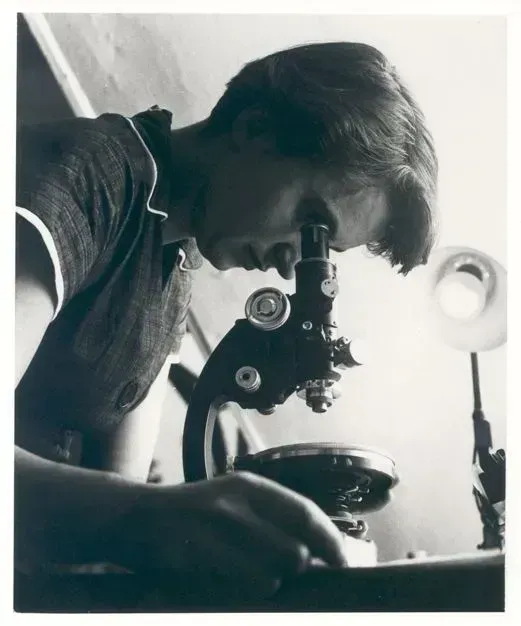
You’ve heard of Watson and Crick. You’ve probably not heard nearly enough about Rosalind Franklin. Rosalind Elsie Franklin was an English chemist and X-ray crystallographer whose work was central to understanding the molecular structures of DNA, RNA, viruses, coal, and graphite. Her contribution to one of biology’s greatest discoveries was monumental. Honestly, calling her a footnote in this story feels like an injustice.
Although her works on coal and viruses were appreciated in her lifetime, Franklin’s contributions to the discovery of the structure of DNA were largely unrecognized during her life, for which she has been variously referred to as the “wronged heroine,” the “dark lady of DNA,” the “forgotten heroine,” and the “Sylvia Plath of molecular biology.” In 1962, American biologist James Watson and English physicist Francis Crick won the Nobel Prize for discovering the structure of DNA. James Watson himself believed that, had she not died, Franklin would have been awarded a Nobel Prize in Chemistry. The scientific community has only slowly begun to reckon with just how much she was erased from her own story.
2. Lise Meitner – The Woman Who Unlocked Nuclear Fission
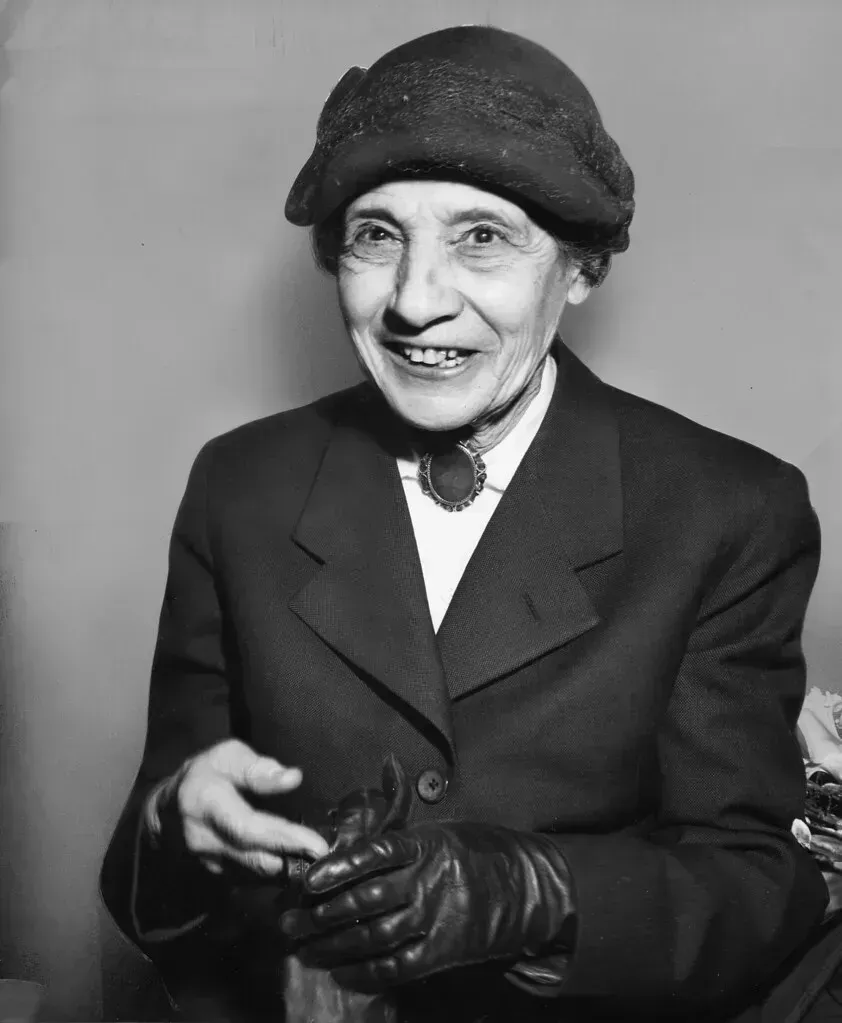
Lise Meitner was an Austrian-Swedish physicist who played a crucial role in the discovery of nuclear fission. Her story is one of the more outright infuriating examples of scientific credit being stolen in plain sight. In 1939, Meitner helped discover the physical process of nuclear fission, and in 1944 her male partner alone was awarded the Nobel Prize.
Meitner was unable to be mentioned in the article published by Strassman and Hahn, and the men went on to win a Nobel Prize for their “discovery” in 1944 with no mention of Meitner, which was later claimed to be a “mistake” by the prize committee. Physicist Lise Meitner missed out on the 1944 Nobel Prize for the discovery of nuclear fission, which went to her junior collaborator, Otto Hahn, instead. Despite all of this, she kept working. While she didn’t receive the Nobel Prize or formal recognition for her discoveries, Meitner did have element 119 named after her.
3. Chien-Shiung Wu – The First Lady of Physics
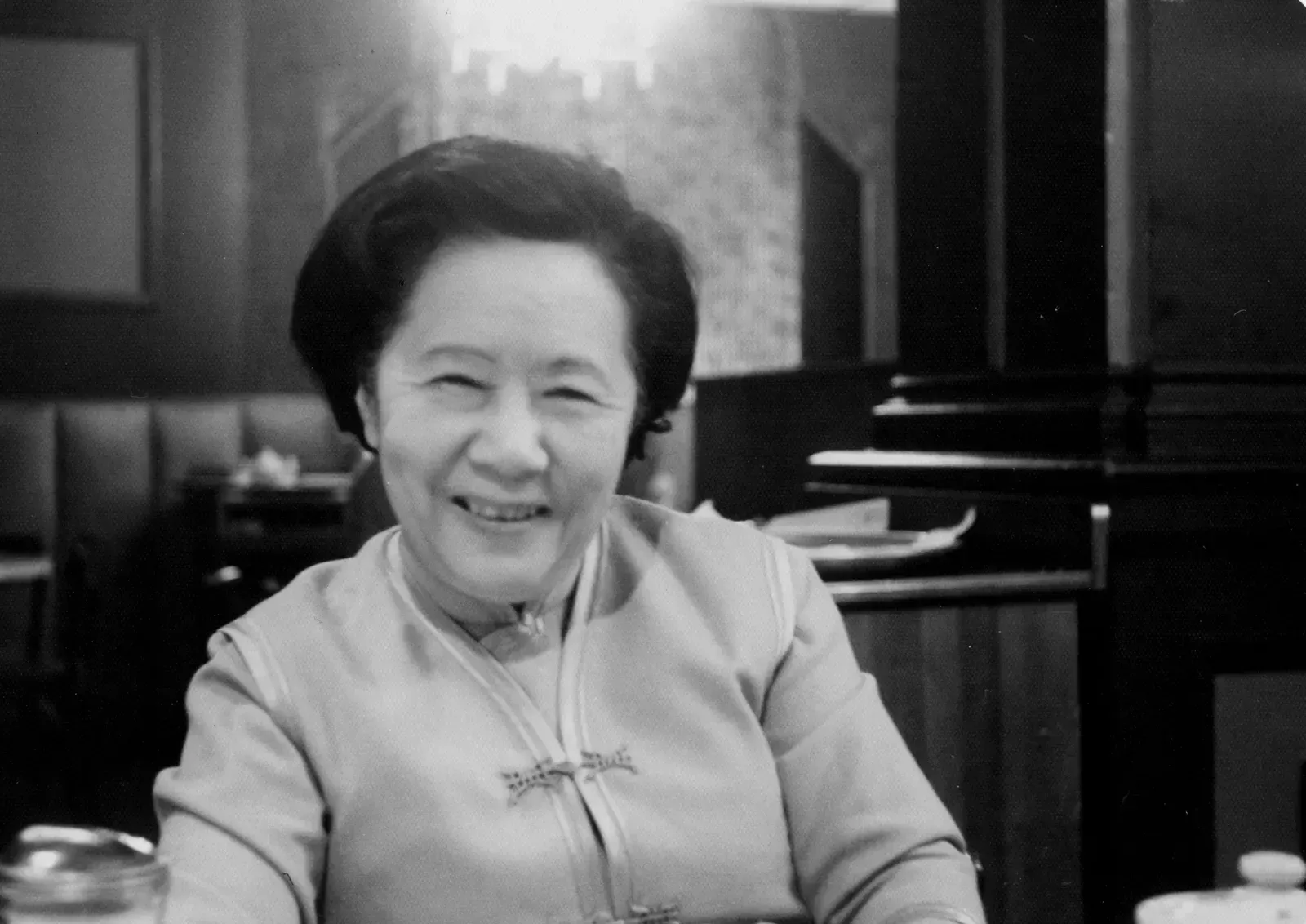
Dr. Chien-Shiung Wu earned many nicknames throughout her trailblazing years as a physicist, including “the First Lady of Physics,” the “Chinese Marie Curie,” and “Madame Wu.” She worked on the top-secret Manhattan Project during World War II and later did something that physicists thought was nearly impossible. In the 1950s, physicist Chien-Shiung Wu devised a groundbreaking experiment to test the law of parity conservation, for which two male colleagues received a Nobel Prize.
In 1957, Wu and two of her colleagues at Columbia University overturned a law of symmetry in physics, but when their discovery was awarded the Nobel Prize in Physics that year, her contributions were overlooked and only her colleagues were recognized. Chien-Shiung Wu is widely considered one of the most influential scientists in history, but her achievements were not widely acknowledged due to her gender and race. She was the first woman president of the American Physical Society, the first woman to receive an honorary doctorate from Princeton, and the first female recipient of the National Academy of Sciences’ Comstock Prize.
4. Mary Anning – The Fossil Hunter Who Built Paleontology
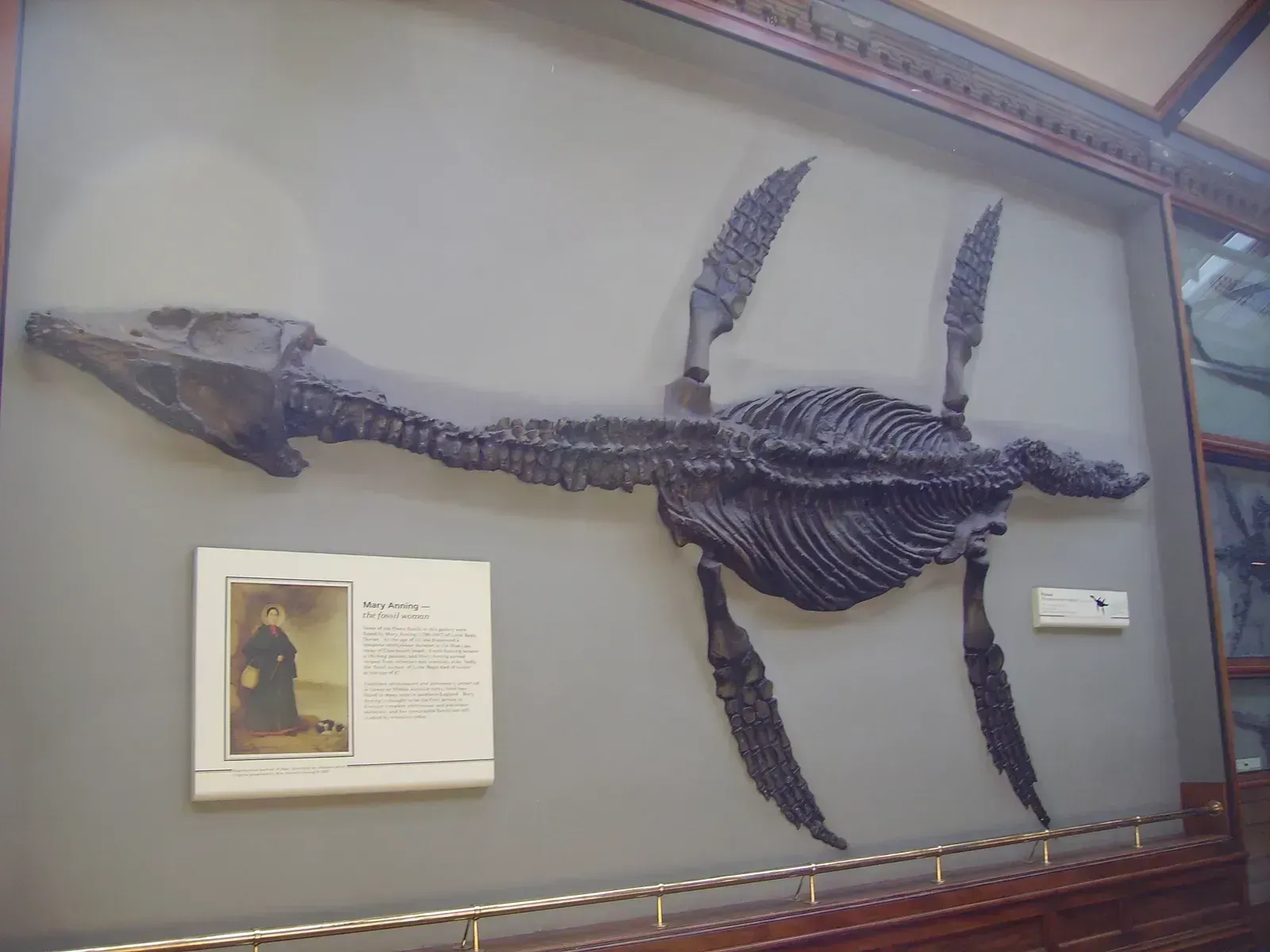
Mary Anning was a pioneering palaeontologist and fossil collector whose life was scarred by hardship and tragedy, but punctuated by scientific firsts. She regularly risked her life to hunt for fossils, making discoveries that captured the attention of the scientific elite and helped the world discover more about extinction and dinosaurs. She was largely self-taught, working-class, and living in 19th-century England – three strikes against her in the eyes of the establishment.
As a woman, she was not eligible to join the Geological Society of London, and she did not always receive full credit for her scientific contributions. The majority of Mary’s finds ended up in museums and personal collections without credit being given to her as the discoverer of the fossils. It took nearly two centuries for formal recognition to arrive. In 2021, the Royal Mint issued sets of commemorative fifty pence coins called The Mary Anning Collection, acknowledging her lack of recognition as “one of Britain’s greatest fossil hunters.” In March 2024, the Royal Mail issued a set of four stamps celebrating Mary Anning and her discoveries.
5. Hedy Lamarr – The Hollywood Star Who Invented the Basis of Wi-Fi
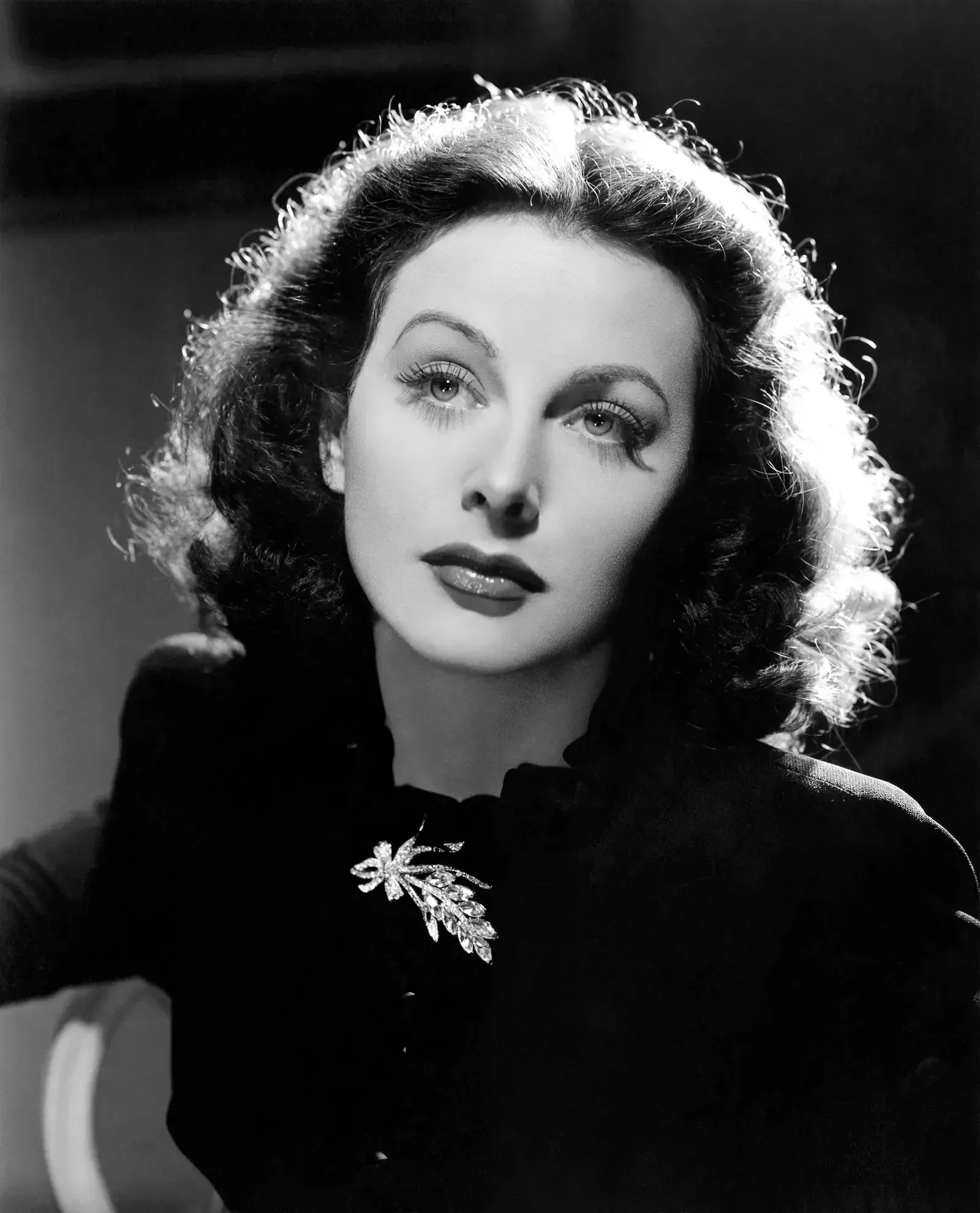
Here’s the thing – most people know Hedy Lamarr as a glamorous Hollywood actress from the 1940s. Far fewer know what she actually built. Hedy Lamarr was not only a glamorous Hollywood actress but also an ingenious inventor. During World War II, she co-developed a frequency-hopping technology that laid the foundation for modern wireless communication, including Wi-Fi and Bluetooth.
Hedy Lamarr pioneered the communication technology that is the basis of Wi-Fi and GPS, which started as a patent she invented for guiding torpedoes during WWII. I know it sounds almost too strange to believe, but the technology sitting in your pocket right now traces a line back to a film star who was ignored for decades. Despite the significance of her invention, Lamarr’s contributions were overlooked for decades, yet her dual legacy in entertainment and technology demonstrates the multifaceted talents and potential of women.
6. Annie Jump Cannon – The Woman Who Classified the Stars
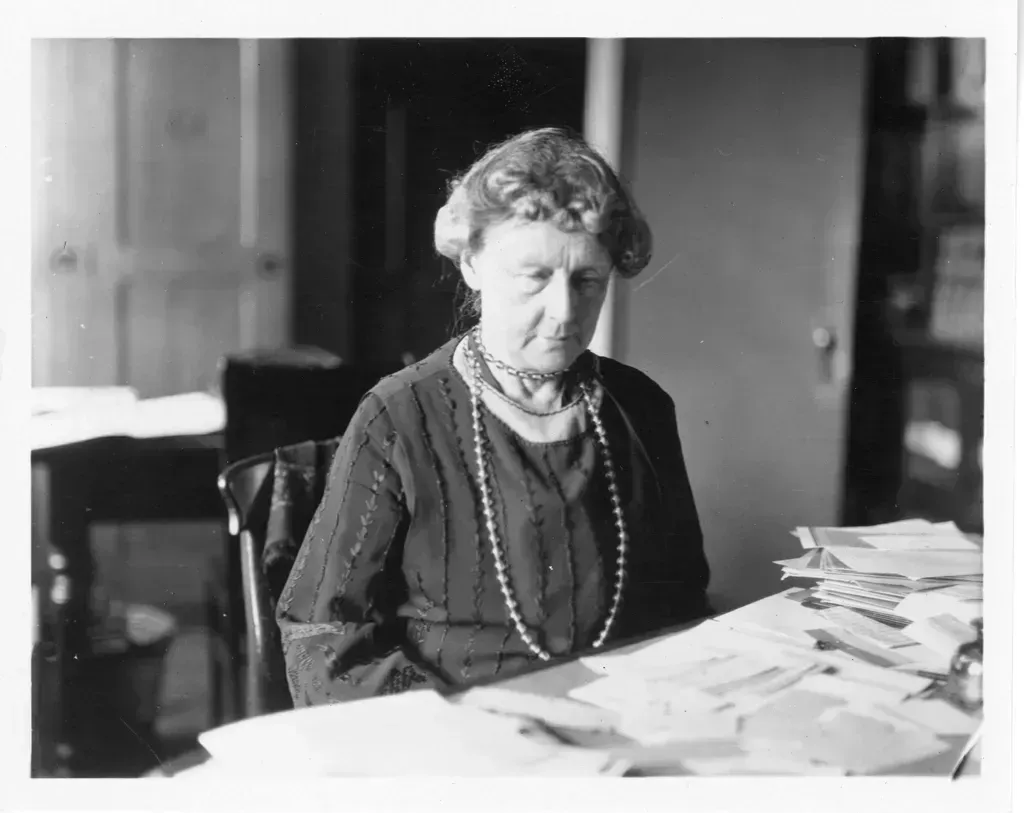
Annie Jump Cannon developed a classification system for stars that is still used today. She was a deaf astronomer who classified more stars in her lifetime than anyone else, organizing them according to their temperatures. The scale she created is known as the Harvard Classification Scheme, and it remains the global standard in astronomy to this day.
Cannon was an influential and pioneering astronomer who developed the classification system for stars that is still in use, and she cataloged over 350,000 stars, becoming one of the first women elected to the American Astronomical Society. Think about that. Over 350,000 stars classified by hand, with deteriorating hearing, in an era that barely allowed women through the door of a university. Despite her disability, Cannon’s stellar classification system revolutionized our understanding of the universe.
7. Mary Seacole – The Nurse Who Funded Her Own War Mission
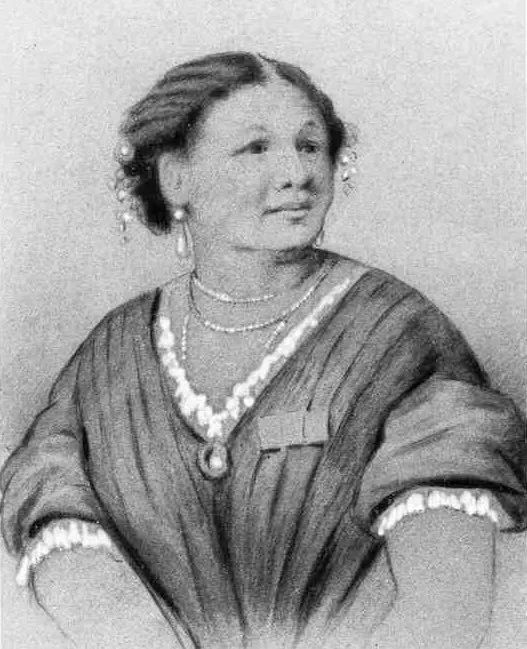
Florence Nightingale gets the textbooks. Mary Seacole deserves them too. Seacole was a Jamaican-born nurse who travelled on her own dime to the Crimean War after Florence Nightingale rejected her application. She set up the “British Hotel” near the battlefield and cared for wounded soldiers. She wasn’t asked. She wasn’t funded. She just went.
Her contributions were mostly overshadowed by those of Nightingale. The reasons for this oversight are not hard to guess. Seacole was a mixed-race woman from Jamaica operating in a deeply racialized Victorian world. There have been countless female changemakers throughout the ages, but many of them have been lost to history, whether they were deliberately overlooked or merely forgotten as the years passed. Seacole’s story fits both categories – overlooked by race, forgotten by time. Her legacy has been steadily rehabilitated in recent years, but most history curricula still treat her as a footnote beside Nightingale’s name.
8. Sybil Ludington – The Teenage Paul Revere Nobody Talks About
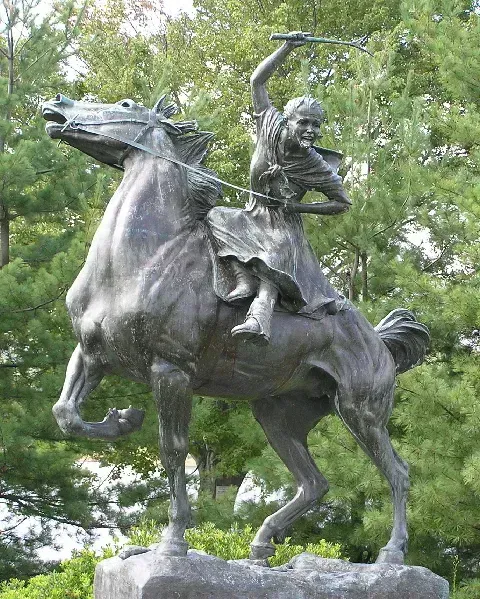
first upload in en wikipedia on 20:08, 23 April 2006 by Anthony22 (I took this photograph of the statue of Sybil Ludington on Gleneida Avenue in Carmel, New York. GFDL-self – GNU Free Documentation License), Public domain, https://commons.wikimedia.org/w/index.php?curid=3139772)
Everyone learns about Paul Revere’s midnight ride. Almost nobody learns about the teenage girl who rode twice as far and through more dangerous terrain. Like the more celebrated Paul Revere, Sybil Ludington also completed a grueling nighttime ride to alert colonial militia to a British attack, and she did it when she was only 16 years old. When British troops descended on the town of Danbury, Connecticut, on April 26, 1777, Ludington set out on horseback to alert scattered fighters.
Her ride began after 9 p.m. and lasted through daybreak, covering approximately 40 miles. While the revolutionary forces failed to repel the British from Danbury that day, Ludington’s courage earned her the recognition and thanks of George Washington, which he delivered in person at her family home. Sometimes referred to as the “female Paul Revere,” Ludington rode roughly 40 miles at only 16 years old to warn colonial militia forces of a British attack in 1777. She rode twice as long as Revere through more dangerous terrain, but is still overshadowed by her male counterpart.
9. Fanny Mendelssohn – The Composer Whose Brother Published Her Work as His Own
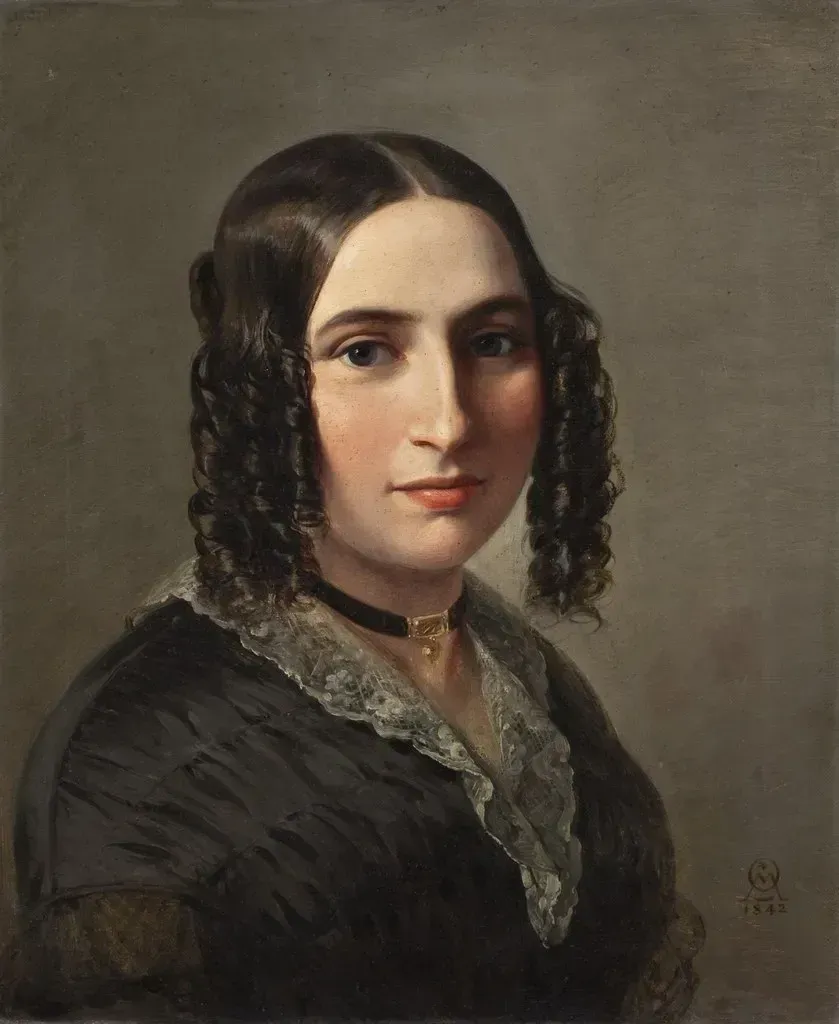
Fanny Mendelssohn was a brilliant composer who wrote over 460 pieces of music, yet her work was largely suppressed due to 19th-century societal norms. While her brother Felix became world-famous, Fanny was told by her father that music could only be an “ornament” for her, not a profession. This is one of those stories that sounds almost too cruel to be true. It was entirely real.
Her brother published some of her songs under his own name, once famously admitting to Queen Victoria that his sister had actually written one of the Queen’s favorite pieces attributed to him. A year before her death, Fanny finally defied her family and published music under her own name. Today, her vast and influential work is finally being rediscovered and celebrated, rightfully placing her among the great classical composers. Over 460 compositions, a lifetime of suppression, and a story that most music textbooks still don’t tell. That’s a gap worth closing.
10. Ida B. Wells – The Investigative Journalist Who Took on Lynching Alone
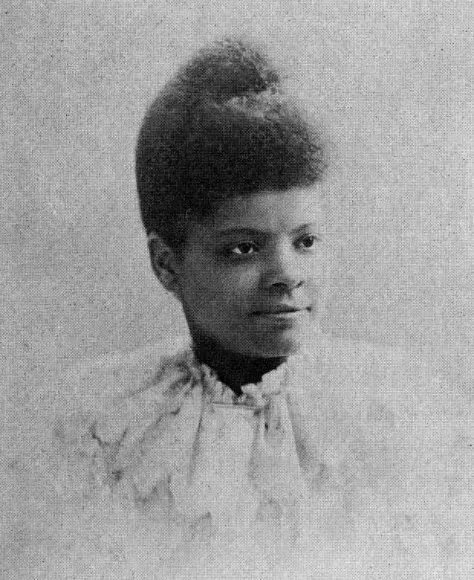
Ida B. Wells was a pioneering African American journalist and activist who led an anti-lynching crusade in the United States during the late 19th century. Despite facing relentless sexism and racism, she used her skills in investigative journalism to expose the horrors of lynching to the world. Her work was dangerous, deliberate, and decades ahead of its time. She didn’t wait for anyone’s permission.
Wells’ relentless pursuit of justice and equality paved the way for the civil rights movement. She was also a co-founder of the NAACP, a fact that tends to get buried under other names whenever that organization’s history is told. Ella Baker and Septima Clark were two Black civil rights activists whose contributions to the movement were as important as Martin Luther King Jr.’s, and the same argument applies entirely to Wells. These women’s lost histories reflect those who refused over hundreds of years to accept the hand they were dealt and, as a result, formed, shaped and changed the course of our futures.