The 7 Most Dangerous Hiking Trails in America Ranked by Death Rate
Mount Washington, New Hampshire: The World’s Deadliest Small Mountain
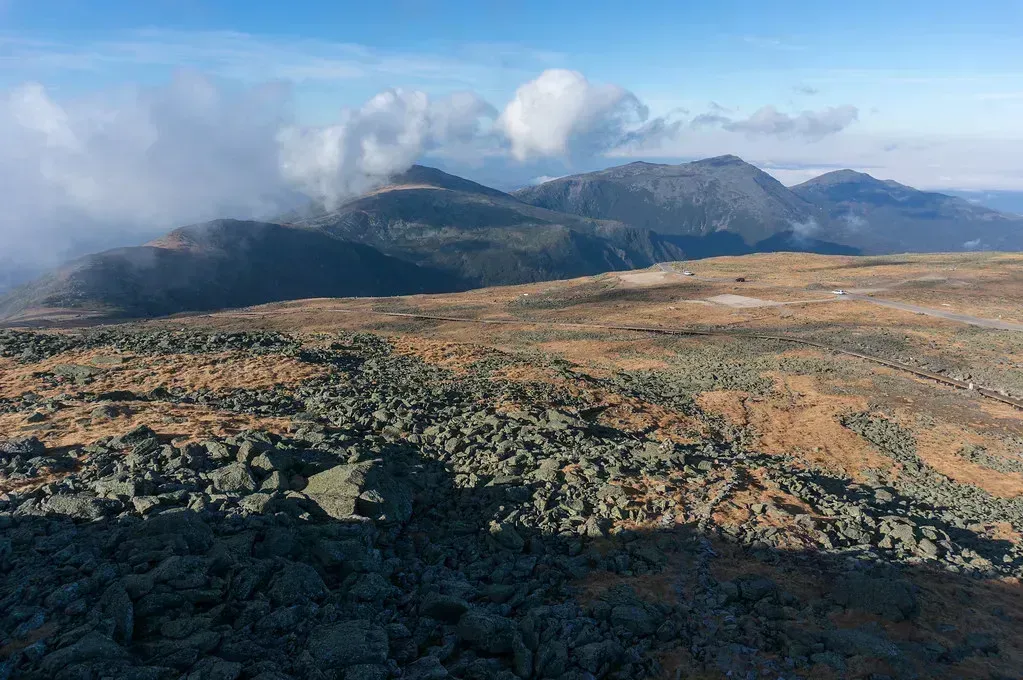
Mount Washington has claimed the lives of 161 recorded hikers since 1849, earning its notorious reputation as one of the most lethal peaks per foot of elevation anywhere on Earth. The highest wind velocity ever recorded at any surface weather station (231 mph) was logged here on April 12, 1934, which gives you a sense of just how extreme conditions can get. What makes this mountain so treacherous isn’t its height but its weather, which can shift from summer warmth to winter fury in minutes. Mount Washington has had more deaths per foot of height than any other mountain in the world and is even listed among the ten deadliest mountains globally.
Of the 135 fatalities since 1894, 59 (nearly half) expired during the summer months from June to September. People assume summer means safety, which is exactly when they get caught off guard by sudden storms, hypothermia, and whiteout conditions that leave even experienced hikers stranded and disoriented.
Half Dome, Yosemite National Park: Slippery When Wet
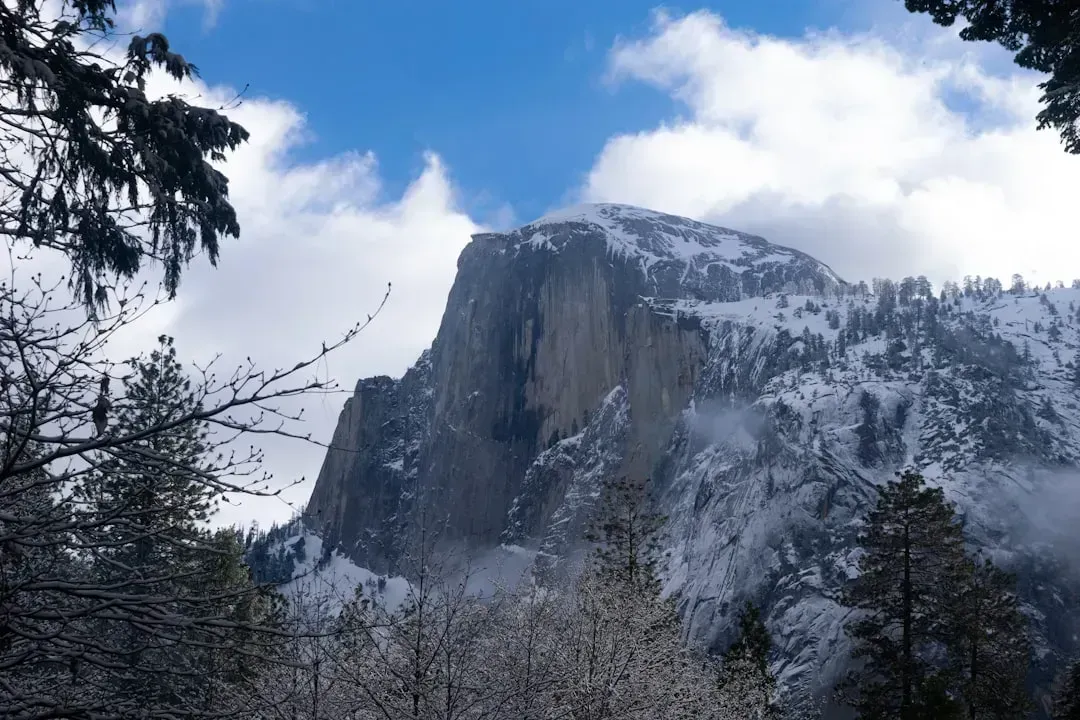
As of 2026, there have been 25 confirmed deaths on the cable section and the summit of Half Dome, with the iconic steel cable route being the primary danger zone. Accidental falls from the cables have resulted in just 10 recorded deaths, however, six of the 10 deaths occurred on the cables when the granite was wet. The most recent tragedy happened in July 2024 when a 20-year-old woman slipped during a sudden storm and fell roughly 250 feet.
Weather is the real killer here. Some estimates based on US National Park data point to more than 40 deaths on the Mist Trail, with at least 15 of these deaths due to falling into the Merced River, which can be swift and freezing cold. The combination of altitude, exposure, and those deceptively smooth granite slabs creates conditions where one rainstorm can transform a bucket list hike into a life threatening situation.
Angels Landing, Zion National Park: The Chain Section Cliff Walk
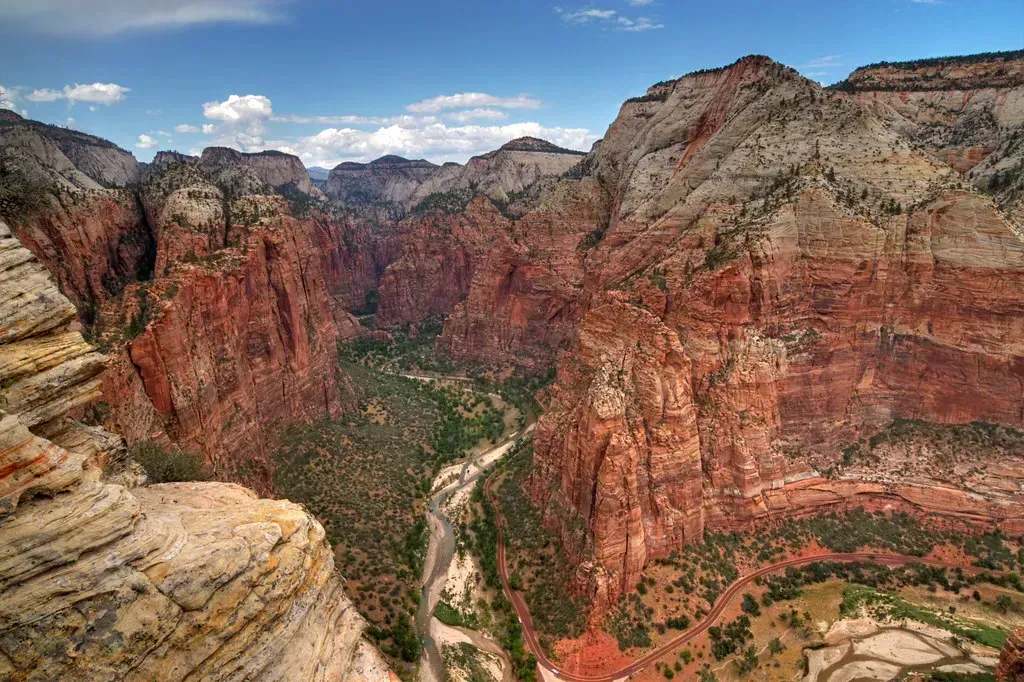
There have been 18 confirmed deaths on the Angels Landing hike as of 2026, with 16 deaths from falling while 2 were apparently health related. This Utah trail has become infamous for its narrow ridge with thousand-foot drops on both sides, where hikers cling to chains bolted into red sandstone. Between 2007 and 2024, Zion National Park recorded 59 fatalities, averaging approximately 3.3 deaths per year, with Angel’s Landing responsible for more than 18.
Interestingly, there were no falling deaths on Angels Landing from 2022 to 2024, and none have occurred so far in 2025, likely because the National Park Service now requires permits that limit the number of hikers. Before that system, crowds made the chains section even more dangerous, with people trying to pass each other on a trail barely wide enough for one person.
Bright Angel Trail, Grand Canyon: The Heat Exhaustion Trap
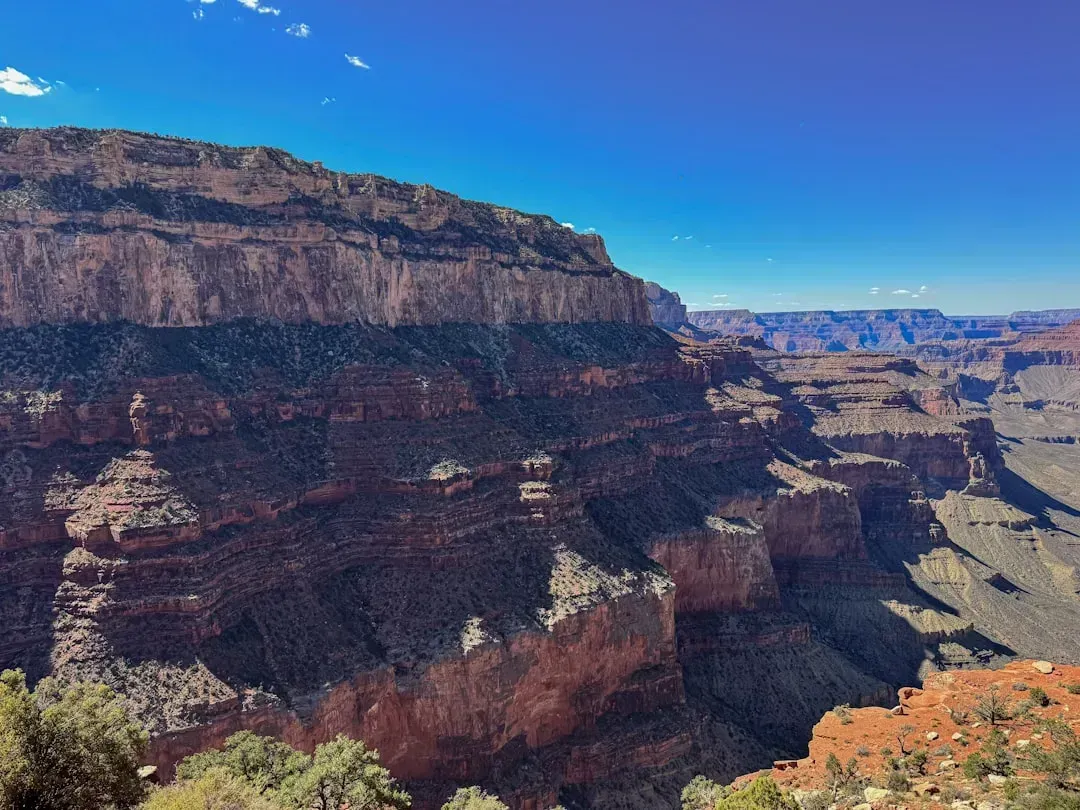
The Bright Angel Trail might not involve cables or exposed ridges, but it’s claimed numerous lives through a more insidious threat: extreme heat and elevation. Around 17 people die every year at the park, with falls and medical issues being the top causes of fatalities. Canyon temps routinely top 110°F in summer, and that hellish heat combined with the exertion of climbing 4,380 vertical feet over 9.5 miles results in about 200 heat related rescues in the park each year, most of them on the Bright Angel Trail.
In 2024 alone, multiple deaths occurred on this trail during summer months. The deceptive part? Going down is easy, which lures unprepared hikers deep into the canyon where they run out of water and energy for the brutal climb back up.
Kalalau Trail, Kauai: Crumbling Cliffside Paradise
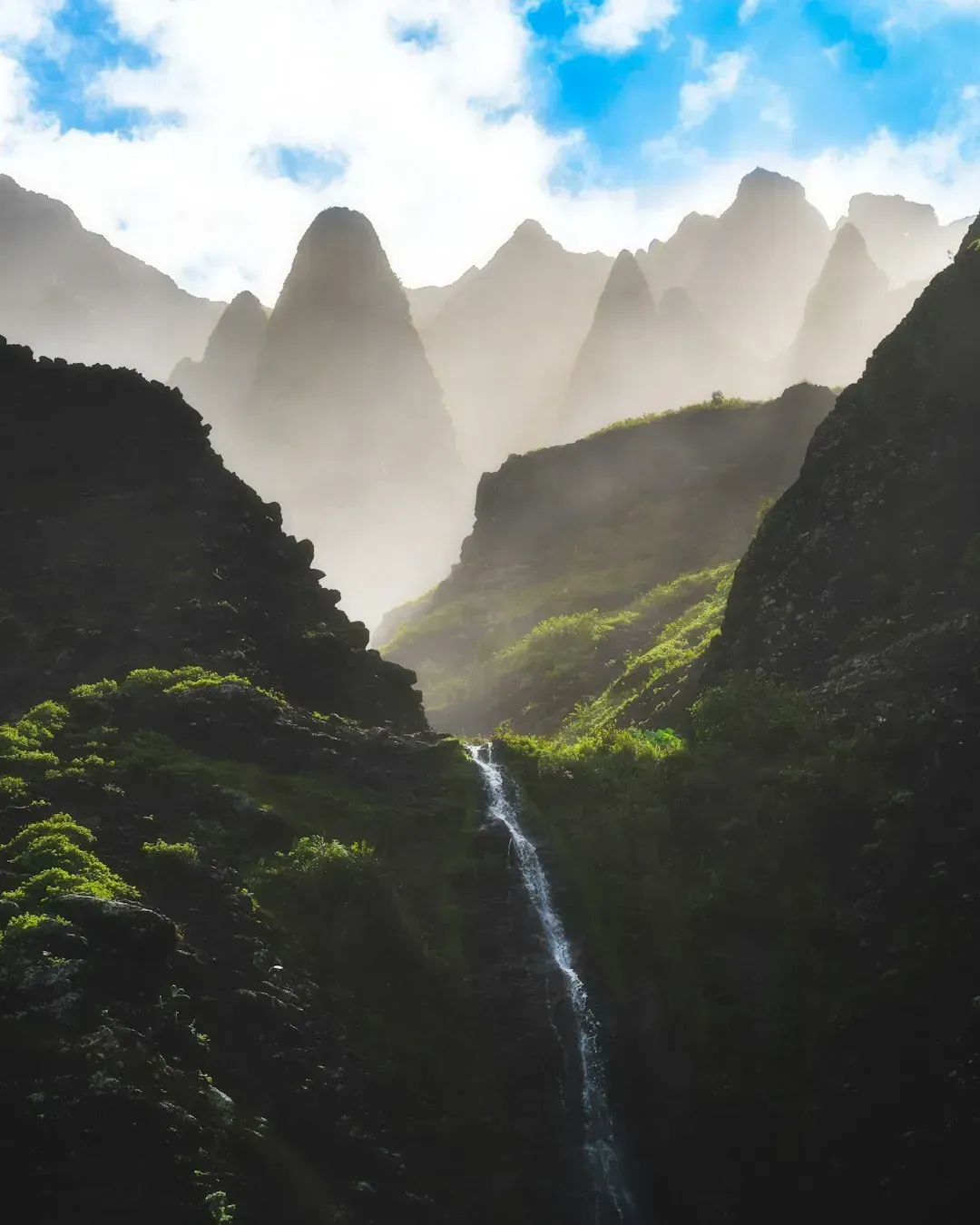
The Kalalau Trail along Hawaii’s Na Pali Coast combines breathtaking ocean views with legitimately terrifying exposure. The trail bed is narrow and crumbly, and many people have either fallen off the trail or seen it happen. Flash floods are a recurring nightmare here, with tropical storms triggering flash floods that turn stream crossings into impassable torrents, and hikers caught between swollen streams and cliffs have died trying to cross back.
In September 2024, a norovirus outbreak forced a full trail closure after dozens of hikers fell ill with vomiting and fever. The combination of narrow ledges carved into sea cliffs, unpredictable weather, and remote location makes rescue operations incredibly difficult.
Capitol Peak, Colorado: Lightning and Knife Edge
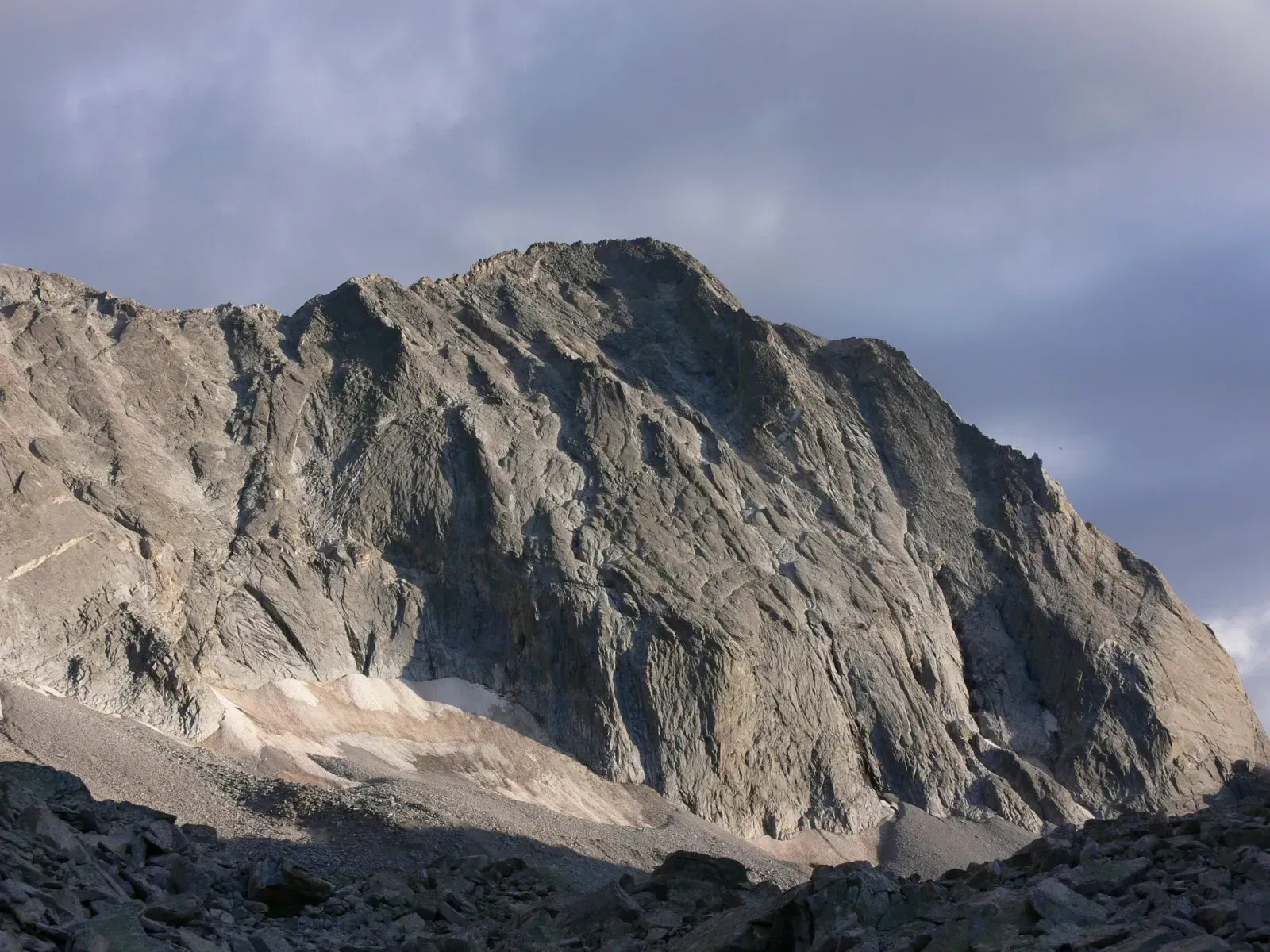
Colorado’s fourteeners attract ambitious climbers, but Capitol Peak stands out for its danger. The infamous Knife Edge ridge requires scrambling across a narrow, exposed section where a slip means a fall of hundreds of feet on either side. Colorado and its mountains see a shocking amount of electrical activity, and 22 of the 50 lightning incidents reported in Colorado since 2000 have involved hikers and campers.
Getting caught above treeline during an afternoon thunderstorm, which happens frequently in summer, leaves climbers completely exposed. The combination of technical climbing, altitude, and weather makes this one of Colorado’s most demanding and dangerous peaks.
Mount Rainier, Washington: America’s Deadliest Peak
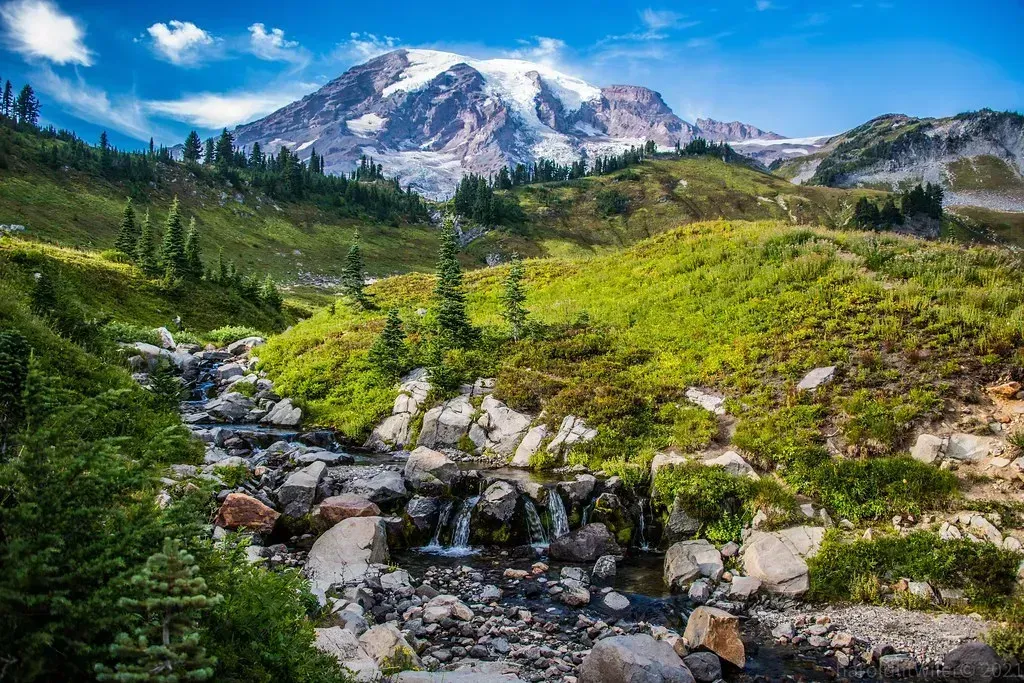
Mount Rainier has claimed over 400 deaths, making it numerically the deadliest mountain in America. A whopping 294 fatalities have occurred elsewhere on the mountain, including an alarming number between the Paradise trailhead and Camp Muir, which many consider just a high altitude hike rather than a technical climb.
The mountain’s combination of crevasses, avalanches, rockfall, and sudden weather changes creates a perfect storm of hazards. Hypothermia, broken bones, and falls are common. This isn’t just about summit attempts either; people die on what are supposed to be straightforward routes because they underestimate how quickly conditions deteriorate on an active volcano.