I’m a Luxury Realtor: 5 Features That Can Make a Home Hard to Sell
Selling a luxury home is not like selling any other property. The pool of qualified buyers is smaller, expectations are stratospheric, and the margin for error is razor-thin. One poorly considered feature, one trend that aged badly, or one personal indulgence baked into the architecture can stall a listing for months, sometimes longer.
In 2024, ultra-luxury properties in the United States took roughly four times longer to sell than the average home, with many spending nearly an entire year on the market before finding a buyer. That is not just a pricing problem. Often, it is a feature problem. Let’s dive in.
1. Overly Personalized Spaces That Speak Only to You
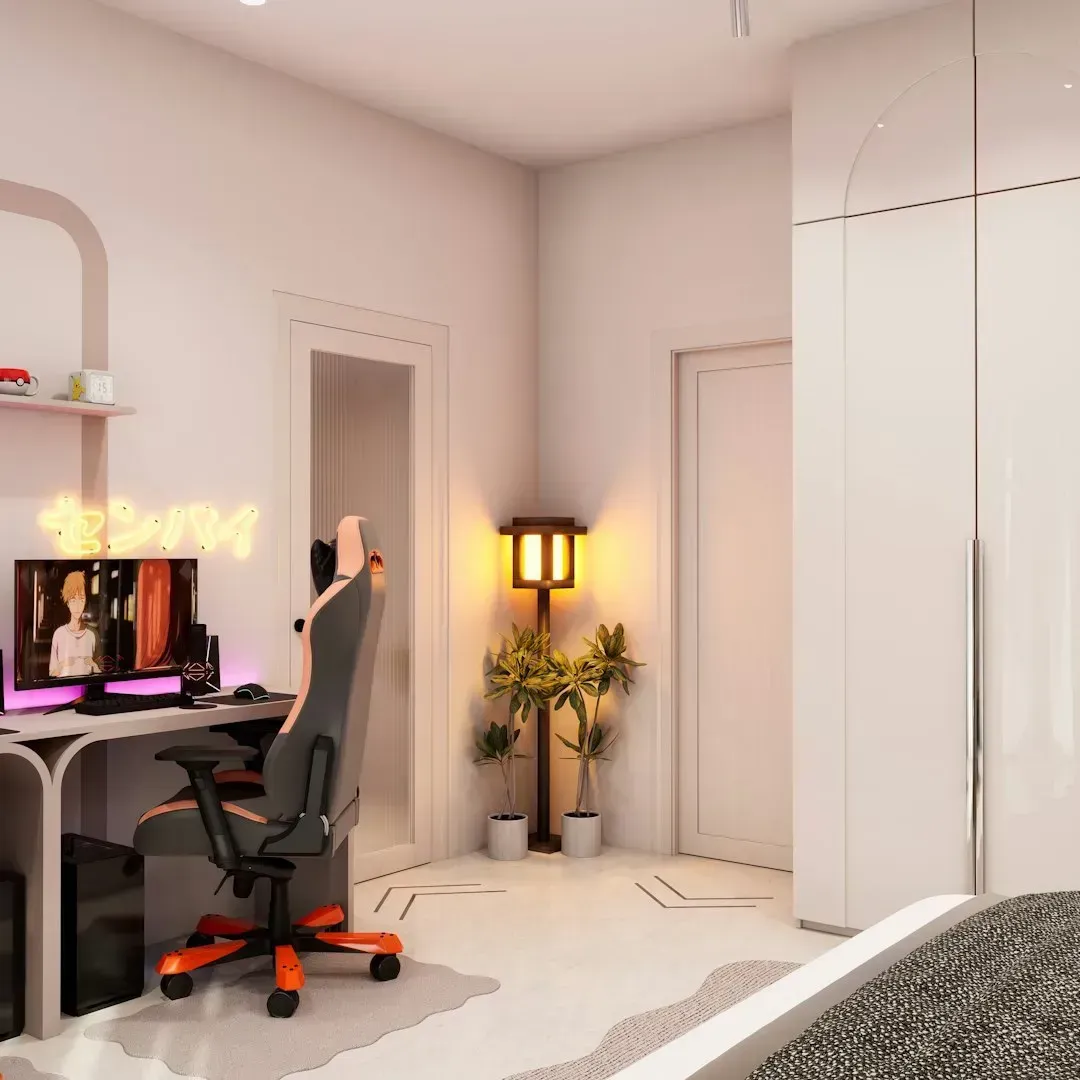
Here’s the thing about custom design: what makes a home feel deeply yours can make it feel deeply uninviting to everyone else. Highly personalized spaces, whether a full Tuscan-inspired kitchen or a nautically themed bathroom, severely limit buyer appeal because potential buyers struggle to see past heavy theming and often mentally calculate the cost of neutralizing those spaces.
Custom murals, highly specific tile patterns, and built-ins designed around someone’s furniture all create friction for buyers who are mentally adding up the cost of making the space their own, and the rule of thumb is simple: the more personal the choice, the smaller the pool of buyers who will appreciate it. Think of it like a painting. A buyer wants a blank canvas to project their vision onto, not a finished mural they didn’t commission.
Too much personalization makes a home feel less adaptable, and if you’re renovating with resale in mind, sticking to neutral designs that allow future buyers to picture their own lifestyle in the space is the smarter strategy. Honestly, neutral is not boring. In real estate, neutral is marketable. Any overly trendy feature with a short design lifespan can represent a hurdle for some buyers, and for every aggressive design choice made, the number of interested buyers is reduced.
2. An Outdated or Poorly Integrated Swimming Pool
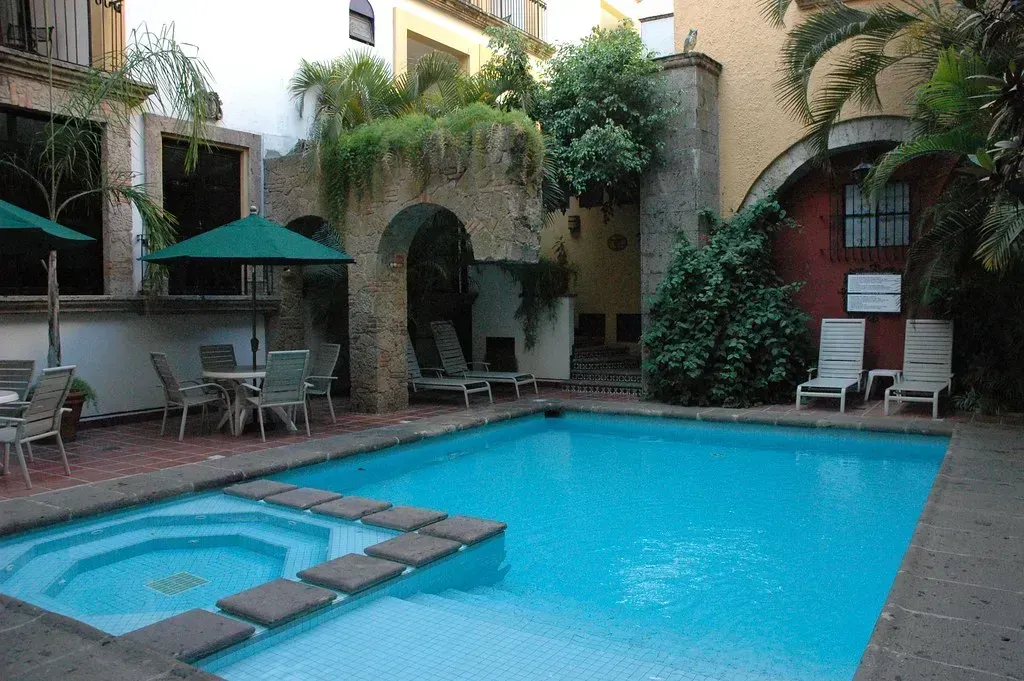
Pools can be glorious selling points, or they can be anchors that drag a listing down. It all depends on context. Swimming pools may seem like attractive luxury features, particularly in warm climates, but they are expensive to maintain and carry safety risks, which can send them straight to the “cons” section of a homebuyer’s list.
Dated tile, obsolete pool shapes, and old coping can make a pool feel like a liability instead of a luxury, and pools that require constant manual upkeep or frequent service calls turn buyers away. For buyers with young children, lack of visible safety compliance is a major deterrent and can be an immediate dealbreaker.
In colder states like Illinois, Oregon, Minnesota, and much of the Northeast, a pool may add little to no value at resale and can even be viewed as a liability, prompting buyers to factor in removal, maintenance, or insurance costs. In many cold-weather markets, a pool can narrow buyer interest and extend time on market, particularly when safety features are outdated or the pool shows signs of age. In warm markets, the calculus flips entirely. According to real estate data from the National Association of Realtors, a well-maintained in-ground pool can increase a home’s value by roughly five to eight percent, sometimes more in warmer climates or luxury markets.
3. A Converted Garage That Buyers Did Not Ask For
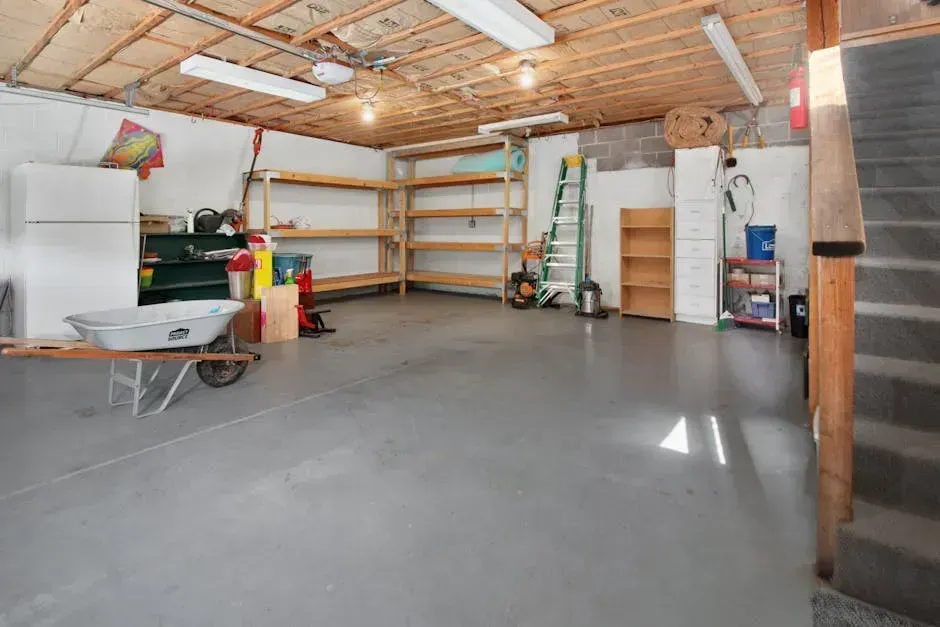
Converting a garage feels like a win when you’re living in the house. More living space, a home gym, a private office. But when it comes time to sell, the story often changes. Garage conversions can backfire at resale because they remove the valuable storage and covered parking that buyers expect, and in many areas, losing covered parking is a significant drawback, especially for families with multiple vehicles.
The conversion may not even count toward official square footage in many appraisals, meaning a seller loses parking without gaining recognized living space, and converted garages often lack proper insulation, heating, and ventilation, making them feel like afterthoughts rather than integrated living areas. Buyers can tell. They always can.
The nuances of selling a home include prospective buyers being deterred by a lack of garage, which leads to reduced interest and a lower sale price, and when a home is the only house in the area without a garage, closing it in will drastically decrease its value. Building without proper permits creates legal problems that scare away serious buyers, and mortgage companies often refuse to lend on properties with unpermitted work, while title companies flag these issues during closing, which can derail entire sales.
4. Outdated Interior Design Locked Into a Decade
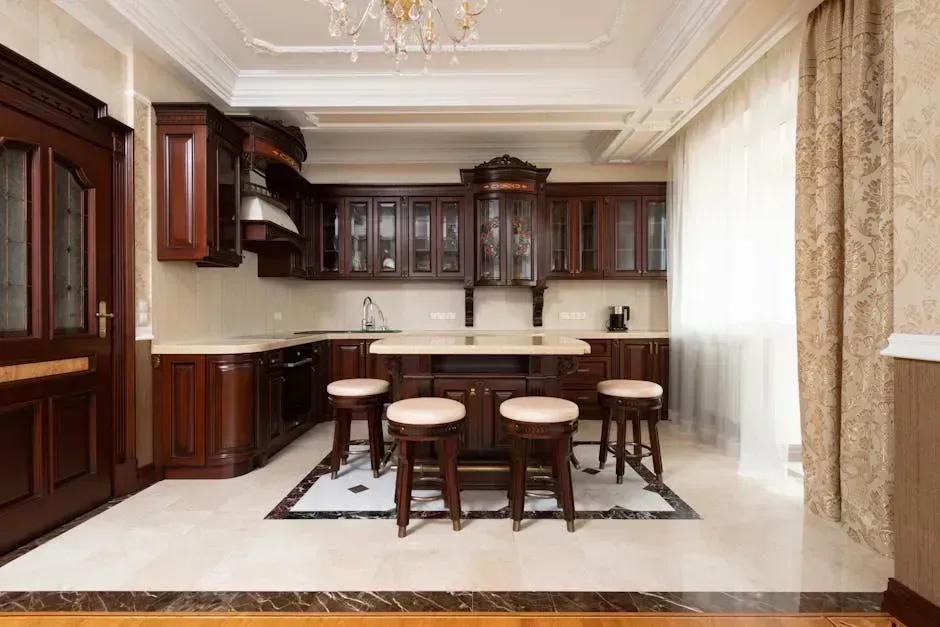
Luxury buyers in 2025 and 2026 are sharp. They know what they want, and they know what looks like it was assembled in 2004. Dark wood cabinetry from the early 2000s is a major turnoff, with design experts noting that heavy, ornate details, dark wood cabinetry, and faux finishes now feel outdated compared to lighter, more natural materials trending today, and honey-toned oak cabinets that were once premium features now make kitchens feel trapped in the past.
The all-gray kitchen that dominated the last decade has officially run its course, and buyers now see all-gray interiors as cold, outdated, and overdone, with the monochromatic approach that once felt sophisticated now reading as uninspired and sterile. It is a bit like showing up to a 2025 dinner party in a 2007 outfit. Technically fine, but clearly behind.
Popcorn ceilings are another glaring example, as these bumpy surfaces collect dust, are difficult to clean, and often contain asbestos in older homes, with real estate agents reporting that homes featuring these textured ceilings typically sell for three to five percent less than comparable properties with smooth ceilings. Balance is key in expressing personal style while maintaining broad buyer appeal for eventual resale, because some trends have long-term potential, while others can quickly date a space or limit its resale value.
5. Aspirational Pricing Tied to Features Buyers Don’t Value
This one is less about a physical feature and more about how sellers often misread what their unique additions are actually worth to the market. I’ve seen it countless times. A seller invests a fortune in a one-of-a-kind home theater, a bespoke wine cellar, or a fully automated smart home setup, then prices the home as though every buyer will place identical value on those features. Most won’t.
Listing prices in luxury real estate are often aspirational, and while sellers list for what they hope to achieve, the consequence is that the average realized sales price is often substantially lower than this aspirational listing price. On average in 2024, properties were listed for roughly fifteen percent more than their realized sales price. That gap is not random. It is almost always anchored to features that the seller values far more than the buyer does.
Luxury homes can be challenging to sell because the pool of buyers is so much smaller, which is one reason prices for them usually grow more slowly, according to economic research at Zillow. Luxury real estate today is about value, versatility, and long-term confidence, meaning sellers should focus on high-quality presentation, strategic pricing, and smart upgrades. Features that serve only a niche taste, even an expensive one, will shrink that already limited buyer pool even further.