America’s Silent Migration: Millions Are Snapping Up Property in the Rust Belt
Something quiet but consequential is happening across America’s industrial heartland. Cities that were once synonymous with factory closures and population exodus are starting to fill up again – not with nostalgia seekers, but with families, young professionals, and investors who have done the math and like what they see. From Pittsburgh and Detroit to Columbus and Buffalo, the old Rust Belt is being rediscovered, and the property market is starting to reflect it in real numbers.
The Affordability Crisis Is Sending Buyers North
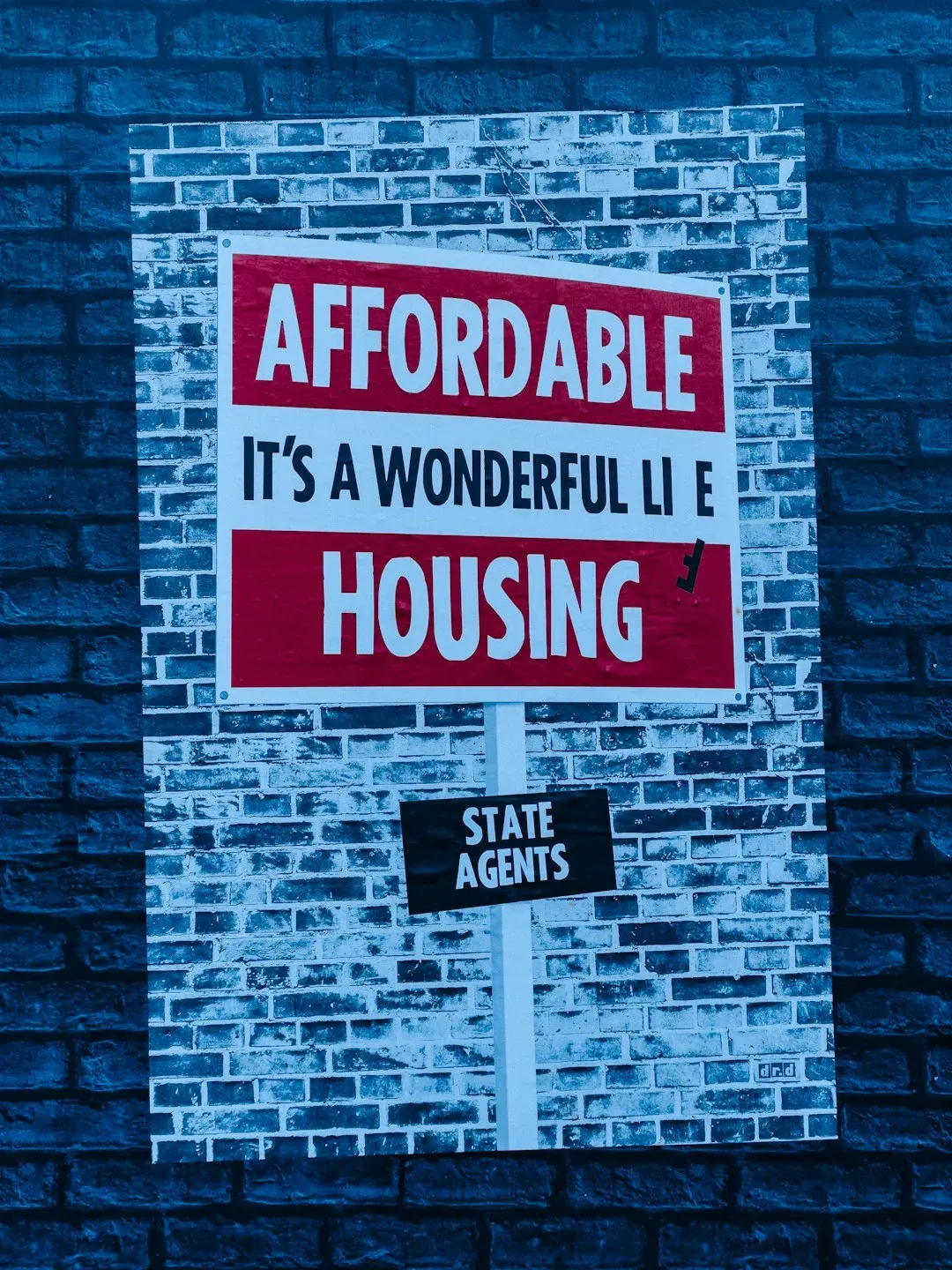
U.S. housing affordability has dropped roughly 60% since 2022, with only about one-third of homes now within financial reach of the average buyer. That staggering contraction in affordable options has forced millions of Americans to rethink where they can actually put down roots. The Sun Belt – once the obvious answer – has lost much of its price advantage after years of pandemic-era demand pushed values well beyond what local wages can support.
In many areas, buying a home remains relatively affordable, especially in the Rust Belt, where the median home price remains under $300,000 in a number of metros. In Pittsburgh, someone making the median income in 2024 would have had to spend just 25.3% of their earnings on monthly housing costs if they bought the median-priced home – the lowest share among the metros Redfin analyzed and below the 30% threshold. That figure stands in sharp contrast to cities like Los Angeles, where someone making the median income in 2024 would have had to spend 77.6% of their earnings on monthly housing costs.
Detroit, St. Louis, and Pittsburgh Lead the Affordability Rankings
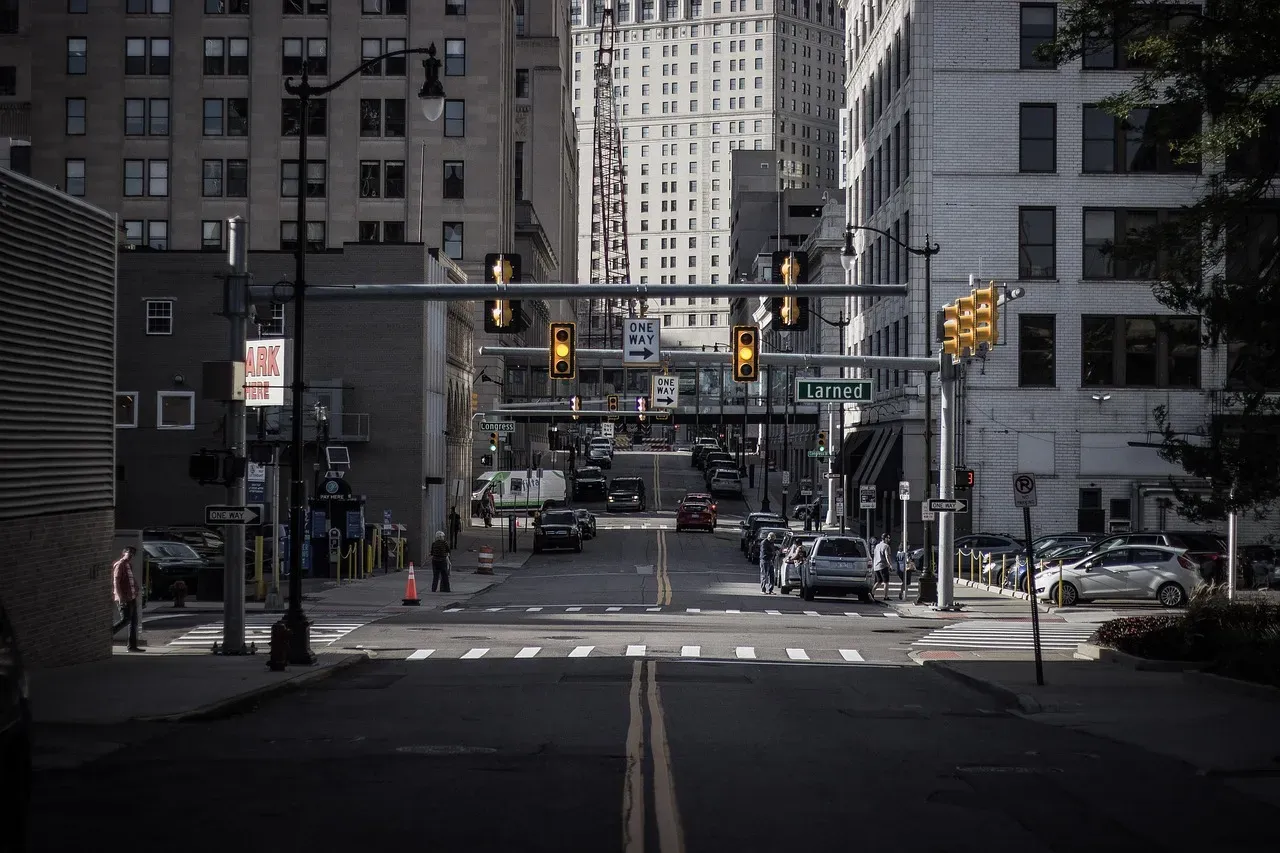
Rust Belt cities have emerged as relative safe havens for affordability. Detroit leads the nation, with nearly 70% of listings considered affordable and a median sale price of $215,000. St. Louis and Pittsburgh follow closely, each with over 60% affordability and median home prices below $300,000. These are not marginal advantages – they represent a fundamentally different kind of housing market than what most Americans have had to navigate over the past three years.
Nine of the ten least expensive metros in the country were located in the Rust Belt, continuing a trend from the prior year. According to Redfin, “seven of the 10 cheapest housing markets in the country are in the Rust Belt,” though the report notes that this affordability edge may shrink unless local incomes rise to match prices. Still, for buyers priced out of coastal markets, these numbers represent a genuine opening that simply does not exist elsewhere in the country right now.
Columbus, Ohio Tops the Revival Rankings
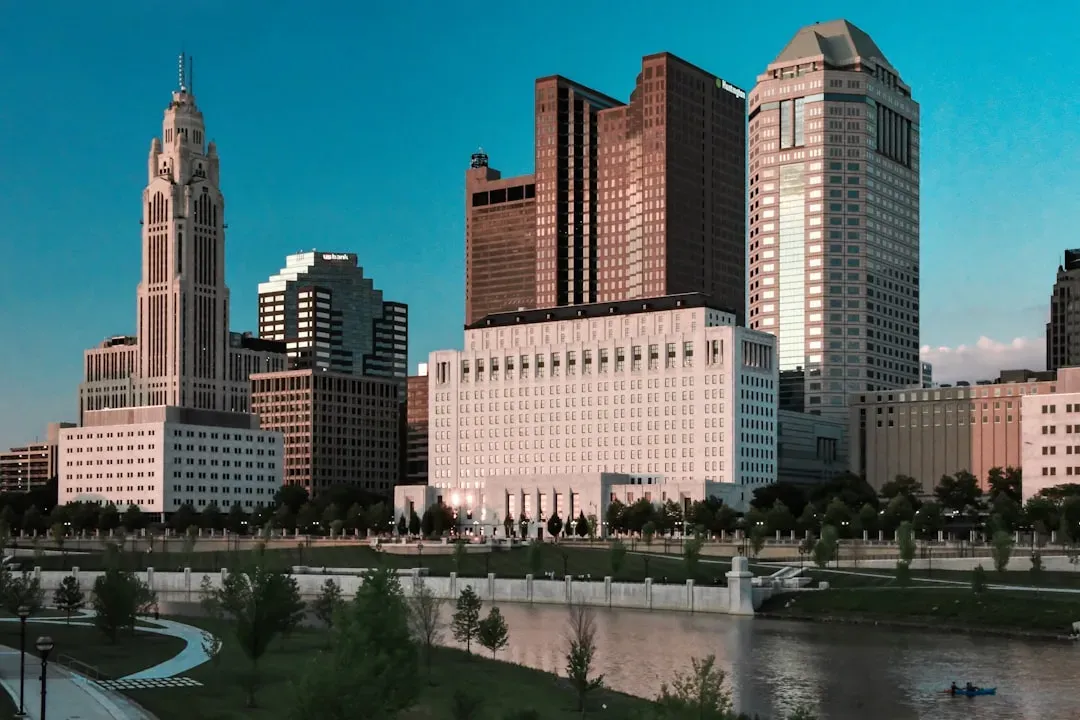
moveBuddha predicted that in 2024, Rust Belt cities would see an uptick in migrations. Columbus, Ohio ranks first in housing and in the top five for all four key categories, with a growing economy that includes “new collar” high-tech manufacturing. The city’s rise is not accidental – it reflects deliberate investment in infrastructure, workforce development, and livability that has quietly positioned it as one of the most competitive mid-sized metros in the entire country.
The average home in Columbus costs just 3.87 times the median income, averaging $248,838 – roughly 42% less than the average U.S. home. Four of the top ten Rust Belt revival cities are in Ohio, with two Cleveland suburbs – Lakewood and Parma – making the list as well. Madison, Wisconsin, which ranks second overall, boasts the region’s most highly educated talent pool, drawing 90% of its in-migration from Gen Z, and also holds the lowest unemployment and highest GDP growth over the last five years among the top ten cities.
Climate Change Is Rewriting the Migration Map

Extreme weather events and a changing climate are reshaping long-term housing affordability across America. The result is a migration pattern that would have shocked demographers a decade ago: people are leaving the Sun Belt and heading to the Rust Belt. Insurance costs, utility bills, and the simple reality of living through increasingly brutal summers are starting to factor into decisions that were once purely economic.
Over the course of the past 50 years, the tendency of Americans to move from the coldest places – the Snow Belt – to the hottest places – the Sun Belt – has steadily declined, according to a 2024 working paper from the Federal Reserve Bank of San Francisco. With a third of Americans saying climate change is a reason they’ll consider moving, the relative safety of cities stretching from New York through the upper Midwest from hurricanes and wildfires – along with their millennial and Gen Z-friendly prices – has reenergized a region once thought hopelessly outdated. Some urban planners have even started calling the region the “Resilience Belt” rather than the Rust Belt, a rebranding that captures both its climate advantages and its renewed economic potential.
Economic Reinvention: From Steel to Silicon

Some former industrial cities are now seeing an economic revival as they have started to attract many white-collar jobs. Baltimore has one of the largest clusters of healthcare jobs in the U.S., while both Baltimore and Pittsburgh have started to lure businesses and talent in tech and even finance. This shift is not happening overnight, but it is happening – and it’s creating the kind of job ecosystem that supports property values over the long term rather than just temporarily.
The U.S. economy is currently seeing a manufacturing revival, sparked by rising tensions with China. The pandemic-era global supply chain crisis revealed how vulnerable production chains can be, and companies have started to onshore some production domestically, reducing reliance on China. Buffalo, New York, for example, has excelled with recent GDP growth since the pandemic and high rates of new business formation, with some of its success stemming from federal funding tied to its designation as an official I-Corridor Tech Hub.
The Housing Market Reality: Not Every City Is Winning
According to the American Community Survey, 14.8 million households moved in 2024, representing a mobility rate of 11.2% – the lowest on record. The decline was driven by 320,000 fewer homeowners moving, as they were disincentivized by high interest rates and home prices. The prevailing 30-year fixed-rate mortgage averaged 6.7% in 2024, and the median single-family home price was at a near-record five times higher than the median household income. That lock-in effect makes the buyers who are choosing to move all the more deliberate – and many of them are choosing the Midwest.
It isn’t called the Rust Belt for nothing. Cities that are finding it hardest to reinvent themselves were some of the most prosperous steel and manufacturing towns of yesteryear, and they felt the blow the strongest when those industries declined. Cities like Gary, Indiana, have been unable to make a recovery despite investment and reforms – 30% of Gary’s homes are vacant, and its unemployment rate of 10.3% shows few signs of improvement. The migration story in the Rust Belt is real and growing, but it remains uneven, with some cities capturing nearly all of the momentum while others are still searching for a path forward.