The 10 Safest Places to Store Valuables at Home, Ranked Best to Worst
Most people focus on buying the right alarm system or deadbolt. That’s fair, considering 83% of thieves look for a security system first, and 60% move on when they discover one. Still, here’s the thing: a burglar who gets inside your home already knows where you probably hid your jewelry. About 75% of burglars target the master bedroom as the first place to look for valuables, according to NBC New York. Let’s be real, that’s not shocking. We all do it. Dresser drawer, nightstand, under the mattress… classic moves.
The truth is, location matters just as much as locks. The average burglary lasts only 8 to 10 minutes, which means thieves go straight for predictable hiding spots. If your stash is sitting in the most obvious place, all the tech in the world won’t save it. What follows is a gallery-style ranking of the most effective places to secure your valuables at home, from most effective to least. Some may surprise you. Others you probably already dismissed as too inconvenient. I know it sounds crazy, but inconvenience is often your best friend when it comes to theft prevention.
Floor Safe Installed in Concrete Foundation
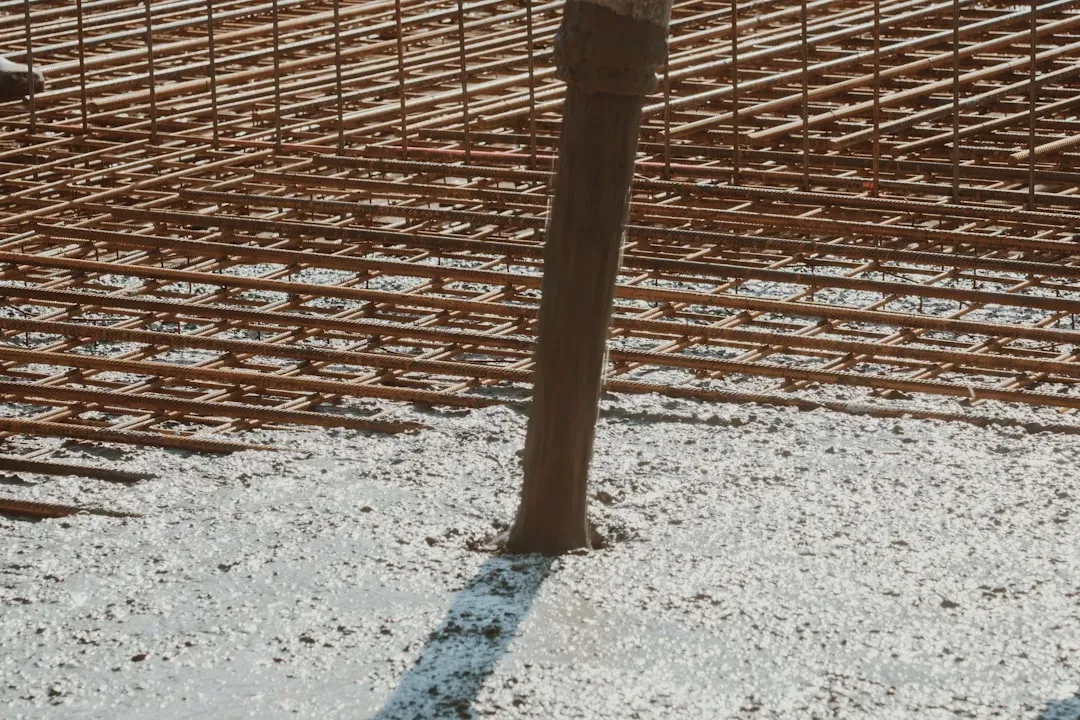
In-floor safes probably offer better overall burglary deterrence than any other security container, as they are sunk into concrete, most have heavy steel doors, good locks, and they are some of the most challenging safes to get open, even for trained professionals. When hidden under a rug they are very rarely found by burglars. Installation does require cutting into your foundation, which might not be feasible if you rent or live in an apartment, though the payoff is serious protection. The downside? They are extremely inconvenient, as you need to get down on hands and knees to access the safe. If you don’t need daily access to your valuables, this is your fortress.
Wall Safe Mounted Behind Studs
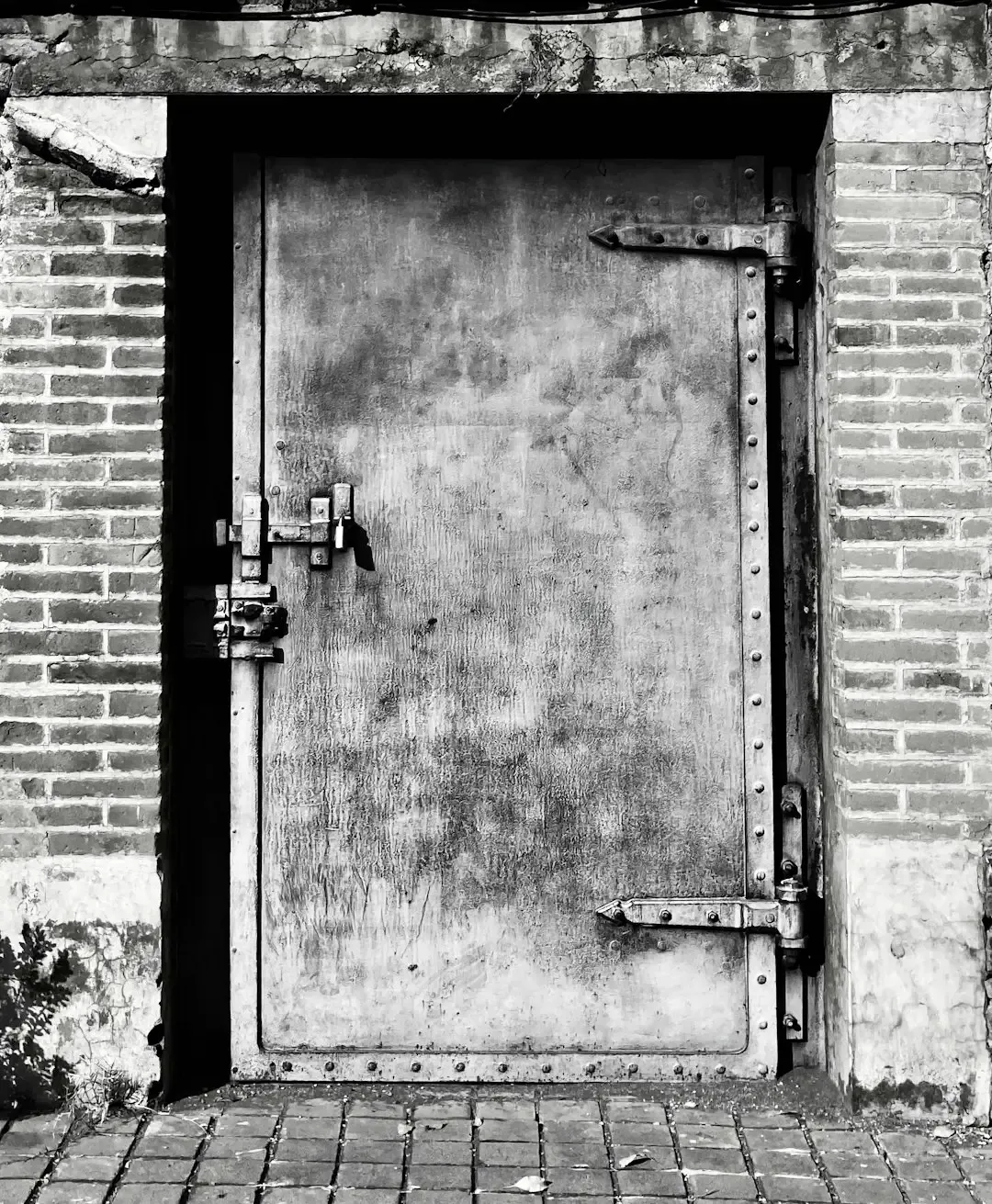
Hidden wall safes are harder to find than floor safes, making them one of the smarter choices for home security. These safes fit between wall studs and can be easily concealed behind artwork, mirrors, or even inside closets. Wall safes offer a different kind of convenience: installed between wall studs and often hidden behind art, mirrors, or shelving, they are easy to reach without having to bend or rearrange furniture, making them ideal for items you use more regularly, such as spare keys, passports, legal documents, or smaller electronics. However, because they’re not embedded in concrete, wall safes typically don’t provide the same level of fire or burglary resistance as floor safes. Still, for most homeowners, this is the sweet spot between security and accessibility.
High-Security Home Safe Bolted to Floor
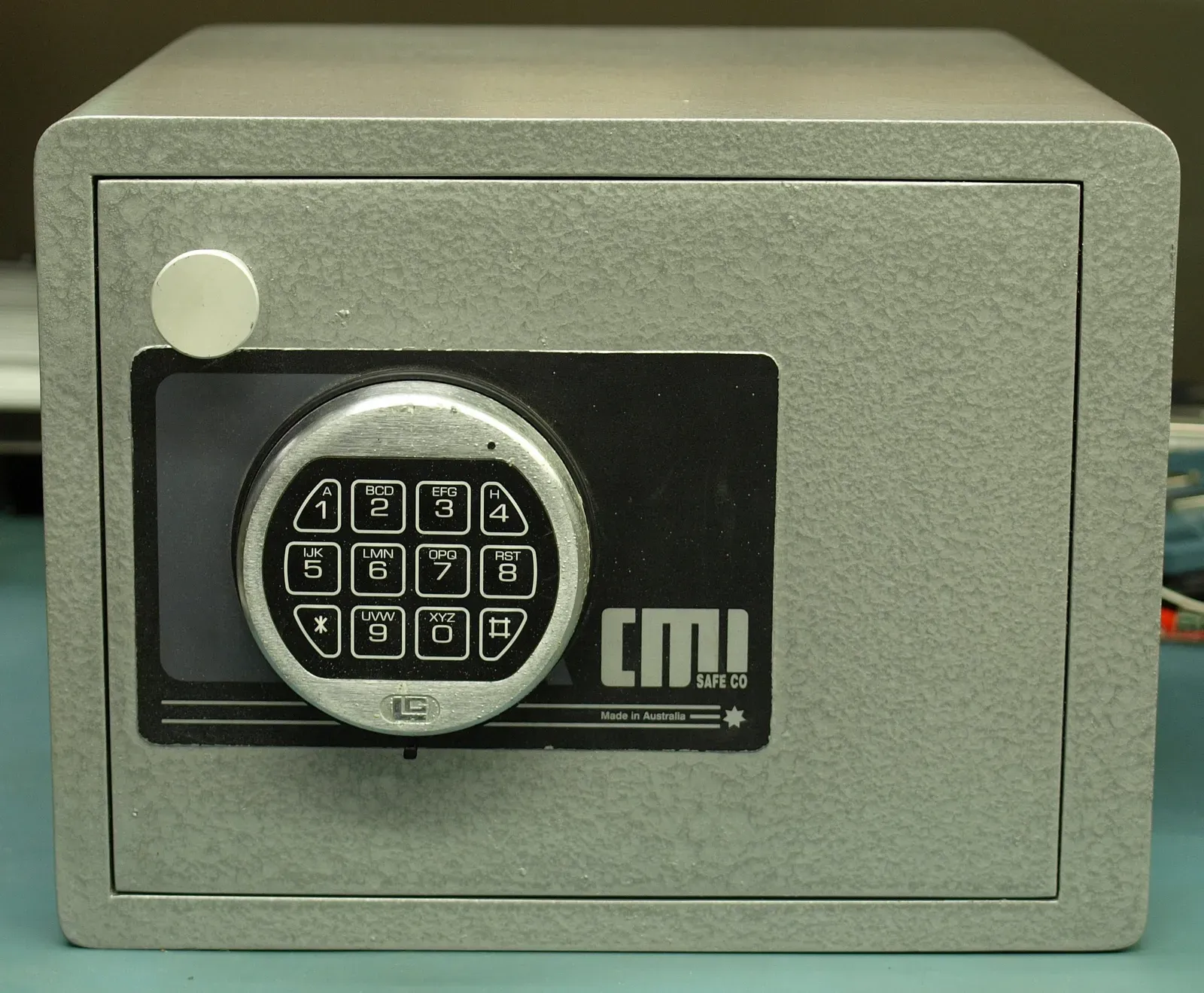
A quality home safe that’s permanently bolted to the floor provides strong protection against theft. The key word here is “bolted.” Free-standing safes that aren’t secured can simply be carried out during a break-in. Look for models with fire ratings and strong pry-resistant construction. These safes work best when placed in inconspicuous locations like a basement corner or back of a closet. While not as concealed as floor or wall safes, they still offer solid deterrence, especially if the burglar is working on a tight timeline. Remember, the average break-in lasts just 8 to 12 minutes in total, with the actual entry phase completed in under 60 seconds.
Fireproof Safe Inside a Closet
Placing a fireproof safe deep inside a closet adds a layer of concealment that many burglars won’t bother exploring. Thieves don’t want to invest a lot of time searching around a house for valuable items, which is why they always examine the obvious places; the ideal locations to conceal assets are those that robbers don’t want to look through or will not bother with, such as areas that are bothersome or hard to search, dirty, or boring. A closet packed with clothes, shoes, or storage boxes makes rummaging time-consuming. It’s hard to say for sure, but many experts believe a cluttered, uninviting space discourages thorough searches. Pair this with a quality safe and you’ve got reasonable protection.
Locked Filing Cabinet in a Home Office
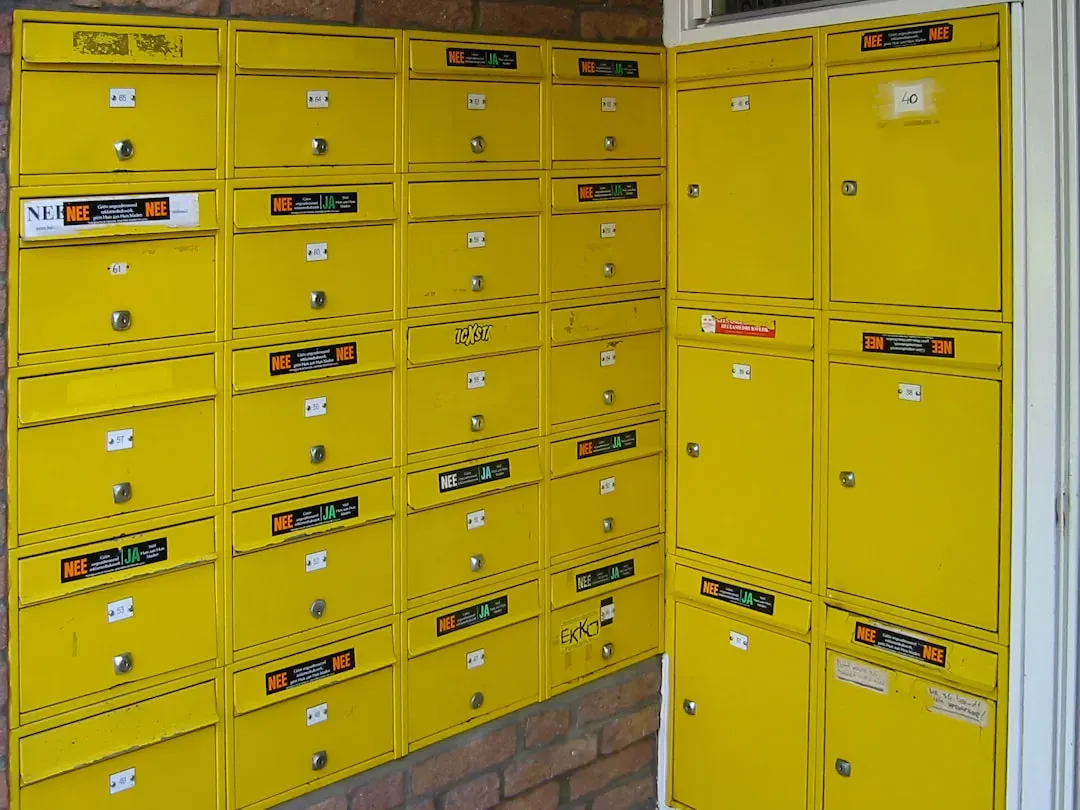
This one surprises people. A heavy filing cabinet with a good lock can be quite effective, especially if it blends in with everyday office furniture. Smart thieves check home offices for backup hard drives, financial documents, and business equipment; living rooms yield electronics; garages contain power tools. They’re not necessarily opening every drawer in every cabinet. If your filing cabinet doesn’t scream “valuables inside,” it might get passed over. That said, don’t rely on this for expensive jewelry or large amounts of cash. Think documents, backup drives, or secondary items you want protected but not necessarily hidden at maximum security levels.
Decoy Safe in an Obvious Location
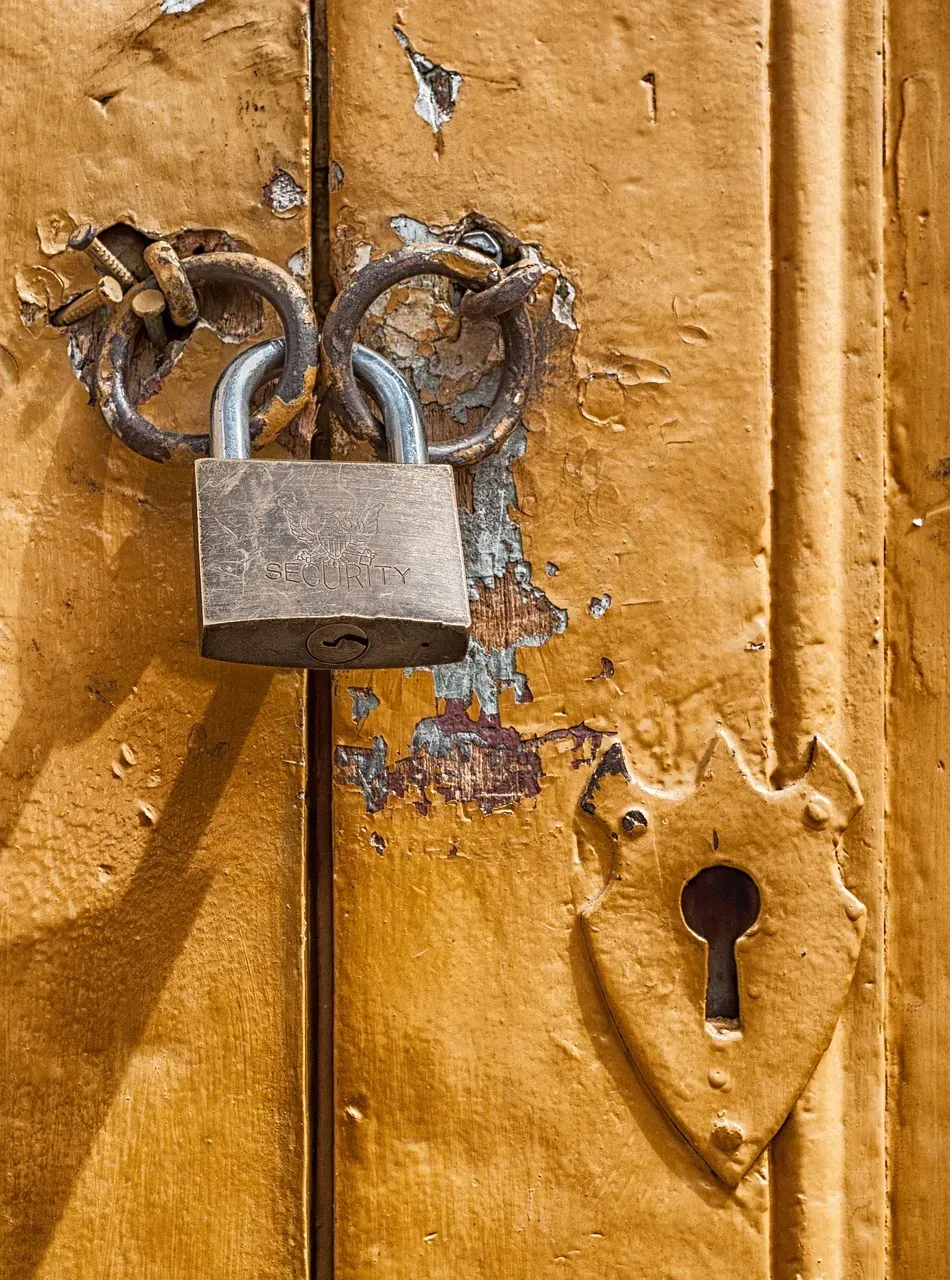
Here’s where strategy gets interesting. Some security experts recommend placing a decoy safe in a predictable spot like the bedroom closet, stocked with low-value items or even fake jewelry. The theory? The average burglary lasts only 8 to 10 minutes, so if a thief finds something quickly, they might grab it and leave without searching further. I think it’s a gamble, honestly. It could work if your real valuables are extremely well hidden elsewhere. Still, you’re banking on the burglar being satisfied with the decoy rather than suspicious that you’re hiding more.
Freezer or Kitchen Containers
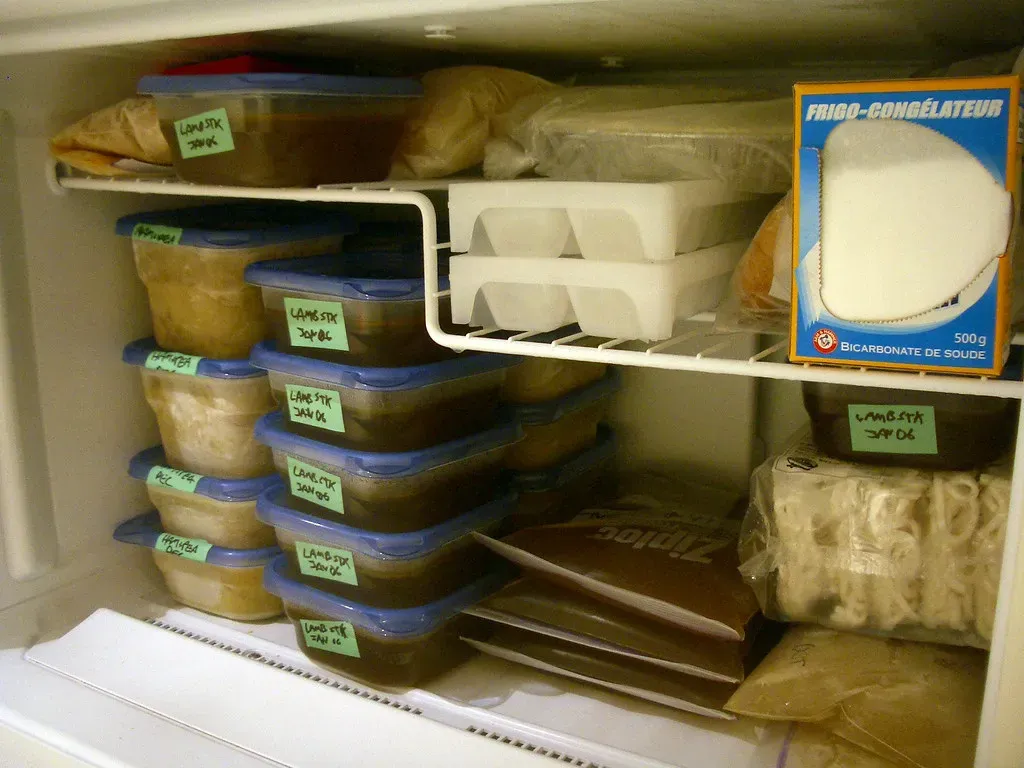
Old-school advice used to tout the freezer as a hiding spot. The logic was that burglars rarely check kitchen appliances. That might have been true decades ago, though today it’s fairly well-known. Freezer bags labeled as frozen vegetables or opaque containers in the back of a pantry might still work for small amounts of cash or documents sealed in waterproof bags. It’s not foolproof by any means. Let’s be real, this is more of a last resort or temporary measure than a long-term solution. If you’re relying on frozen peas to protect your inheritance, you might want to reconsider.
False Bottom Drawer or Hidden Compartment Furniture
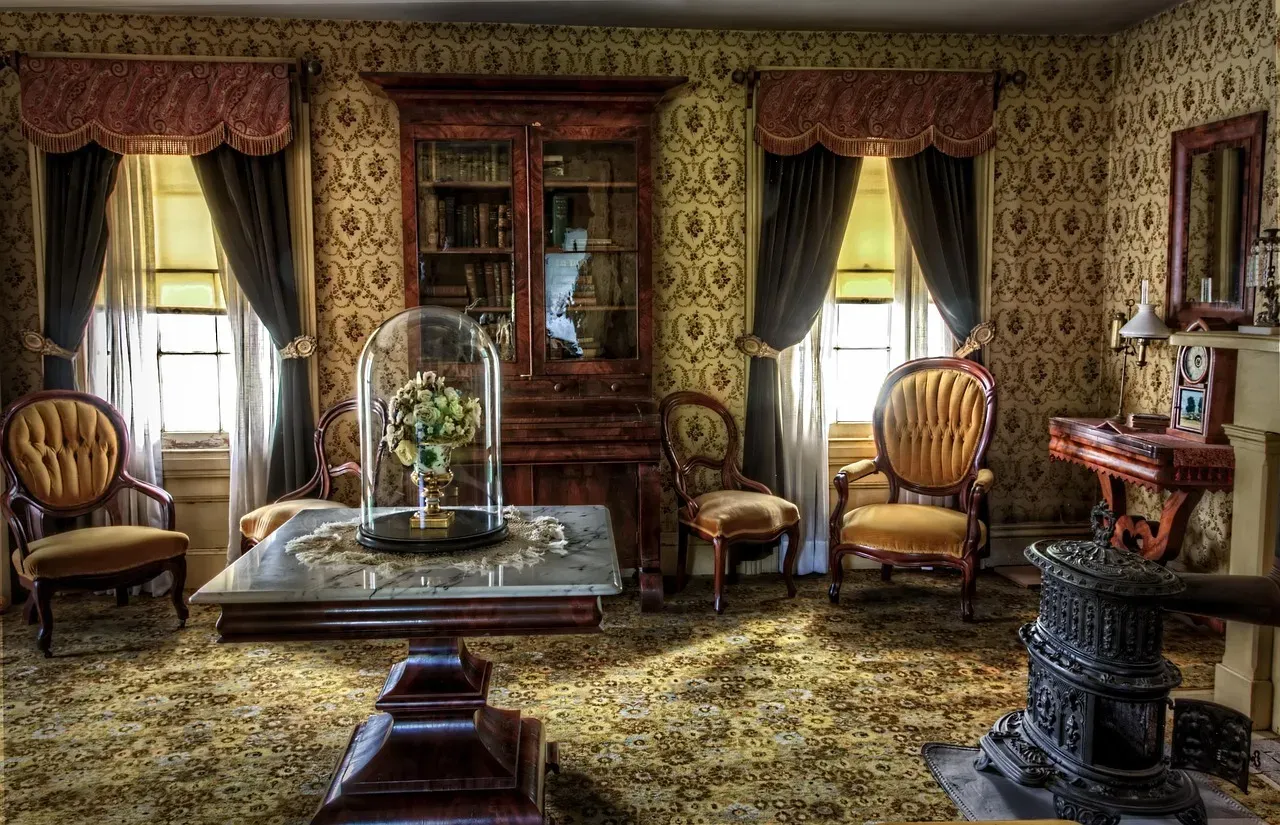
Custom furniture with hidden compartments sounds like something out of a spy movie, yet it can be surprisingly effective. False bottom drawers, hollow table legs, or bookcases with secret compartments provide decent concealment. The problem is accessibility and cost. Quality hidden furniture isn’t cheap, and if it’s too obvious or poorly made, it defeats the purpose. Cabinets that resemble regular wall cabinets or bookshelves are probably the most popular; the compartments are usually large enough to accommodate shotguns and rifles, and the front side can be used to display souvenirs, trophies, photos, or books. These work better for firearms than for small valuables like jewelry.
Master Bedroom Dresser or Nightstand
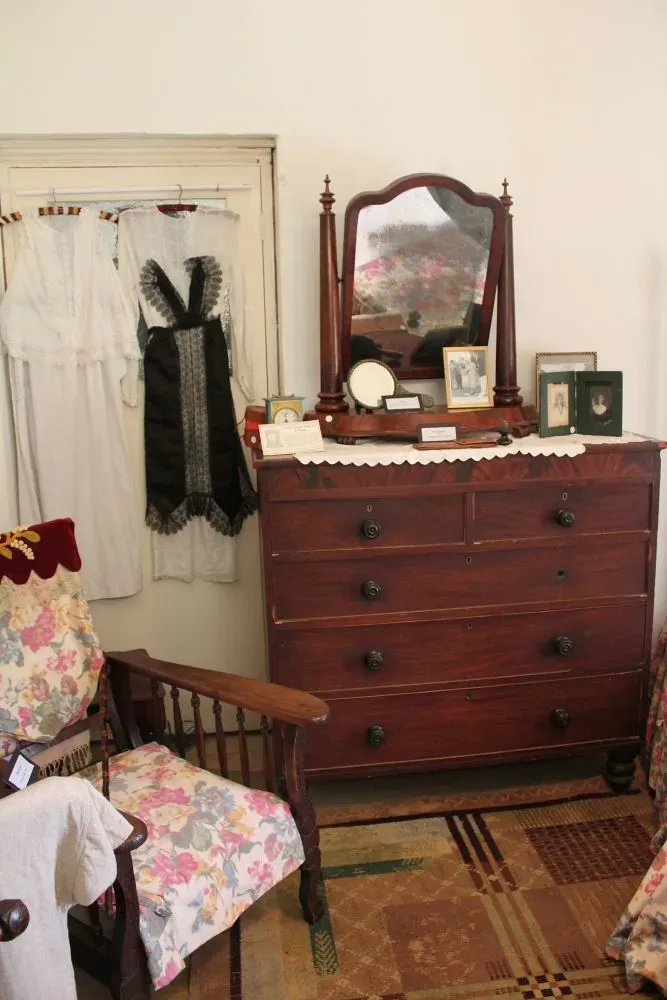
This is where most people actually keep their valuables, which is precisely why it ranks near the bottom of this list. About 75% of burglars target the master bedroom as the first place to look for valuables. Your jewelry box sitting on the dresser? First thing checked. Nightstand drawer? Second thing checked. Under the mattress? Been done a million times. 72% of burglaries happened when nobody was at home, according to FBI data, meaning thieves have time to methodically search your bedroom. If you’re keeping anything valuable here without additional security, you’re basically handing it over.
Underwear Drawer or Sock Drawer
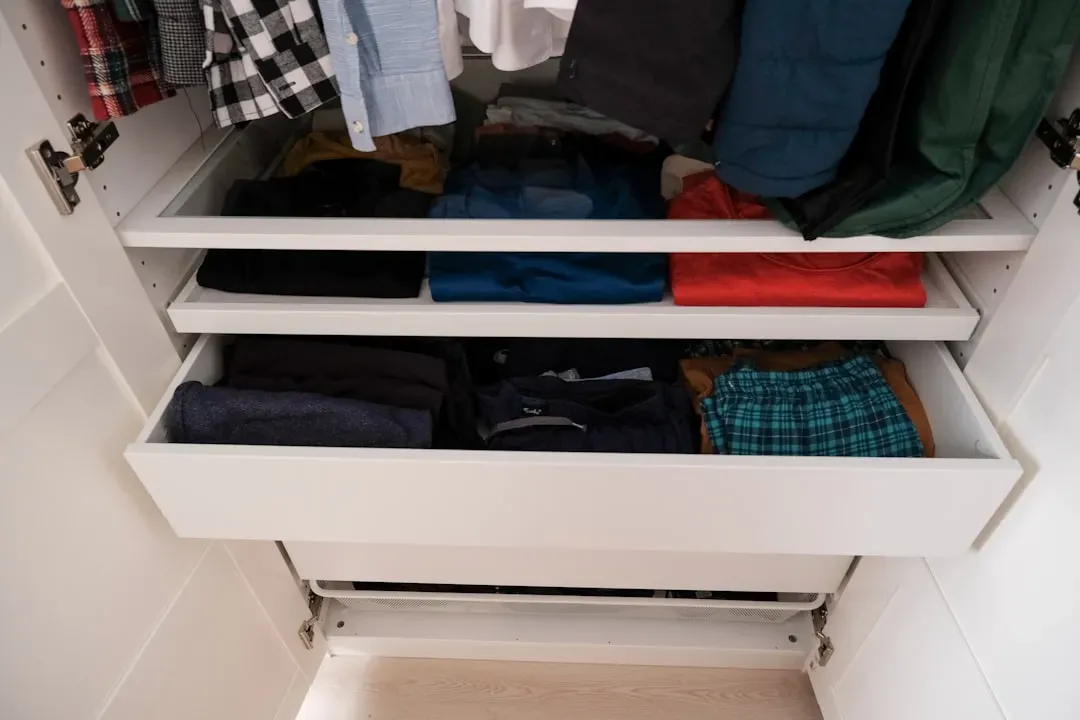
Let’s talk about the absolute worst hiding spot that somehow remains popular: the underwear drawer. Every security expert will tell you this is a terrible idea. Every burglar will tell you they check it first. It’s private, it’s in the bedroom, it’s easy to access, and people mistakenly think it’s clever. It’s not. Never leave keys under doormats, flowerpots, mailboxes or other “secret” hiding places – burglars know where to look for hidden keys, and the same logic applies to sock drawers and jewelry. 50% of burglars live within two miles of the homes they target, operating in familiar neighborhoods where they understand traffic patterns. They know the routine. They know the tricks. Don’t make it easy for them.
Looking at these options, the pattern becomes clear. The safest spots combine concealment with structural security. The worst rely on the assumption that burglars won’t look where everyone looks. With the average loss per case around $2,661 and only about 11% of cases getting solved, prevention is your only real protection. What’s your current hiding spot? Does it make the top five or the bottom five?