7 Items Experts Say Don’t Belong in a Tool Shed or Garage
Think your garage or tool shed is the perfect catchall spot for everything you don’t want cluttering up the house? Well, here’s the thing. That convenient storage space might be quietly destroying some of your belongings or worse, turning into a genuine safety hazard. Garages and sheds face challenges that most people overlook: wild temperature swings, humidity issues, and basically zero protection from pests looking for a cozy home.
The inability to regulate temperature and the potential for pests to get in make these spaces less ideal than you’d think. Honestly, I’ve learned this the hard way. Let’s get into which items experts say you should absolutely keep out of these areas, because some of them might surprise you.
Propane Tanks and Gasoline Cans
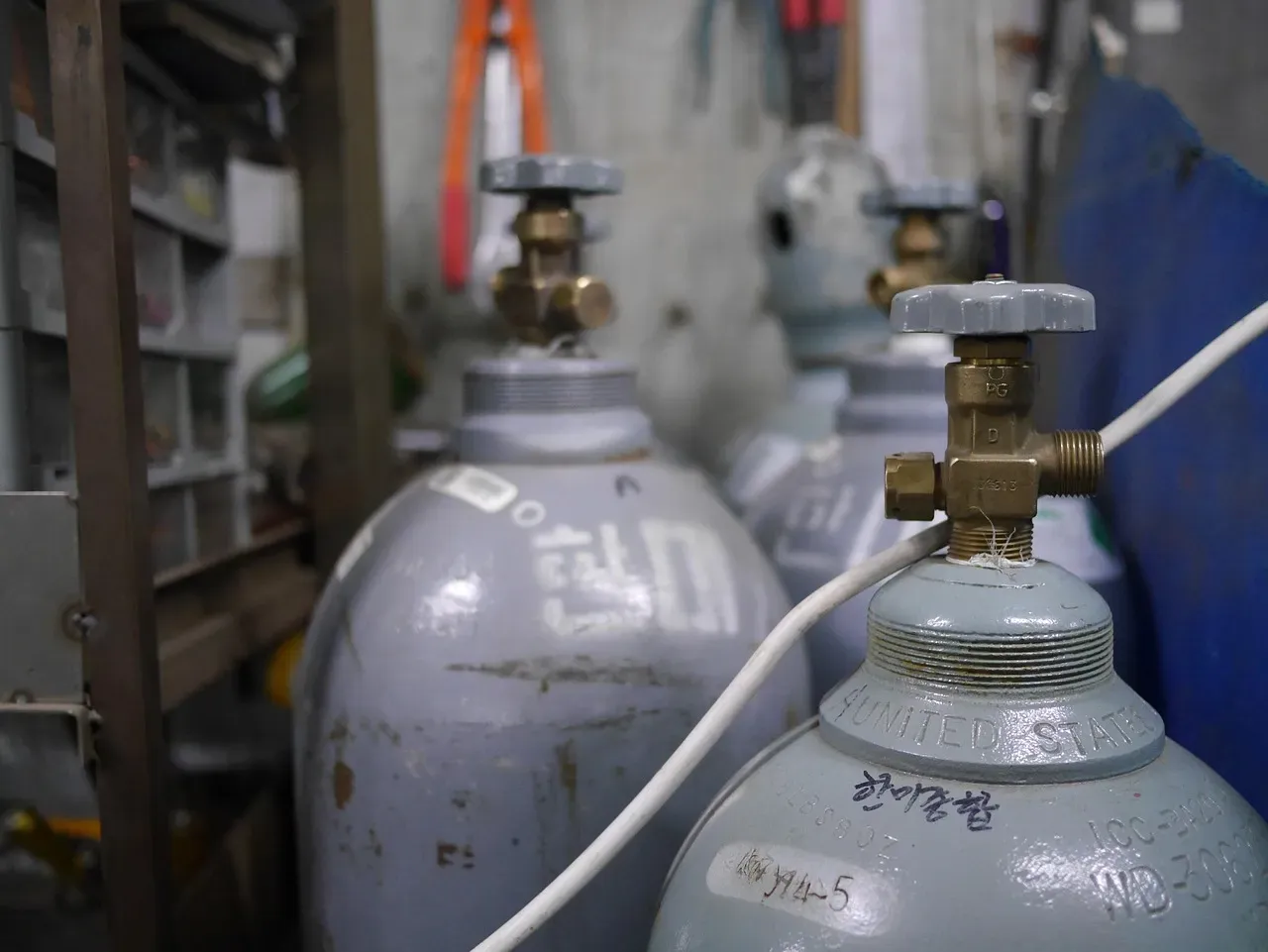
When stored in the garage, gasoline and propane tanks can become a potential fire hazard. Look, I know it seems totally logical to stash your extra propane tank right next to your grill in the garage, but safety experts are pretty clear on this one. Propane is a highly flammable gas, and if you store a tank in your garage and it has even the smallest leak, the spark of starting a car or lawn mower could cause a fire.
It is acceptable to store a propane tank in a detached garage, but it is not recommended for garages attached to your home due to potential leak hazards. Even empty tanks can be risky since they still contain residual gas. The better approach? Keep them outside in a well-ventilated area, away from direct sunlight and at least ten feet from any heat source.
Paint Cans and Solvents

You probably have a collection of half-used paint cans taking up space right now. High or low temperatures can affect the quality, and temperature swings can degrade paint. Temperature extremes don’t just affect quality; most paint kept in your garage will be virtually useless if stored there for a long time, as both freezing temperatures and hot temperatures will cause many types of paint to separate and curdle.
Old paint cans stored on a garage floor are also vulnerable to rust, and if left long enough, the cans might rust right through and cause a major mess. Plus, those solvents and thinners? They’re flammable and can release toxic fumes when exposed to heat. Store paint in a cool, dry basement instead, or better yet, dispose of what you’re not using.
Important Documents and Paper Items

Garages experience extreme temperature swings, which are especially damaging to paper, and high humidity in the summer will make ink bleed and encourage mold growth. Think about those old tax returns, family photos, or important legal documents you might be tempted to box up and forget about in the garage.
Paper is affected by excess moisture, so if your garage experiences high humidity, pages could begin to curl and become moldy over time. Pests love paper too. A wide variety of pests will happily munch on your birth certificate like it’s a delicacy. Keep anything paper-based in a cool, dry closet inside your home, preferably in a fireproof box.
Electronics and Gadgets

Electronics should not be stored in a space that gets super cold in the winter or extremely hot in the summer, and because garages are not temperature controlled, they are not a safe space to store any sort of electronics. Here’s something most folks don’t realize: moisture is the silent killer of electronics. Temperature swings and humidity cause condensation inside gadgets, and it won’t take long before wiring or internal components are corroded beyond repair.
That old laptop, gaming console, or sound system you’re keeping “just in case”? The garage is basically sentencing them to death. Condensation poses a severe threat to electronics because water molecules are attracted to electrical circuits inside devices. Store them in a climate-controlled space inside your house, or consider recycling them if you’re done with them.
Any Type of Food (Including Pet Food)
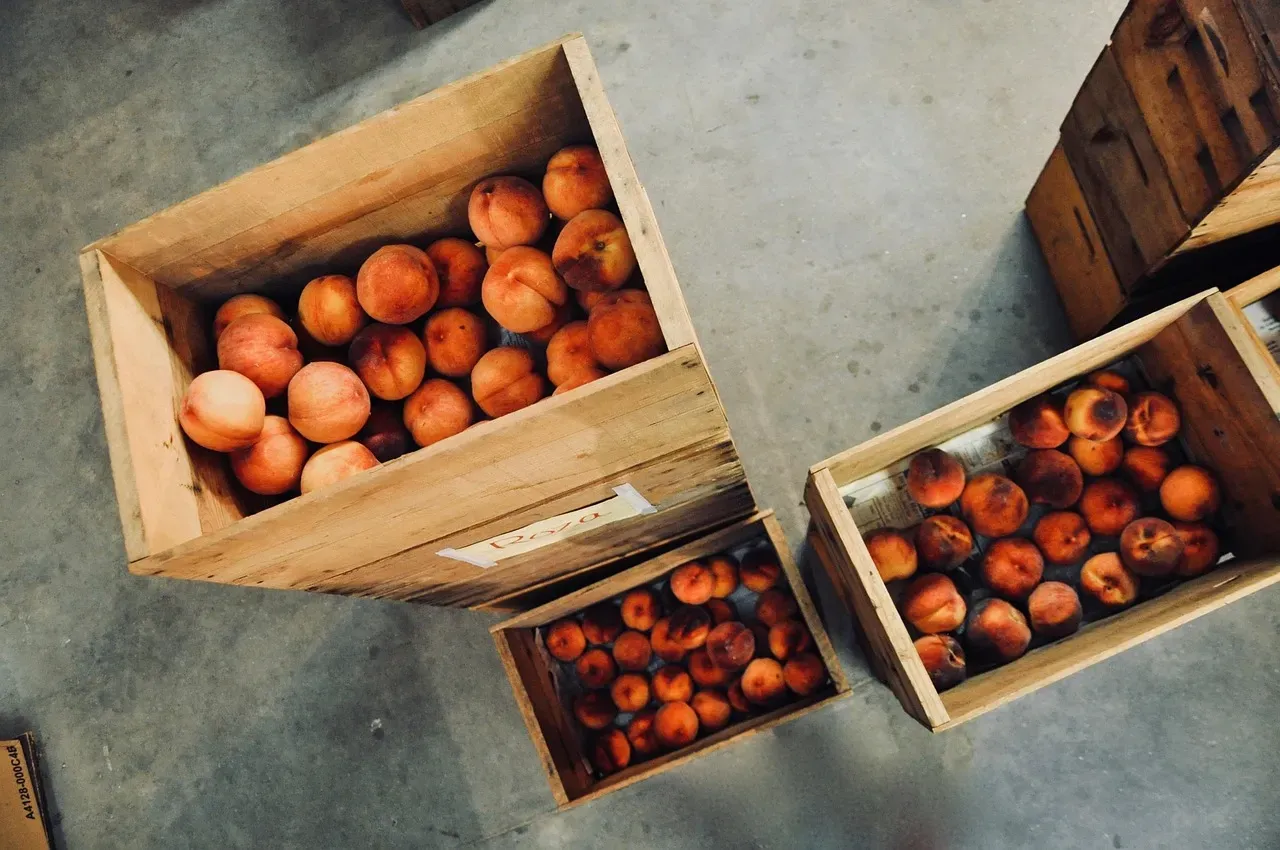
Food, including any food for wildlife, pets, and humans, can be tempting for rodents and vermin, and canned food may spoil more quickly in temperature extremes. Even if you think those sealed cans or that big bag of dog kibble are safe, they’re not. Temperature changes can quickly spoil food, even in unopened packages, and humidity can cause cans and metal lids to rust, letting in harmful bacteria.
If you keep your garbage in your garage, you could be attracting pests and critters without even knowing, as trash is a rodent and insect magnet, and mice are known to nest under car hoods. Pet food represents one of the most powerful pest attractants due to its high protein and fat content, and rodents including mice and rats chew through paper and plastic packaging to access contents. Store all food inside your home in airtight containers.
Firewood
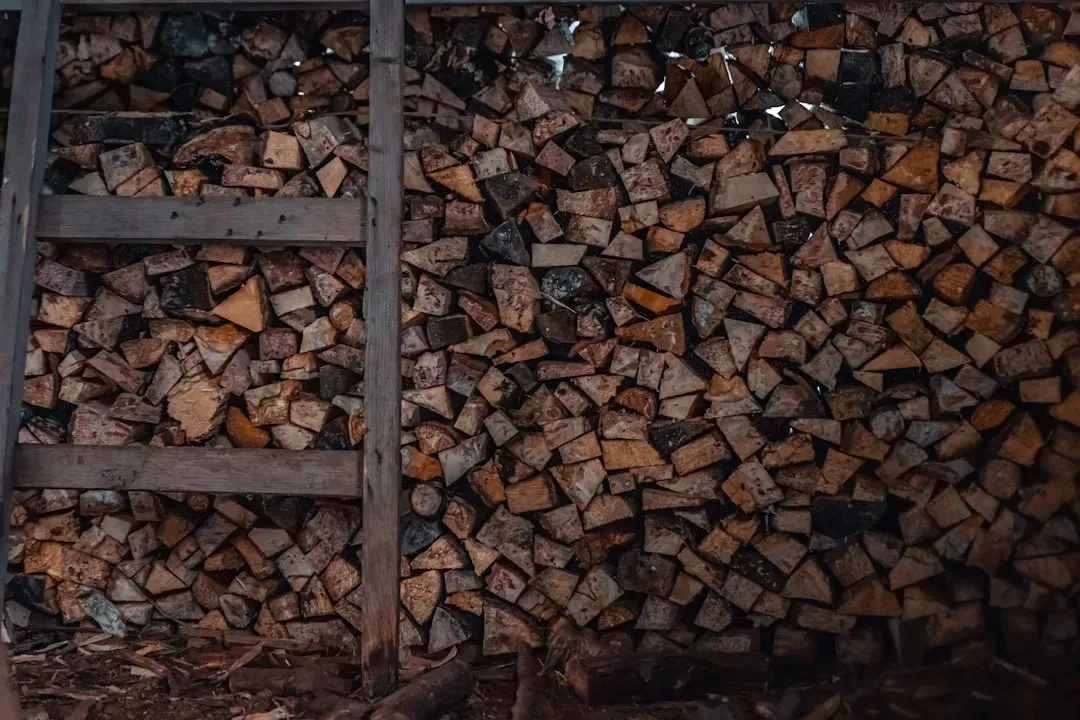
The garage might seem like a good place to keep firewood safe from wet weather, but it can actually bring pests into your home, and without proper ventilation, mold and mildew could form on your firewood. I mean, it sounds convenient, right? Grab wood for your fireplace without trudging through the snow. Yet it’s actually a terrible idea.
Firewood attracts many pests like termites, spiders, and rodents that you do not want in your garage, especially if it’s attached to your house. Those bugs and critters are essentially getting a free ride into your home. Store firewood outside, at least twenty feet away from any structures and on a rack that is covered from the elements.
Wooden Furniture and Fabrics
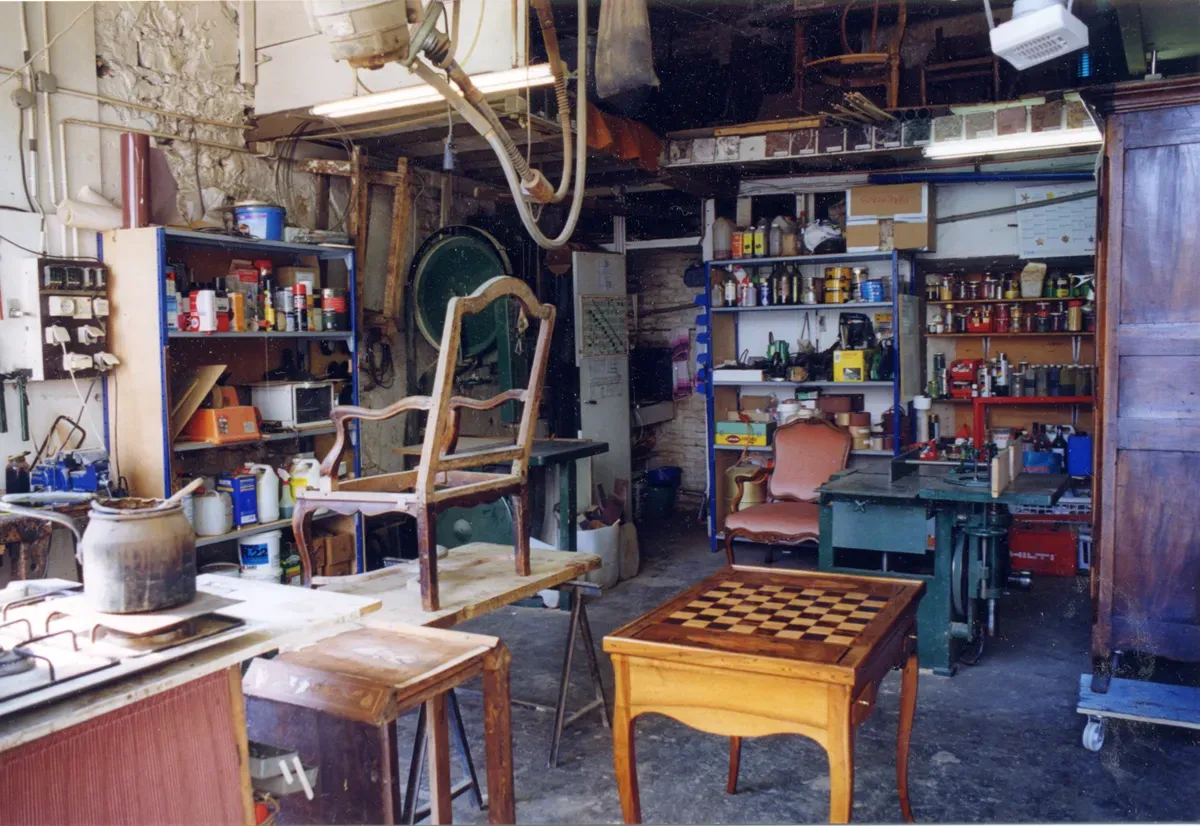
Unless you have a climate-controlled garage, your wooden furniture will likely warp and crack because of the humidity and temperature swings. That antique dresser or dining table you’re planning to refinish someday? The garage environment is probably ruining it while you wait. Humidity causes wood to swell and warp, and upholstered furniture will quickly develop musty odors from both dampness and exposure to exhaust fumes.
Same goes for any fabrics, clothing, or sleeping bags. Clothing and sleeping bags stored in a garage may soak up fumes and dust and can be at risk of insect or pest damage. Moths and other fabric-loving pests see your stored textiles as an all-you-can-eat buffet. Keep wooden furniture and fabrics in climate-controlled areas inside your home, or invest in proper storage units if space is tight.
Let’s be real: your garage and tool shed are fantastic for storing garden tools, sports equipment, and car supplies. Those items were designed for outdoor conditions. However, when it comes to flammable materials, important belongings, or anything vulnerable to temperature and moisture, these spaces just don’t cut it. Taking the time now to relocate these seven categories of items could save you money, prevent disasters, and keep your family safer. What’s currently living in your garage that shouldn’t be there?