Food Specialists Say You Should Stop Putting Mayo in Tuna Sandwiches – Here’s the Reason
Let’s be real. That classic tuna sandwich with mayo you’ve been making since childhood might not be the nutritional powerhouse you thought it was. Honestly, when I first heard about this shift, I was skeptical. Mayo and tuna felt like one of those untouchable food duos, right up there with peanut butter and jelly.
Here’s the thing though. Food specialists and nutritionists have been increasingly vocal about swapping out mayonnaise for healthier alternatives in tuna salads. It’s not about demonizing your lunchtime favorite. It’s about understanding what you’re really putting on your plate and making small changes that can have a surprisingly big impact on your health.
The Calorie Bomb You Didn’t Know You Were Eating
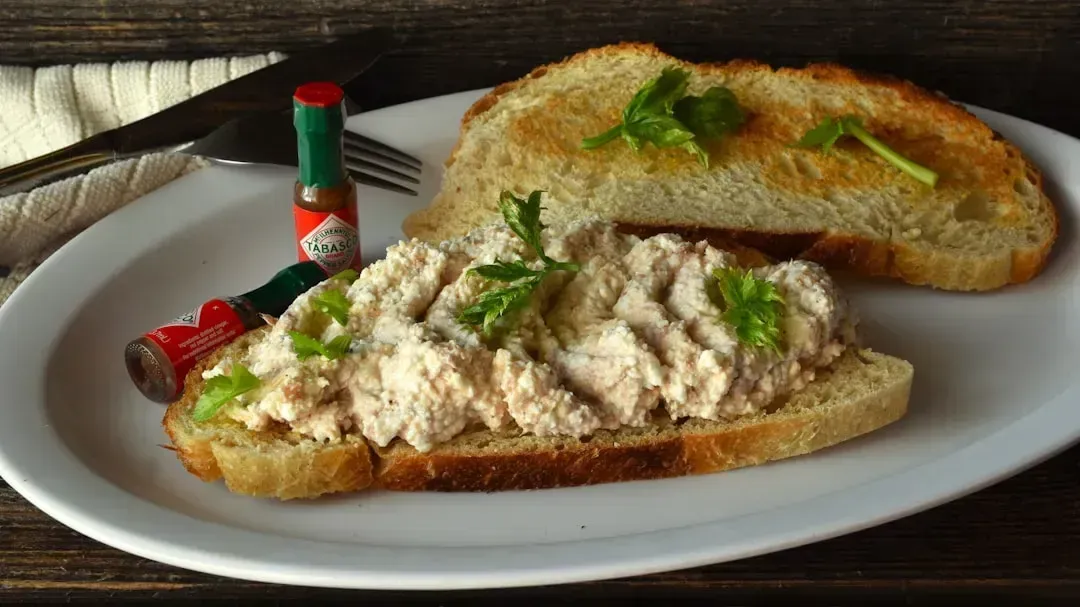
The numbers are wild when you actually break them down. One cup of mayo has more than 1400 calories and 24g of fat, according to Feel Good Foodie. Think about how much mayo you’re scooping into that bowl when you make tuna salad. A single cup of mayo contains a staggering 1440 calories, 160 grams of fat, and 24 grams of saturated fat, as noted by Chicken of the Sea.
Even a single tablespoon packs roughly around 90 to 100 calories, mostly from fat. When you’re mixing up tuna salad for lunch, it’s easy to add two, three, or even four tablespoons without thinking twice. Suddenly, what seemed like a healthy protein choice has turned into a calorie dense meal that might sabotage your afternoon energy or your weight management goals.
Mayonnaise Hides the Health Benefits of Tuna
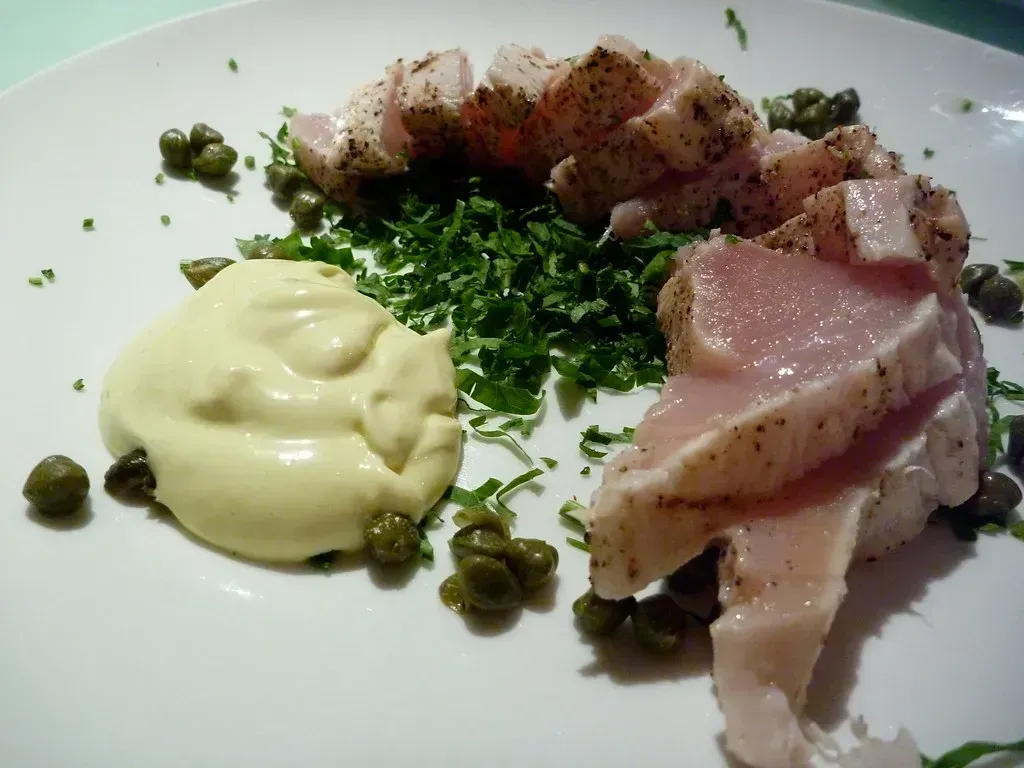
Tuna itself is an absolute nutrition champion. A 3-ounce portion of canned light tuna contains just 73 calories, but provides almost 17 grams of dietary protein. It’s also loaded with heart healthy omega 3 fatty acids that support brain function and reduce inflammation.
The problem? The health benefits can be negated if you load up with mayonnaise, for example, because that condiment is high in saturated fat. You’ll find about 1.6 grams (g) of this unhealthy fat per tablespoon according to the USDA. That’s about 12 percent of the daily recommended limit set forth by the American Heart Association – in just one tablespoon!
When you pile on mayo, you’re essentially masking all those beneficial nutrients with excessive saturated fats and calories. It’s like buying a high quality ingredient and then drowning it in something that counteracts its value.
Greek Yogurt: The Creamy Game Changer
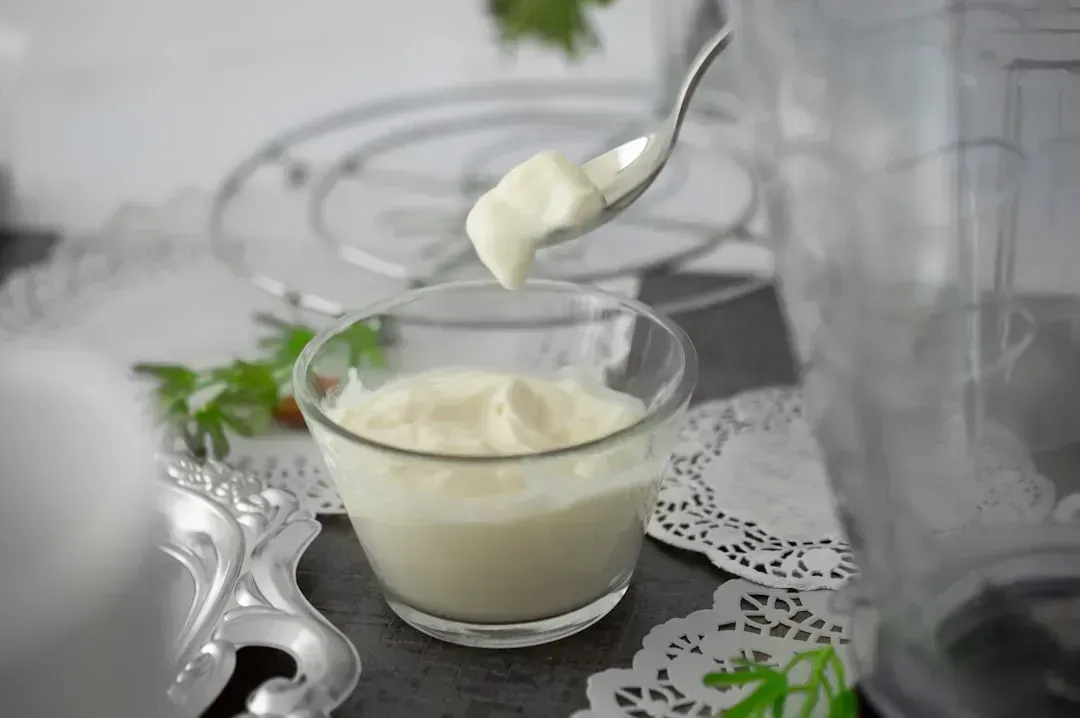
Let me tell you about the substitute that’s been turning heads in kitchens everywhere. Greek yogurt brings that same creamy, satisfying texture to tuna salad without the calorie overload. Greek yogurt is a lighter way to add moisture to your tuna salad while also being lower in fat and calories and higher in protein.
Greek yogurt: The mayo replacement that adds creaminess plus 15–20 grams of protein per cup, according to Protein Rich Recipes. According to the National Institutes of Health, probiotics play a role in digestive health and may even support the immune system, something mayo can’t offer.
The tangy kick Greek yogurt brings actually enhances the flavor of tuna instead of just coating it. You’re not losing anything in terms of satisfaction or taste. In fact, many people report they prefer the brighter, fresher flavor profile. Plus, those gut friendly probiotics are a bonus your digestive system will thank you for.
Avocado Brings Healthy Fats to the Table
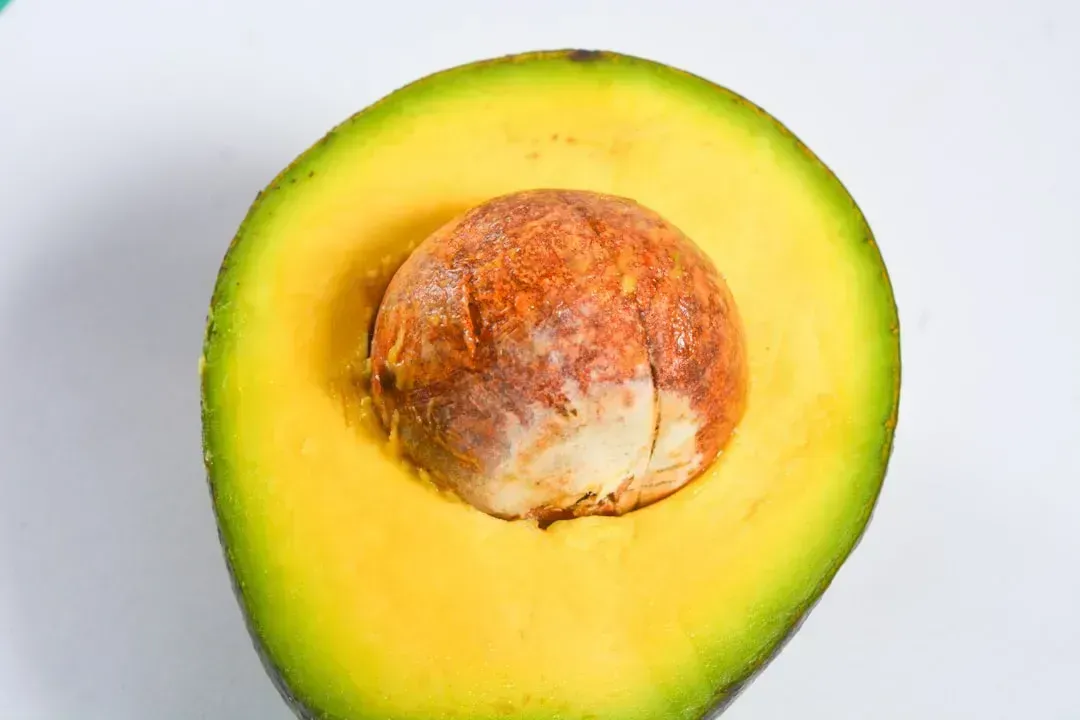
If Greek yogurt isn’t your thing, avocado is another stellar alternative. Since avocados are such a substantial source of monounsaturated fats, this favorite toast topper can help manage your blood pressure and even lower your cholesterol. These are the kinds of fats your body actually needs and uses efficiently.
Avocados are rich in heart-healthy monounsaturated fatty acids, which are known to help lower cholesterol. Many of us don’t think of avocados as a source of fibre, but they’re an excellent one! Did you know that 1 cup of avocado provides about 40% of your daily fibre needs?! according to Walder Wellness.
Mashing half an avocado into your drained tuna creates a luscious, velvety texture that makes your sandwich or salad feel indulgent. You can add a squeeze of lemon juice for brightness and some seasonings to round out the flavors. It’s worth noting that while avocados are higher in calories than Greek yogurt, the nutritional payoff is entirely different from mayo.
Simple Swaps Make a Real Difference
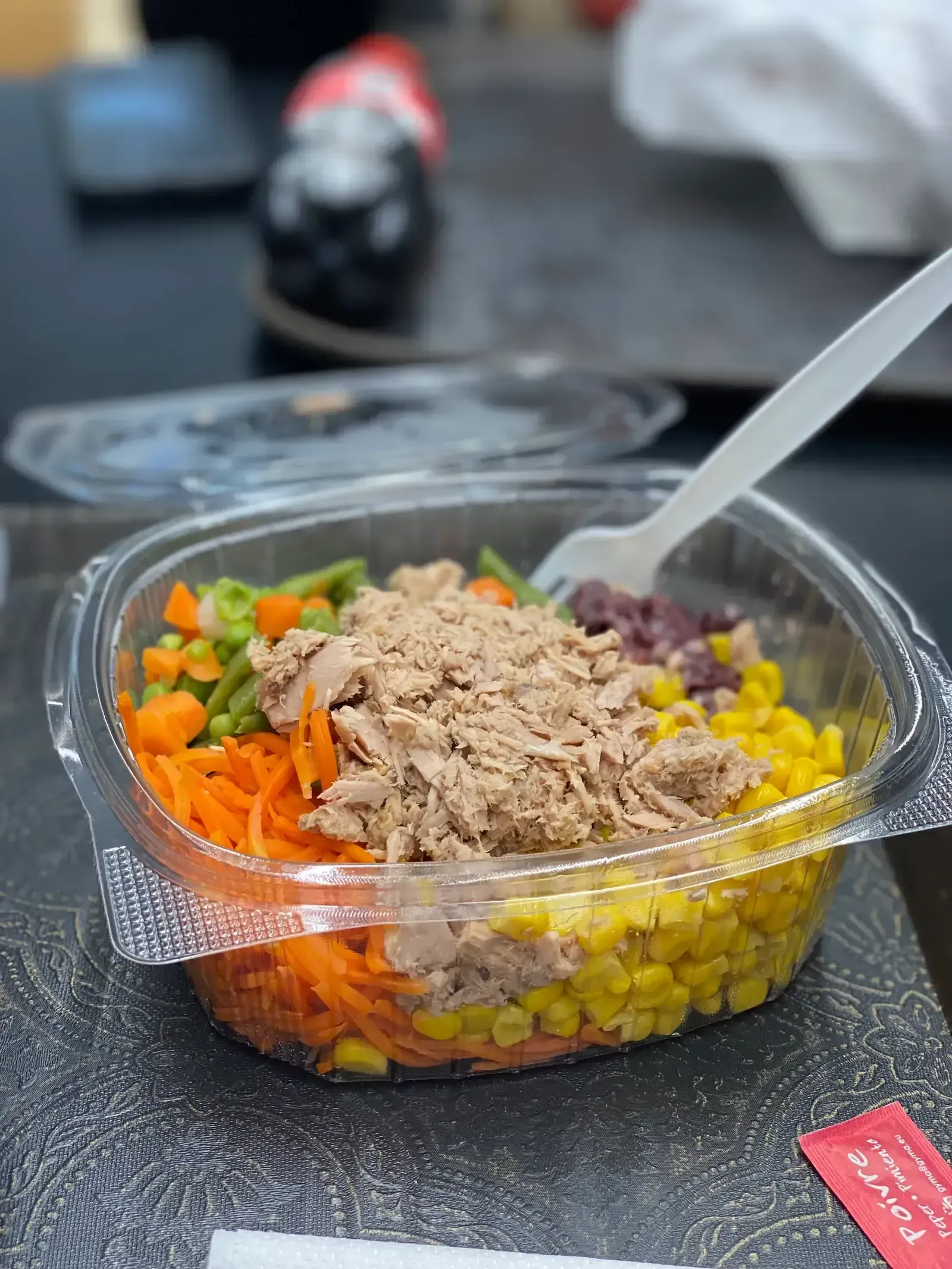
Traditional tuna salad has 500 calories per serving. This healthy tuna salad recipe has under 175 calories for 1.5 cups, as reported by The Clean Eating Couple. That’s a massive reduction simply by choosing a different binder.
Compared to a traditional mayo-based tuna salad, this High-Protein Tuna Salad has nearly half the fat and more than double the protein. These aren’t tiny, negligible differences we’re talking about. They’re substantial shifts that impact how full you feel, how your body processes the meal, and how your overall health benefits.
The beauty of these alternatives is how versatile they are. Mix Greek yogurt with Dijon mustard, lemon juice, chopped celery, and red onion for a classic tuna salad reimagined. Or combine avocado with lime juice, cilantro, and a pinch of cumin for a southwestern twist. Both approaches deliver satisfaction without the nutritional drawbacks of traditional mayonnaise heavy recipes.