The “Ghost Predator” Experts Say Is Quietly Entering Suburban Backyards
You might think you know what’s prowling around suburban America these days. Maybe you’ve heard the occasional story about a coyote wandering through a neighborhood or spotted a deer munching on someone’s garden. Here’s the thing though. There’s something else out there, something far more elusive and frankly more unnerving. Wildlife experts have been tracking a wave of predators silently infiltrating residential areas across the country, animals that were supposed to stay in the wilderness but have instead decided that backyards make perfectly good hunting grounds. These aren’t your average suburban nuisances.
Coyotes Are Rewriting the Suburban Playbook
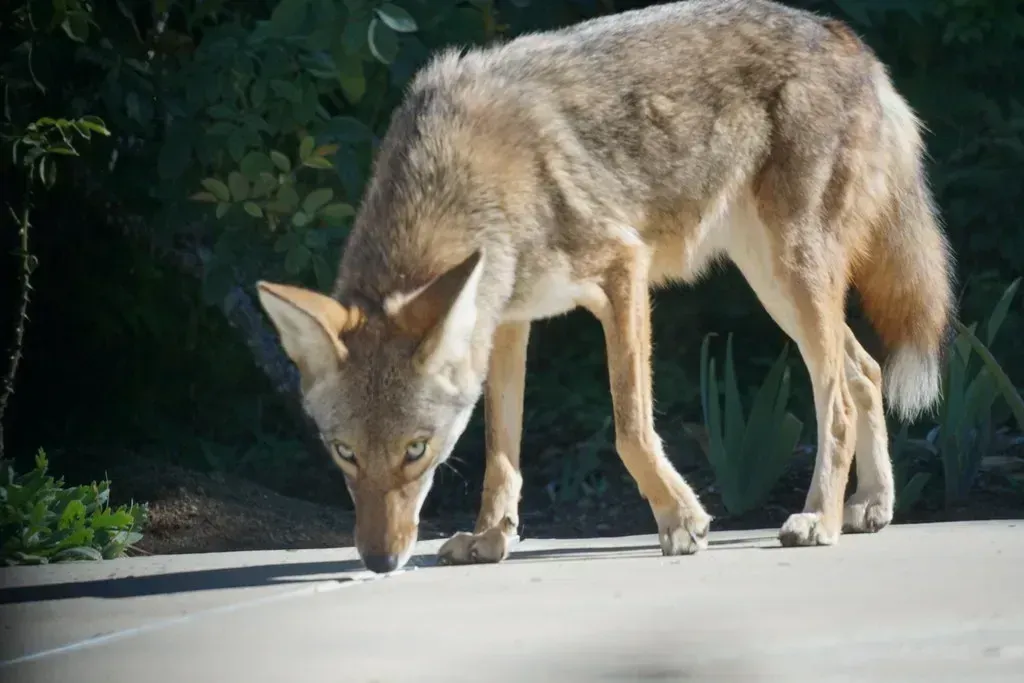
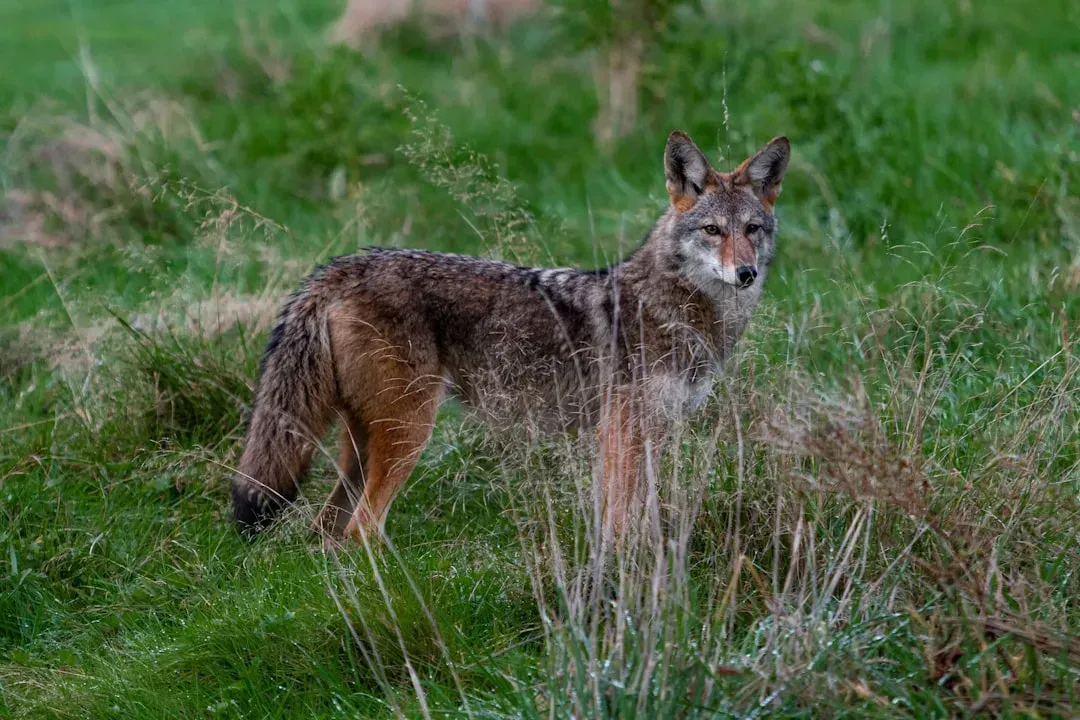
Coyotes have earned the title of most successful carnivores on the continent, and honestly, it’s hard to argue with that claim. At larger suburban scales, coyote populations are actually thriving, benefiting from fragmented habitats and edges that offer access to both natural and human-modified resources. Think about that for a second. While we’ve been busy building subdivisions and strip malls, coyotes have been quietly adapting to use those very structures as hunting corridors. Research using data from over 4,500 camera traps found that human hunting did not reduce coyote populations but instead led to increases in coyote numbers, perhaps due to higher reproduction and immigration rates. That’s the paradox. The more we try to control them, the more resilient they become. In urban and suburban areas, coyote territories shrink to roughly two to ten square miles due to higher density of food sources, which basically means your neighborhood probably hosts more coyotes than you’d ever guess.
Bobcats Are Becoming Backyard Regulars
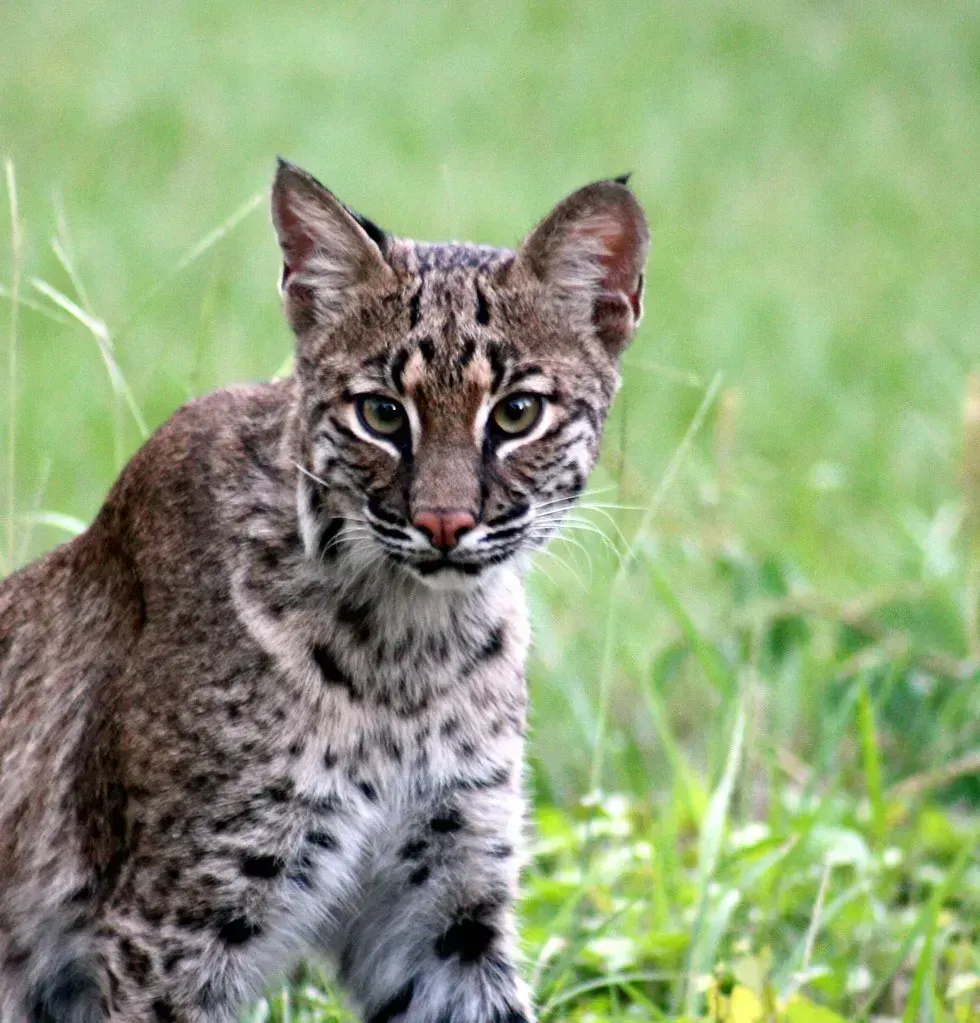
Bobcat sightings are on the rise in Connecticut and New York, with populations recovering after limits on hunting were enacted. What’s wild is that these cats are adapting faster than anyone expected. West Des Moines officials received numerous reports of bobcat sightings in recent months, with the city citing recent expansion into natural habitats as a possible explanation. It’s not just the Midwest either. Bobcat sightings are popping up more and more in Dallas neighborhoods, with wild bobcats being seen during this time around Dallas. Bobcats can live in a variety of habitats, including residential areas, and they’re proving surprisingly comfortable near human activity. New York State now has bobcats pretty much everywhere except for Long Island and New York City, according to wildlife biologists. Let’s be real, that’s a massive territorial expansion for an animal most people have never even seen.
Mountain Lions Are Testing the Urban Boundary
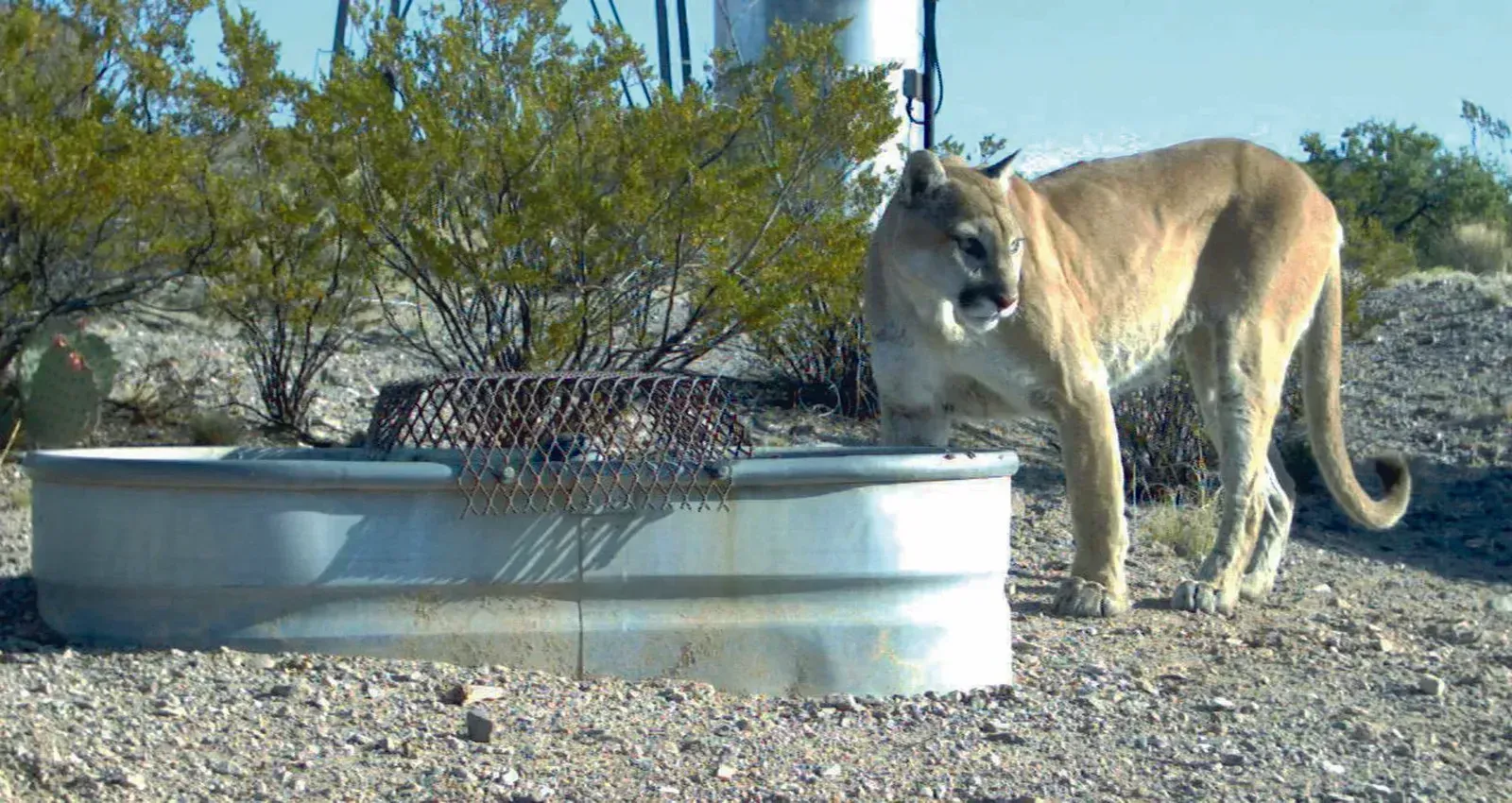
The big cats are making moves that would have seemed impossible just a decade ago. In October 2024, a mountain lion was spotted in the suburban town of Lake Dallas, Texas, with security cameras recording footage of the big cat strolling through an RV park, later confirmed by Texas Parks and Wildlife. Studies examining female mountain lion movement concluded that the predators are heading east at a rate of roughly 25 miles every year. Here’s where it gets interesting. Cougars will become increasingly common visitors to Southwestern cities like Las Vegas in the next few decades as climate change drives their prey to greener urban pastures, according to research presented at the American Geophysical Union Fall Meeting. Climate isn’t just changing weather patterns – it’s literally pushing apex predators into our cities. The actual risk of attack is extremely low, with only one or two taking place in North America every year, but the psychological impact of knowing a mountain lion might be in your neighborhood? That’s something else entirely.
The Northeast’s Secret Predator: Fishers
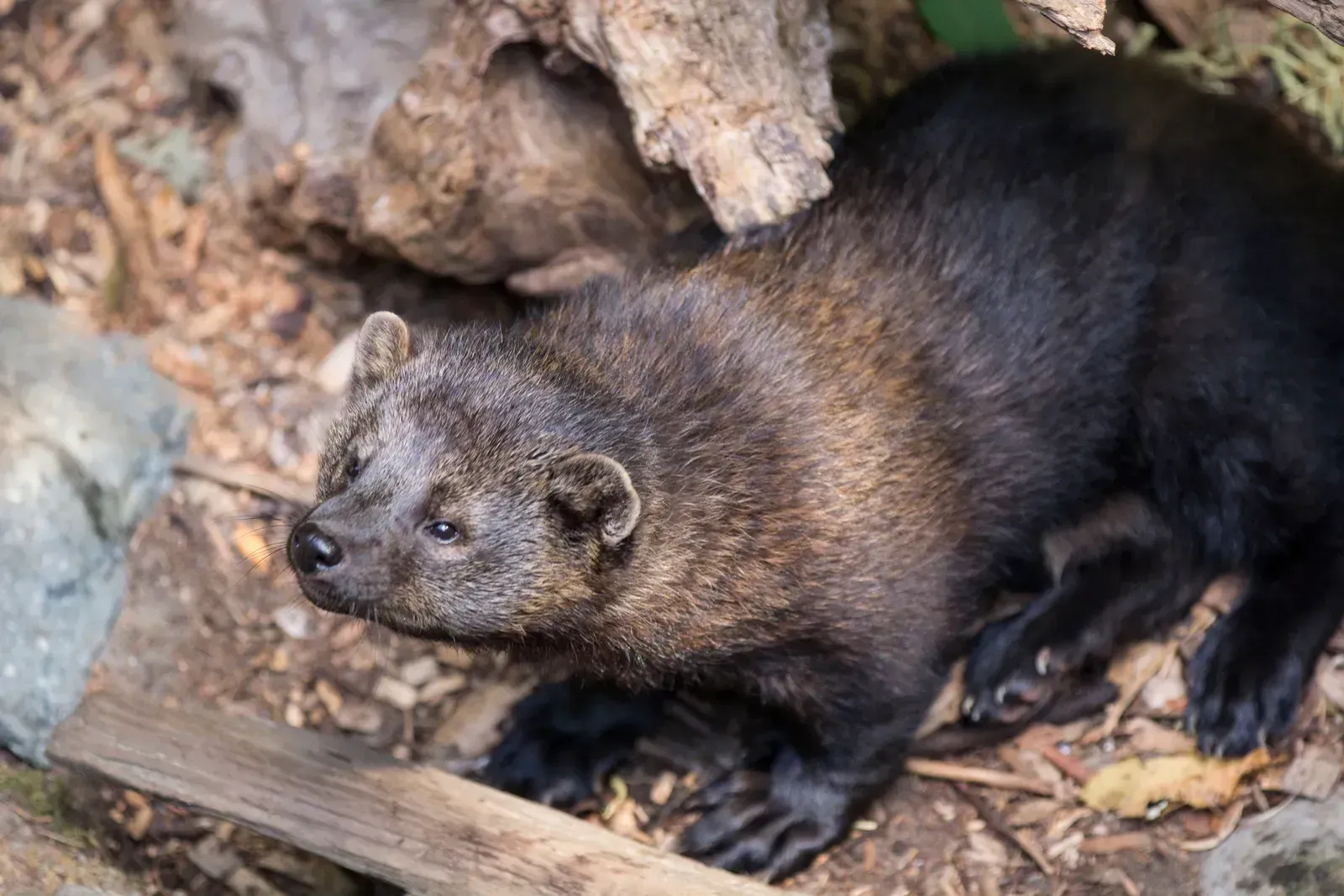
Most people have never heard of fishers, yet they have become regular fixtures in urban areas of southern New Hampshire, Massachusetts, Connecticut, and even rural portions of New Jersey, with reports of fisher sightings documented in Brooklyn, New York. These weasel-family members look like oversized ferrets with attitude. Fisher population trends show surprising movement into suburban landscapes, despite much of our understanding being based on a time when the species was strongly associated with remote boreal forests. What makes fishers particularly unsettling is how they operate. Fishers are even able to thrive in suburban environments, including around and occasionally in larger cities like Albany, Rochester, and Buffalo. Fishers have been known to kill larger animals, such as wild turkey, raccoon, fox, marten, mink, otter, bobcat, and Canada lynx. These aren’t timid creatures. They’re ferocious hunters that have quietly colonized the edges of suburban America while most residents remain completely unaware of their presence.
Why This Matters More Than You Think
The expansion of these predators into suburban areas represents a fundamental shift in how wildlife interacts with human civilization. Conflict data collected through wildlife incident reporting systems shows a steady increase in urban conflict reports over the past two decades, particularly in Southern California counties. Still, not all interactions end badly. Research suggests that promoting the recovery of large carnivores, especially in certain habitats, is more likely to reduce coyote numbers than people directly hunting them, which points to complex ecological relationships we’re only beginning to understand. The presence of bobcats might actually help control smaller predator populations that have exploded in suburban areas. Fishers could help manage rodent populations that traditional pest control struggles with.
What should you do with all this information? Keep your pets supervised, especially during dawn and dusk. Secure trash and don’t leave food outside. Most importantly, understand that these animals aren’t invading – they’re adapting to a landscape we’ve fundamentally altered. The question isn’t whether we’ll coexist with suburban predators. We already are. The real question is whether we’ll do it intelligently or keep pretending they’re not there until an encounter forces the issue. What do you think – are you ready to share your backyard with North America’s most successful predators?