The Don’t-Move List: 12 Retirement Destinations Financial Advisors Warn About
Picking the wrong retirement spot is one of the costliest mistakes you can make with your golden years. We’re talking about a decision that shapes your taxes, your healthcare access, your personal safety, and whether your savings actually last. And here’s the thing – some of the places that sound dreamy on the surface are quietly draining retirement accounts every single year.
Planning the location where you retire can be as impactful to your retirement plan as the amount of money you have saved. That’s not a small statement. So before you start packing boxes for a destination you saw on a glossy travel ad, let’s take a hard look at the places financial advisors are quietly telling clients to cross off the list. You might be surprised by what you find.
1. Louisiana – Dead Last, and It Shows
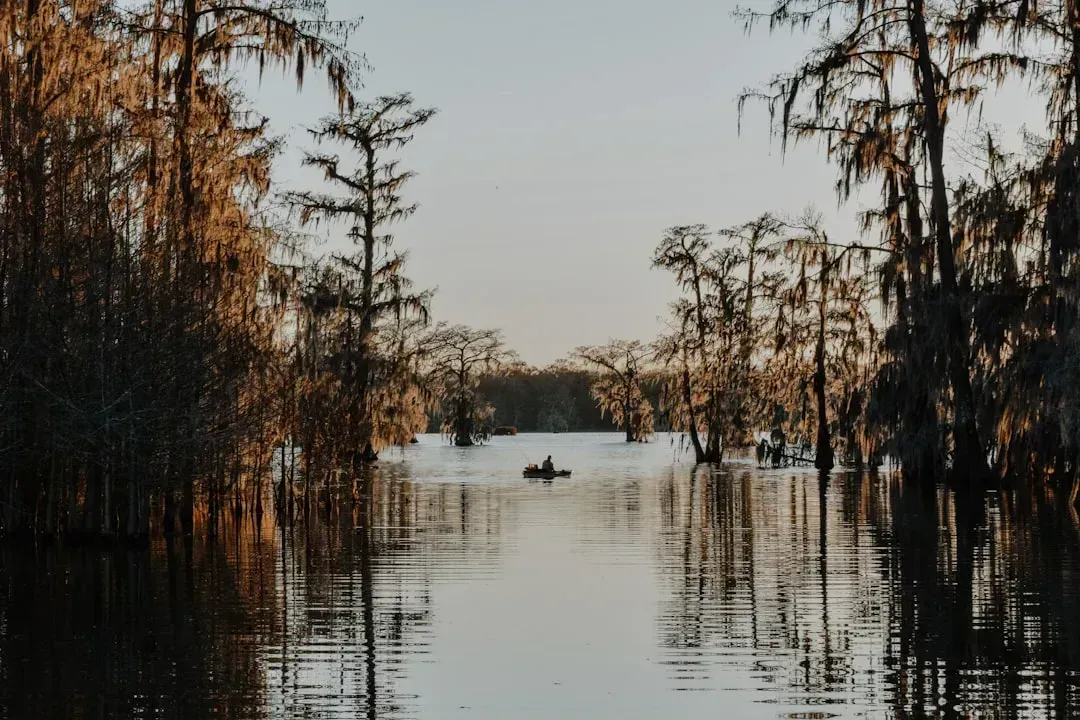
Louisiana turned in poor rankings across all major categories, failing to rank higher than 36th in any of them. On heavily weighted categories such as affordability, neighborhood safety, and health care, the state had dismal performances, ranking 43rd, 48th, and 37th, respectively. That’s not one or two bad metrics. That’s a near-total sweep of the wrong end of the chart.
Louisiana is notorious for its high crime rates, which can be unsettling for retirees seeking peace and safety. The state also suffers from an insufficient healthcare infrastructure, making access to quality medical care a challenge. Furthermore, Louisiana is frequently hit by natural disasters like hurricanes and floods, adding to the unpredictability and potential discomfort of living there.
Louisiana was projected to experience the largest home insurance premium increase in 2025 – 27%, nearly $3,000 – to $13,937. The state had a 38% increased in 2024. Honestly, when your insurance bill alone is climbing by thousands of dollars a year on a fixed income, that’s not just inconvenient. That’s financially devastating.
Twelve insurers in Louisiana became insolvent after hurricanes in 2020 and 2021, reducing competition as the remaining companies increased premiums. Four of the ten most expensive American cities for home insurance are in Louisiana. In New Orleans, homeowners pay almost six times the national average. For a retiree on a fixed income, that math simply does not work.
2. California – Beauty You Cannot Afford

While California boasts beautiful weather and scenic living, it ranks near the bottom due to its extremely high cost of living, elevated tax rates, and skyrocketing housing prices. Think of it like a luxury hotel that looks incredible on Instagram but charges you for the air conditioning separately.
California ranks low in affordability, with seniors needing around $1,157,000 to retire, one of the highest in the country. The state also imposes the highest income tax in the nation at 13.3%, and while property taxes are relatively low at 0.71%, they offer little relief from the overall tax burden.
Insurify home insurance rose a whopping 21% in California in 2025, citing the Palisades and Eaton fires that devastated Los Angeles County in January, as well as regulatory changes. Those wildfires were a wake-up call for retirees holding property there.
The Los Angeles wildfires of January 2025 killed at least thirty-one people and destroyed over 16,000 structures. Estimates put the economic losses from this horrific event as high as $250 billion. Retiring into a climate risk zone of this magnitude, with the nation’s highest income tax on top, is a combination that most financial advisors simply cannot endorse.
3. New York – The Heaviest Tax Burden in America

New York has the heaviest tax burden of any state and faces issues with expensive housing and overall affordability. Despite its cultural appeal, many retirees find it hard to maintain financial security, especially outside of major metro areas where healthcare access and safety are also concerns.
New York places near the bottom with the worst economic strength, where 14.3% of seniors live in poverty and nearly 1 in 5 work past retirement age. Let that sink in. Almost one in five seniors in New York are still working because they have to. That’s not a retirement – that’s a delay.
Least tax-friendly states: California, New York, New Jersey, and Connecticut combine high taxes with high costs of living. When multiple independent studies agree on the same conclusion, it’s worth paying attention. New York is a cultural treasure, but for retirement on a fixed income, it’s a financial trap for most people.
4. New Mexico – Crime Capital of Retirement Plans
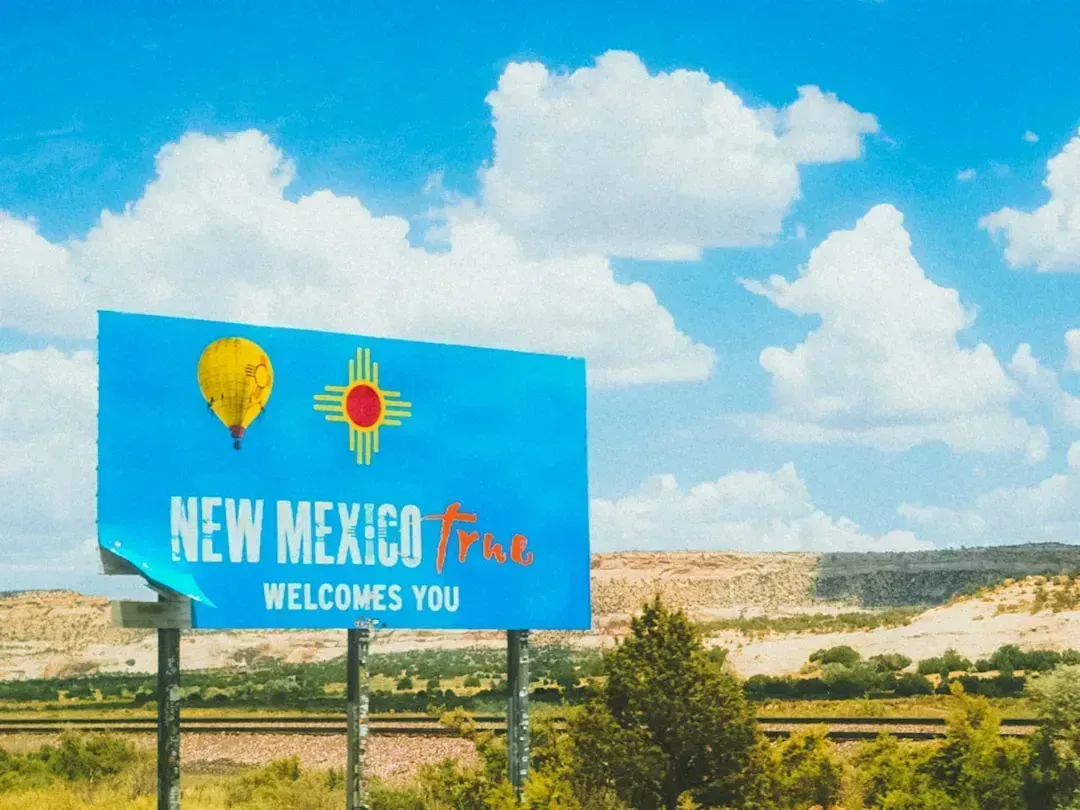
Ranked last overall in some analyses, New Mexico struggles with the highest crime rate in the country and the second-lowest quality-of-life score. Retirees face challenges in both healthcare access and community safety. That combination is about as unwelcome as it gets for someone just trying to enjoy a quiet retirement.
High poverty and crime rates, along with taxation on retirement income, are major concerns for retirees in New Mexico. It’s worth noting that New Mexico taxes retirement income, which makes an already costly equation even more punishing for those living off savings and Social Security.
New Mexico takes the top spot for worst places to retire, according to The Motley Fool’s 2026 rankings. When multiple data sources converge on the same conclusion year after year, it’s not a coincidence. It’s a pattern. And for retirees, that pattern spells risk.
5. New Jersey – Property Tax Shock Therapy
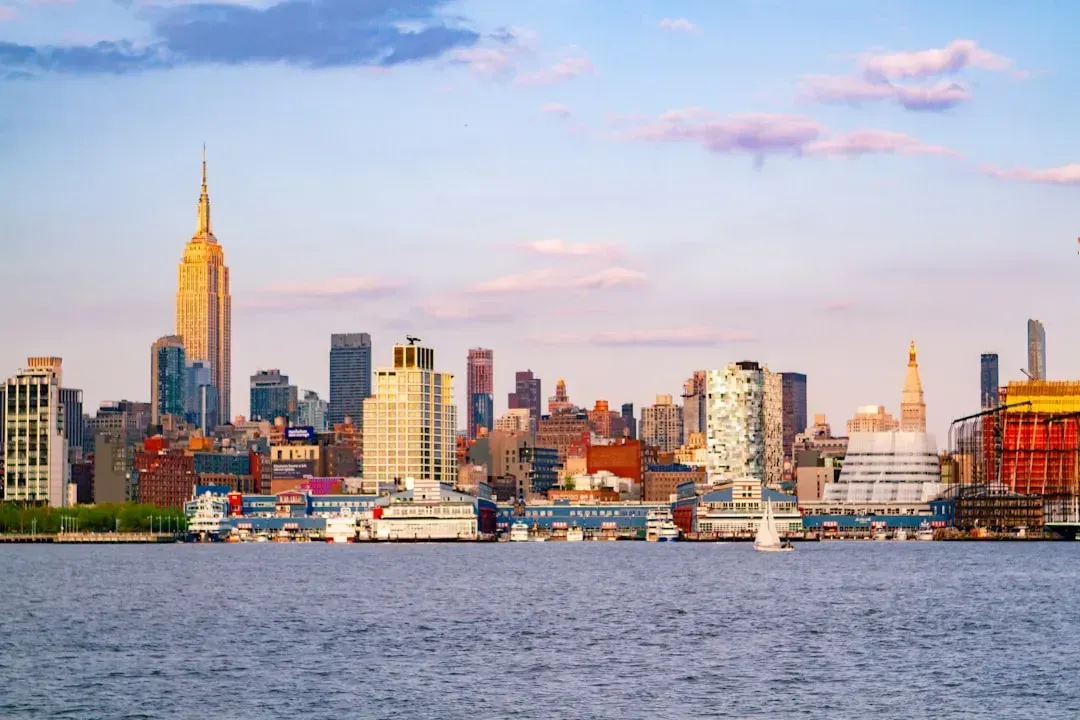
New Jersey ranks low in affordability, needing about $964,000 in savings. The state imposes the highest property tax rate at 2.23% along with a steep 10.75% state income tax rate, making it one of the most expensive places to maintain a retirement lifestyle. Those numbers are not typos. They’re just New Jersey.
New Jersey imposes high property taxes, with a median bill of $9,541, which can be a heavy burden. The state’s cost of living is also 19.8% above the U.S. average. A median property tax bill close to ten thousand dollars a year is the kind of thing that erodes savings faster than most people expect.
The Garden State does offer some redeeming qualities, particularly in its strong healthcare access. It has a decent walkability score and a low violent crime rate. But for many retirees, these advantages may not be enough to offset the high cost of living. To be fair, it’s not all bad – but the financial math is brutal, and most advisors would struggle to recommend it.
6. Florida – The Paradise That Became Expensive
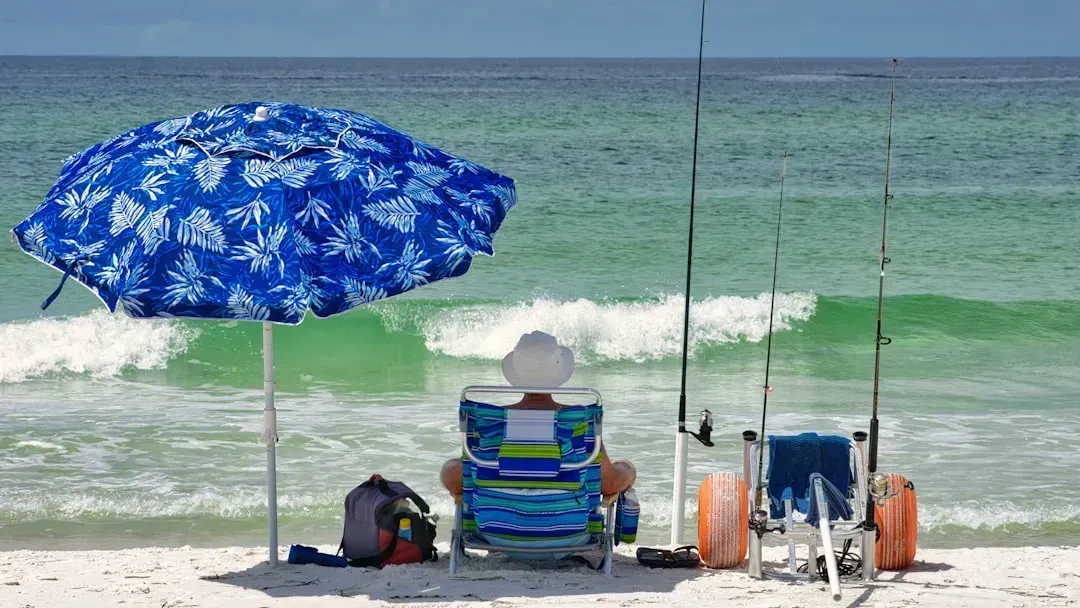
Florida, a longtime retirement favorite, landed at 41st in Bankrate’s 2025 report due to poor healthcare rankings, high insurance costs, and natural disaster risks – despite strong scores in taxes and its large retiree population. That is genuinely shocking to many people who still think of Florida as the automatic retirement answer.
Hurricanes Helene and Milton, the two most destructive disasters of 2024 in the U.S., caused more than $100 billion in combined damages. Since 2020, climate disasters have cost Florida an estimated $237 billion, according to the National Centers for Environmental Information.
Florida homeowners, who in 2024 paid the highest average premiums of $14,140, saw an increase of 9% in 2025 to $15,460. That’s not pocket change. That’s a second car payment added to your monthly budget, every single month, just for the insurance. I think a lot of retirees don’t factor that in until it’s too late.
Florida, despite its popularity among retirees, ranks among the lowest in economic strength due to rising living costs and high senior poverty rates. The sunshine is real. The financial strain is equally real.
7. Arkansas – Low Cost, High Risk

Arkansas struggles with a low quality-of-life score, poor healthcare rankings, and a high crime rate. It might seem counterintuitive to warn against one of the cheapest states in the country, but retirement isn’t just about finding the lowest sticker price. Safety and healthcare matter enormously.
On the downside, Arkansas has high crime rates in many areas, including violent and property crime, and a tough economy with lower education levels than many other areas. The state has many healthcare facilities, including major medical centers, but access to healthcare in more rural areas is limited.
Arkansas puts up scores in health care, safety, and arts that rank among the very bottom. In particular, Arkansas ranked fourth-worst in the violent crimes metric that formed part of the safety category. Low cost of living is appealing in theory, but when violent crime rates are that alarming, the savings quickly feel less worthwhile.
8. West Virginia – Healthcare Desert

West Virginia creeps into the top 10 worst places to retire for a variety of reasons. The state ranks poorly for health care, ranking near the bottom for elderly health care, which combines outcomes, cost, and ease of access to healthcare facilities. For older adults who will almost certainly need more frequent medical care over time, this is a serious red flag.
West Virginia ranks 46th for healthcare for the elderly. The state also taxes 401(k), IRA, and pension withdrawals, which can impact retirees’ financial planning. The challenging terrain can also affect accessibility and mobility, further complicating life for the elderly.
West Virginia won’t tax your Social Security benefits, but it does tax withdrawals from 401(k) and IRA accounts and pensions, with some exclusions. So while there’s one silver lining on the tax side, the overall picture for retirees remains deeply problematic, especially when healthcare quality is factored in.
9. Mississippi – Beautiful Weather, Troubling Realities
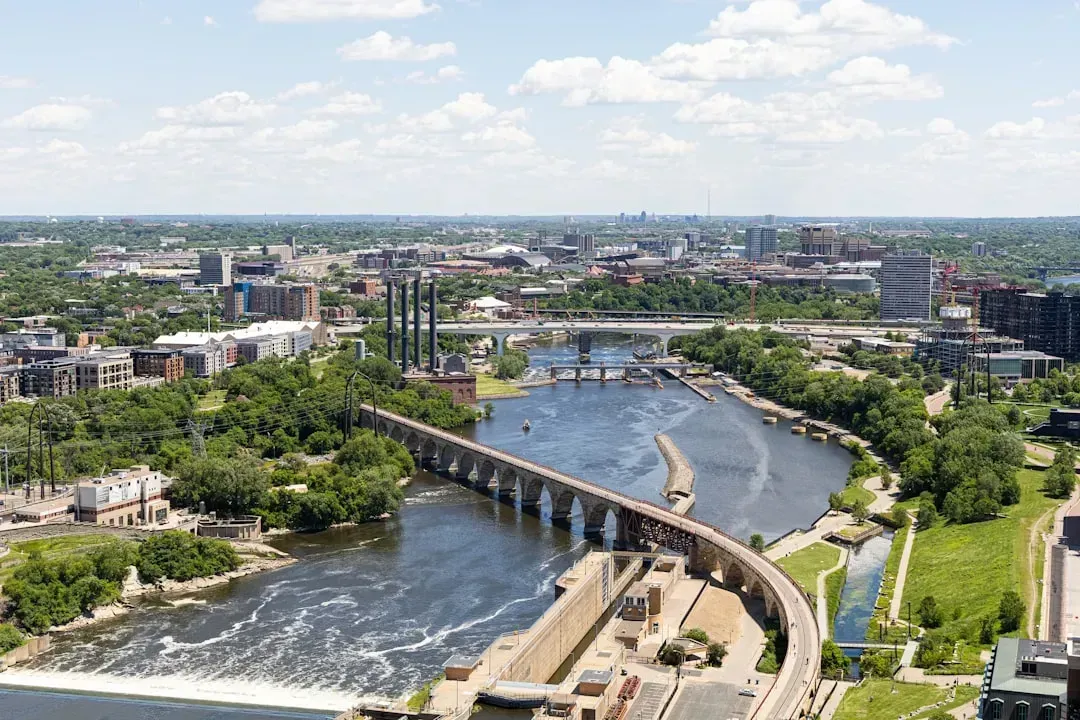
Mississippi may offer a very humid and subtropical climate with hot summers and mild to warm winters. But crime is high in many areas of the state and quality healthcare is harder to come by than in most other states. Mississippi is also prone to natural disasters such as tornadoes, which can lead to higher insurance costs, property damage, and the need to find temporary housing.
Mississippi is marked by notably high crime rates that contribute to safety concerns. The state also grapples with insufficient healthcare infrastructure, complicating access to essential medical services. Access to a good specialist when you need one is not a luxury in retirement – it’s a necessity. Mississippi makes that harder than it should be.
Honestly, Mississippi has genuine charm and a low cost of living that appeals to retirees on tight budgets. But the combination of limited medical infrastructure and elevated crime creates a risk profile that most financial planners find difficult to overlook for clients entering their later years.
10. Hawaii – Paradise With an Impossible Price Tag
Hawaii ranks as the worst state to retire in when savings requirements are factored in, requiring the highest retirement savings nationwide at $1,673,300, and offering limited healthcare access for seniors. Nearly $1.7 million just to retire there comfortably. That number alone should give most people pause.
Hawaii presents a high cost of living, 19.8% above the national average, and one of the most expensive real estate markets. Limited public transportation and high gas prices can also make daily life challenging and expensive. These factors make Hawaii a difficult place for retirees looking to maximize their retirement savings.
Hawaii has the most expensive housing market across all 50 states and among the highest cost of living. Entertainment and dining options are limited relative to Hawaii’s population compared to other states, and the distance from the mainland can be a dealbreaker for some. Visit Hawaii often. Retire there only if your savings are extraordinary and your family isn’t on the mainland.
11. Oklahoma – Storm Country With Soaring Premiums

Eight of the 10 worst states for retirees are in the Sun Belt, including Alabama, Arkansas, Florida, Louisiana, Oklahoma, California, New Mexico, and Texas. Oklahoma’s inclusion surprises many people, but a closer look at the data makes it perfectly clear.
Tornadoes, hail, and high winds are high risks for Oklahoma, according to FEMA. About 80% of claims in the state are for storm damage. Farmers Insurance, Oklahoma’s second-largest home insurance company, said in 2024 that it was not renewing about 1,300 policies due to wildfire risk. The state saw a 41% increase in tornadoes from 2022 to 2023.
Think of Oklahoma’s insurance market as the canary in the coal mine for climate-related retirement risk. When a state’s second-largest insurer starts dropping policies, that should be a flashing warning sign for anyone planning to settle down there on a fixed income. The physical and financial storm risk here is real and worsening.
12. Nebraska – The Affordability Trap Hidden in Plain Sight

Looking at Nebraska’s category scores, you might be surprised to see the state on a list of bottom finishers. But it’s Nebraska’s 49th rank in affordability, the most heavily weighted category, that really pulls the state down. Part of the problem: Nebraska has the highest average homeowners insurance premiums statewide at $6,097 per year.
Homeowners in some parts of Nebraska were finding it harder to obtain insurance heading into 2025. Non-renewal rates increased in Nebraska from 2018 to 2023, with weather risk playing a large role. Nebraska has suffered about $10 billion in damages from natural disasters over the past five years, most often due to severe storms.
Nebraska has the third-highest expected losses from hail of any state, and its most populous county, Douglas County, is considered “very high” risk for hail damage, according to FEMA. In June 2024, this county experienced up to baseball-sized hail, damaging homes, vehicles, and businesses. Nebraska often flies under the radar in retirement discussions, but its insurance crisis alone makes it a location worth approaching with extreme caution.