The “Ghost Town” Trend: Why These 8 Cities Are Losing Residents at an Alarming Rate
Something quietly unsettling is happening across America. Streets that were once buzzing with daily life are growing emptier. Storefronts sit dark. Schools close. Houses go abandoned. And the people who once called these places home? They’ve moved on, often without looking back.
Population loss in American cities is not a new story, but the scale and pace of what’s happening right now is hard to ignore. Researchers from the University of Chicago, writing in the journal Nature Cities, found that close to half of the nearly 30,000 cities in the United States will face some sort of population decline. That’s not a fringe prediction. That’s a structural shift in how and where Americans choose to live. These projected findings about depopulation in U.S. cities are shaped by a multitude of factors, including the decline of industry, lower birth rates, and the impacts of climate change. So which cities are actually bleeding residents the fastest right now? Let’s dive in.
1. St. Louis, Missouri: The Steepest Fall from Grace
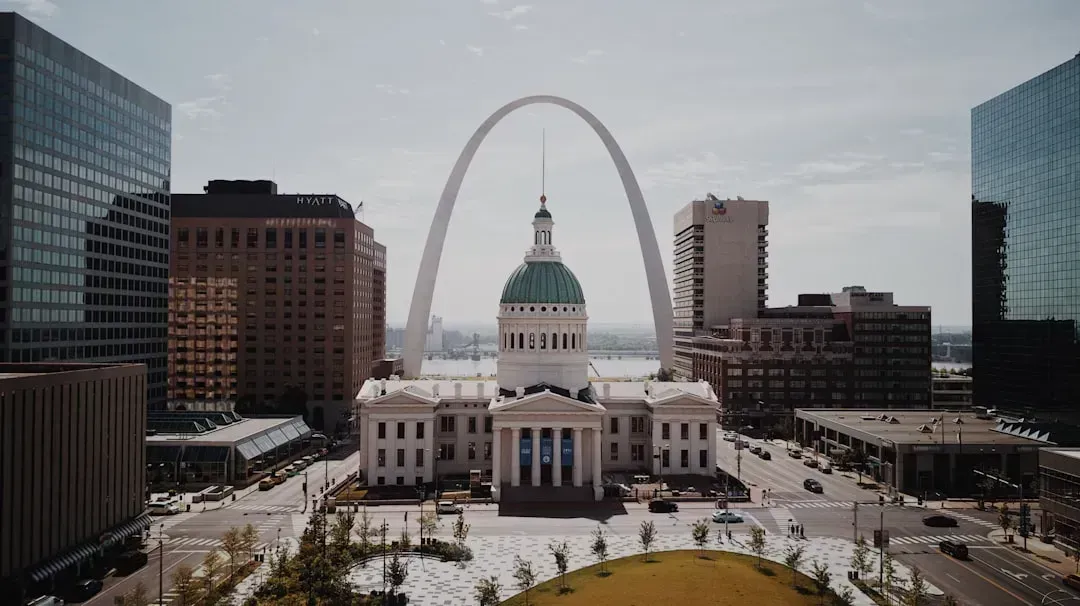
There’s something almost heartbreaking about St. Louis. This was once a booming American metropolis, a city that the whole country looked to with admiration. At its peak in the 1950s, St. Louis had nearly 900,000 people living in the city. Now the population stands at just under 280,000, a drop of about 65%. That’s not decline. That’s a hollowing out.
According to St. Louis Public Radio, 2024 U.S. Census data showed that St. Louis had the most severe population decline of any American city, losing more than 20,000 residents in just four years. To put that in perspective, imagine losing a mid-sized town’s worth of neighbors in less time than it takes a child to finish elementary school.
Census estimates show the population moving from 282,772 in 2023 to 279,695 in 2024 across a single one-year update, a loss of 3,077 residents, or 1.1%, making it the largest numeric decline among rapidly shrinking cities, even though several smaller cities posted steeper percentage decreases. St. Louis’s population decline is linked to economic stagnation and crime concerns, pushing families to consider other Midwestern cities, with newer job opportunities growing fewer over time.
2. Detroit, Michigan: The Motor City Running on Empty
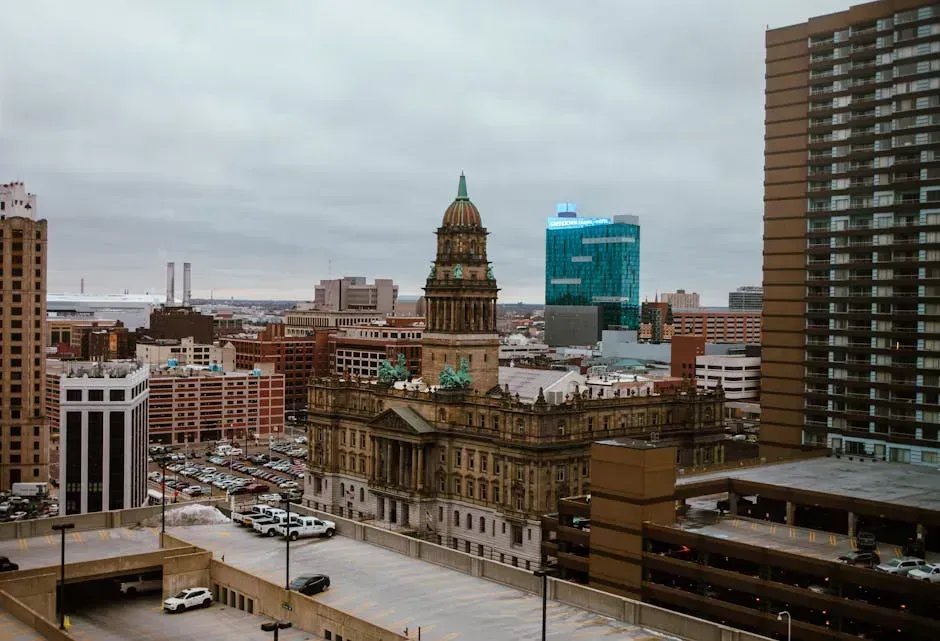
Detroit is the poster child for American urban decline, and honestly, it deserves that reputation whether people are comfortable saying it or not. From its peak population of 1.8 million in 1950, Detroit’s population fell by over 60%, dropping to 713,000 by 2010, and continued to decline to 631,524 in 2024. That kind of sustained loss is almost incomprehensible.
According to Pure Detroit, there are an estimated 70,000 abandoned buildings, 31,000 empty homes, and 90,000 vacant lots in the Motor City. Walking through certain neighborhoods feels more like an archaeological site than a living community. The city filed for bankruptcy in 2013, facing 20 billion dollars in unpaid bills, the largest municipal bankruptcy in U.S. history.
Despite a decade of positive momentum throughout Detroit, the city’s population is still projected to decline by 1.1% by 2050, according to the Southeast Michigan Council of Governments, a trajectory predicated on a 30-year downward trend statewide as Michigan has ranked next-to-last in population growth in the country, with Detroit’s population plummeting some 40% since 1990. There are glimmers of revival in downtown, but the broader picture remains sobering.
3. San Francisco, California: The Tech Boom That Busted People Out
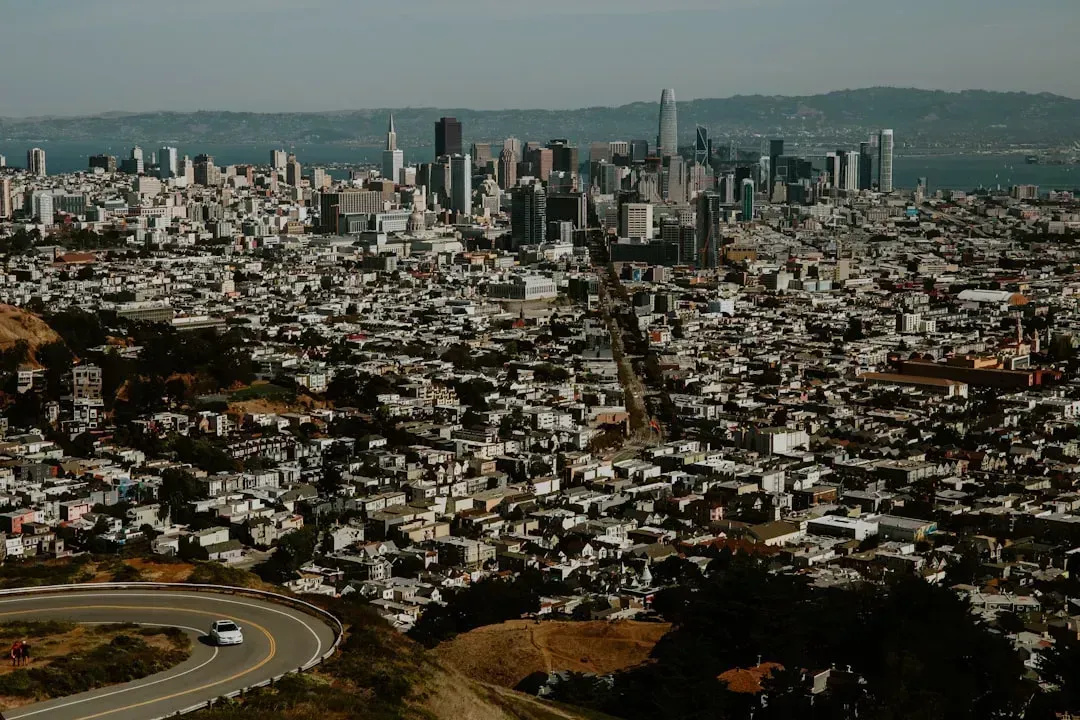
Here’s the thing about San Francisco. You’d expect a city synonymous with wealth, innovation, and global prestige to be overflowing with people wanting in. Reality is messier. San Francisco has a 2024 population of 873,965, with the population having dropped by nearly 34,000 over the past five years, placing it among the top four counties in the nation with the largest declines according to new U.S. Census Bureau estimates.
The exodus of people from San Francisco and much of the surrounding region during the 2020 pandemic was driven by the rise in remote work, mass layoffs, and high cost of living. When you can work from anywhere, why pay a fortune to live somewhere that’s increasingly uncomfortable? San Francisco lost about 3,000 residents in 2024 alone, leaving the current SF population at around 842,000, about 30,000 fewer than its pre-pandemic level, a 0.4% decline in a single year.
The metro area’s population as of last July was still down 2.1% from when the pandemic began in 2020, making it the largest percentage drop among the nation’s most populous areas. In places like San Francisco and Los Angeles, rent eats a huge chunk of income and buying a home feels impossible for many families, leaving people priced out across income levels.
4. New York City, New York: Even the Biggest Can Bleed
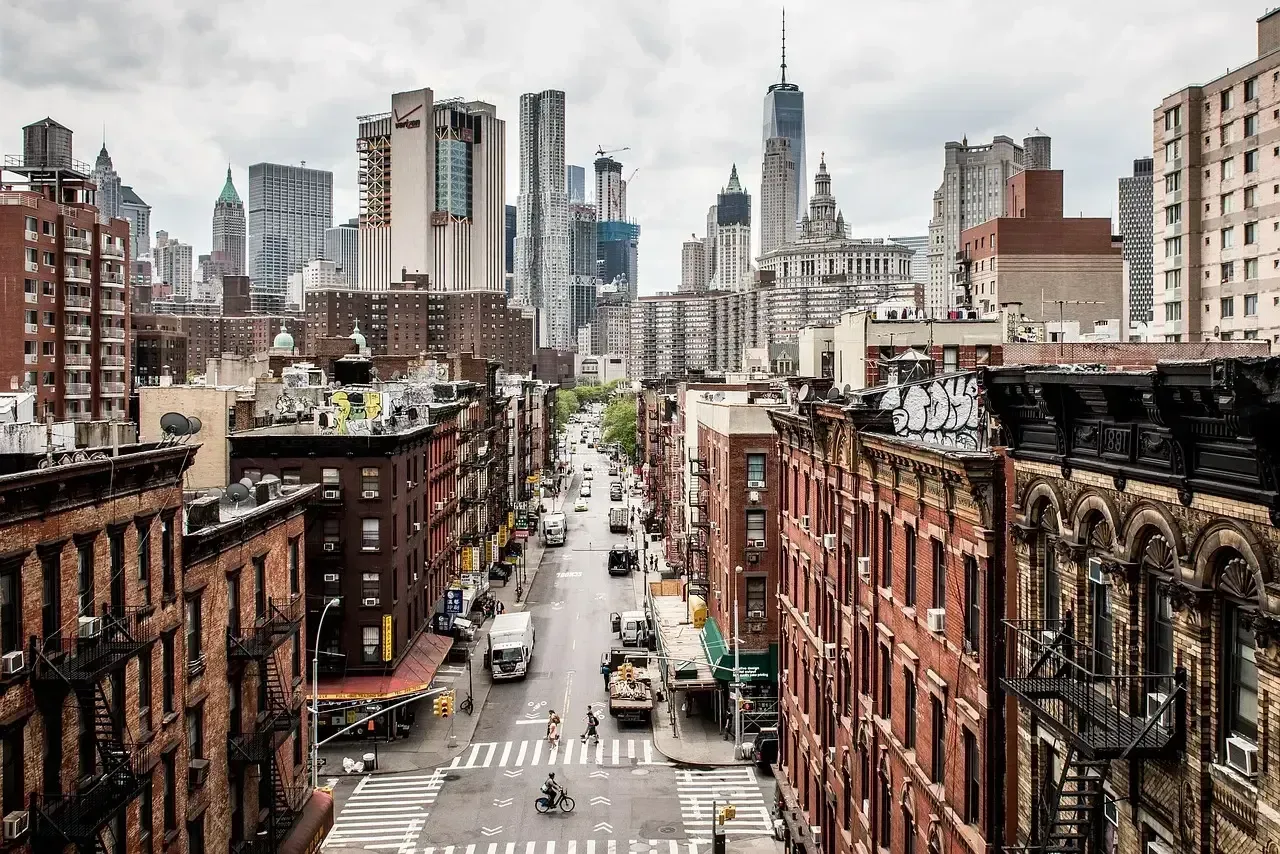
Nobody really expects New York City to become a ghost town. It’s New York. Yet the numbers tell a story that city boosters would rather not repeat at dinner parties. The city’s total population loss since the April 2020 census count is nearly 550,000. That’s not a rounding error. That’s roughly the population of a mid-sized American city simply gone.
New York City continues to experience significant resident outflow as high living costs and crowded conditions push many to look elsewhere, with rent prices remaining among the highest nationwide and average monthly rates often exceeding $3,000 for a one-bedroom apartment, and many residents seeking more space and affordability outside the NYC metro.
There is some good news, though. New York City’s population grew by 87,000 between July 2023 and July 2024, reaching 8,478,000, with two consecutive years of growth suggesting that pandemic-era losses were a short-lived shock. Still, the damage of those pandemic years leaves a serious scar on the city’s long-term demographic outlook.
5. Jackson, Mississippi: A State Capital in Crisis
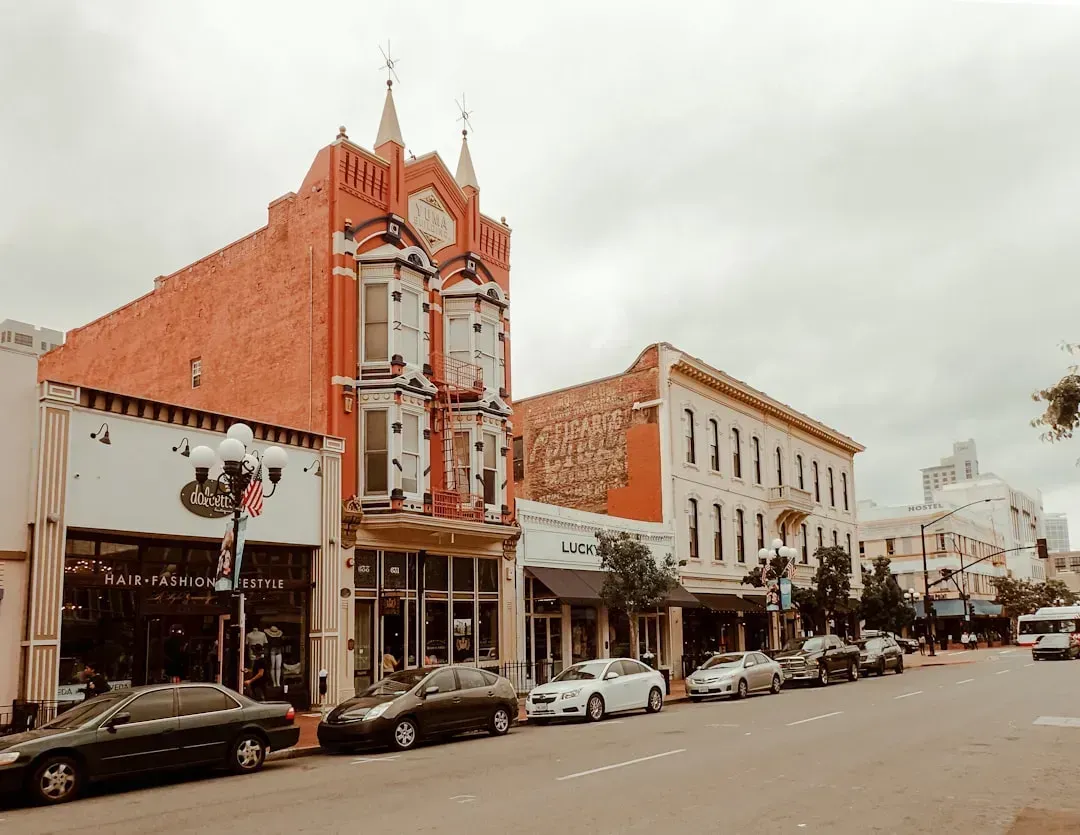
It’s one thing for an industrial Rust Belt city to lose people. It’s another thing entirely when a state capital starts emptying out. Jackson, Mississippi, has been in a quiet but relentless demographic freefall for years. Jackson saw a decline of approximately 12.7% in its populace from 2017 to 2022, most recently housing around 146,000 residents.
Jackson registered one of the heaviest setbacks by both percentage and headcount, with Census estimates moving from 143,485 residents in 2023 down to 141,449 in 2024, a one-year decline of 2,036 residents, or 1.4%. That was a meaningful change for any city, let alone a state capital.
That one-year decline of 1.4% is especially significant because city systems are built around people counts that shape everything from service coverage to infrastructure priorities and neighborhood reinvestment. When numbers move this much in a single year, the impact is rarely abstract. Jackson has also faced severe infrastructure failures in recent years, including a major water system crisis, which has accelerated the departure of frustrated residents seeking more reliable basic services.
6. Cleveland, Ohio: Rust Belt Reality Check
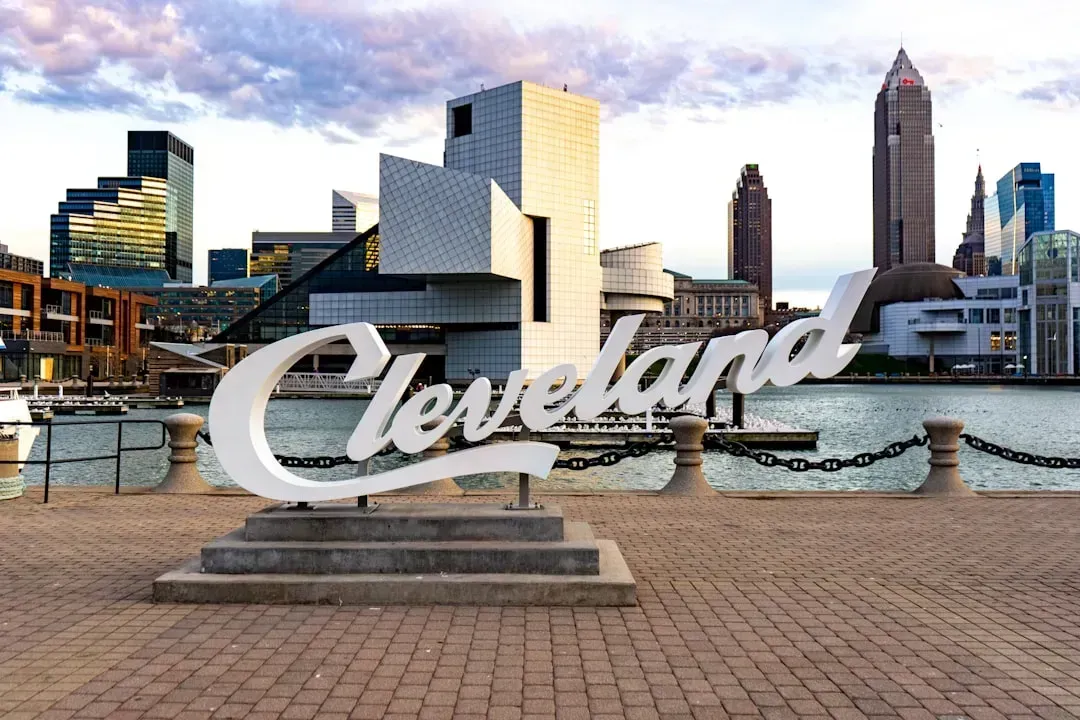
Cleveland has been shrinking for so long that it’s almost become accepted as background noise. It shouldn’t be. The rapid loss of jobs in the steel and manufacturing industries certainly didn’t help, and according to a report by Case Western Reserve University, roughly one-third of manufacturing jobs had disappeared by the 1980s. That was the beginning of a downward spiral that never fully corrected.
In 2024, the city celebrated the fact that it had not lost more residents, with the population plateauing at about 360,000. Let that sink in: the good news was simply that things hadn’t gotten worse. That’s how low the bar has dropped. Cleveland’s shrinking population reflects broader Rust Belt trends where residents leave seeking more vibrant economic centers.
Projections suggest Cleveland could see depopulation of between 12 and 23 percent by 2100, which frankly sounds like a generous estimate given current trajectories. Honestly, without a serious economic reinvention strategy, Cleveland risks becoming a cautionary tale that other Midwest cities study rather than a comeback story they try to replicate.
7. Buffalo, New York: Between Revival and Retreat
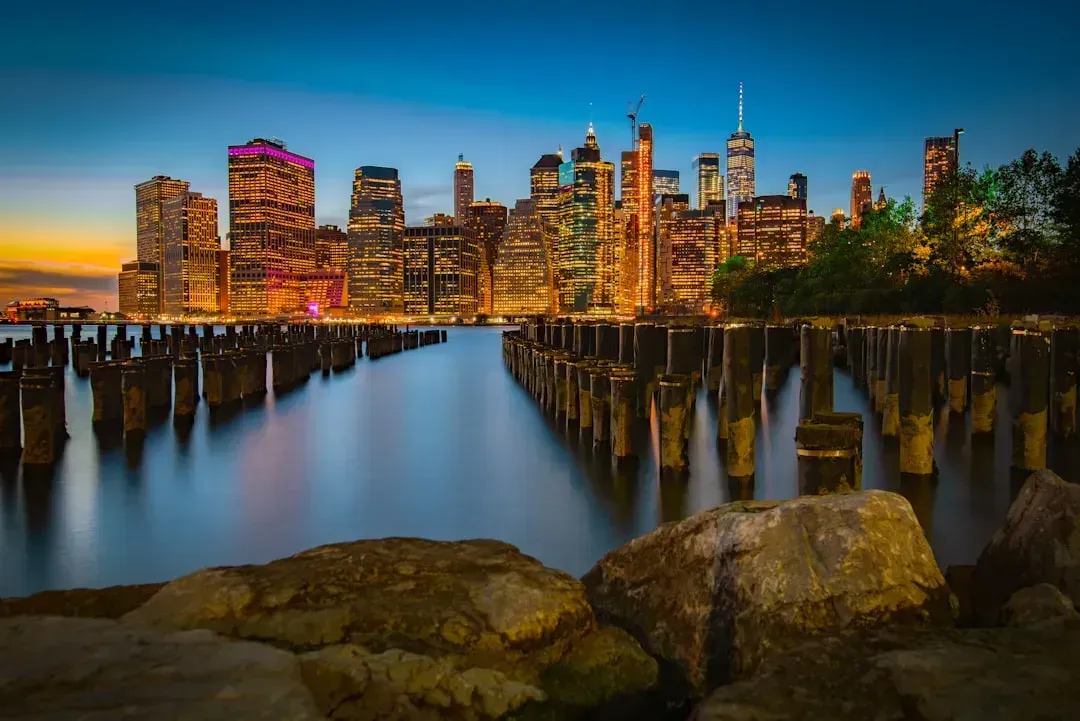
Buffalo is one of the most fascinating and contradictory stories on this list. The city hit its population peak in 1950 at roughly 580,000 residents, and by the 1960s was already shrinking, ultimately losing nearly half of its residents. Today the city has an estimated population of 274,000. Generations of loss, written in empty lots and shuttered storefronts.
Like other industrial cities in America, Buffalo suffered from the shuttering and outsourcing of steel and manufacturing, and also lost its top spot in transportation when the St. Lawrence Seaway was built, providing an alternative to Buffalo’s Erie Canal. Infrastructure collapse follows economic collapse, almost every time.
Yet there is something genuinely surprising happening too. Online real estate company Zillow named Buffalo as America’s hottest property market in 2025, and it has recently emerged as a budget-friendly big city that’s an alternative to expensive coastal giants. Despite its cultural resurgence, Buffalo deals with population loss partly driven by harsh winters and limited job diversity, though housing remains relatively affordable, a draw that keeps some residents. It’s a city caught between its painful past and a cautiously optimistic future.
8. Paradise, Nevada: The Most Dramatic Single-City Collapse
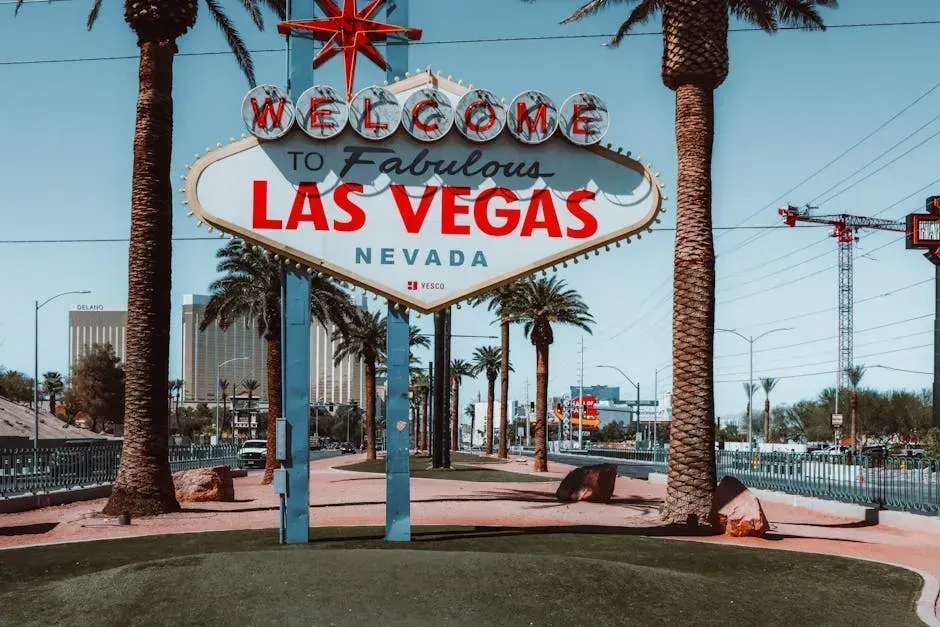
Of all the cities on this list, Paradise, Nevada delivers perhaps the most jaw-dropping statistic. I know it sounds extreme, but this one deserves a double take. Paradise, Nevada saw the largest five-year decline in population at nearly 27%, losing close to 65,000 residents between 2018 and 2023, going from 242,266 down to 177,413. That is an extraordinary collapse by any measure.
Paradise, Nevada lost roughly a fifth of its population despite overall population growth across the broader Southwest. Many cities in Nevada, Arizona, and Texas topped the list for the highest population growth between 2017 and 2022, but Paradise bucks that trend sharply. It is an outlier in a region that otherwise tends to attract new residents.
This scale of decline forces a bigger question about what defines a functioning urban community. Among ZIP codes considered America’s modern ghost towns, the share of homes sitting vacant ranges from roughly 15% to nearly a third of all properties, many times the national average, with the vast majority located in Midwest and Rust Belt cities that have suffered decades of economic decline. Paradise shows that even Sun Belt geography is no guarantee of immunity from the ghost town trend.