8 European Cities Where Tourists Are Facing Growing Pushback in 2025
Something shifted in Europe in 2025. Not gradually, not quietly. It exploded on summer streets, in narrow medieval alleyways, and across social media feeds worldwide. Summer 2025 may go down in history as the season when Europe turned against tourism. Residents who once welcomed visitors with open arms started showing up with protest banners, smoke bombs, and yes, even water pistols.
The numbers driving this frustration are staggering. Last year, 747 million international travelers visited Europe, far outnumbering any other region in the world, according to the United Nations’ World Tourism Barometer. Southern and Western Europe welcomed more than 70% of them. That’s not a wave of tourism. That’s a flood. And the people who actually live in these cities are the ones drowning. Let’s dive in.
1. Barcelona, Spain – The City That Snapped
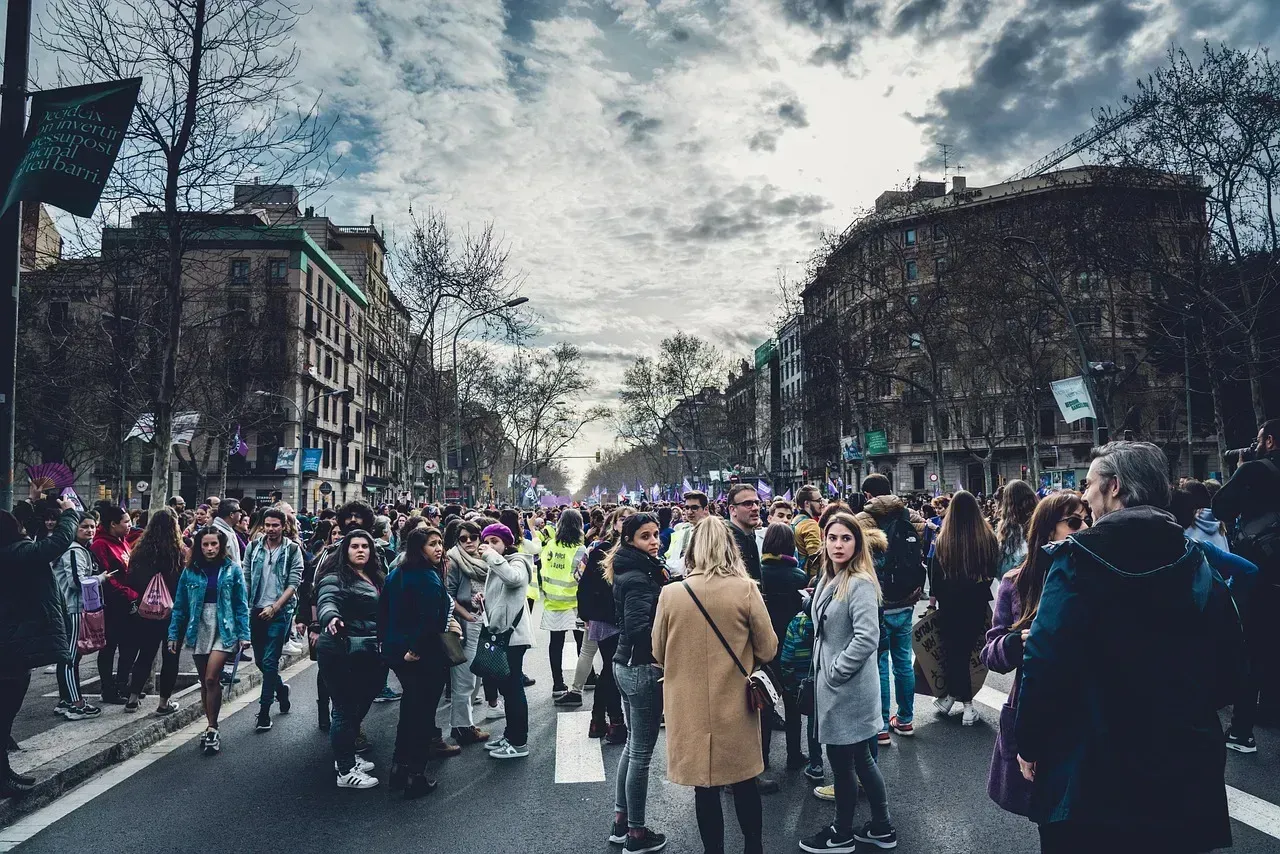
Honestly, Barcelona’s frustration has been building for years. But 2025 pushed it past a tipping point that felt genuinely historic. On 15 June 2025, large demonstrations were reported in Barcelona, where thousands of residents marched through central neighbourhoods chanting slogans such as “Your holidays, my misery,” with some protesters using water pistols and smoke devices to dramatise their message. The image of locals spraying tourists seated at outdoor cafes with toy water guns went viral globally – and it wasn’t entirely a joke.
The city of just 1.6 million residents welcomed over 26 million tourists in 2024, with more than 15.6 million staying overnight, according to local tourism authorities. That’s over 10 times the local population, and these numbers don’t even count cruise ship day-trippers, which add another 1.6 million visitors a year. The housing crisis is real and raw. Between 2007 and 2019, some areas of the city experienced a roughly half decrease in resident population, largely attributed to investors purchasing apartments to use as short-term rentals.
In June 2024, Mayor Jaume Collboni said he would end short-term rentals in Barcelona by 2028, aiming to reduce the impact on the housing market of landlords renting properties at inflated rates intended for tourists. As of May 2025, tourists aged 16 and over must pay between €6 and €11 per person, per night. Whether these measures will actually cool the anger remains to be seen – the protests certainly haven’t stopped.
2. Venice, Italy – A City Charging for Its Own Existence
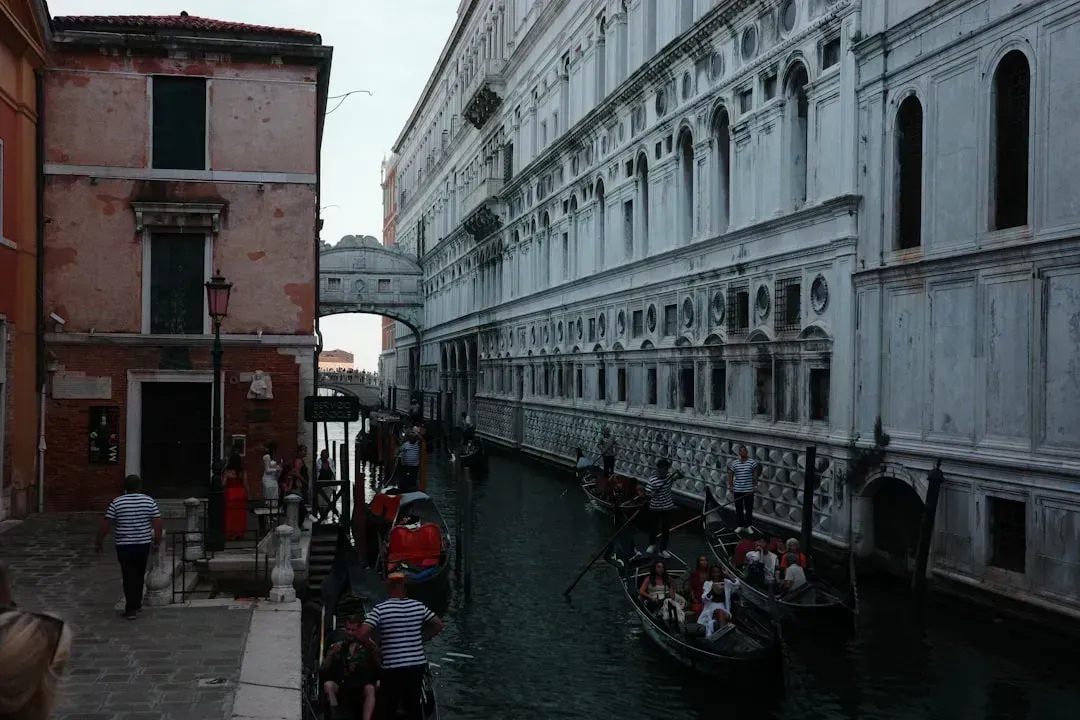
Venice is arguably the most extreme case on this list. Think about it this way: this city is essentially running an experiment on how to survive when you’ve become more of a theme park than a home. There are now more tourist beds in the historic centre than official residents, whose numbers stand at an all-time low of 48,500. That statistic alone is enough to make your jaw drop.
Venice expanded its controversial day-tripper entry fee in 2025, more than doubling the number of days the charge applies. The €5 fee, first introduced in 2024, was required on 54 days – up from 29 – between spring and the end of July. In total, 723,497 visitors paid Venice’s day-tripper fee in 2025, resulting in revenue of €5,421,425 – nearly double the figures for 2024, when 485,062 payments totalling €2,400,000 were recorded. The money rolled in, but the crowds didn’t shrink.
The average number of day-tripper entries was only slightly lower than the previous year, indicating no dramatic crowd reduction. Critics were blunt about the failure. Residents’ groups warned that the fee risks turning Venice into a “theme park,” while critics argued it fails to tackle deeper problems, including a shortage of long-term rentals as landlords prioritize more lucrative short stays. In Venice, the battle for the soul of the city rages on.
3. Amsterdam, the Netherlands – Where 20 Million Became Too Many
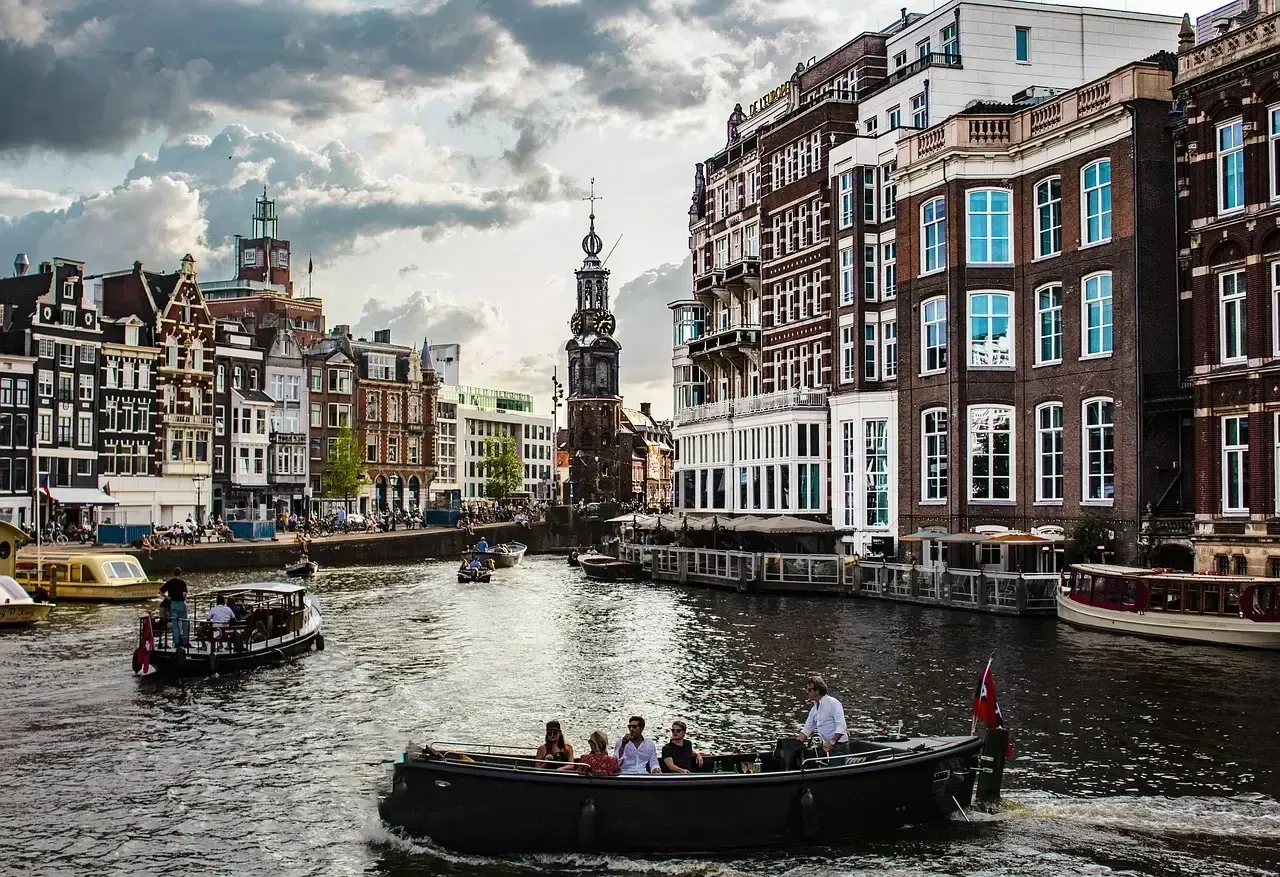
Amsterdam is a city that almost invented the concept of urban cool. It is also a city that has been quietly suffocating under tourist pressure for years. In 2024, Amsterdam recorded around 23 million overnight tourist stays, roughly a three percent increase over the previous year, despite its self-imposed cap of 20 million that was set in 2021. Setting a cap and then blowing past it isn’t exactly a success story.
According to the 2025 Overtourism Report, Amsterdam ranked third globally with roughly 29 tourists per resident, making it one of the most severely affected cities on Earth by that measure. Authorities have tightened rules on the party-tourism image, and in 2024 the city said it would stop allowing new hotel construction as part of a broader effort to cap pressure. Even with controls, overnight stays have continued to rise, and residents’ groups argue the city is not moving fast enough.
The Dutch city plans to limit cruise ships in its harbour to just 100 in 2026, down from 190 currently, before banning them altogether by 2035. Amsterdam has also limited drug-related and adult tourism across the red light districts, trying to reshape what kind of tourists show up at all. The city is essentially trying to rebrand itself – slowly, reluctantly, under enormous pressure from residents who simply want their neighborhoods back.
4. Lisbon, Portugal – Europe’s Most Rapidly Transformed Capital
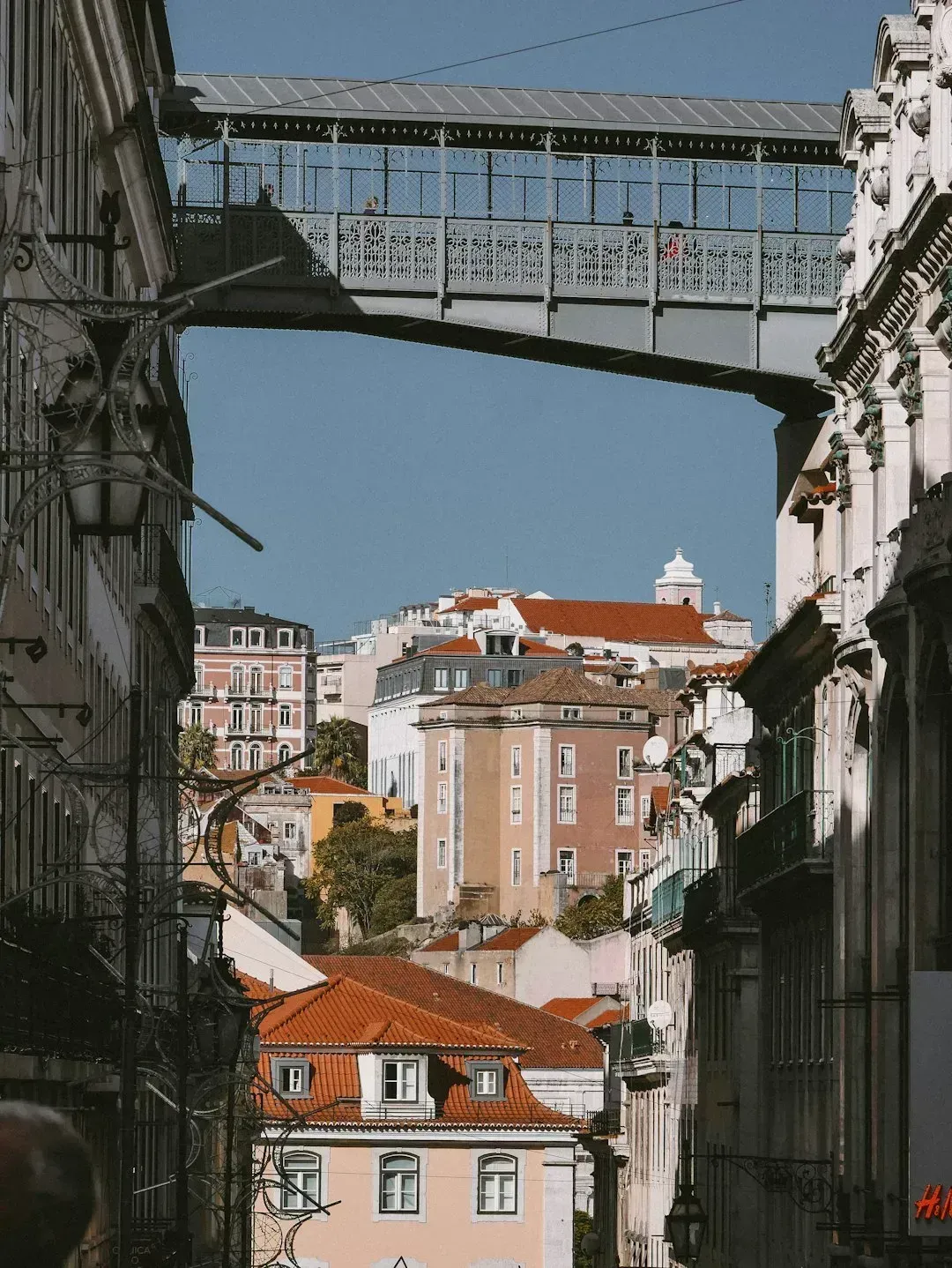
Lisbon is a city that seduced the world almost overnight. A decade ago it was a sleepy, wonderfully affordable European gem. Today, it’s unrecognizable to many of its long-term residents. Lisbon’s tourism boom has collided with a housing crunch, and residents have pushed the short-term rental debate into formal politics. Neighbourhood campaigns demand tighter limits on “local lodging” lets, arguing that apartment blocks are being hollowed out as units shift from long-term homes to holiday stays.
Hundreds protested in Lisbon, Portugal, as part of the widespread backlash seen across Europe in which locals protested the effects of overtourism on their communities. In cities like Lisbon, many residents have been forced out of their own neighbourhoods as landlords convert properties into tourist lets. It’s a pattern that feels like a slow-motion eviction of an entire city’s identity.
In terms of tourist density, Lisbon registers approximately 85,000 tourists per square kilometer, placing it among the most intensely crowded urban destinations on the continent. The Portuguese capital sits in an interesting bind: its economy has become deeply dependent on the very tourism that is now tearing apart its social fabric. Local communities are demanding action, and the political pressure is mounting with every passing peak season.
5. Dubrovnik, Croatia – Too Famous for Its Own Good
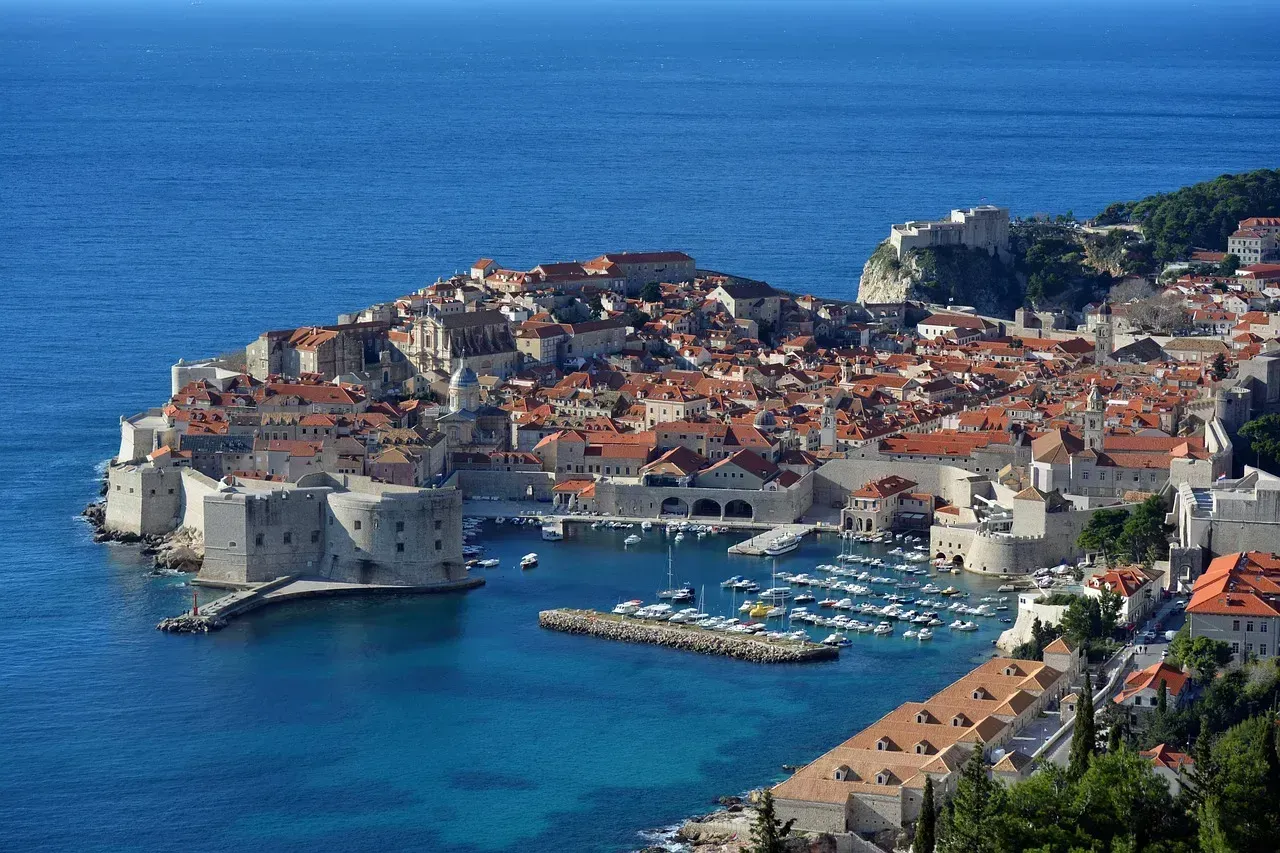
Here’s a city where the problem has a precise, almost absurd number attached to it. The pressures of overtourism are starkly illustrated in Dubrovnik, one of the most over-touristed cities in Europe, with 27 tourists per resident at peak times. Imagine your neighborhood having 27 strangers for every one person who actually lives there. That’s not tourism. That’s an occupation.
Cruise ships are a key contributor to Dubrovnik’s overtourism problem, depositing large numbers of tourists in the city centre at a time. Due to hours of traffic jams, new taxi permits are set to cut the over 7,000 tourist taxis to just 700. Similarly, coach daily drop-offs to the Old City are to be limited to seven slots every half an hour. These aren’t mild suggestions. These are emergency-level interventions.
In Dubrovnik, authorities now restrict the number of cruise ships that can dock each day, often no more than two at a time, to curb the crush of day-trippers. In 2023, Dubrovnik amended its General Urban Plan to ban the construction of new holiday apartments. These concrete measures have gained praise across the tourism sector, and Dubrovnik walked away with a Special Award at the 2025 Reader Travel Awards for its efforts towards sustainable tourism. A rare case of a city actually being rewarded for trying to slow down.
6. Paris, France – When Even the Louvre Goes on Strike
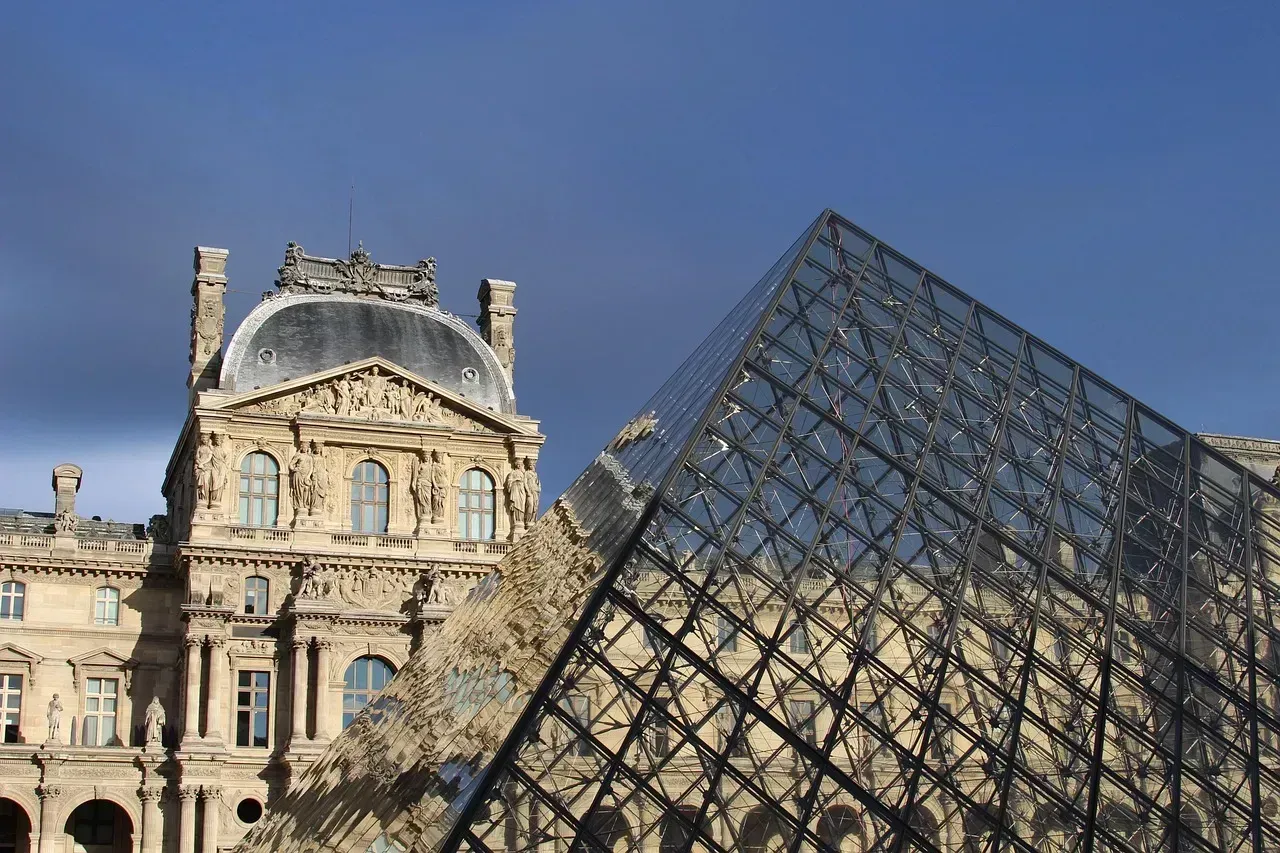
Paris is the most visited city in one of the most visited countries on Earth. In terms of tourist density, Paris registers an extraordinary 442,125 tourists per square kilometer, making the concentration of visitors in its compact core almost incomprehensible. The city handles this with characteristic Parisian composure – until it doesn’t.
In France, the Louvre, the world’s most-visited museum, shut down recently when its staff went on strike, warning that the facility was crumbling beneath the weight of overtourism, stranding thousands of ticketed visitors lined up under the baking sun. That’s not a protest on the street. That’s the cultural heart of France essentially saying: enough. In Paris, a protest by Louvre staff against overcrowding in the museum’s galleries saw throngs of frustrated visitors locked out.
Stores for residents are disappearing, along with the friendly atmosphere. In their place are hordes of people shooting selfies, shops selling tourist trinkets and cafés whose seating spills into the narrow cobbled streets as overtourism takes its toll. Montmartre residents hung banners from their windows reading “Montmartre under threat. Are residents being forgotten?” It’s a question that could hang over a dozen European cities right now. With the global middle class expanding, low-cost flights booming and digital platforms guiding travelers to the same viral landmarks, many more visitors are expected in iconic cities like Paris.
7. Palma de Mallorca, Spain – An Island Running Out of Room
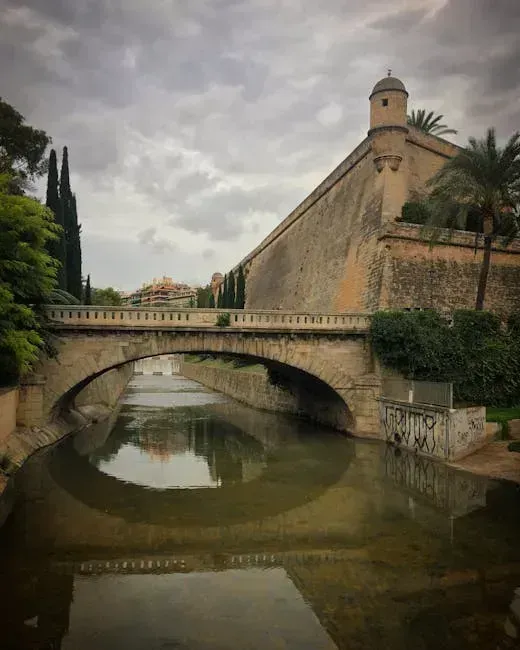
Mallorca is paradise. Ask anyone who has visited. But for the people who actually live there, it has become something closer to the opposite. On 26 May 2024, about 10,000 people protested in Palma de Mallorca, the capital of the island of Mallorca, with other protests occurring on the smaller Balearic islands of Menorca and Ibiza. Ten thousand people in a single city. That’s a genuine mass movement.
By 2024, about 1,000 residents of Mallorca were living in their vehicles, a direct consequence of a housing market that has been hollowed out by short-term rentals and inflated property prices tied to tourism. Locals say they can no longer afford to live on the islands due to inflated property prices and low wages in the tourism sector. When a postal worker or a school teacher can’t afford to rent an apartment in their own hometown, something has gone deeply wrong.
In 2022, Palma capped cruise ship arrivals at three a day. It banned short-term rental apartments and Airbnbs in city-center residential buildings and set a cap of 12,000 hotel beds: for a new hotel to open, another must close. Palma has also built up a 50-million-euro fund to buy and remove outdated hotels from circulation, typically cheaper properties that attract high-volume, budget-conscious tourism. It’s a bold, frankly unusual policy – and it raises uncomfortable questions about who gets to decide what kind of visitors a place deserves.
8. Genoa, Italy – The Cardboard Cruise Ship Protest That Said It All
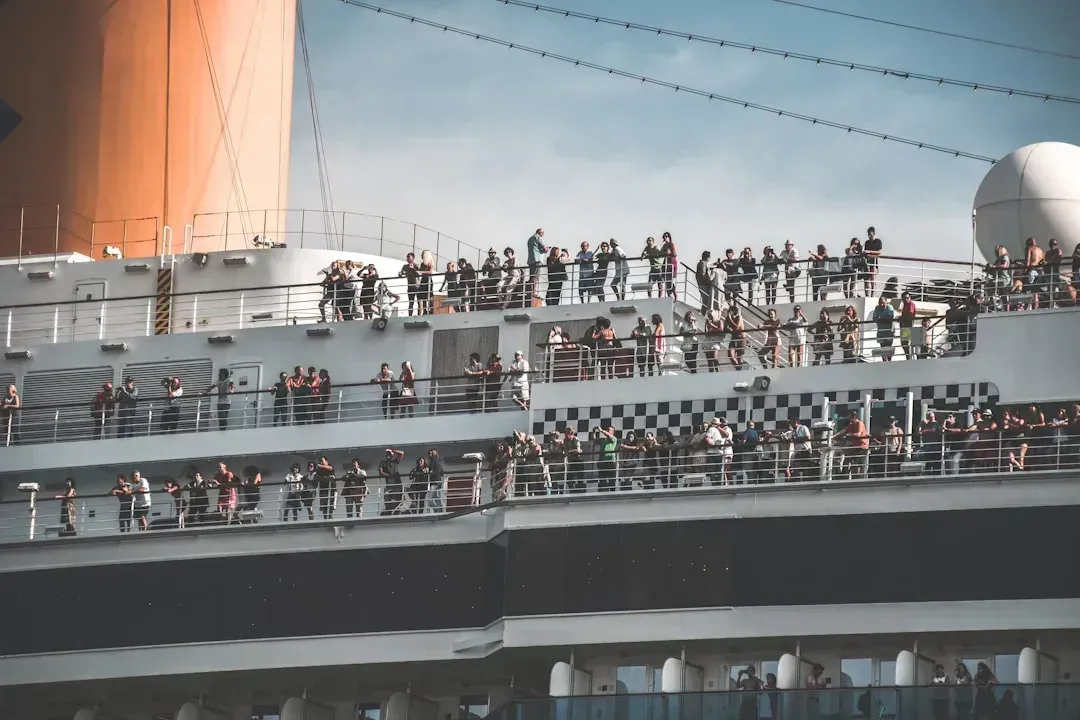
Genoa doesn’t appear on most overtourism lists. That’s exactly what makes it so interesting. It’s a real, lived-in Italian port city – not a postcard destination – and that’s precisely why residents felt the intrusion of mass cruise tourism so viscerally. Genoa’s protests have focused on cruise tourism and the mismatch between huge visitor flows and a tight, lived-in old town. During coordinated actions in June 2025, residents staged a “noisy stroll” and dragged a cardboard cruise ship through narrow alleyways to show how mass tourism can overwhelm daily life.
Residents of Genoa paraded a cardboard ocean liner through the Italian city’s narrow alleyways to protest against its seasonal flooding by cruise goers. It’s one of the most vivid protest images of 2025 – theatrical, witty, and deeply telling. These weren’t radical activists. These were ordinary people who felt like their streets had been turned into a backdrop for someone else’s holiday slideshow.
The complaint is not that visitors exist, but that the economy can start to prioritise short-term extraction over housing, services, and public space for locals, particularly in peak season. Genoa’s pushback is a reminder that overtourism isn’t just a problem for the famous destinations. Those fighting overtourism cite both small-scale pollution from trash and overconsumption, as well as the nuisance overcrowding causes to everyday life, and how tourism changes the character of localities when local stores and restaurants are replaced by ones that cater exclusively to visitors. It can happen anywhere that cruise ships decide to dock.