12 Grocery Store Tricks Most Shoppers Miss, Former Employees Say
The Treasure Hunt Isn’t by Accident
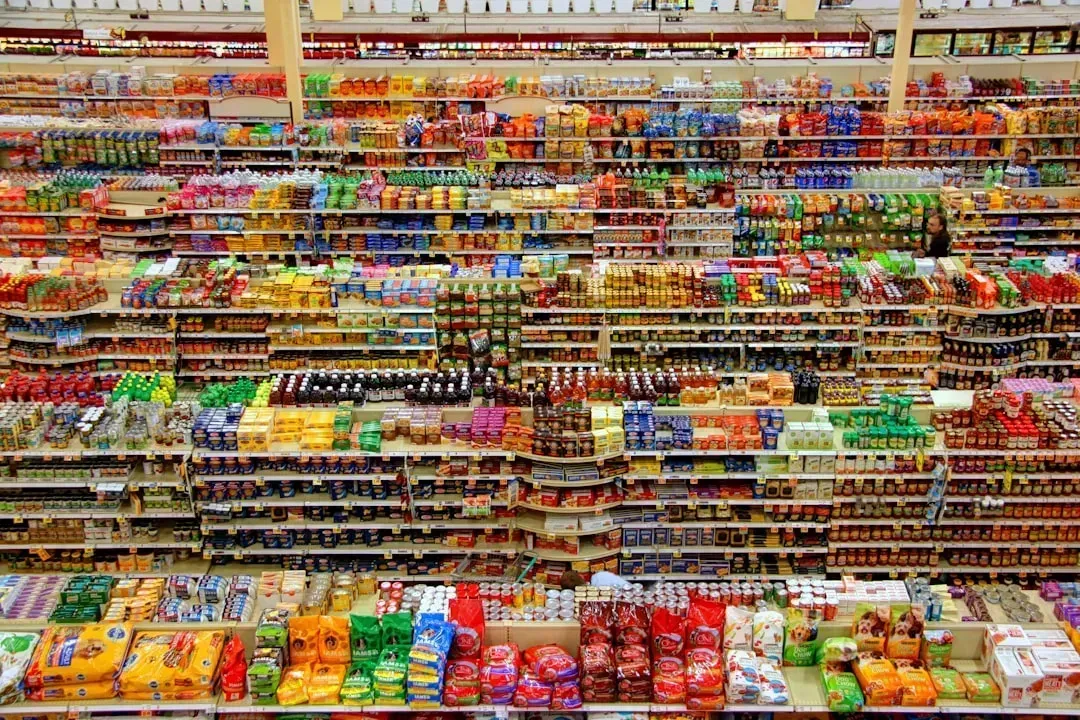
Stores constantly shuffle products around to keep shoppers scanning shelves longer, which the company calls a treasure hunt but really means more time browsing equals more impulse purchases. This strategy keeps you searching for that peanut butter you bought last week, which is now three aisles over. Your eyes naturally wander to other products during this hunt, and before you know it, items you never planned to buy end up in your cart. Retailers pay close attention to how items sell in different locations, and if something performs well in a particular spot, they keep it there. It’s frustrating when you just want to grab milk and go, but that’s exactly what they’re counting on.
Freshly Baked Goods Aren’t What You Think
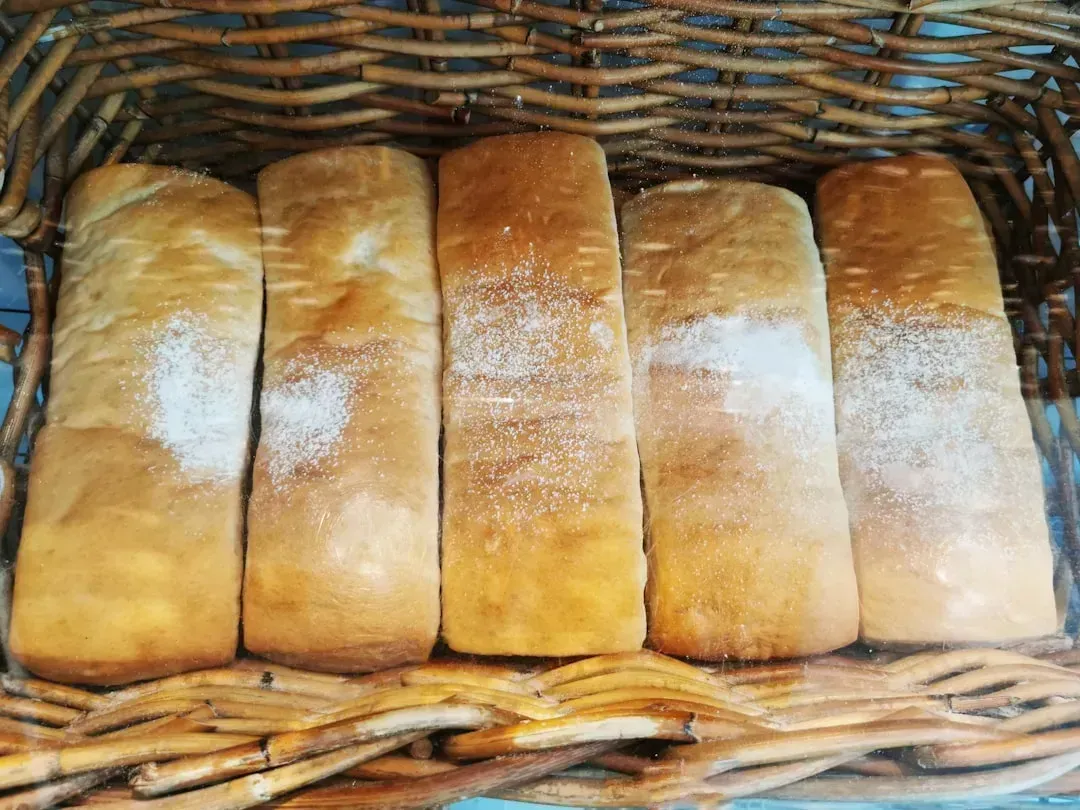
That enticing smell from the bakery is often by design, with many breads, cookies, and pastries arriving frozen or par-baked, then simply finished in ovens on-site rather than made from scratch. The aroma triggers your appetite and can lead to buying more food overall. Think about it: when was the last time you walked past warm cookies and didn’t suddenly feel hungry? Grocery stores know this psychological trick works beautifully, which is why bakeries are often positioned near the entrance or strategically placed where the scent can waft through multiple aisles. The perception of freshness sells, even when the reality is more industrial than artisanal.
Those Right Turns Are Calculated
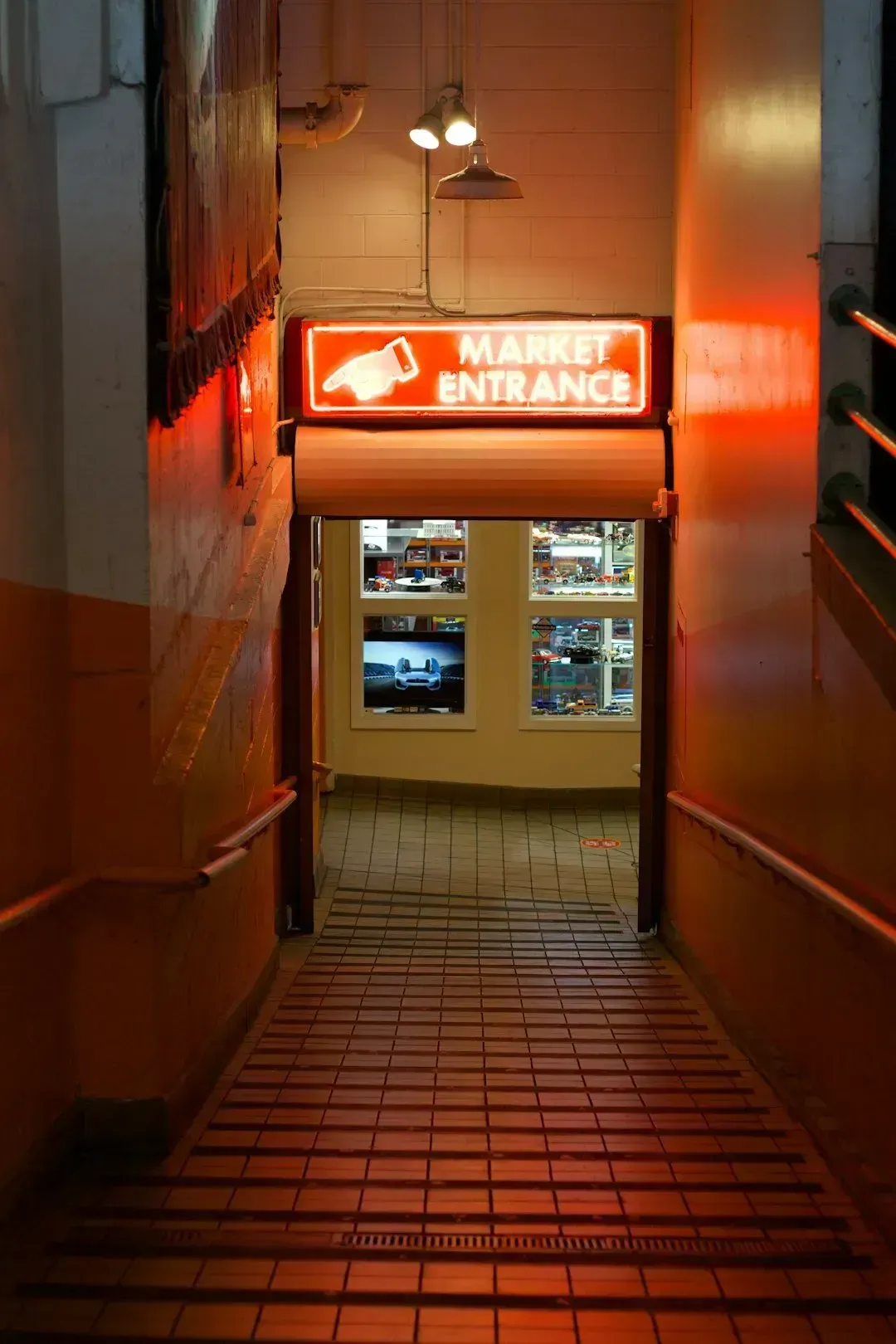
Studies show roughly nine out of ten Americans automatically turn right when entering a store, so retailers reward that natural inclination by displaying must-have merchandise immediately to the right. Research confirms most shoppers instinctively turn right upon entering, and supermarkets capitalize on this by placing high-demand items or promotional products in that initial right-hand path to encourage impulse buys from the moment you walk in. This isn’t coincidence or convenience for foot traffic. It’s pure strategy based on behavioral research. Once you understand this pattern, you’ll notice how premium products and eye-catching displays dominate that prime real estate just inside the door.
Eye Level Is Buy Level
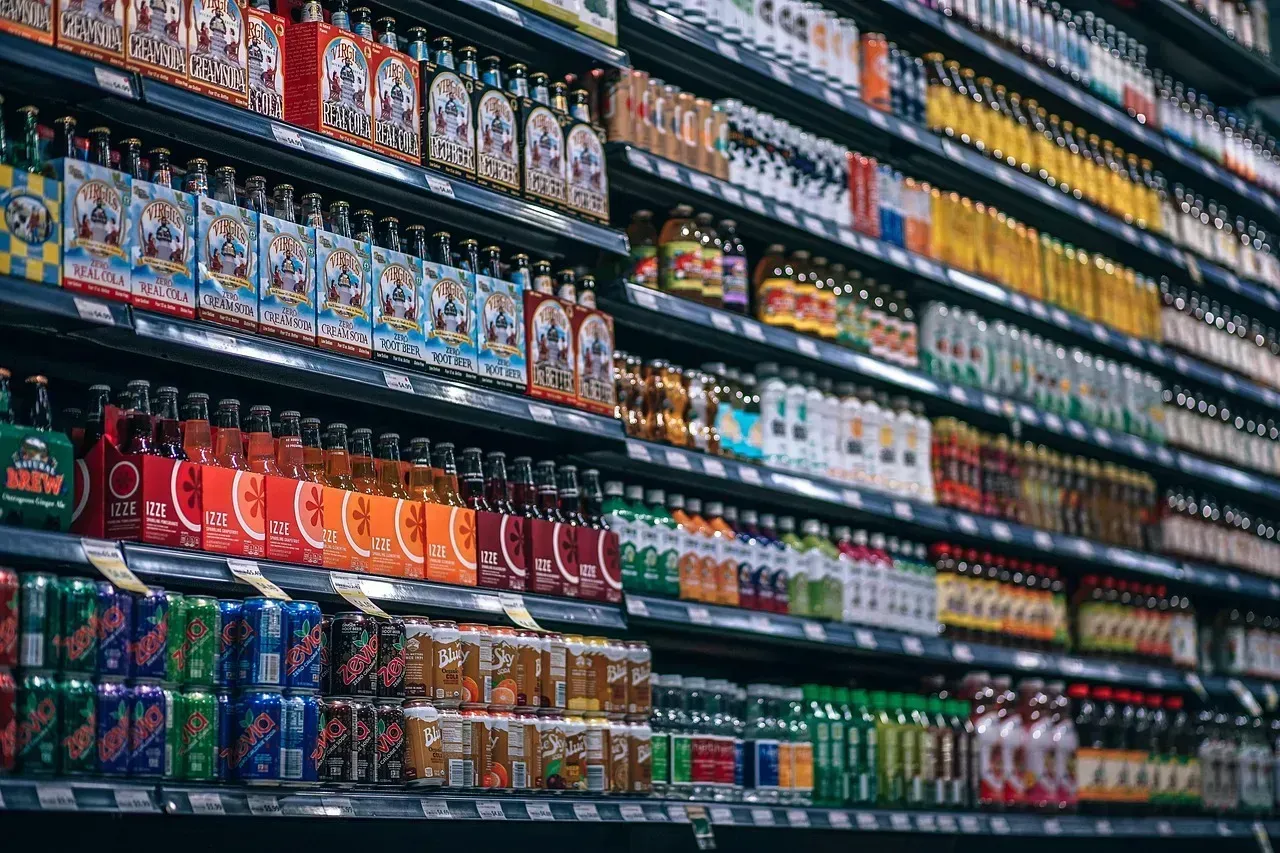
Products placed at eye level are far more likely to be noticed and purchased, so the central part of the shelf is usually reserved for popular or high-margin products. This grab-level space has become the most sought after and expensive retail space for consumer goods giants, because shoppers are hardwired to buy more stuff at grab level despite more economical alternatives above or below on the shelves. Look up or crouch down next time you shop. You’ll often find cheaper store brands or better deals hiding outside your natural sight line. The most expensive national brands occupy that sweet spot because they pay dearly for it.
Sell By Dates Cause Unnecessary Waste

A sell-by date tells the store how long to display the product for sale for inventory management, but it is not a safety date. Between thirty and forty percent of the food supply in the United States is wasted, and a portion of that stems from consumer misunderstanding of food labels according to the USDA. Pasteurized milk lasts three to seven days beyond its sell by date if kept at or below forty degrees Fahrenheit, and eggs can be safely eaten three to five weeks after purchase even if the sell by date has passed. Most of us toss perfectly good food because we think those dates mean dangerous. They don’t. They’re quality indicators, not safety warnings.
Your Shopping Data Is the Real Product

Kroger alone earned five hundred twenty-seven million dollars selling personal shopper information to data brokers in 2024 and could make eight hundred twenty-five million from shopper profiles next year, accounting for roughly one third of the company’s total revenue according to a Consumer Reports investigation. The data collection from grocery store apps extends far beyond your purchase history, with some apps tracking shoppers’ precise locations within stores, noting languages spoken and employment information, and potentially collecting biometric data such as facial recognition. That loyalty card giving you discounts? You’re paying for those savings with valuable personal information that gets sold to data brokers. With roughly four out of five customers saying loyalty programme membership influences their likelihood of making a purchase, grocery retailers use loyalty data to drive engagement while increasing customer acquisition and retention.
Loss Leaders Hook You at the Door
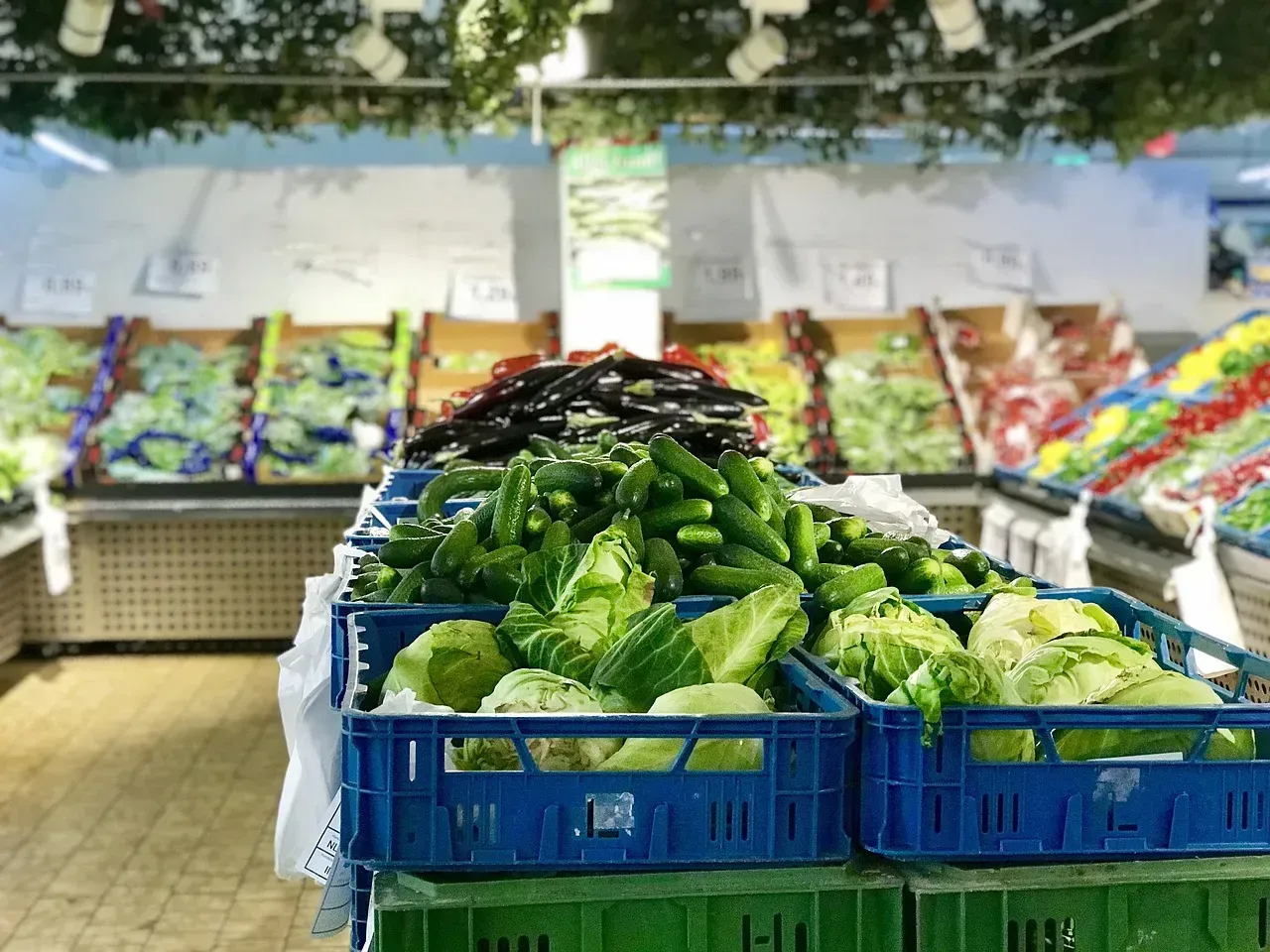
Some of the most effective grocers use loss leaders, everyday staples like milk, bananas, or eggs sold at a low price point to bring customers through the door, with the strategy being not to profit off those items but to encourage shoppers to pick up higher-margin products while in the store. Loss-leader pricing occurs when retailers sell high-demand items at atypically low prices, even taking a loss on that particular item, with temporary discounts on coffee or household essentials designed to attract bargain hunters who are likely to buy other items out of convenience. You think you’re getting an amazing deal on eggs, but the store already calculated you’ll spend substantially more on other items during your visit. It’s brilliant, really.
Decision Fatigue Kicks In After Twenty Minutes
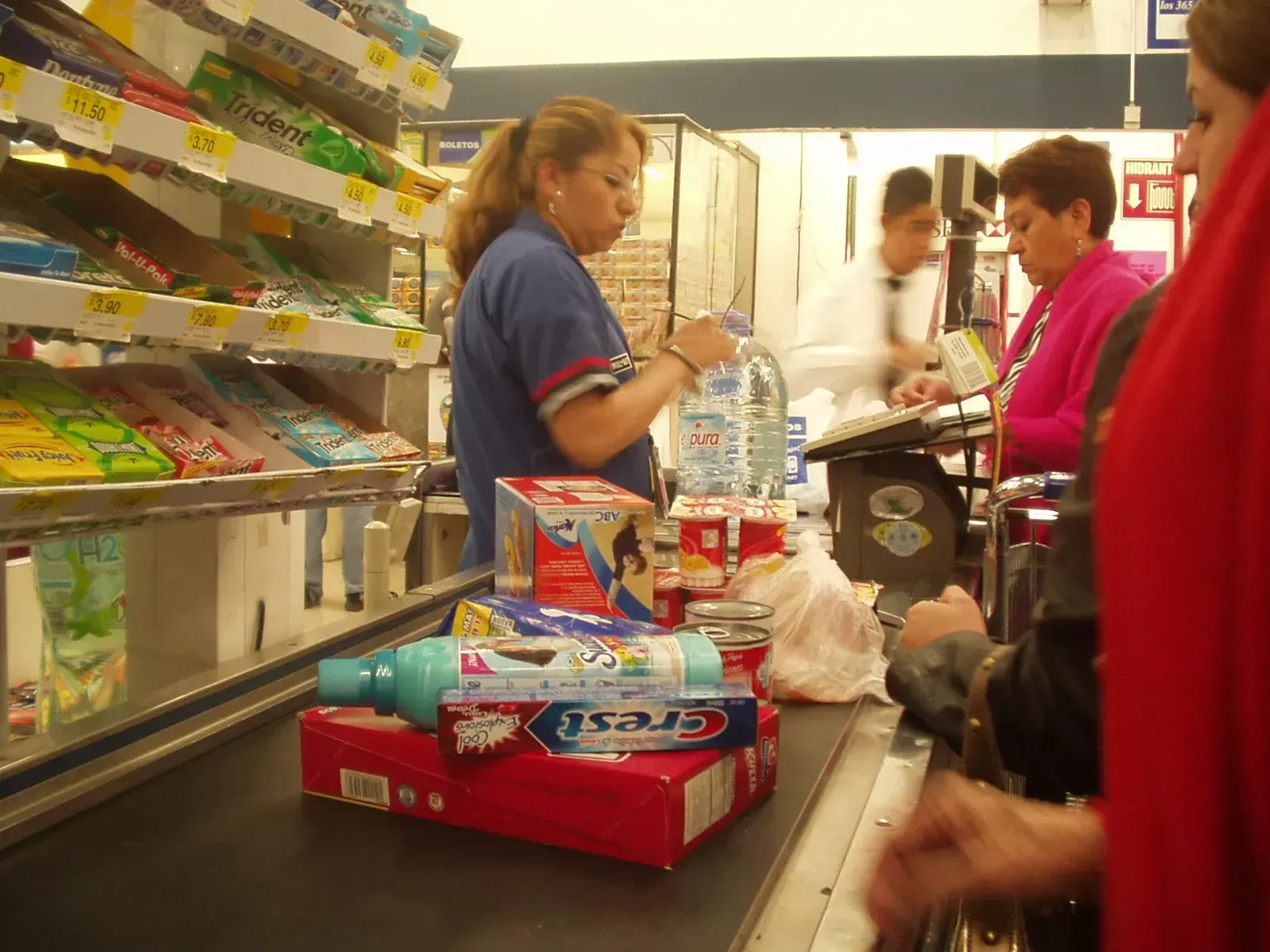
Scientific research demonstrates that decision making becomes more impulsive and emotional after a certain period in a supermarket, with Dr. Paul Mullins and his team at Bangor University finding that after around twenty-three minutes customers began making choices with the emotional part of their brain, and worse still, after forty minutes the brain gets tired and effectively shuts down, ceasing to form rational thoughts. This explains why you grab candy bars and magazines at checkout after a long shopping trip. Your brain is literally exhausted from making hundreds of small decisions. Stores design layouts to keep you wandering for that perfect amount of time when rational thinking takes a backseat.
Dairy and Essentials Are Always in the Back
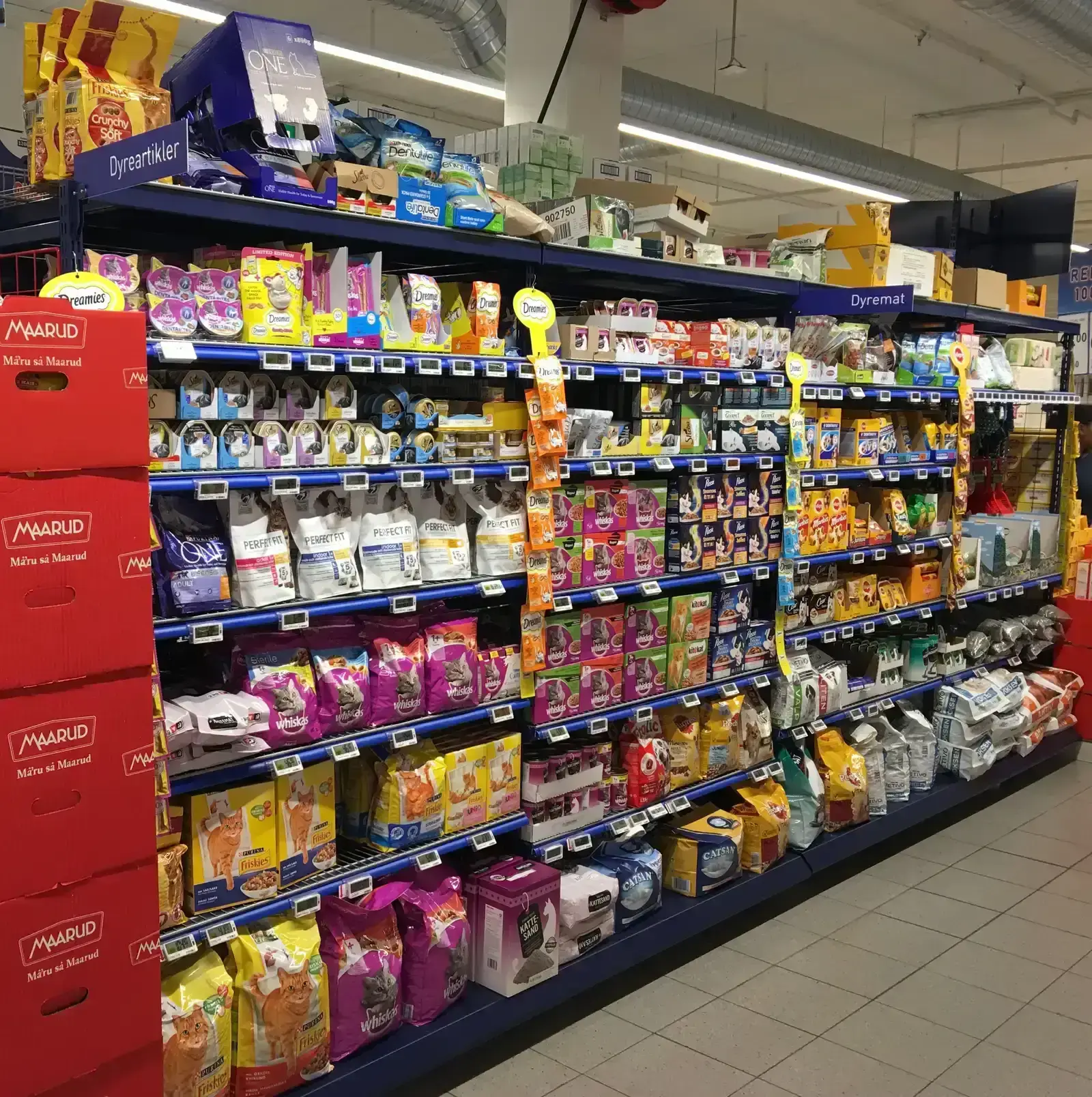
Common anchors include dairy products, meat, produce, and frozen foods, and these items are often placed against the back and side walls requiring shoppers to travel across the store. This forces you to walk past hundreds of other products you didn’t come for. Grocery stores use a strategically designed layout that forces shoppers to spend as much time in the store as possible, resulting in exposure to thousands of colorful and enticing products, with large grocery store brands even consulting with psychologists to better understand how to influence consumer perceptions. Every step you take through those aisles is an opportunity for another unplanned purchase.
Oversized Carts Make You Buy More
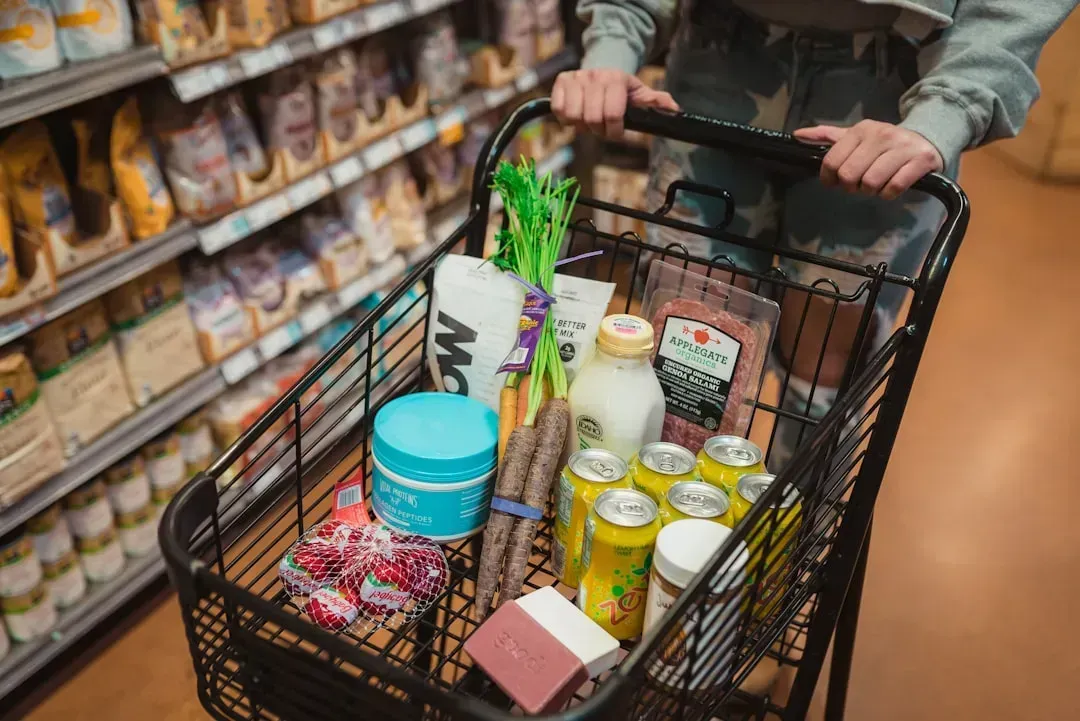
Selling bananas at nineteen cents per pound might not generate much revenue, but placing them next to premium yogurt or granola can help increase the total basket size. Those huge shopping carts aren’t just convenient. They make your purchases look smaller, psychologically encouraging you to fill up more space. A half-full cart feels incomplete, so you keep shopping. Retailers understand this principle perfectly. A typical customer sees only forty percent of the products displayed, and they won’t see more unless given a reason to slow down and look around, with one method being to break up long aisles into shorter sections creating more points to slow down and stop.
End Cap Displays Are Premium Real Estate
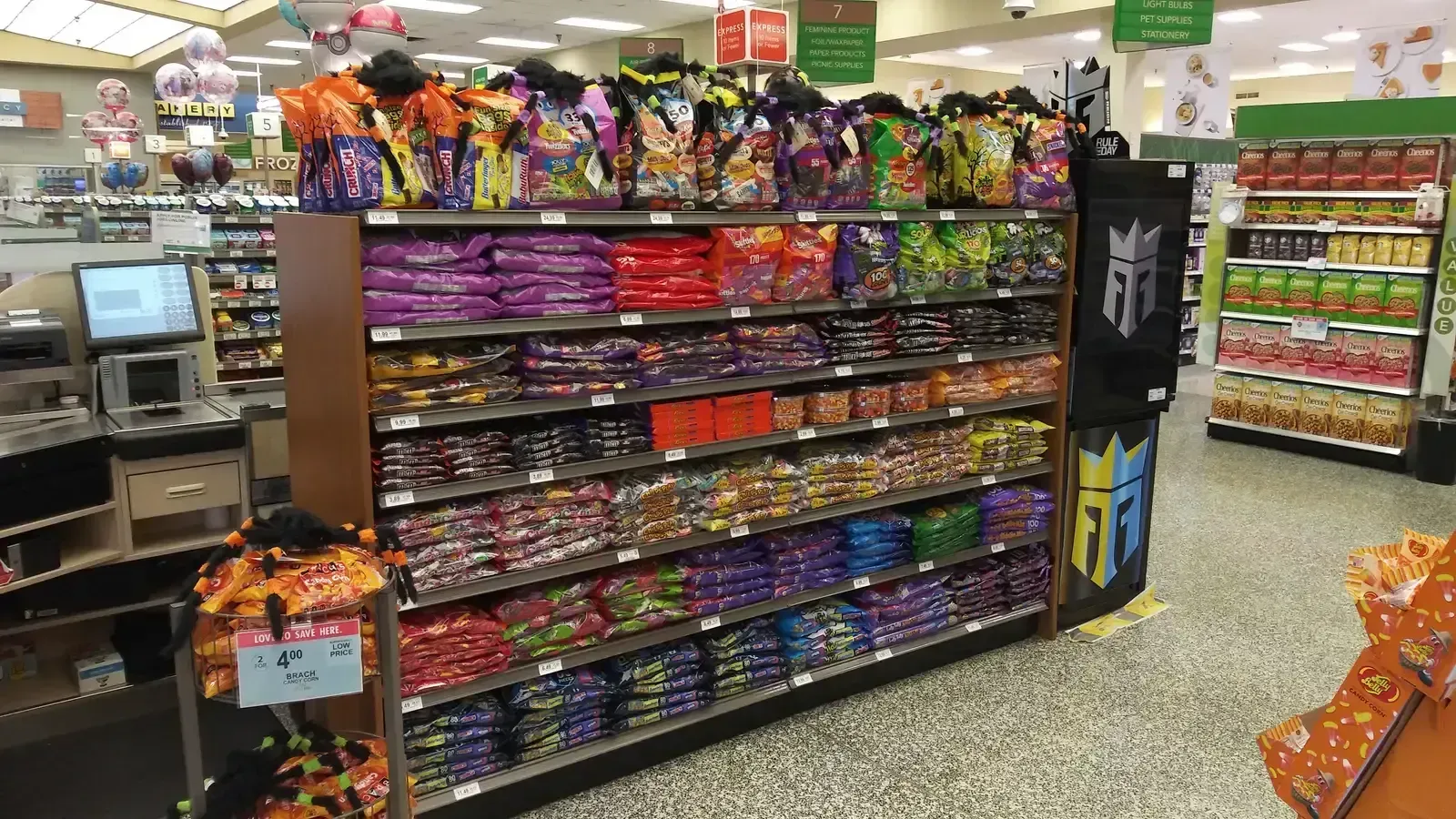
Chocolates and crisps positioned at gondola ends occupy extremely lucrative space in supermarkets, because gondola ends are where brands go to get noticed. Those end-of-aisle displays look like random promotions or clearance sales, but companies pay thousands of dollars for that placement. Items there aren’t necessarily on sale or even good deals. They’re just positioned where tired shoppers with decision fatigue are most likely to grab them without thinking. Impulse zones place grab-and-go items like gum, beverages, and chocolate near the register where dwell time is highest, while power aisles use wide central aisles to guide traffic and create space for seasonal or promotional displays that invite curiosity.
Produce Up Front Creates the Health Halo
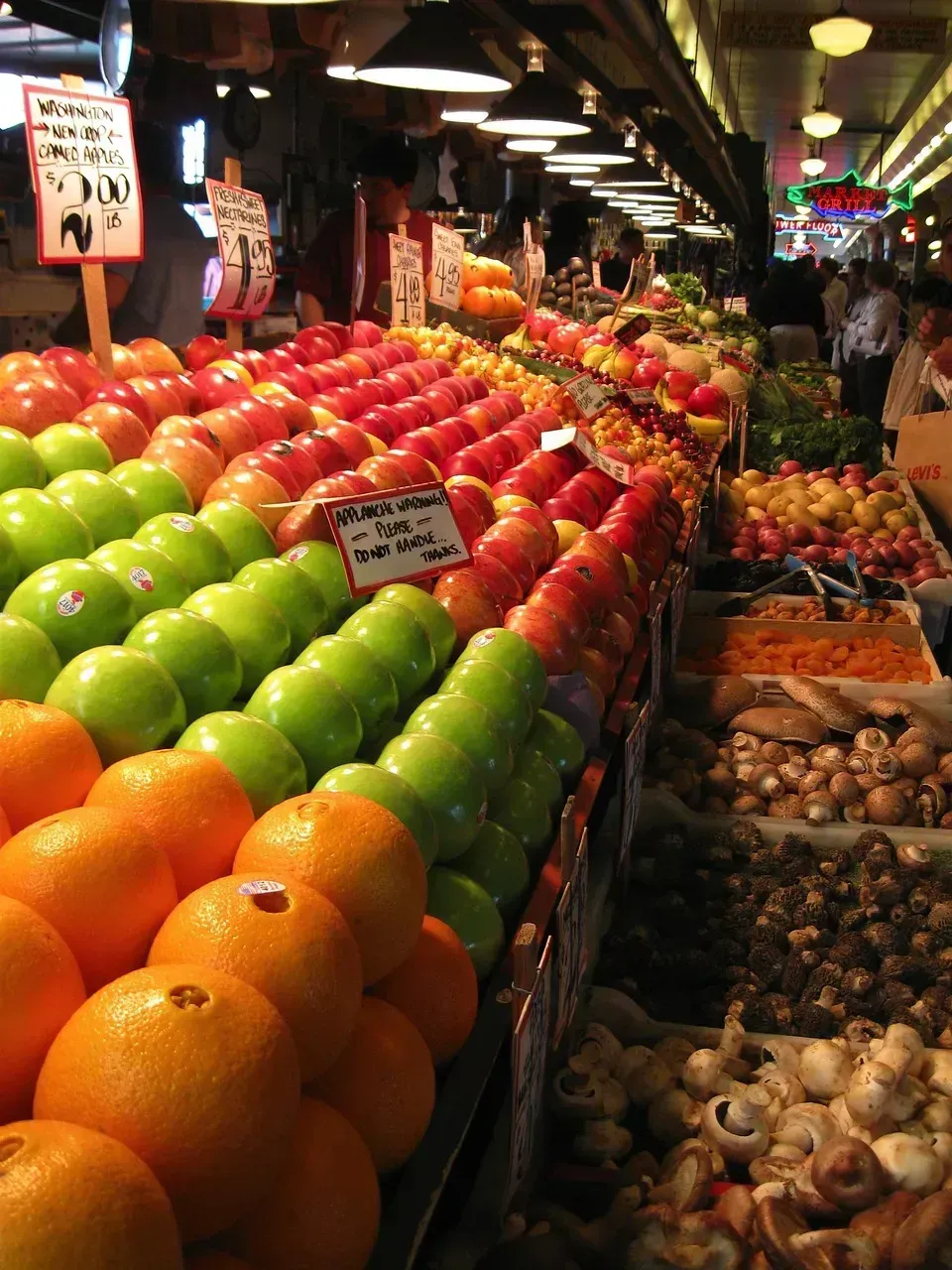
As you step into a supermarket, the first section encountered is often the produce department, where brightly colored fruits and vegetables not only create a welcoming atmosphere but also trigger a health halo effect, making shoppers more inclined to make additional purchases believing they will be just as healthy. The bright colours and fresh seasonal scents are designed to lift mood for the shopping experience ahead, because the science tells us that when you feel good you spend more, with supermarkets working with growers to optimize the colour of bananas and spraying fruits and vegetables to give consumers the impression they’ve been freshly picked from the farm. Once you’ve loaded up on healthy produce, you feel virtuous enough to justify those cookies or chips later in your trip. It’s psychological permission to indulge.