As a Chef, Here Are 6 Steakhouse Dishes I Order – and 4 I Always Avoid
Let’s be real. Walking into a steakhouse feels like stepping into a world where everything promises to be incredible. The smell of butter hitting hot metal, the dim lighting, those massive leather menus. It all sets expectations sky high. Here’s the thing though: not every item on that menu deserves your hard earned cash or your stomach space.
After years behind the line and countless visits to steakhouses across the country, I’ve learned which dishes consistently deliver and which ones fall flat. The truth is, even the best steakhouses have their strengths and weaknesses. Some items showcase culinary mastery while others feel like afterthoughts that exist just to fill out the menu.
So let’s dive in. What should you confidently order and what should you politely skip? Trust me, by the end of this you’ll navigate any steakhouse menu like a seasoned pro.
Bone In Ribeye: The Marbling Marvel Worth Every Penny
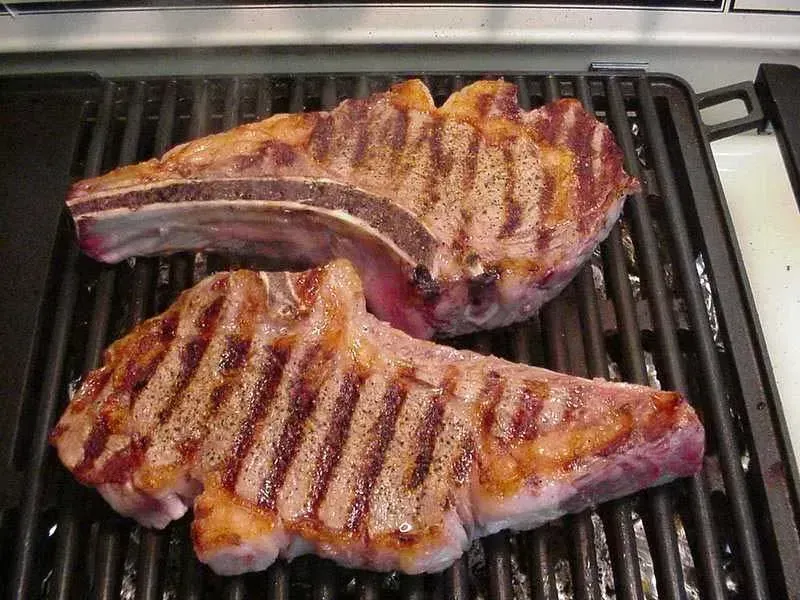
The bone in ribeye stands out as one of the most succulent and flavorful cuts on any menu, thanks to heavy marbling that makes each bite incredibly juicy. When cooked properly to medium rare, this cut has fantastic marbling which melts into the steak as it cooks, adding richness and juiciness with a rich, buttery flavor and tender texture.
The bone in preparation actually preserves more juice and flavor than the standard boneless ribeye. I know it sounds crazy, but that bone makes a genuine difference in how the meat cooks. The ribeye at steakhouses typically features straightforward but effective seasoning, with steaks usually having a great balance of charred crust and a tender, juicy inside. The way steakhouse chefs apply that char seasoning to bone in cuts creates something that feels less like a chain restaurant and more like a backyard BBQ where someone actually knows what they’re doing with a grill.
Fresh Oysters: The Perfect Palate Cleanser to Start
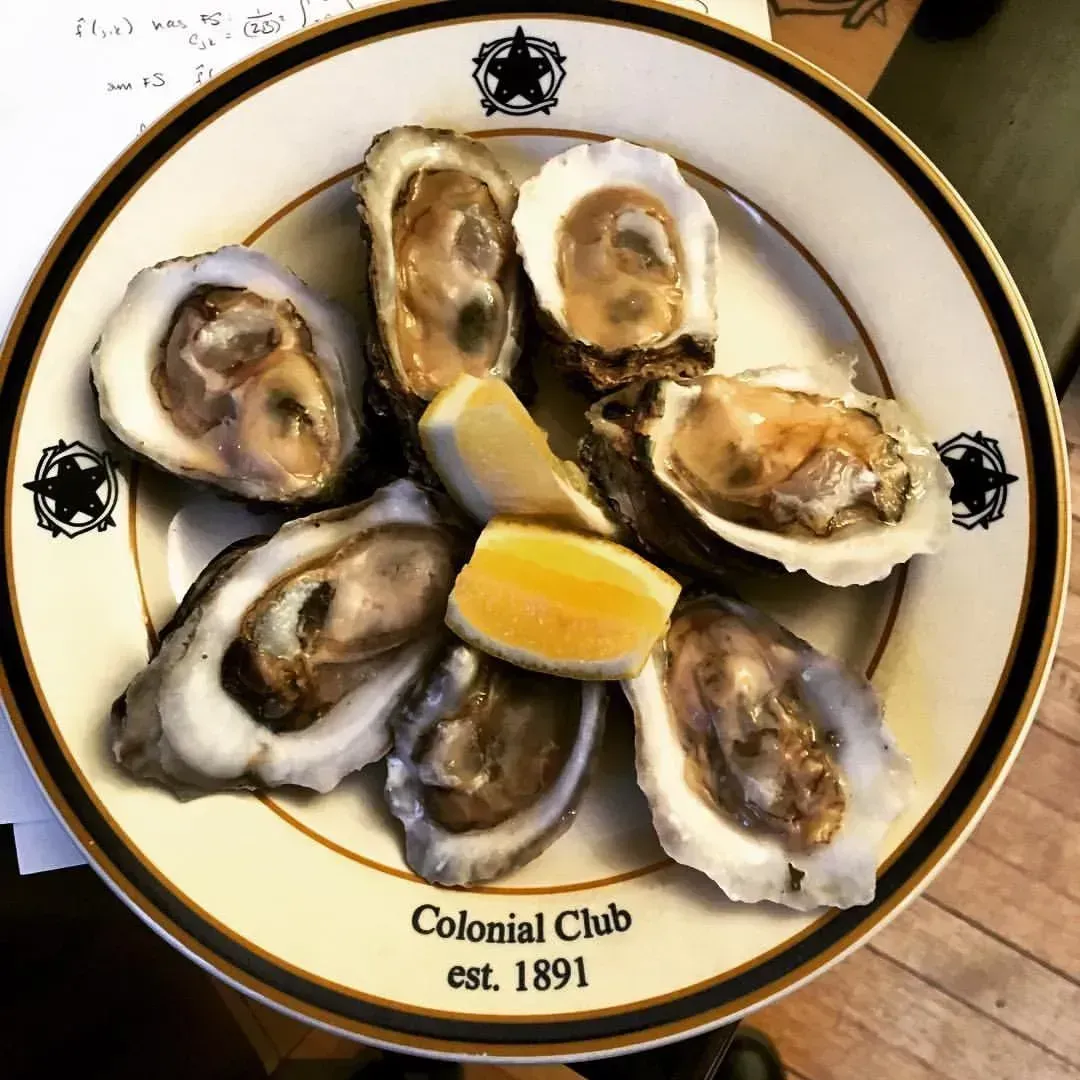
Fresh oysters make an ideal way to start steakhouse meals, with their briny, shimmering presentation, especially at coastal steakhouses that take pride in their daily mollusk offerings. There’s something almost magical about how those salty bursts completely cleanse your palate before the richness of steak arrives.
Oysters are packed with nutrients like zinc and healthy fats, with a 100 gram serving providing roughly seven times your daily recommended value of zinc, plus significant amounts of selenium, copper, and B12. Think about it: you’re getting incredible nutrition and setting yourself up for the perfect steak experience. The contrast between cold, fresh oysters and a hot, rich steak creates this beautiful culinary progression that makes the entire meal feel more complete.
Crab Cakes: Surprisingly Stellar at Quality Steakhouses
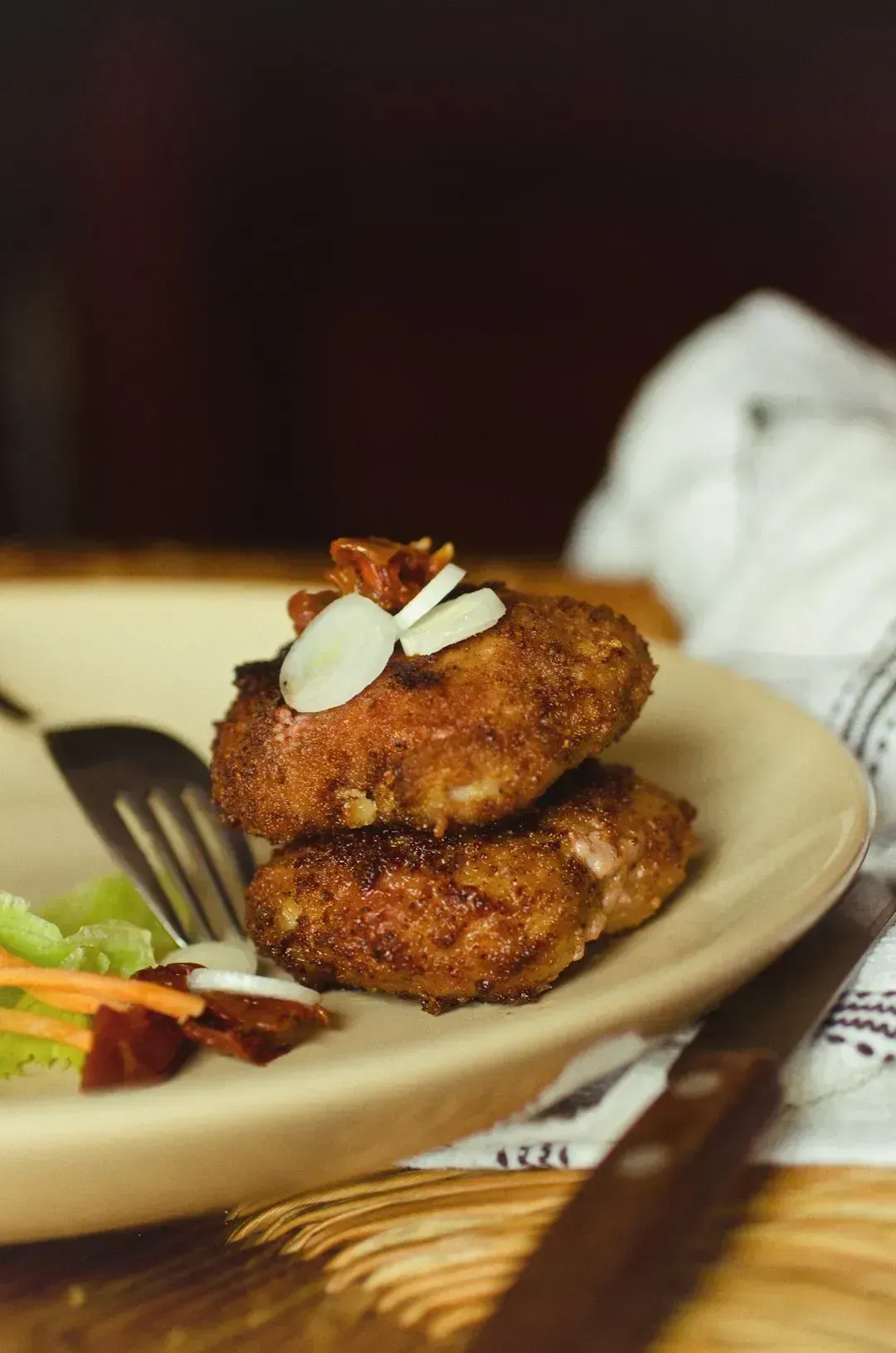
Steakhouses tend to impress with their crab cakes, and many quality establishments have proven their ability to execute this dish properly. What makes them work? The secret lies in the crab to filler ratio, with premium steakhouses maintaining the same high standards for their seafood as they do for their beef, using minimal filler and gentle handling to avoid masking the sweet crab flavor.
I love crab cakes that are golden and crisp on the edges while staying fluffy and tender inside. Crab cakes are a steakhouse classic, and top tier establishments offer some of the best versions. Honestly, when a steakhouse nails their crab cakes, it tells you they’re serious about quality across the board. Pair them with a tangy tartar sauce and you’ve got yourself a winning starter that won’t weigh you down before the main event.
Medium Rare Filet Mignon: Buttery Perfection Done Right
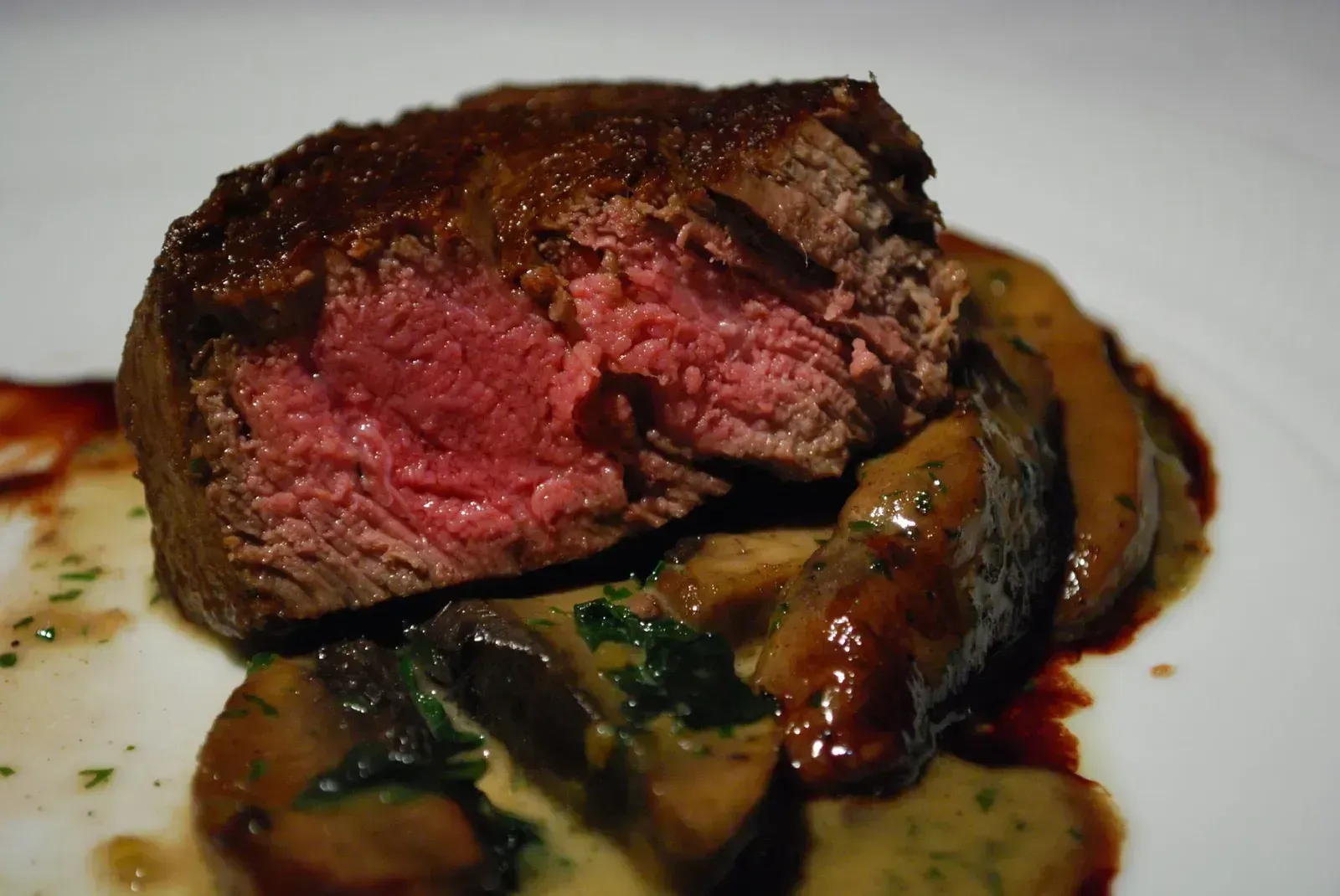
When ordering steak at a restaurant, going all in on a buttery, medium rare filet makes sense since good steakhouses know how to achieve that perfect pink center that’s practically impossible to replicate consistently in a home kitchen. The beauty of a well executed filet mignon lies in its tender texture and subtle beef flavor, with this cut not needing fancy sauces or complicated preparations, just a skilled chef who understands temperature control.
The filet mignon is designed to impress, cut from the tenderloin and known for exceptional tenderness and mild beef flavor. Let’s be honest here: filet isn’t about bold, beefy intensity. It’s about that melt in your mouth texture that makes you close your eyes with each bite. Some critics call it boring, but the right steakhouse transforms this lean cut into something truly magical through proper seasoning and temperature mastery.
Steakhouse Fries: The Ultimate Side That Soaks Up Flavor
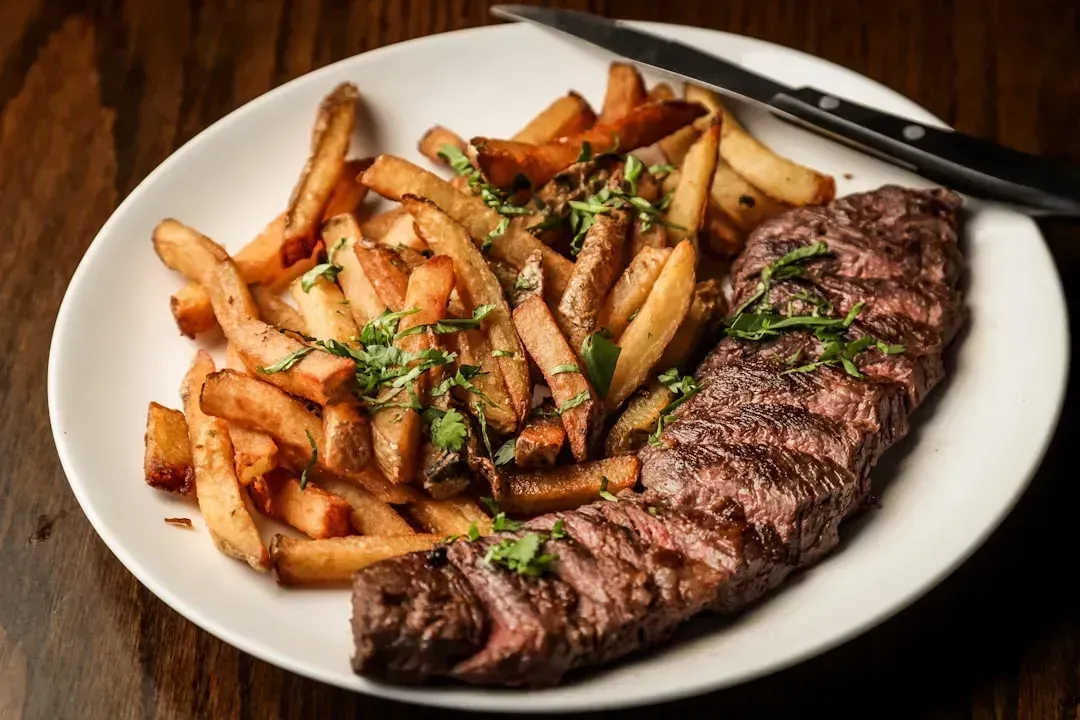
Steakhouse fries, whether seasoned with truffle, Parmesan, or simple salt and pepper, pair nicely with steak and can be dipped in the meat’s juices, creating something deeply satisfying. The combination works because the beautiful piece of meat creates incredible juices on your plate, and golden fries wait to soak them up, creating perfect harmony where the potato becomes a vehicle for capturing every drop of those flavorful beef juices.
This pairing creates this beautiful symbiosis that elevates both components. Think about it: you’ve got crispy, salty potatoes meeting rich, savory meat drippings. It’s simple, it’s classic, and when done right with hand cut fries that have actual potato flavor, it becomes one of those combinations you’ll crave long after the meal ends.
Chocolate Lava Cake: The Dense Finale That’s Worth It
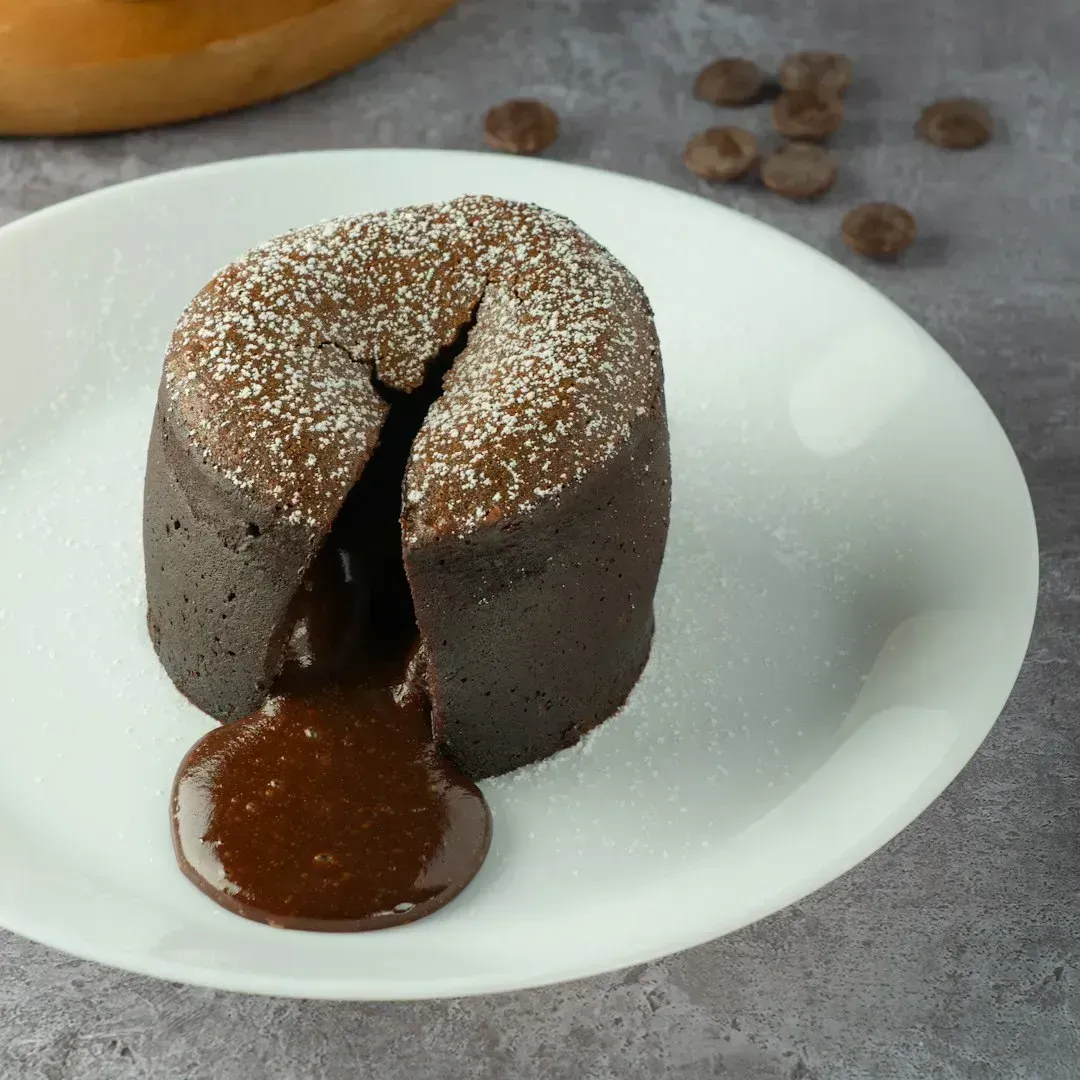
Though I’m generally not a cake person, I’ll make an exception for a warm, lava centered chocolate number topped with fast melting vanilla ice cream. The Chocolate Thunder or similar pecan studded brownie topped with vanilla ice cream and whipped cream is worth the extra calories and feeling overly stuffed, with the fudgy brownie being both appealing to taste and texture, ensuring a happy palate.
After all those starters, steaks, sides, and wines, plenty of steakhouse chefs agree dessert is worth making stomach space for, with many believing desserts are always mandatory whenever one goes out to dinner to complete the meal, especially when cake is involved since it’s usually their signature and always worth it. Somehow this intense, dense cake has become a steakhouse staple, and honestly, I’m here for it.
Caesar Salad: An Overpriced Afterthought
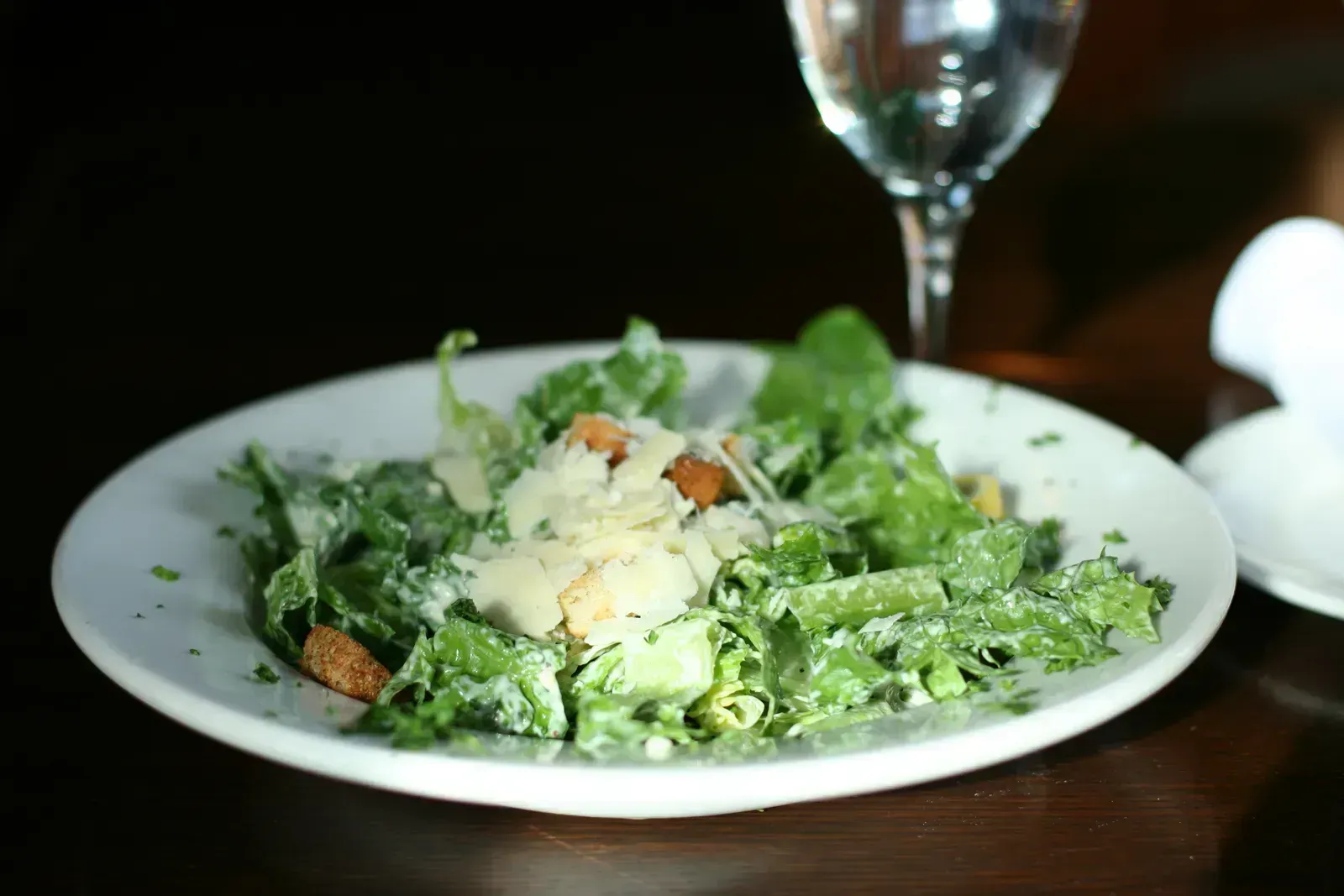
While there’s a time and place for a basic Caesar salad, these light, leafy green dishes might not be worth it at your favorite steakhouse since salads can throw a mini wrench into the workings of a kitchen that is set up for cooking meat. Regarding the iconic steakhouse Caesar salad, it’s traditionally made to order, which means it can’t be prepped ahead of time, potentially slowing down the kitchen during a busy service.
When it comes to the average steakhouse menu, you’re likely paying a premium for something that isn’t the restaurant’s specialty. Look, I get the appeal. You want something light to balance the richness of steak. However, you’re essentially paying premium prices for lettuce and dressing at a place that’s built their reputation on cooking meat. Save the salad for restaurants that actually specialize in fresh vegetables.
Chicken Dishes: Missing the Point Entirely
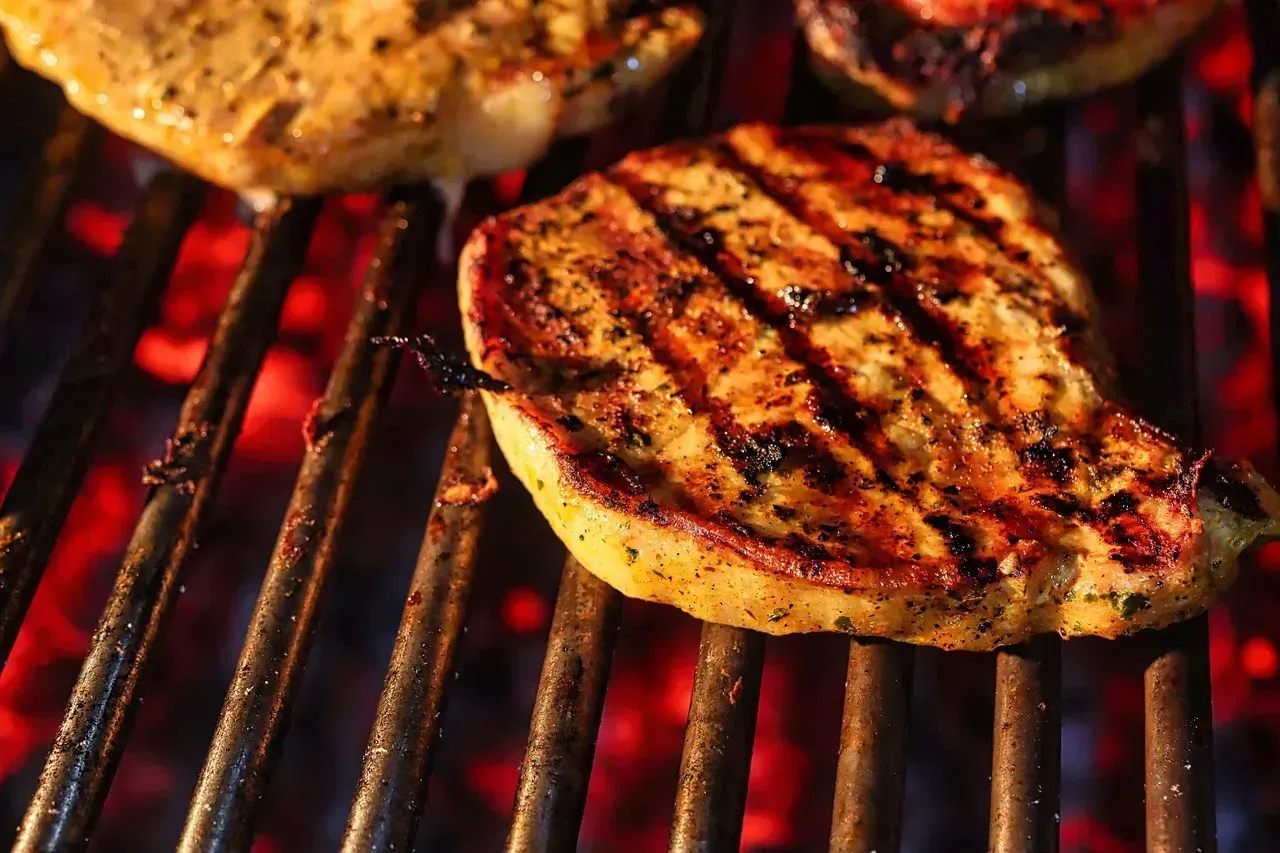
You risk a dried out piece of poultry when dining at a restaurant that specializes in perfectly cooked red meat, and paying premium prices for their specialty means you’re missing out on what the restaurant does best by ordering something that doesn’t showcase their expertise, so save the chicken for restaurants that specialize in it.
Chicken tends to be overcooked at most restaurants, and fried chicken can come out dry, stringy, and overly brown with oil set to slightly too high a temperature. Some steakhouse chicken dishes can clock in at over 1,100 calories with significant amounts of saturated fat and sodium quantities way more than the maximum you should be eating in a full day, concentrated in a single dish. You’re at a steakhouse. Order the steak.
Heavy Butter Sauces: Drowning Out Quality Meat
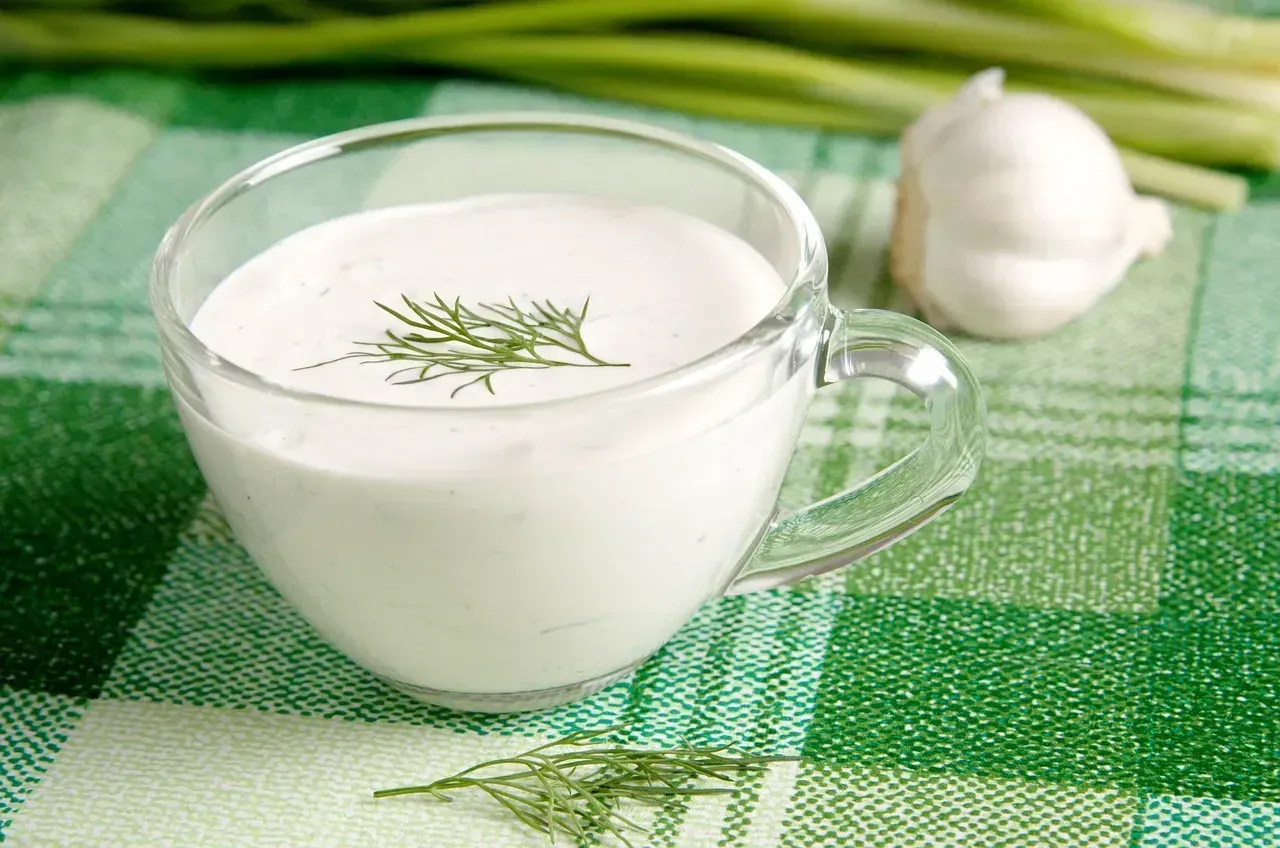
Too much rich, buttery dressing can completely suffocate the natural flavors of a great cut of meat, with anything featuring lots of butter being particularly indulgent, and as chefs get older, their bodies react differently to all that heavy, rich stuff, which is why some steakhouses keep things lighter and cleaner while still offering bold flavors.
There is a bottomless list of sauces that enhance steak, but too much rich, buttery dressing can completely suffocate the natural flavors of a great cut of meat. Here’s the thing: if you’re paying top dollar for a quality steak, you want to actually taste the beef. Smothering it in peppercorn sauce or béarnaise might sound fancy, but it often masks what you came for. Get it on the side if you must, but honestly, a perfectly cooked steak needs nothing more than salt, pepper, and maybe a touch of compound butter.
Lobster Mac and Cheese: Frozen Disappointment in a Bowl
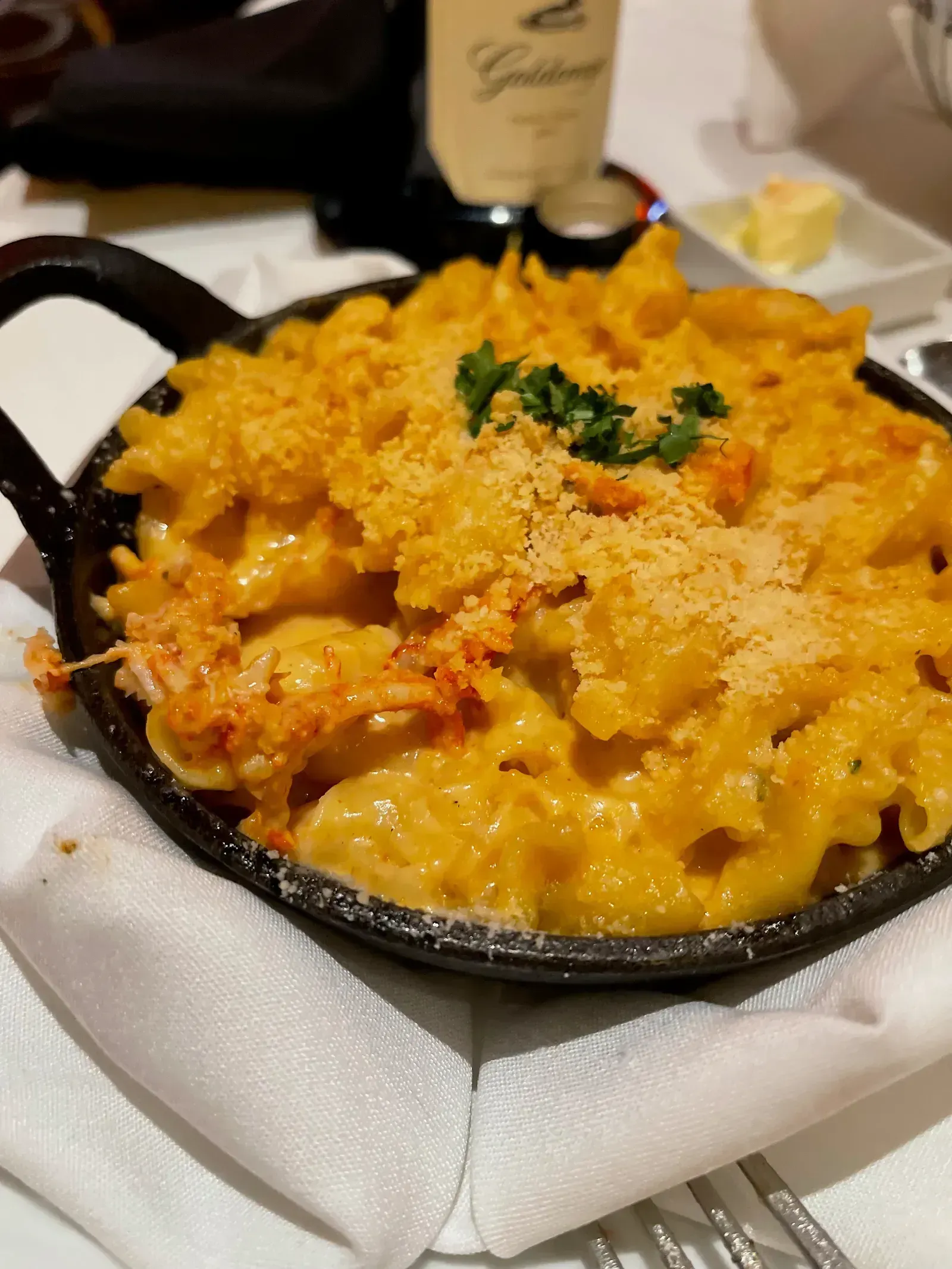
Unless you’re in a restaurant that offers some type of lobster dish or is passionate about their seafood program, the lobster meat was brought prefabricated in a sealed bag, and because lobster is so expensive, chefs and owners are less likely to throw this item out and will hold on to it longer, potentially past its time of peak deliciousness, with the dish likely coming fresh out of the freezer.
The economics don’t make sense for most steakhouses to maintain fresh lobster inventory just for a side dish, so what you’re getting is likely frozen, pre cooked lobster meat that’s been sitting around far longer than you’d want to know about. It sounds luxurious on the menu. It looks impressive when it arrives at your table. However, you’re probably eating rubbery, flavorless lobster that was frozen months ago mixed into pasta that came from a prep batch.
What do you think about these steakhouse secrets? Have you experienced any of these hits or misses yourself? Drop your thoughts in the comments and let me know what you always order when you’re treating yourself to a steakhouse dinner.