4 Things Bartenders Notice About You Before You Even Order
Walk into any bar on a Friday night and you’ll find bartenders doing something remarkable. They’re scanning the crowd, reading people like open books, making split second judgments about who’s ready to order and who’s just killing time. Research from Bielefeld University found something fascinating when they studied this phenomenon. More than ninety per cent of the customers positioned themselves directly at the bar counter and turned straight towards the counter or a member of staff. That positioning isn’t random. It’s a signal, one that experienced bartenders pick up on instantly.
Think about it. Before you’ve said a word, before you’ve even caught their eye, bartenders are already forming impressions. A great bartender is not only skilled in mixing drinks but also in reading the room, understanding the vibe, and adjusting their service style accordingly. These aren’t superficial judgments either. They’re survival skills honed over thousands of interactions in noisy, chaotic environments where getting it wrong means lost tips and frustrated customers.
Your Body Language Speaks Volumes
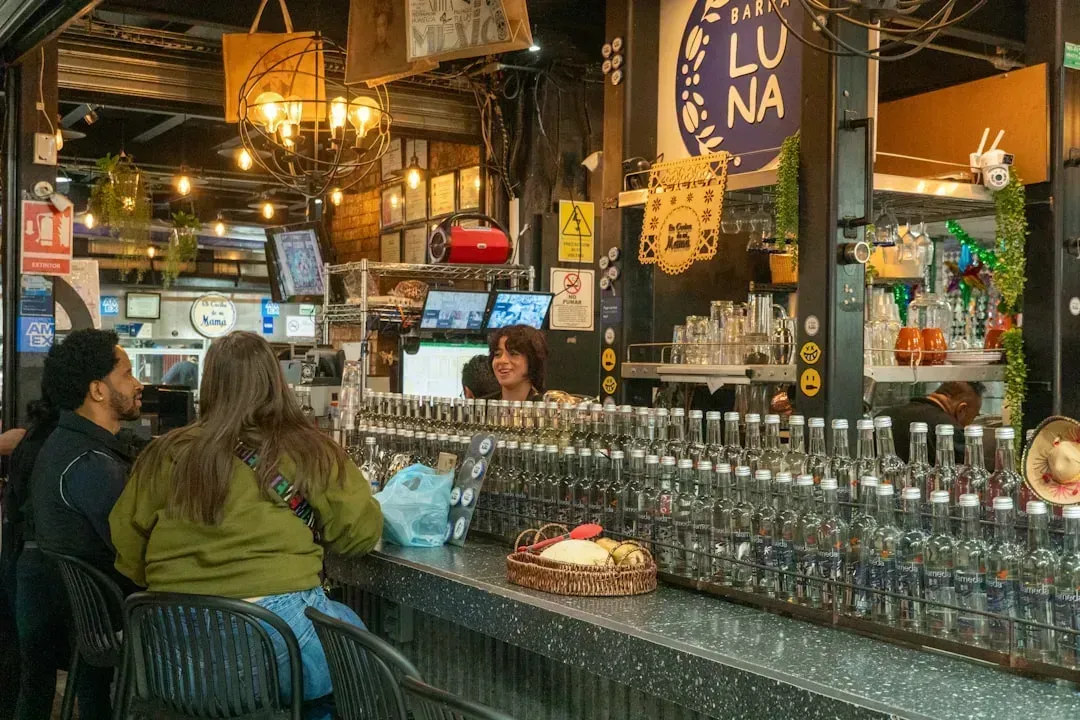
Here’s the thing about body language at a bar: you can’t fake it. Researchers studying bartender behavior discovered that fewer than one in twenty-five customers gestured at the bartender. Waving your arms like you’re flagging down a taxi? That’s actually one of the least effective ways to get service. What really works is something far more subtle and honestly, more instinctive.
The research team found that visitors who do not wish to place an order would instinctively avoid these behaviours. Subconsciously, they maintain a small distance to the bar and turn away from it, e.g. when chatting to friends. It’s like your body broadcasts your intentions before your brain even processes them. Standing directly at the bar, orienting your torso toward the bartender, making yourself available for eye contact… these are the real signals that matter.
The psychology behind this is genuinely fascinating. Eye contact is a visual handshake. It opens a channel such that both parties can speak. Bartenders learn to distinguish between people who are genuinely ready to order and those just occupying space. Your stance, your orientation, even the angle of your head all contribute to this unspoken communication. Studies from hospitality research show that bartenders operating in dim lighting and loud music environments become experts at reading these nonverbal cues because they simply can’t rely on hearing customers clearly.
How You Handle Your Phone and Personal Space
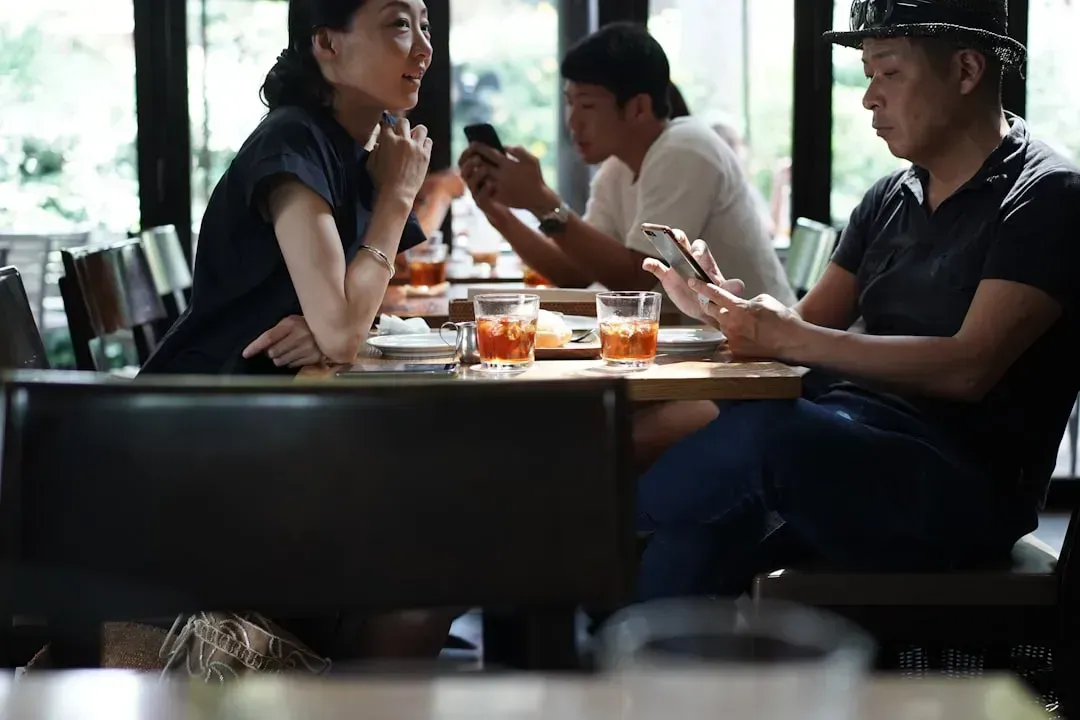
Let’s be real about phones at bars. If you’re with someone don’t play with your phone. It’s rude. Bartenders notice this immediately, and it tells them something about your priorities and your awareness of social dynamics. Someone scrolling through their phone while standing at the bar creates a weird energy. Are they waiting for someone? Are they uncomfortable? Or are they just checked out of the present moment?
In a tight space, compact body language feels considerate. Bartenders also clock whether you block pathways. If you and your friends form a wall at the bar’s edge, servers and other guests have to squeeze through. A half-step to the side can change the whole flow. Spatial awareness matters more than most people realize. The bar isn’t your living room. It’s a shared space with its own unwritten rules about proximity and courtesy.
There’s also something bartenders pick up on about restlessness. They also notice if you look settled or restless. Constant shifting and scanning can signal you’re waiting for someone or you might leave soon. Calm, grounded body language signals you plan to stay, which can affect how they pace your service. This isn’t about judging you harshly. It’s about efficiency and reading the room. A bartender who misreads these cues ends up with upset customers on both ends… the person who wanted quick service and the person who felt rushed.
Tipping Signals Come Through Early
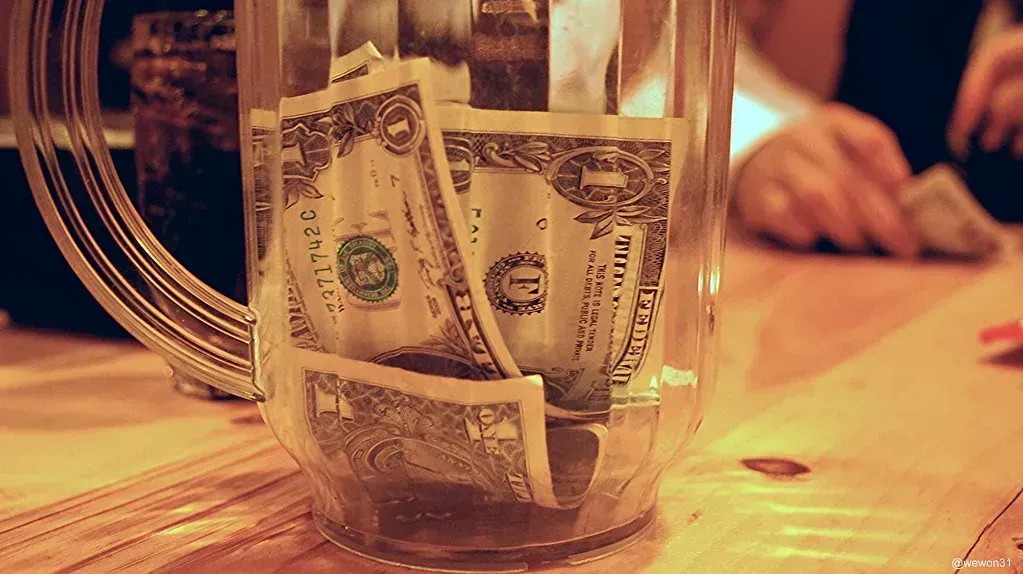
Now we’re getting into territory that makes some people uncomfortable. Tipping. Research from 2023 shows that around seven-in-ten U.S. adults (72%) say tipping is expected in more places today than it was five years ago, a phenomenon dubbed “tipflation.” Yet here’s what most customers don’t realize: bartenders start picking up on tipping cues long before you pull out your wallet.
Tipping cues come through early. Saying “I’ll take care of you” sets a tone. So does a warm “Thanks, I appreciate it.” Bartenders also notice whether you tip consistently on each round or wait until the end. Both work and consistency tends to create trust. According to studies on consumer behavior, two main motivations for tipping: expressing gratitude and conforming to the social norm. Bartenders become experts at sensing which type of tipper you’ll be based on tiny behavioral markers.
CGA research from 2023 found something striking: well over half (57%) of global consumers are influenced by bartender recommendations when ordering in the On Premise. This creates an interesting dynamic. Bartenders know their recommendations carry weight, and they’re more likely to invest that energy into customers who signal appreciation through their demeanor and tipping behavior. It’s not entirely mercenary… it’s human nature and basic reciprocity.
Your Confidence Level and Ordering Style
There’s a type of customer every bartender can spot from across the room. The hesitant orderer. The person who approaches the bar without a plan, scans the bottles with wide eyes, then asks what’s good. Meanwhile, three people behind them know exactly what they want and are mentally calculating how long this is going to take. If you want to feel more confident, decide your plan before you order. Tab or cash. One round or multiple. That small decision reduces stress and your body language will look calmer too.
Bartenders also pick up on whether you’re ordering for yourself or managing a group order. People notice whether you’re ordering for yourself or for a group. Ordering four different cocktails with complex swaps can quietly communicate high maintenance energy. If you love custom drinks, the smoother route is picking one “house style” cocktail for the group and saving the personal requests for a slower moment. This isn’t about stifling your preferences. It’s about reading the situation and understanding that bartenders work on efficiency rhythms, especially during rush hours.
According to a 2024 study on bartender influence, almost half (49%) of On Premise consumers said they enjoy interacting with venue staff when ordering drinks, and quality of service from bartenders / bar staff also impacts their overall visit, as almost half (46%) said this is an important factor for a great experience. What this tells us is that the interaction matters to both sides. Confidence, clarity, and basic courtesy create a better experience for everyone involved. Even something as simple as saying your order clearly instead of mumbling makes a difference.
So what does this all mean for your next bar visit? Maybe nothing changes. Or maybe you’ll catch yourself positioning your body a certain way, pocketing your phone, or deciding what you want before you reach the front of the crowd. Bartenders aren’t judging you maliciously… they’re reading a room full of competing signals and trying to provide good service to everyone. Understanding what they notice might just make your next drink arrive a little faster. Did you realize how much was happening before you even opened your mouth?