9 Things Grandparents Say That Stick With You Forever
There is something almost magical about the way a grandparent’s voice can stay with you for decades. You are forty years old, standing in a grocery store or staring at a difficult decision, and suddenly you hear them. Their exact words. Their tone. Their certainty. It is not nostalgia exactly. It is something deeper than that.
Researchers have spent years trying to understand why grandparent influence hits differently than almost anything else in a child’s development. The answers are fascinating, sometimes surprising, and more backed by science than most people realize. Let’s dive in.
1. “Hard Times Don’t Last, But Hard People Do”
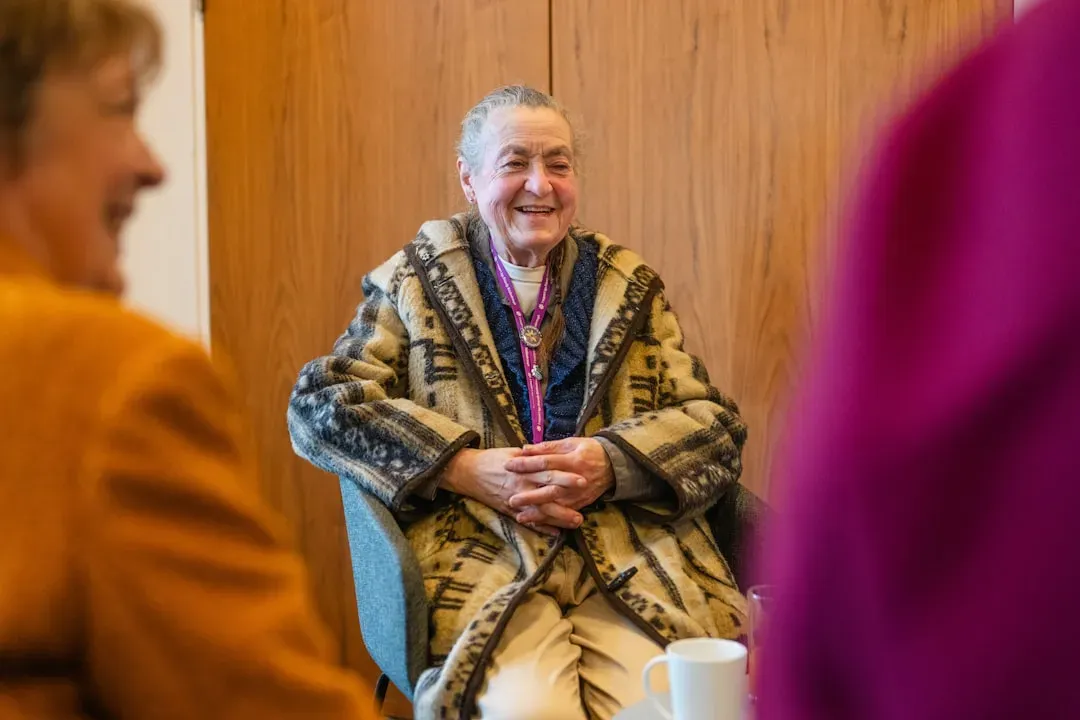
Grandparents have lived through things most of us can barely imagine. Wars, economic collapses, loss, rebuilding. When they tell you that hard times pass, it lands with real weight because they are not guessing. They know.
Through their lived experiences, grandparents impart valuable life lessons and moral values that guide younger generations. Whether it is the importance of hard work or resilience in the face of adversity, they offer timeless wisdom that genuinely transcends generations. That is not a platitude. That is earned knowledge.
Honestly, I think this is the message that hits hardest in adulthood. When you are in your twenties and everything feels impossible, you pull that phrase out from somewhere deep in your memory. It works.
2. “Always Tell the Truth, Even When It’s Hard”

Moral instruction from grandparents is not just old-fashioned lecturing. Research shows it actually sticks. Grandparent involvement during childhood is positively linked to emotional development, cognitive functioning, and social adjustment in early adulthood. The lessons learned from grandparent-grandchild relationships in childhood, especially those related to spirituality and moral development, persist into early adulthood.
Family narratives are a medium for the intergenerational transmission of life wisdom, which may influence a recipient’s belief system and behaviors. In other words, the stories grandparents tell about honesty, integrity, and consequences do not just entertain. They reshape how children think.
There is something about hearing a moral lesson from someone who has already lived a full life that gives it extra credibility. A grandparent saying “tell the truth” carries more gravity than just about anyone else saying the same words.
3. “You Are Loved No Matter What”
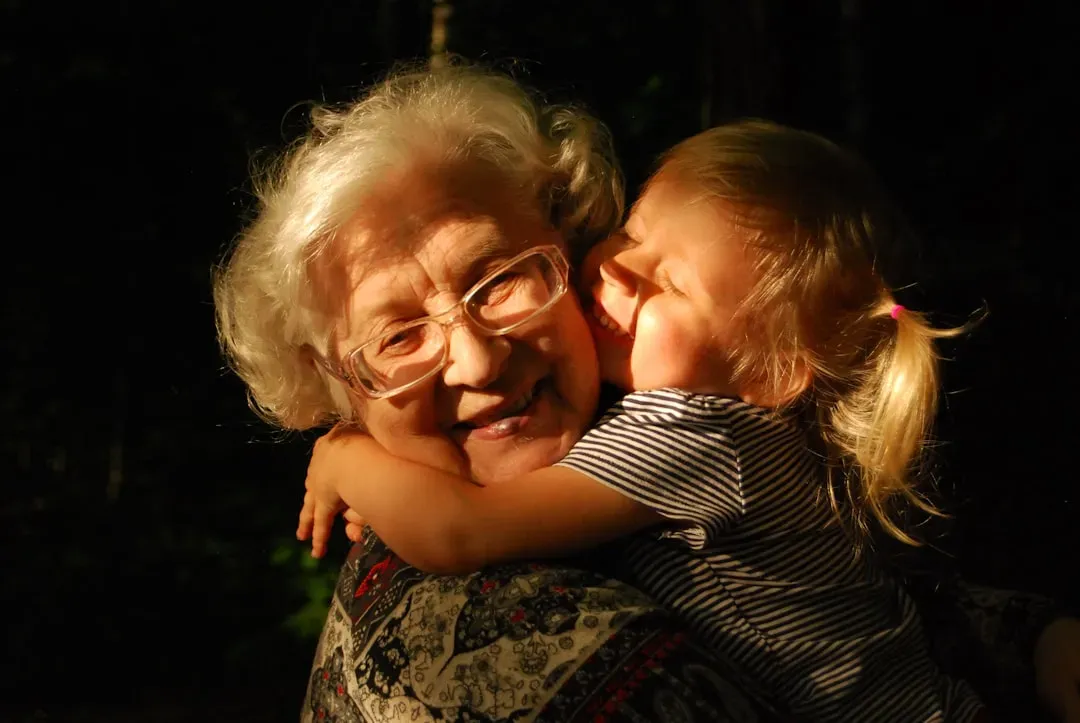
This one sounds simple. It is not. Unconditional acceptance from a grandparent can act as a genuine psychological buffer throughout a child’s life. Research highlights the importance of supportive grandparent relationships for grandchildren, pointing to the possibility that support during the developmental period when children are learning to regulate emotion and navigate social situations is especially protective of emotional wellbeing in emerging adulthood.
Grandparents play an essential role in their grandchildren’s emotional well-being. They can provide a sense of stability and security, especially during times of stress or upheaval. Grandparents can be a source of comfort and support and can offer a different perspective and wisdom gained from their own life experiences.
Let’s be real. Kids sometimes feel like parental love comes with conditions, even when it absolutely does not. A grandparent’s love often feels different. Softer. Less pressured. That feeling of unconditional warmth is something children carry quietly into adulthood without even realizing it.
4. “Family Comes First, Always”
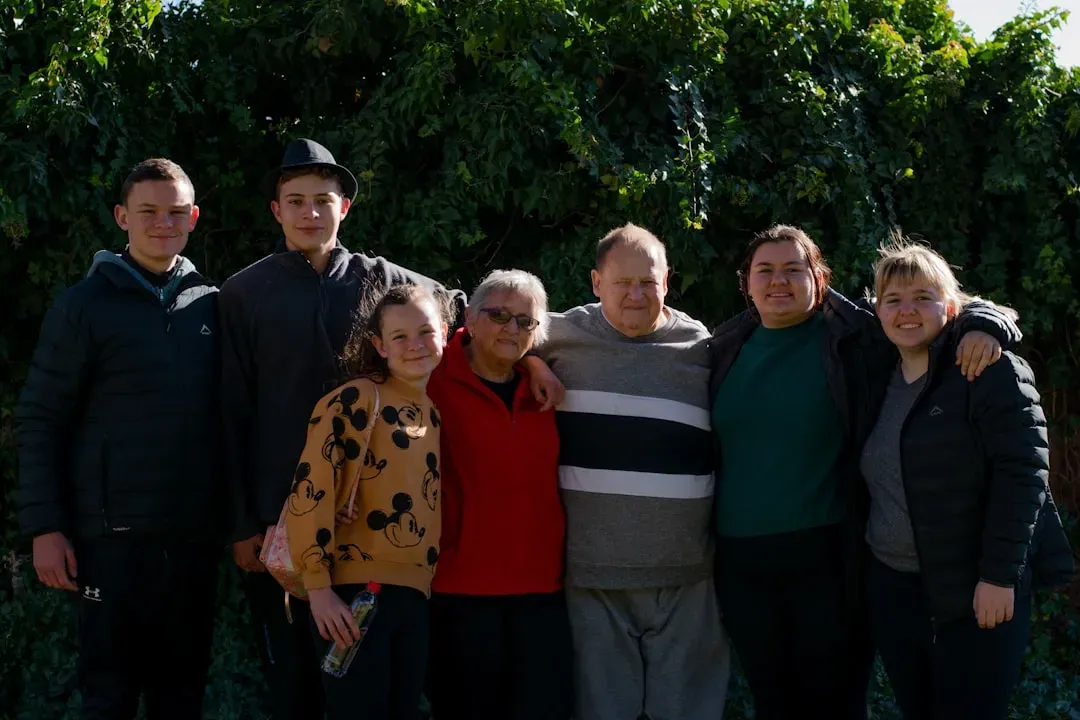
Grandparents are often the original architects of family identity. When they say “family comes first,” they are not just making a statement. They are transmitting a value system that has real, measurable effects on children’s development.
Grandparents’ involvement not only promotes young children’s resilience and compensates for parental absence in vulnerable families but also strengthens family strength. Moreover, grandparents transmit familial cultural values, fostering grandchildren’s cultural identity and family unity.
When grandparents share family stories, traditions, and cultural practices, they help children develop a stronger sense of identity and belonging. They serve as living links to family heritage and history. That is a role no one else in a child’s life can fully replicate.
5. “Money Can’t Buy Respect or Character”
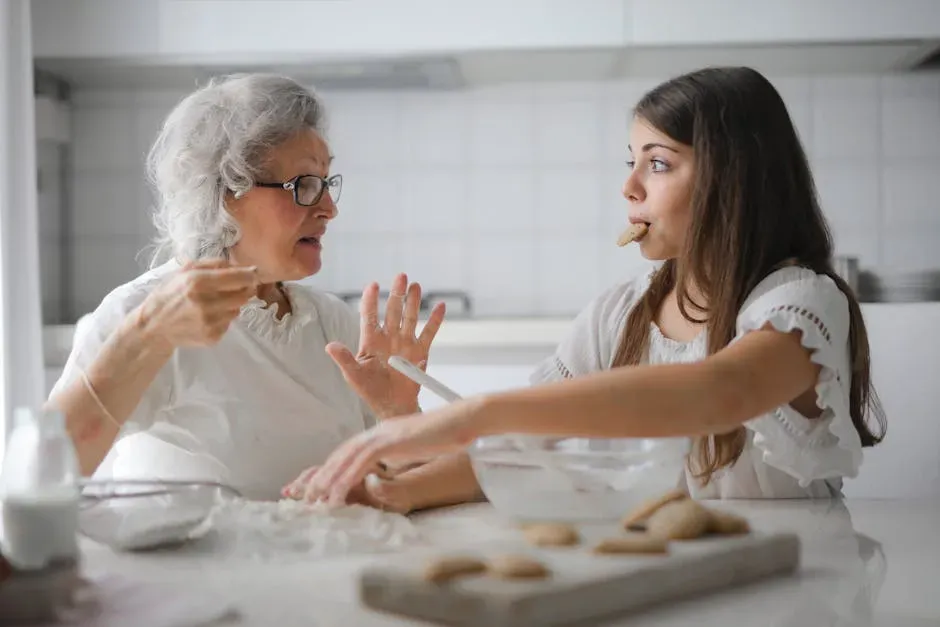
Grandparents who lived through leaner times often have a completely different relationship with money and success than younger generations do. Their perspective on what truly matters hits differently when you are a kid hearing it for the first time.
By sharing their wisdom on relationships, values, financial management, and major life decisions, they equip the next generation to overcome challenges and achieve success. Here is the thing though: it is not just practical advice. It is a worldview.
Adolescents’ developmental tasks include forming an identity and developing a sense of purpose and meaning. They are motivated to search for knowledge about the self and life in general. Youth’s identity formation and older adults’ generativity needs are complementary motivational concerns. In other words, grandparents who share these values are genuinely meeting a developmental need in young people.
6. “Be Kind to People Who Can’t Do Anything for You”
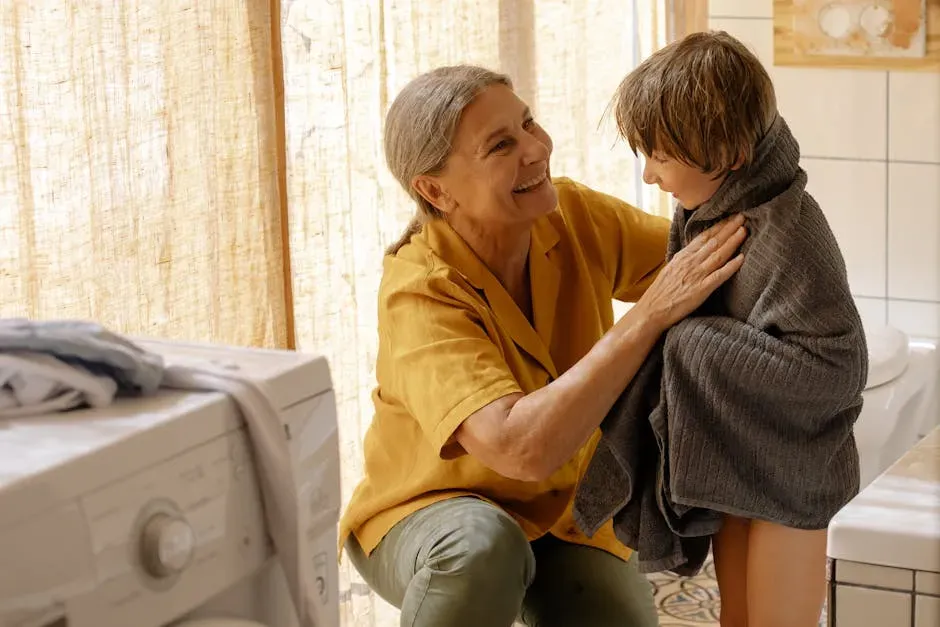
This one is specific, nuanced, and quietly profound. It teaches children that kindness is not transactional. It is a stance. Grandparents who modeled empathy and genuine generosity left an impression that very few other figures in a child’s life could match.
Grandparents are often living repositories of cultural and historical knowledge, offering firsthand accounts of significant events and societal changes. By sharing their perspectives on historical events and cultural traditions, they provide younger generations with a broader understanding of the world around them. This intergenerational exchange fosters empathy, tolerance, and appreciation for diverse perspectives and experiences.
You cannot teach empathy from a textbook. Grandparents demonstrate it by how they live, talk about their neighbors, and treat the people around them. Children pick up on every single bit of it.
7. “Don’t Give Up Before the Miracle Happens”
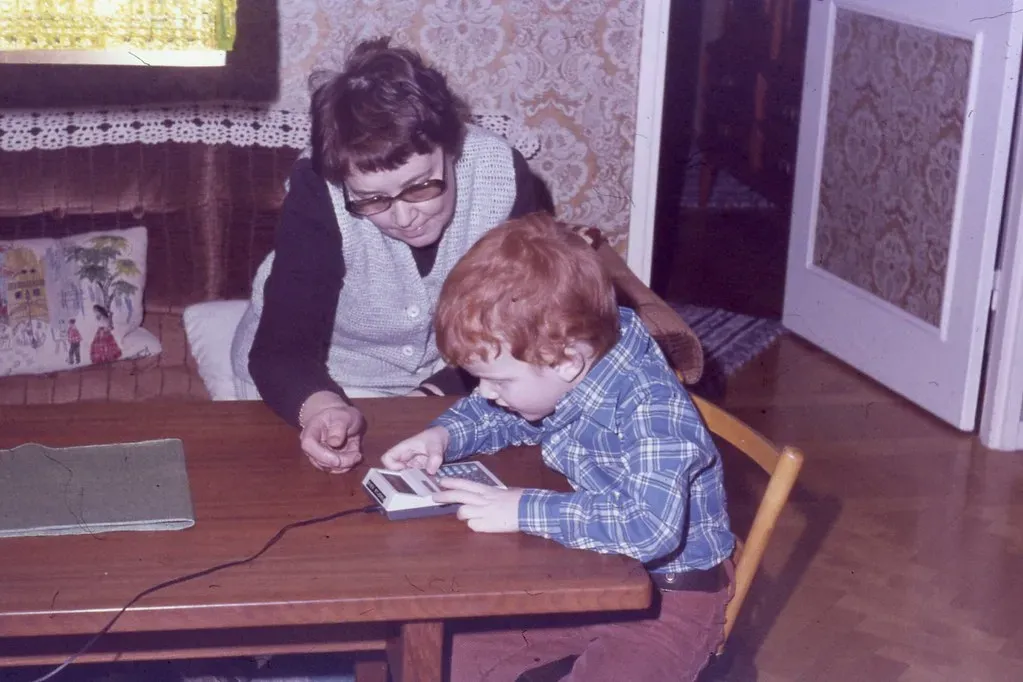
Whether rooted in faith, personal philosophy, or sheer stubbornness earned through years of survival, this is the kind of statement that grandparents deliver with absolute authority. And it works. It lingers.
Research on intergenerational programs focuses on a specific mechanism for the positive effects of elder wisdom on youth: the opportunity to receive advice and life wisdom directly from older people. A fundamental assumption supported by empirical evidence is that older people benefit from opportunities to express generativity, making the world a better place for further generations.
Intergenerational wisdom is about more than just sharing advice. It is about preserving values, creating meaningful traditions, and deepening family bonds. Whether it is a grandmother teaching the importance of patience or a parent demonstrating resilience, these lessons have a lasting impact on the entire family. A grandparent’s version of “don’t quit” often has a specific story attached to it. That story is what makes the lesson unforgettable.
8. “You Are Smarter Than You Think”
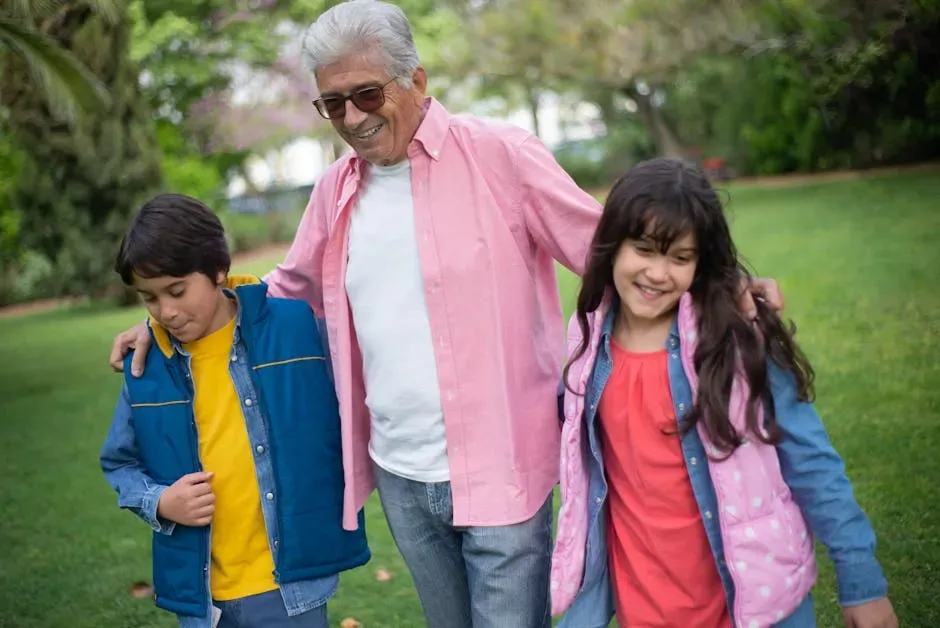
Grandparents often see their grandchildren with fresh, admiring eyes that parents, caught up in the daily grind, sometimes cannot maintain. That belief in a child’s potential can become a self-fulfilling prophecy. It sounds small. It is anything but.
Grandparents often have the opportunity to share their knowledge, wisdom, and family traditions with their grandchildren. Such early experiences strengthen a grandchild’s self-esteem and reinforce beliefs, norms, and values while creating opportunities to explore identity in the context of one’s family.
Studies have shown that kids with a high level of grandparent involvement tend to have less emotional problems, reduced behavioral issues, and fewer challenges with peers. Healthy grandparent relationships lead to less depression in both grandparents and children. That kind of consistent, expressed belief in a child’s capabilities is more powerful than most people ever acknowledge.
9. “The World Is Bigger Than Your Problems Right Now”
This might be the one that saves you in your darkest moments. Grandparents, with their sheer volume of lived experience, have an almost effortless ability to offer perspective that no peer, teacher, or even parent can quite replicate. They have simply seen more.
Grandparents can play a variety of active roles, such as storytellers, family historians, mediators or counselors, and people who encourage children, teach them knowledge and skills, and even some life wisdom. That role of quiet counselor is one they fall into naturally, and children lean on it more than they often admit.
Young adults who confide more in their grandparents report lower depressive symptoms compared to those who share less. Think about that for a moment. Simply talking to a grandparent, being heard by someone who has already outlasted their own version of every crisis you are facing, is genuinely protective for mental health. That is not sentiment. That is science.