Chefs’ “Skip It” List: 11 Restaurant Chains They Say Aren’t Worth Your Money
Dining out is supposed to feel like a treat. You pay good money, expect decent food, and walk away feeling like it was worth it. Honestly, that’s not too much to ask. Yet for a growing number of restaurant chains, that basic promise has quietly eroded, replaced by frozen shortcuts, corporate cost-cutting, and a creeping sense that someone somewhere stopped caring.
2024 was a brutal year for restaurant chains, with many filing for bankruptcy or closing locations. While 2025 showed signs of recovery, not all brands managed to bounce back from the 2020 pandemic lockdowns and inflation-driven spending hesitancy. The result? Restaurants that look the same on the outside but feel deeply different once you sit down. Let’s dive in.
1. TGI Fridays: The Brand That Ran Out of Friday Feeling
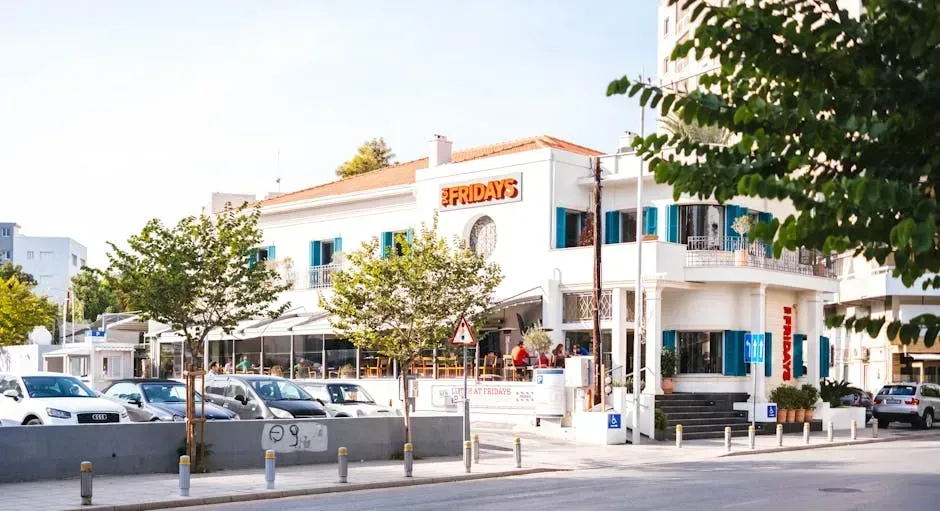
There was a time when TGI Fridays felt genuinely festive. The loaded potato skins, the sticky bar stools, the fluorescent lighting that made everyone look slightly sunburned – it was a whole vibe. That vibe is long gone.
To say TGI Fridays has had a difficult run is the understatement of the century. The chain was once one of the most beloved restaurants in the country, but over time it began being viewed as an outdated place to eat, and as new competitors came in, TGI Fridays struggled, facing a lack of enthusiasm and ultimately a bankruptcy filing in November 2024.
TGI Fridays closed 134 restaurants in 2024 alone. By the end of April 2025, the chain had just 85 locations around the country, with subsequent months seeing it lose even more. A brand fighting pure survival mode is rarely focused on making your meal exceptional. That’s just the math.
2. Red Lobster: A Seafood Story Gone Very Wrong
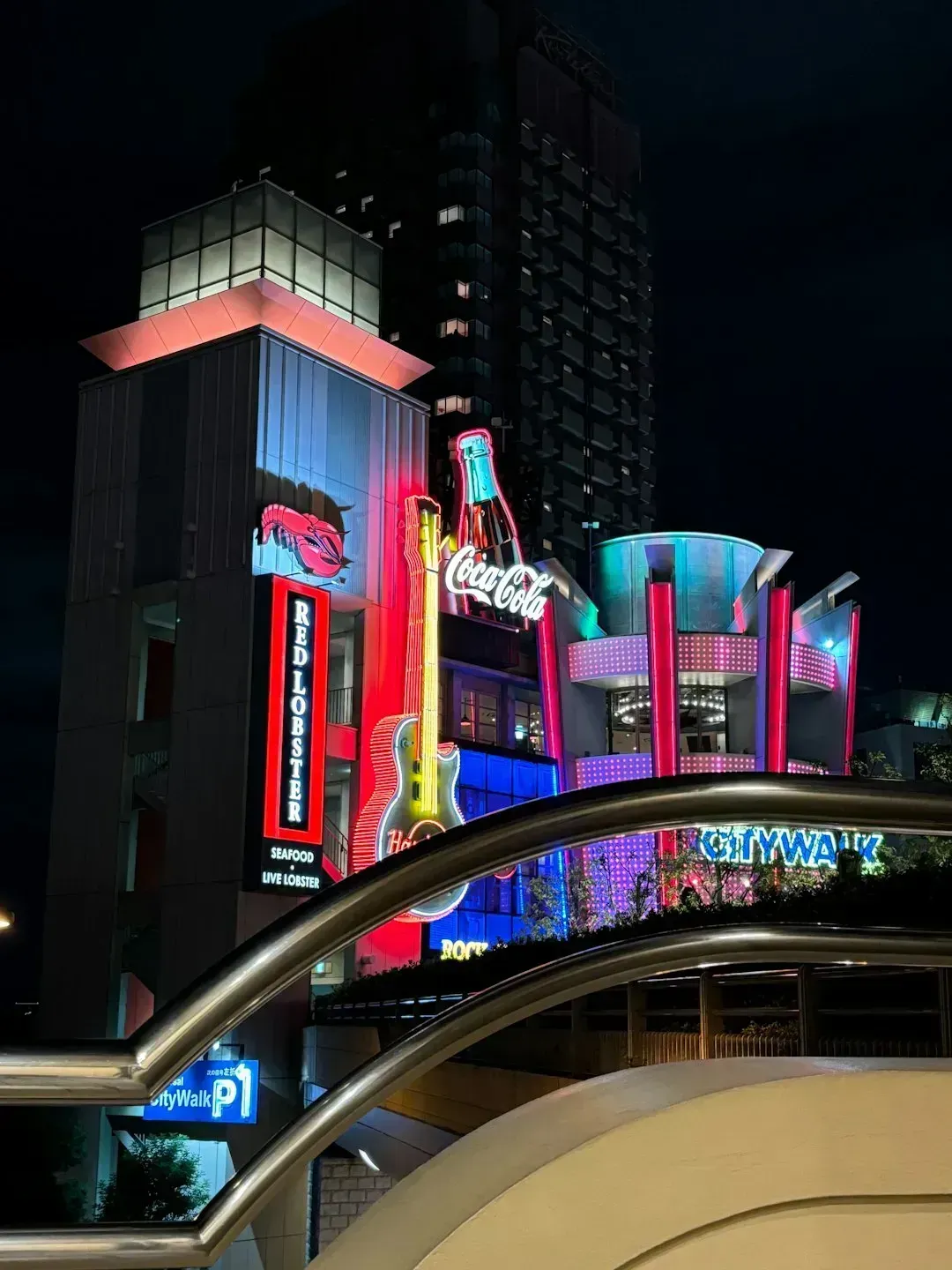
Red Lobster is perhaps the most dramatic cautionary tale in recent restaurant history. It did not simply slip – it collapsed under a pile of mismanagement, bad deals, and frankly baffling corporate decisions.
In May 2024, Red Lobster filed for bankruptcy. While many factors contributed to its Chapter 11 filing, one in particular – its endless shrimp offering – took much of the blame. The decision to make endless shrimp a permanent $20 item cost the company $11 million and saddled it with burdensome supply obligations, particularly with equity sponsor Thai Union.
Years of underinvestment in Red Lobster’s marketing, food quality, service, and restaurant upgrades hurt the chain’s ability to add younger diners to its core customer base. Guest traffic fell roughly a third between 2019 and 2024. Even if you find a location still open, you’re dining inside a brand identity crisis.
3. Denny’s: The All-Night Diner That No Longer Stays Open All Night
There is something almost philosophically heartbreaking about a diner that no longer stays open all night. That was Denny’s core promise for decades: the place that was always there, always lit, always ready to serve you a Grand Slam at 3 a.m. That promise has been quietly shelved.
Denny’s experienced a terrible 2024 and has been struggling to stay in business, announcing it was closing 50 restaurants in just a few months, citing underperformance as the main reason. This shuttering operation followed a difficult period for the brand, which saw many of its restaurants stop operating round-the-clock in a bid to save money.
Denny’s announced it was closing 100 further restaurants throughout 2025, and in total 180 restaurants were due to close in just 24 months – a huge proportion of its remaining locations. After the October 2024 announcement, Denny’s stock fell roughly 17% to $5.47 a share. That’s not a correction. That’s a verdict.
4. Panera Bread: Fresh Baked? Not Anymore
Panera built its entire brand on the idea of freshness. Real bread. Real ingredients. A step above fast food. For many diners, it genuinely felt that way for years. Then the company started cutting corners in places that were impossible to hide.
Panera Bread will no longer bake its own bread as of 2025, with the company planning to use “par-baked” breads and close all dough facilities. All pastries have been changed to heat-and-eat frozen pastries, with bakers’ hours shortened. For a brand that literally built its identity on fresh-baked bread, that’s a stunning betrayal of its own promise.
Panera’s CEO admitted that once the chain’s traffic started to struggle, the company cut labor from its restaurants and decreased the quality of its food. That ultimately hurt Panera’s reputation, and on social media, some users now compare it to “hospital food.” The chain saw a 5% drop in sales from 2023 to 2024 and was also the center of an unfortunate lawsuit for its caffeinated lemonades that caused heart issues for several customers.
5. KFC: The Fried Chicken King Who Lost Its Crown
KFC was the original fried chicken empire. There was a time when the Colonel’s recipe felt like something worth driving across town for. These days, though, the numbers are telling a very different story – and they’re not pretty.
KFC shows the steepest decline of any restaurant in its category in the American Customer Satisfaction Index, falling from 81 in 2024 to 77 in 2025, a drop of about 5 percent. ACSI also reports KFC U.S. sales were down over 5% in 2024.
According to Circana’s Definitive U.S. Restaurant Ranking 2025 report, chicken chains including Raising Cane’s, Wingstop, Chick-fil-A, Zaxby’s, Bojangles, and Popeyes all saw consumer spending increased in 2024, while KFC saw consumer spending fall by 4% to $4.34 billion, ranking lower than Raising Cane’s and Wingstop. When your competitors are all trending up while you’re trending down, that’s not bad luck. That’s a structural problem.
6. Applebee’s: The Neighborhood Grill That Feels Like It Gave Up
I think Applebee’s is one of the saddest cases on this list because it was genuinely beloved for a long time. It was the casual American go-to. Riblets, mudslides, late-night boneless wings. There was a real warmth to it once. That warmth has cooled considerably.
In multiple Reddit feeds, customers complain about experiences dining at Applebee’s, with the majority of issues arising from bad service and understaffed restaurants in major need of a facelift. Since 2021, Applebee’s has struggled with store closures and declining same-store sales, dropping from 1,578 stores in 2021 to 1,501 in 2024, according to SEC filings.
Applebee’s faced a difficult year in 2024, with total sales falling by more than 5 percent and its unit count shrinking. According to filings, Applebee’s saw 35 net domestic restaurant closures in 2024, with projections for a loss of 20 to 35 net restaurants in 2025. Paying full price for a restaurant that feels perpetually understaffed and under-maintained is not the vibe anyone is going for.
7. Subway: A Sandwich Empire Quietly Crumbling
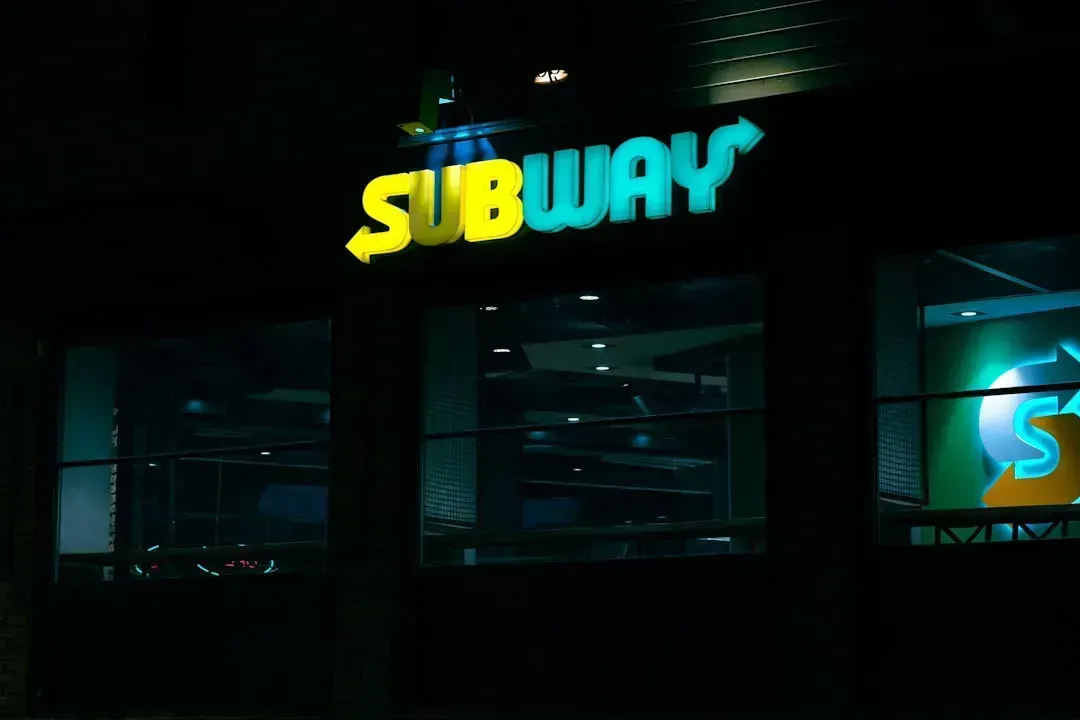
Here’s the thing about Subway: it’s so omnipresent that its decline is easy to miss. There is still a Subway in seemingly every strip mall, every gas station plaza, every airport terminal in America. Presence, though, is not the same as quality.
At its peak in 2015, Subway had approximately 27,000 restaurants in the U.S., and that number has been gradually sinking ever since. In 2024, it had to close a massive 631 restaurants in the U.S., and it spent much of 2025 without a permanent CEO, leaving the company adrift at a time of crisis.
Subway’s core problem is harder to fix than a leadership gap or a shrinking footprint. The value proposition, once unbeatable, has quietly evaporated. Many Subway franchisees continue to walk away from locations after leases run out. When even the people running the stores are heading for the exit, that says something.
8. Outback Steakhouse: The Aussie Dream Gone Stale
Outback Steakhouse had a good run. The Bloomin’ Onion alone was enough to earn decades of customer goodwill. But the numbers coming out of recent years paint a picture of a steakhouse that has lost its edge, and in a crowded market, losing your edge is dangerous.
When it comes to the financial outlook of Outback’s parent company, 2024 was not a great year. Earnings were down by roughly 30%, while Bloomin’ Brands withdrew over $600 million from a $1.2 billion line of credit.
While steakhouses are one of the few dining concepts that continue to thrive, Outback Steakhouse no longer holds the sway it once did. Diners are increasingly turning to competitors like Texas Roadhouse, which leaves the Australian-influenced steak restaurant in a precarious position. Outback reported a 4.2% drop in traffic at American restaurants and a 1.2% drop in domestic same-store sales. The Bloomin’ Onion is still solid. The rest of the experience, not so much.
9. Wendy’s: The “Premium” Fast Burger That Doesn’t Feel Premium Anymore
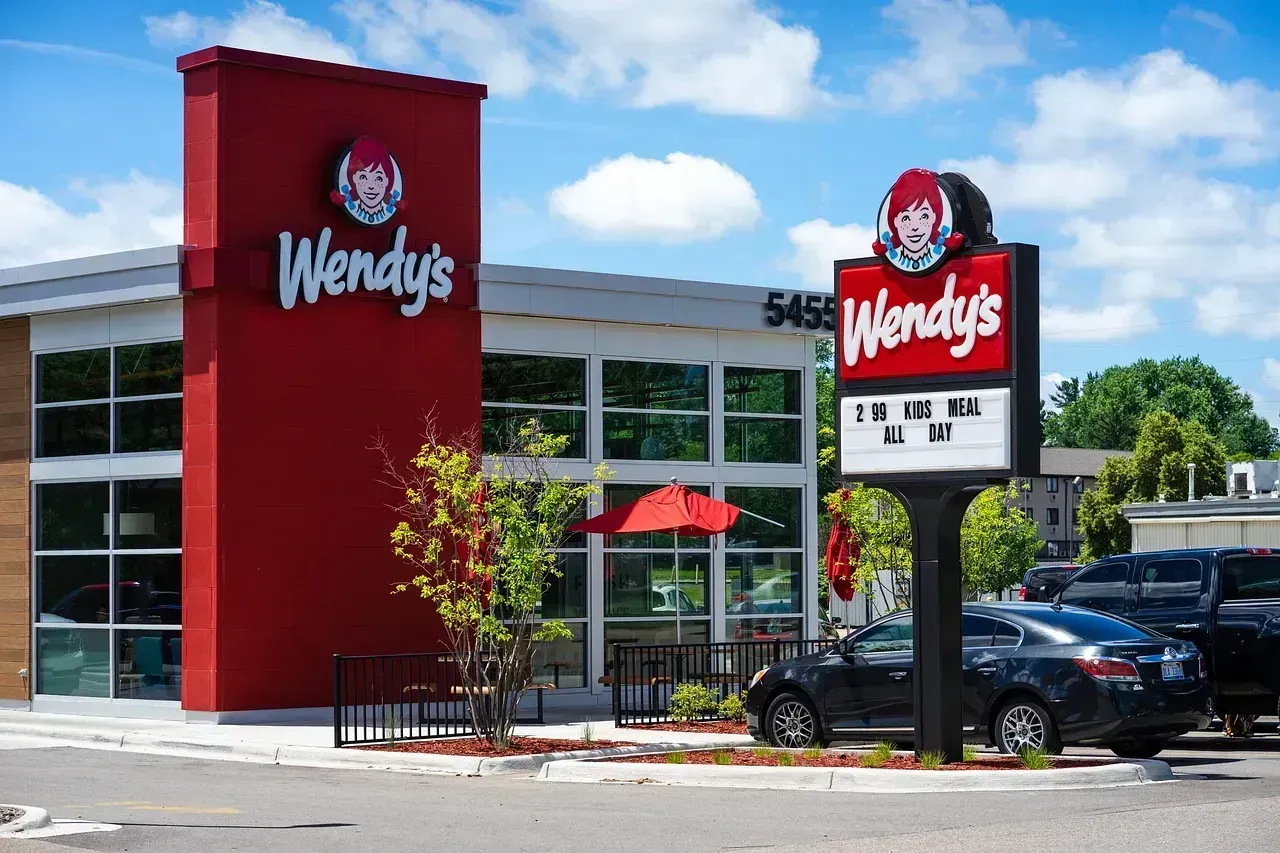
Wendy’s has spent years marketing itself as the better choice. Square patties. Fresh never frozen. A sassy social media presence that made it feel edgier than its competitors. Beneath the branding, though, the operational reality tells a shakier story.
The chain announced plans to close up to 350 U.S. locations after already shuttering about 140 stores in 2024. Sales at existing restaurants are slipping, and overall profits have taken a noticeable hit.
Stores that remain open may feel more rushed or understaffed as operators try to cut costs. Long waits, stressed employees, and inconsistencies in food quality are common side effects when chains are under pressure. Restaurant Business Online estimated Wendy’s could close around 300 restaurants overall as part of a hard look at its total restaurant count. That’s a serious pruning for a chain that once felt bulletproof.
10. Golden Corral: The Buffet That Became a Cautionary Tale
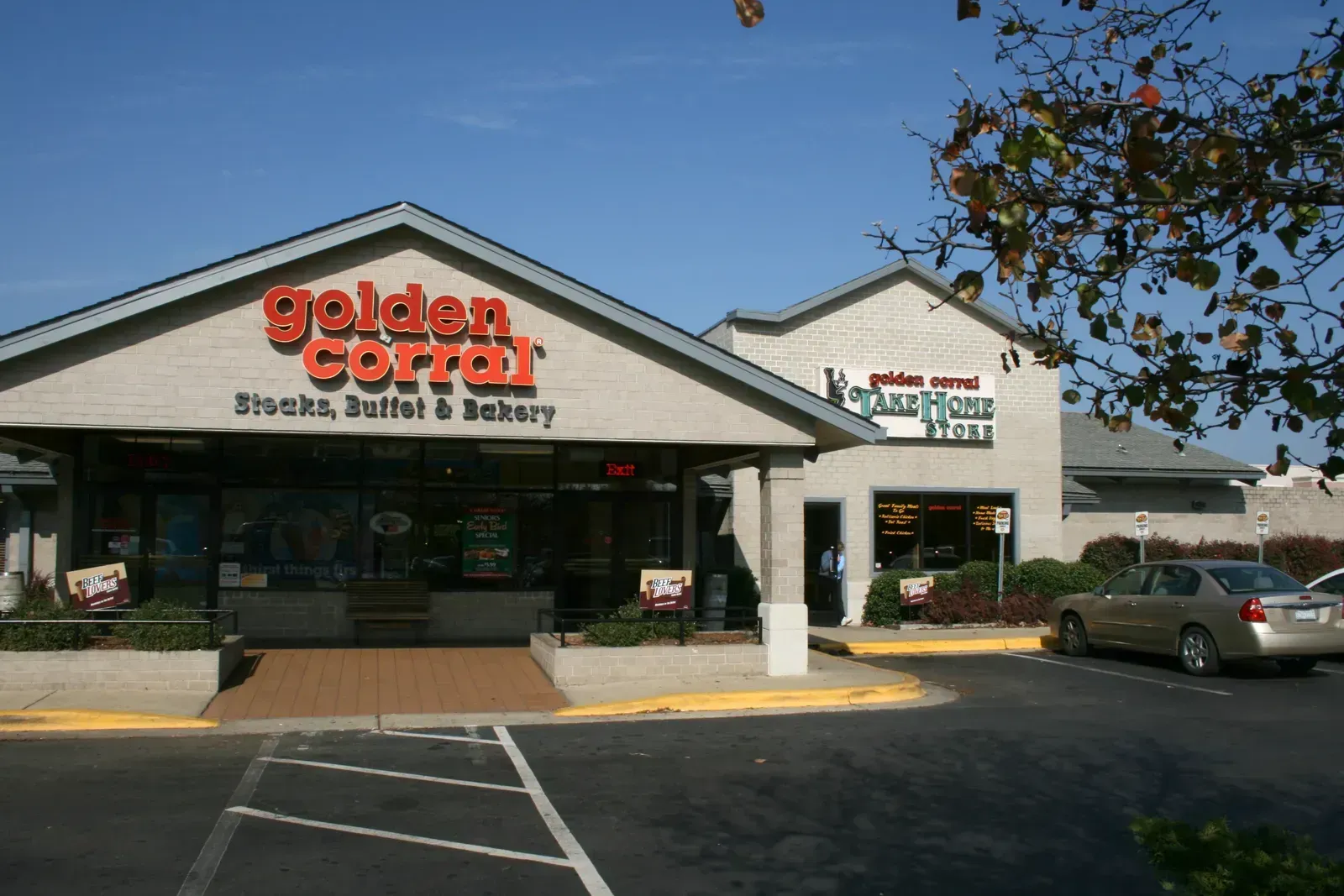
Let’s be real: the all-you-can-eat buffet model was always fighting uphill against food safety perception and quality control. Golden Corral was the chain most associated with the American buffet tradition. Sadly, recent diner feedback suggests that tradition is looking pretty tired right now.
Recent diners have voiced concerns about the quality and freshness of items on the buffet line, noting that many dishes appear to sit out too long or lack consistent seasoning. Vegetables receive especially harsh commentary, with multiple guests describing them as mushy and flavorless. Even long-time fans of the chain say the food feels less cared for than it once did.
Atmosphere is another recurring issue. Customers mention chaotic dining rooms and poorly treated workers. Several diners also note that items like the chocolate fountain were not properly cleaned after customer use, while other reviews mentioned feeling sick after eating there. Golden Corral’s business model depends on variety, freshness, and volume, but when corners are cut due to staffing challenges or cost pressures, the entire experience suffers.
11. Benihana: When the Show Stops Being Worth the Price
Benihana was always more theater than restaurant, and honestly, that was the deal. You paid a premium for the teppanyaki show, the flying shrimp, the volcanic onion. For decades, it delivered that experience reliably. Something shifted after the latest ownership change.
Benihana has spent decades cultivating an image as the go-to teppanyaki destination and a place where the grill show is part of the meal’s value. But ever since it was acquired by One Group in 2024, the chain has seen an escalating wave of criticism from both diners and its own staff, and the most troubling complaints are recent, widespread, and consistent.
Customers report that the chain’s experience no longer feels like it used to, with horrible service, including not taking food allergies seriously. Others describe uneven cooking, long waits despite reservations, and dining rooms that feel less cared for than before. Employees have also publicly voiced dissatisfaction, citing management changes, staffing shortages, and increased pressure to hit service quotas – and when staff morale drops, the impacts eventually show up on the plate. At Benihana prices, that is simply not acceptable.