Bucket List Disappointments: 10 Famous Landmarks Locals Call “The Ultimate Tourist Traps”
You’ve saved for years, marked your calendar, and built your entire vacation around seeing that one iconic landmark. The Instagram photos made it look incredible. The travel blogs raved about it. Your friends told you it was absolutely unmissable.
Then you arrive. The reality hits you like a bucket of cold water.
The crowds are suffocating. The prices are ridiculous. The actual experience feels nothing like what you imagined. Welcome to the world’s most disappointing tourist attractions, where hype meets harsh reality. Let’s dive into the destinations that locals actively avoid, the places where your travel dreams go to die.
Times Square: Where New Yorkers Fear to Tread
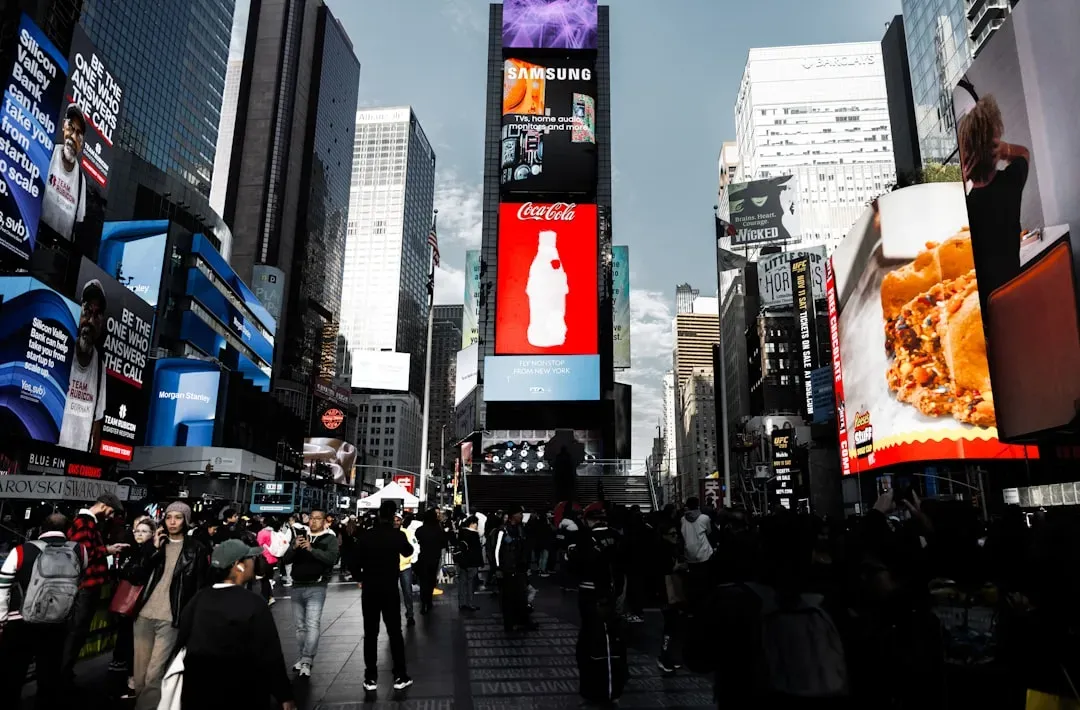
Times Square in New York City was named the world’s worst tourist trap in a survey by the online learning platform Preply, with the popular tourist attraction called “overrated” and “stressful” by over 1,000 reviewers. Think about that for a moment. The most famous intersection on the planet earned itself the title of absolute worst tourist destination globally.
A reported 64.5 million tourists are expected to pour into NYC by 2024’s end, with almost all of them guaranteed to at least stroll through Times Square, which is often referred to as the most visited tourist attraction in the world. The thing is, locals absolutely hate it. Times Square is a dazzling hub of neon lights and giant billboards, but it’s also filled with overpriced restaurants, horrible tourist shops and overwhelming crowds, and locals never go here if they can help it.
The reality behind the LED lights? Reviewers complained about the crowds, and called the LED-lit locality dirty and boring. One visitor summed it up perfectly: “Way too busy, impossible to get around. Too stressful to enjoy”. Here’s the thing about Times Square: it’s basically corporate America dressed up in flashing lights. There’s nothing authentically New York about chain restaurants and souvenir shops hawking I Love NY keychains.
The Mona Lisa: The World’s Most Disappointing Masterpiece
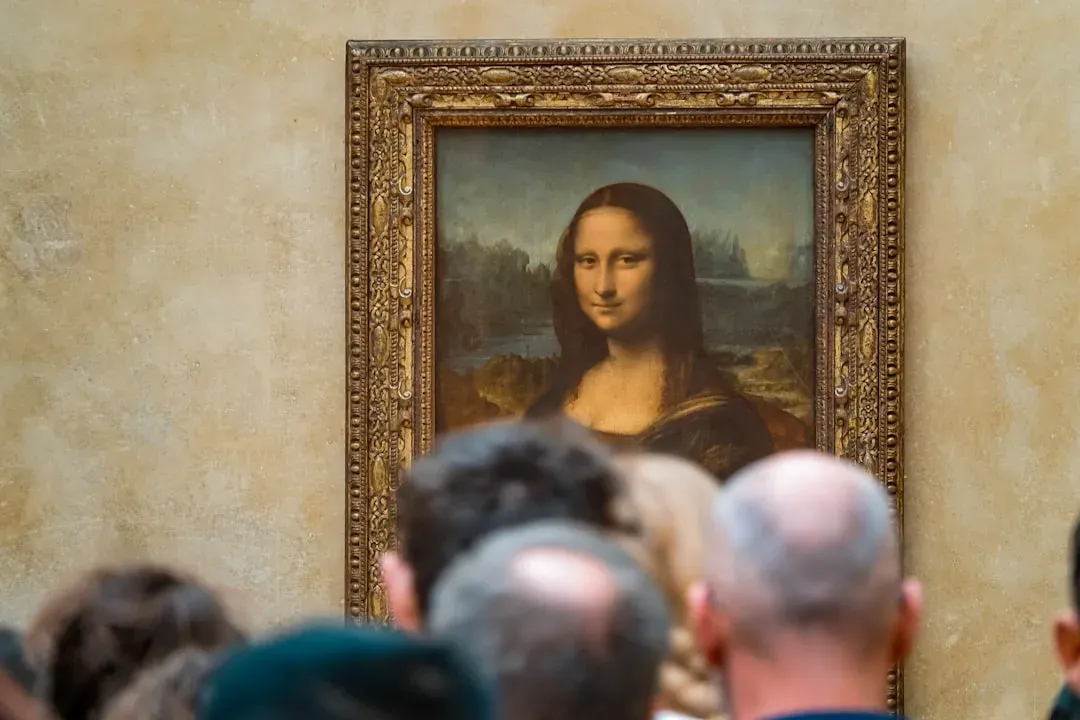
One recent analysis of visitors’ online reviews of big museums and their most lauded artworks cited the Mona Lisa as “the world’s most disappointing masterpiece,” owing to the negativity of nearly 40% of reviews. Let’s be real, that’s a staggering statistic for arguably the most famous painting on Earth. Up to 10 million people a year visit the “Mona Lisa” at the Louvre, crowding into the Paris gallery where “she gazes out from behind 3in of bulletproof glass,” and many visitors queue for up to two hours to spend an allotted 30 seconds in front of the piece and “come away feeling cheated”.
The painting’s present room is “perpetually crammed”, with up to 25,000 people on a busy day, some of whom have described the experience as “torture” in online reviews. The irony is brutal: you travel thousands of miles to see a masterpiece, only to spend your time looking at the backs of other tourists’ heads. Most people don’t even “look at the Mona Lisa or her smile, they just want a souvenir snap with their back to the picture”.
The Louvre director herself acknowledged the problem is so severe that in January 2025, she described it as being at ‘saturation point’, and President Emmanuel Macron announced that the gallery was set to undergo a major renovation with the Mona Lisa set to get a dedicated exhibit. When museum officials are admitting defeat, you know there’s a serious problem.
Hollywood Walk of Fame: Grit, Not Glamour
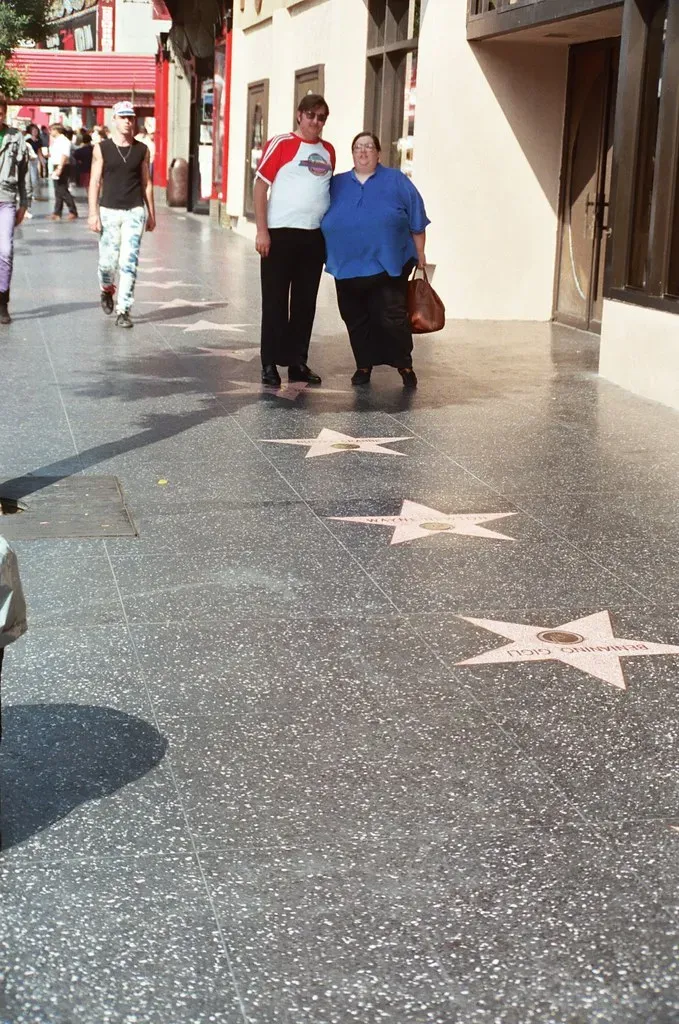
The Hollywood Walk of Fame in Los Angeles is topping a list of the “worst” tourist destination in a new travel report, with visitors calling it “run down, dirty,” and grabbing the “worst” label of all in a recent analysis. Honestly, I think this one hurts because Hollywood sells such a specific fantasy. It’s not uncommon for the Walk of Fame to attract over 10 million visitors annually, all hoping for a glimpse of movie magic.
What they get instead? “The area is run down, dirty and full of shady figures,” one person wrote on Trip Advisor. “Prices in restaurants and shops are completely different. Celebrities are hardly met here, but [there are] plenty of homeless people. We walked down the street once and then moved on quickly”. That’s the unfiltered truth that nobody puts in the brochures.
One visitor said “Hollywood Walk of Fame was definitely not what I expected based on TV and movies. The whole area felt unsafe during our visit, and I wouldn’t recommend taking young children”. The contrast between expectation and reality has rarely been starker. From crime to homelessness, many believe the luster has long worn off and Hollywood Boulevard is long overdue for a makeover, and it doesn’t take those visiting the 1.3-mile stretch along Hollywood Boulevard to realize that much of the area is more grit than glam.
Fisherman’s Wharf: San Francisco’s Shameful Secret
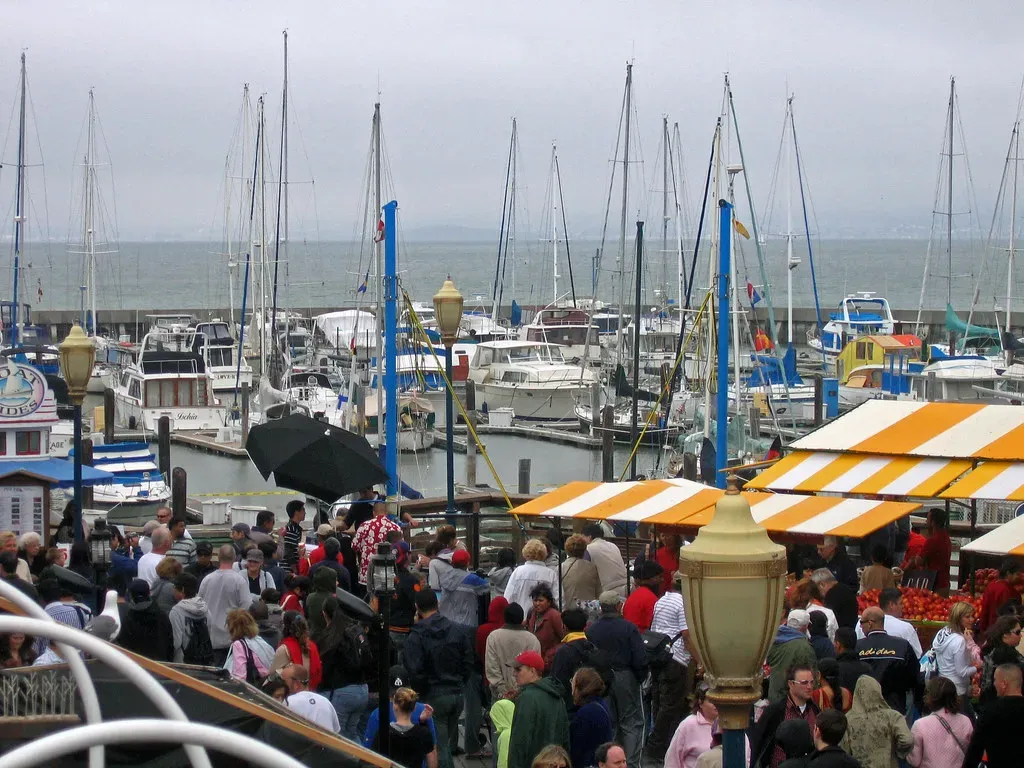
Fisherman’s Wharf in San Francisco counts more ‘tourist trap’ mentions (1,049) than any other attraction in the world, receives around 12 million visitors annually as one of the city’s top tourist destinations, but not only do the locals steer clear, with SFGate calling it “the most universally derided neighborhood in all of San Francisco,” it also attracts the ire of tourists online. That’s a fascinating paradox, isn’t it? Millions visit, yet everyone agrees it’s terrible.
Fisherman’s Wharf and Wall Drug in South Dakota are the most notorious tourist traps in the US, each attracting millions of visitors annually despite being widely criticized for inflated prices, overcrowding, and a lack of genuine local culture. The waterfront neighborhood has become synonymous with everything wrong about tourism: overpriced seafood that isn’t even that fresh, aggressive souvenir hawkers, and attractions designed purely to extract money from visitors.
San Franciscans will do almost anything to avoid this area. When locals universally shun a place, maybe that’s your first clue to look elsewhere. The real San Francisco exists in neighborhoods like the Mission, Haight-Ashbury, or North Beach, not in this manufactured tourism factory by the bay.
Las Ramblas: Barcelona’s Pickpocket Paradise
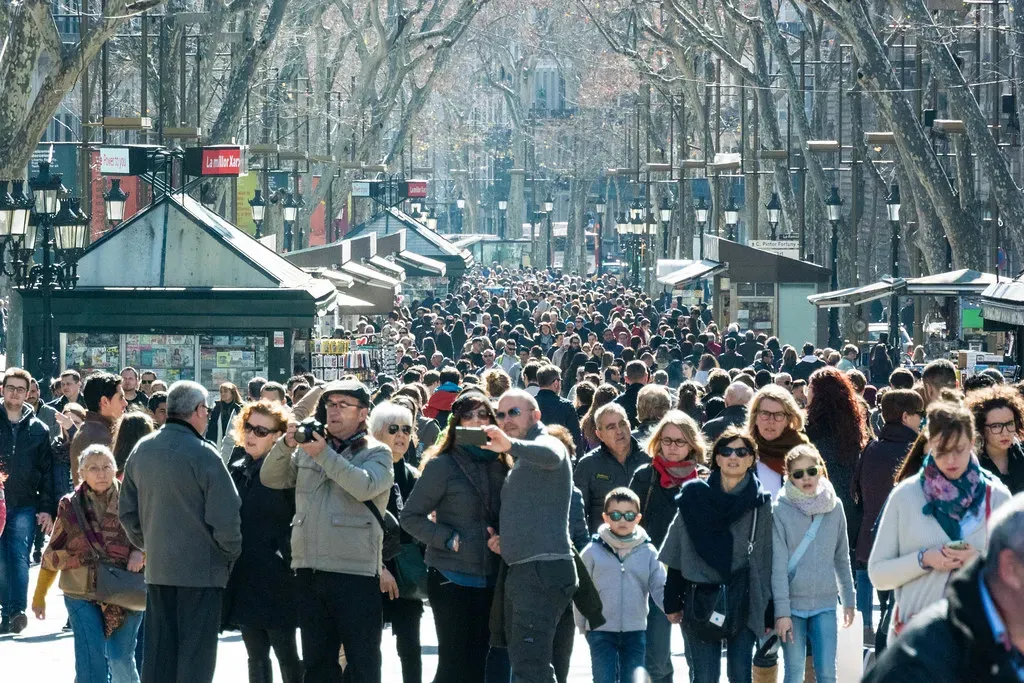
Las Ramblas comes in second place after Fisherman’s Wharf with 793 mentions, a bustling boulevard in Barcelona that sees more than 200,000 people walk it every day, and one TripAdvisor reviewer called it “crowded with tourists and vendors selling cheap trinkets … and pickpockets,” referencing that the street is Europe’s worst pickpocketing hotspot. That’s quite the claim to fame, right? Europe’s champion pickpocket destination.
According to one expat blog, locals avoid this street “like the plague”. When you think about it, roughly about two hundred thousand people a day creates an environment where authentic Barcelona culture has been completely steamrolled by mass tourism. The street has become a caricature of itself, a place where you’re more likely to encounter a person in a terrible costume trying to charge you for photos than actual Catalan life.
Barcelona is an incredible city with stunning architecture, world-class food, and vibrant neighborhoods. Las Ramblas represents none of that. It’s a tourist conveyor belt where everyone loses except the scammers and overpriced restaurant owners. The real Barcelona is waiting just a few blocks away in the Gothic Quarter or El Born, but most tourists never make it there.
Temple Bar: Dublin’s Expensive Disappointment
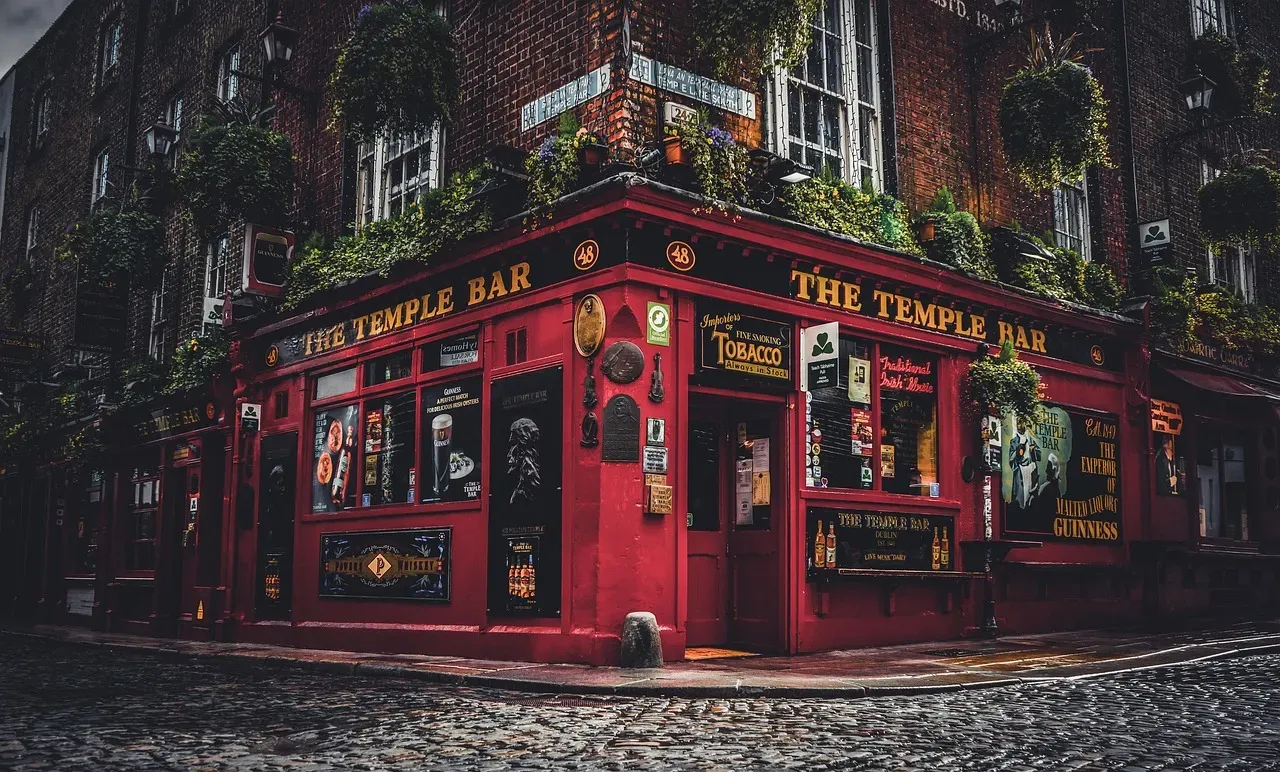
Dublin’s popular Temple Bar ranks fourth, attracting TripAdvisor reviews with titles like “The Tourist Trap to kill all Tourist Traps” and scathing write-ups of the district’s “overpriced, terrible Guinness”. Imagine serving bad Guinness in Dublin. That’s like serving bad pizza in Naples or bad croissants in Paris. It takes a special kind of tourist trap to mess up the one thing your city is famous for.
Temple Bar has become a parody of Irish pub culture, where the prices are inflated beyond reason and the experience feels manufactured for tour groups. Locals haven’t set foot in most of these establishments in years, if ever. The sad thing is that Dublin has incredible pubs tucked away in every neighborhood, places where you can actually experience genuine Irish hospitality and reasonably priced pints.
The area has transformed into what happens when tourism completely overtakes authenticity. Every surface seems designed to extract maximum euros from visitors before they realize they’ve been had. If you want real Dublin, ask any local where they actually drink. It won’t be Temple Bar, I can promise you that.
Manneken Pis: Brussels’ Tiny Letdown
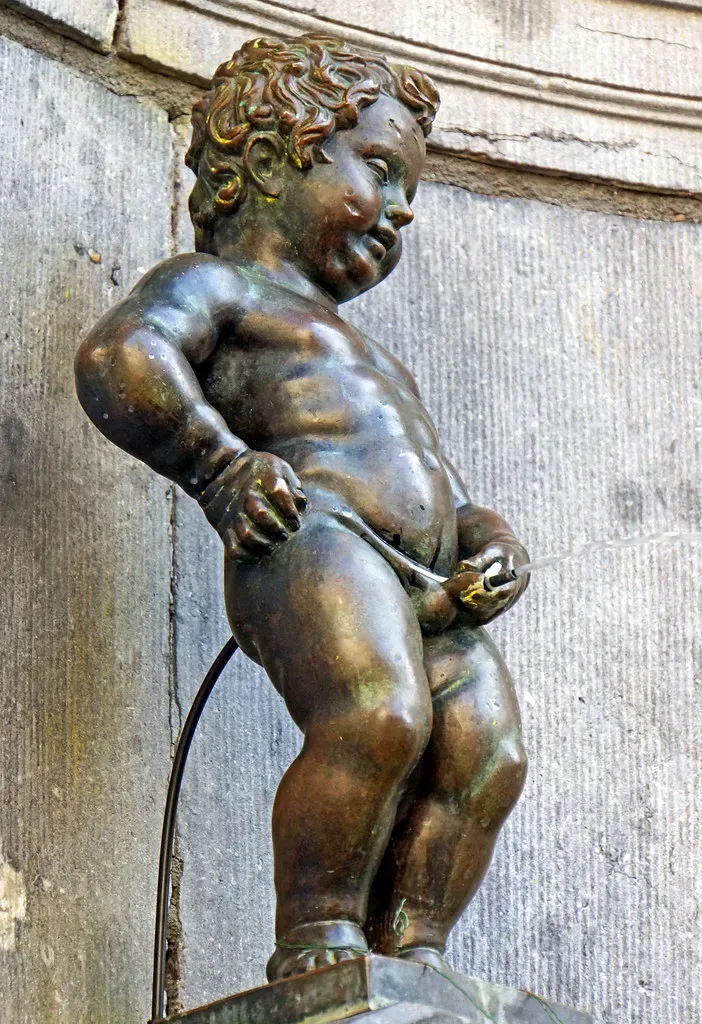
Manneken Pis is a landmark 55.5 cm (21.9 in) bronze fountain sculpture in central Brussels, Belgium, depicting a nude boy urinating into the fountain’s basin. The statue measures just over half a meter tall. Let that sink in. People travel across continents to see a statue smaller than most toddlers.
Recent travelers were torn over whether Manneken-Pis is must-see or not, with many saying it’s a bit overrated, but worth a picture or two, especially if you’ll already be in the area, and past visitors also warned that it is incredibly crowded at most times of the day. The overwhelming reaction seems to be a collective “That’s it?” The statue has historical significance dating back centuries, which is genuinely interesting, yet the actual experience of elbowing through crowds to glimpse a tiny bronze boy feels anticlimactic.
One visitor summed it up: “I mean I get the history and all, but didn’t feel this tiny statue really needed to have like 50 people crowding it at any one time… Was quite a bit disappointed by this tiny guy”. Brussels has incredible architecture, world-class chocolate, amazing beer, and the stunning Grand Place. Yet tourists flock to see a small urinating statue because it’s famous for being famous.
Checkpoint Charlie: Berlin’s Historical Theme Park
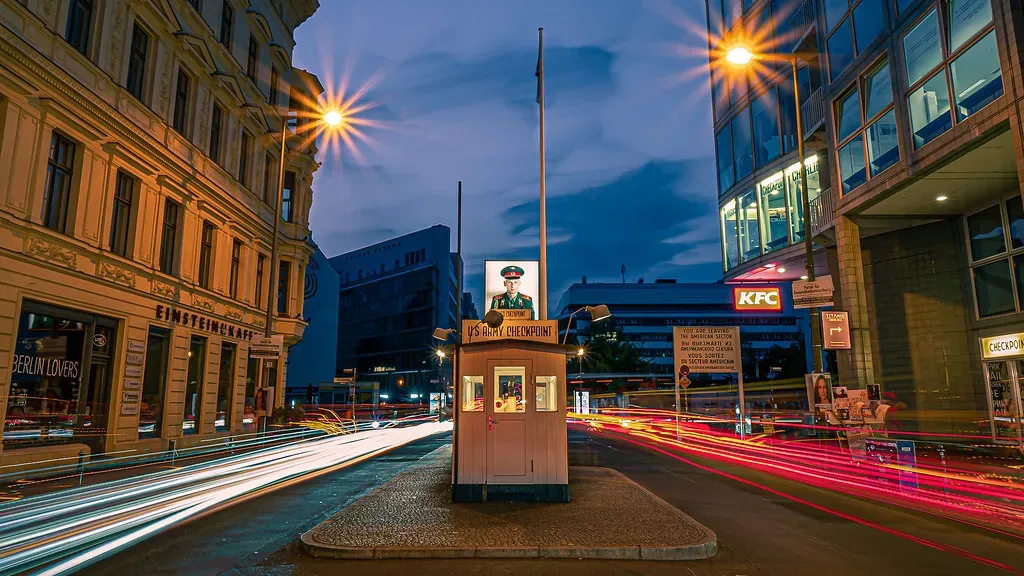
Checkpoint Charlie in Berlin, Germany, was ranked the second worst tourist trap in the same survey that named Times Square the worst. This former Cold War border crossing has been transformed into what feels like a historical theme park, complete with actors in American military uniforms posing for photos.
The original guard house isn’t even there anymore. What stands at the site now is a replica, surrounded by souvenir shops selling pieces of “genuine” Berlin Wall (spoiler: they’re probably not genuine). The area has become so commercialized that it bears almost no resemblance to the tense, dangerous checkpoint it once was. The weight of history has been replaced by the weight of tourist dollars.
Berlin is a city overflowing with authentic historical sites, museums, and memorials that tell the story of the Cold War and divided Germany with respect and depth. Checkpoint Charlie represents the opposite approach: history as a photo opportunity. Locals cringe when they see tourists lining up here, knowing there are so many better ways to understand Berlin’s past.
The Pyramids of Giza: Desert Dreams Meet Urban Reality
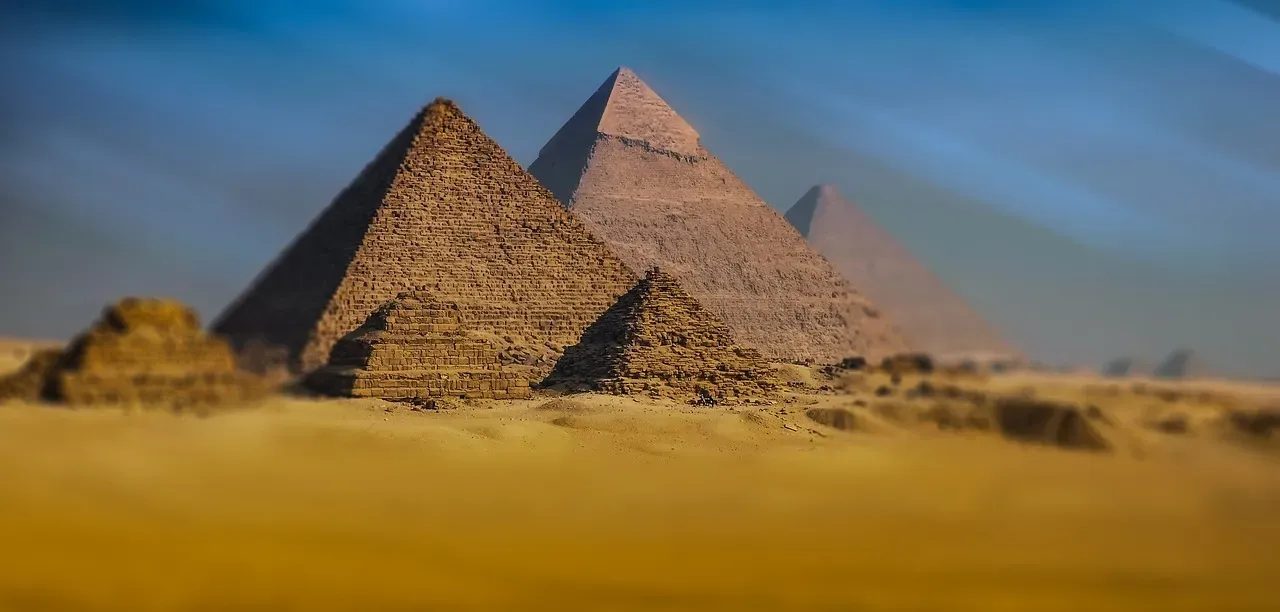
The Pyramids are one of the Seven Wonders of the Ancient World, and while historically incredible, the modern tourist experience can be overwhelming, as the site is right next to Cairo’s urban sprawl, so the expected “mystical desert setting” is often spoiled, and visitors frequently encounter pushy vendors, scammy camel rides, and overcrowding. This one genuinely saddens me because the Pyramids themselves are absolutely spectacular ancient achievements.
The problem isn’t the monuments. It’s everything surrounding them. You imagine standing alone in the desert, contemplating thousands of years of history. The reality involves constantly fending off aggressive sellers, dealing with scam artists offering camel rides or guided tours, and trying to take a photo without capturing a Pizza Hut in the background. Yes, there’s actually a Pizza Hut with a view of the Pyramids.
The harassment from vendors can be relentless to the point where it completely destroys any sense of wonder or contemplation. Despite this, the Pyramids remain an important cultural treasure, but to truly appreciate them, it’s best to hire a licensed guide and visit early in the morning to avoid the rush. The structures themselves deserve to be on your bucket list. Just be prepared for the experience around them to be far from what you imagined.
Graceland: Elvis Has Left the Building (And So Should You)

Topping a list of priciest disappointments is Graceland, with 206 reviews calling it a “tourist trap” and an entry fee of $84.00, and though undeniably historic, many visitors complain about the extremely long waits and the poor organization of the attraction, with disappointed tourists having collectively lost around $17,304. Nearly eighty-five dollars to see Elvis Presley’s former home, only to stand in endless lines and feel rushed through the experience.
The mansion itself is interesting from a historical and cultural perspective. Elvis was a huge figure in music history, and seeing where he lived provides genuine insights. The problem lies in how the experience has been commercialized and managed. Visitors report feeling herded through like cattle, unable to linger or truly absorb the atmosphere, all while shelling out prices that would make the King himself raise an eyebrow.
Memphis has so much more to offer: incredible barbecue, the birthplace of rock and roll on Beale Street, the powerful National Civil Rights Museum. Graceland has become the tourist trap that overshadows everything else the city does well. If you’re an Elvis superfan, maybe it’s worth it. For everyone else, the price tag and experience don’t match the hype.