I Flew First Class for 5 Years – 6 Behaviors Crew Laugh About Later
There’s this unspoken social contract in a first class cabin. You paid a premium. You expect premium service. And honestly, there’s absolutely nothing wrong with that. The problem is when some passengers quietly – or not so quietly – start believing that their ticket price also purchased the unconditional loyalty of a highly trained professional whose actual job is to keep everyone on the plane alive.
I’ve spent years in those wide seats up front, and I’ll tell you this: the stories crew members exchange in the galley after service are far more entertaining than anything on the in-flight entertainment system. Let’s dive in.
The Call Button as a Personal Concierge Service

Here’s the thing – the call button exists for a reason, and using it is perfectly acceptable. The problem is how often, and for what. Flight attendants say passengers are pressing the call button up to roughly forty percent more often than they used to. In first class, where expectations run high, this number climbs even further.
Etiquette coach Jamila Musayeva explains that the rise in demanding behavior comes from a mix of expectations and emotional fatigue, noting that people are used to immediacy – instant responses, fast delivery, quick fixes – but that an airplane runs on safety, structure, and shared space.
Flight attendants are safety professionals first, and their job sometimes requires them to be food-service workers, therapists, referees, and EMTs all at once. Asking them to custom-blend your half-Diet-half-regular Coke with a specific lemon arrangement? That’s the kind of request that becomes legendary galley conversation by the time the plane touches down.
Snapping, Tugging, and the Art of Summoning a Human Being
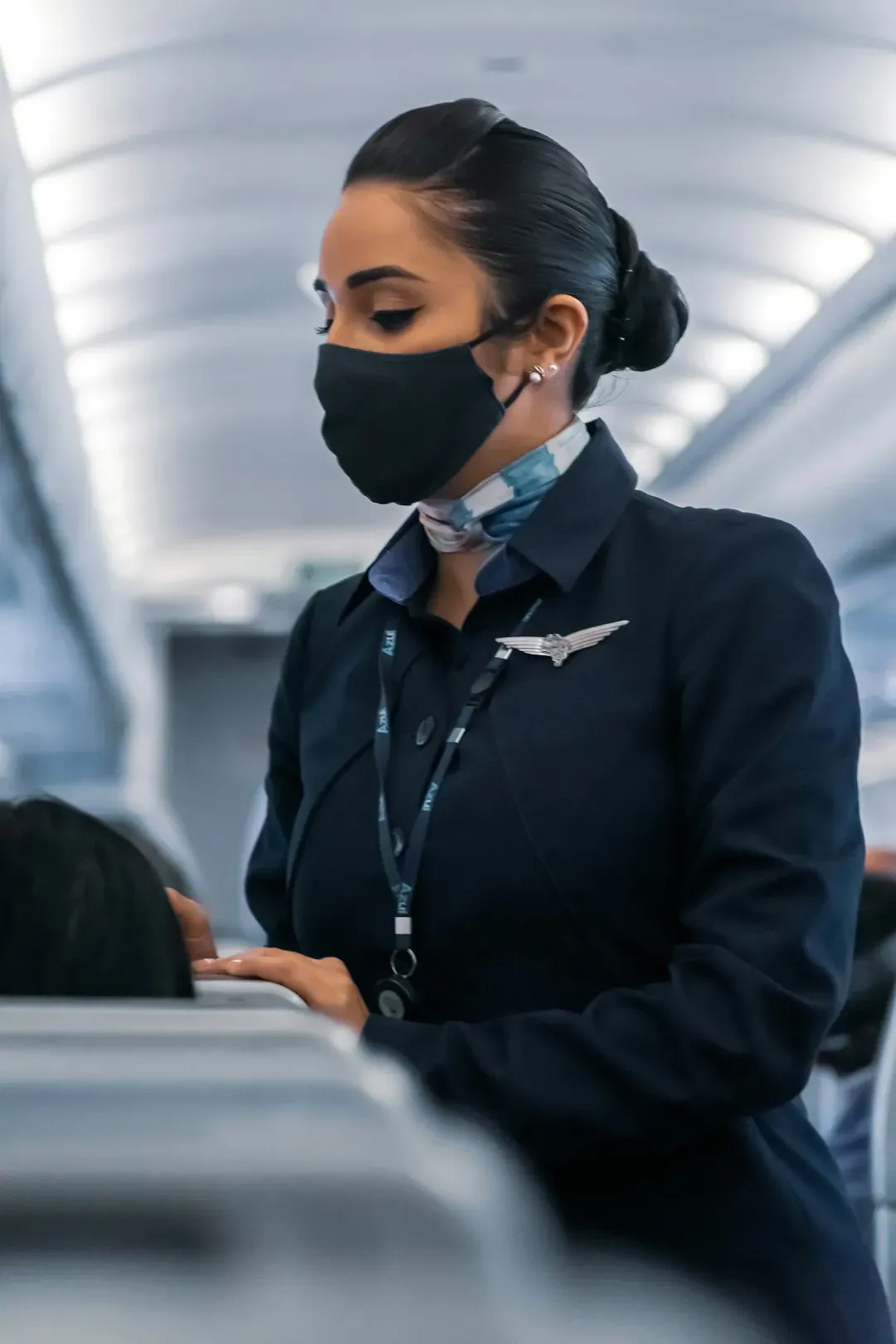
I once watched a man in a fully flat business-class seat ahead of me snap his fingers at a passing flight attendant. The attendant smiled, kept walking, and didn’t return for a very long time. I completely understood why.
Some passengers think it’s polite to gently tug a flight attendant’s sleeve to get their attention, which is already pushing it – but snapping fingers is outright rude. As one flight attendant named Ethan put it plainly: “We’re not dogs.” Most crew members prefer not to be touched at all.
Flight attendants have reported passengers snapping fingers at them like they’re calling a pet, and some have even had drinks thrown at them. The contrast is striking when a passenger simply learns someone’s name and treats them like a human being. The crew absolutely notices which type you are, and they remember.
The “Do You Know Who I Am” Energy
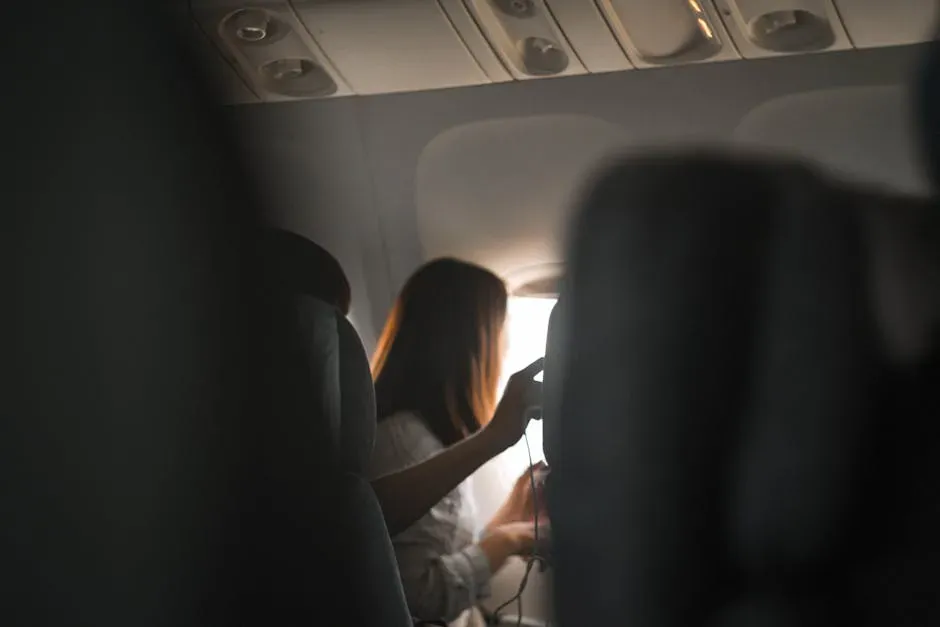
Honestly, this one might be the crew’s all-time favorite story category. Flight attendants have seen it all, but some first-class behaviors still leave them speechless – from outlandish demands to behavior that money clearly cannot fix.
A veteran flight attendant with twelve years of experience noted that if she had a dollar for every time someone felt compelled to announce their own importance, she could retire tomorrow – and that the people who feel that need usually aren’t that important. The irony tends to be that the genuinely influential passengers are often the quietest ones.
For some passengers, first class feels like a personal kingdom where flight attendants are expected to grant every wish, no matter how ridiculous. The ones without class think purchasing a ticket means they’ve hired personal staff, get angry when crew can’t bend company policy just for them, and confuse professional courtesy with subservience. The crew sees through it immediately – and laughs about it later, often in great detail.
Ignoring the Safety Demonstration
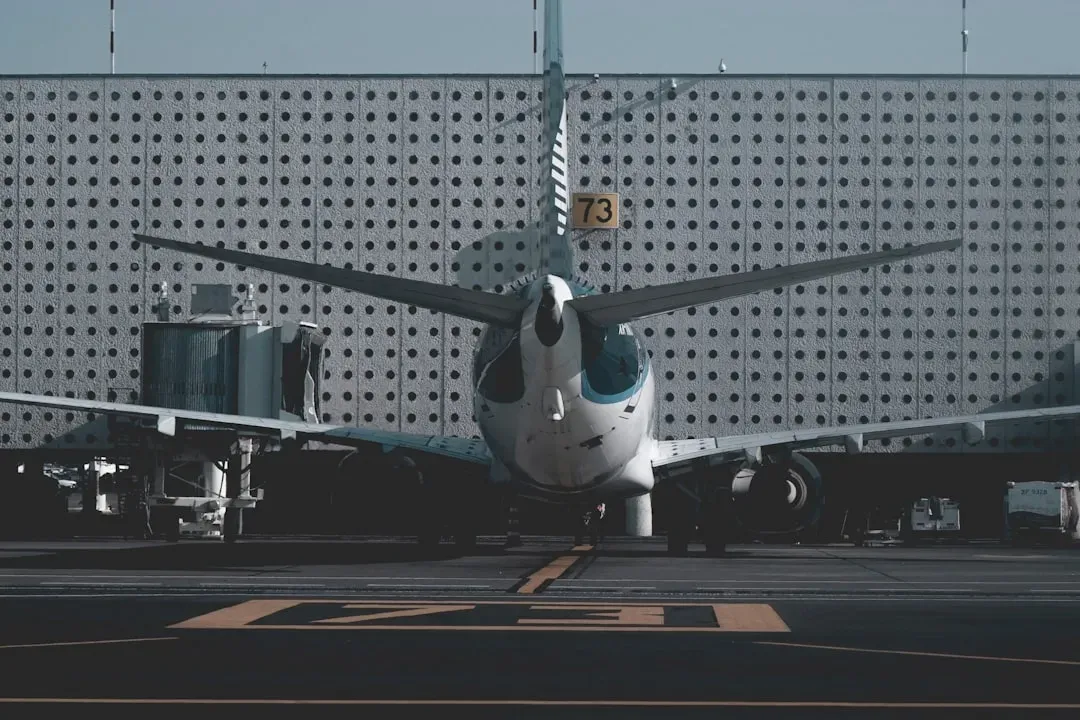
It sounds harmless. Maybe even reasonable when you’ve heard the same announcement eighty times. Flight attendants report that passengers who consistently ignore safety instructions create significant problems – when you’re watching a movie or scrolling your phone while the crew explains emergency exits, you’re not just being inconsiderate, you’re potentially putting yourself and others at risk.
It’s especially disrespectful to make noise or take phone calls during the in-flight safety demonstration, and American Airlines flight attendant Ally Case has been vocal about this exact behavior being inappropriate. In first class, where passengers often sit closest to the crew during the demonstration, ignoring it is particularly noticeable.
Crew members notice – and they document it. Think about that. What feels like you minding your own business is actually being quietly filed away. Interfering with the duties of a crew member violates federal law. Ignoring safety demonstrations sits dangerously close to that line, and experienced crew know exactly who was paying attention and who wasn’t.
The Luxury Complaints That Never End
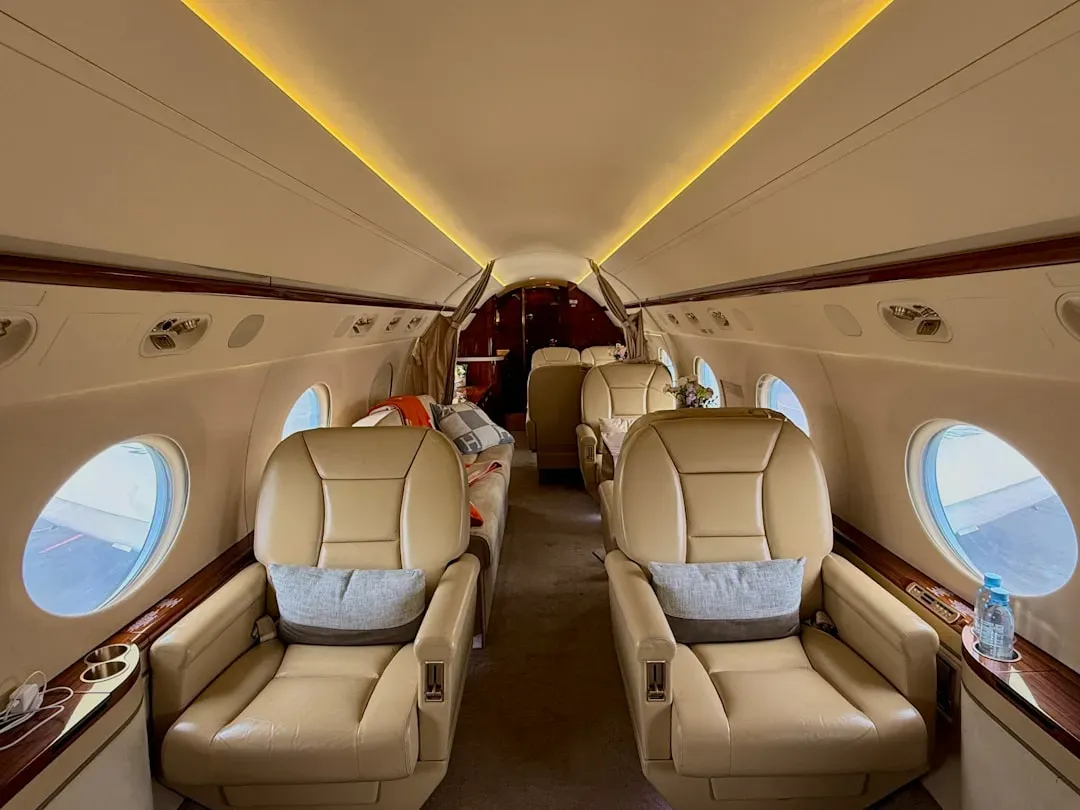
Let’s be real. First class passengers do sometimes have legitimate complaints. Broken seats, inconsistent food quality, degraded champagne selections – these things genuinely happen. Scientific research from the Fraunhofer Institute has long confirmed that the dry air at altitude reduces sensitivity to salt and sugar by nearly thirty percent, which is a real and documented phenomenon that affects how food tastes.
Still, there’s a difference between a valid complaint and the kind of relentless critique that covers everything from the thread count of the blanket to the angle of the overhead light. One traveler’s account describes boarding behind a first class passenger who complained about everything from start to finish – starting with pre-boarding taking too long and moving straight to there not being enough ice in her drink.
The mass expansion of air travel has diluted the sense of occasion once associated with flying, and when passengers feel confined or underserved, frustration often spills into confrontational behavior directed at crew members. It’s a shame, because the crew dealing with those unending grievances also has roughly two hundred other passengers to attend to. When a ticket costs as much as a compact car, average feels like failure to some passengers – and that mindset tends to surface in exhausting ways.
Overindulging in the Free Bar

Free premium alcohol at 35,000 feet. It’s one of the great joys of first class, and I won’t pretend otherwise. The problem is when some passengers treat the open bar as both a challenge and a competition. According to a study by the School of Hotel and Tourism Management at Hong Kong Polytechnic University, roughly half of all air rage incidents on Western airlines involve alcohol.
Paradoxically, intoxicated individuals often struggle to perceive their own level of aggression, and can even mistake aggressive behavior for something humorous or socially acceptable, which inadvertently escalates conflict. In first class, where the drinks are premium and frequently refilled, the potential for this spiral is very real. Cabin crew are trained to quickly spot slurred speech, strong smells, or unsteady movements – and alcohol impairment has been a leading factor in disruptive passenger incidents reported since 2024.
In 2024 alone, over a hundred unruly incidents specifically involved intoxicated travelers, accounting for roughly twelve percent of all reported cases – demonstrating that alcohol-related disruptions remain a critical safety concern for the aviation industry. The crew has absolutely no problem cutting someone off, even in first class. Especially in first class, actually – the expectation is that passengers up front know better. When they don’t, it becomes the story of the month in the crew lounge.